Tag: Taipei

  • Five Cycling Routes to Explore Yangmingshan

    Five Cycling Routes to Explore Yangmingshan

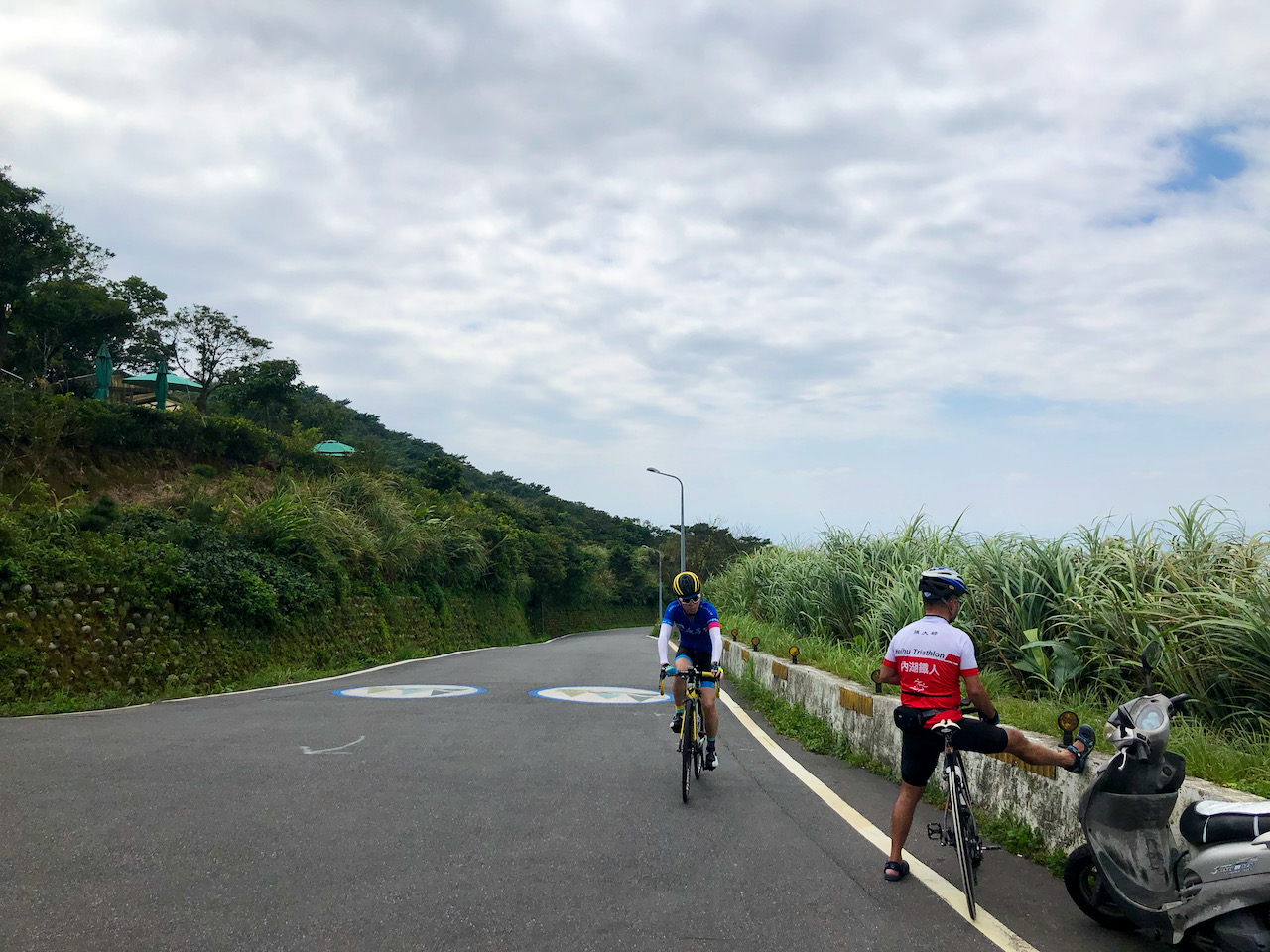
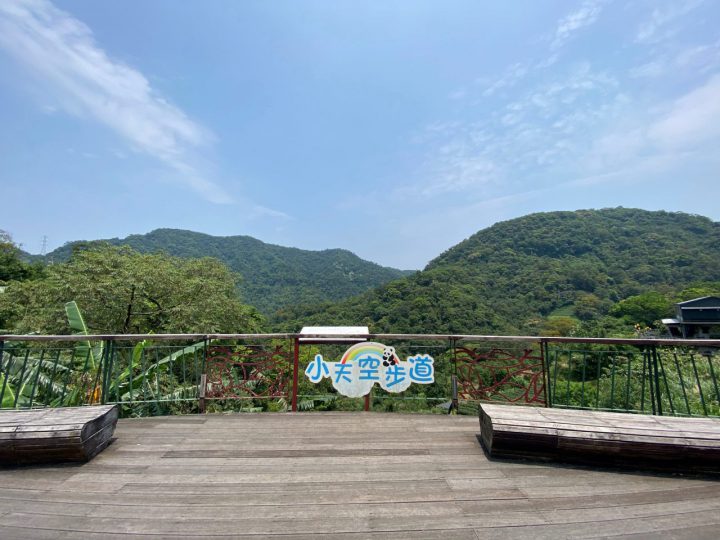
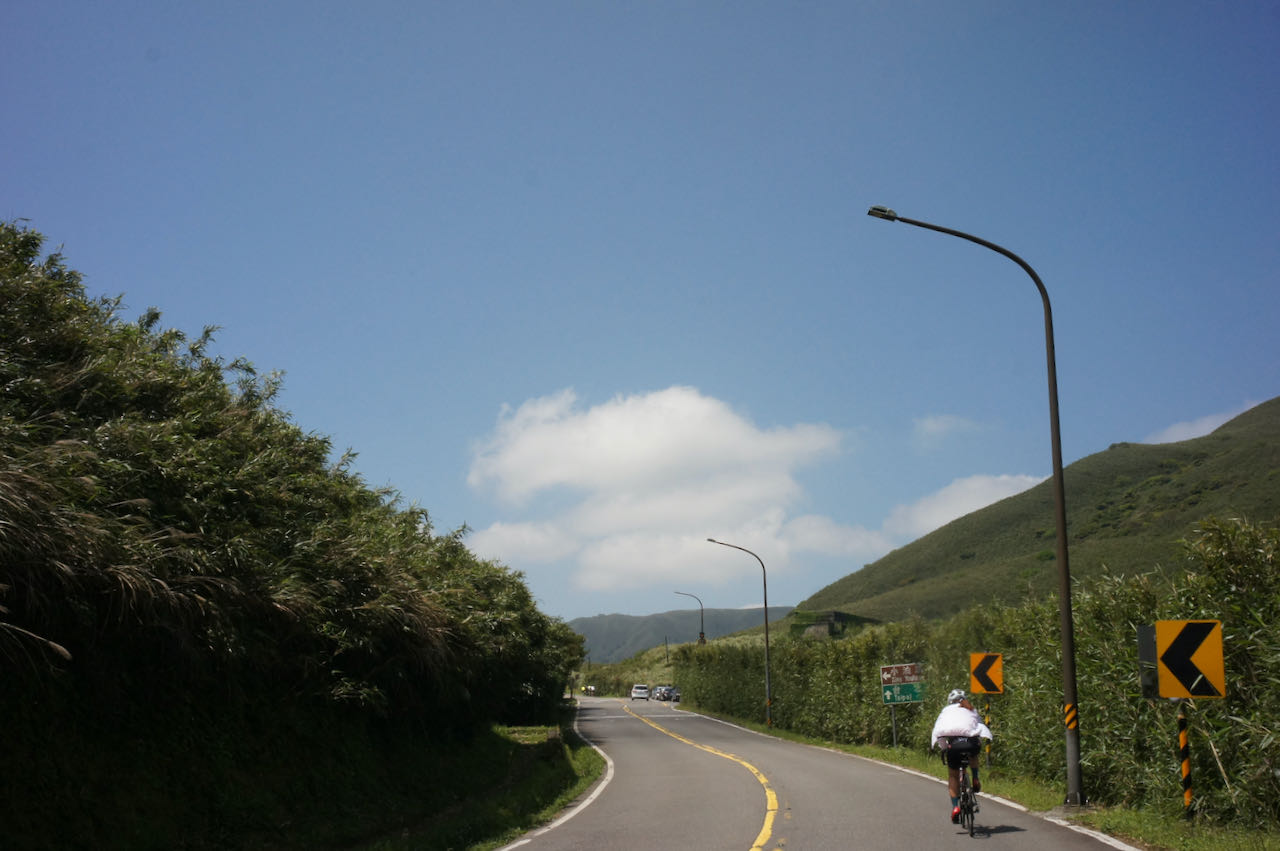
    Yangmingshan National Park is one of Taiwan’s nine national parks, renowned for its volcanic terrain, breathtaking peaks, and tranquil lakes. The park offers a variety of hiking trails that allow visitors to explore and savour panoramic vistas, including the renowned Seven Star Mountain and the picturesque beauty of Xiaoyoukeng. Due to its elevation of over 800 metres, well-maintained roads, and convenient accessibility from Taipei, it has become a favoured destination for cycling enthusiasts.

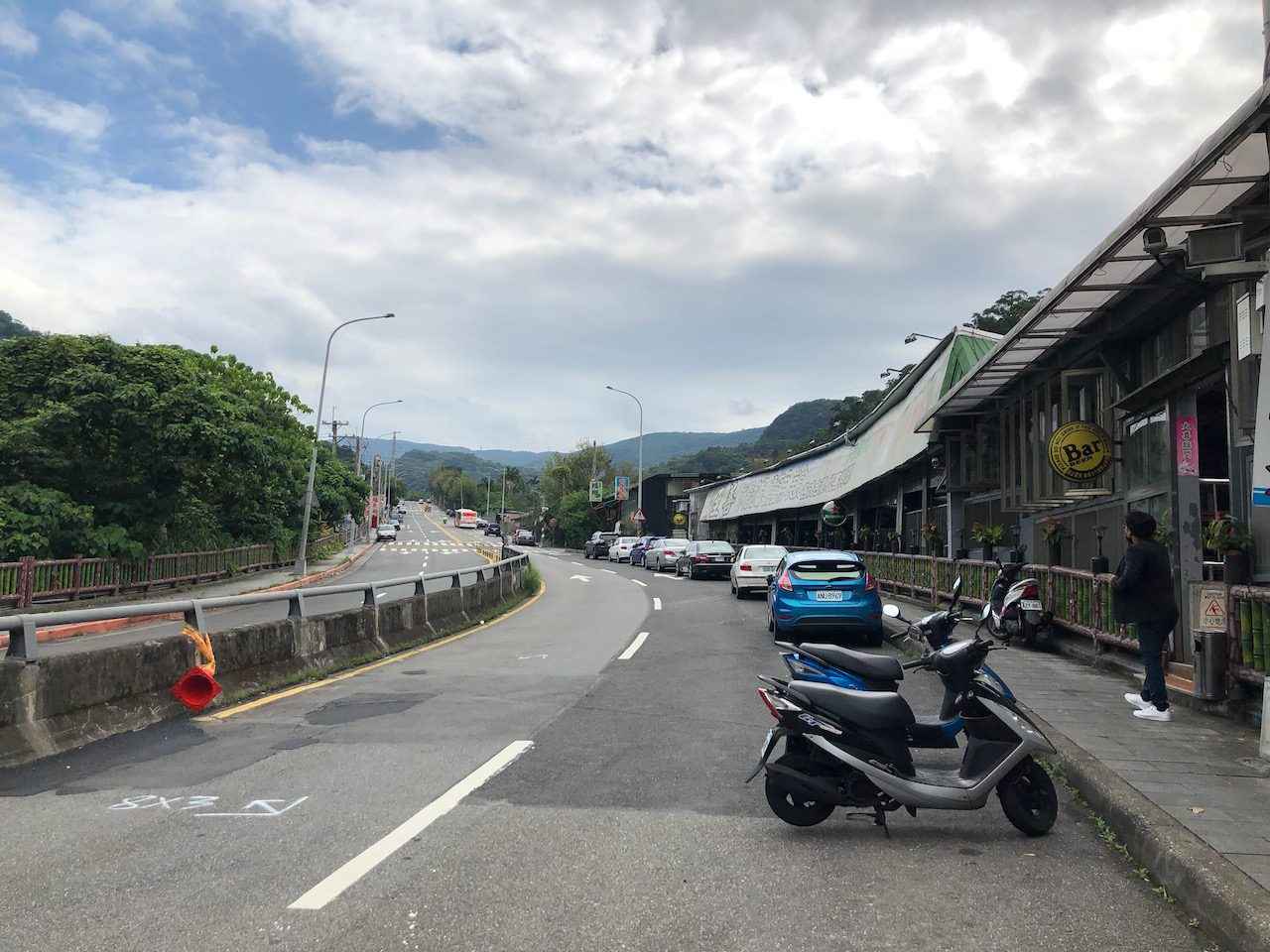
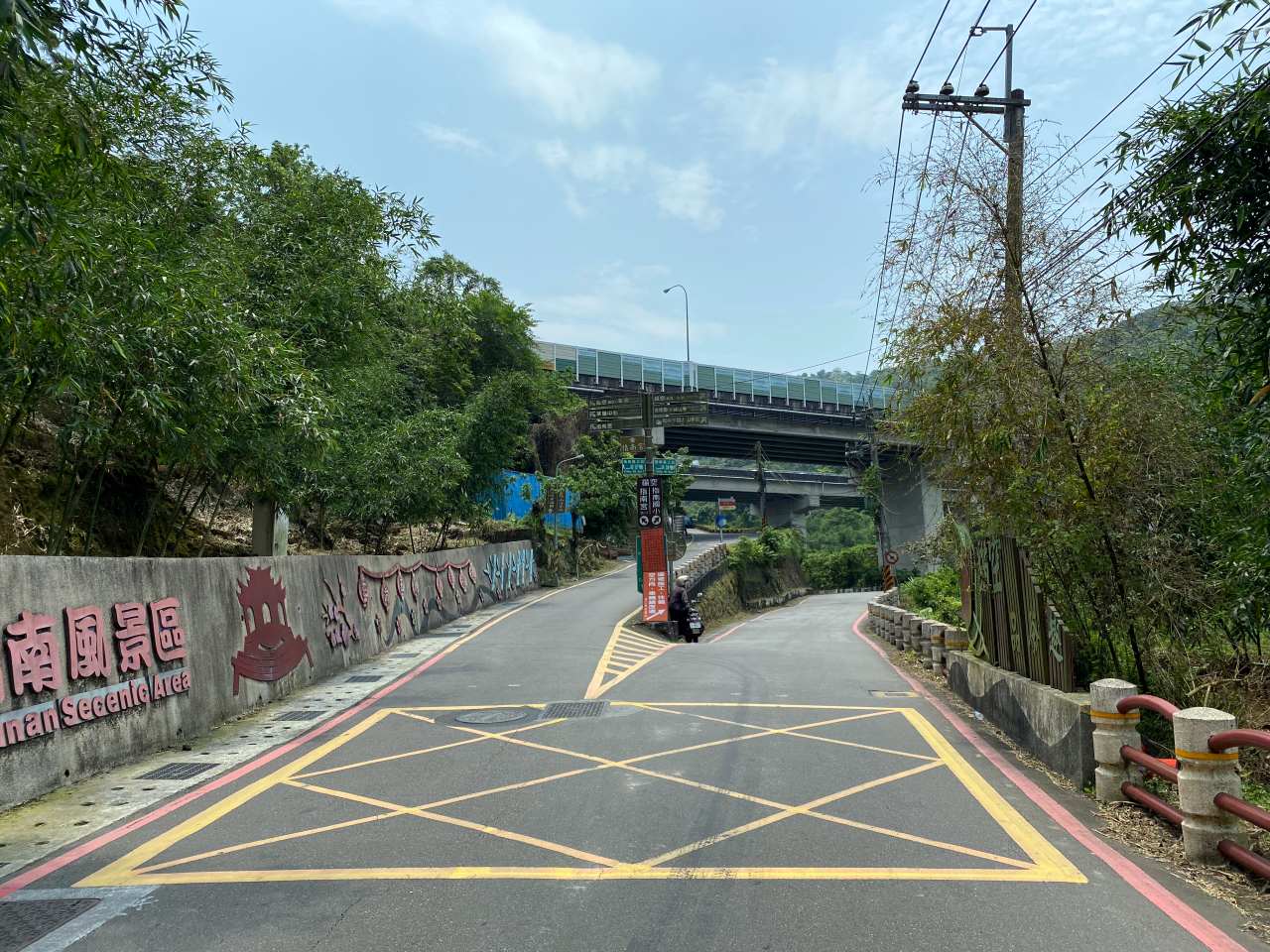
    The nearest starting points to climb the mountain from Taipei are accessible via the Riverside Bikeways, which are Yangde Boulevard (Provincial Highway 2A or 2甲) and Zhishan Road, followed by Pingjing Street. Yangde Boulevard is a less steep and more easily navigable option, but it often experiences heavier traffic. To avoid inhaling exhaust fumes while pushing my lungs to their limits, I generally prefer not to choose this route for climbing, unless it’s early in the morning. Descending on Yangde Boulevard, however, is less physically demanding and can be completed relatively quickly. On the other hand, despite its steeper incline, I personally enjoy taking the Zhishan Road and Pingjing Street route the most, as encounters with cars are infrequent.
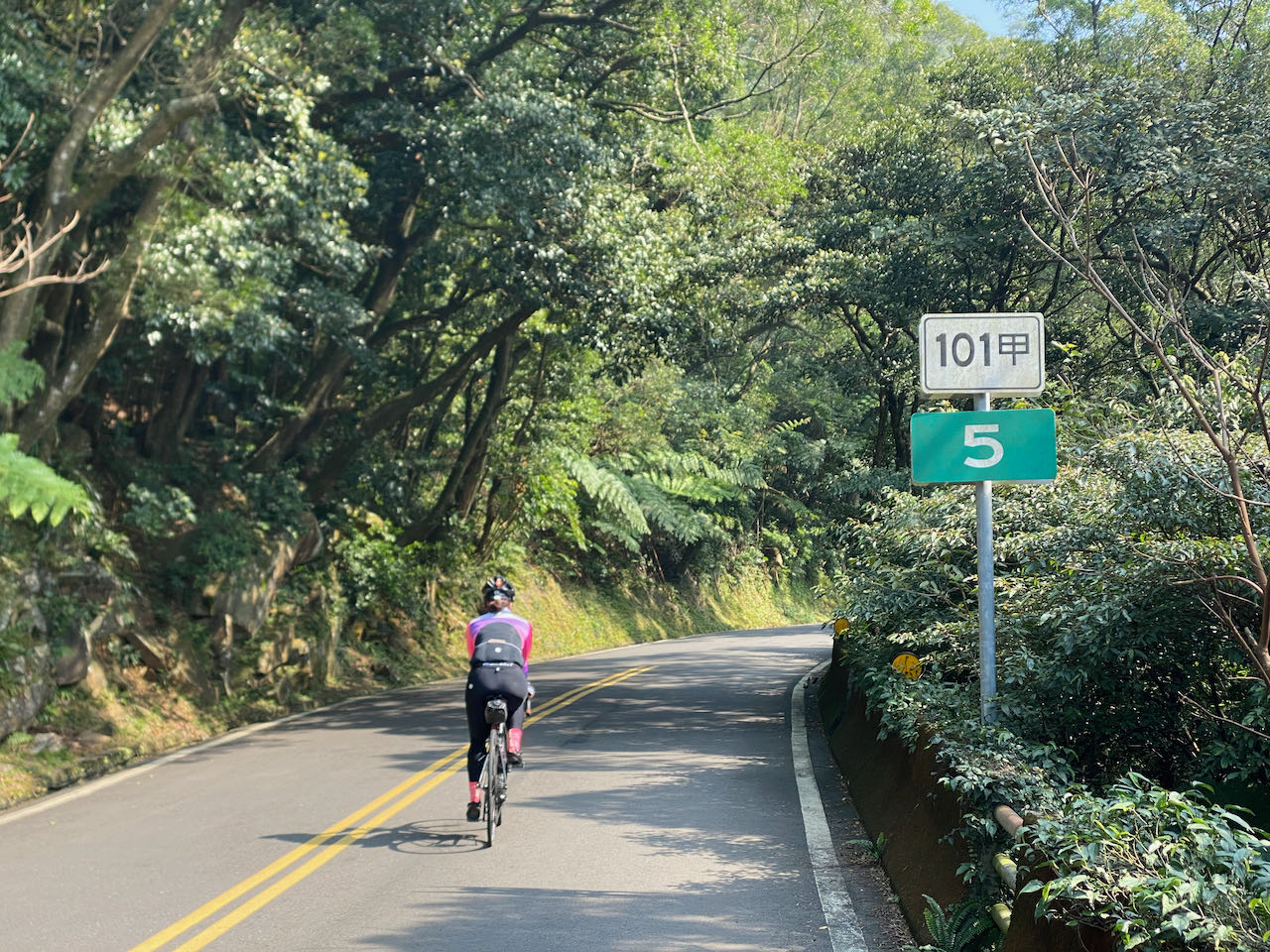
    If steepness is not your preference, County Highway 101 followed by County Highway 101A or 101甲 provides a more gentle approach. However, you need to get to Hongshulin to begin the climb. If you prefer not to ride there, you may take an MRT (Mass Rapid Transit) instead. The other two starting points, Jinshan District and Sanzhi District, are quite remote from the city centre.

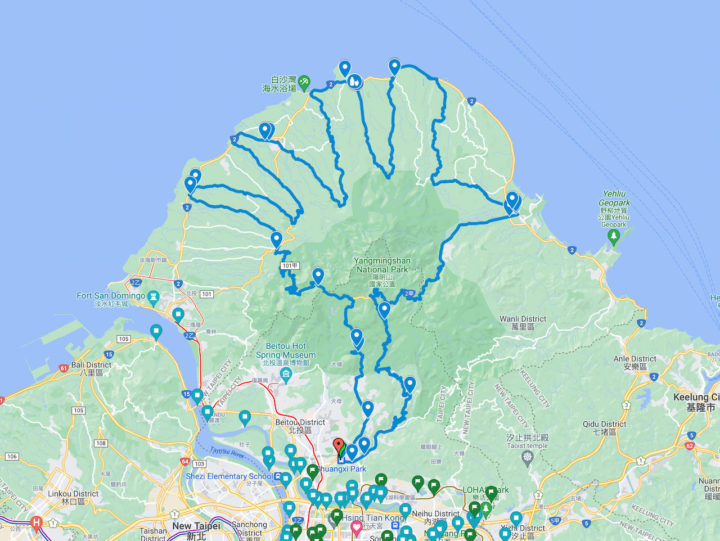
    Here, I have plotted different routes with varying lengths and difficulties for you to choose from.

    Route 1: Ascend Pingjing Street, Descend Yangde Boulevard 36km 982m Total Ascent

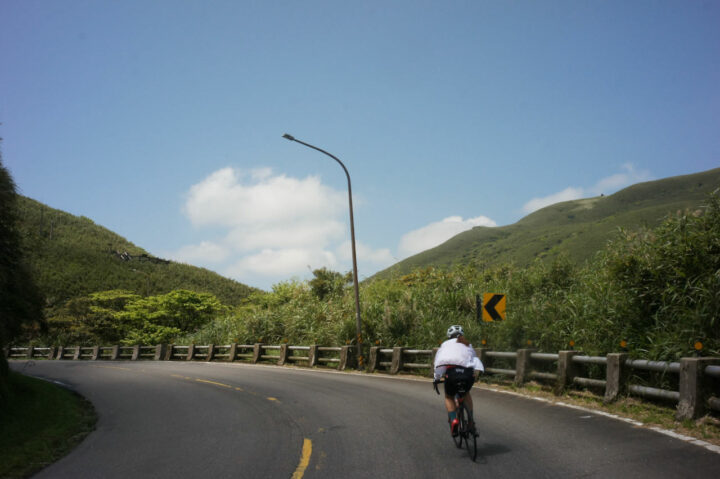
    It’s a 17 km climb that takes you to Lengshuikeng Visitor Centre at 746 m where you can see the vegetation changes. Then the final kilometres on the Zhonghu Road of Armaments (中湖戰備道路) offer a captivating panoramic view with stunning vistas of the surrounding mountains. Upon reaching Xiaoyoukeng Visitor Center, you can take a short walk on a pleasant hiking trail to explore a volcanic steam vent area (fumaroles), provided you are comfortable leaving your bike unattended for an hour. If you have more time, you can take a detour to the Bamboo Lake where you can find many restaurants and flower farms. For the descent, you can take Yangde Boulevard to return to Taipei city. There is a smooth transition to get to the Riverside Bikeways that connect to the other area of the city.

    This is a flexible route. If you wish to shorten your ride before completing the climb, there are several shortcuts available that can take you directly to Yangde Boulevard.

    Routes:

    NOTE: To use the routes, please install the App on your smartphone. The App will launch and load the route automatically after you tap the above links on your smartphone’s browser. For Garmin Connect, you can then use the APP to send the route to your garmin device. If your Garmin device is not purchased in Taiwan, you will also need make sure you have the Taiwan map on your device. Here is our blog post on this topic.

    Route 2: Ascend Pingjing Street, Descend Balaka Highway (County Highway 101A or 101甲)  48 km 1267 m Total Ascent

    The climbing is the same as Route 1. However when you reach Erziping Visitor Center, you have the option to continue climbing towards the Mount Datun Air Navigation Station. This segment spans 2.36km with a total ascent of 247 m, resulting in an average gradient of over 11%. I recommend attempting this climb only under favourable weather conditions. 

    Descending on Balaka Highway (101A or 101甲) is a fun and thrilling experience due to ideal level of steepness. It’s a quiet road, but please remember not to assume sole ownership of it  as occasional cars may pass by. On County Highway 101, you’ll come across Wuji Tianyuan Temple, distinguished by its building that resembles an umbrella. The temple boasts a beautiful cherry blossom garden, which is worth visiting during the appropriate season, typically around March and April. 

    At the end of the descent, you will find yourself in Tamsui, an area with numerous tourist attractions. Among my favourites are the Hobe Fort and Fort San Domingo.

    From there, you have the option to cycle back to Taipei using the Riverside Bikeways or simply take the MRT from Hongshulin Station

    As I mentioned earlier, Balaka Highway (101A or 101甲) is less steep to climb. Therefore,  this route is equally enjoyable when done in reservse.

    Routes:

    Route 3: Ascend Pingjing Street, Descend Yangjin Road (Provincial Highway 2A or 2甲), Ascend again to Fenguizui 74km 1597 m Total ascent

    This route features two climbs. The first climb follows the same route as Route 1. By descending to Jinshan District, you will reach the picturesque north coast. The Yehliu Geopark offers a plethora of fascinating orange rock formations to explore. Afterward, you can resupply and embark on your climb back to Taipei via Fengguizui (600 m), following the suggested route. 
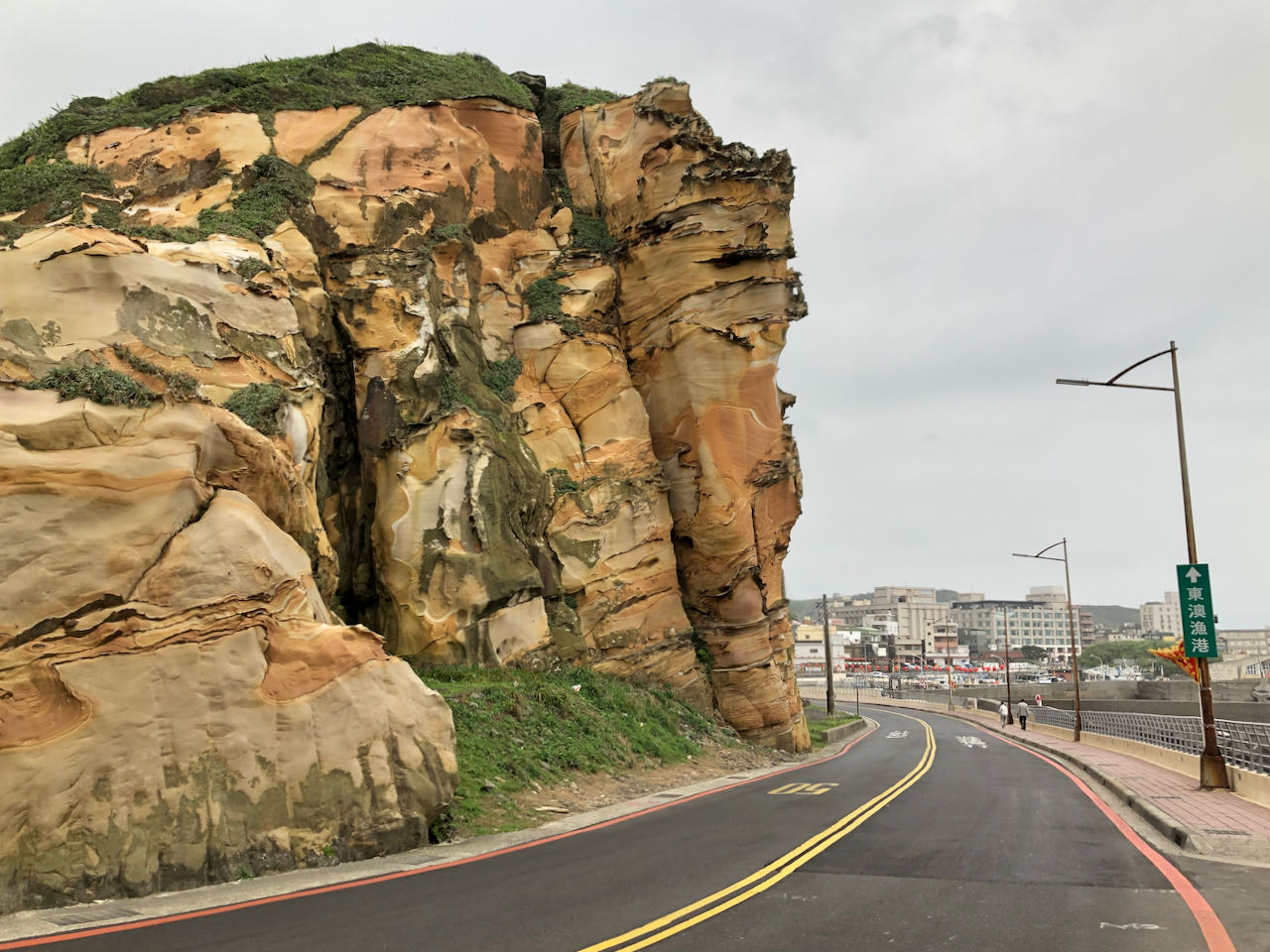
    Alternatively, you may cycle to Keelung through the Waimushan Seaside Scenic Area followed by a comparably flat route on Provincial Highway 5 to get back to Taipei. Yehliu to Keelung is a refreshing route to cycle. The Keelung to Taipei leg has nothing to boast of. Sometimes, I prefer to take the train from Keelung back to Taipei, alighting at Nangan, Songshan or Wanhua station. Normally, before 15:30 each day, there are 1 to 2 trains every hour that accommodate unbagged bikes. After 15:30, you’ll need to wait until 18:16.  For more details about taking trains with you bikes, refer to the provided link here

    Routes:

    Route 4: Ascend Pingjing Street, Descend to Jinshan, Ascend again on County Highway 101 and Balaka 96 km 1985 m Total Ascent

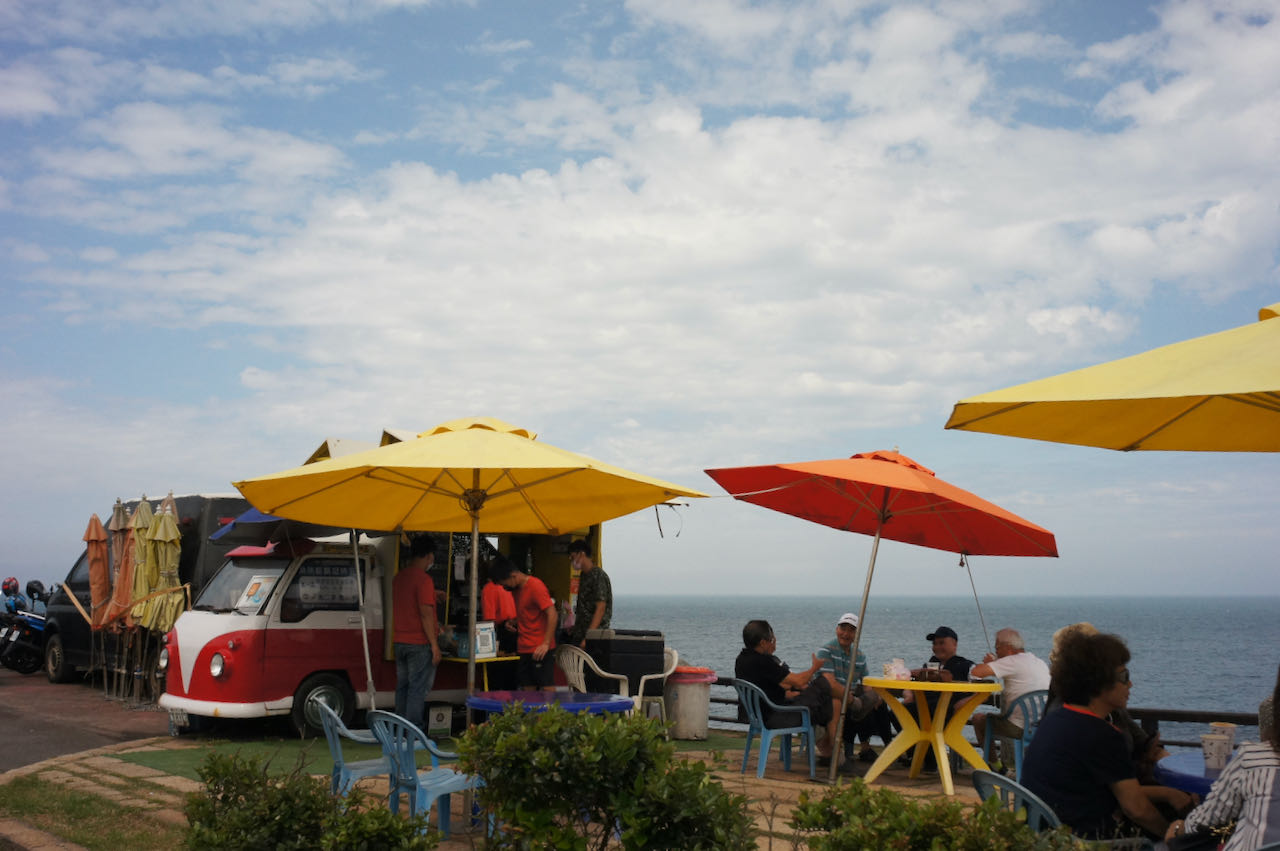
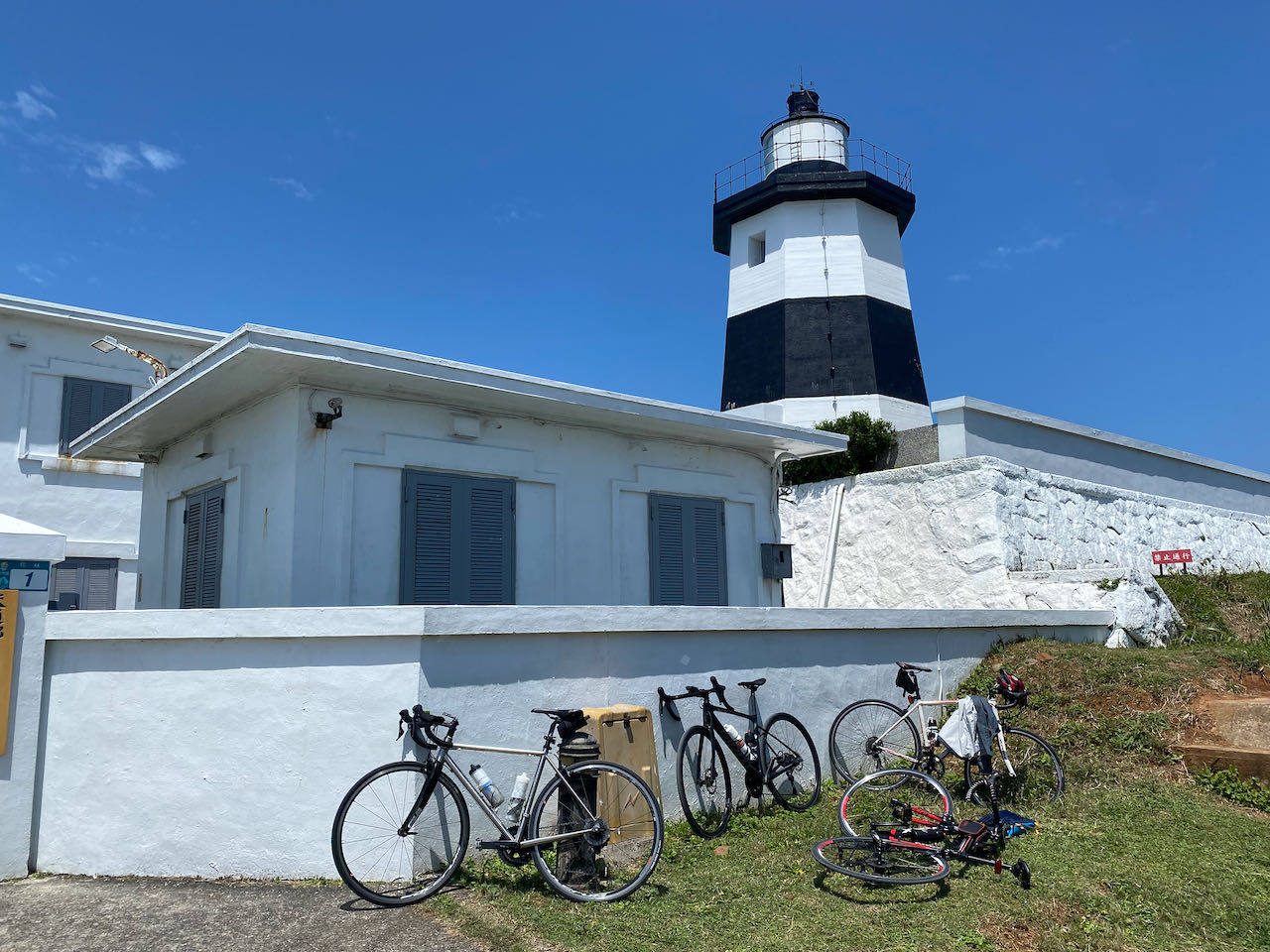
    This route features two climbs on Yangmingshan. The first half of this route is the same as Route 3, but we would head west after descending to Jinshan District and cycle along the invigorating and magnificent north coast. On weekends, you can find cafe trucks near Jhungjiao Bay. The Fugui Cape Park,  situated on the northern tip of Taiwan’s main island, presents a pristine lighthouse and is an idyllic place to visit. After a short ride from Fugui Cape, there is a popular sticky rice dumpling restaurant that provides a delicious calorie boost at a very reasonable price. The final climb begins at Sanzhi District, where you can restock your supplies. At the junction of County Highway 101 and 101A (or 101甲), there is a convenience store for further provisions before reaching the top. As you finish descending on Yangde Boulevard and check your Strava, you’ll notice you have traced a big fist on the map. Therefore, I suggest we name it the Budha’s Fist as the 5th Route is referred to as the Budhda’s Palm, a route that deserves a dedicated post

    If you don’t want to make the 2nd climb, you can simply cycle straight to Tamsui and return to Taipei. The route is a little hilly but the total ascent is smaller. 

    Routes:

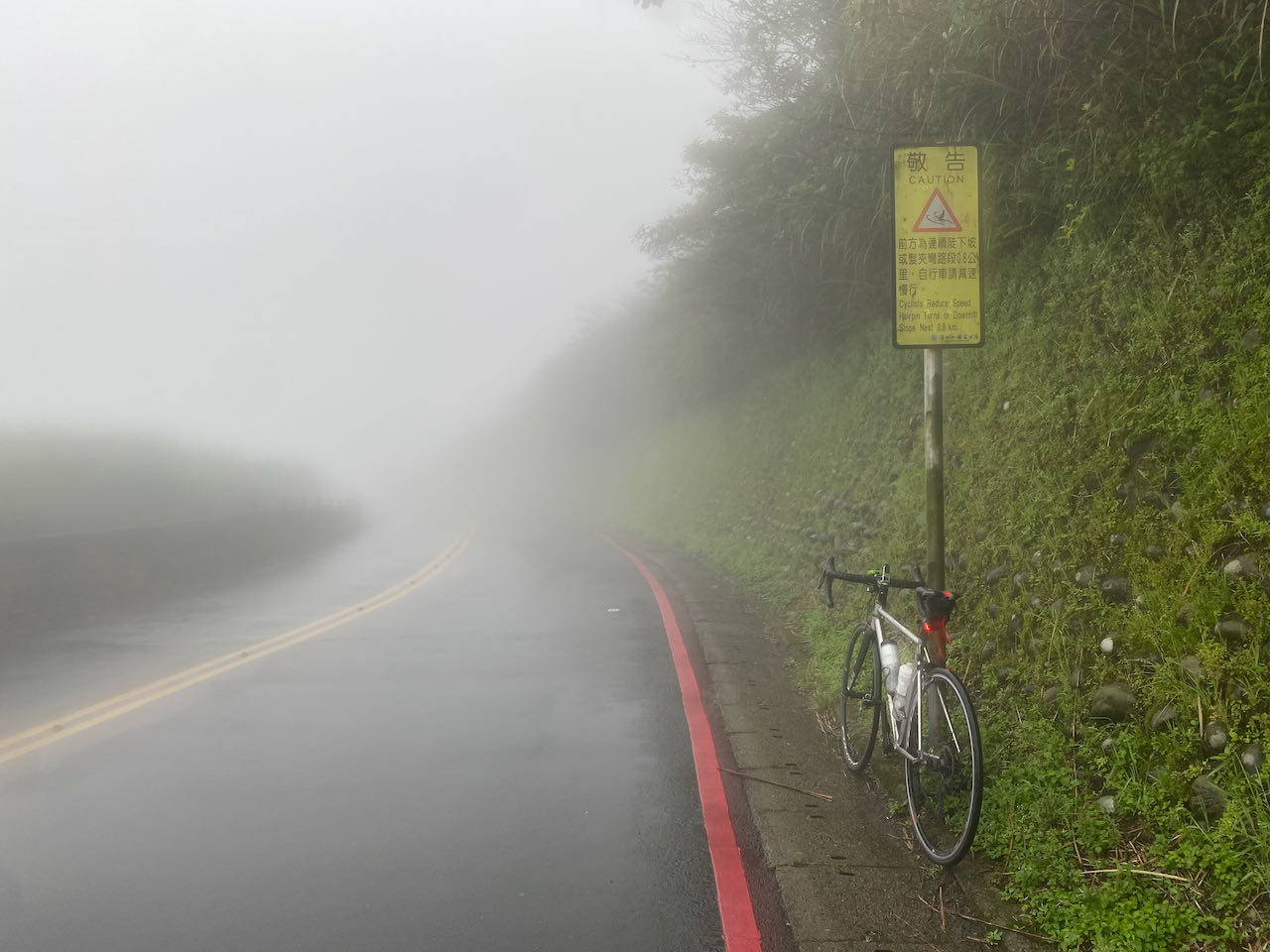
    After cycling these 5 routes, there is still much more to explore within Yangmingshan National Park. The roads are well-maintained, offering numerous interesting stops along the way. Feel free to plan your own route and embark on further exploration, but it’s important to be prepared as weather conditions can change dramatically. We’ve had fellow cyclists who experienced difficulties descending from the top due to rain rapidly draining their body heat, which can lead to hypothermia. In such cases, they had to resort to hiring a van for transportation back. Stay cautious and enjoy your explorations!
  • How to Get Around Taipei Urban Area by Bike

    How to Get Around Taipei Urban Area by Bike

    (This is post will be updated regularly)

    Cycling in a new city can be intimidating when you are not familiar with the roads, traffic patterns, and cycling infrastructure. The fear of getting lost or not knowing the safest routes can discourage first-time visitors from hopping on a bike. Understanding local cycling rules, regulations, and etiquette can also be challenging. Many of our customers, even though they are here in Taiwan for a cycling trip, are very reluctant to mount a bike among the busy traffic within Taipei city. 

    But it may not be as daunting as it seems. Once you know the general rules, which are mostly common sense and universal, and have a basic idea of the layouts of several main roads in Taipei, you’ll be able to get around the city on a bike with much ease.

    General Rules

    Bicycles in Taiwan fall under the classification of “Scooters and Slow Vehicles” 機慢車. The regulations that apply to scooters also apply to bicycles. In larger cities like Taipei City, there are dedicated infrastructures designed specifically for slow vehicles, such as slow lanes and separate slopes on flyovers. Generally, bicycles are permitted on all roads in Taipei, except for elevated expressways and lanes marked with 禁行機車 (“no scooters” in Chinese) on the ground. Riding on uncovered sidewalks is allowed, but pedestrians always have the right of way, so it’s important to be courteous and yield to them. Cycling is prohibited on covered sidewalks; in such cases, you must dismount and push your bike.

    One of the regulations specific to slow vehicles involves a special left-turning procedure known as the two-stage turning. At certain junctions, when you encounter a sign with a bike and two arrows (indicated by the green arrow in the photo below), you cannot make a direct left turn. Instead, you must first go straight and proceed to the white box (indicated by the blue arrow), stop and turn to left, then wait for the traffic light in front of you to turn green.

    While we have the freedom to cycle throughout the city on most roads, it’s important to note that during peak hours, when traffic is heavy, motor vehicle drivers may provide less space and safety when interacting with other road users. This means that cars may come closer to cyclists than they should, leading to added stress for most cyclists.

    Buses are required to stop at bus stops located on the roadside, while bicycles are encouraged to travel in the outside lane. During certain hours, bikes and buses may hinder each other’s progress. In such situations, I prefer to ride through smaller alleys where there are no buses and traffic tends to be slower.

    For instance, when traveling from Songshan or Xinyi to National Taiwan University, I opt for a slightly more complex route instead of the direct and straightforward path via Keelung Road. The route is a bit complicated. I needed to load it onto my bike computer before I know it by heart.

    There are some wide, bike-friendly roads in Taipei that facilitate navigation and route planning. On the outside lanes (or inside lanes for readers from the UK) of these roads, cycling conditions are more favorable due to fewer buses and bus stops. As a result, riding in the slow lanes becomes more comfortable. Additionally, most of these roads feature wide sidewalks with designated bike lanes. If you prefer not to ride alongside motorized vehicles, you can switch to the bike lanes. However, it’s important to ride at a slower pace and remain vigilant for pedestrians who may inadvertently stray into the bike lanes.

    Navigating Taipei – the Main Roads

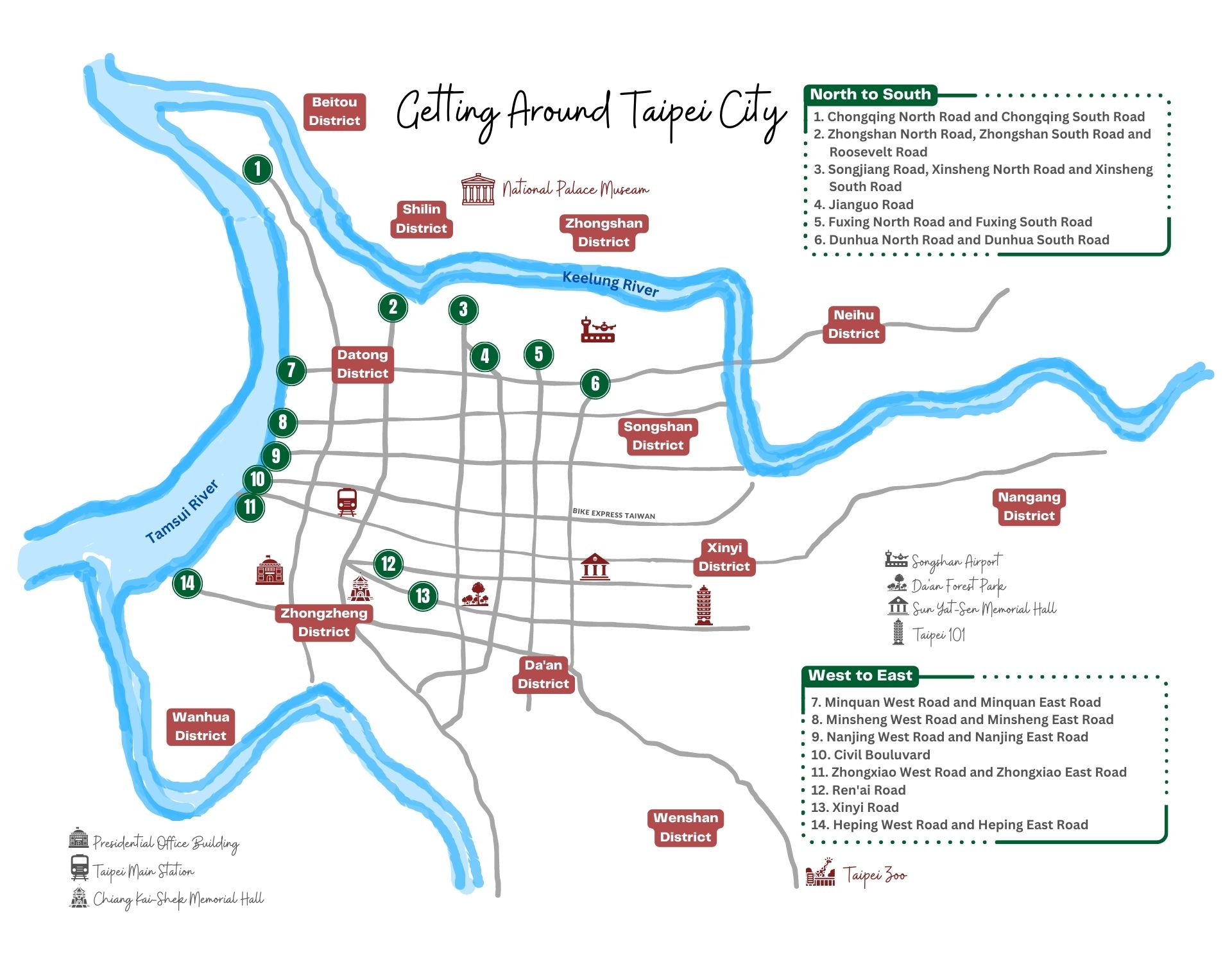
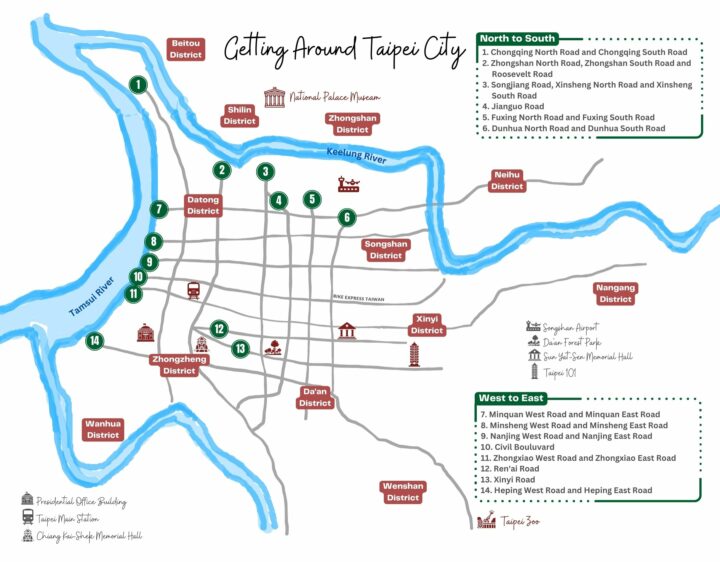
    If you take a closer look at the city map of Taipei, you can see that the urban areas can actually be viewed in grids, formed by a number of thoroughfares that go from West to East and North to South. Once you know these grids well enough, you don’t need to worry about getting lost in the city anymore. Below is a simplified graph of these road networks.

    Roads leading from North to South
    1. Chongqing North Road and Chongqing South Road 重慶北路, 重慶南路
    2. Zhongshan North Road, Zhongshan South Road and Roosevelt Road 中山北路, 中山南路, 羅斯福路
    3. Songjiang Road, Xinsheng North Road and Xinsheng South Road 新生北路, 新生南路
    4. Jianguo Road 建國路
    5. Fuxing North Road and Fuxing South Road 復興北路, 復興南路
    6. Dunhua North Road and Dunhua South Road 敦化北路, 敦化南路
    Roads leading from West to East
    1. Minquan West Road and Minquan East Road 民權西路, 民權東路
    2. Minsheng West Road and Minsheng East Road 民生西路, 民生東路
    3. Nanjing West Road and Nanjing East Road 南京西路, 南京西路
    4. Civil Bouluvard 市民大道
    5. Zhongxiao West Road and Zhongxiao East Road 忠孝西路, 忠孝東路
    6. Ren’ai Road 仁愛路
    7. Xinyi Road 信義路
    8. Heping West Road and Heping East Road 和平西路, 和平東路

    Bike-friendly Roads in Taipei City

    We have cycled and evaluated these roads to determine their level of bike-friendliness. While the conclusions may be subjective, they are not arbitrary. Our assessments are based on three main criteria and are given a rating out of five stars in total:

    • Are there designated bike lanes and can you ride on the sidewalks?
    • How busy are the outside lanes, where bikes should ride on?
    • Does the road have easy access to the Riverside Bikeways, where you can bypass city traffic altogether?

    Zhongshan North Road, Zhongshan South Road and Roosevelt Road

    Sidewalk

    Bike Lanes can be found on the sidewalks on Zhongshan North Road and Zhongshan South Road. When there is no bike lane, the sidewalks are still wide enough to cycle

    Rating: 3 out of 5.

    Outside Lane

    All bus stops are on the outside lane on Zhongshan North Road and Zhongshan South Road

    Rating: 2 out of 5.

    Access to Riverside Bikeways

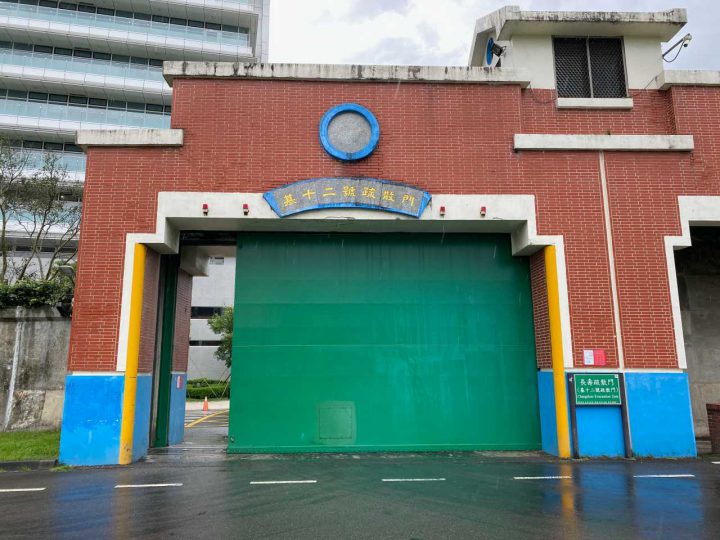
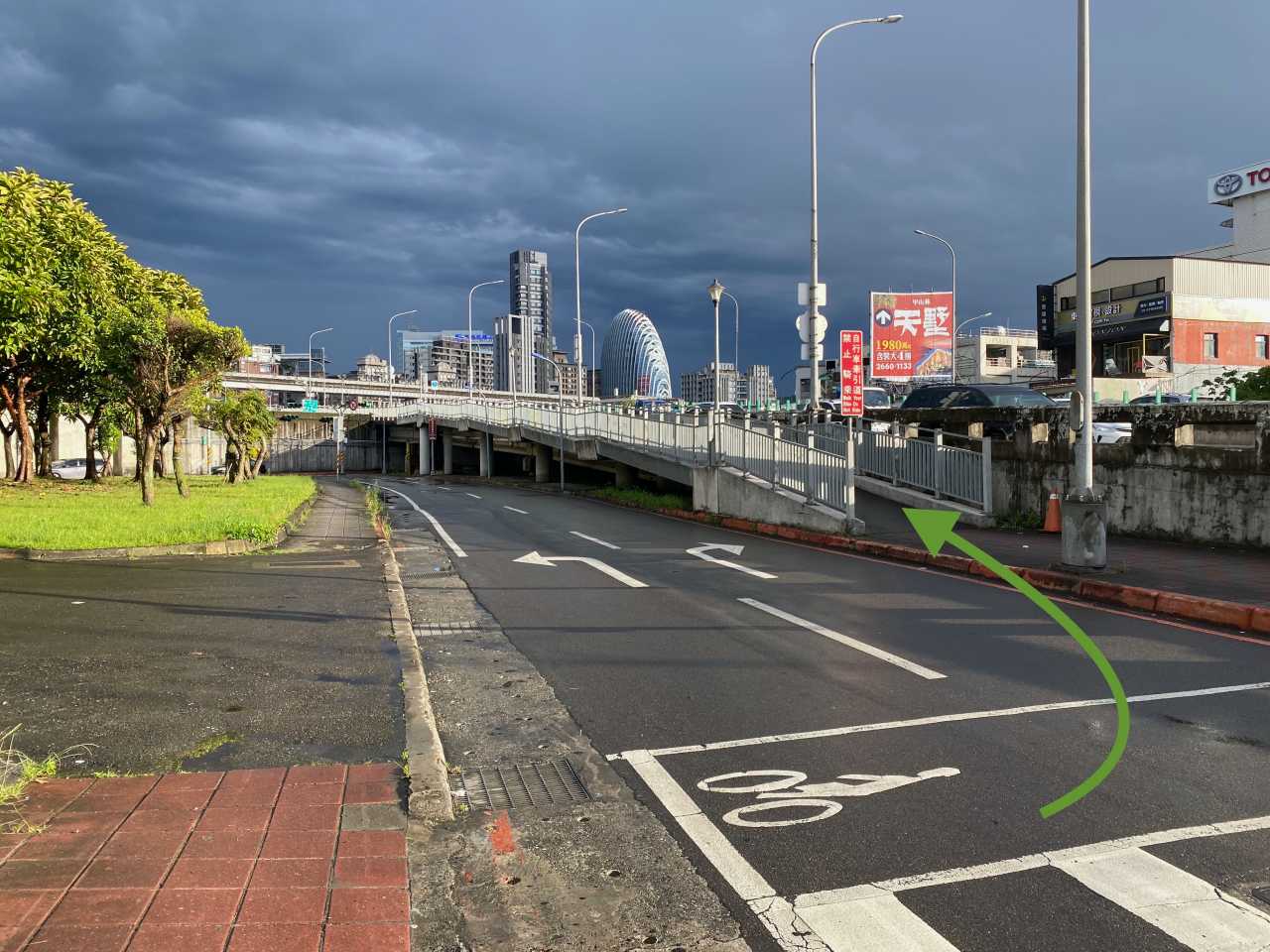
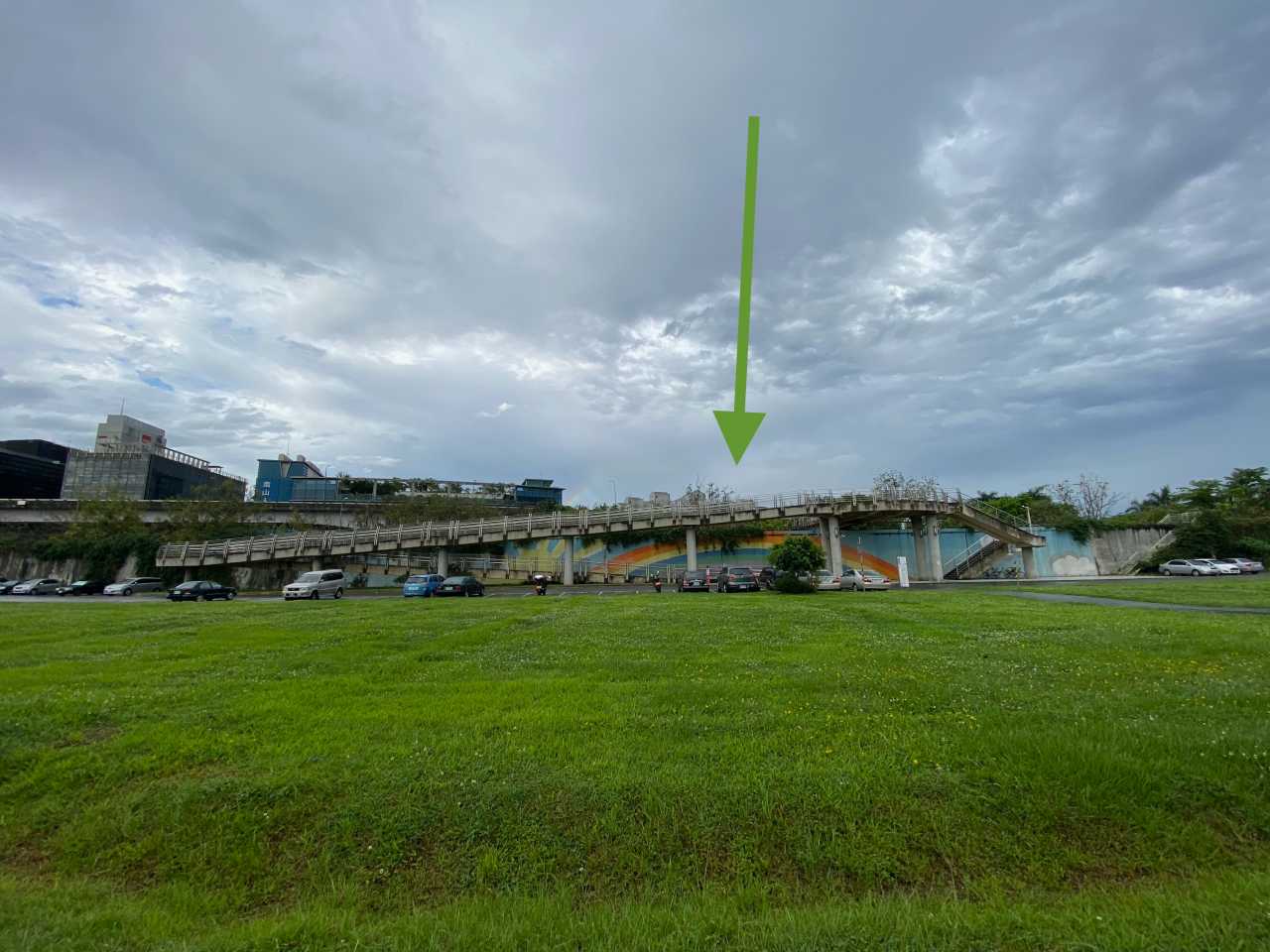
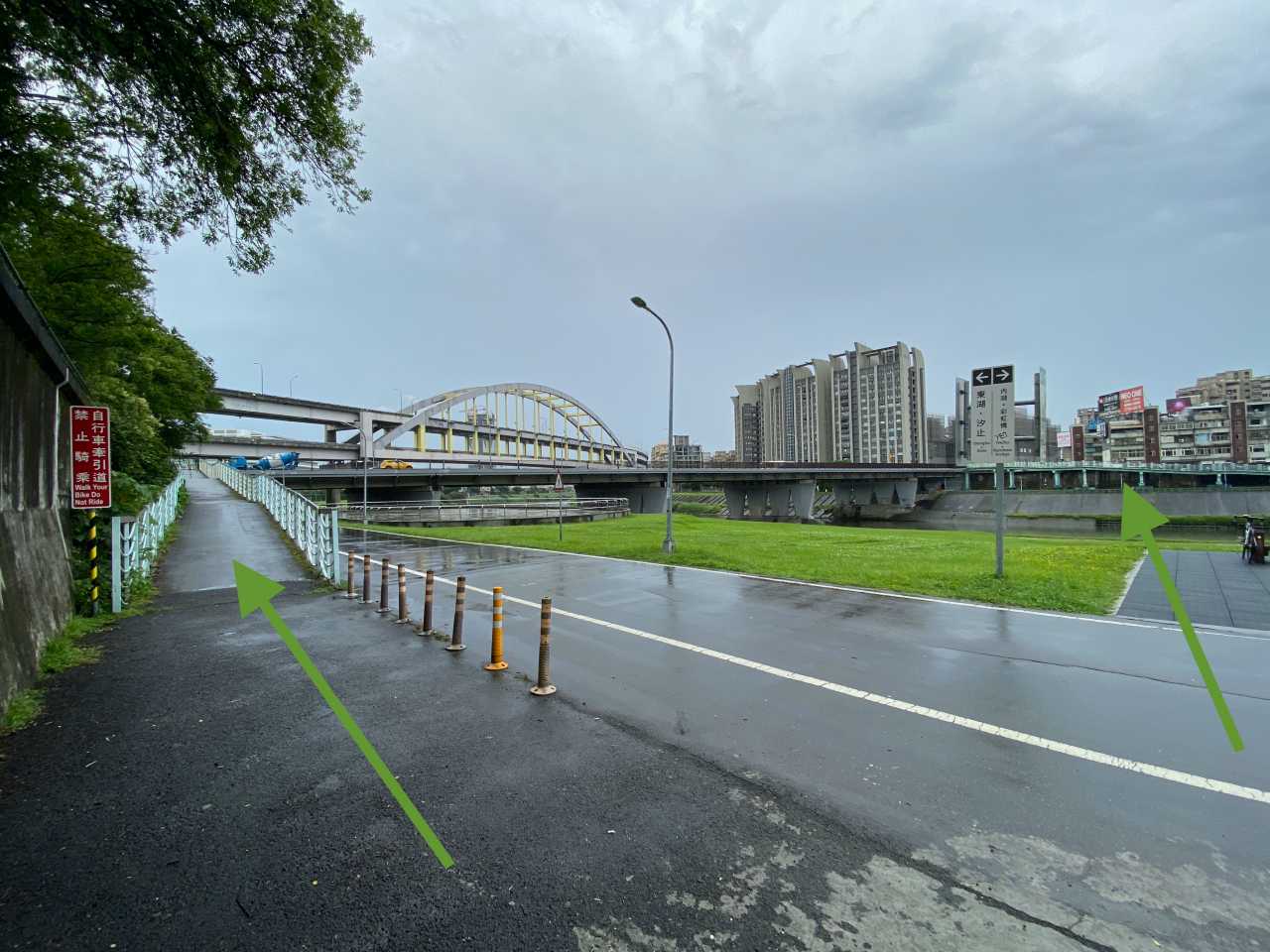
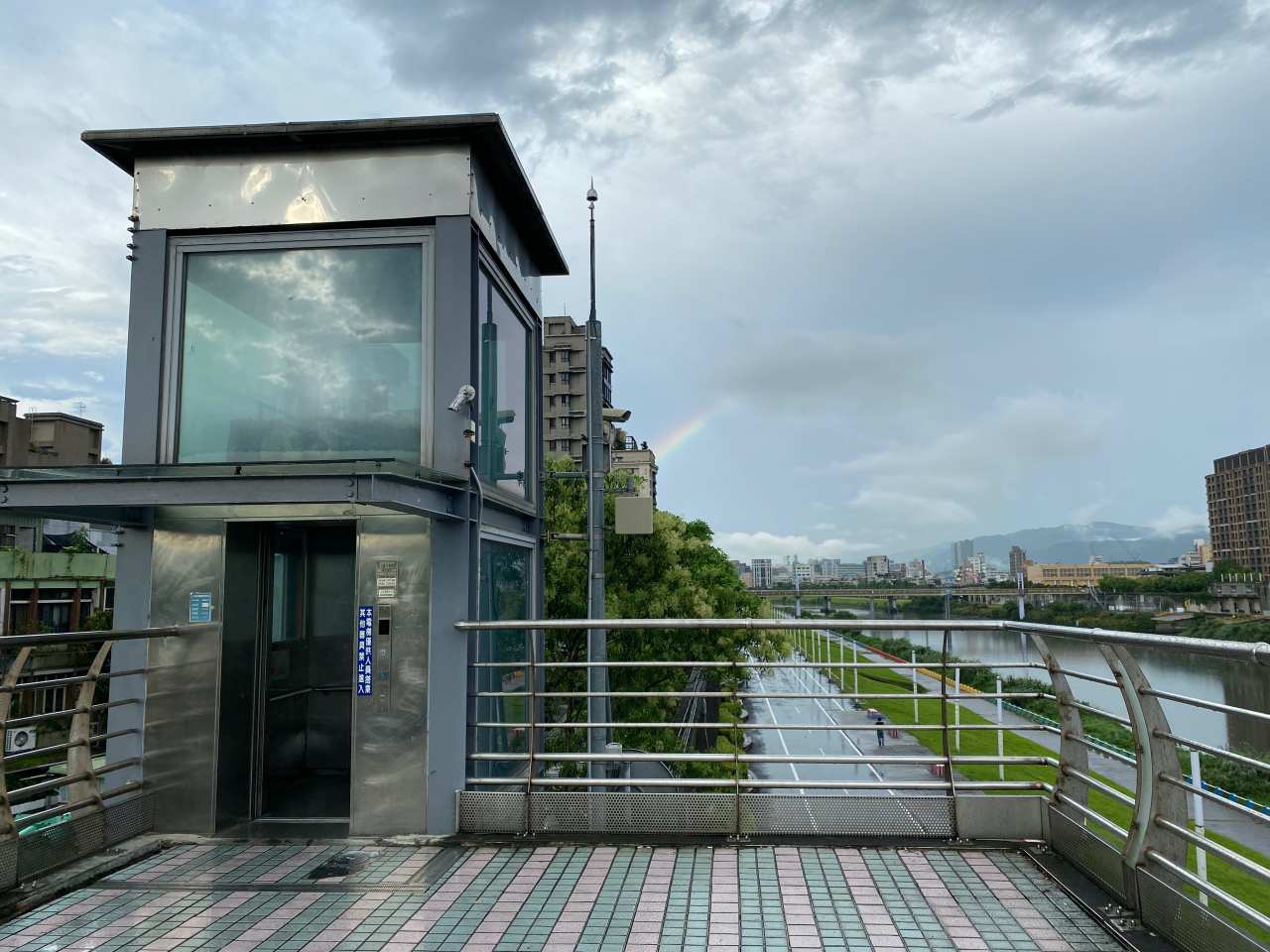
    At the northern end, there is a bike ramp located approximately 20 meters further north of this parking lot, providing access to Yuanshan Park for cycling. On the southern end, the Riverside Bikeways can be reached via a ramp adjacent to Taipei City Hakka Culture Theme Park or the footbridge in this area. Please note that while the footbridge is equipped with elevators on both sides, their operation might be limited to certain hours and not available around the clock

    Rating: 4 out of 5.

    Songjiang Road, Xinsheng North Road and Xinsheng South Road

    Sidewalk

    There are bike lanes on the sidewalks but not continuously. When there is no bike lanes, the sidewalks are still ridable

    Rating: 4 out of 5.

    Outside Lane

    There are dedicated bus lanes and bus stops on the inside lanes, though some bus stops are still found on the outside lane. But bus traffic is expected to be lower in these areas

    Rating: 4 out of 5.

    Access to Riverside Bikeways

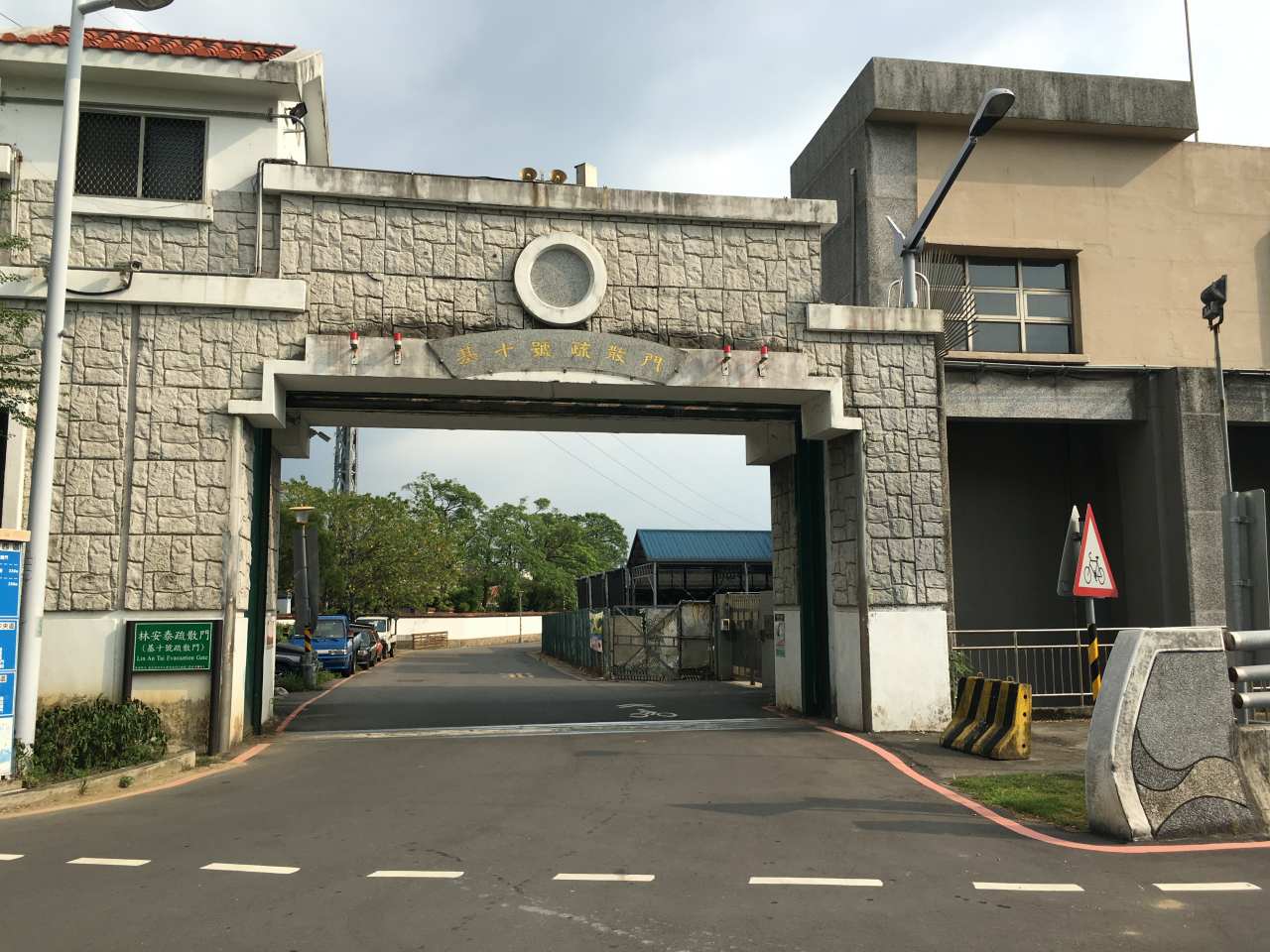
    At the northern end, you can get into the Riverside Bikeways at Lin A Tai Evacuation Gate, which is connected to Xinsheng Park, where cycling is allowed. At the southern end, the Riverside Bikeways can be accessed via Siyuan Street, adjacent to Gongguan Waterfront Plaza

    Rating: 5 out of 5.

    Fuxing North Road and Fuxing South Road

    Sidewalk

    Dedicated bike lanes on found some sections of the sidewalk on the south-bound side. Sidewalk on the north-bound side is narrower but still ridable

    Rating: 4 out of 5.

    Outside Lane

    Bus lanes on the outside lane

    Rating: 2 out of 5.

    Access to Riverside Bikeways

    Neither of these two roads has provides direct access to the Riverside Bikeways. The northern end of Fuxing North Road connects with Minzu East Road (Songshan Airport) Tunnel, where bikes not allowed. The southern end of Fuxing South Road leads to National Taiwan University

    Rating: 1 out of 5.

    Dunhua North Road and Dunhua South Road

    Sidewalk

    There is no dedicated bike lane on the sidewalks but they are still ridable

    Rating: 3 out of 5.

    Outside Lane

    Bus stops are found both on the inside lane and outside lane. Bus traffic is expected to be lower on the outside lane

    Rating: 4 out of 5.

    Access to Riverside Bikeways

    Neither of these two roads provides direct access to the Riverside Bikeways. Dunhua North Road meets Minquan East Road Section 3 and Section 4 at the northern end, while Dunhua South Road meets Keelung Road at the southern end

    Rating: 1 out of 5.

    Minquan West Road and Minquan East Road

    Sidewalk

    There is no dedicated bike lane on the sidewalks but they are so wide that cycling is not an issue

    Rating: 3 out of 5.

    Outside Lane

    Bus stops are rarely found on the outside lane as there are dedicated bus lanes in the middle of the road

    Rating: 4 out of 5.

    Access to Riverside Bikeways

    At the western end of Minquan West Road, there is a stairway with a narrow ramp that allows you to push your bike and climb up to Taipei Bridge, providing access to the Riverside Bikeways. On the eastern end of Section 5 of Minquan East Road, you can utilize the scooter lane on Minquan Bridge to reach Neihu. Additionally, there is the Tayou Water Gate available for accessing the Riverside Bikeways

    Rating: 4 out of 5.

    Nanjing West Road and Nanjing East Road

    Sidewalk

    There are continuous bike lanes on the sidewalks

    Rating: 5 out of 5.

    Outside Lane

    Bus stops are rarely found on the outside lane as there are dedicated bus lanes in the middle of the road

    Rating: 4 out of 5.

    Access to Riverside Bikeways

    Located at the western end of Nanjing West Road, you will come across a small gate providing access to the Riverside Bikeways. However, exercise caution when using this gate as there is still a road with fast-moving motorized vehicles. Alternatively, for a safer route, simply follow the signs for Cycling Route No. 1, leading you to the Dadaocheng Pier Plaza

    At the eastern end of Nanjing West Road, you will encounter Maishuaiyi Bridge, featuring a dedicated scooter lane that leads to Neihu. Although I seldom use this bridge as, personally, I prefer to use the more comfortable option of entering the Riverside Bikeways via Raohe Evacuation Gate

    Rating: 4 out of 5.

    Ren’ai Road

    Sidewalk

    The sidewalks are generally spacious enough to accommodate cycling, although not many of them have designated bike lanes marked on the ground

    Rating: 3 out of 5.

    Outside Lane

    Most buses travel on the inside lanes and their stops are conveniently located next to those lanes. There are a few bus stops found on the outside lanes. But the likelihood of encountering buses blocking your way on these lanes is relatively low compared to other roads

    Rating: 4 out of 5.

    Access to Riverside Bikeways

    Ren’ai Road provides no direct access to the Riverside Bikeways. Its eastern end meets Taipei City Hall and its western end connects with Xinyi Road Section 1 and National Taiwan University Hospital

    Rating: 1 out of 5.

    Xinyi Road

    Sidewalk

    There are continuous bike lanes on the sidewalks

    Rating: 5 out of 5.

    Outside Lane

    Most of the buses travel and stop along the inside lanes. You would rarely be blocked by buses on the outside lanes

    Rating: 4 out of 5.

    Access to Riverside Bikeways

    There is no direct access to the Riverside Bikeways. But if you head north from Xiangshan MRT Station at the eastern end, you can get to Raohe Evacuation Gate, which is an entry point to the Riverside Bikeways

    Rating: 1 out of 5.

  • Cycling Route No. 1 – Alternative for Day 1 with Great Views

    Cycling Route No. 1 – Alternative for Day 1 with Great Views

    I went cycling with my friends on a Sunday in November to explore a route plotted by Sandy. She was about to lead a local cycling group to do part of the around-the-island in the northern part of Taiwan. Since it’s already the 3rd time the group did the around-the-island, Sandy wanted to try something different. The route she plotted turned out to be a very nice one with beautiful views on the countryside. Most of the time you’ll be riding on the bikeways. It’s also quiet and without much climbs. 

    I have converted my GPS record that day to a Garmin Course for navigation, with the starting point set at Songshan Train Station, which is the official starting point of Taiwan Cycling Route No. 1. The GPX route is available for download at the end of this post. 

    If you are planning for an around-the-island trip, instead of following the official route, you may consider using this route for your day 1 itinerary. The route ends at an old town called Beipu 北埔 in Hsinchu 新竹, which is a small town with limited hotel choices. If you cannot book one, you may need to switch to Hsinchu City 新竹市 from Zhudong 竹東. There are more hotels to choose from. 

    Here are more details about the route.

    Road Conditions

    Starting from Songshan Train Station 松山火車站, you will head west and cut across Taipei on Nanjing East Road 南京東路. Nanjing East Road is very bike friendly because there are bike lanes on the wide sidewalks. It’s also fine if you want to cycle with the other vehicles on the road. The road is wide in general. For some parts, bus stops are built on the fast lanes so that bicycles and scooters won’t be fighting for roadside spaces with buses. Once you reach the Dadaocheng Pier Plaza 大稻埕碼頭廣場, you will begin a 55 km ride along the Riverside Bikeways with minimal motorised vehicles. If you want to avoid city traffic as much as possible, you can get into the Riverside Bikeways directly via the evacuation gate at Rainbow Bridge 彩虹橋 from Songshan. Besides the Riverside Bikeways, the rest of the route is mostly done on the well-maintained Provincial Highway No. 3. Sandy has plotted carefully to skip most of the climbs.

    Places to Visit and Things to See

    What you will see along this route are mostly rural landscapes and some old infrastructure like canals and bridges. There are also some old towns and old streets where you can stop by for supply and meals.

    Comparison with Other Routes

    So far I have tried 3 routes to cover the first day of the around-the-island, starting from Songshan and ending in Hsinchu. 

    The west coast route (green one on the map) is flat and wide so that we can cycle as fast as we can. It offers panoramic views of the sea while we are cycling. There are also sections of bikeways for us to get away from the traffic though it’s not too busy. There are less towns there but it’s not difficult to find supply. There are also not too many trees to provide shade. Therefore it can be very hot in the summer. 

    Day 1 of the official Taiwan Cycling Route No. 1 (blue one on the map) is mainly done along Provincial Highway No. 3. It’s well maintained but with lots of slopes. You will have to go up and down again and again. There are a couple interesting towns to stop by along the way. Provincial Highway No. 3 is also a popular route for motorbike riders to hone their cornering skills. So, it could get very noisy especially during weekends. 

    If you take the route plotted by Sandy (orange one on the map), you will spend much more time on dedicated bikeways and rural country roads. It is flat and quiet. You can cycle more leisurely and enjoy the views. But you may tend to spend more time pausing to take photos. If it gets dark, it will become very difficult to navigate. So, make sure you get back to the main roads before the sun sets. Also pay attention to the local weather before you set off. After heavy rain, those bikeways could be flooded.

    Routes:

    NOTE: To use the routes, please install the App on your smartphone. The App will launch and load the route automatically after you tap the above links on your smartphone’s browser. For Garmin Connect, you can then use the APP to send the route to your garmin device. If your Garmin device is not purchased in Taiwan, you will also need make sure you have the Taiwan map on your device. Here is our blog post on this topic.

  • Cycling Route: Buddha’s Palm – Climb Training

    Cycling Route: Buddha’s Palm – Climb Training

    The cycling route known as “Buddha’s Palm” 如來神掌 is one of the most challenging route in Taipei and New Taipei. It consists of a total distance of 135km and an accumulated elevation gain of 3,130 metres. Those who have completed the route will find themselves climbing over the Yangmingshan twice and drawing a palm in their GPS tracking apps. In order to draw a finger, you need to climb from the north coast at 280m to the hillsides of Yangmingshan at 500m. In total, there are 6 climbs to complete. The downloadable GPX file of this cycling route is at the end of this post. 

    Recently we had a customer from Europe, a Taiwan KOM finisher, who hired a bike from us just to do this route. I did some research to provide him more information to help him achieve his goal. Might as well share it here with all of you.

    “Start as early as possible, like 5:00 a.m.” is the first advice I got from a fellow cyclist who completed this route last November. It is a long route that involves a lot of climbing and descending. We should try to finish it when we still have daylight. Descending in the dark is dangerous especially when we are tired on the last leg. Some would even start at 3:00 a.m. or 4:00 a.m. for the long climb at the very beginning and do the first descent when the sun comes out. This is particularly applicable in winter as we have only around 10.5 hours of daylight with the sun setting around 17:15.

    “Wind did not seem to be an issue. But there are some segments that could be very very steep, so be careful when descending”, my fellow cyclist gave me this advice when I was trying to figure out if we should do it clockwise or anticlockwise by taking the wind and the terrain into consideration. She recommended doing it anticlockwise. Though wind was not an important parameter,  the prevailing wind in winter coming from the north-east did make it easier in the coastal open area when doing it anticlockwise. And in summer, the prevailing wind is not strong.

    For supplies, except for the middle finger, you can find at least one convenience store (7-eleven, Family Mart or Hilife) before each climb on the forearm and the fingertips. In those convenience stores, you can find various kinds of drinks, energy gels, chocolates, bananas and even some simple microwave hot meals. At the middle fingertip, there are some small grocery stores around for you to buy water.

    Toilets can be found in most of the convenience stores but it was not open to the public due to the Coved-19 alert level 3 when my customer was to take on this challenge. Clean public toilets can be found easily in those tourist spots like LengShuiKeng 冷水坑, Fuguijiao (or Cape Fugui) 富貴角 and the beginning of the GPS route available in this post. Some petrol stations will open their toilets to the public too.

    Those spots for supplies and toilets are marked on GoogleMaps for your easy reference.

    For contingency, we can use Provincial Highway No. 2 to get to Tamsui. You may also board the MRT at Hongshulin Station if the time is right. Please refer to this post for more details. Some taxis or Ubers may also be willing to take you with your bike.

    Good luck and all the best if you are planning to do the Buddah’s Palm. 

    Route:

    NOTE: To use the routes, please install the App on your smartphone. The App will launch and load the route automatically after you tap the above links on your smartphone’s browser. For Garmin Connect, you can then use the APP to send the route to your garmin device. If your Garmin device is not purchased in Taiwan, you will also need make sure you have the Taiwan map on your device. Here is our blog post on this topic.

  • Cycling Route: Fengzhongjian – Climb Training

    Cycling Route: Fengzhongjian – Climb Training

    Fengzhongjian 風中劍 is a 24km cycling route linking up a numbers of roads sprawling across Shilin District 士林區 and Neihu District 內湖區 of Taipei City. It comes with three peaks at 160m, 321m and 600m respectively, and therefore ideal for climb training. The downloadable GPX file of this cycling route is at the end of this post. 

    Its usual starting point as set in this post, Meiti Evacuation Gate, is less than 8km from most parts within the city and easily accessible via the Riverside Bikeways, which also helps make the route popular among Taipei cyclists. After each climb, you can decide whether to keep going or not, subject to your own preference, capability, or time constraint etc. The name of this route, Feng Zhong Jian, is coined by the local cycling communities by taking the first character out of the names of the major roads and locations (Fengguizui, Zhongshe Road, Jiannan Road) that make up this route. The coinage ends up with a hint of grandeur, carrying the meaning “Sword in the Wind” in English.

    Meiti Evacuation Gate is one of the access points to the Riverside Bikeways in Taipei. I can’t emphasize enough how enjoyable these bikeways are with their motor vehicle free and traffic light free paths, tranquilising views offered by the surrounding rivers and grasslands, and their vast coverage. You may refer to this post to find the access point closest to your location and have a nice warm up before the climb. Then the GPS links available at the end of this post will guide you through the route from Meiti Evacuation Gate.

    Jiannan Road 劍南路

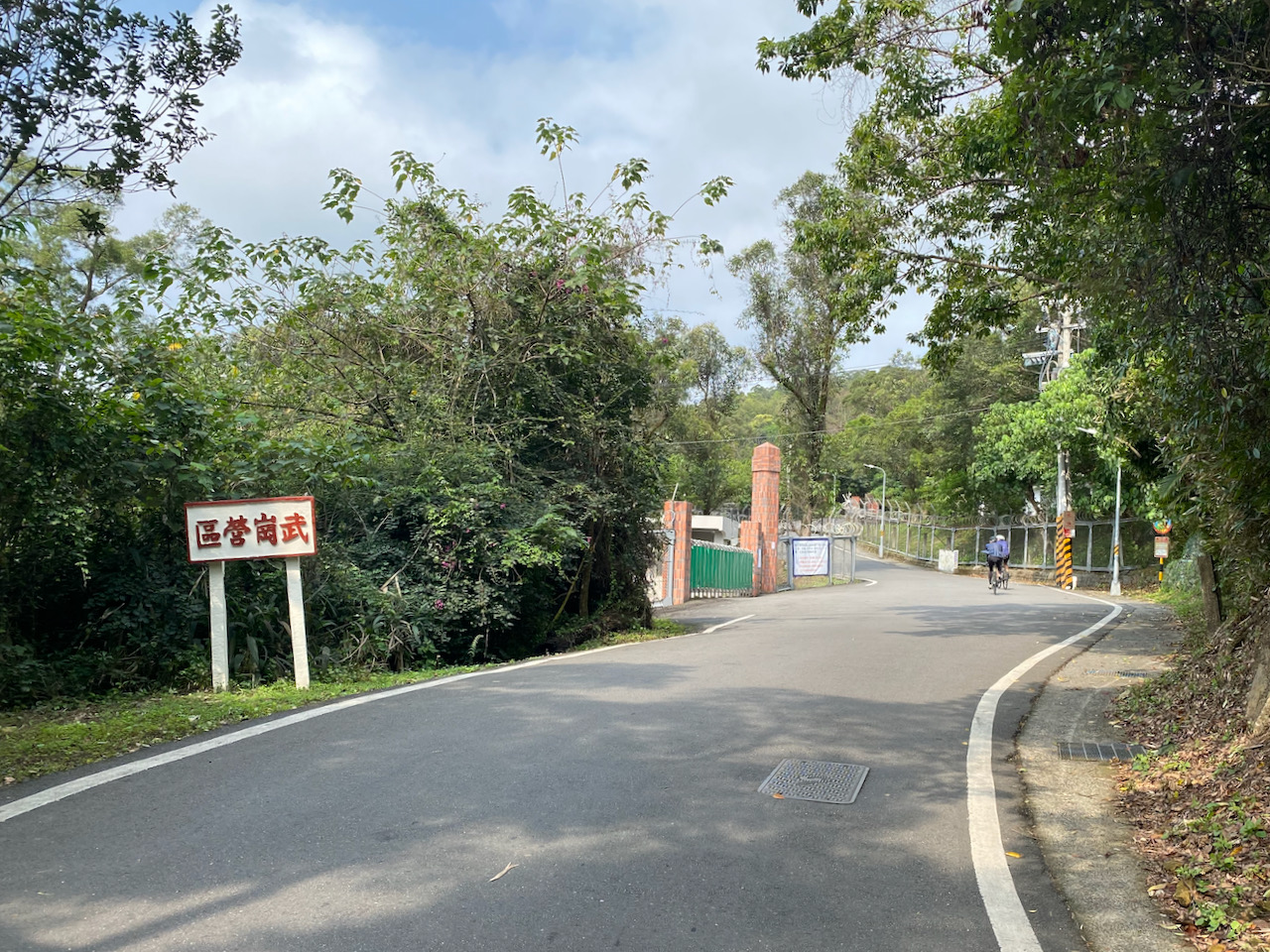
    The first climb you would soon encounter after leaving Meiti Evacuation Gate is Jiannan Road. It is short with little elevation gain. The climb from the southern side is steeper than from the northern side. An elevation gain of 145m in 2.25km means you have an average gradient of 6.4%. Traffic is not busy on this road. Besides some fellow cyclists, you may also meet hikers occasionally. When you see the sign of Wugang Barrack 武山營區, you would have finished half the climb. When you reach the top, there will be a simple shelter for you to take a break.

    After that, head north and descend to Zhishan Road 至善路. On this side of the hill the road surface could sometimes be wet as water overflows from the drainage during wet season or after days of rain. There is also a sharp narrow turn. So, take it easy when you do it the first time. 

    When you reach Zhishan Road, you are at an elevation of 50m. Turn right for Zhongshe Road for the next climb.

    Zhongshe Road 中社路

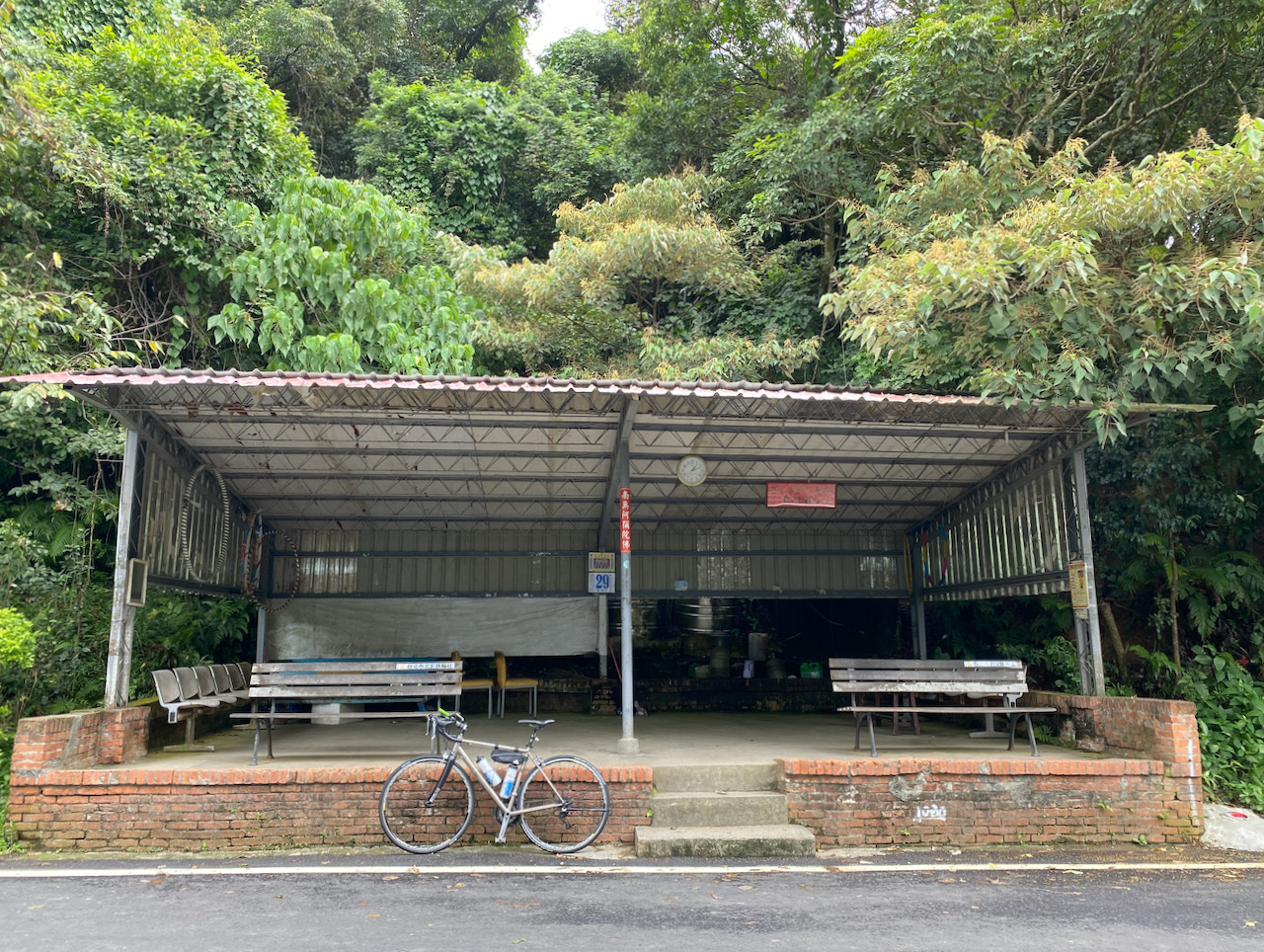
    An elevation gain of 250m in 3.9km makes an average gradient of 6.2%. It is a cul-de-sac leading only to the residents up the hill. There are buses and cars occasionally. But it is totally fine when climbing because the road is wide with a shoulder that serves as a bike lane. At the top, there is a trail for hikers and a portable toilet. 

    Descending on Zhongshe Road is fun because there are several wide hairpin turns. But be careful with the cars and buses as we will use more road surface for turns and some cars may try to overtake bikes.

    Back to Zhishan Road, it’s time to head for the last climb.

    Fengguizui 風櫃嘴

    Shuangxi Industry Road 雙溪產業道路 and Wanxi Industry Road 萬溪產業道路 make up the climbing route to Fengguizui Lookout. An elevation gain of 412m in 6.4km makes an average gradient of 6.4% again. Although this climb is longer with more elevation gain, I found it the most enjoyable and it is one of the most popular cycling routes in Taipei.

    When you reach the top, the GPX route provided here will bring you back to Zhishan Road and the Riverside Bikeways via the National Palace Museum, using the same route that you have just climbed. Zhishan Road will reward you with a mild long descent but please be aware of the thick rumble strips, which could shake your hands off from your handlebars. So hold them tight.

    Another post for Fengguizui here

    Fengzhongjian is one of my favourite because it offers a lot of flexibility, especially for those who do not have a whole day for cycling or who are not yet competent in climbing. You can always decide when you want to stop and turn around. The route is also so accessible that some people do it in the evening.

    But if you have time to spare and don’t like returning on the same route, you may head south east after Fengguizui, which will lead you to Dahu Park 大湖公園 in Neihu District of Taipei City (TP28 → Dahu Street 大湖街) or Xizhi 汐止 in New Taipei City (TP28 → TP29) . The route to Dahu Park is quite steep while the route to Xizhi is more agreeable, wide and well maintained. 

    You may also head north along TP28 for the north coast and do a counter-clockwise route to return to Taipei via Tamsui District. There are many points of interests en route and will probably take up a full day.

    Route:

    NOTE: To use the routes, please install the App on your smartphone. The App will launch and load the route automatically after you tap the above links on your smartphone’s browser. For Garmin Connect, you can then use the APP to send the route to your garmin device. If your Garmin device is not purchased in Taiwan, you will also need make sure you have the Taiwan map on your device. Here is our blog post on this topic.

  • Cycling Route: Maokong Loop – Climb Training

    Cycling Route: Maokong Loop – Climb Training

    Maokong Loop is a 13km long, single-peak (326m) cycling route in Wenshan District, South East of Taipei City. We went there on a public holiday in May, me on a Rikulau Audax Hercules and Lois on a Klever Q Comfort. The downloadable GPX file of this cycling route is at the end of this post. 

    Maokong is a popular tourist area where people can take the Maokong Gondola at the Taipei Zoo Station (next to the Taipei Zoo MRT Station of the Brown Line) to the top of the hill, take a leisure walk along the route on the peak, and enjoy the panoramic view of Taipei City with a cup of tea grown locally in one of the many tea cafes scattered around. This area used to be the biggest tea plantation in Taipei. As for kids, there is of course the amazing Taipei Zoo at the foot of the hill that never fails to offer joy and wonder. 

    To get to the starting point of this route, simply set your GPS navigation to this address: “No. 12, Section 1, Xinguang Road, Wenshan District”. It’s a 7-Eleven with a spacious area outside where you can park your bikes. If you start your ride early enough in the morning, say around 6:00, road traffic should be quite sparse and you will take less than an hour to get there from the centre of Taipei. 

    Strava (anti-clockwise): https://www.strava.com/routes/26747667

    If you start late and want to avoid the traffic, you may take the MRT Green Line to Jingmei Station, as the Brown Line does not take bicycles, and then use the following route to get to the starting point:

    Strava: https://www.strava.com/routes/26748715

    Taipei MRT takes bikes during weekends and between 10:00-16:00 on weekdays, except the Brown Line and a few busy stations. 

    If you are in the west side of the city like Datong District, Zhongzheng District, or Wanhua District, you may take a pleasant detour along the Riverside Bikeways to get to Maokong. We have compiled a list of the access points to the Riverside Bikeways in this post.

    As to us, we live on the east end of Taipei. There is a popular and well shaded cycling route linking up that part of the city and the area around Taipei Zoo, by going along Section 1, 2, 3, and 4 of the Academia Road (also known as Yanjiuyuan Road), followed by Lane 43, Section 5 of Muzha Road. It’s a 15.5km ride with 177m of elevation gain and very sparse motorized traffic:

    Strava: https://www.strava.com/routes/26403740

    We took a brief break and fueled up at the 7-Eleven before heading for the real climb. Traffic was busier than usual because it’s a holiday but still not too bad for cycling. I had done the loop anti-clockwise before, so this time we opted for a clockwise ride by taking the left branch at the Y junction on Section 3 of Zhinan Road.

    It was a straight, continuous climb all the way up to the top without much shade at noon time. The climbing ended shortly after we took a right turn and cross a short bridge called Caonan Bridge 草湳橋. There was then a mild downward road winding around the peak, lined with tea houses and cafes. Once you reach the busy Gondola Terminal, the descent back to the ground level starts. It may be a good idea to bring along a book if you have the whole day. It is said that the sunset and night views there are really great, so night rides along this route are popular among local cyclists. If you googled 夜騎貓空, which means night rides in Maokong, you will find lots of blog posts in Chinese. But for first-timers, it may be better to do it during daytime for safety consideration.

    Now I have done it both clockwise and anti-clockwise. Which way is better? My vote goes to the anti-clockwise one. It’s because the climbing is less steep and there seems to be more shading. The Gondola Terminal will again greet you at the end of the climb. 

    Strava (clockwise): https://www.strava.com/routes/21611174

    We had a late lunch after the ride, which wasn’t worth mentioning, and then headed back home following the same route.

    There is another route to climb Maokong, via the Hengguang Bridge. It is said that the traffic is sparser. I will have a try later.

    Routes

    NOTE: To use the routes, please install the App on your smartphone. The App will launch and load the route automatically after you tap the above links on your smartphone’s browser. For Garmin Connect, you can then use the APP to send the route to your garmin device. If your Garmin device is not purchased in Taiwan, you will also need make sure you have the Taiwan map on your device. Here is our blog post on this topic.

  • Navigate the Riverside Bikeways in Taipei and New Taipei

    Navigate the Riverside Bikeways in Taipei and New Taipei

    [This post is last updated on 26 Jan 2023]

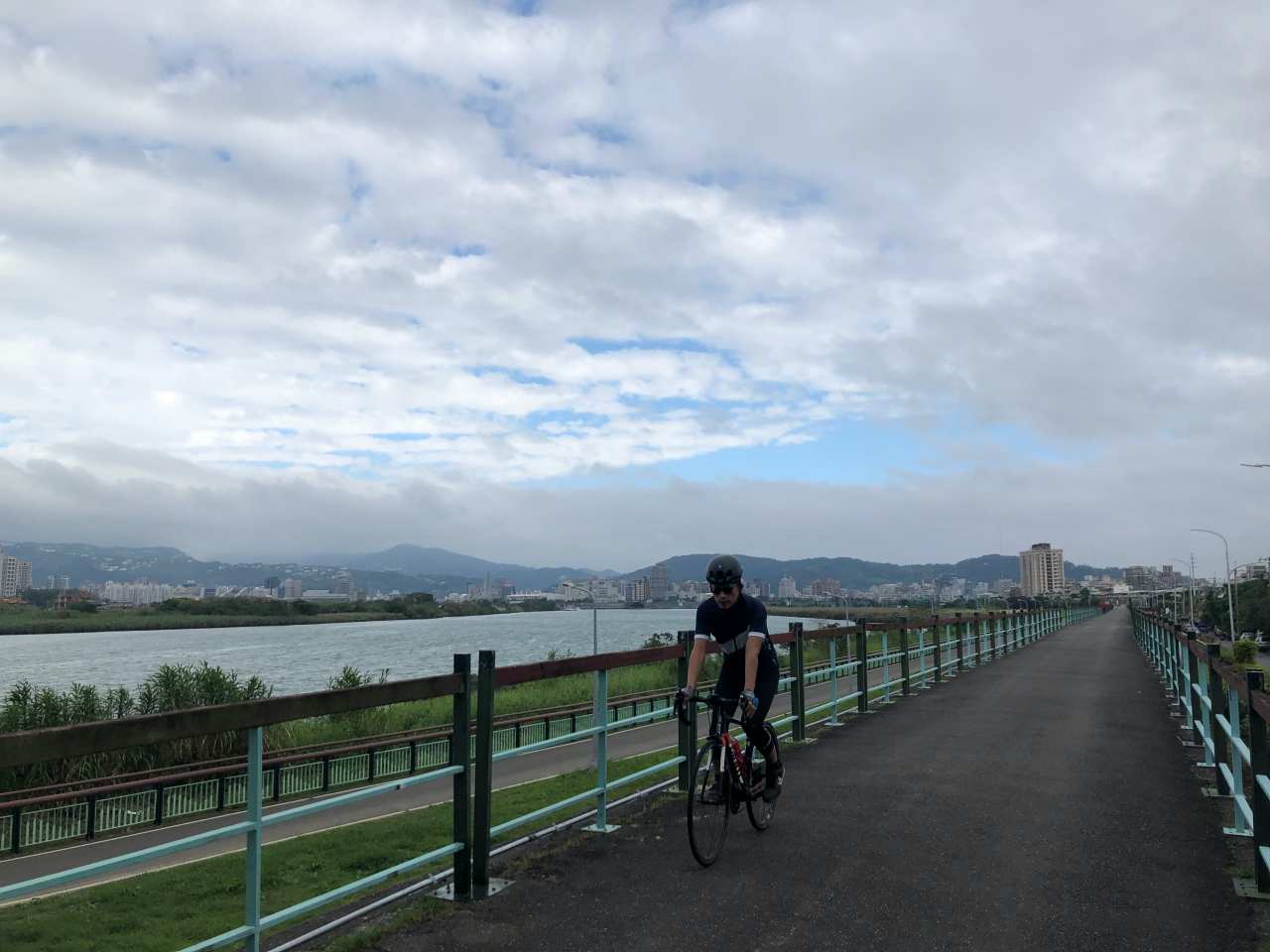
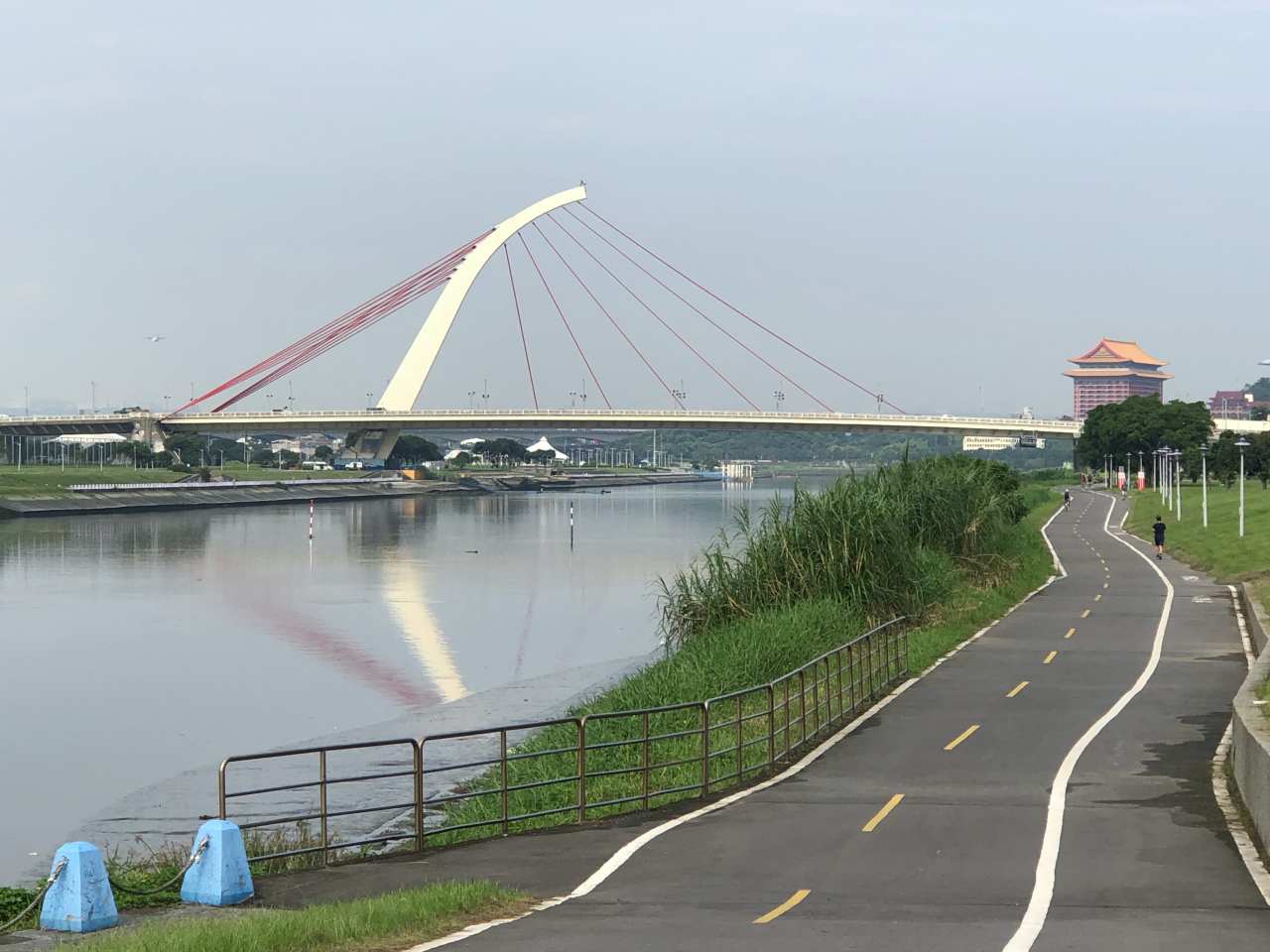
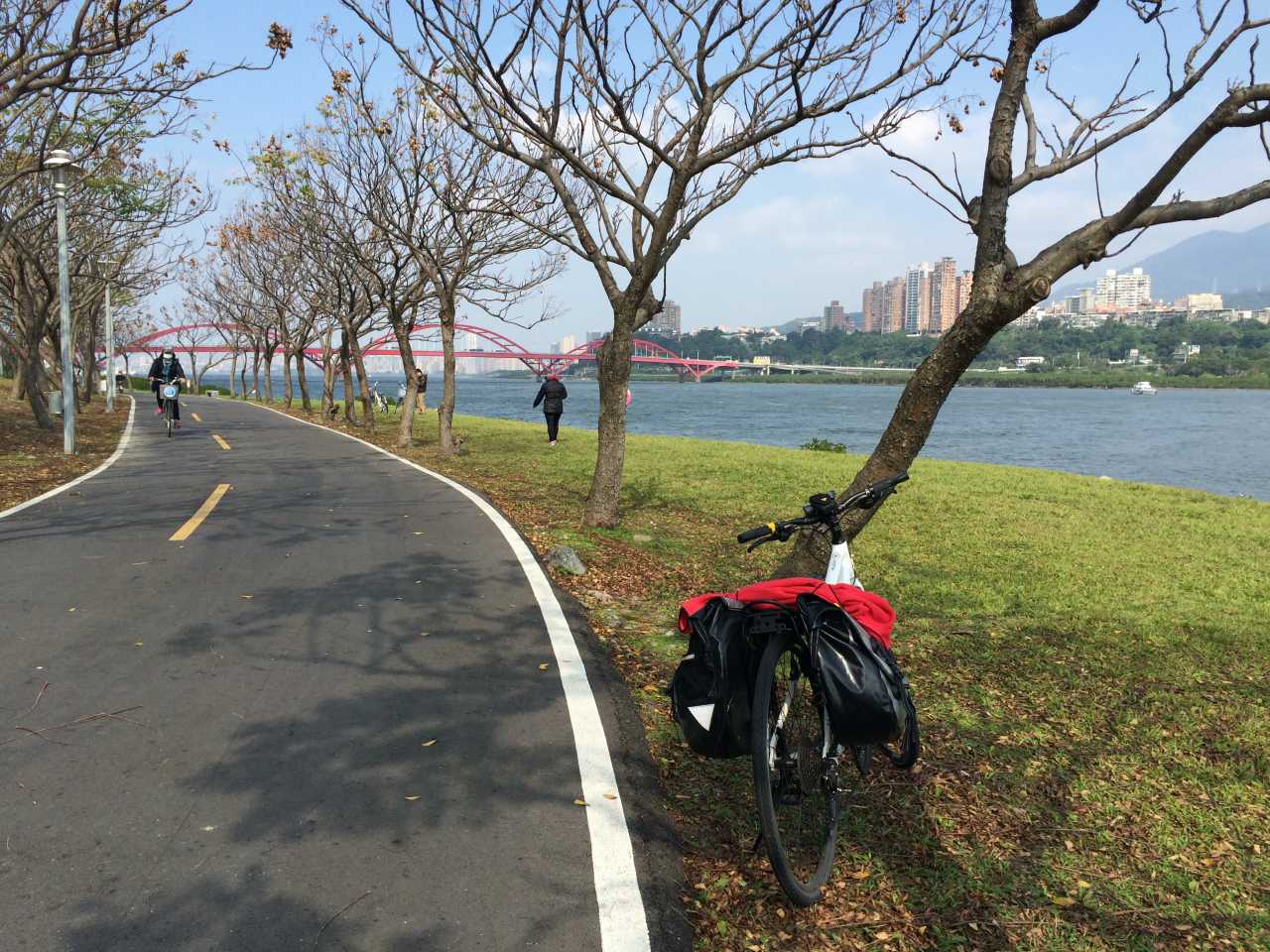
    The riverside bikeways 河濱單車徑, built along the rivers winding through Taipei City and New Taipei City, form a vast network of bike paths. A significant part of it embraces Taipei City in the shape of a distorted “C”, with its flourishes extending towards Xizhi 汐止, Xindian 新店, Sanxia 三峽, Taoyuan 桃園, and Tamsui 淡水. Since only bicycles, e-bikes, and pedestrians are allowed on these designated bike paths (except one or two occasional service vehicles with special permit), cyclists don’t need to negotiate road rights with other motorized vehicles or inhale the polluted air coming from their exhaust pipes. With the absence of traffic lights, these well-paved and seemingly endless bikeways make a cyclists’ paradise whether you are a seasoned athlete in training, a newbie trying to get familiar with your bike, or a parent cycling with an over-excited new rider. Meanwhile, because of its vast coverage, commuting cyclists can also make use of it like the freeways for bikes to get to the closest exit points, so as to stay away from the busy city traffic as much as possible.

    Regrettably, these amazing cycling infrastructures are mostly hidden behind the two-storey-high flood walls erected between the rivers and the city area to protect the cities from flooding during monsoon seasons, which causes the riverside bikeways remain unknown, or at least neglected, for many of the cities’ residents, let alone tourists and visitors. Cyclists who come for a cycling trip in Taiwan for the first time, including myself back in 2009, are most likely inclined to leave Taipei City in a rush for the much craved countryside. Back then I was led by my GPS navigation device onto the busy roads within the city towards the next town. That wasn’t bad at all, but the beautiful, tranquil riverside bikeways were totally ignored because those devices and apps were all programmed to come up with the shortest route to your destination. They still are.

    It’s not until my second cycling trip years later that I discovered the riverside bikeways, a more desirable offer by the city to cyclists. Once we got to the riverbank, we found ourselves cycling blissfully on the dedicated bike paths for more than 20km until we reached Tamsui, where the coastal road unrolled before us. It was like getting through a magic tunnel devoid of all the unpleasant aspects of city traffic.

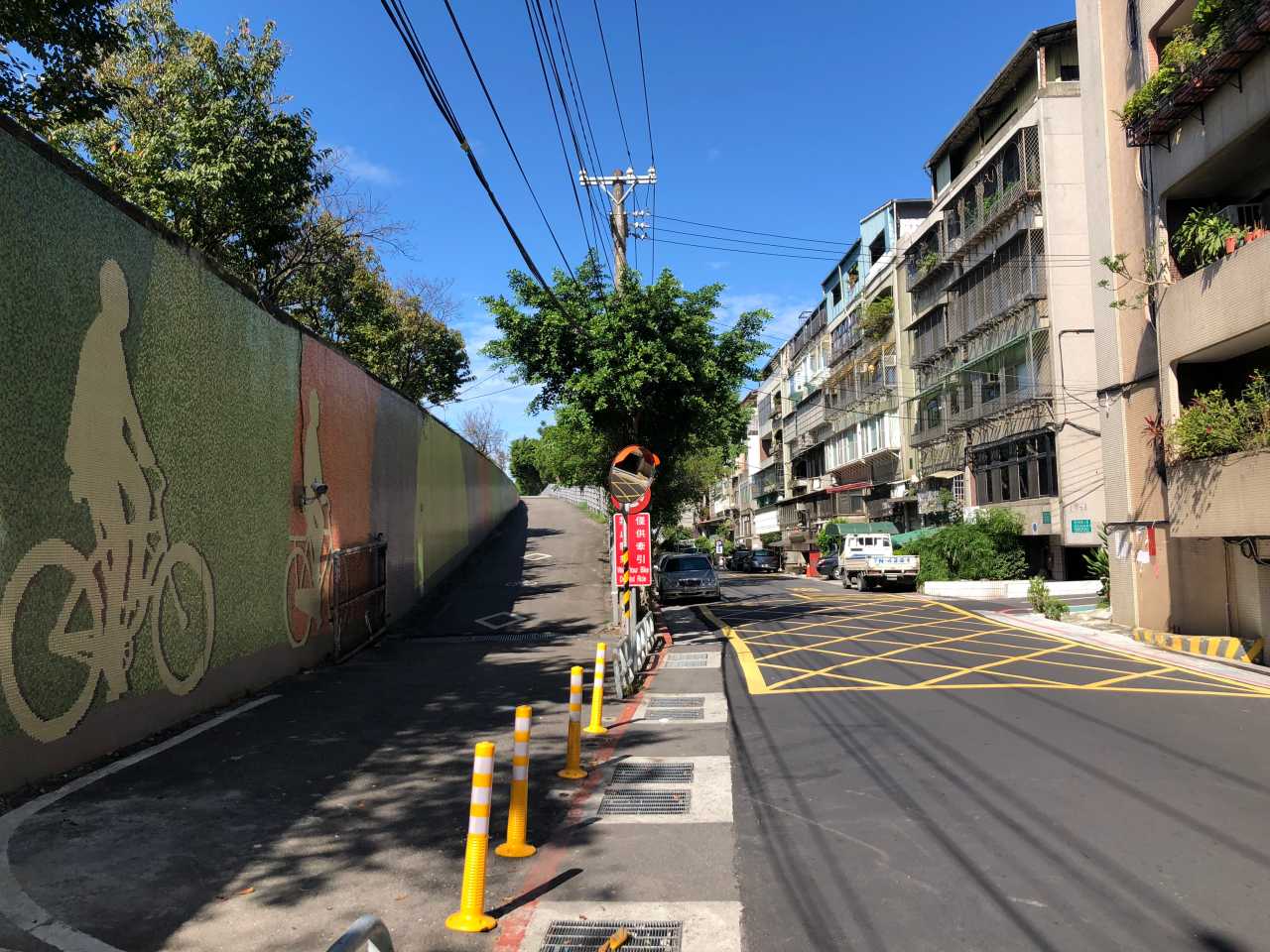
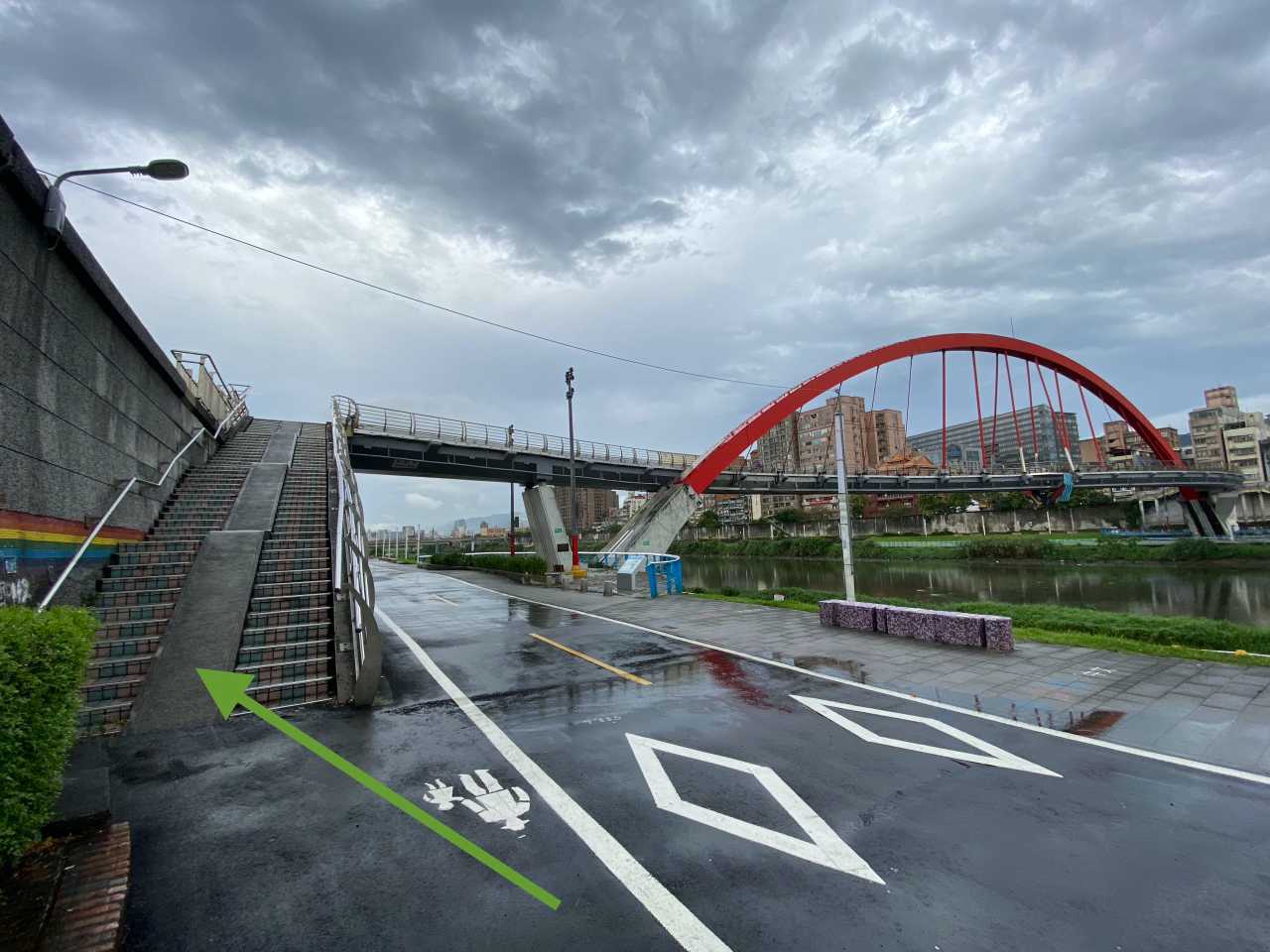
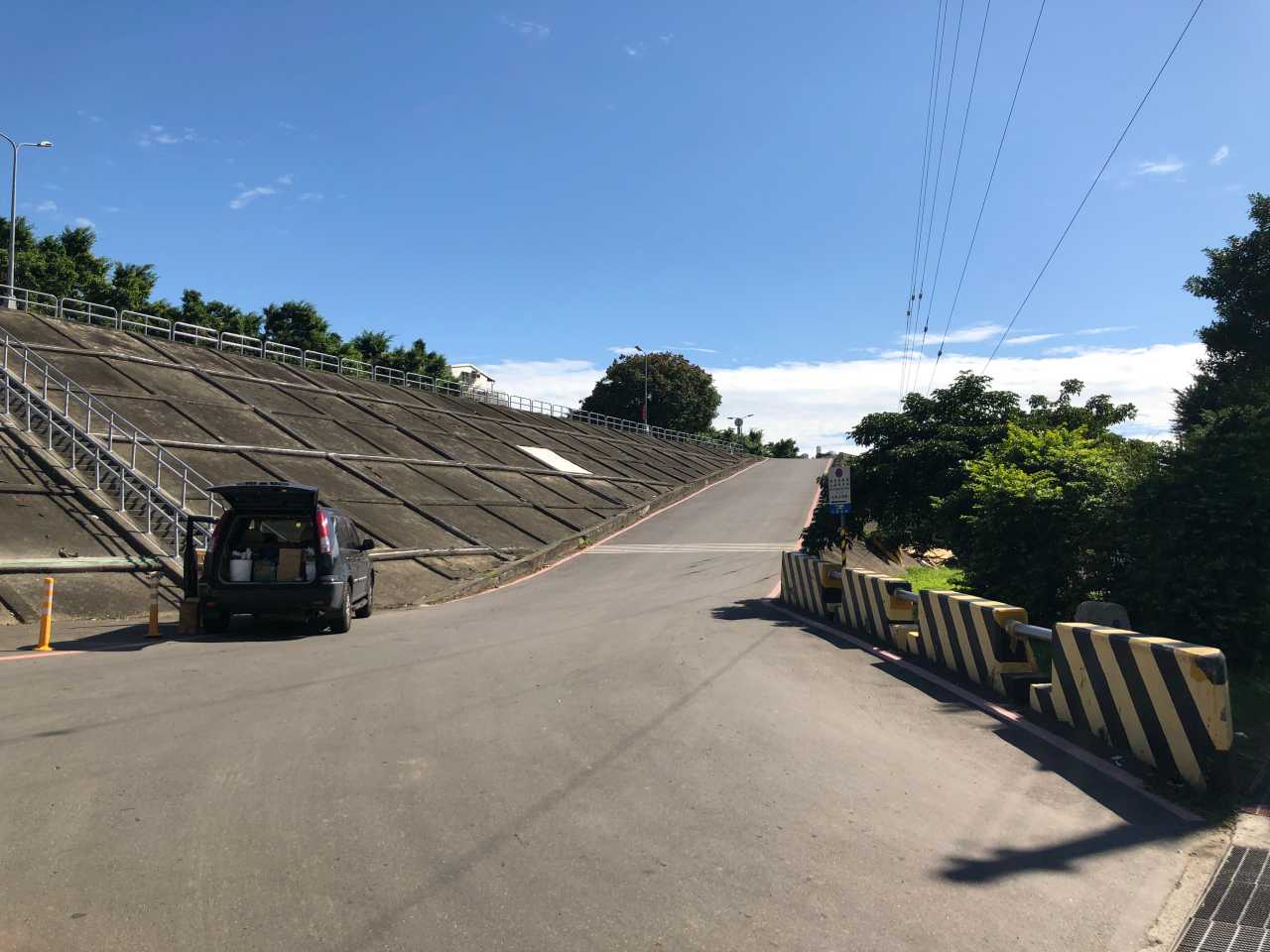
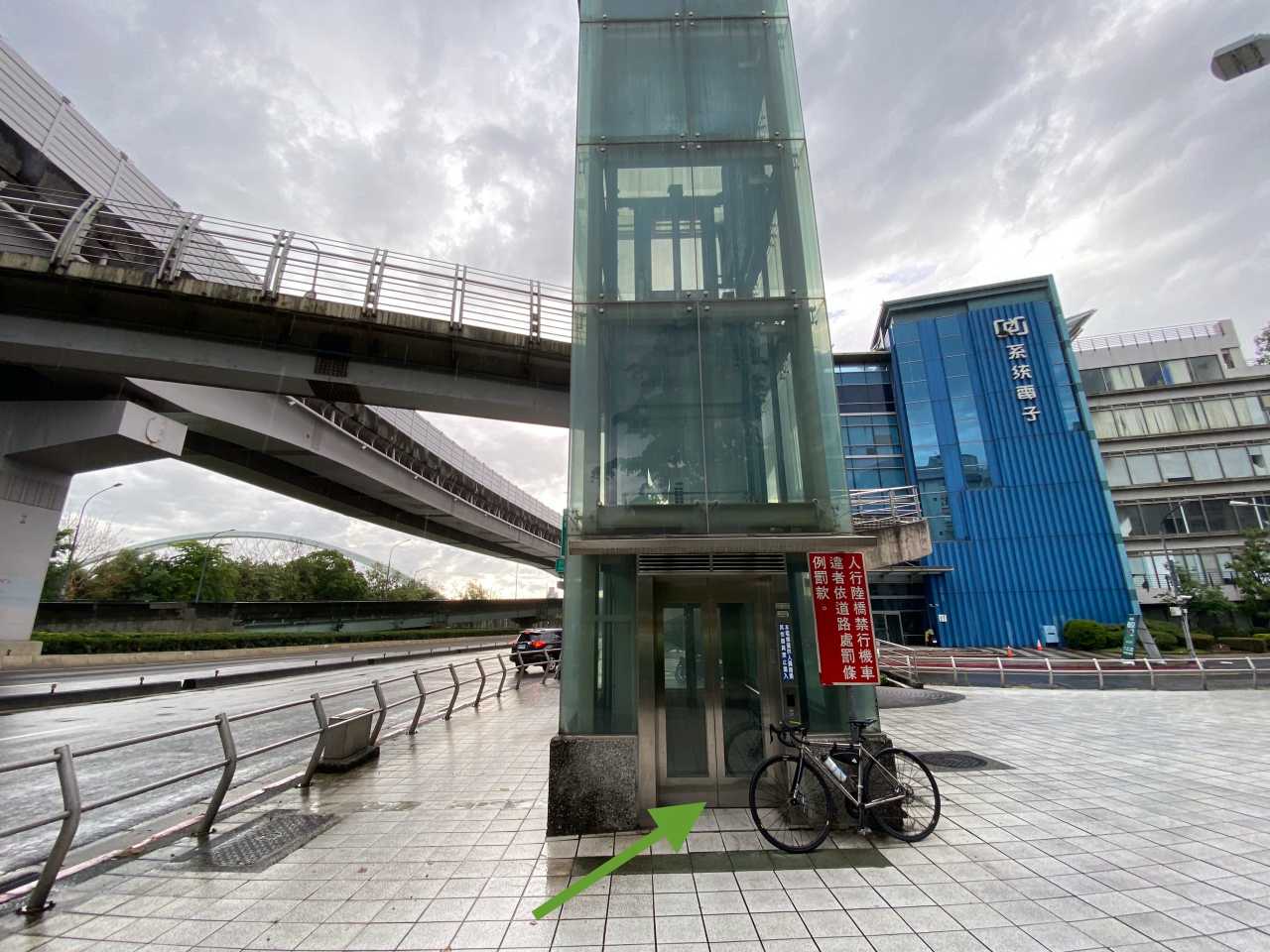
    The riverside bikeways in Taipei and New Taipei city are too good to be missed as a part of your cycling trip in Taiwan. I have consolidated a list of those access points in this map. You can tap on the square at the top right corner of the following map to launch GoogleMaps with the access points. And then tap on the access point closest to you to have GoogleMaps guide you there. You can then cycle on the riverside bikeway to get out of the city.

    These access points can be in the form of:

    Evacuation gates
    Flyovers to cross over the flood walls
    Ramps for cars
    Elevators that operate at specific hours

    There are many other access points for pedestrians, but these are the points where cyclists have no need to carry their bikes on their shoulders and climb the stairways.

    A small number of these access points are unmarked on Google Maps so I have marked somewhere nearby like I did with the Yanping Evacuation Gate. Once you reach the marked places, you should be able to spot the access points easily. I have also submitted the unmarked access points as missing places to Google. Hopefully they will show up on the Maps soon. 

    I have also included in the list those bridges that connect the bikeways to the other side of the rivers and offer designated bike paths to cyclists. Although bikes are allowed on most of the bridges in Taipei, I don’t regard them all as part of the bikeway network. Like Mingquan Bridge, you need to leave the bikeway and join the other vehicles on Minquan East Road to use the bridge. Bridges like this are not on my list.

    I have also found some GPX files of the bikeways from the two government websites. I have imported to this map for you easy reference.

    https://www.travel.taipei/zh-tw/must-visit/riverside-bikeway

    https://taiwanbike.taiwan.net.tw (site removed/down as in 2024-01-24)

    The list and the routes are not yet completed and I will keep updating it whenever I come across a new access point or a new gpx file. If you happen to know one that is not yet listed here, or you spot any error in our list, please send us an email. We, and I believe all our fellow cyclists, will appreciate your help. Thank you. 

  • Cycling Route: Xizhi Pigeon – Climb Training

    Cycling Route: Xizhi Pigeon – Climb Training

    I had been seeing fellow local cyclists posting accounts and photos of their rides along the route named Xizhi Pigeon 汐鴿展翅, which seems to be lots of fun. I wanted to do it, too. I found the route’s gpx on xplova and invited Lois to join me. The downloadable GPX file of this cycling route is at the end of this post. 

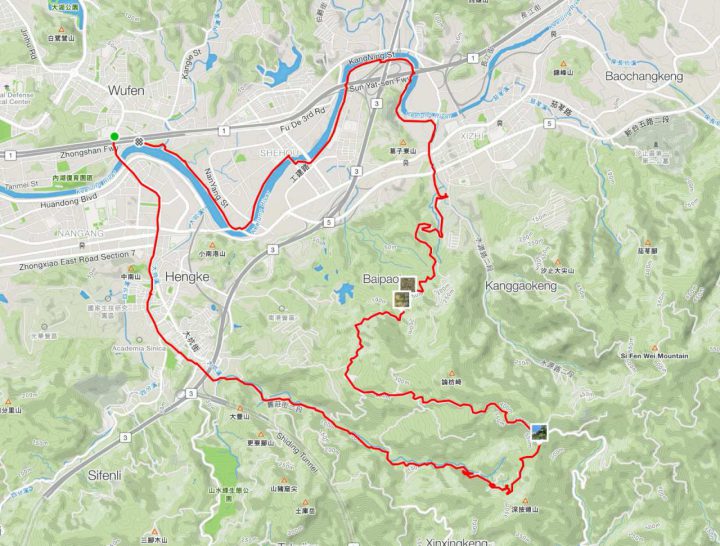
    Xizhi Pigeon 汐鴿展翅 is a 28km cycling route with its starting point at the Nangang Exhibition Center 南港展覽中心 on the east fringe of Taipei City. The maximum elevation of 394.29m at the top makes it a good route for climb training. The route mainly consists of Section 1 and Section 2 of Jiuzhuang Street 舊莊街, Xiding Road 汐碇路 and Xizhi Keelung Riverside Bikeway 汐止基隆自行車道. Upon completion of the route, you will draw a pigeon with spreading wings on the map of your GPS tracking app. 

    To get to the starting point with your bike, you can either take MRT to the Nangang Exhibition Center Station on the blue line (ref: Taking Bicycles on the Metro) or simply cycle there via the Riverside Bikeways along the Keelung river, setting your destination as the Nanhu bridge. It is along the route, so you may as well just start there. If you live outside Taipei, you can also get there by taking a train / HSR to the Nangang Station, followed by a short ride.

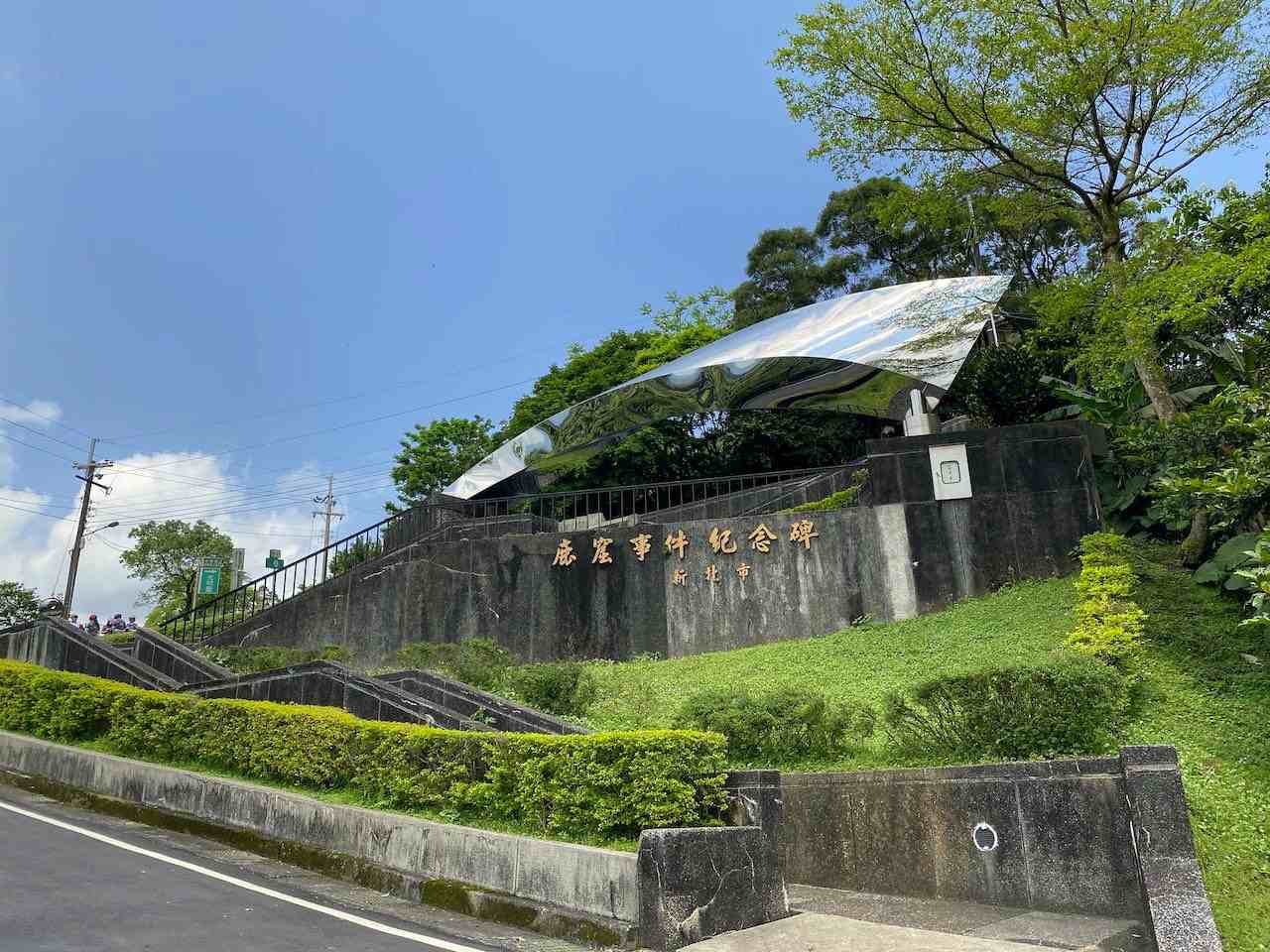
    I took the trip on a Friday morning in April, with me on a Rikulau Audax Hercules and Lois on a Klever Q-Comfort. The traffic soon got much quieter after about 5 minutes’ ride from the busy MRT station (Nangang Exhibition Center Station). We could enjoy our ride at our own pace with almost no cars and scooters on Jiuzhuang Street. Some of the slopes were rather steep for me that my heart rate raced up to over 170 bpm. There were tea shops and a tea workshop along the way but I had no mood to stop to explore. It took me about 1.5 hour to reach the top, where a shiny silver sculpture sits. This is the Luku Incident Memorial park and you can find out more about the incident in this blog post.

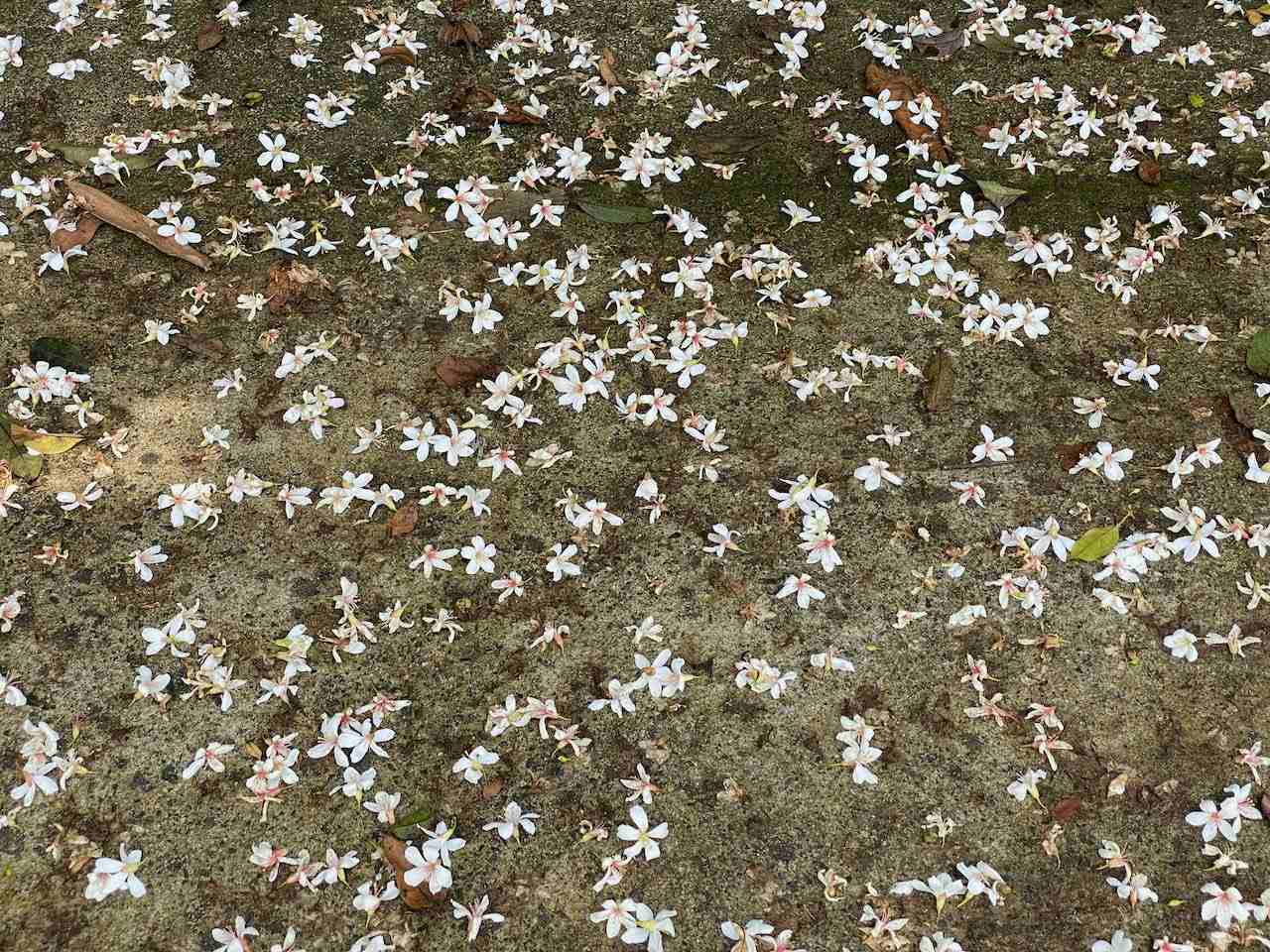
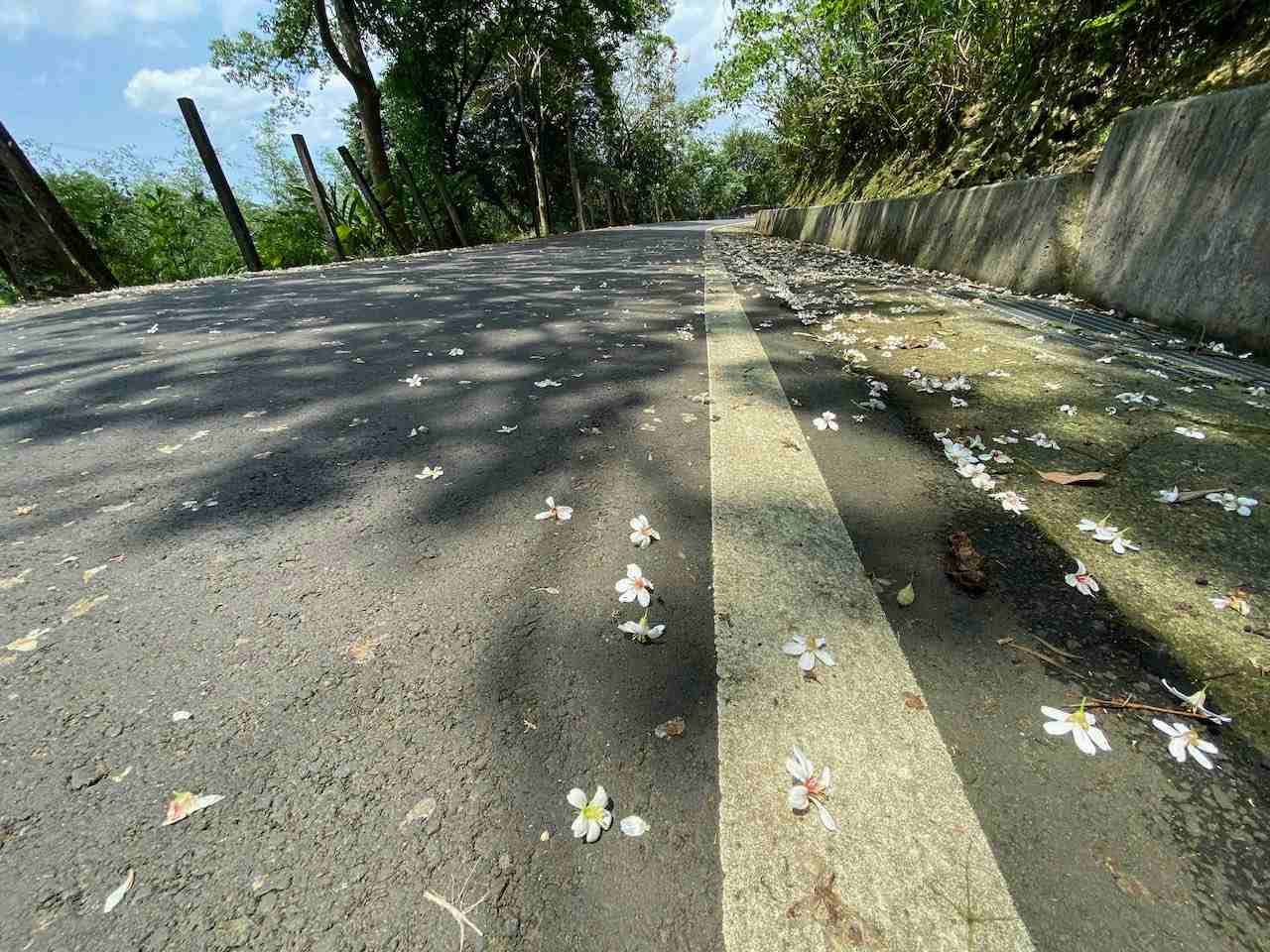
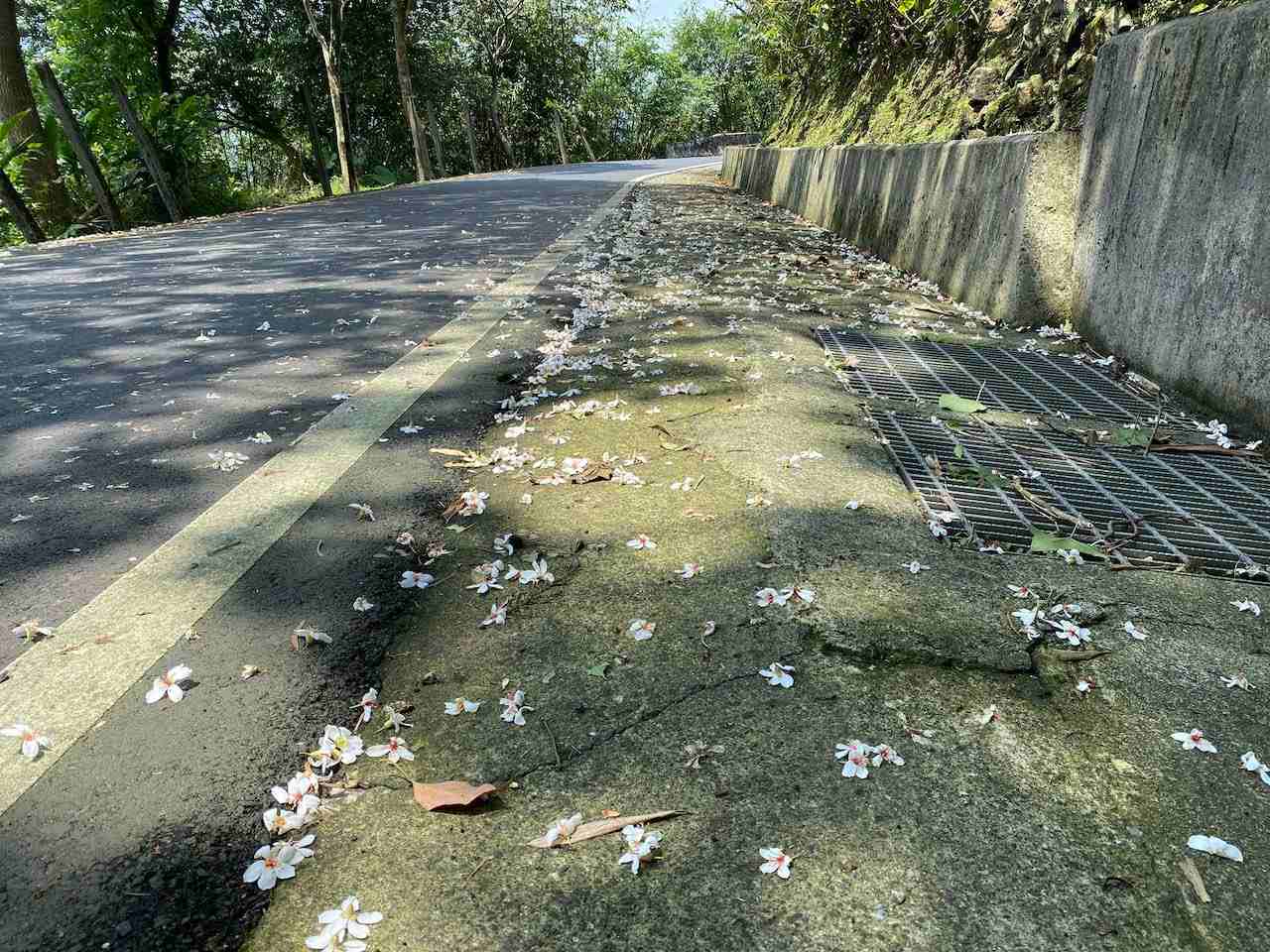
    With Velodash turned on to share our locations real time, I left Lois behind briefly to enjoy my speedy descent on Xiding Road. It was less steep and I could enjoy it without having to hit the brake much. I saw carpets of little white flowers spreading along the way. It was so beautiful that I had to stop to take a good look and take some pictures. It occurred to me later that those are the flowers of Tung Trees, which were introduced to the island during the Japanese rule (1895 -1945) for their economical values. The oil from their seeds makes good waterproofing material and paints. The trunks were used for furniture, clogs, toothpicks and matches. They were popular and planted extensively by poor families to supplement their income. Nowadays, local people love the trees for their dense blossoms during April and May. It’s dubbed as the May Snow. As beautiful as they are, you’d better not touch them as the whole plant is poisonous.

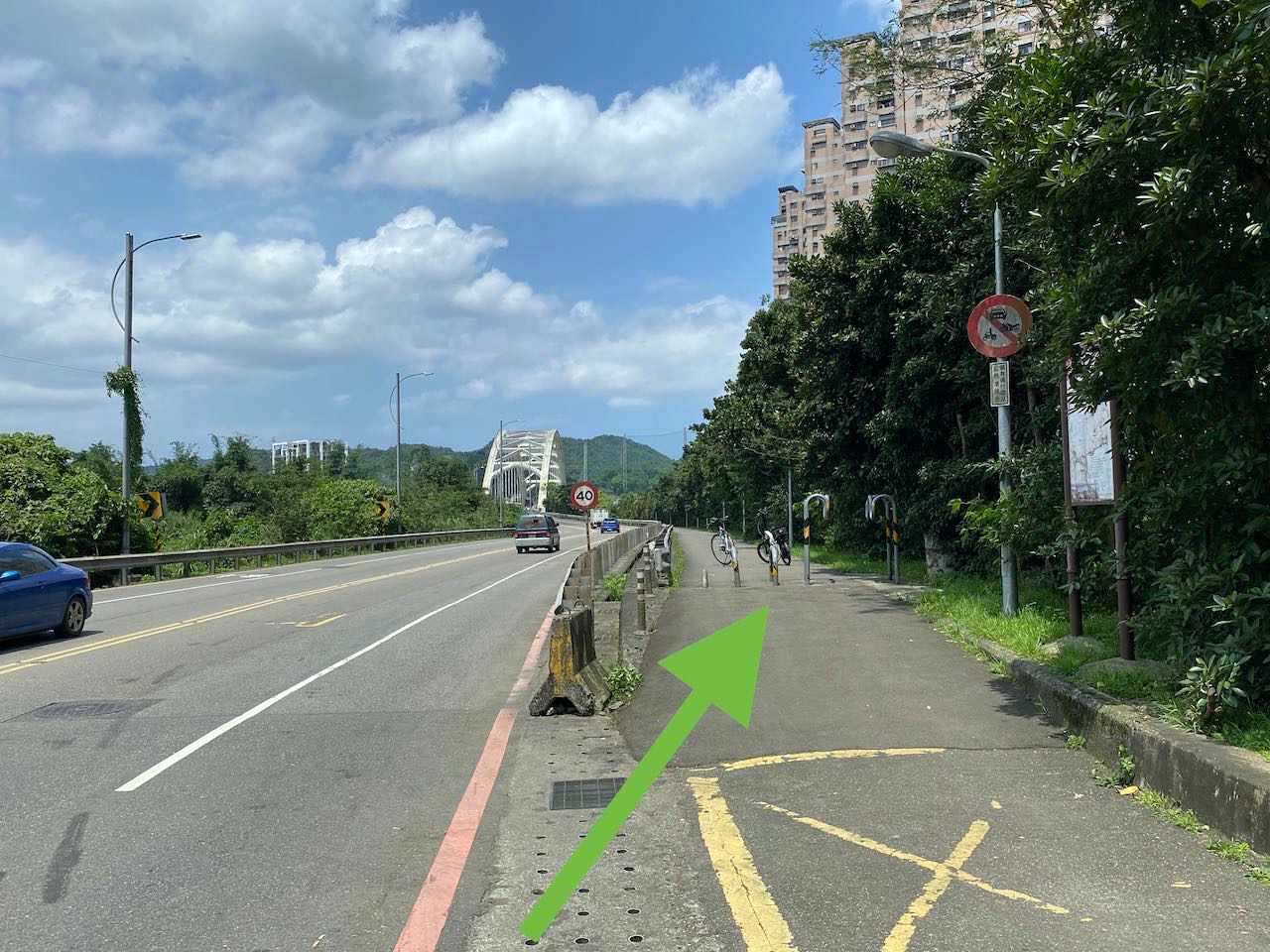
    At the bottom end of Xiding Road, we passed a busy juncture and entered the quiet Riverside Bikeways of Xizhi. It’s easy to miss the entrance, which is shown on the picture below. Then you will complete the route after riding for around 15 more minutes.

    I love this route because its elevation gives me enough training and it offers the reward of a mild downward slope which is perfect for speedy yet unthreatening descent. Traffic on the route is really low and therefore makes it very bike friendly. No wonder we ran into several groups of cyclists even on a weekday. 

    If you want more climbing after doing Xizhi Pigeon, Fengguizui lookout is just about 13km away via Dahu Street, which offers a 636m climb. GPS route available at the end of this post.

    If you want a low-carb meal, an authentic American smokehouse serving juicy brisket, Bogart’s Smokehouse, is about 1km away. 

    For me and Lois, our pick is this local hotpot restaurant that offers all-you-can-eat duck-blood curds 鴨血,  braised pork rice 魯肉飯, and free drinks and ice cream along with a very generous portion of meat and veggies in a standard lunch set. That’s a very satisfying conclusion for a great ride.

    Routes

    Xizhi Pigeon

    Fengguizui Lookout from Nanhu Bridge

    NOTE: To use the routes, please install the App on your smartphone. The App will launch and load the route automatically after you tap the above links on your smartphone’s browser. For Garmin Connect, you can then use the APP to send the route to your garmin device. If your Garmin device is not purchased in Taiwan, you will also need make sure you have the Taiwan map on your device. Here is our blog post on this topic.

  • A Bike-Day Trip in Taipei City by Pirawadee

    A Bike-Day Trip in Taipei City by Pirawadee

    Guest Contribution from Pirawadee of Radtour

    เรามีทริปไทเปสี่วัน โดยวันสุดท้ายเป็นฟรีโปรแกรม เมื่อรู้ดังนั้น แผนการของสายปั่นจึงเกิดขึ้น

    ฉันติดต่อที่เช่าจักรยานในไทเป ซึ่งเสิร์ชพบว่ามีหลายที่ หลังจากศึกษาข้อมูลต่างๆแล้วก็ตกลงปลงใจกับ Bike Express Taiwan เลือกรุ่นและขนาดของจักรยาน จ่ายเงินออนไลน์ แล้วก็บอกให้มาส่งที่โรงแรมตอน 8:30 น.ของวันจันทร์ที่ 11 มีนาคม หลังจากนั้นก็กำหนดเส้นทางการปั่น และเนื่องจากสมาชิกปั่นจำนวน 8 คนในครั้งนี้ มีครึ่งหนึ่งที่นอกจากปั่นรอบสวนรถไฟแล้วก็ยังไม่เคยปั่นท่องเที่ยวที่ไหน ดังนั้น route ของเราจึงต้องไม่โหดมากนัก ระยะทางรวมทั้งสิ้นตลอดวันประมาณ 15–20 กม.เท่านั้น

    ระหว่างนั้นก็เช็คสภาพอากาศ ลุ้นจนคืนสุดท้าย เพราะตลอดทริปฝนตกทุกวันมาหยุดเอาคืนก่อนวันที่ปั่นนี่เอง มากับดวงจริงๆ

    Since we would have a free day on the last day of the company outing, we decided to take a short bike trip in Taipei city. Have been searching for some info, I ended up using the bike rental service with Bike Express Taiwan. The appointment is on March 11th, 8:30 am at the hotel and they would pickup the bikes at 6 pm. There were 8 of us and half have never been in the bike trip before. So what I have planned would be quite easy with total distance of around 15–20 km. for the entire route.

    Our fate then relied on the weather. There had been raining everyday since the beginning of the trip. Luckily, there was no rain on our day.

    The bikes we used were Rikulau Audax Hecules with variety of sizing. After signing the contract and paid the deposit, we then started our trip.

    8 นาฬิกาตรง ร้านจักรยานทยอยขนรถมาเรียงไว้หน้าโรงแรม จักรยานที่เราใช้วันนี้เป็นยี่ห้อ Rikulau รุ่น Audax Hercules แบบแฮนด์ตรง มีตั้งแต่ขนาด XXS, XS, S, และ M ตามมาตรฐานความสูงชายหญิงไทย พอ 8:30 ปุ๊บ Lois เจ้าของรถเช่าก็มาถึงพร้อม accessories ต่างๆ ฉันเซ็นสัญญา จ่ายมัดจำข้าวของ หลังจากสมาชิกทดลองขยับกันเรียบร้อยเราก็พร้อมลุย

    การปั่นจักรยานในนครไทเปง่ายมากๆ เพราะทำเหมือนคนเดินถนน แค่เปลี่ยนจากสองขาเป็นสองล้อ ปั่นไปบนฟุตปาธ ซึ่งจะมีเลนจักรยาน หากถนนไหนไม่มีเลนจักรยานเฉพาะก็ใช้ร่วมกับคนเดิน โดยกฎหมายจะให้สิทธิคนเดินก่อน “Pedestrian has right of way” เวลาจะข้ามถนนก็ข้ามตรงทางม้าลายตามจังหวะสัญญาณไฟ และอย่าลืมว่า ไทเปขับรถชิดขวา ดังนั้นเวลาเราปั่นในเลนก็ต้องปั่นชิดขวาเช่นกัน เพราะอาจมีจักรยานปั่นสวนทางมาได้

    Cycling in Taipei is very easy. We cycle on the footpath which normally have a bike lane. If there is no specific bike lane on the footpath then bicycles will share the path with the pedestrian. Wait for the green signal when crossing the road and remember that in Taipei, drive rule is on right hand side.

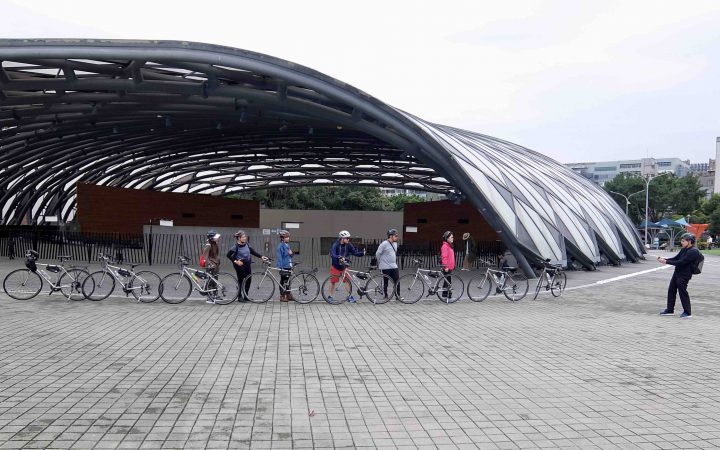
    จุดแรกของเราคือไป Taipei Expo Park ซึ่งเคยใช้เป็นที่จัดงาน Taipei International Flora Exposition ในปี 2010–2011 มาก่อน แม้ว่าจะนานมากแล้วแต่สภาพพื้นที่ยังสวยและดูดีอยู่มาก ไฮไลท์ของสวนนี้อยู่ที่ Expo Dome ที่เป็นเวทีแสดงงาน สถาปนิกวิศวกรอย่างเราจึงกิ๊วก๊าวกับรูปลักษณ์ของโดมกันพอสมควร

    ในสวนแห่งนี้ มีพื้นที่ที่น่าสนใจและสวยงามอยู่หลายจุด เช่น อุโมงค์ต้นไม้ (แม้ว่าวันนี้ จะแห้งแล้งไปบ้าง) และพาวิลเลี่ยนต่างๆ รวมไปถึงสะพานพลังงานแสงอาทิตย์ (Solar Bridge) ซึ่งขนาดว่าวันนี้ไม่มีแดดเลยยังสามารถผลิตพลังงานไฟฟ้าได้จำนวนไม่น้อย

    Street Furniture และ ป้ายสัญญลักษณ์ต่างๆ เป็นศิลปะที่สวยงามน่าสนใจ

    There are several interesting areas in the park. Floral tunnel and the solar bridge are ones among them. All street furniture, graphic and signage are of interested items too.

    There are 40 solar panel on the bridge roof.
    เราปั่นผ่าน Fine Art Park มาออกมุมบนสุดของสวนส่วนที่ติดกับ Minzu Park เพื่อไปจุดหมายที่สองคือบ้านโบราณที่ชื่อว่า Lin An Tai Ancestral House เสียดายที่ลืมเช็คมาก่อนว่าเขาปิดวันจันทร์ เราเลยได้แต่ถ่ายรูปด้านหน้ากับส่องๆดูเท่านั้น

    Second destination was the Lin An Tai Ancestral House. But unfortunately, is is closed on Monday so we could only look from outside.

    Lin An Tai Ancestral House
    ใกล้เที่ยงแล้ว เราตั้งใจไปกินกลางวันกันที่ตลาดปลา Addiction Aquatic Development (บางคนในทีมถูกหลอกล่อให้มาปั่นเพียงเพราะบอกว่าจะพาไปกินอาหารทะเลที่นี่ อิอิ) ใครไม่เคยมาไทเป ขอแนะนำให้มากินอาหารทะเลที่นี่สักครั้งหนึ่ง ราคาถูกและสดมาก รับเงินสดเท่านั้นนะคะ นอกจากอาหารทะเลแล้วก็มีอาหารอื่นๆด้วย มีทั้งแบบเลือกมาสดๆแล้วให้นำไปปรุง หรือจะเลือกที่ปรุงสำเร็จแล้วก็ได้

    ด้านหลังของพื้นที่กินนี้ เป็นตลาดปลาจริงๆคือ Taipei Fish Market แต่เรายังไม่เคยเข้าไปดู

    Addiction Aquatic Development is a place where we had lunch. If you spend time in Taipei, this is a place of recommendation. The food is really good, fresh and reasonable price, especially all seafood. Behind the development is the Taipei Fish Market.

    อิ่มแล้วก็ปั่นต่อ ไปหาที่กินกาแฟกับขนมกัน ย่านถนน Fujin Street แหล่งฮิปสเตอร์คือเป้าหมายถัดไป อาจเป็นเพราะวันจันทร์ คนก็เลยค่อนข้างน้อย หลายๆร้านก็หยุดวันนี้ด้วย

    หาร้านกาแฟอยู่เป็นนาน ไม่มีเปิดเลย ฉันไปเก้ๆกังๆอยู่หน้าร้าน “หมูน้อย” ที่ดูเมนูเป็นร้านขายอาหาร จนเจ้าของร้านออกมายิ้มพร้อมกับเชิญชวนให้เข้าไปกิน ฉันถามว่ามีกาแฟขายมั้ย เขาตอบว่า มีสิ ดีด้วยนะ นอกจากกาแฟยังมีขนมอร่อยด้วย เขายิ้มกว้างพร้อมถามว่า กี่คน

    เรานั่งกินกาแฟที่ดีจริงอย่างที่เขาว่ากับขนม ก่อนจะจากลาไปปั่นต่อ

    After lunch we went to “Fujin Street”; the famous area for hipster. It might be because of Monday so there was very few people around thus less shops openned.

    We spent an hour enjoying our coffee and dessert at Au Petit Cochon: The Little Pig cafe. They serve good coffee though.

    ช่วงบ่ายเราวางแผนไปปั่นริมน้ำกัน

    จาก Fujin Street ปั่นตรงไปเรื่อยๆมุ่งหน้าริมแม่น้ำ ปั่นบนฟุตปาธเลาะกำแพงไปจนถึงทางเข้าสวนใต้ Minquan Bridge พอปั่นเข้าไปด้านหลังกำแพงเท่านั้น ทุกคนถึงกับร้องว้าว รีบจอดรถลงไปถ่ายรูปกันใหญ่

    ทุ่งหญ้าเขียวขจีมีดอกหญ้าสีขาวเล็กๆแซมกระจายไปทั่ว บนเนินขนาดใหญ่มองลงไปเห็นแม่น้ำ Keelung และสะพาน สองสามแห่งขนานกันไปสวยงามเกินบรรยาย

    พื้นที่สวนริมน้ำนี้ มีทางเดินและทางปั่นจักรยานเลียบไปโดยตลอด สภาพสวนสวยงามมาก ดอกไม้บานสลับสีสดใส ส่วนด้านกำแพงก็มีเรื่องราว กระทั่งงานกราฟฟิติ้ก็ยังดูน่าสนใจ

    เราปั่นจนไปถึงทางออกใต้สะพานสายรุ้ง

    From Fujin Street, we rode in the direction toward the river. Enter the riverside park via the entrance under the Minquan Bridge just to see the large lush mound with white tiny flower scattered around, down below is the Keelung river.

    The area along the river side is mixed with pavement, colorful flower garden and street art. We rode along this area until the exit under the Rainbow Bridge.

    จุดสุดท้ายเราไปแวะที่อนุสรณ์สถานของดร. ซุนยัดเซ็น Sun Yat Sen Memorial Hall ซึ่งใกล้กับช่วงเวลาที่เขามีการเปลี่ยนทหารรักษาการณ์กันพอดี ก็เลยได้ดูอีกรอบ ที่นี่ไม่ต้องเบียดคนมาก แต่ที่น่าสนใจคือนิทรรศการภาพวาดที่กำลังจัดแสดงอยู่ ชื่องาน Female Elegant Demeanor — Woman Figure Watercolor Painting Exhibition เป็นภาพวาดสีน้ำภาพเหมือนคน ที่เหมือนมากๆ ขนาดถ่ายรูปแบบซูมยังเหมือนคนจริงๆเลย

    เราออกมาจาก Memorial Hall กันตอน 17:30 แล้วปั่นกลับโรงแรมทันเวลานัดหมายส่งรถพอดี

    เป็นทริปปั่นที่สนุกและน่าจดจำอีกทริปหนึ่งทีเดียว

    The last stop was Dr. Sun Yat Sen Memorail Hall. We went there by the time they changed the guard so we had an opportunity to see the event with less crowd. One exhibition in the Bo-ai Gallery is “Female Elegant Demeanor — Woman Figure Watercolor Painting Exhibition” which is really impressed for realiness of the painting.

    We left the memorial hall around 5:30 pm and arrived on time of the pickup at 6 as scheduled.

    It was such one of a great bike trip we had so far.

    Thank you Lois from Bike Express Taiwan for your great service.

    Continue to read Pirawadee’s other articles on Medium

  • Cycling Route: Fengguizui Lookout – Climb Training

    Cycling Route: Fengguizui Lookout – Climb Training

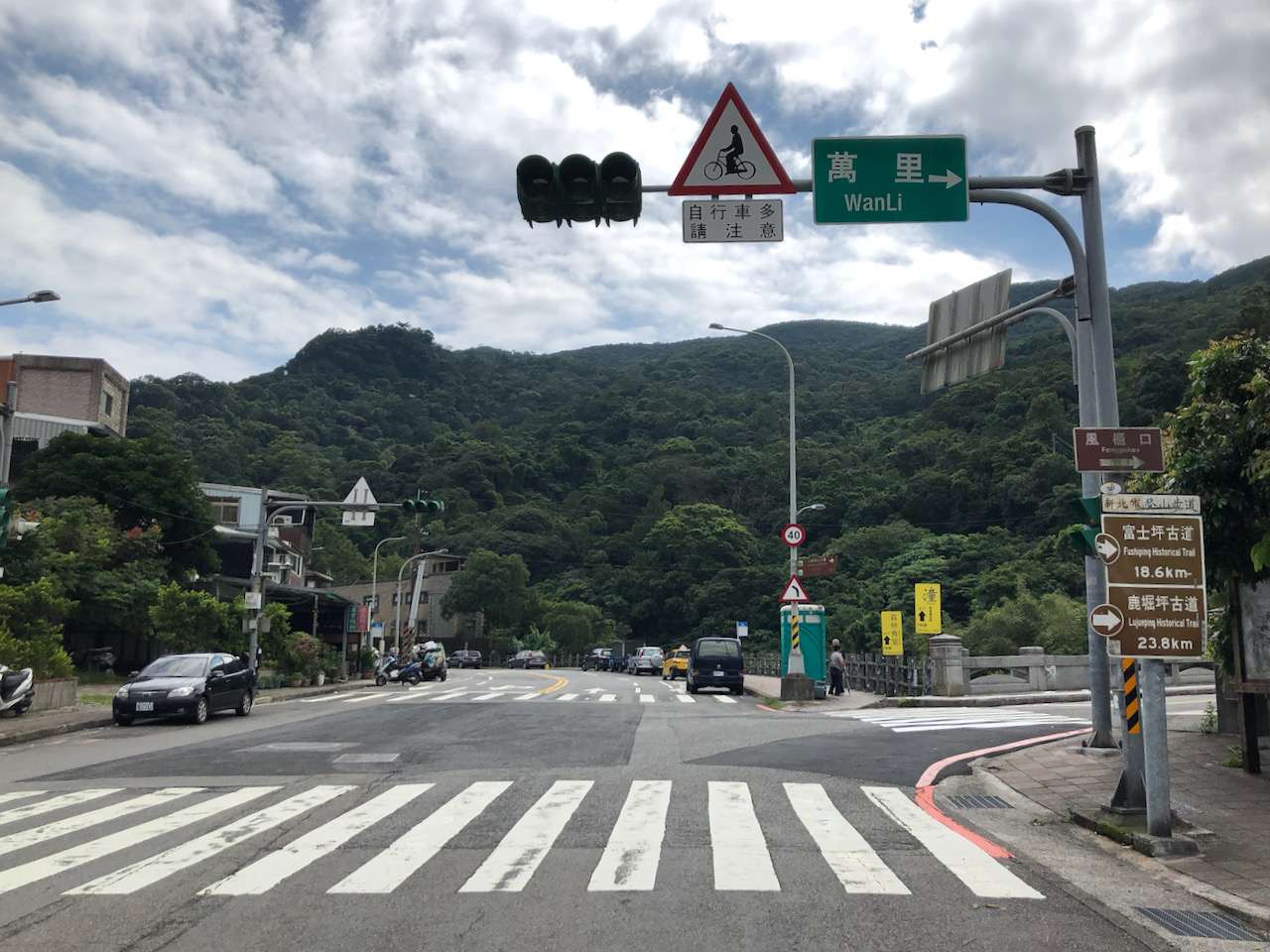
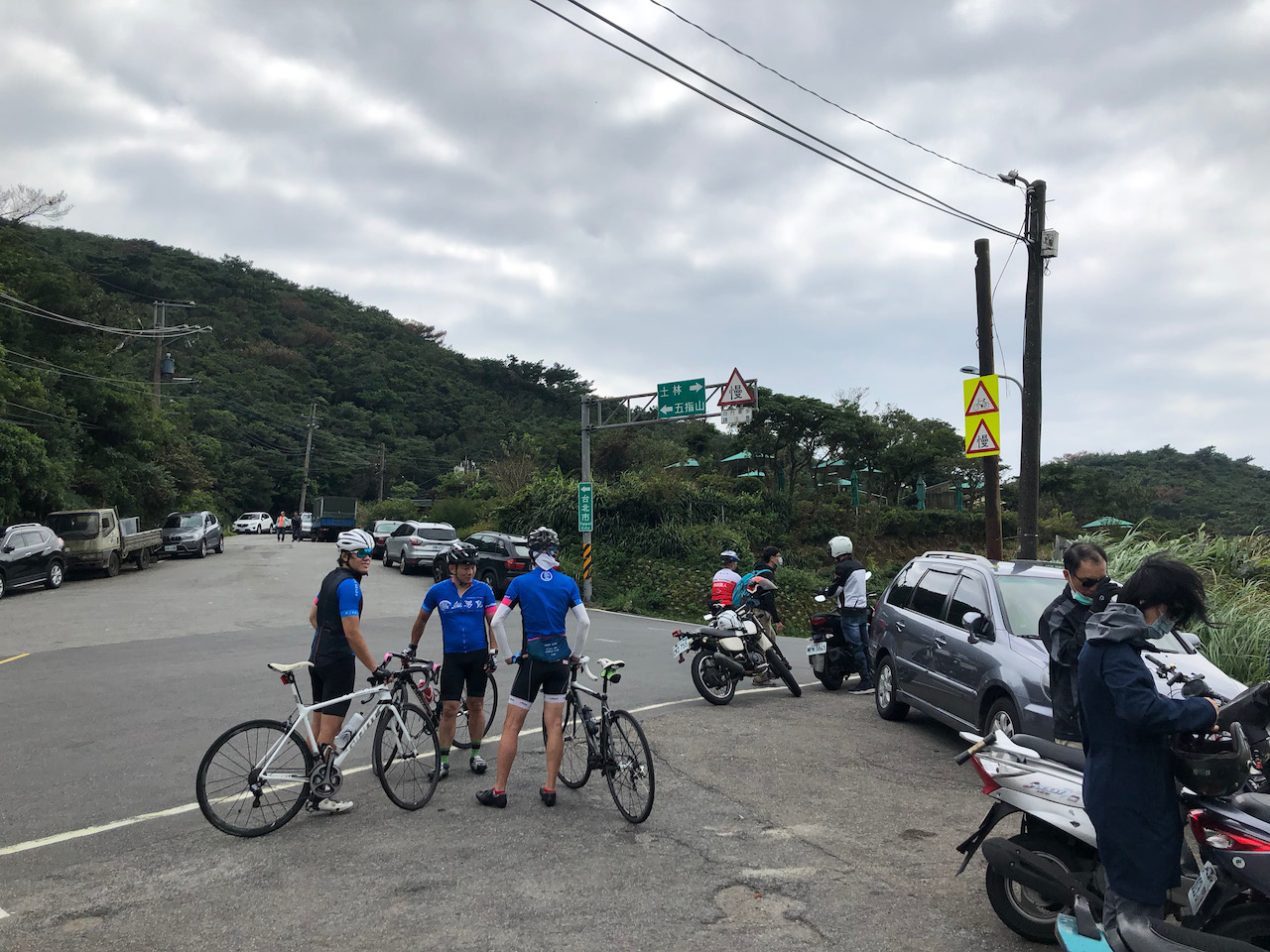
    Fengguizui Lookout (風櫃嘴) is a very popular destination for those Taipei cyclists who want to get some quick training on climbing. Today, I tested myself to see if I can make it to the Lookout at 598m above sea level. I took the 6.5km Wanxi Industry Road (萬溪產業道路) and start climbing. It is a well shaded road with lots of fellow cyclists who would give you words of encouragement generously. And most importantly, there are not much other vehicles to share the road. The downloadable GPX file of this cycling route is at the end of this post. 

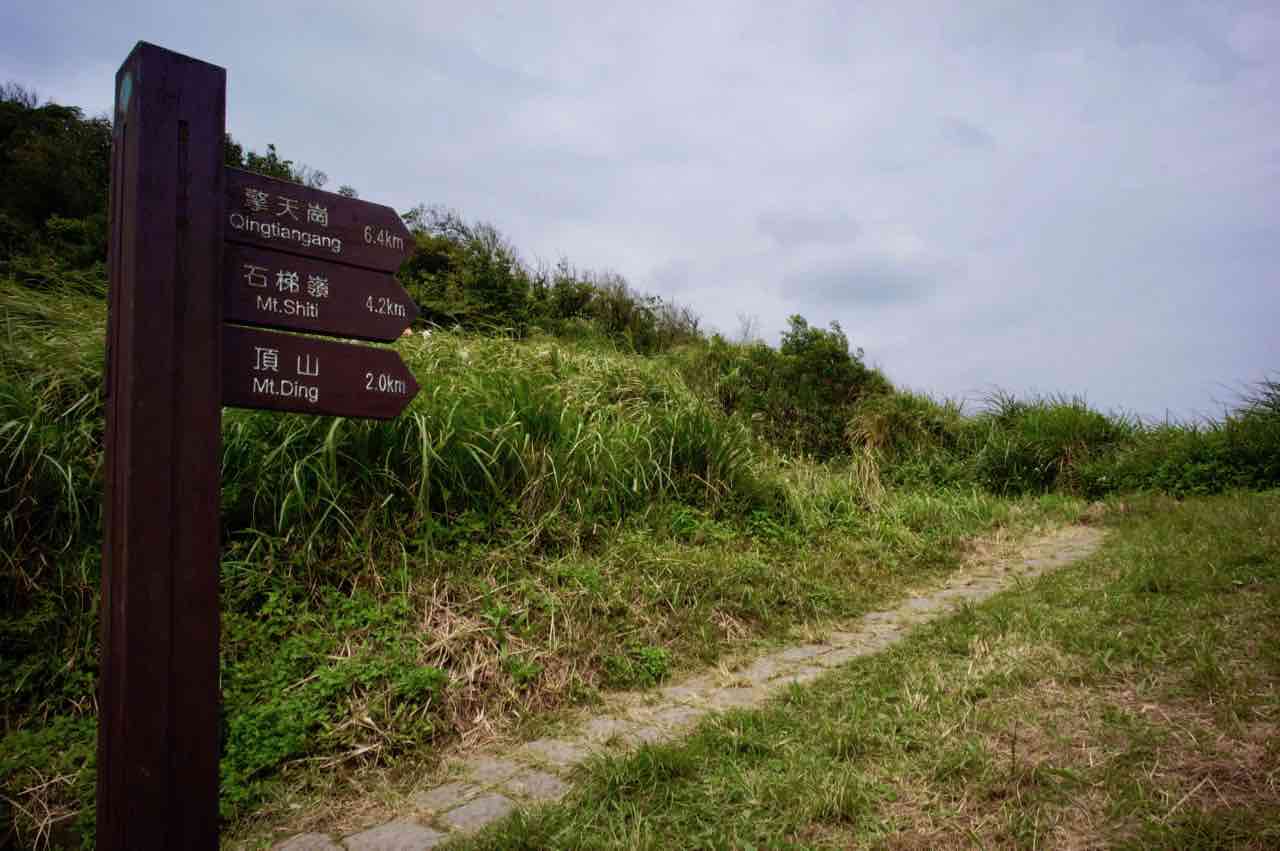
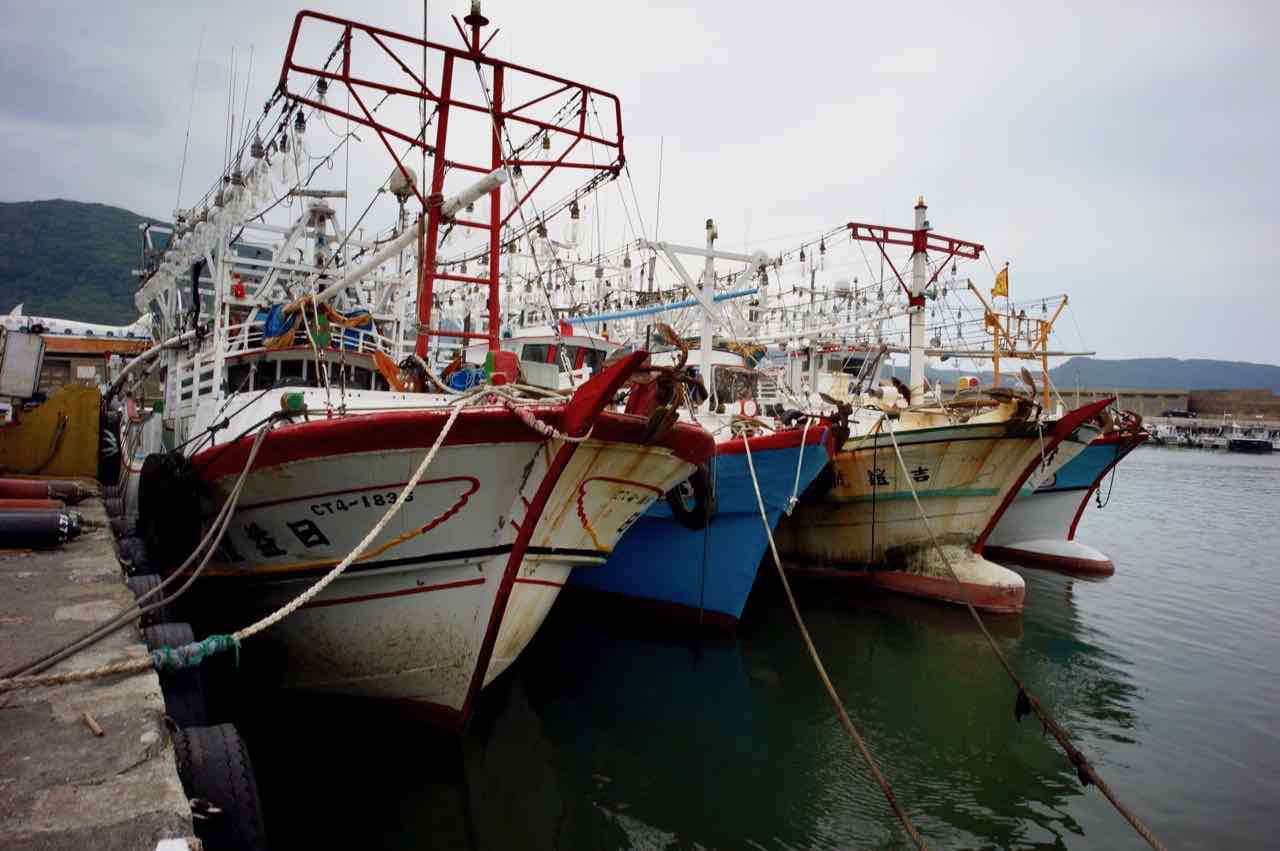
    The view from the Lookout is not particularly impressive. It is a pass connecting Shilin District (士林區) and Wanli District(萬里區). If you are looking for a better view, you may join the hikers and take the trail to the Mt. Ding (頂山, 768m) and Mt. Shiti (石梯嶺, 886m) on foot. Or, let’s don’t leave our bicycles and take the “北 28” and descend to Wanli Fishing Harbour (萬里漁港) and then take the dedicated bikeway along the coast to Keelung (基隆).

    If you have enough of cycling, try your luck to find a train to take you and your bicycle back to Taipei (e.g. Nangang station (南港車站), Songshan Station (松山車站) or Wanhua Station (萬華車站). But not for Taipei Station (台北車站)) . Some particular trains accept naked bicycles for half the fare. Otherwise, keep cycling and take Provincial Highway No. 5A (Shown on Google Maps as 5甲) to get back to Taipei (around 25km)


    Route:

    • Garmin: https://connect.garmin.com/modern/course/43115208
    • Velodash: https://cx6sm.app.goo.gl/3sfZ
    • komoot: https://www.komoot.com/tour/1032787650
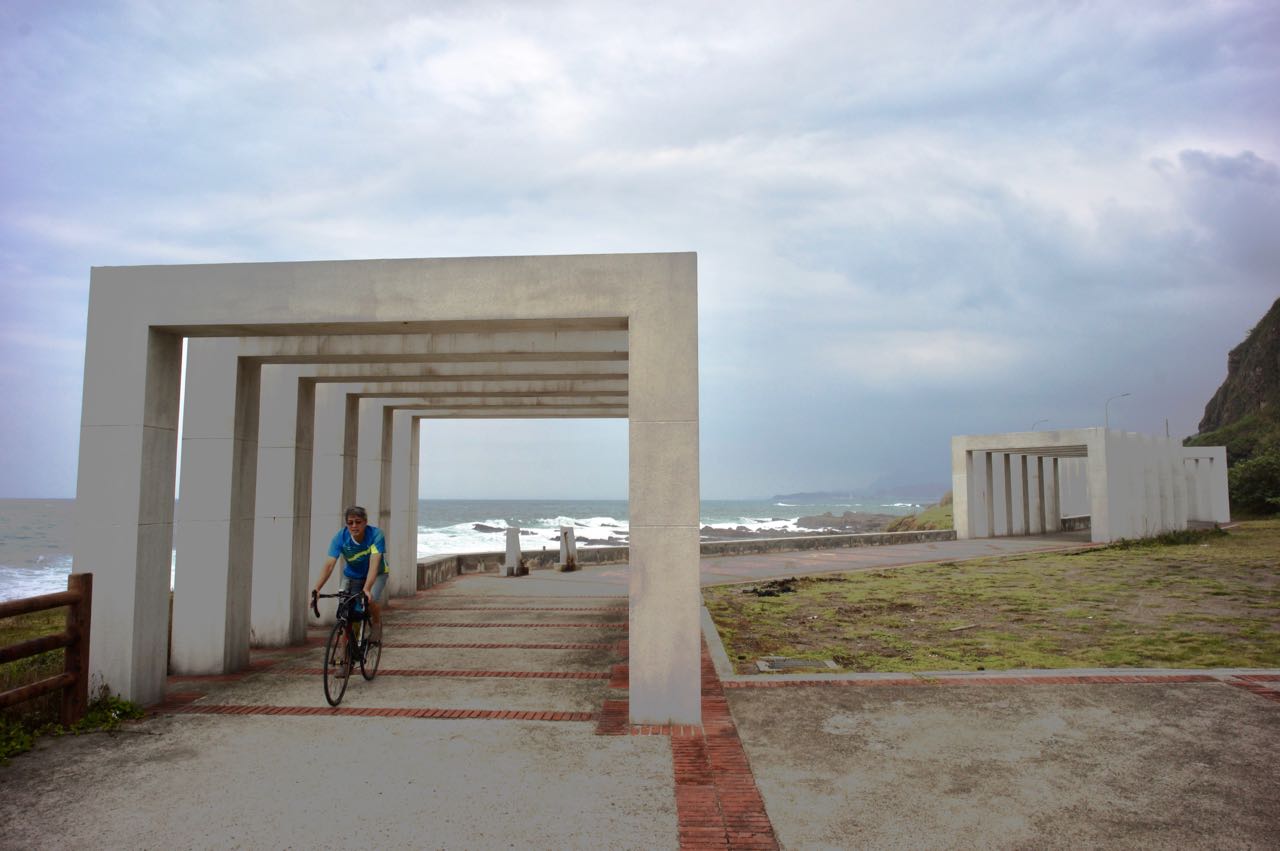
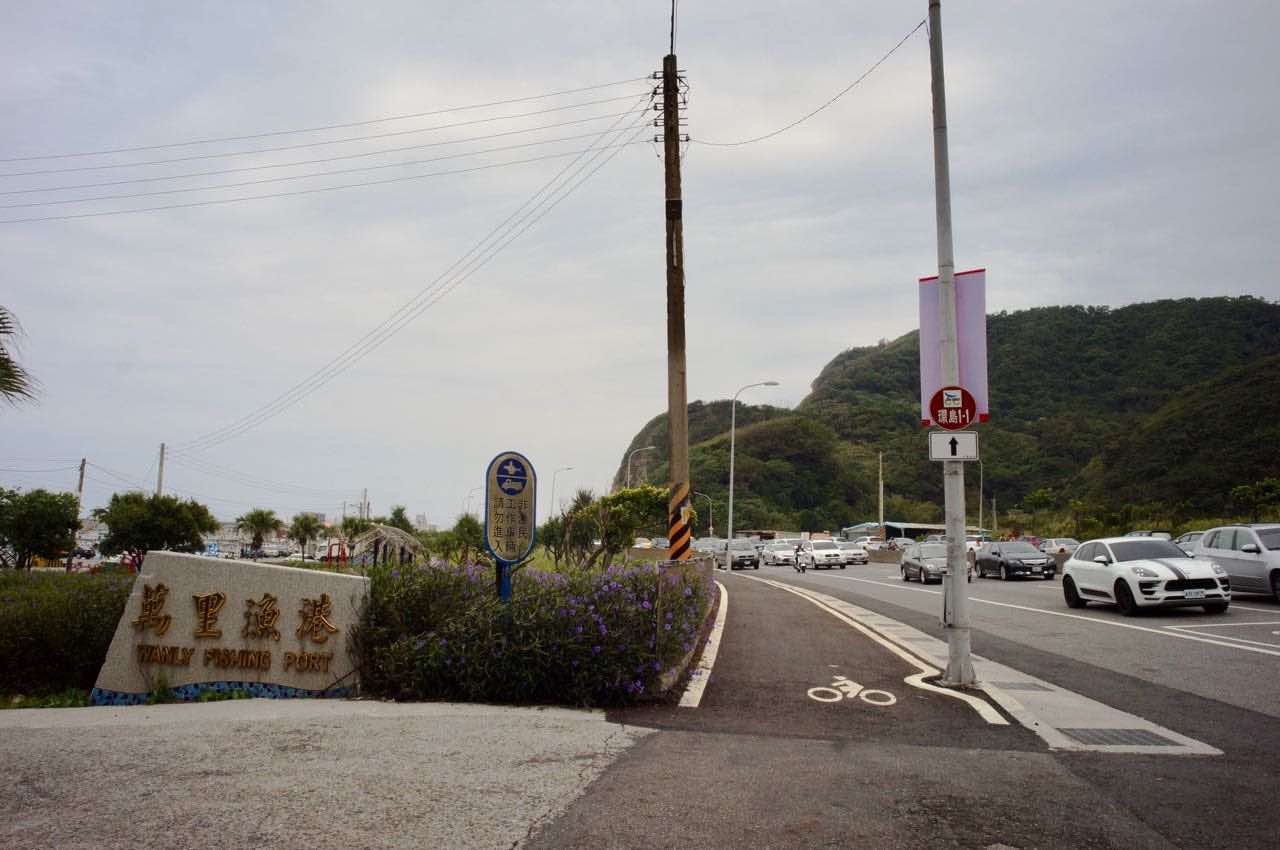
    • Most navigation apps will not route us to the dedicated bikeways along the costal line. Find this Bikeway Entrance right next to the Wanli Fishing Harbour (shown below) and stick to it, you would reach Dawulun Fishing Harbour (大武崙漁港) and then Waimushan Fishing Harbour (外木山漁港) and then Keelung city without much climbing. If you take the Provincial Highway No. 2, expect lots of climbing and traffics without much benefit of seaview.
    Bikeway entrance next to a fishing port
    • When you reach Dawulun Fishing Harbour, Set Google Map Navigation: Keelung Station (基隆車站).

    My Strava link here