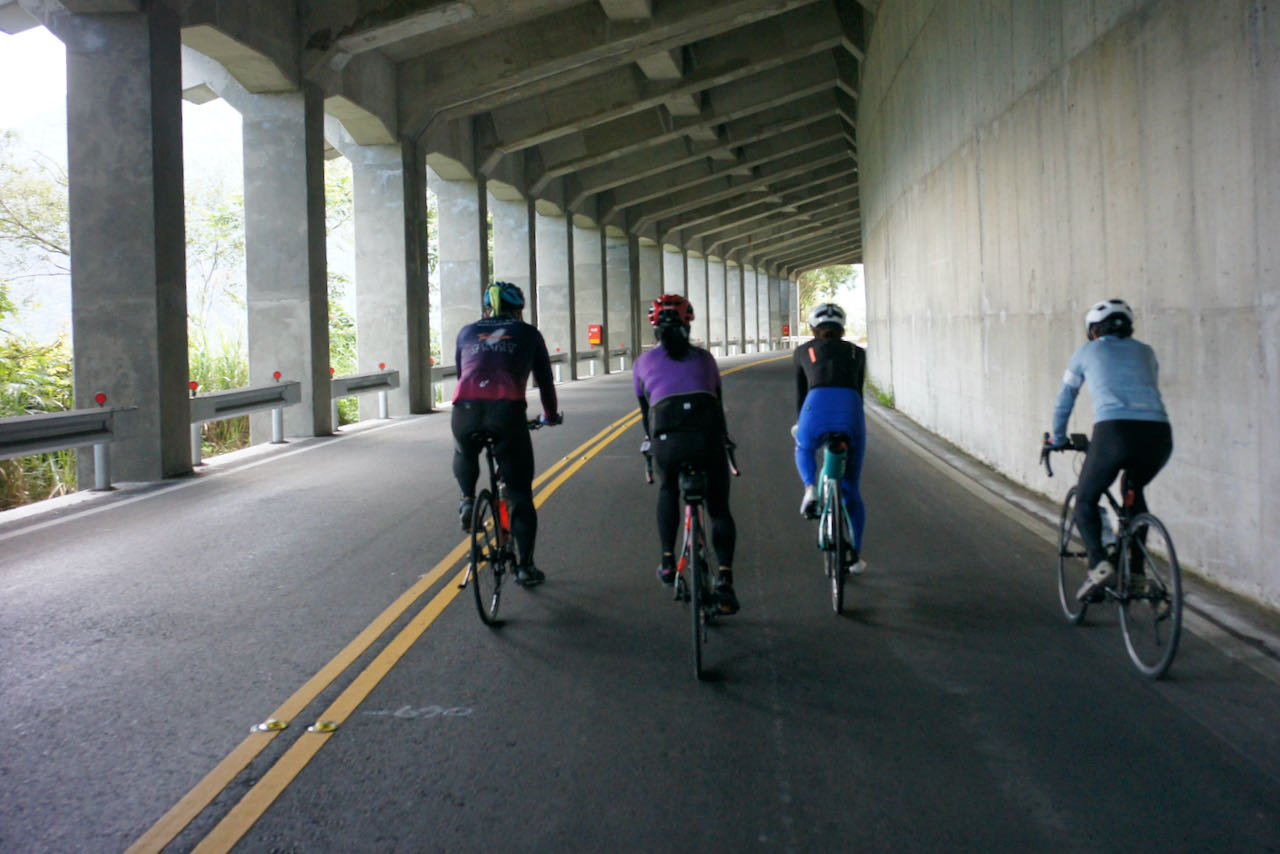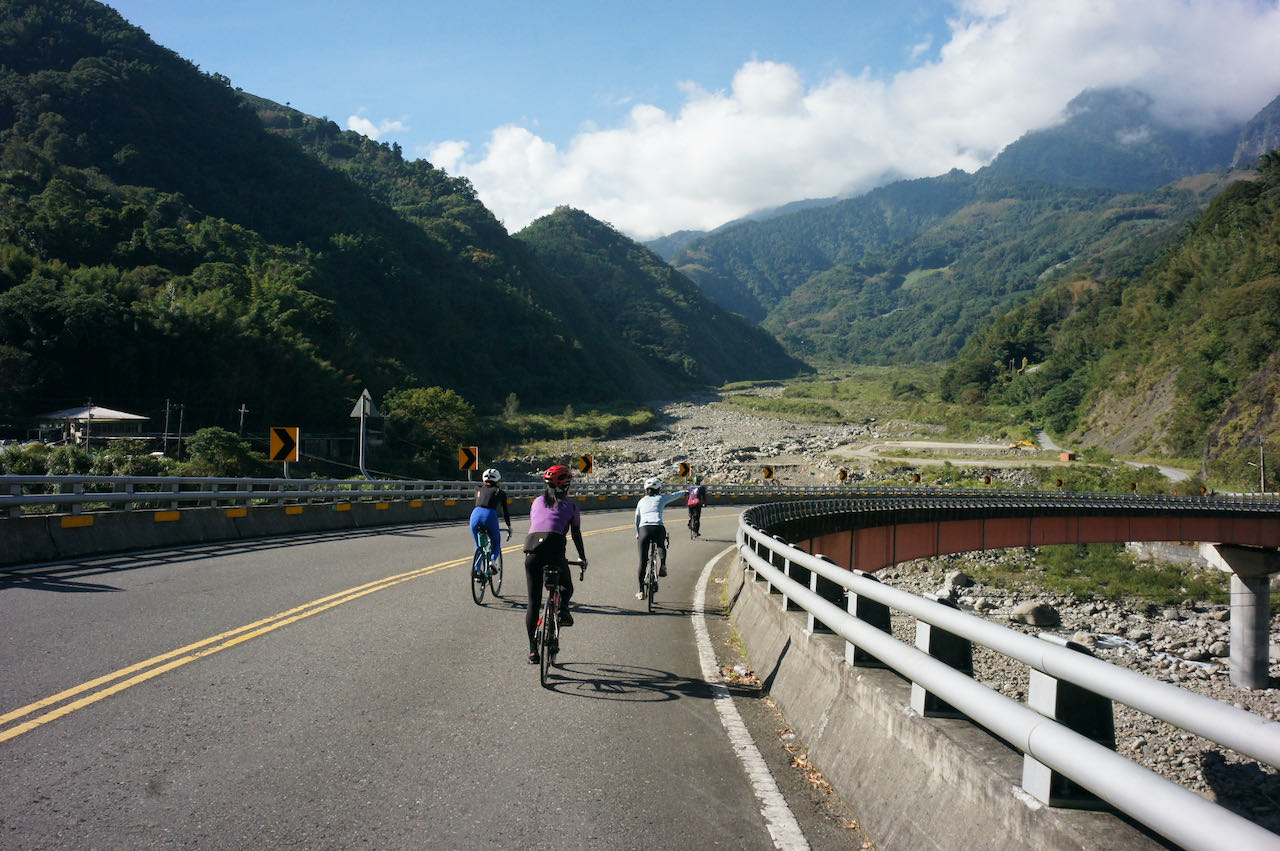
カテゴリー: クライミング

  • Cycling Route: Crocodile Island – Climb Training

    Cycling Route: Crocodile Island – Climb Training

    このブログ記事の翻訳を進行中です。もうすぐ完成しますので、後ほど再度ご確認ください。ご不便をおかけして申し訳ありません。現在は、こちらで提供されているGPXルートや地図などの情報を自由にご利用ください。

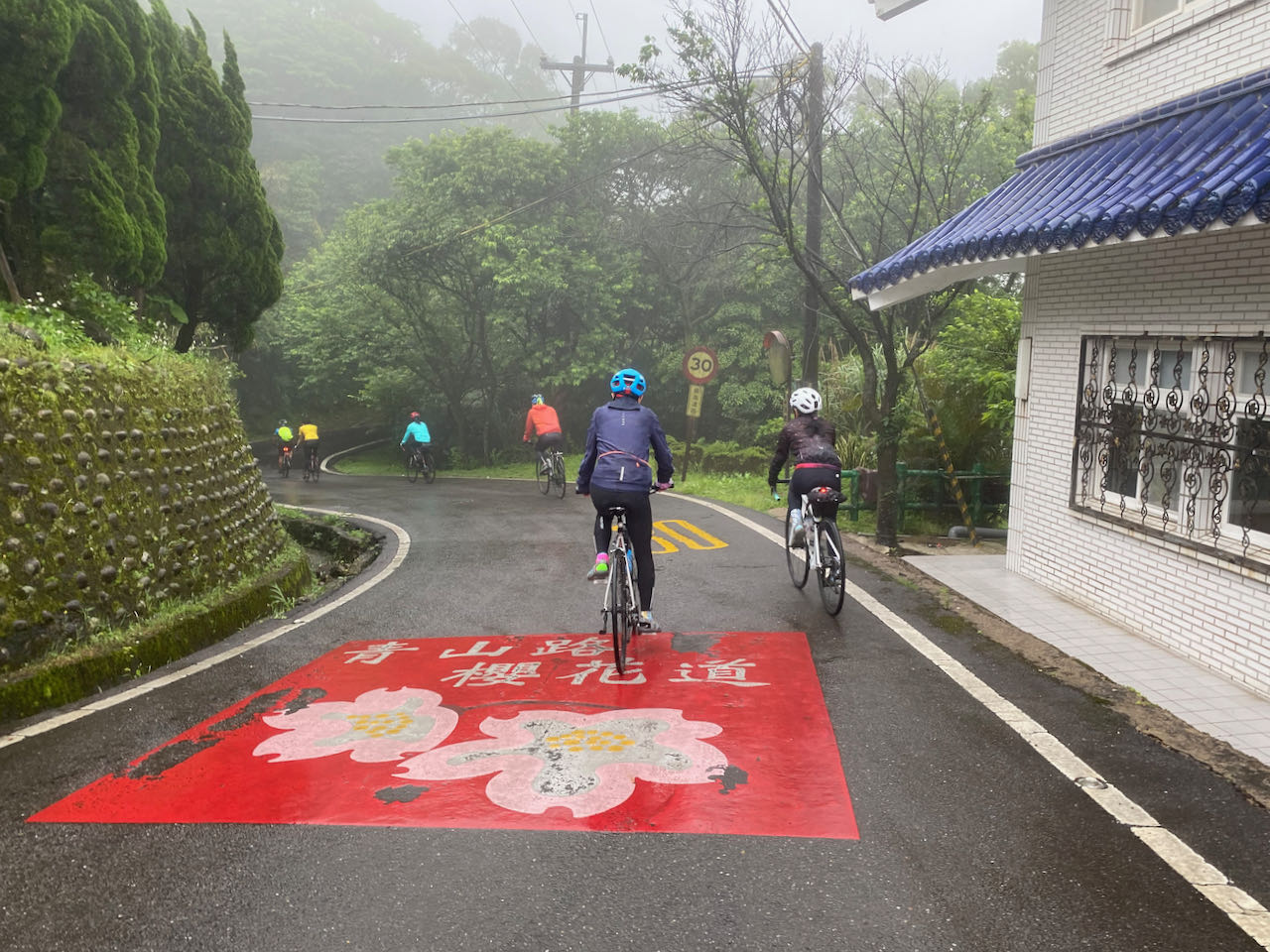
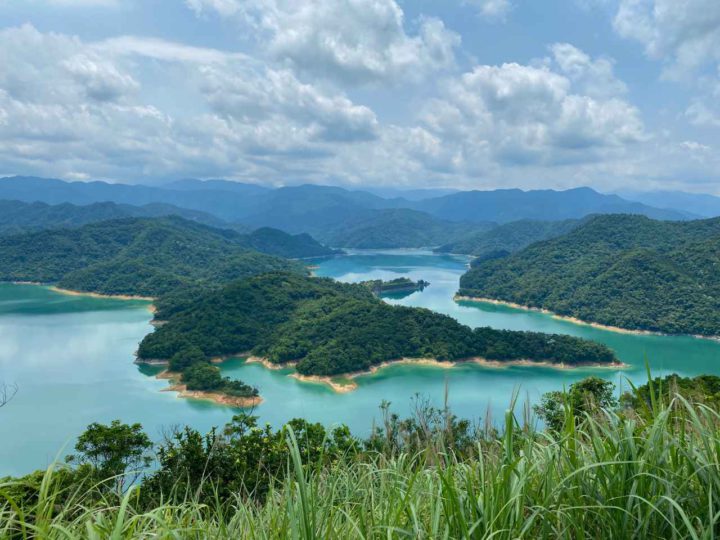
    I went for a cycling trip with a small group of local cyclists on a Saturday in May, to get a good look at the Crocodile Island 鱷魚島, which can be found in the Fei-ts’ui Reservoir 翡翠水庫 in Shiding District 石碇區 of New Taipei City. It is a 41km route with a maximum altitude of 583m and an elevation gain 1871m. The cycling route is designed by the group leader Sean Fang. The GPX file is downloadable at the end of this post. 
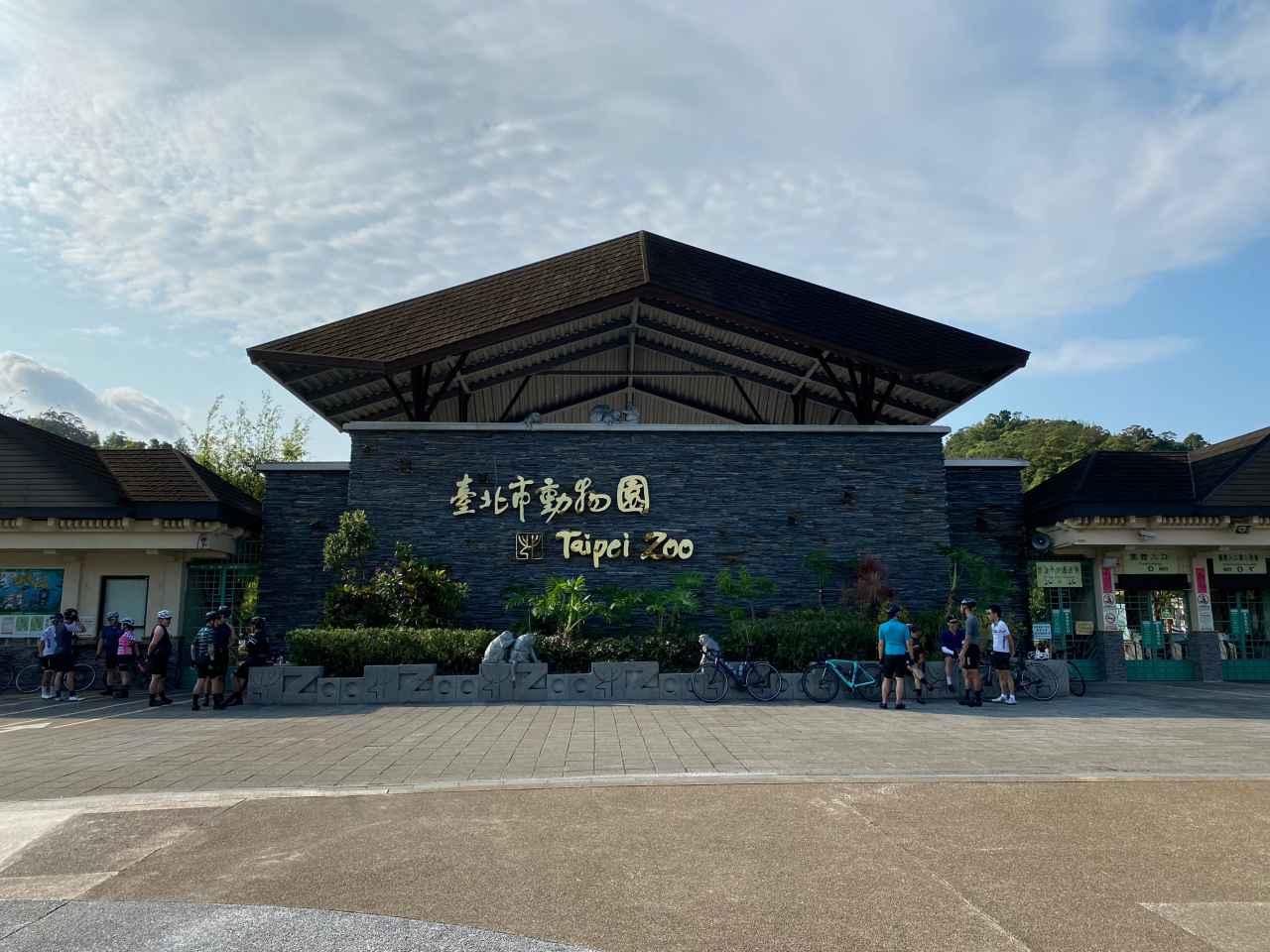
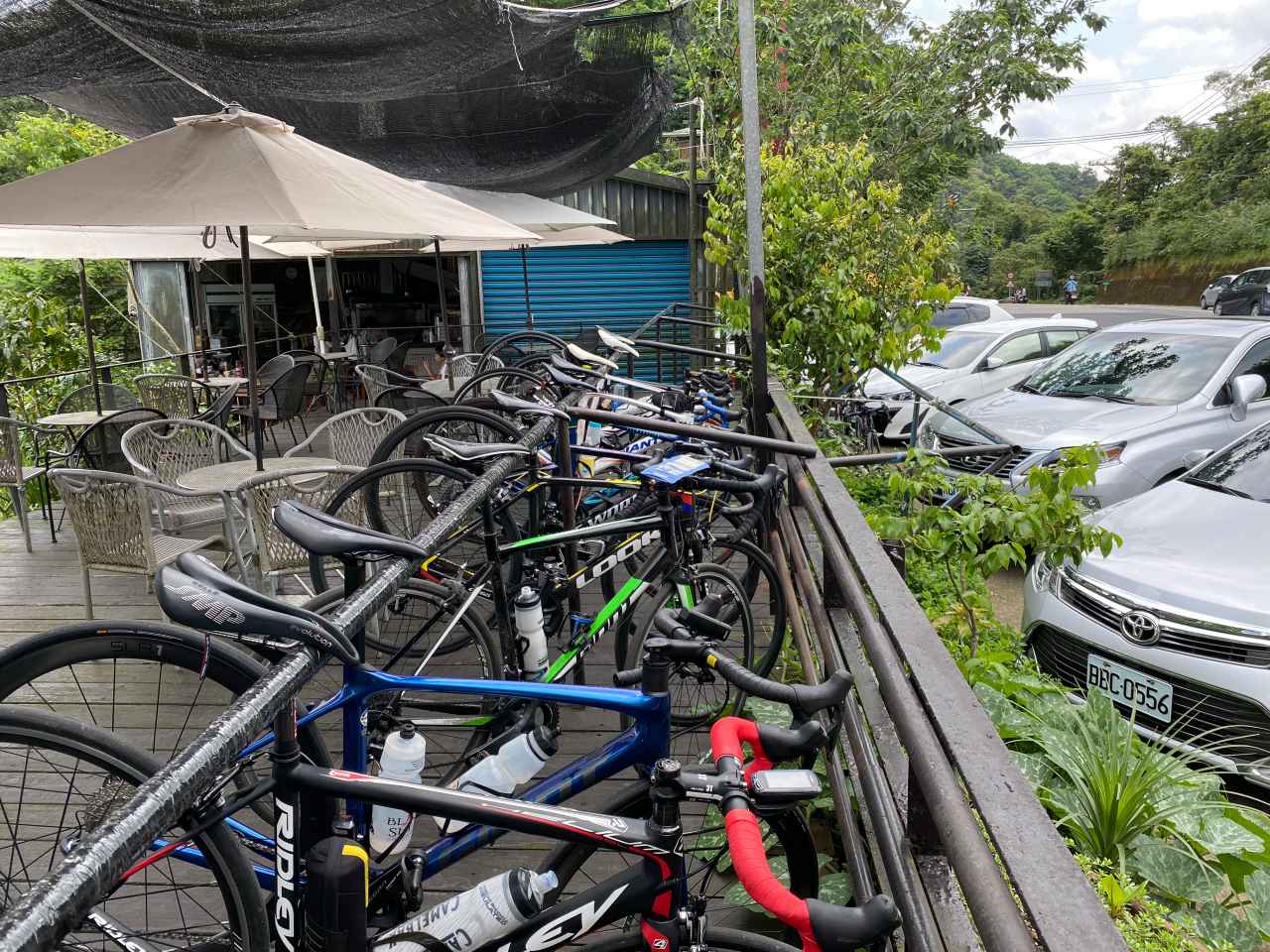
    We met at 7:30 am outside Taipei Zoo, and then took County Highway 106B (shown on Google Maps as 106乙) to a junction where 106B meets 106. With two big convenience stores (7-Eleven and Family Mart) and some parking space available, this junction has become a popular stop among cyclists and motorcyclists for toilet breaks and supply. It’s particularly crowded during weekends, so you better park your bike securely before getting into the stores, lest some careless souls may hurt your beloved one by accident.
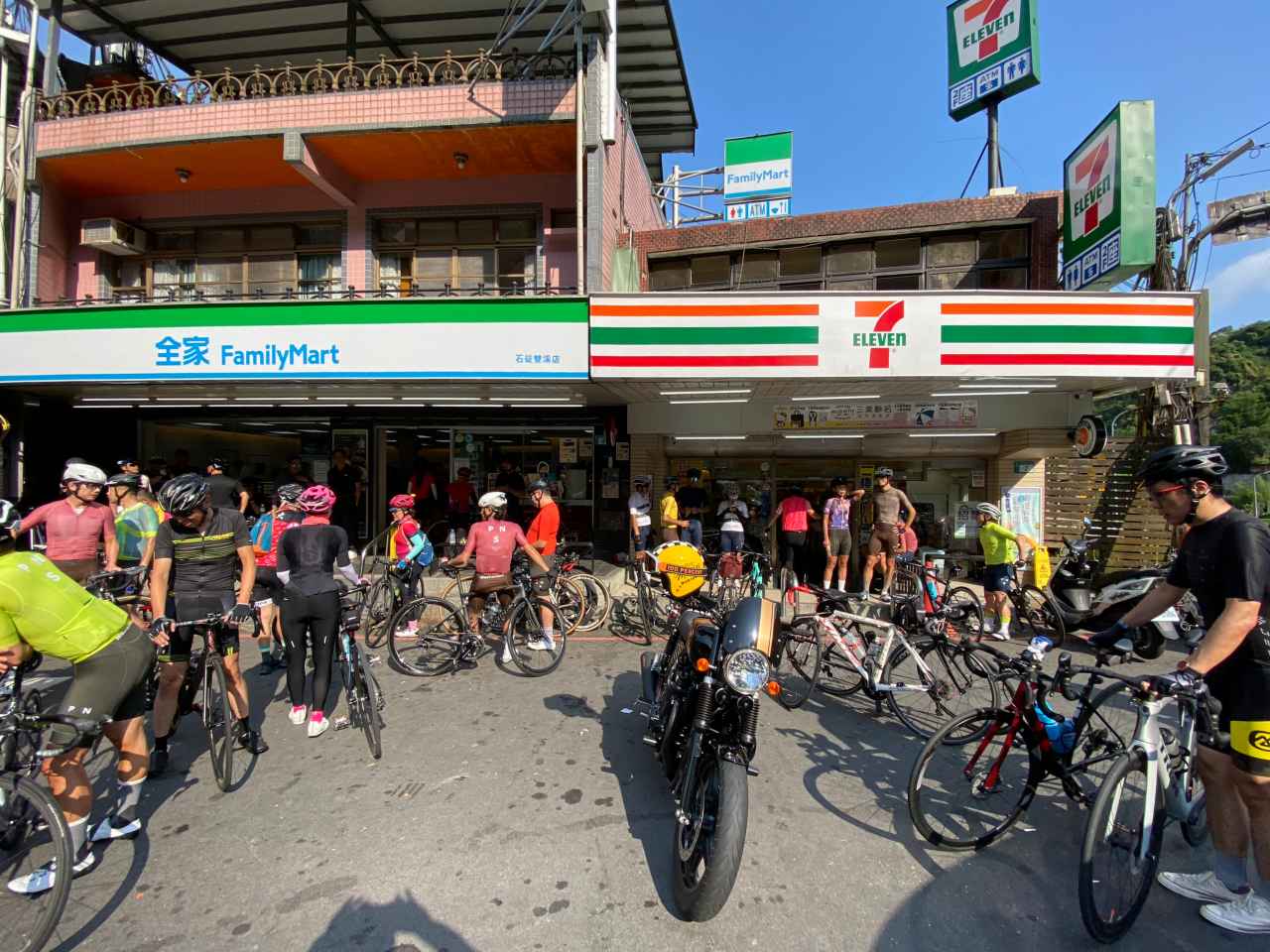
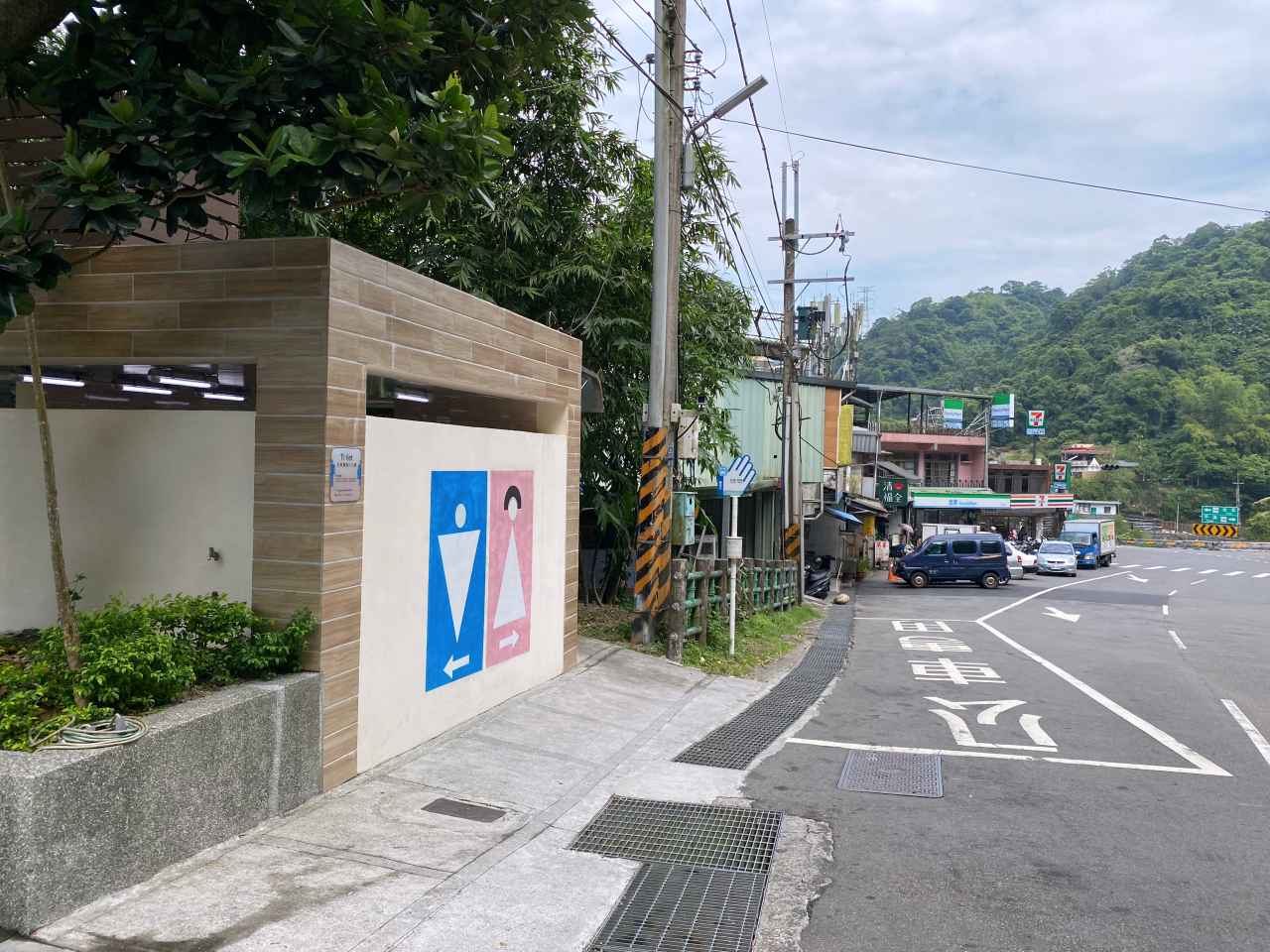
    After getting what I needed in one of the convenience stores, I was called by my friends to help a young lady cyclist who can’t speak mandarin. Turned out she was looking for the toilet, which was apparently in short supply in this area. The shopkeeper was so kind that he let her use the one reserved for staff. 

    Let me sidetrack a bit to talk about toilets in Taiwan. Only a special kind of toilet paper, which is specifically designed to be dissolvable in water, can be flushed down the toilets in Taiwan. But in old buildings or many rural areas where the draining pipes are old and narrow, toilets get clogged very easily, especially when they are in heavy use. That’s why you can always find a garbage bin inside the compartment of those toilets, which is where the used toilet paper is meant to go. Please do not hesitate to use it. Otherwise you may be left in a very embarrassing situation. And when enough toilets are clogged, shopkeepers may stop letting us use their toilets. 

    So, we continued on the County Highway 106B and then made a right turn onto the Township Road TP47 (Shown on Google Maps as 北47) after passing the small town called Shiding.

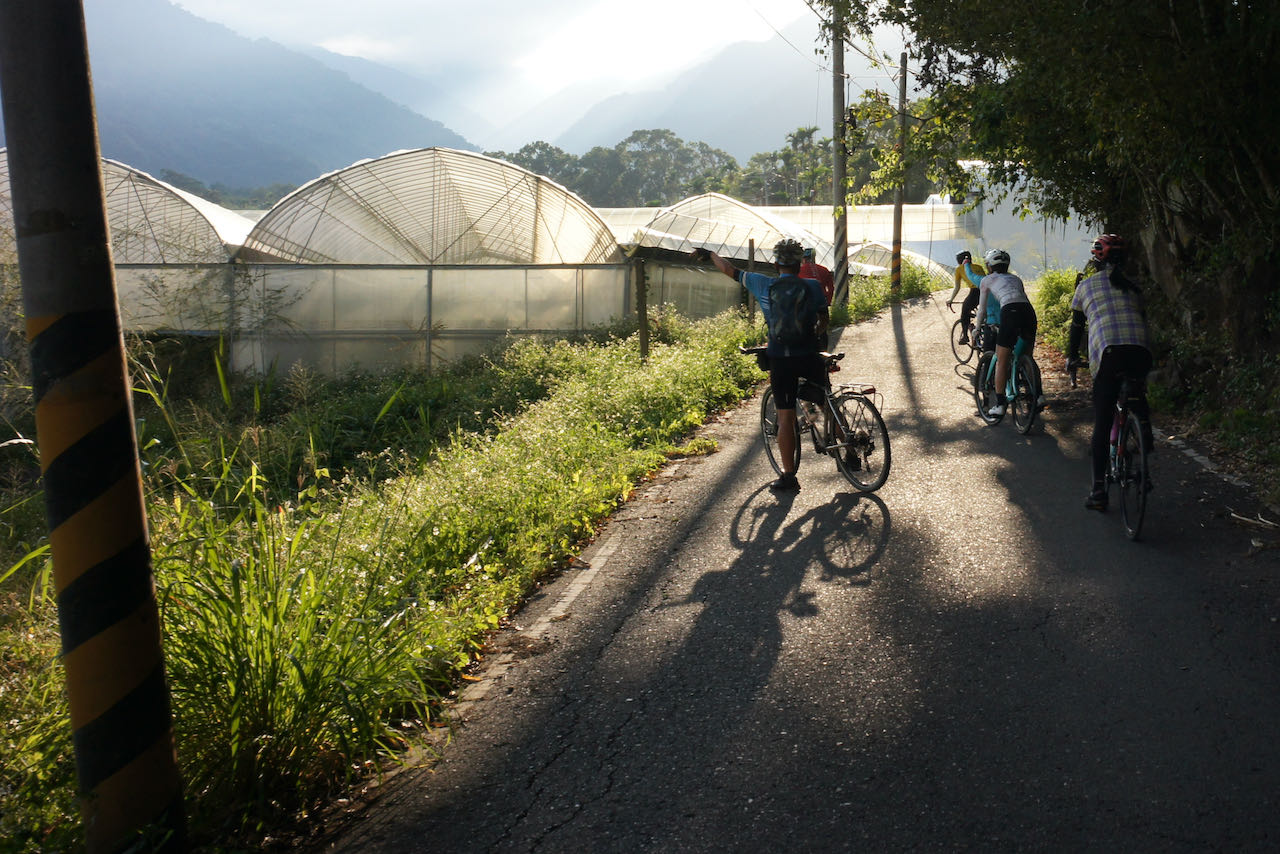
    TP47 splitted into TP47 and TP47-1. We were supposed to take TP47-1 and start the climbing. But this turn is a bit tricky – Sean had led us to a wrong path even though he was the one who plotted the route and it was not his first time here. Anyway, we realized our mistake soon enough as the road became impossible for cycling.
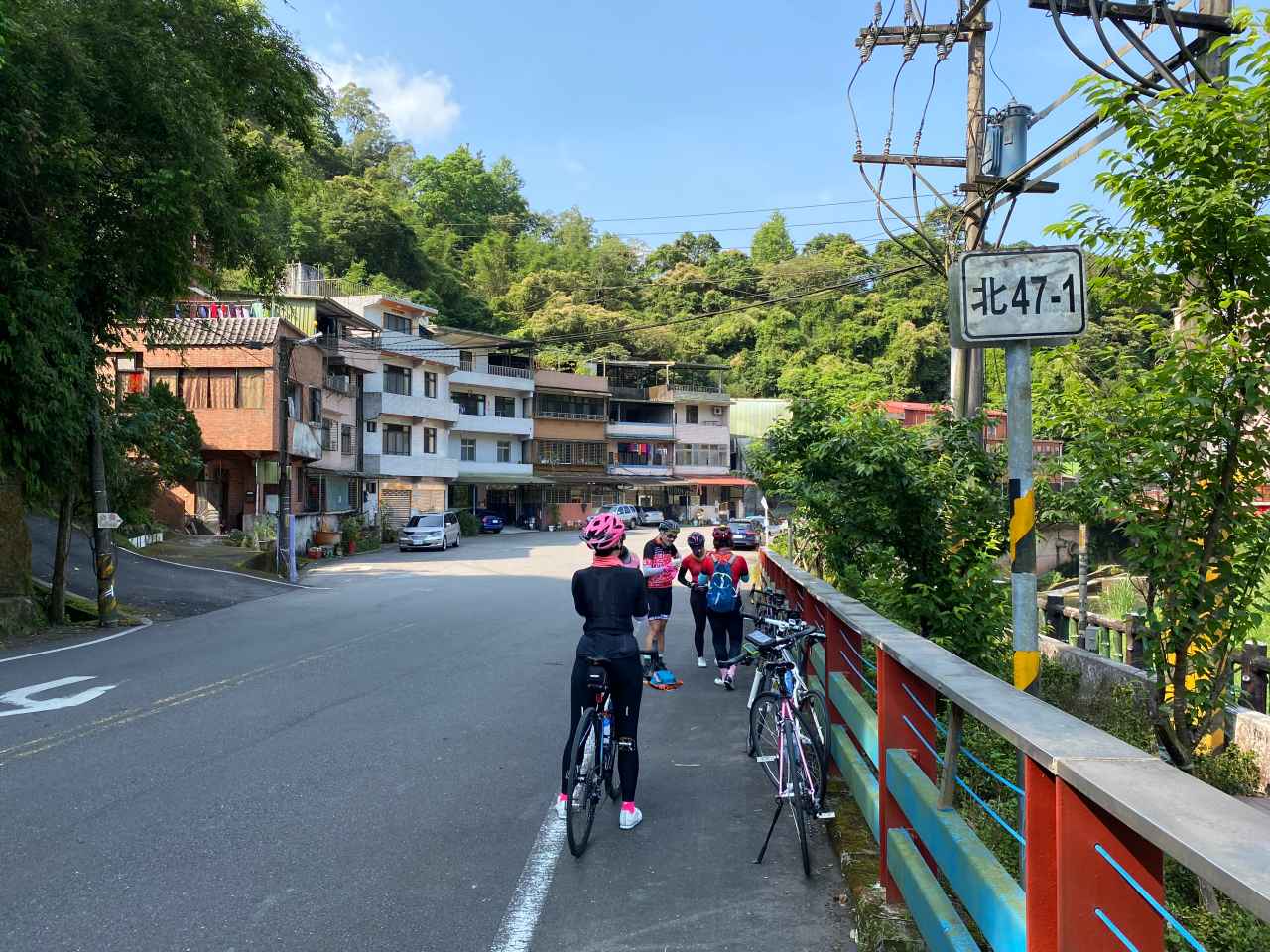
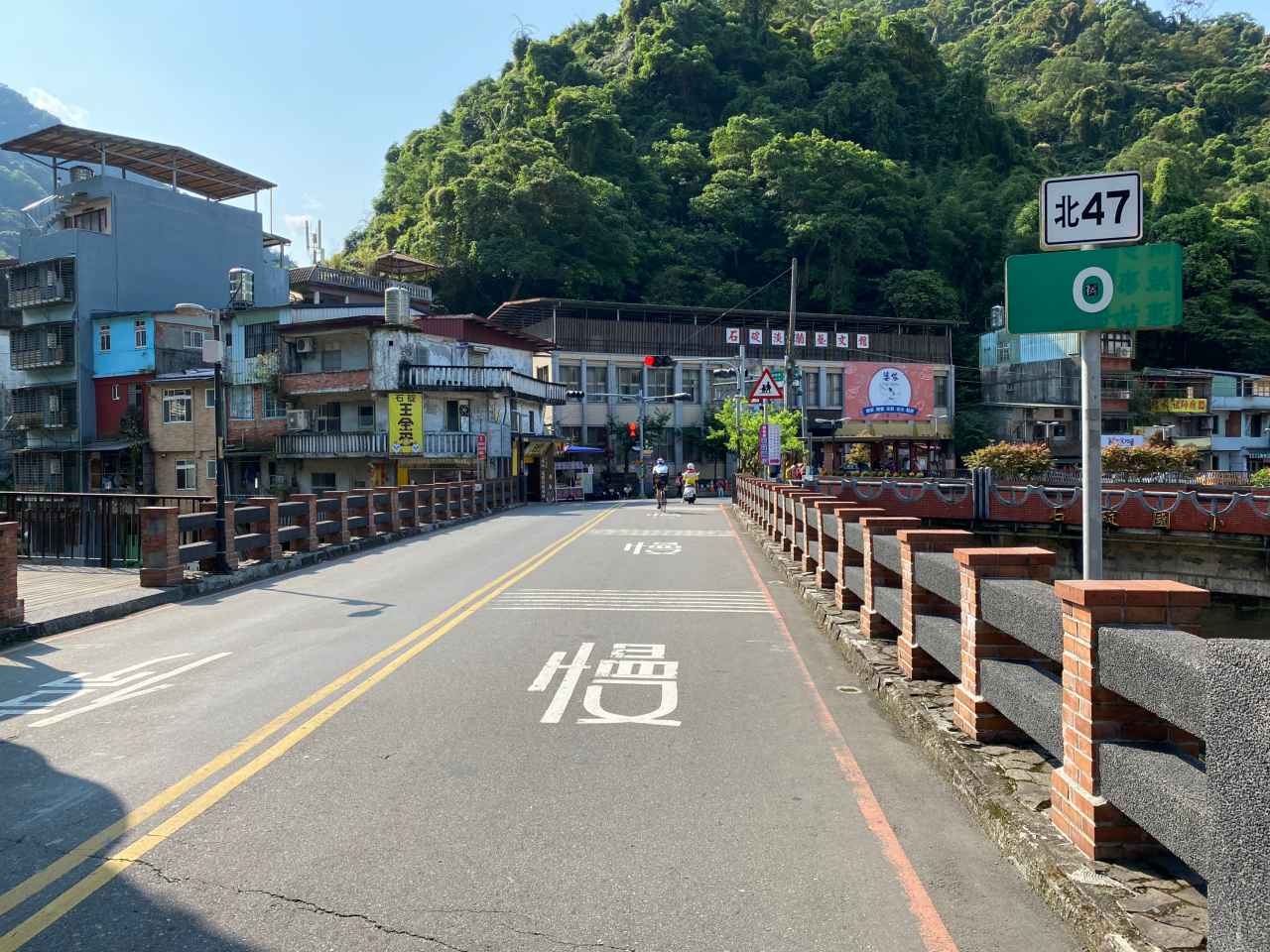
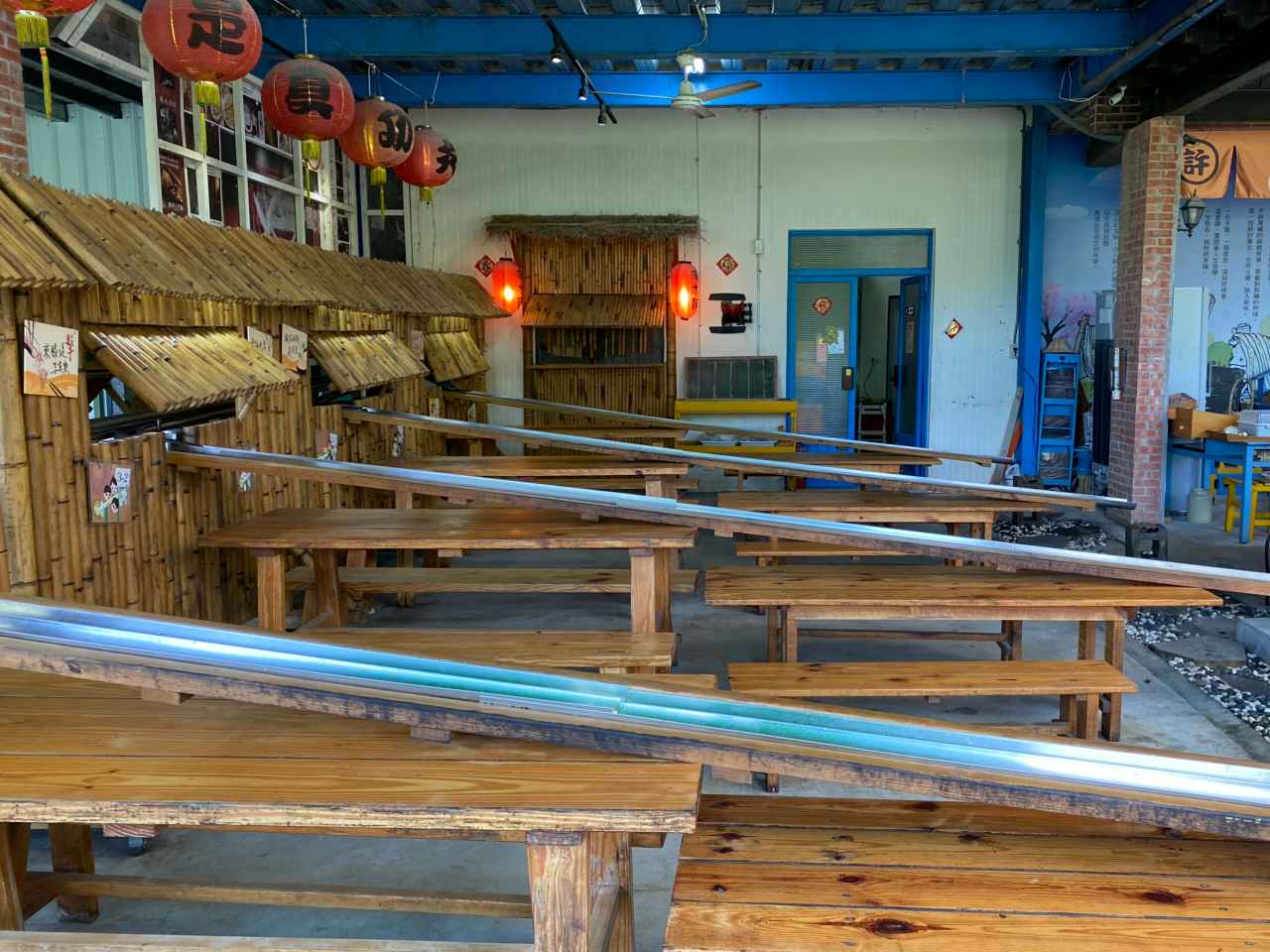
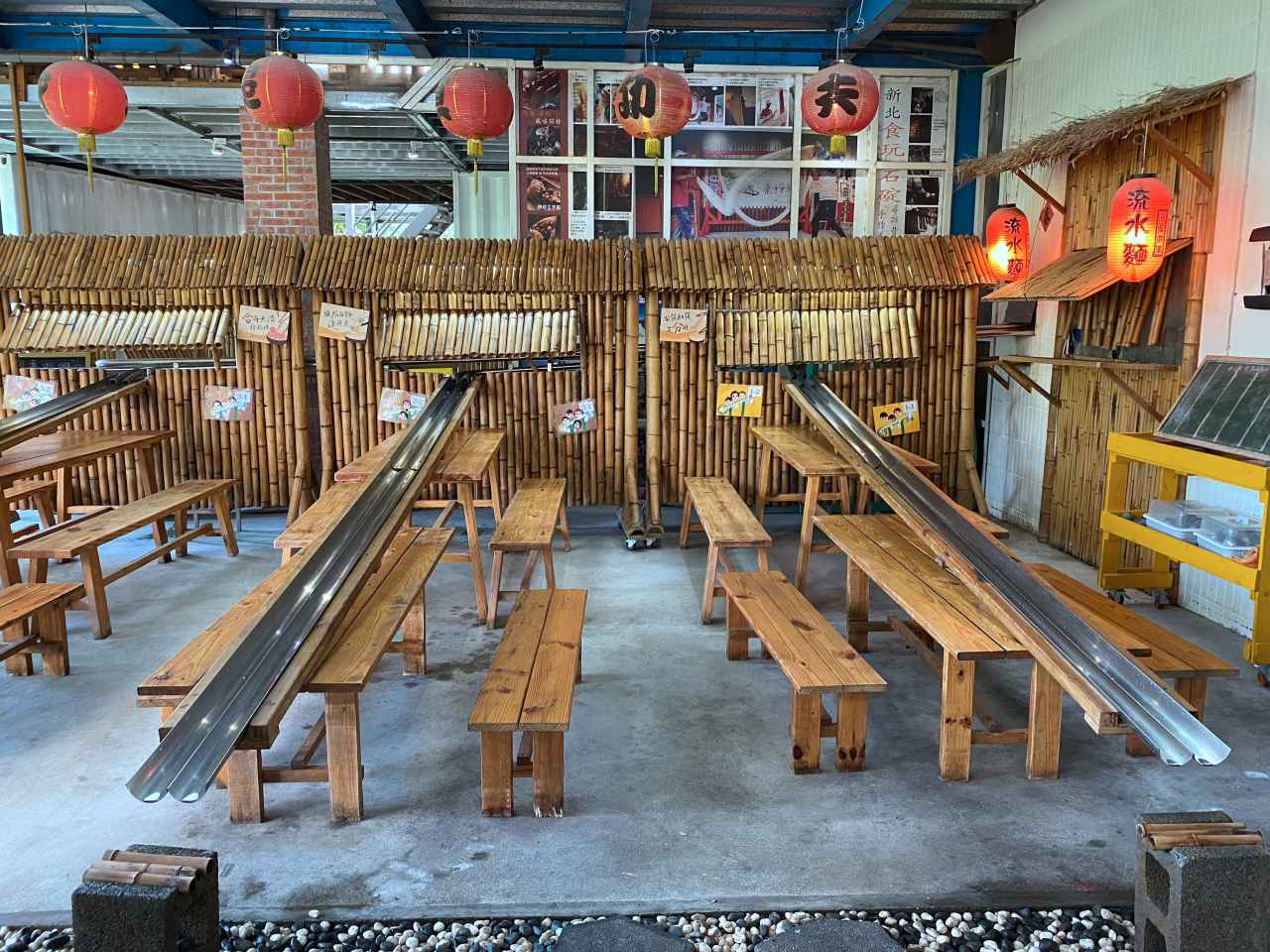
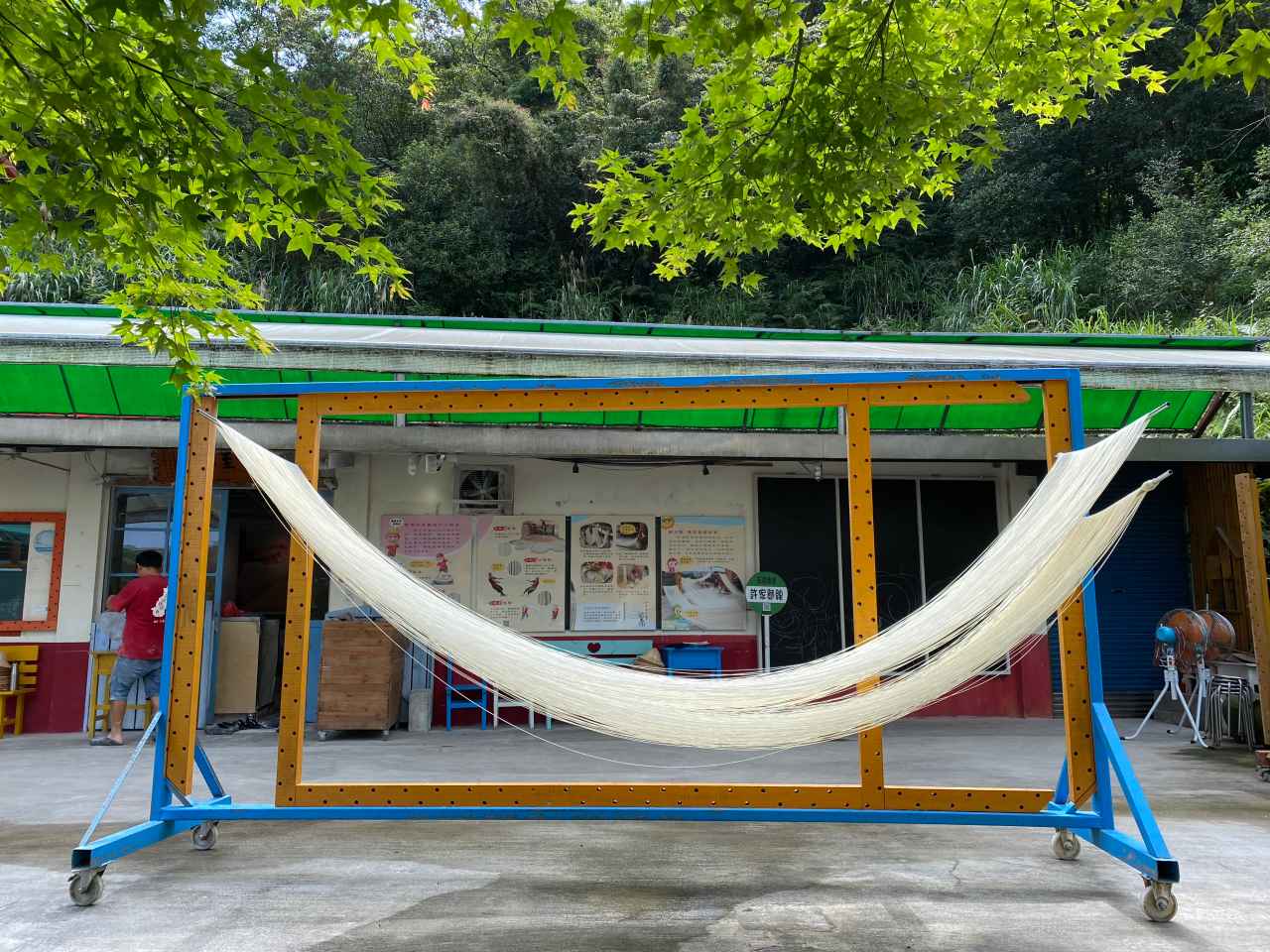
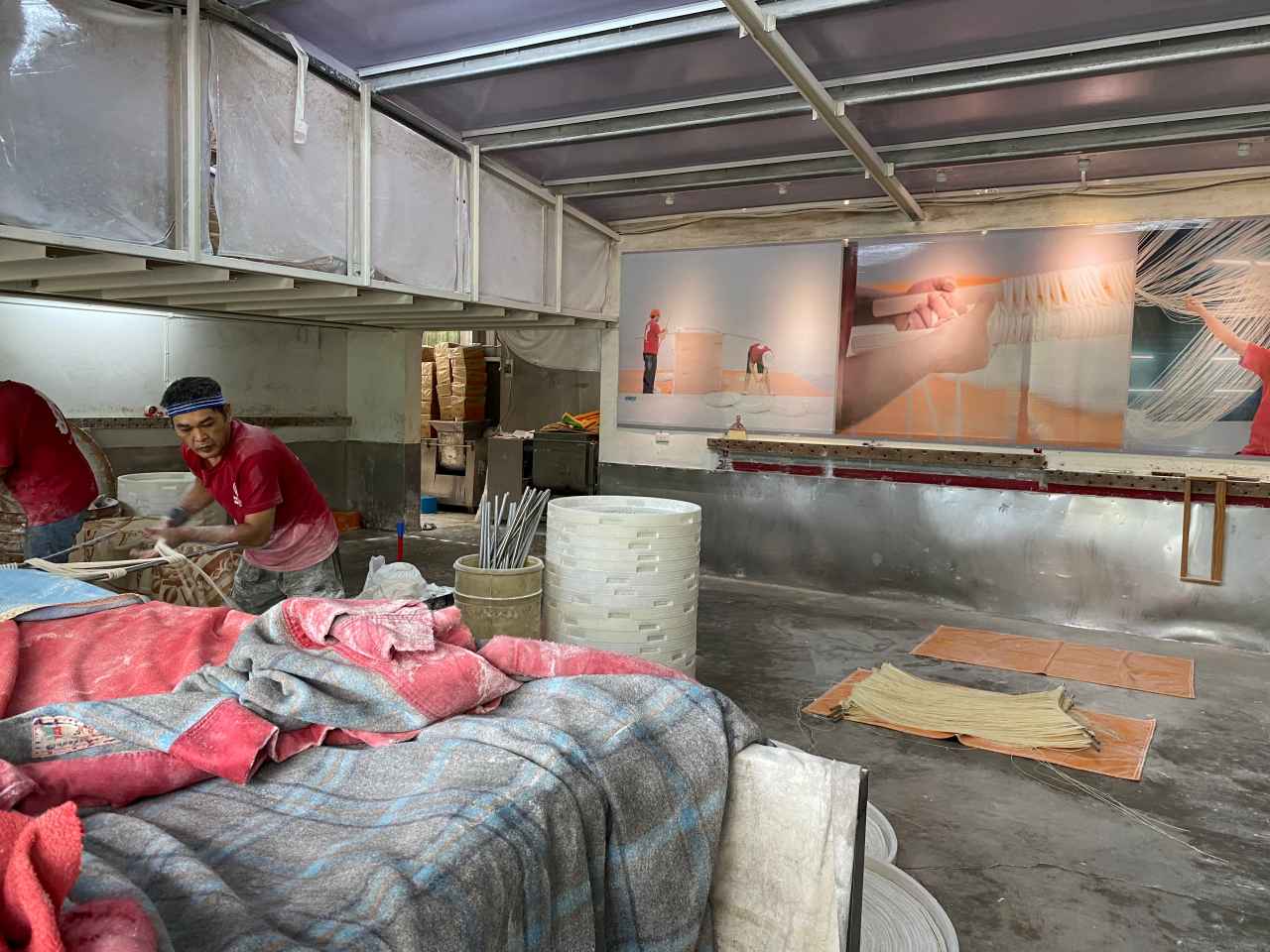
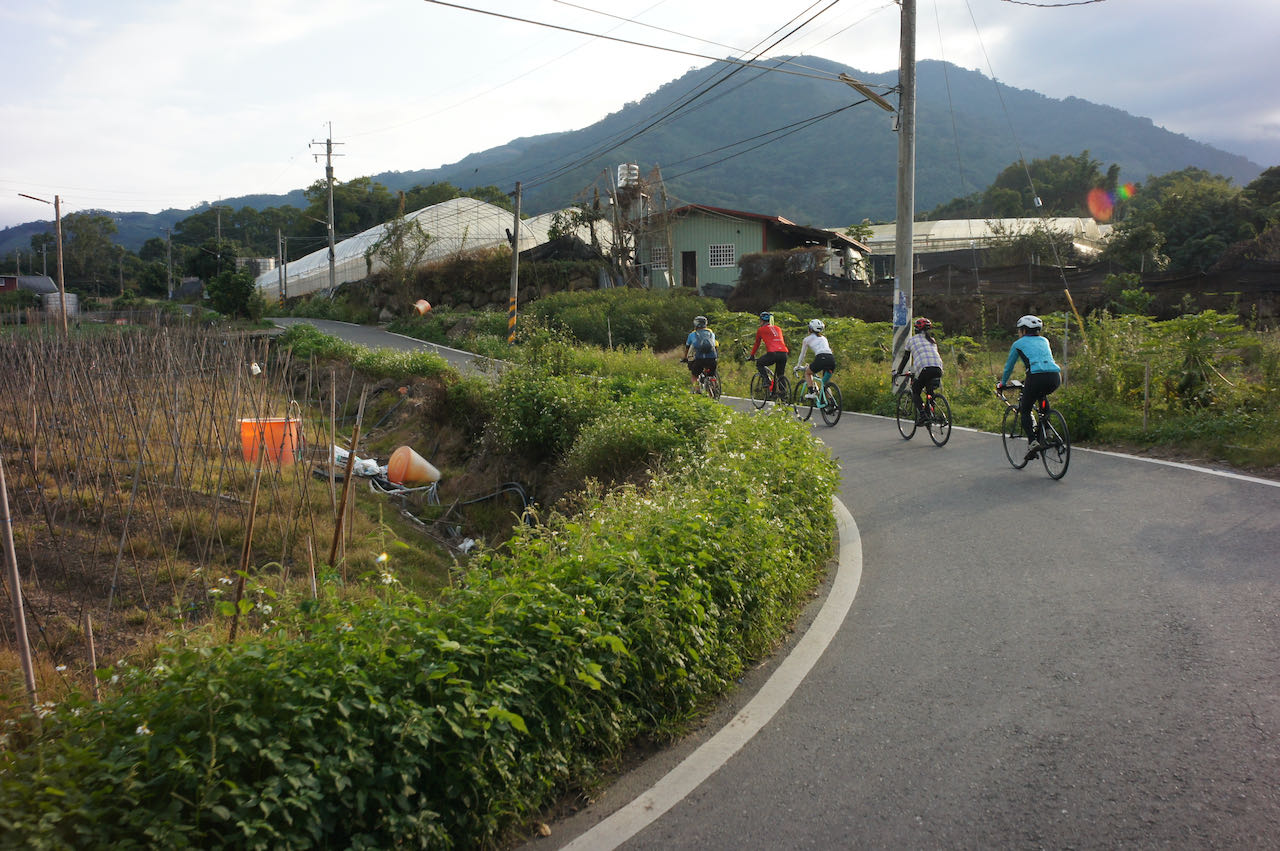
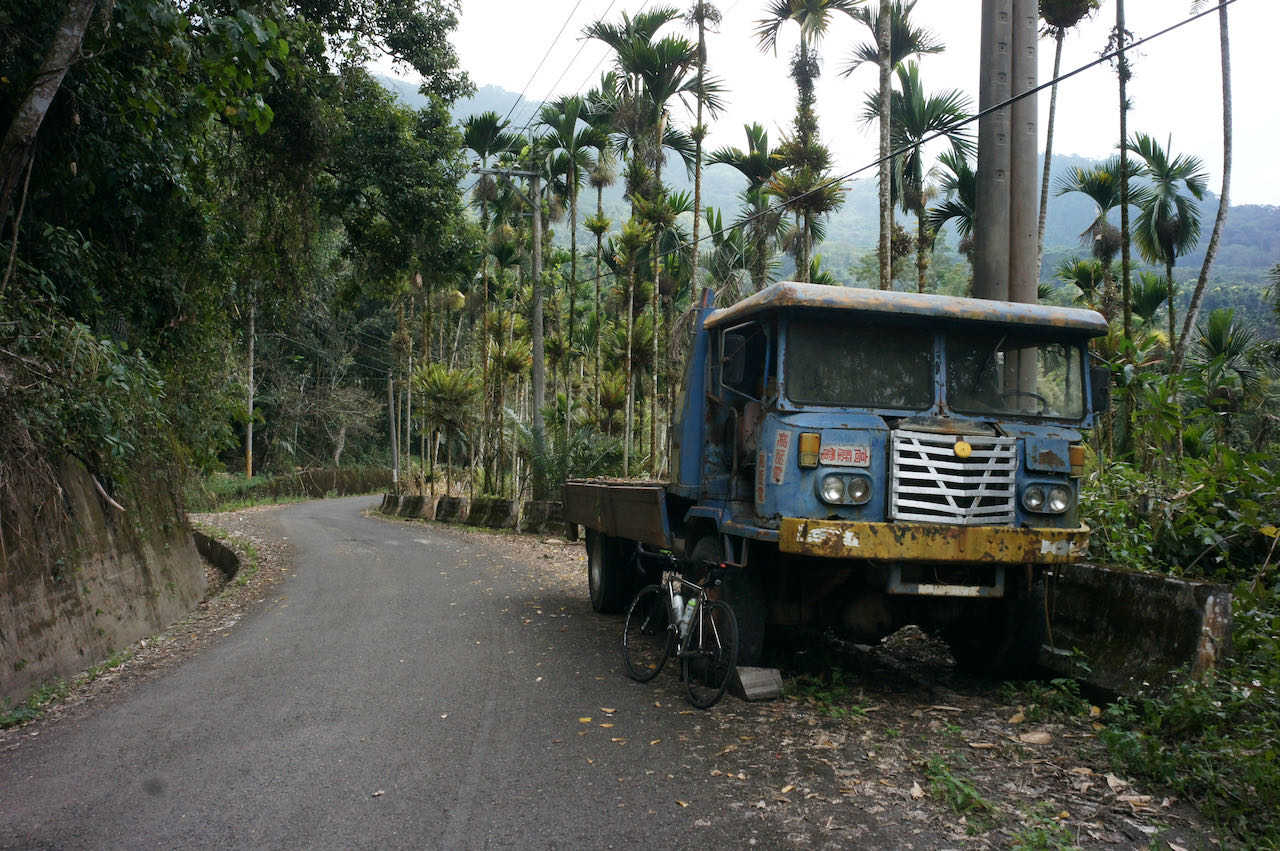
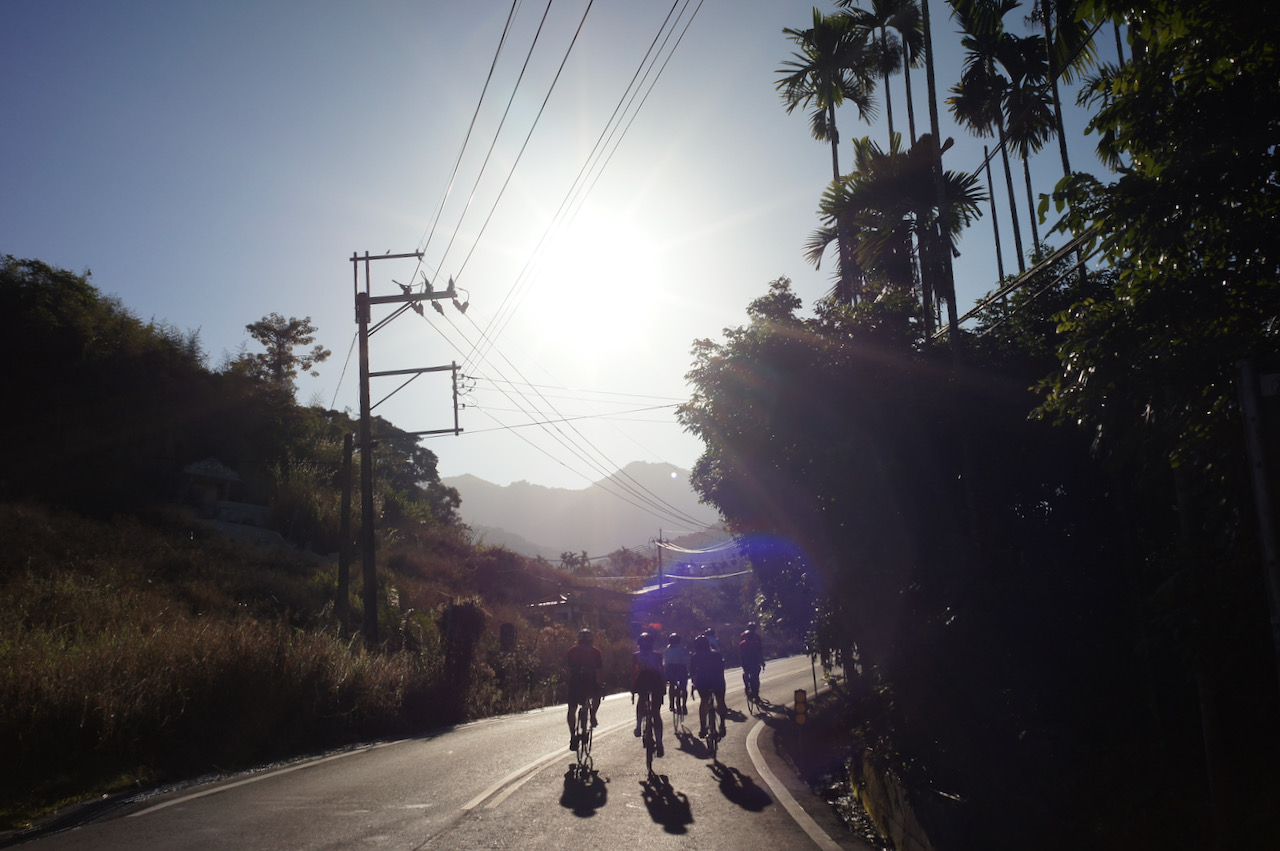
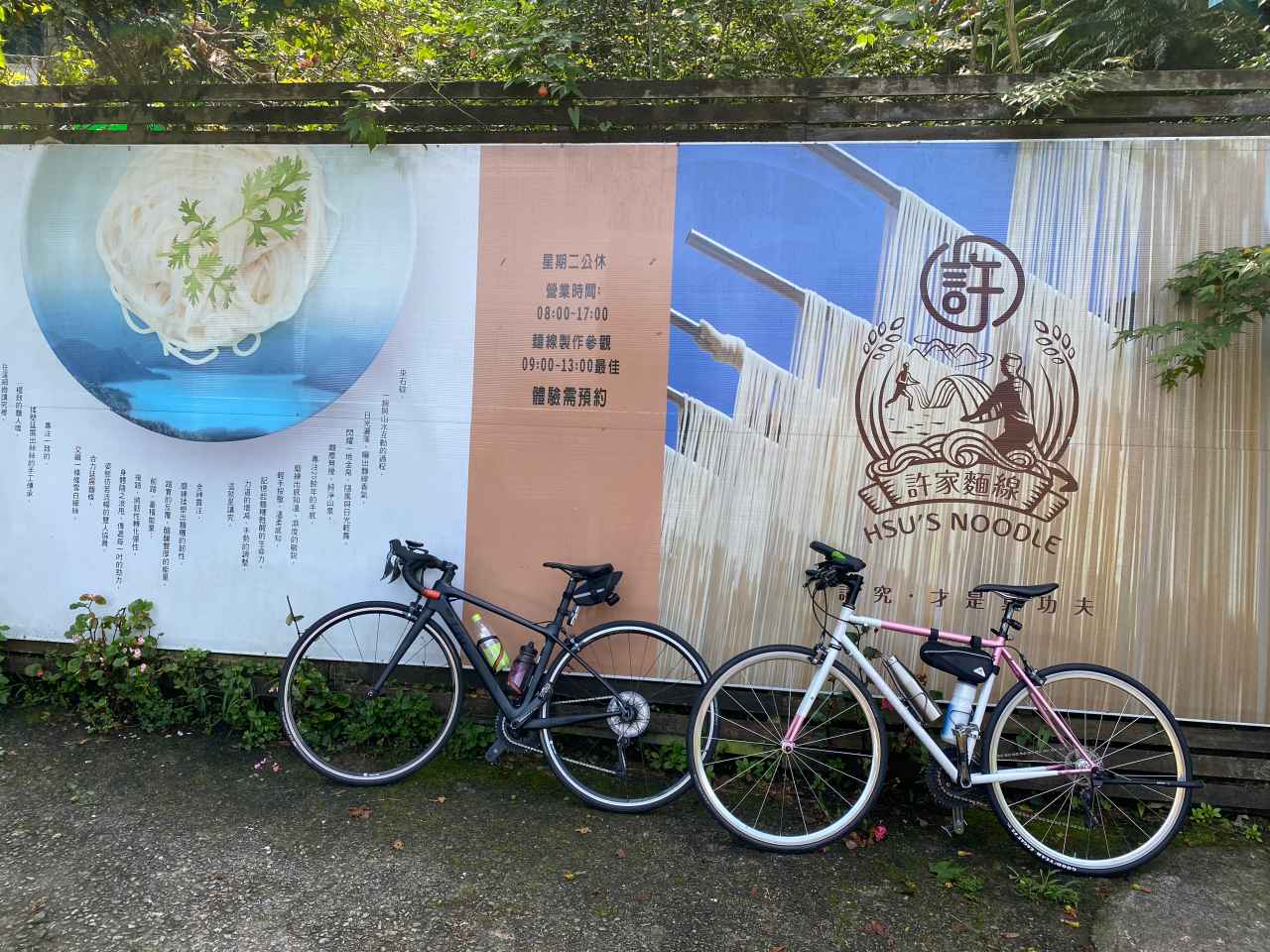
    TP47-1 is good for cycling in late spring and summer as the trees along the route will protect us from the sun. That day there were practically zero motor vehicles but we had several cycling groups doing the climb with us. Around midway of the route, there was a handmade noodle workshop, HSU’s Noodle, where visitors could try making their own. For us, it was a nice location for taking a break and getting some supplies. It’s also interesting to see how noodles are made in the traditional way. 
    We reached the top and met Beiyi Road (Provincial Highway No. 9). It was a good climb, but I don’t think it’s a good idea to descend on this route because the shade beneath the trees keeps the surface wet and thus makes it a hotbed for slippery mosses. We actually saw an ambulance rushing past us that day, possible for a bike accident. A member of our group told me that they would have cancelled this trip if it had rained heavily the previous day because the road surface might not have enough time to dry. And if it’s summer, you’d better end the trip around noon because there usually are thunderstorms in the afternoon. 
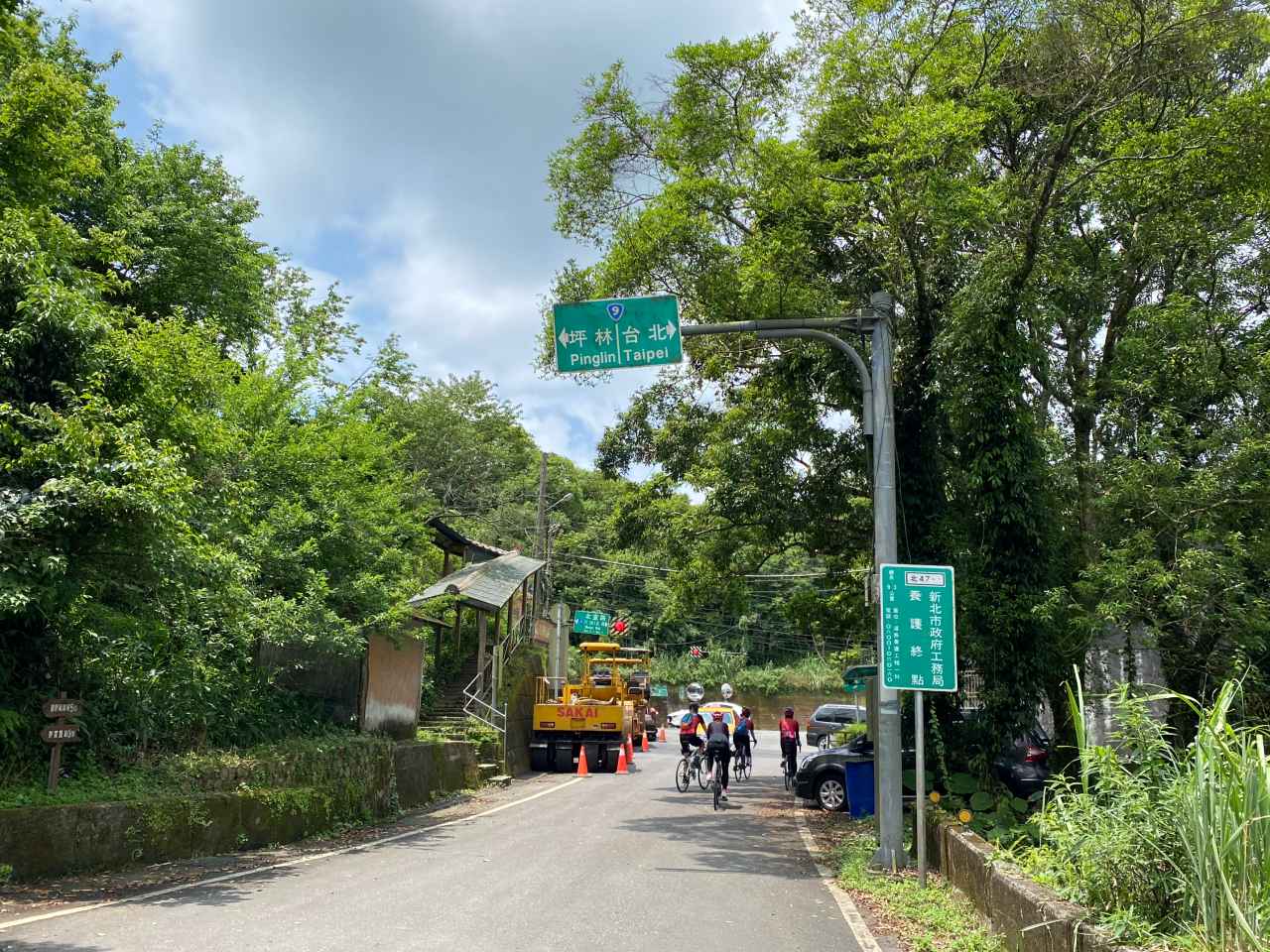
    So, we were on one of the twin peaks on Beiyi Road, which connects Taipei and Yilan County. Some cyclists who do the around-the-island anti-clockwisely would take this route to get back to Taipei. It is the final leg and the end of the final climb. After that, all they need to do is a long descent all the way to Taipei to complete the loop. A coffee shop and some traditional food stalls are here to help make an early celebration. 

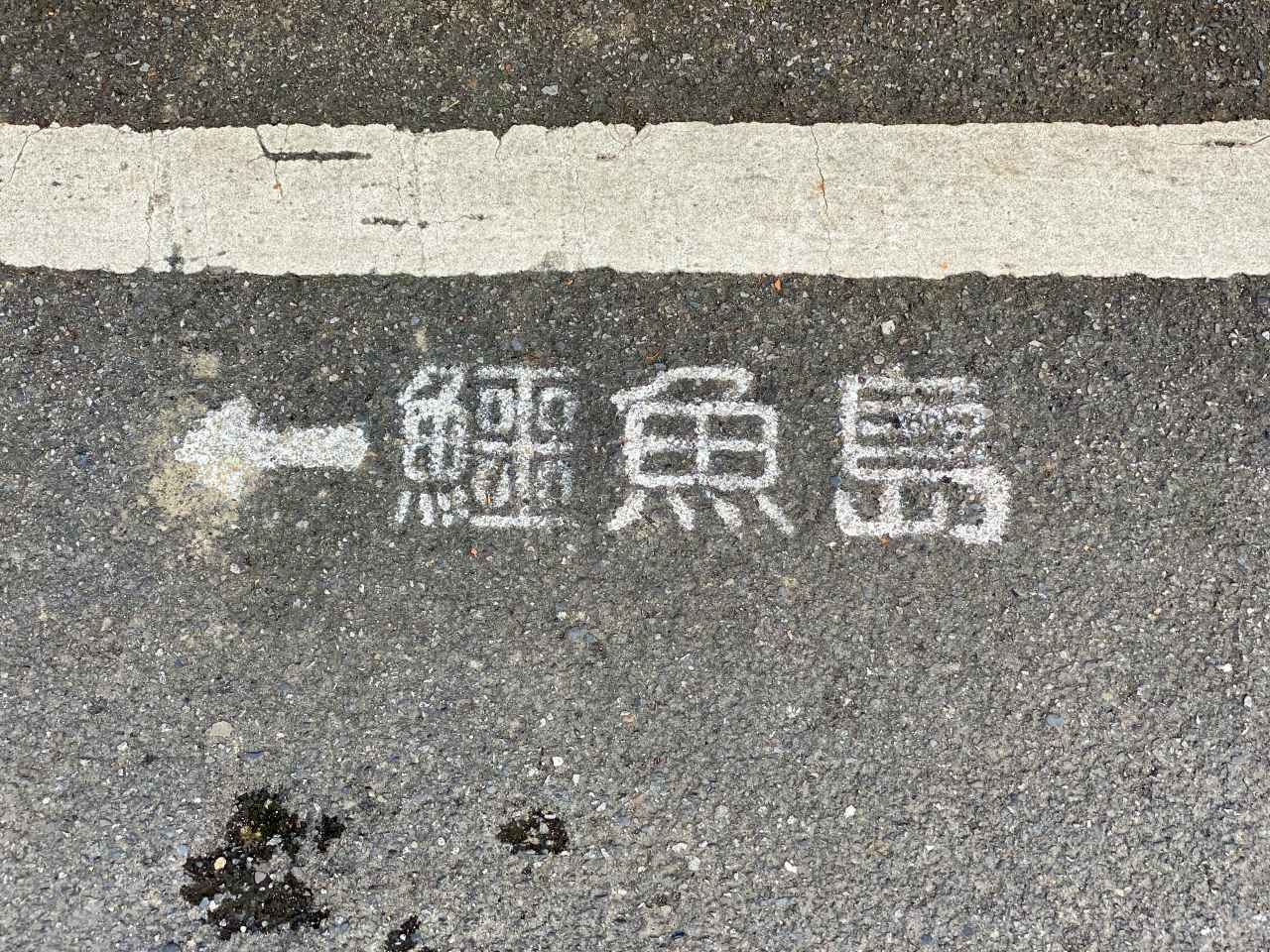
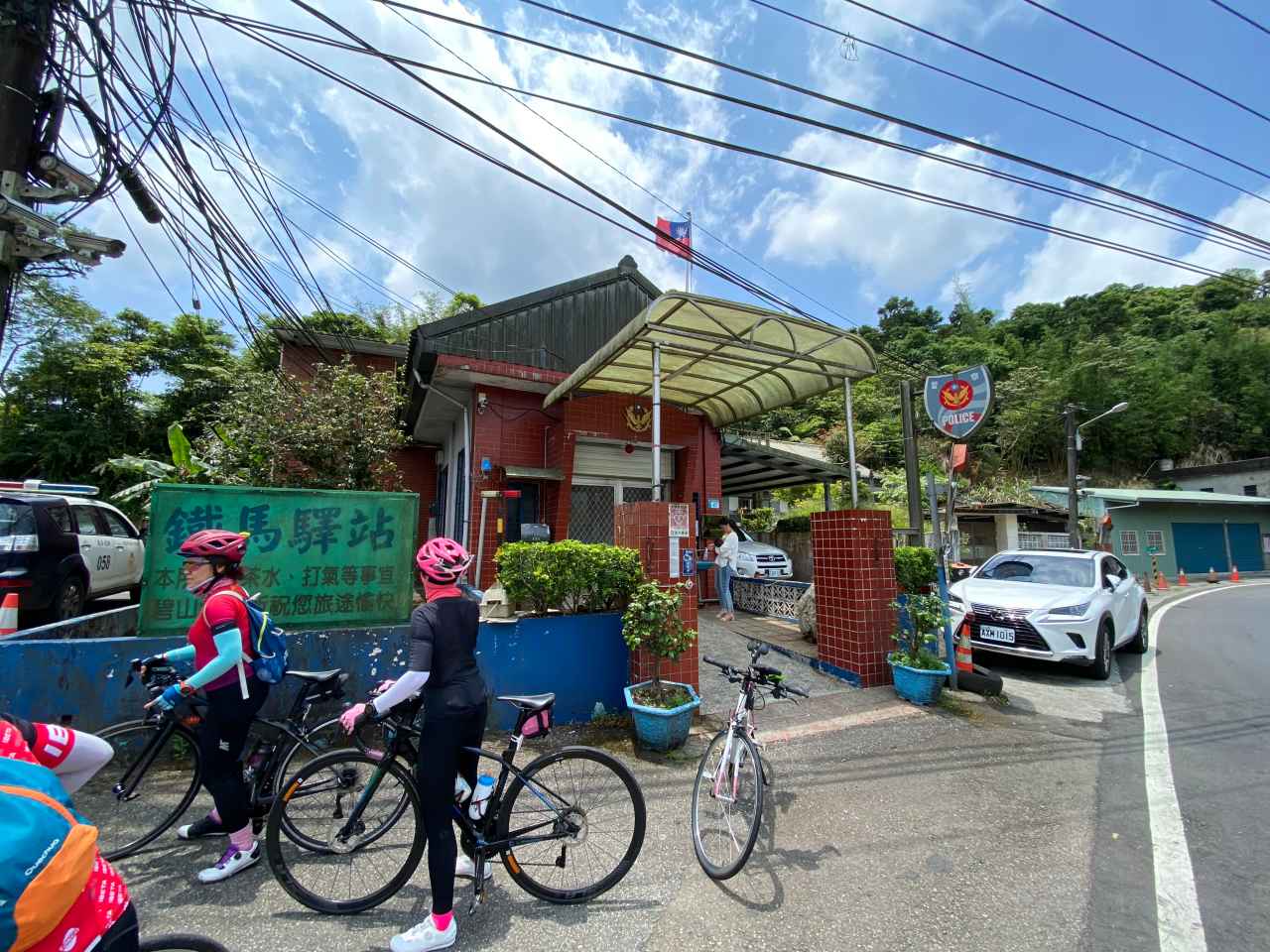
    We were also heading to Taipei from here but would make a detour first to take a look at the Crocodile Island. We needed to switch to a small road right next to a small police station after a short descend. So, take it easy and don’t go too fast or you will miss the turn. 
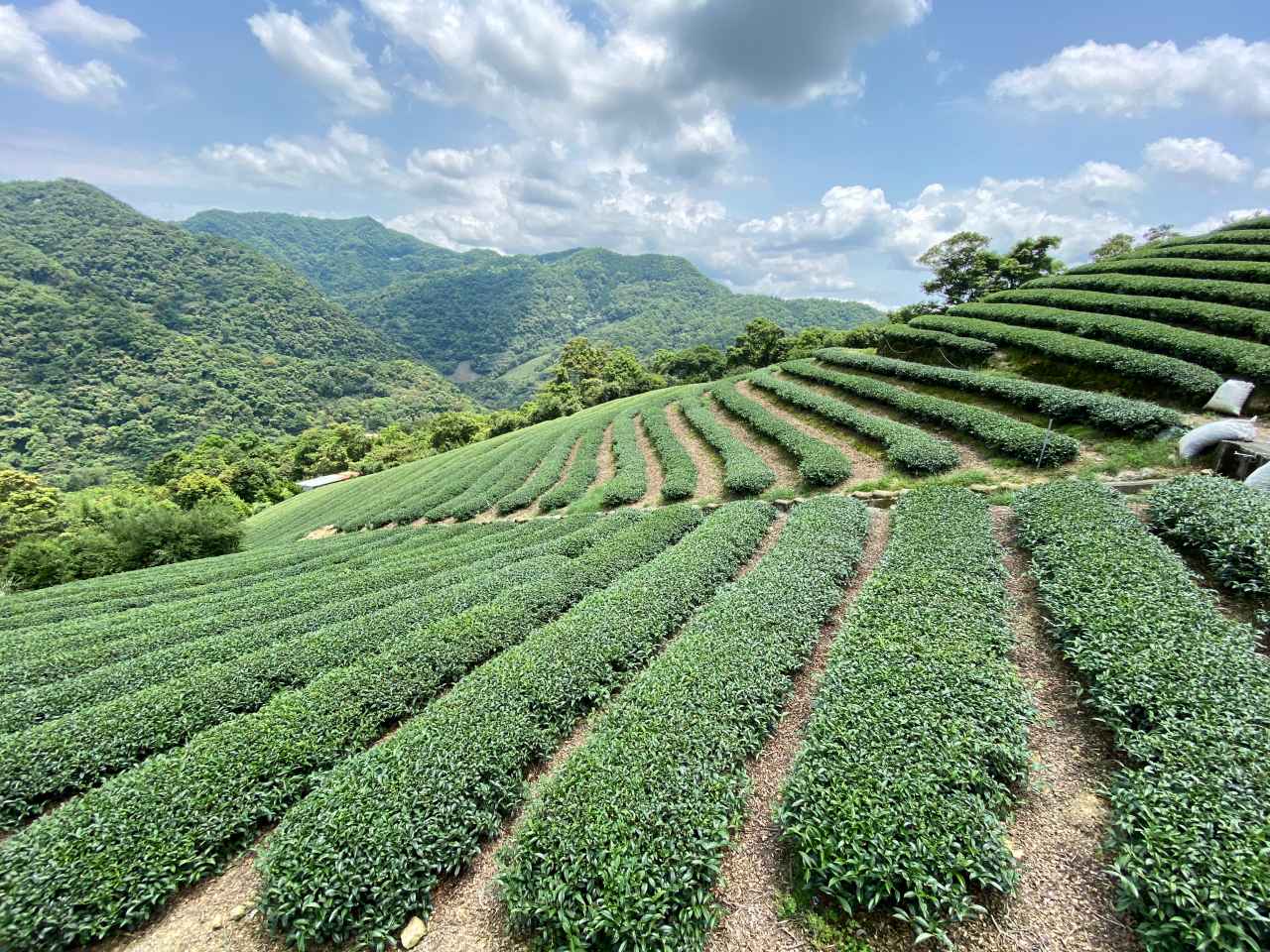
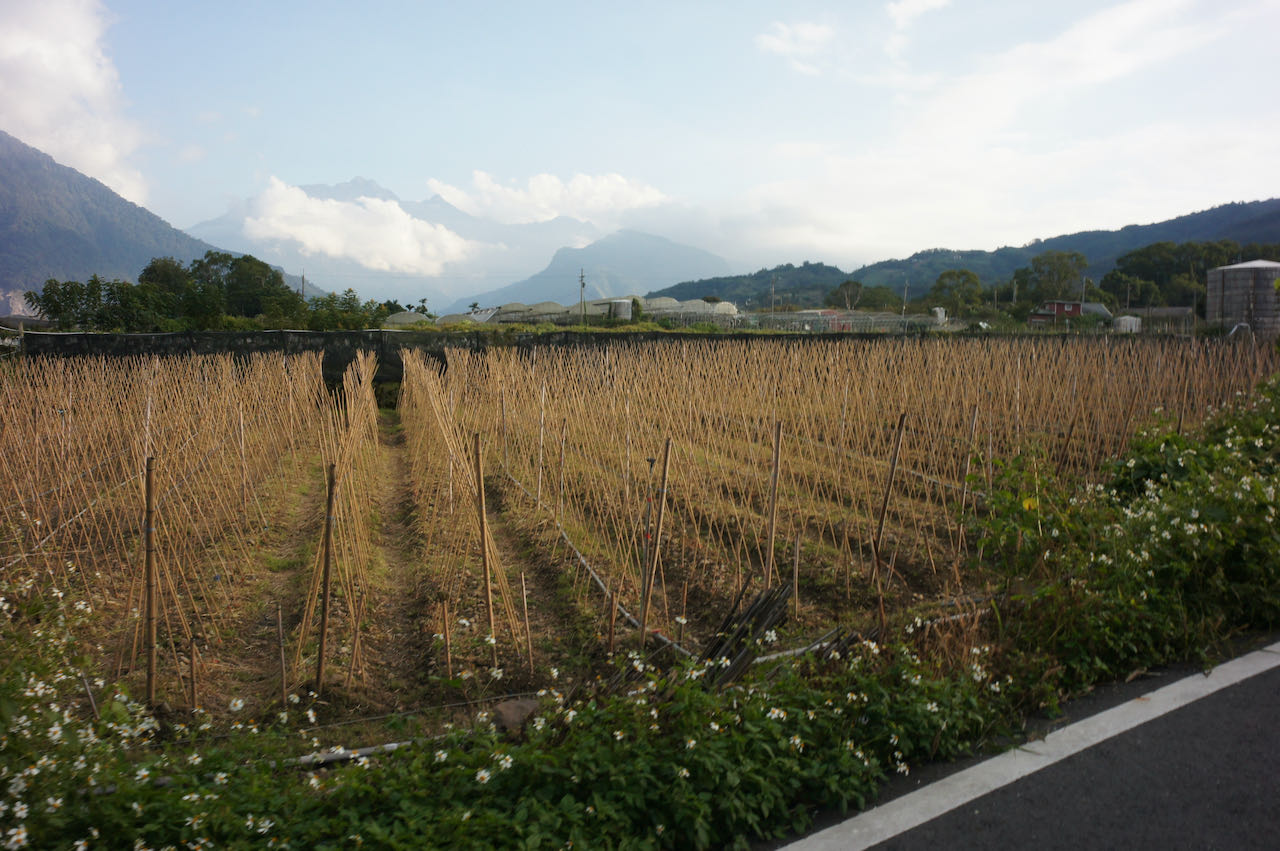
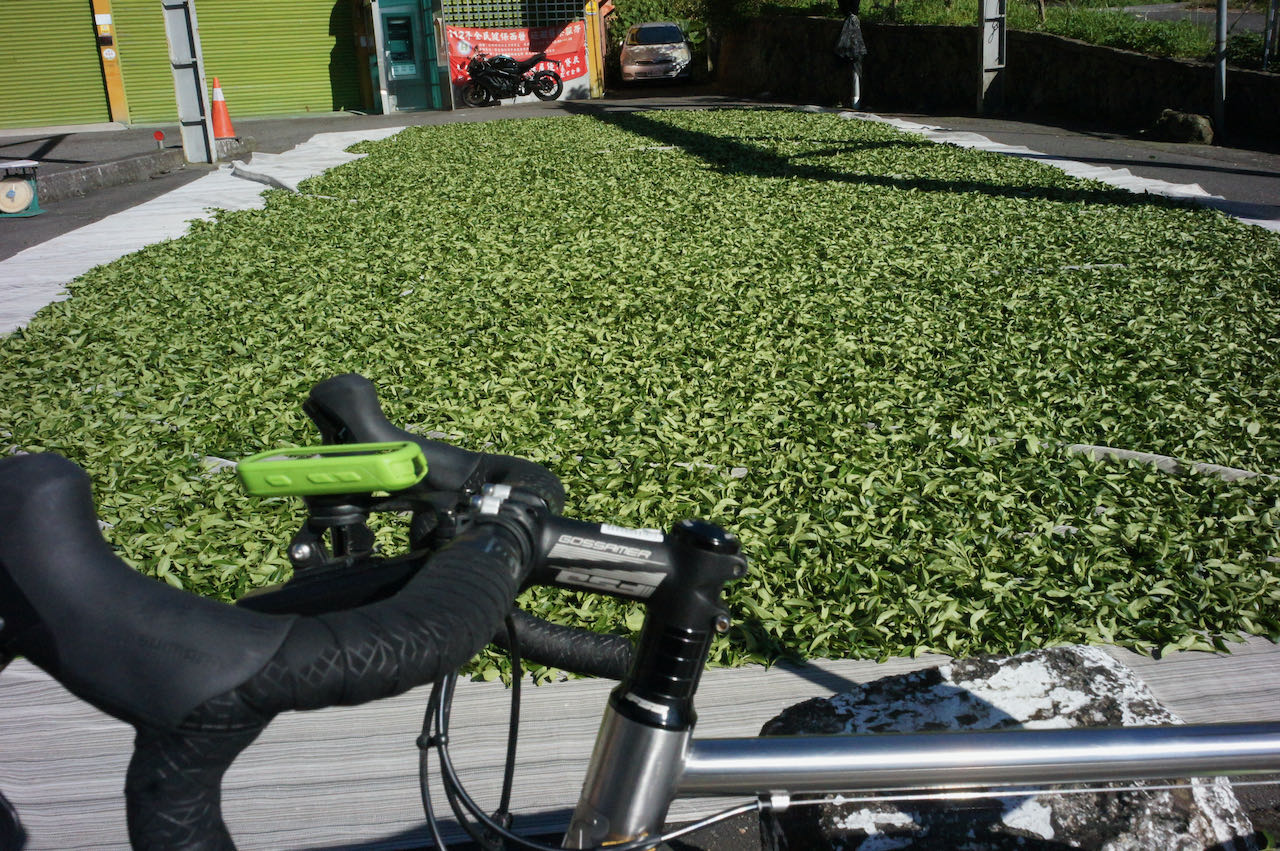
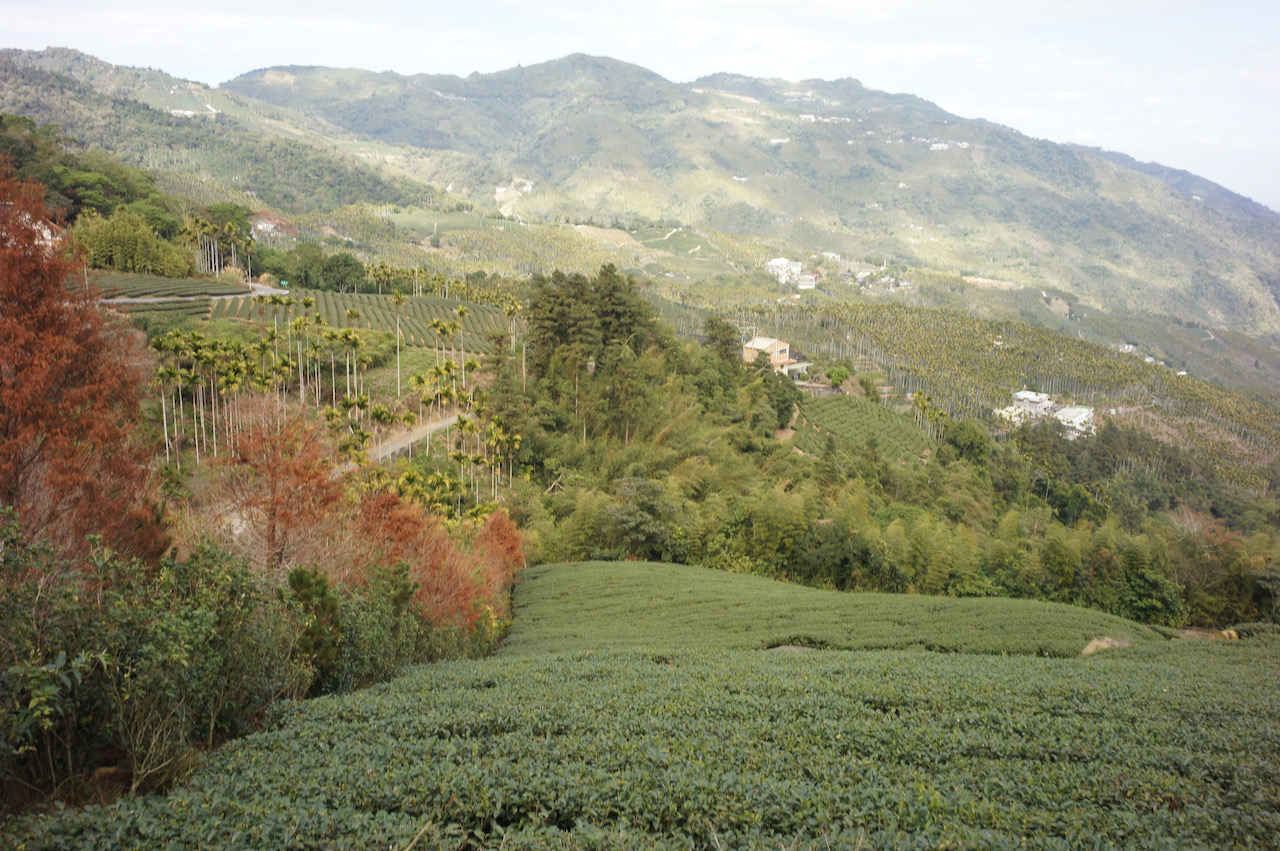
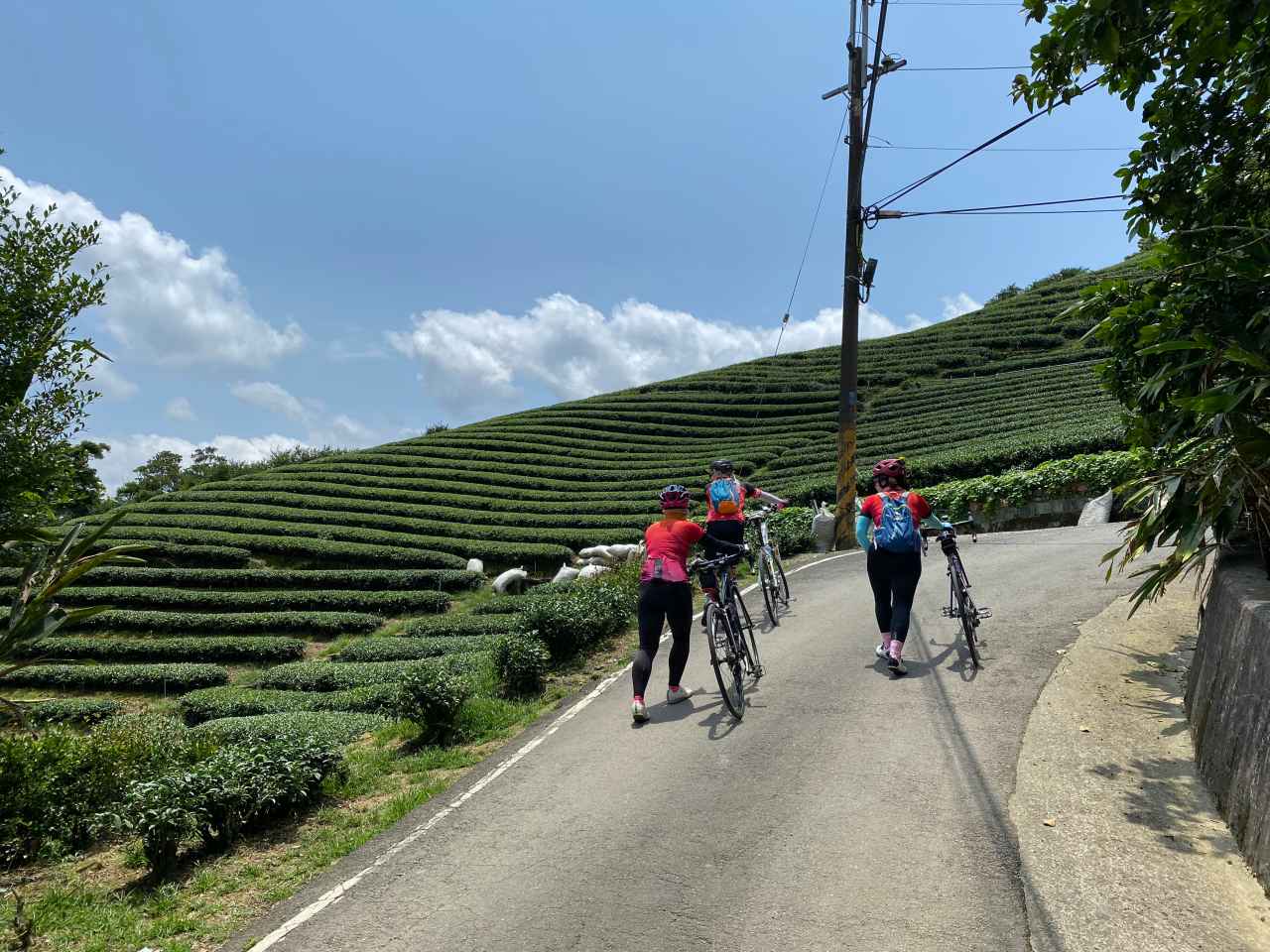
    The detour was around 2.5 km on a small road with an elevation profile shaped like a “V”. It was so steep that, when descending, some in our group found themselves not able to keep their grips firm on the brakes. And when ascending, we all gave up riding and pushed our bikes to the first viewing platform after passing by a beautiful tea farm. Those on motor vehicles were so impressed that we could make it there on bikes. 
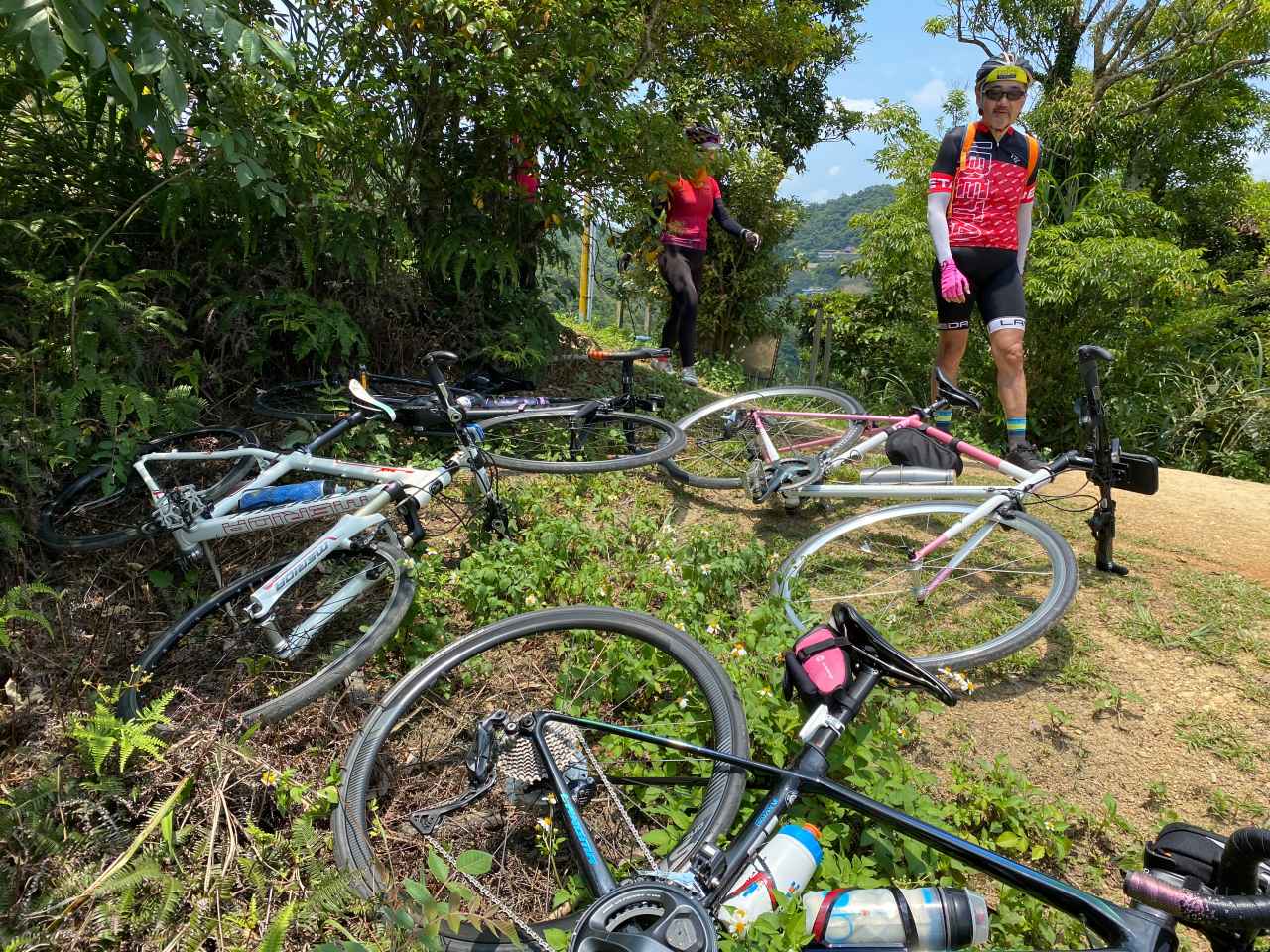
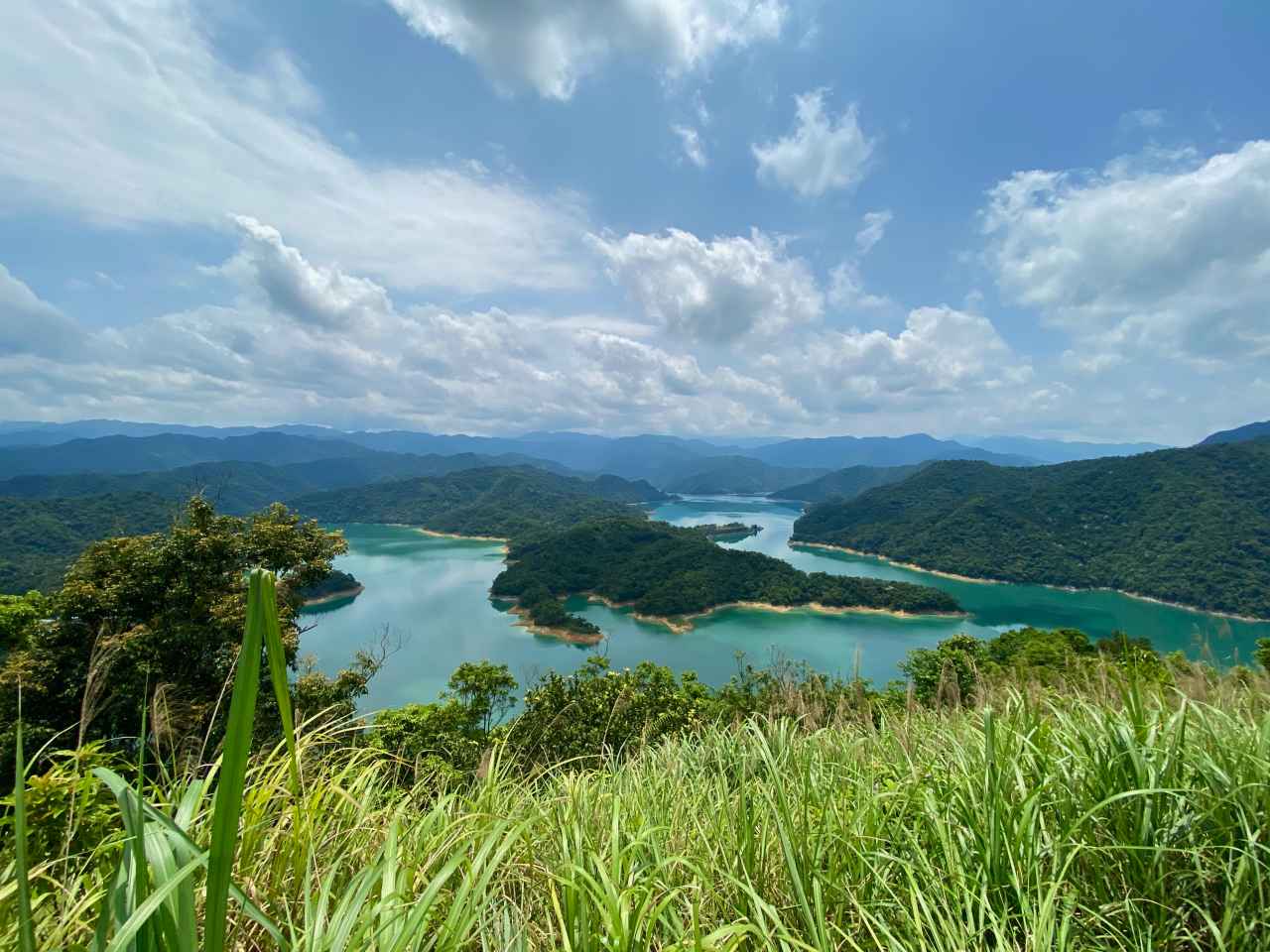
    In order to get to a better viewing spot, we left our bikes and hiked a short trial. It may be a good idea to bring a bike lock if you want to have greater peace of mind. 
    The return leg was simple. We headed back to Beiyi Road and took a long thrilling descent to Xindian MRT station. 

    That was a wonderful route. Thank you, Sean.

    Routes

    NOTE: To use the routes, please install the App on your smartphone. The App will launch and load the route automatically after you tap the above links on your smartphone’s browser. For Garmin Connect, you can then use the APP to send the route to your garmin device. If your Garmin device is not purchased in Taiwan, you will also need make sure you have the Taiwan map on your device. Here is our blog post on this topic.
  • Cycling Route: Xiong Kong Tea Plantation – Climb Training

    Cycling Route: Xiong Kong Tea Plantation – Climb Training

    このブログ記事の翻訳を進行中です。もうすぐ完成しますので、後ほど再度ご確認ください。ご不便をおかけして申し訳ありません。現在は、こちらで提供されているGPXルートや地図などの情報を自由にご利用ください。

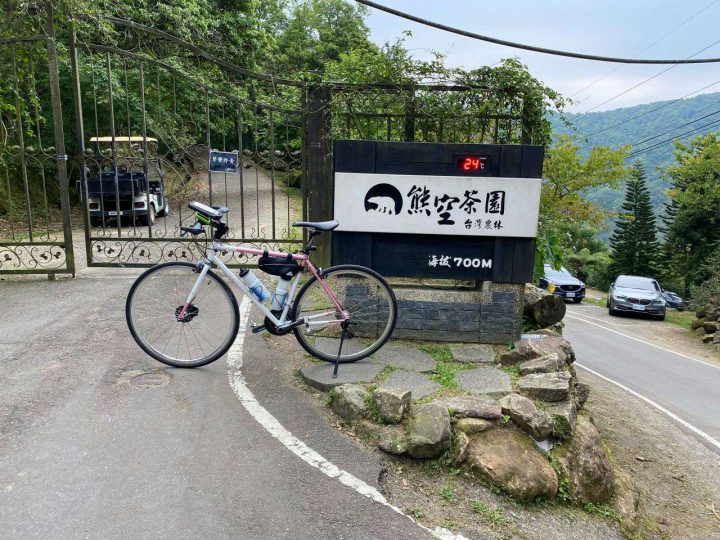
    I went for a cycling trip from Xindian 新店 to Xiong Kong Tea Plantation 熊空茶園 with a group of local cyclists on a weekend in May. It was a 60km route with two climbs (338m, 728m), planned by one of our fellow cyclists Martin. The tea plantation is operated by Taiwan Tea Corporation 台灣農林 (TPE: 2913), formerly known as Mitsui & Co., Ltd., which was founded in 1899 during the Japanese rule. The downloadable GPX file of this cycling route is at the end of this post. 

    We met at 7:20 am in the convenience store near Xindian MRT station. It had been transformed, by different cycling groups meeting up there, into an outdoor showroom of advanced bikes, cycling outfits, and various cycling accessories. With two convenience stores located conveniently near the MRT station, and a well-maintained toilet inside the MRT station, this spot serves as the default starting point for a number of popular cycling routes, including the section of Provincial Highway No. 9 connecting Taipei and Yilan (Beiyi Road 北宜公路), and the No. 9A (9甲) which brings you to the Wulai District 烏來區 (Xinwu Road 新屋路). 

    After socialising with others and filling up my bottles, I set off with the group to cycle along County Highway No. 110. The first climb soon appeared on our left-hand side on Chezi Road 車子路, leading to Daguan Road 達觀路. Motor traffic was practically zero as it is a cul-de-sac at the top with only a handful of residential buildings sitting along the road. We took a long break at a small pavilion just before we reached the top of the climb. It was a good warm-up to climb 305m.

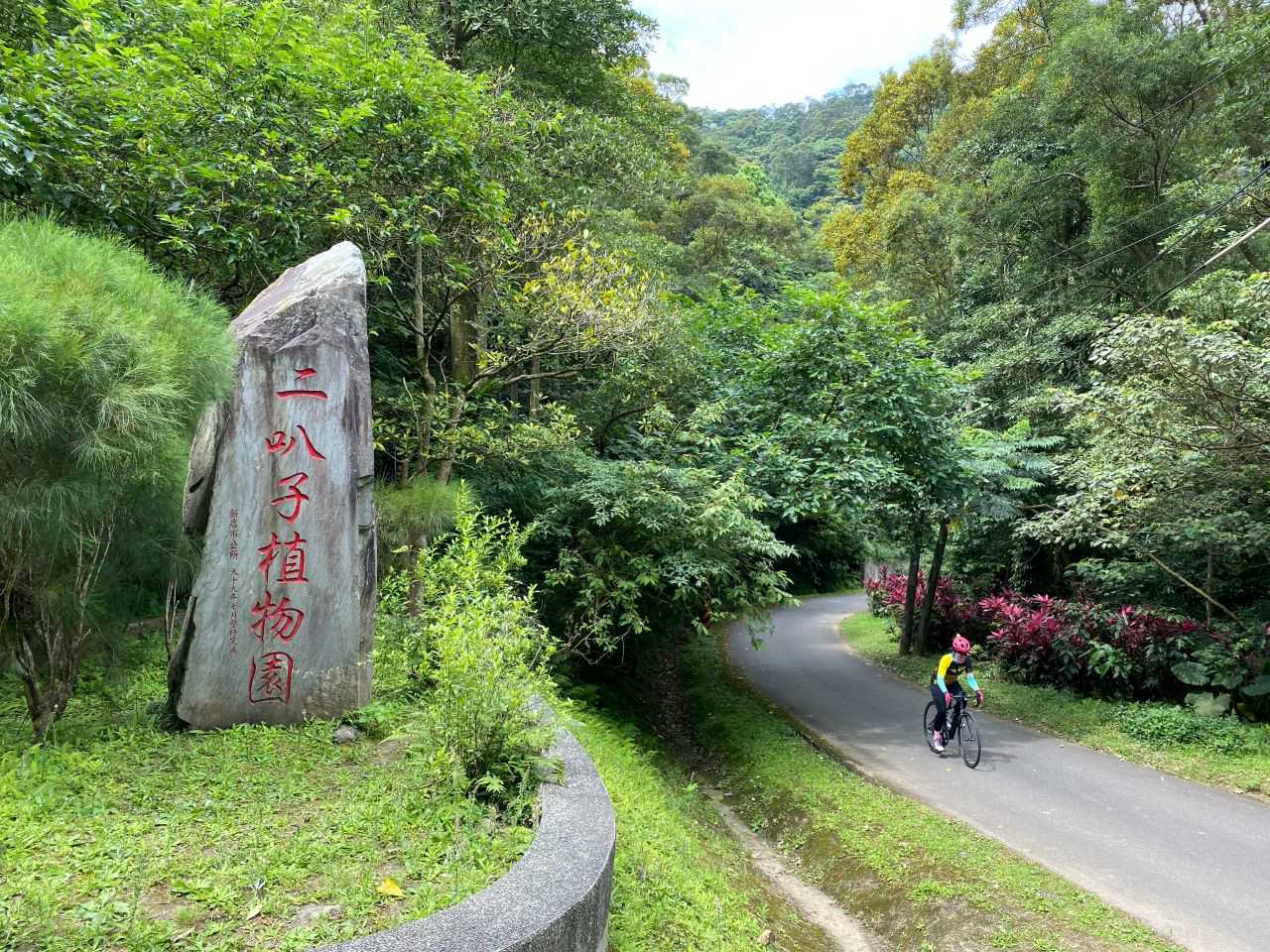
    Then, Martin showed us a shortcut right next to the pavilion, which leads to the Erbazi Botanical Garden (二叭子植物園) via a series of short stairways. You will have to carry your bikes if you want to take this shortcut, but we all found it worth the effort as it was a beautiful garden. Also, by taking this shortcut, you can avoid descending on the same route.

    Where the botanical garden is located is a humid valley. Plants love humidity. Mosses are growing on the cement surface of the paths in this area, which make them slippery all the time except for a bright sunny day. It’s especially dangerous on the steeper parts, so walking with your bike is mandatory in this case. Go with your walkable pedal shoes if you plan to take this route. We were lucky to have the sun high up and dry the mosses, so that we could ride on our bikes slowly back to the main road.

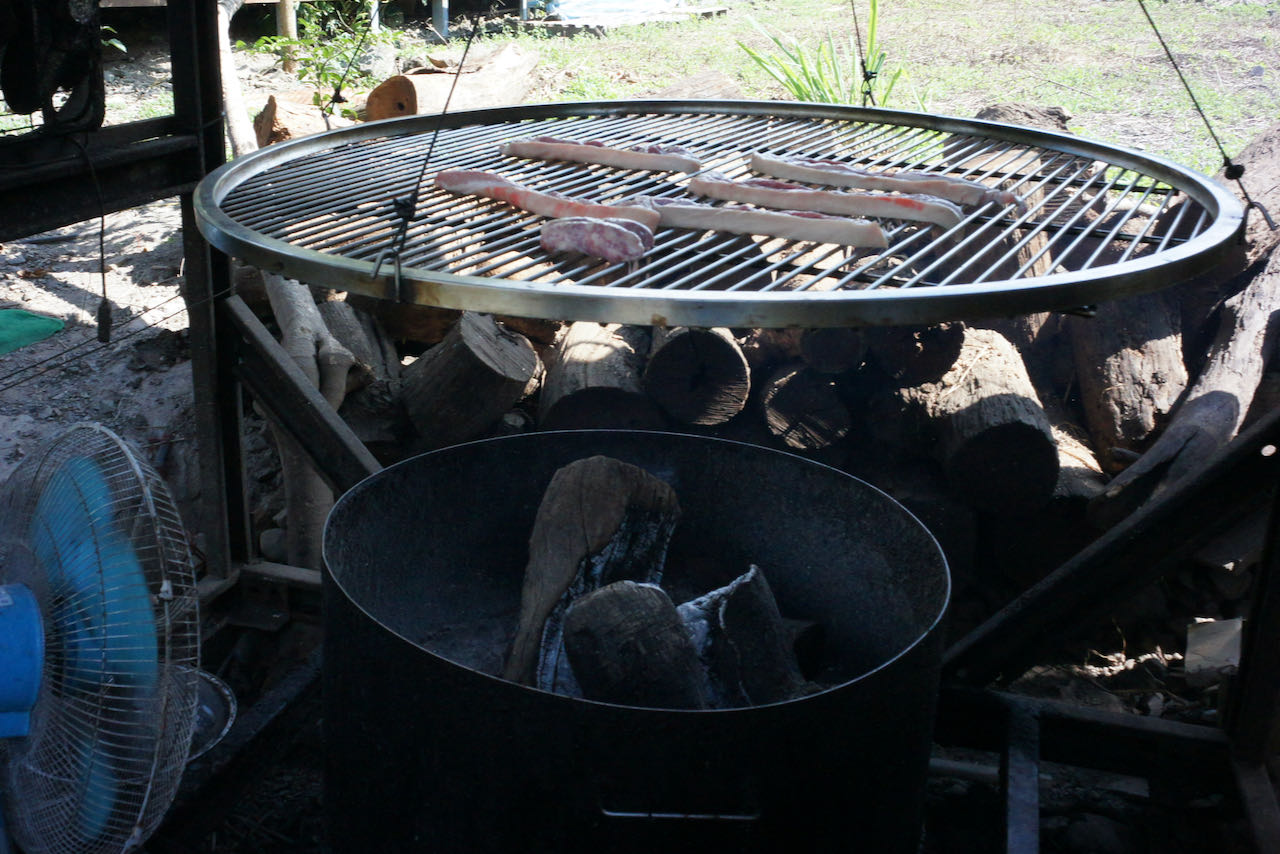
    When we were back on County Highway No. 110, we started heading to the Sanxia District 三峽. Traffic was not busy and we could set our own pace without pressure. We reached a small town called Jiou Jiou 九鬮 with several stalls selling very juicy roasted pork sausages. Make sure you have more of those before the real climb to Xiong Kong because, at the top, there is only one small restaurant with very limited capacity. On that day it took them 45 minutes to prepare some very standard meal sets for us. 

    After the feast of pork sausages, we went to the 7-Eleven (address: No. 241, Chengfu Road, Sanxia District, New Taipei City, 237) around 300m ahead along County Highway No. 110 for water supply. It’s also good for some more snacks. I would have done that if I had known I would need to wait that long for my meal. The 7-Eleven also comes with a toilet. If you miss this chance, there is another toilet stop 2.3km away at the Daliao Tea House. The tea house is an old Japanese building built in 1944 as the residence of the chairman of the Taiwan Tea Plantation Corporation. We visited it only on the return leg because we did not want to start our climbing late. It’s better time management, I think.

    The climbing starts on the quiet Zhulun Road 竹崙路 (Township Road 北109). Road signs for the tea plantation were clearly displayed along the road. First half of the path was wide. Road surface was well maintained and smooth. The slope was moderate. There were cars and motorbikes passing by sporadically. We all shared the same destination as this road is also a dead end. After the first half, cracked surfaces and small pieces of broken concrete appeared. Roads got narrower, cracks deeper, slopes steeper, and turns sharper as we were approaching the top. I was told that a cyclist friend once had a minor accident on the descending leg when a trailing car imposed pressure on her. Her wheels slipped sideways on the edge of the cracks. She lost balance and fell. Fortunately, her bike was fine and she had minor injuries only. Anyway, this must be an enjoyable route for her, or she wouldn’t have joined us this time. 

    I made it to the top sooner than I had expected. A short, mild downward slope brought me to the entrance of the tea plantation. A wide planform with tables for people to enjoy the vast view of the hills caught my eyes. On my right-hand side, there was a trail leading into a small forest of tall straight pine trees (Japanese Cedar). A billboard showing the elevation of 700 metre was set up right next to the gate of the tea plantation on the other side. They charge NTD100 per head for each visit, which will be rebated when you shop in the souvenir shop. Fair deal. But for us, it’s enough just to stay outside for the views and some food. 

    The descent from the top was tricky because of the condition of the road. When my bike rolled over the cracked surface, my hands were almost shaked off the handlebar. I was lucky to do the ride with a Rikulau Audax Hercules, a flat-bar road bike. I could hold the grip and the brakes securely without making my hands numb. If I had been on a drop-bar, I might have had to stop and let my hands take a break. 

    The return trip to Xindian was very straight forward. That was enough for the day. It was a weekend and I took MRT home with my bike.

    For those who want more, the New Taipei City Yingge Ceramics Museum is 10km away from Jiou Jiou 九鬮. The building itself is nice and worth a visit even if you are not interested in ceramics. There is an outdoor water plaza for some water fun in the summer. Kids love it. Then you may either take a train back to Taipei or cycling back along the Dahan River Bikeway. 

    Routes

    NOTE: To use the routes, please install the App on your smartphone. The App will launch and load the route automatically after you tap the above links on your smartphone’s browser. For Garmin Connect, you can then use the APP to send the route to your garmin device. If your Garmin device is not purchased in Taiwan, you will also need make sure you have the Taiwan map on your device. Here is our blog post on this topic.
  • Cycling Route: Maokong Loop – Climb Training

    Cycling Route: Maokong Loop – Climb Training

    このブログ記事の翻訳を進行中です。もうすぐ完成しますので、後ほど再度ご確認ください。ご不便をおかけして申し訳ありません。現在は、こちらで提供されているGPXルートや地図などの情報を自由にご利用ください。

    Maokong Loop is a 13km long, single-peak (326m) cycling route in Wenshan District, South East of Taipei City. We went there on a public holiday in May, me on a Rikulau Audax Hercules and Lois on a Klever Q Comfort. The downloadable GPX file of this cycling route is at the end of this post. 

    Maokong is a popular tourist area where people can take the Maokong Gondola at the Taipei Zoo Station (next to the Taipei Zoo MRT Station of the Brown Line) to the top of the hill, take a leisure walk along the route on the peak, and enjoy the panoramic view of Taipei City with a cup of tea grown locally in one of the many tea cafes scattered around. This area used to be the biggest tea plantation in Taipei. As for kids, there is of course the amazing Taipei Zoo at the foot of the hill that never fails to offer joy and wonder. 

    To get to the starting point of this route, simply set your GPS navigation to this address: “No. 12, Section 1, Xinguang Road, Wenshan District”. It’s a 7-Eleven with a spacious area outside where you can park your bikes. If you start your ride early enough in the morning, say around 6:00, road traffic should be quite sparse and you will take less than an hour to get there from the centre of Taipei. 

    Strava (anti-clockwise): https://www.strava.com/routes/26747667

    If you start late and want to avoid the traffic, you may take the MRT Green Line to Jingmei Station, as the Brown Line does not take bicycles, and then use the following route to get to the starting point:

    Strava: https://www.strava.com/routes/26748715

    Taipei MRT takes bikes during weekends and between 10:00-16:00 on weekdays, except the Brown Line and a few busy stations. 

    If you are in the west side of the city like Datong District, Zhongzheng District, or Wanhua District, you may take a pleasant detour along the Riverside Bikeways to get to Maokong. We have compiled a list of the access points to the Riverside Bikeways in this post.

    As to us, we live on the east end of Taipei. There is a popular and well shaded cycling route linking up that part of the city and the area around Taipei Zoo, by going along Section 1, 2, 3, and 4 of the Academia Road (also known as Yanjiuyuan Road), followed by Lane 43, Section 5 of Muzha Road. It’s a 15.5km ride with 177m of elevation gain and very sparse motorized traffic:

    Strava: https://www.strava.com/routes/26403740

    We took a brief break and fueled up at the 7-Eleven before heading for the real climb. Traffic was busier than usual because it’s a holiday but still not too bad for cycling. I had done the loop anti-clockwise before, so this time we opted for a clockwise ride by taking the left branch at the Y junction on Section 3 of Zhinan Road.

    It was a straight, continuous climb all the way up to the top without much shade at noon time. The climbing ended shortly after we took a right turn and cross a short bridge called Caonan Bridge 草湳橋. There was then a mild downward road winding around the peak, lined with tea houses and cafes. Once you reach the busy Gondola Terminal, the descent back to the ground level starts. It may be a good idea to bring along a book if you have the whole day. It is said that the sunset and night views there are really great, so night rides along this route are popular among local cyclists. If you googled 夜騎貓空, which means night rides in Maokong, you will find lots of blog posts in Chinese. But for first-timers, it may be better to do it during daytime for safety consideration.

    Now I have done it both clockwise and anti-clockwise. Which way is better? My vote goes to the anti-clockwise one. It’s because the climbing is less steep and there seems to be more shading. The Gondola Terminal will again greet you at the end of the climb. 

    Strava (clockwise): https://www.strava.com/routes/21611174

    We had a late lunch after the ride, which wasn’t worth mentioning, and then headed back home following the same route.

    There is another route to climb Maokong, via the Hengguang Bridge. It is said that the traffic is sparser. I will have a try later.

    Routes

    NOTE: To use the routes, please install the App on your smartphone. The App will launch and load the route automatically after you tap the above links on your smartphone’s browser. For Garmin Connect, you can then use the APP to send the route to your garmin device. If your Garmin device is not purchased in Taiwan, you will also need make sure you have the Taiwan map on your device. Here is our blog post on this topic.
  • サツマイモを切り裂く – 台湾の壮大な山岳地帯を巡るサイクリング(2)

    サツマイモを切り裂く – 台湾の壮大な山岳地帯を巡るサイクリング(2)

    2023年11月初、Eddie Chen の「北進武嶺・南出鵝鑾鼻、台湾縦断500マイル」の南半分に参加し、自転車で台湾の山岳地帯を走破する「サツマイモを切り裂く」プロジェクトを完遂した。この旅の北半分については、本シリーズの最初の投稿を参照してほしい。

    北半分の旅では、すでに台湾で最も標高の高い舗装道路である武嶺を登った。後半では、数多くの茶畑や先住民族の集落を巡り、豊かな文化遺産に触れる旅となった。

    第1日目:埔里 → 水里 → 和社(同富)

    北半分の旅では、台湾地理中心碑で最初の区切りを迎えた。今回、私たちは再びサポートカーでそこまで移動し、ライドを開始した。

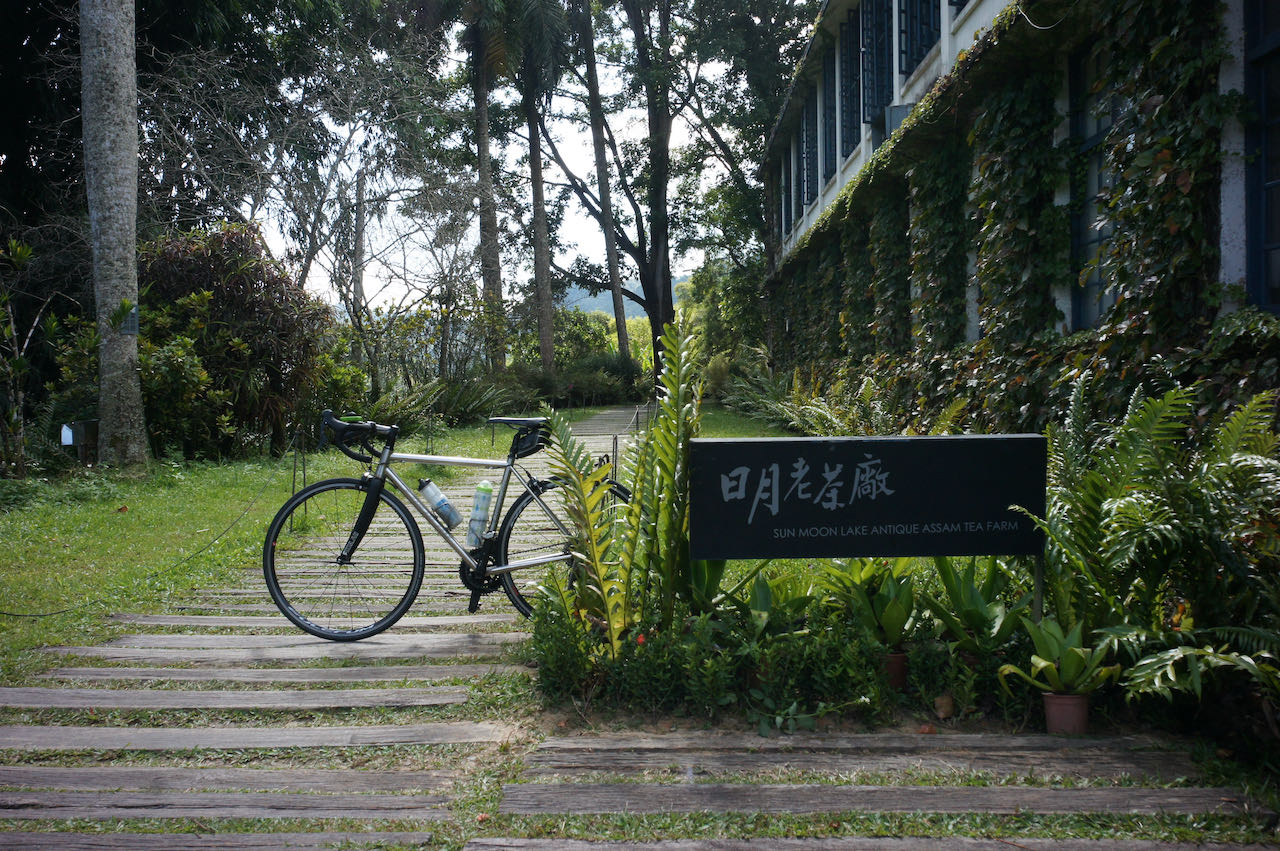
    県道131号線を南下すると、無数のビンロウ(檳榔) の木々が並ぶ美しく静かなルート が続いていた。最初の目的地は日月老茶廠。ここは、紅茶の製造工程を展示する素晴らしい建物を有する茶園で、製茶機械も見学することができた。

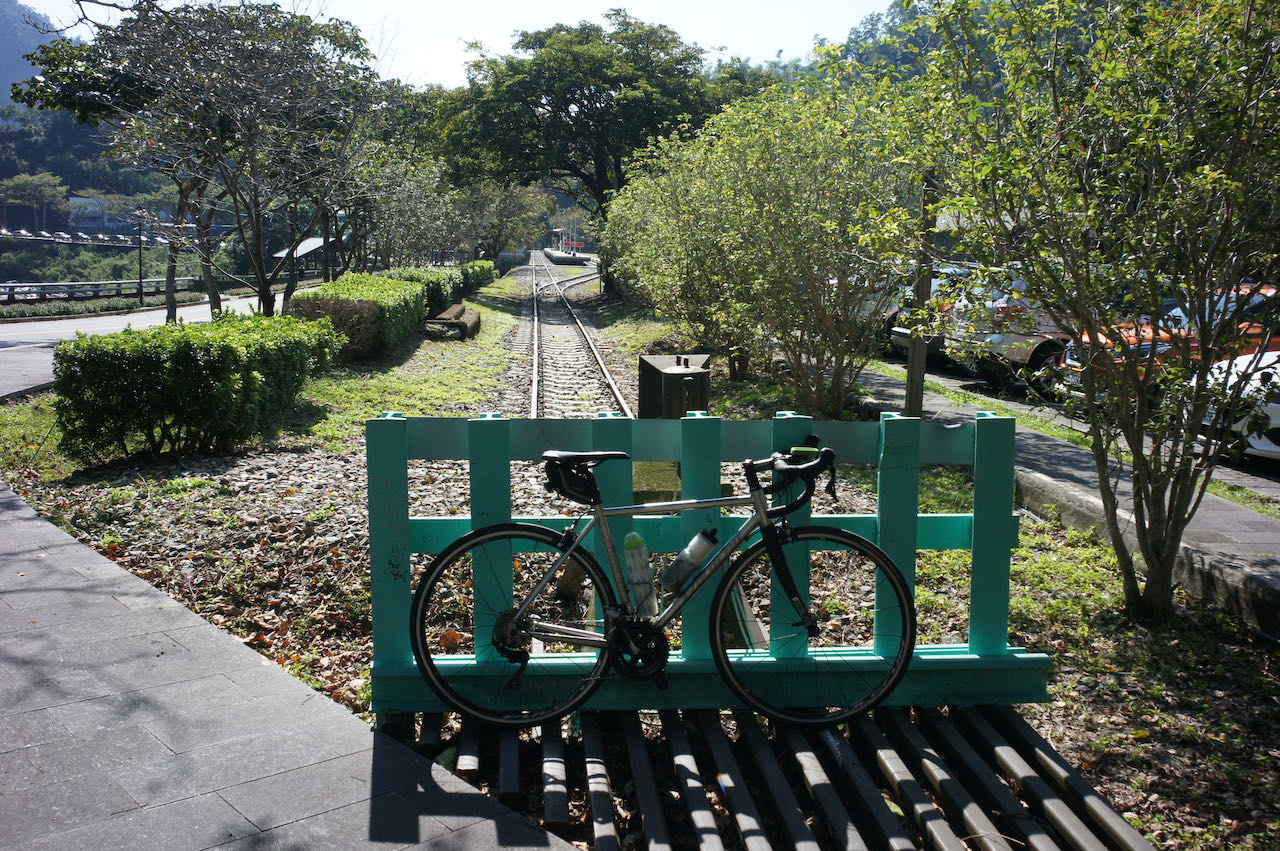
    その後、県道131号線を少し離れ、二水駅から延びる集集線の終着駅「車埕駅」へと下った。現在、集集駅から車埕駅までの区間は修復工事中であり、2025年末まで運行予定がない。

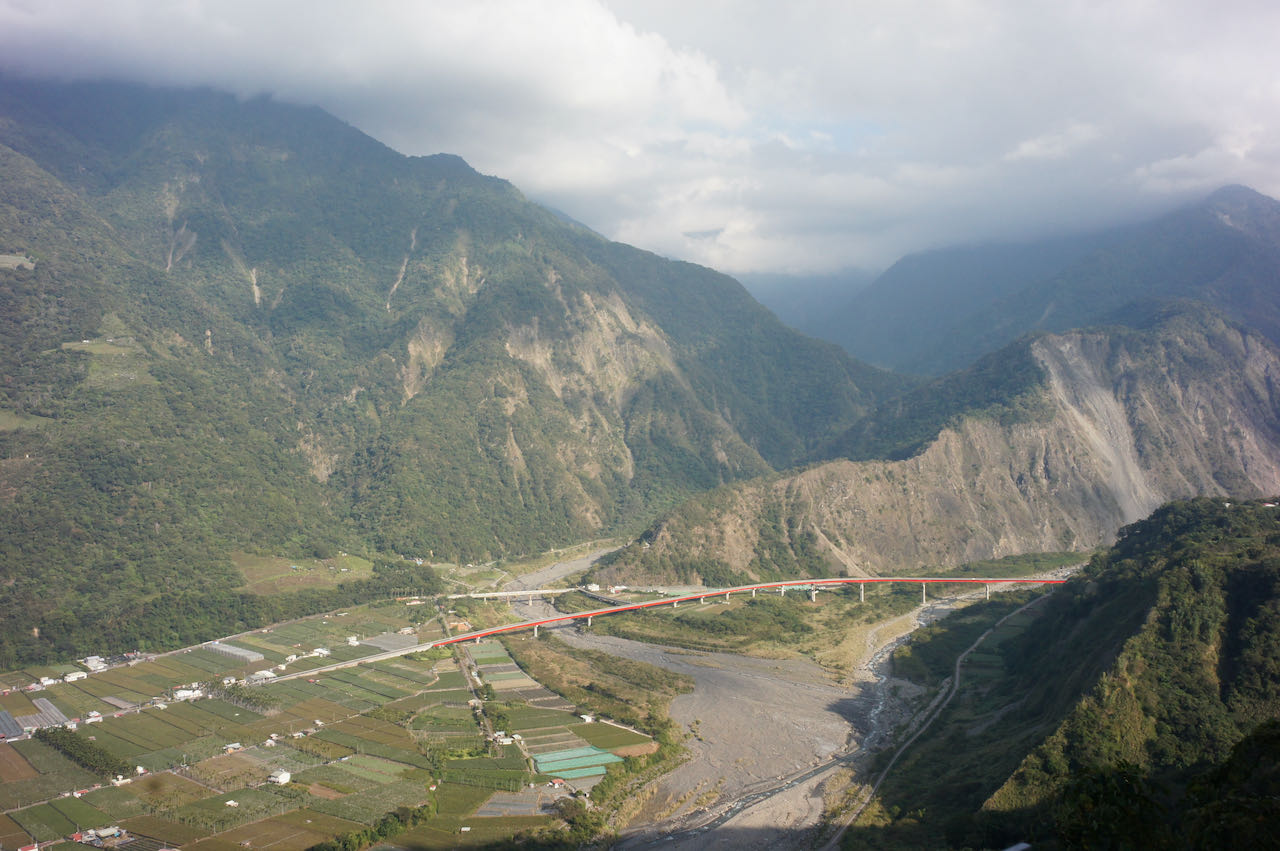
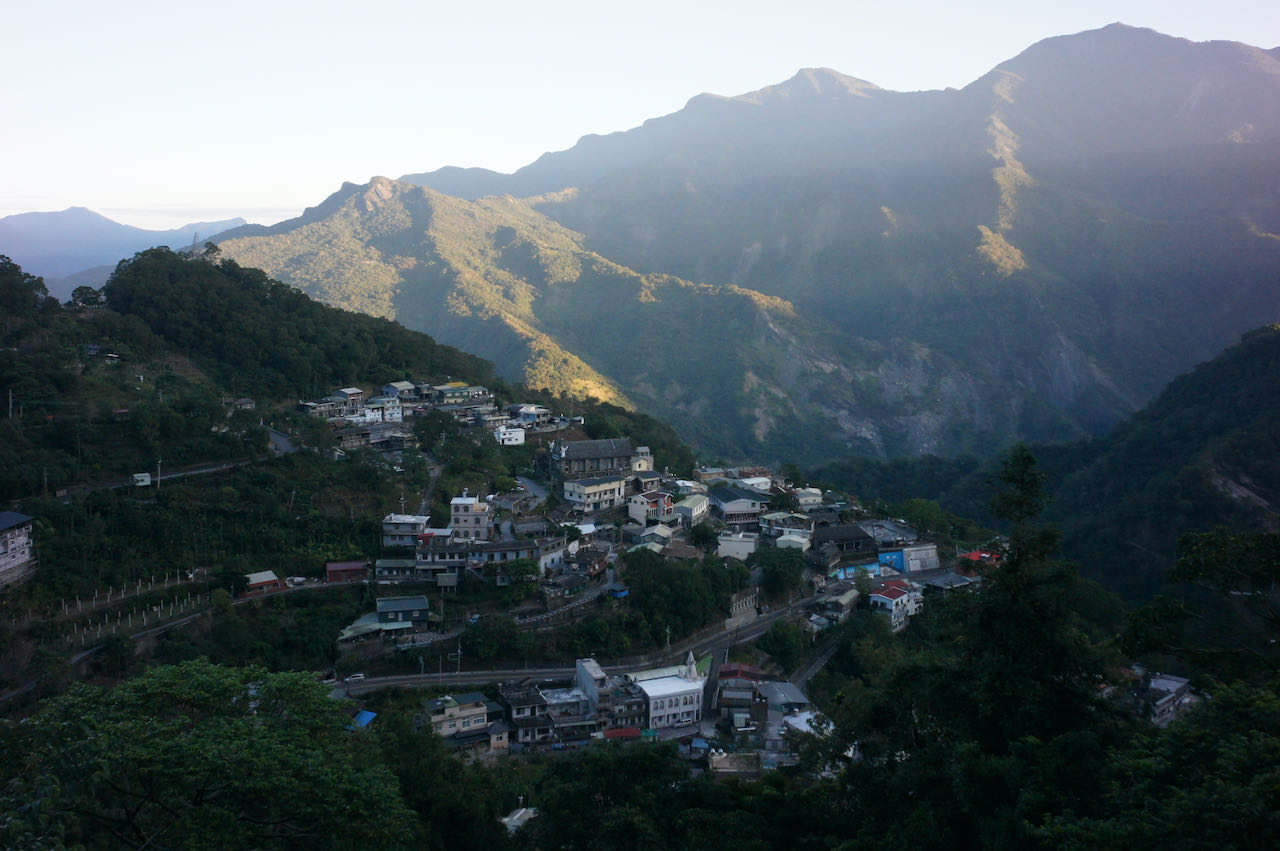
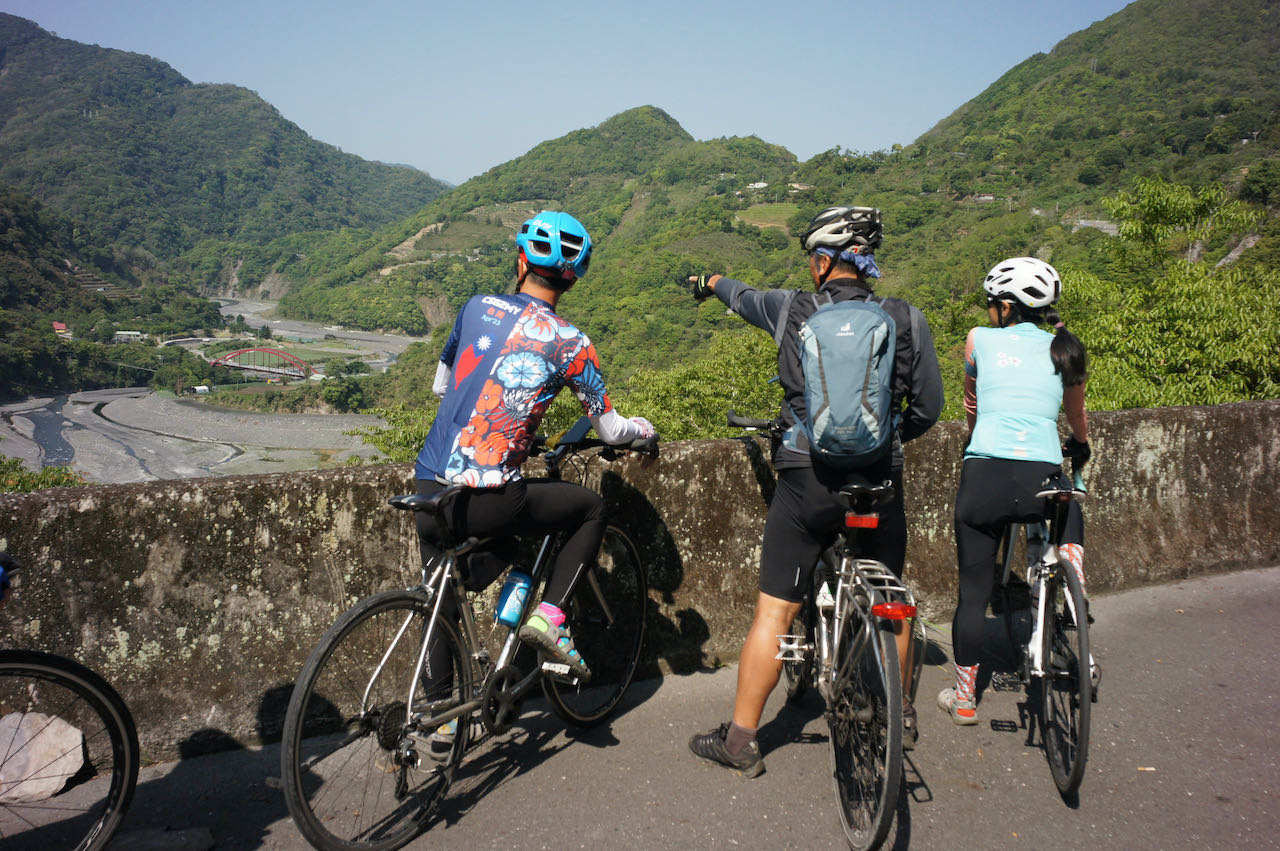
    この日のハイライトは郷道投59号線だった。このルートをより長く楽しむため、水里で昼食をとった後、サポートカーを利用して省道21号線の15kmをショートカットした。郷道投59号線は、南投県和社にある布農族と鄒族の集落を結ぶ狭い山道だ。途中、羅娜(この村についての興味深い投稿はこちら)、馬馬哈瓦娜(Mamahavana)、同富(Toungfu) などの村を通過する。このルートを走ることで、地元農家が栽培するさまざまな作物 を目にし、谷全体を見渡せる絶景 を楽しみ、村々の暮らしを間近に感じることができた。

    ルート

    ルートのご利用方法

    紹介したルートを使用するには、アプリのインストールが必要です。スマートフォンのブラウザで上記のリンクをタップすると、アプリが自動的に起動してルートを読み込みます。Garmin Connectの場合、アプリを使用してルートをGarminデバイスに登録できます。台湾で購入したGarminデバイスではない場合は、デバイスに台湾地図がインストールされていることも確認する必要があります。Garminデバイスのご利用方法を説明した当社のブログ投稿もこちらからご覧いただけます。

    第2日目:同富 → 塔塔加 → 石卓(竹崎郷)

    同富に別れを告げ、壮大な山々に囲まれた省道21号線を41kmかけて登坂 した。塔塔加は、玉山を含む登山者が集まる人気の拠点 であり、そこへ到達するには2,000メートル以上の標高差を登る必要があった。なお、草坪頭から塔塔加までの区間は、落石の危険があるため、17:00から翌朝7:00まで通行禁止 となっている。そのため、日中の時間帯にこの区間を通過する計画を立てることが不可欠だった。

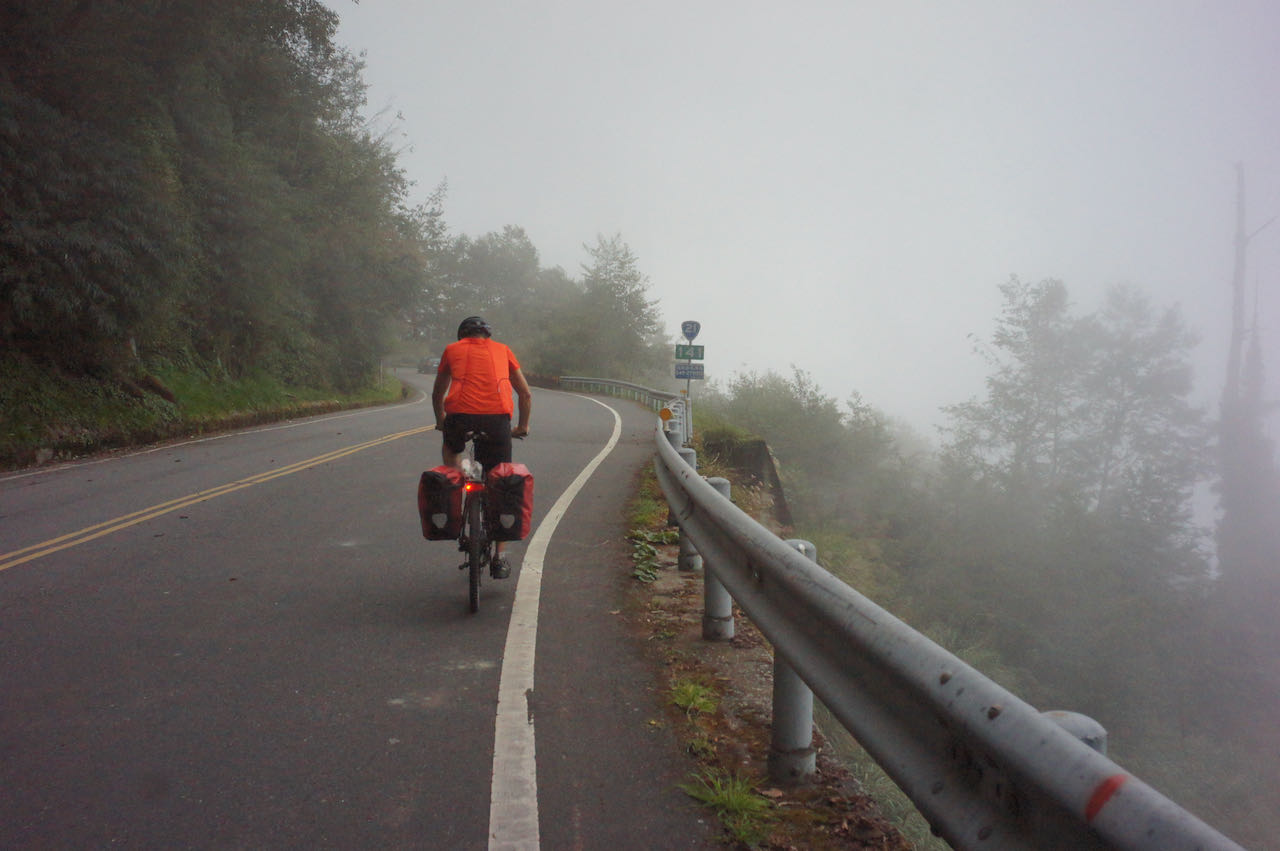
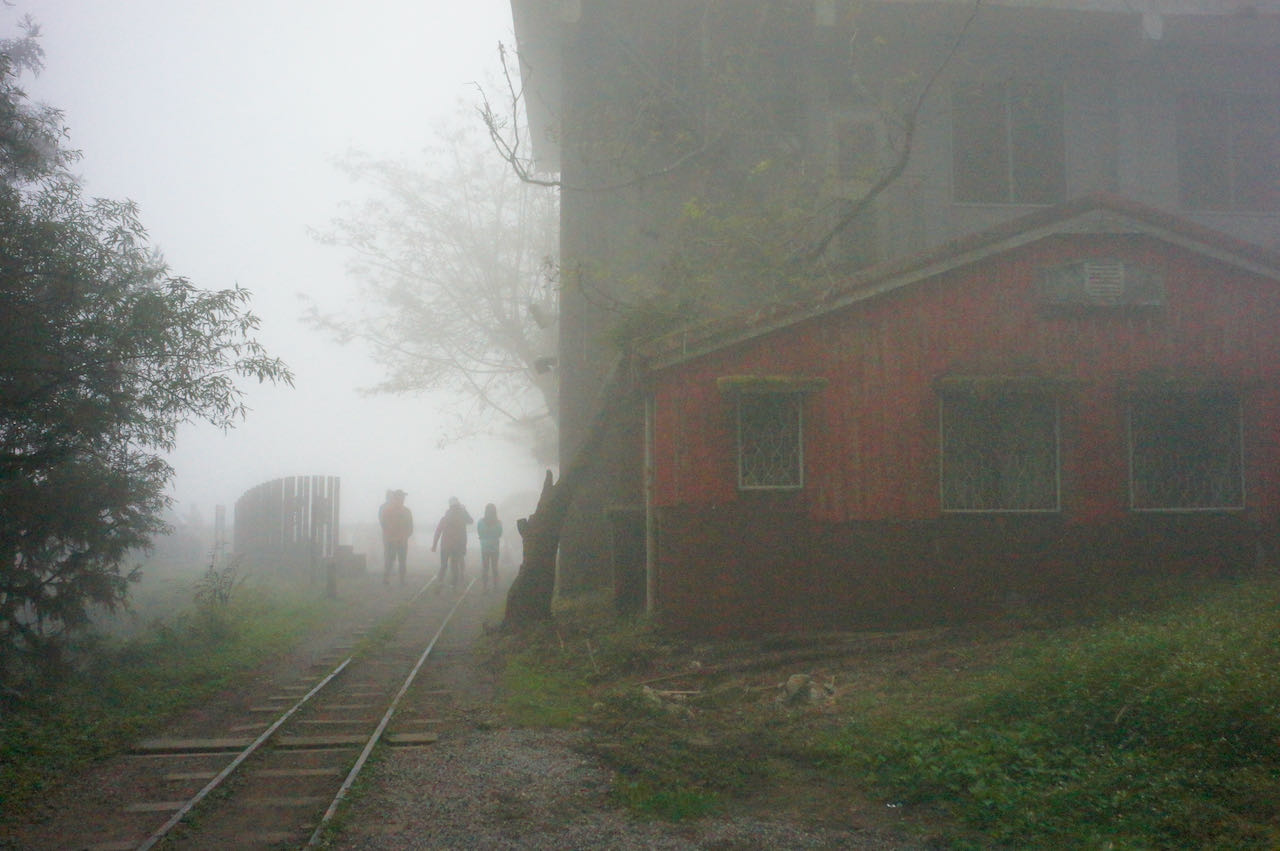
    幸い、山を貫く短いトンネルがいくつも設けられており、これによって坂の勾配が和らげられていた。標高が上がるにつれて霧が発生し、空気中の水蒸気が冷えて水滴となり、幻想的な風景を作り出していた。

    写真を撮るために立ち止まった際、自転車にパニアバッグを2つずつ積んだ強靭なサイクリスト2人に出会った。彼らは完全自給自足のツーリングをしており、その日の朝に日月潭を出発し、阿里山を目指していた。ルートの総距離は110km、獲得標高は2,620メートルにも及ぶチャレンジングな行程だった。私たちの補給ポイントで、ドライバーが彼らに高カロリーのスナックを提供し、目的地までの「燃料」を補給できるようサポートした。

    標高2,600メートルに位置する塔塔加は、この旅で最も標高の高い地点だった。Eddie によると、この地点を超えると天候が変わりやすく、特に南風が吹くと雨が降ることが多いという。この日、私たちは塔塔加の頂上でライドを終え、車で特富野古道二萬坪駅に向かった。そこでは短いハイキングを楽しんだ。

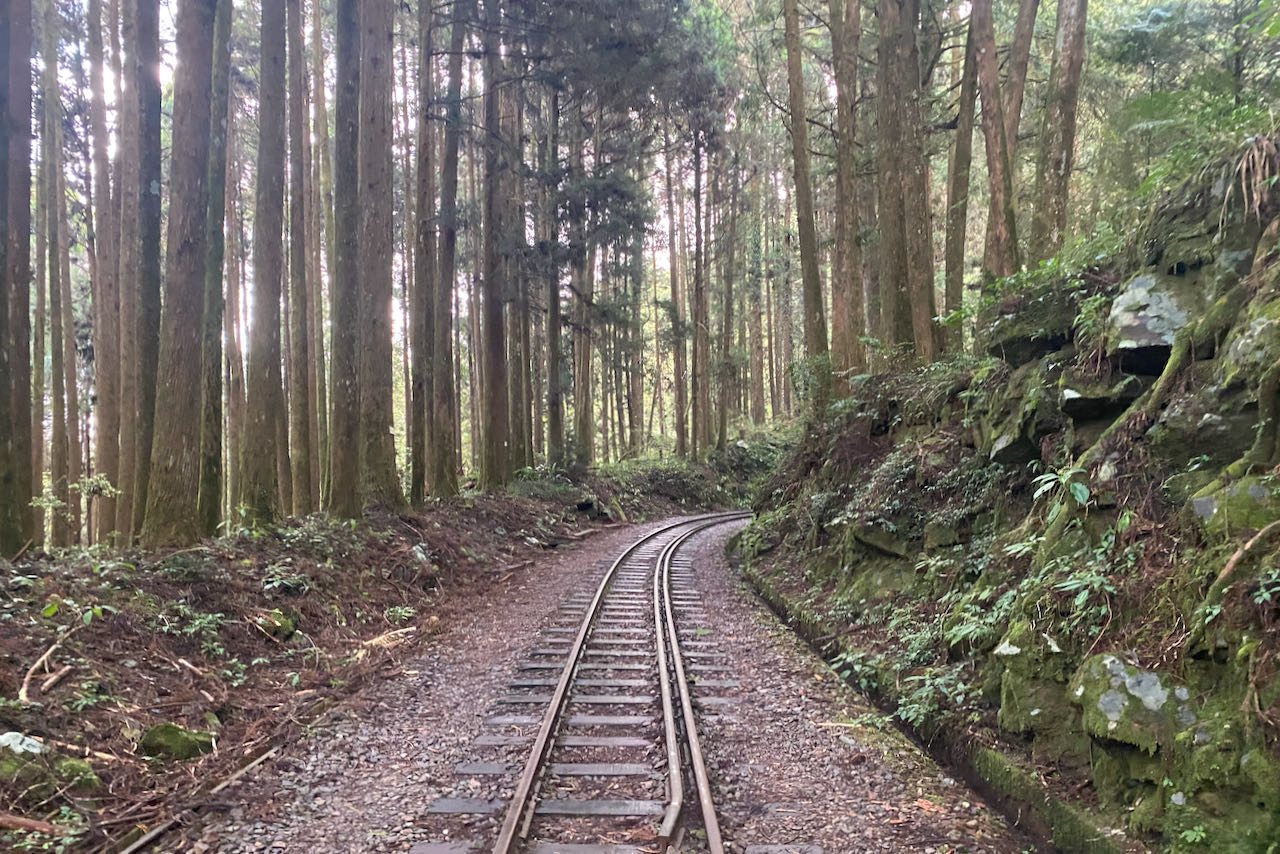
    特富野古道はかつて鄒族の狩猟道として利用されていたが、日本統治時代には伐採した木材を運ぶための鉄道ルートとして活用されていた。現在では、全長10km以上に及ぶ美しいハイキングコースとなっている。

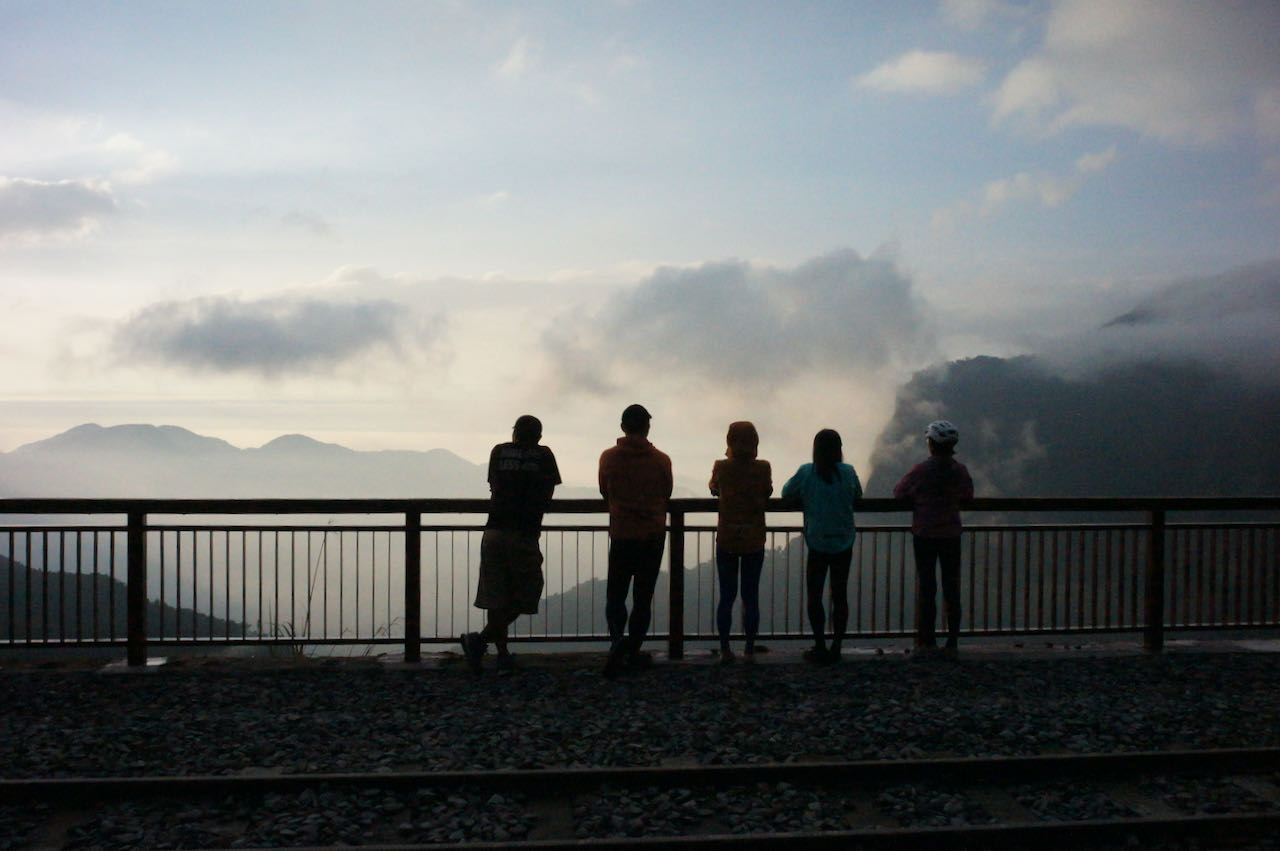
    二萬坪駅は、阿里山森林鉄道の駅のひとつである。しかし、この鉄道は2024年夏まで完全運行には至っていない。この駅のプラットフォームからは、雄大な山々を見渡すことができる。現在、列車が運行していないため、線路上を歩きながら、巨大な空洞を持つ木を見に行った。ここで南投県を離れ、嘉義県に入った。

    ルート

    ルートのご利用方法

    紹介したルートを使用するには、アプリのインストールが必要です。スマートフォンのブラウザで上記のリンクをタップすると、アプリが自動的に起動してルートを読み込みます。Garmin Connectの場合、アプリを使用してルートをGarminデバイスに登録できます。台湾で購入したGarminデバイスではない場合は、デバイスに台湾地図がインストールされていることも確認する必要があります。Garminデバイスのご利用方法を説明した当社のブログ投稿もこちらからご覧いただけます。

    第3日目:石卓から小林村記念公園へ、車で宝来温泉へ移動

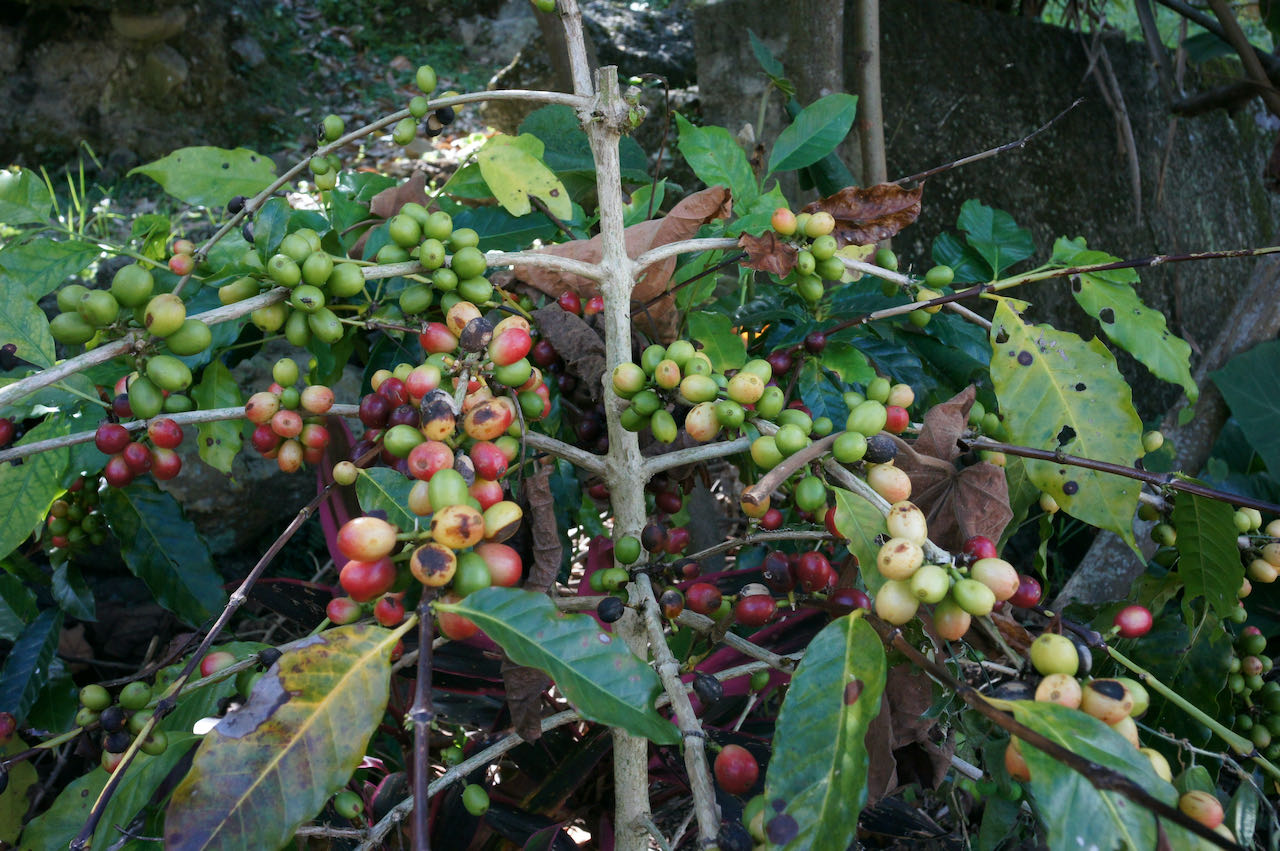
    前日に塔塔加に到達した後、阿里山郷の省道18号線を引き続き下っていった。標高が下がっても、周囲の山々に広がる茶畑の景色は依然として美しかった。その後、Eddie の案内で勤山産業道路に入った。この道は急勾配で曲がりくねった細い道 で、最終的に茶山村(別名チャヤマヴァナ Chayamavana) にたどり着いた。この村には、布農族、鄒族、漢民族が共に暮らしている。ここでは、先住民族によって栽培されたコーヒーの木を見る機会があった。

    午後は、ナマーシャ区から南へ向かい、省道29号線を通る壮大な渓谷を駆け抜けるライドがハイライトとなった。省道29号線は旗山渓沿いに走り、右岸と左岸を何度も行き来するルートになっている。川を渡るたびに、まるで映画スクリーンのようにそびえ立つ巨大な岩壁 が現れ、その迫力に圧倒された。まさに他では味わえない特別なサイクリング体験 だった。

    私たちは小林村記念公園でライドを締めくくった。この公園の地下には、2009年の台風モラコットによる土砂崩れで400人以上の命が奪われた村 が眠っている。ここは、自然の力に敬意を払い、山を探検する際には常に安全を最優先にすべきであることを思い出させる場所 でもある。

    その夜は、高雄の宝来温泉のホテルでゆっくりと過ごし、旅の疲れを癒した。

    We concluded our ride at Xiaolin Village Memorial Park. Beneath this memorial park lies a village where over 400 lives were buried in a landslide caused by Typhoon Morakot in 2009. It serves as a poignant reminder to respect Mother Nature and prioritise safety when exploring the mountains.
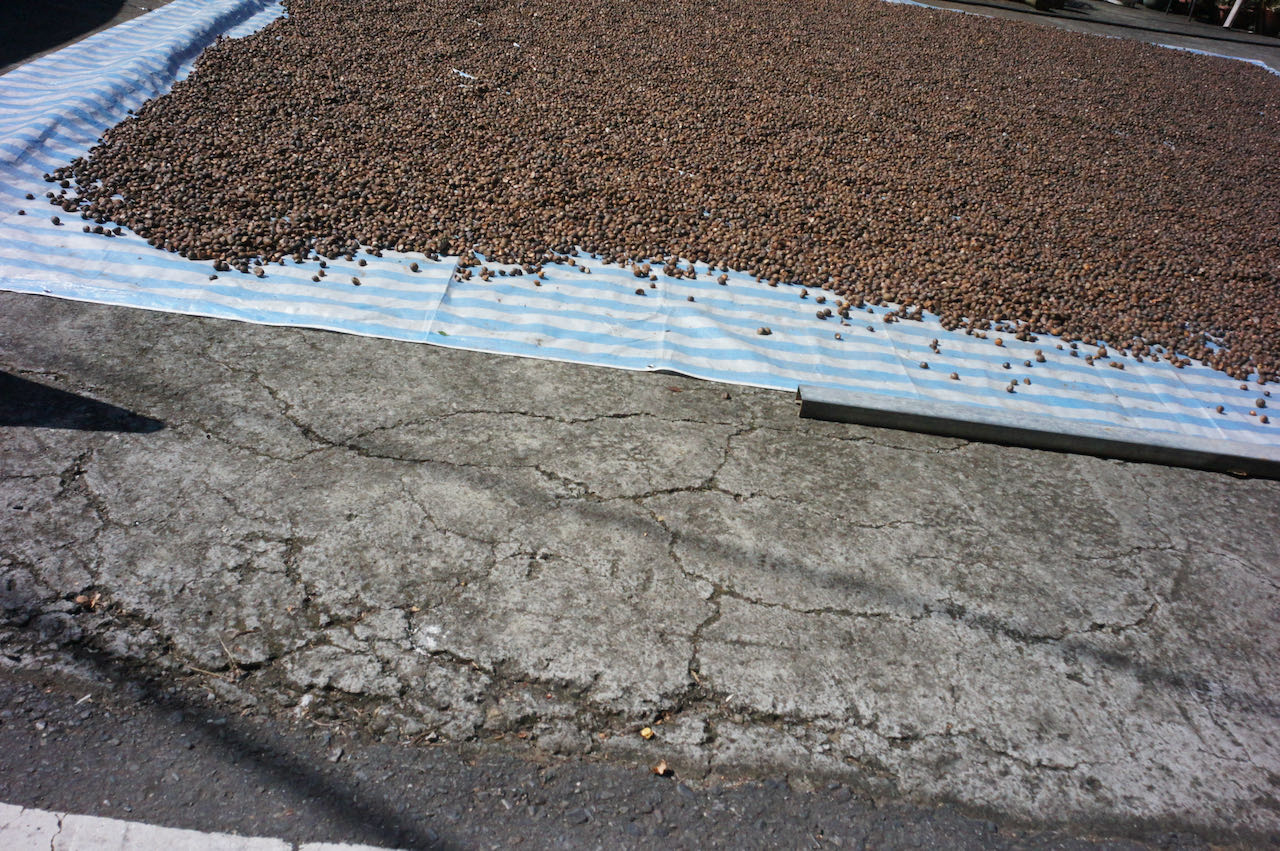
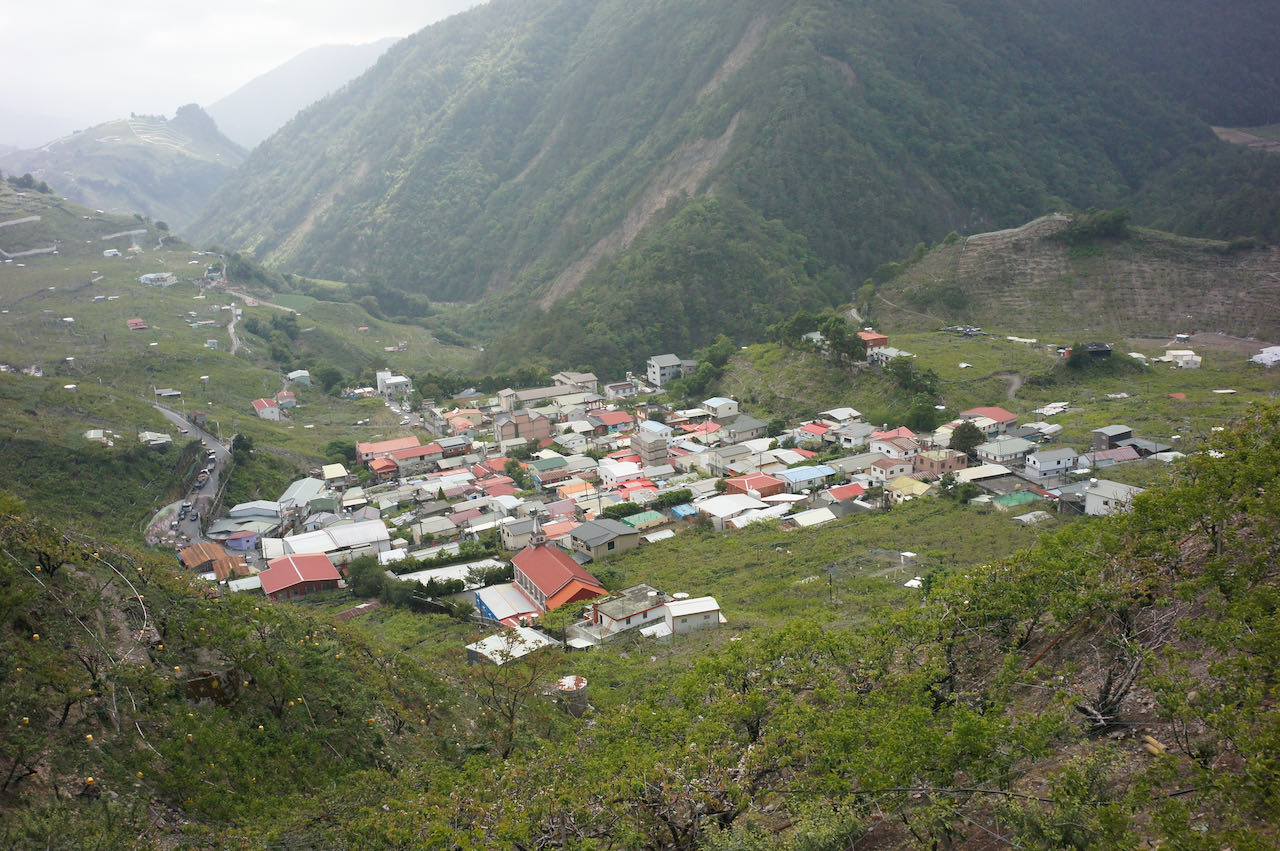
    We spent a relaxing night in a hot spring hotel in Baolai, Kaohsiung.

    ルート

    ルートのご利用方法

    紹介したルートを使用するには、アプリのインストールが必要です。スマートフォンのブラウザで上記のリンクをタップすると、アプリが自動的に起動してルートを読み込みます。Garmin Connectの場合、アプリを使用してルートをGarminデバイスに登録できます。台湾で購入したGarminデバイスではない場合は、デバイスに台湾地図がインストールされていることも確認する必要があります。Garminデバイスのご利用方法を説明した当社のブログ投稿もこちらからご覧いただけます。

    第4日目:宝来温泉から霧台へ

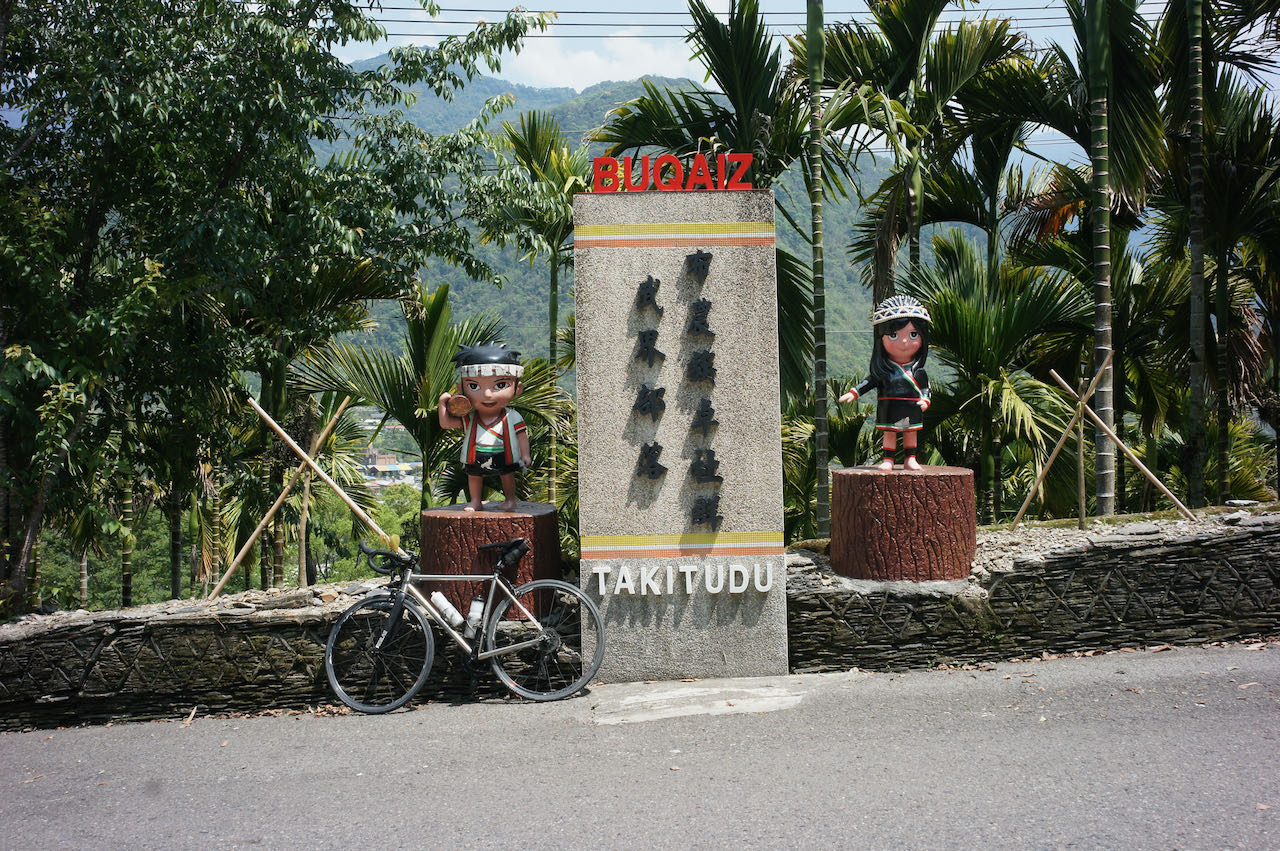
    今日は、ルカイ族の領域 に足を踏み入れた。私にとって特別な意味を持つ場所でもある。というのも、私のバイクのブランドであるリクライ(Rikulau)は、ルカイ族の聖なる動物であるウンピョウ(Clouded Leopard)にちなんで名付けられているからだ。伝説によると、この神秘的な生き物が足跡を残し、ルカイ族の祖先を大武山(Da-Wu Mountain)のふもとにある深い森の中の永住の地 へと導いたという。

    私たちは、「サツマイモを切り裂く」ルートを進みながら、途中で二つのルカイ族の村に立ち寄った。一つ目の村は茂林区の多納で、昼食のために登った。もう一つは、今夜の宿泊地である霧台だ。

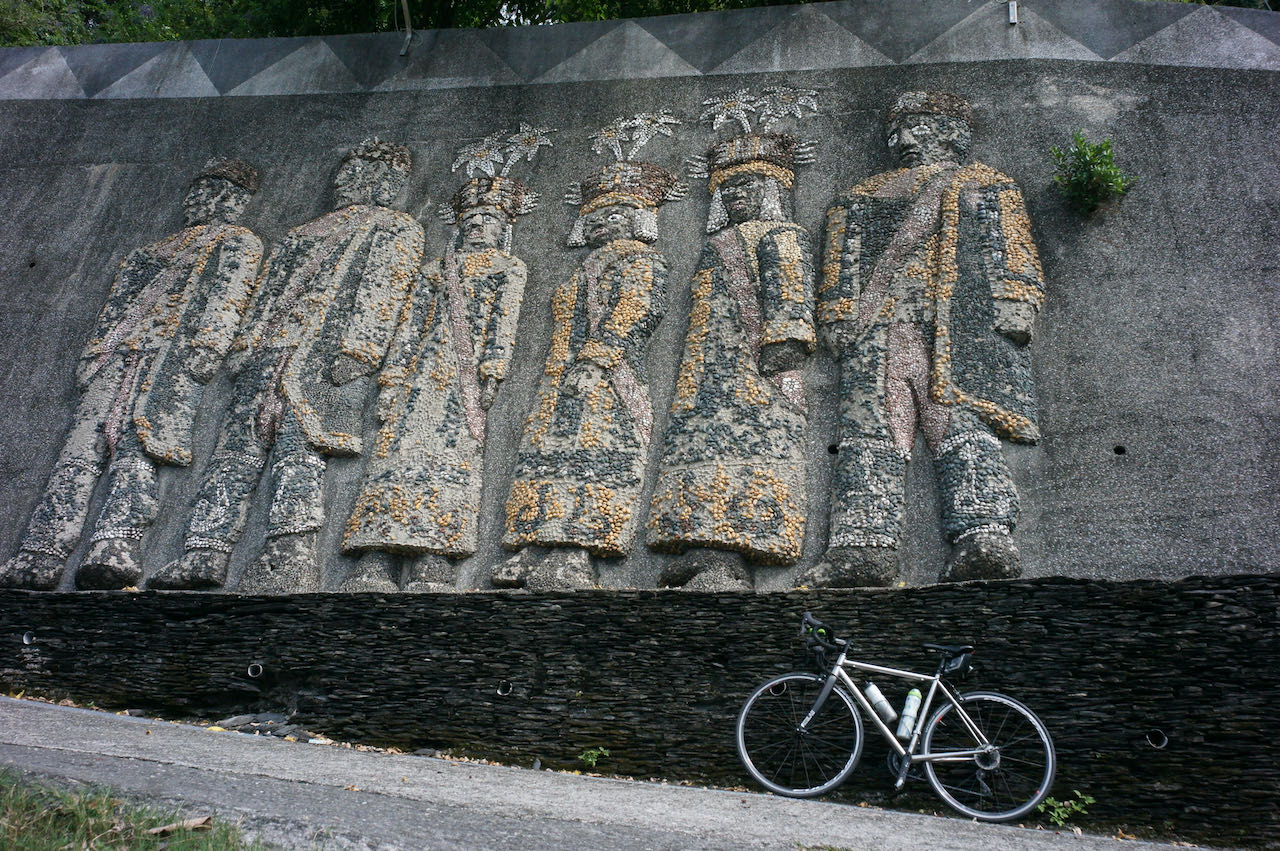
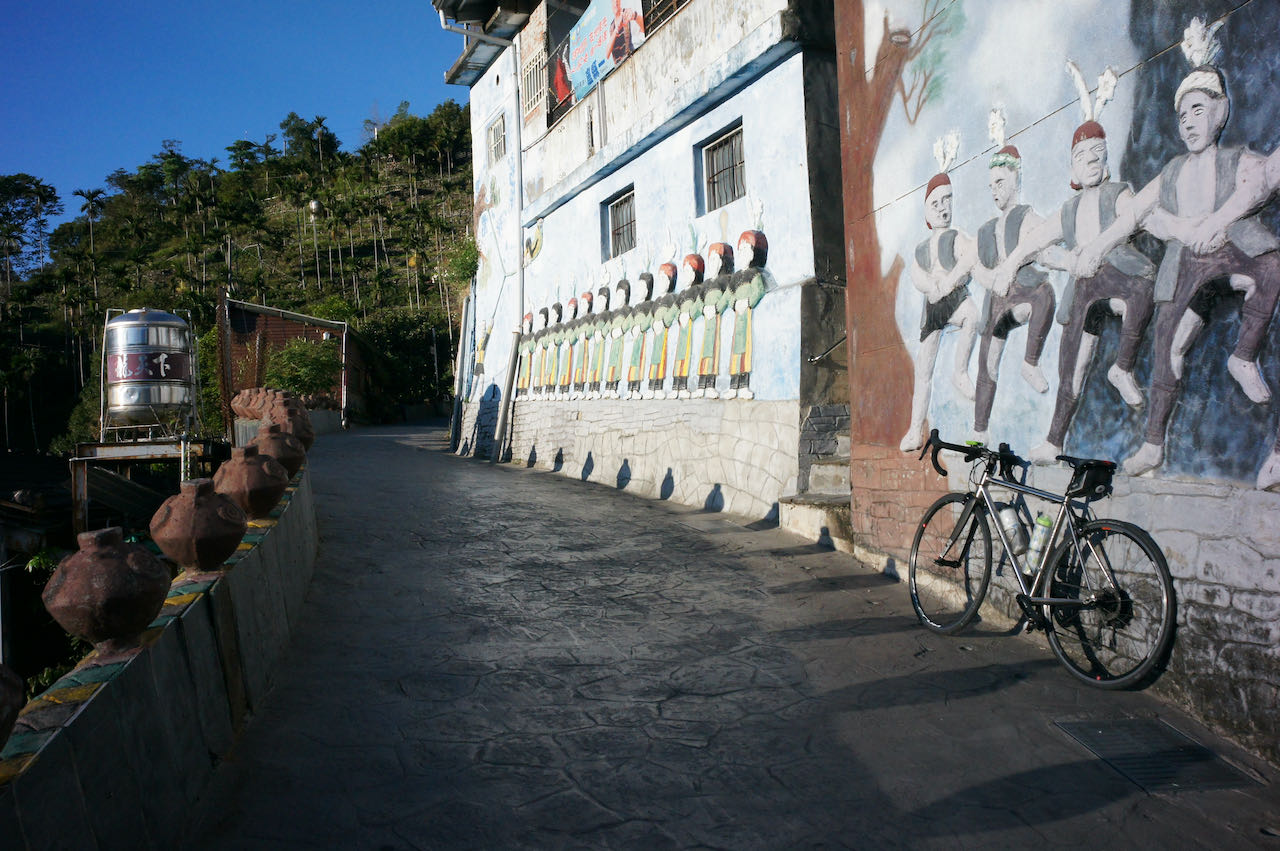
    村の建物の壁には、ユリの花を頭に飾った人々の漆喰のレリーフ が数多く見られた。これは、ルカイ族において特別な地位を示すものであり、簡単には得られない名誉を象徴している。ルカイ族の男性がこのユリを身につけるためには、5~6頭のイノシシを狩る ことが必要とされる。一方、女性にとっては、美徳と貞節を意味する ものだった。

    ルート

    ルートのご利用方法

    紹介したルートを使用するには、アプリのインストールが必要です。スマートフォンのブラウザで上記のリンクをタップすると、アプリが自動的に起動してルートを読み込みます。Garmin Connectの場合、アプリを使用してルートをGarminデバイスに登録できます。台湾で購入したGarminデバイスではない場合は、デバイスに台湾地図がインストールされていることも確認する必要があります。Garminデバイスのご利用方法を説明した当社のブログ投稿もこちらからご覧いただけます。

    第5日目:霧台から鵝鑾鼻へ

    今日は早朝に霧台を出発し、山々の中での美しい日の出を見るライドを楽しんだ。その後、朝食前にルカイ族の村を散策 し、彼らの文化や暮らしに触れた。

    私たちの旅の最後の先住民族の村となったのはリナリ村だった。この村は2009年の台風モラコットによって家を失ったパイワン族とルカイ族の人々のために設立された 移住村である。この村で文化を守ろうと奮闘するアーティストの活動について詳しく書かれた記事があるので、興味のある方はぜひ読んでほしい。

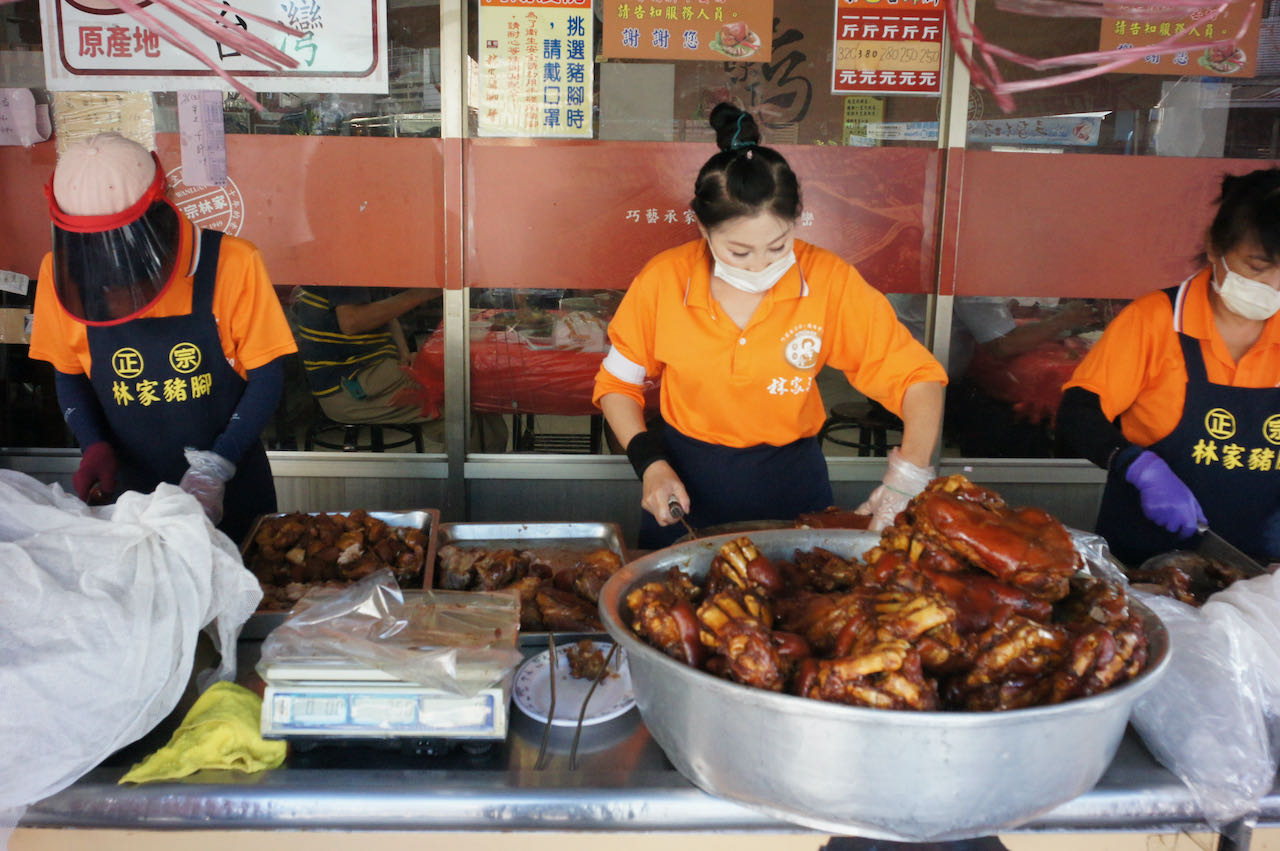
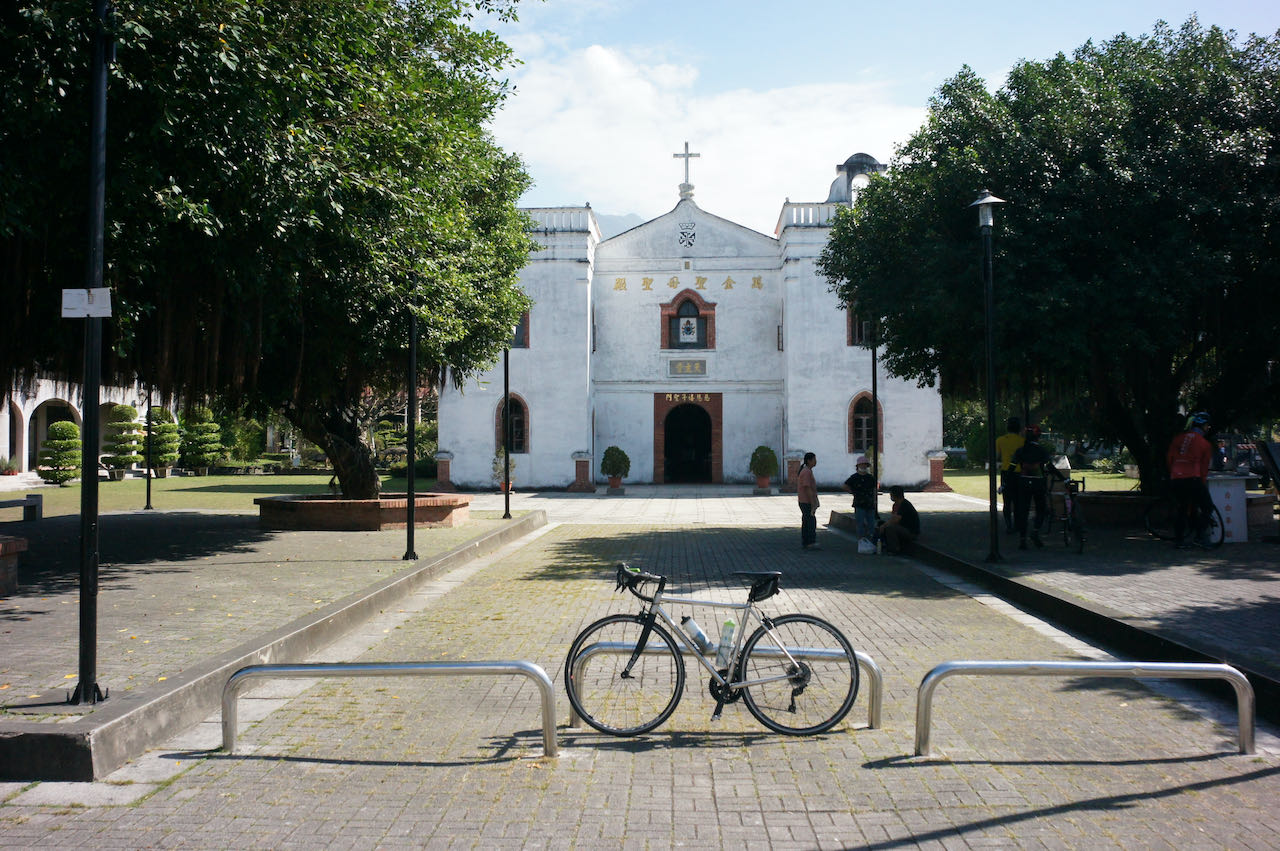
    標高を下げながら海に近づき、万巒郷に入ると、漢民族が多く住む地域に移っていた。1683年から1695年頃の清朝統治時代、この地域は先住民族と漢民族の境界線 となっており、清の行政が及ばない未開の地とされていた。この空白を埋める形で、カトリック教会が福祉と保護を提供 するようになった。この地に建てられた万金聖母聖殿は、1869年に完成した美しい教会である。しかし、その歴史はさらに遡り、1861年にはすでに教会活動が始まっていた。1875年、清の皇帝はこの教会を正式に認め、皇帝の使者が視察報告を行った後、教会の前に石碑を建てた。この地の人々がカトリックの影響のもとで調和のとれた生活を送っていることを評価したためである。そして、1984年にはローマ教皇ヨハネ・パウロ2世が、この教会に「バシリカ」の称号を授与した。これはカトリック教会における最高位の格付け である。

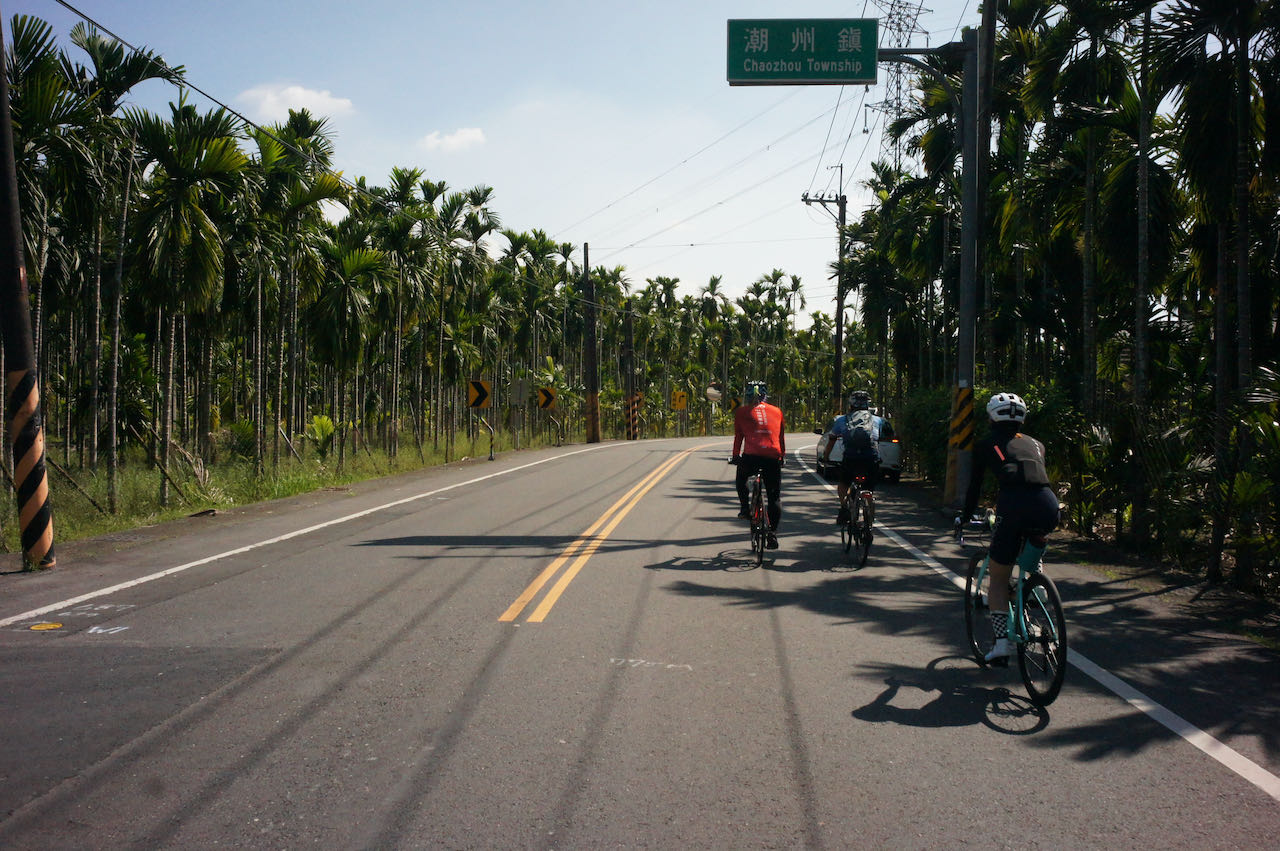
    万巒で名物の滷豬腳を昼食に楽しんだ後、サポートカーで恒春まで移動し、旅の最後の区間となる鵝鑾鼻へのライドを開始した。私たちはまず、県道200号線と200甲号線 を東へ進み、その後、省道26号線を南下した。このルートは東海岸沿いを走る ため、雄大な景色と深く鮮やかな青い海 を眺めながら走ることができた。

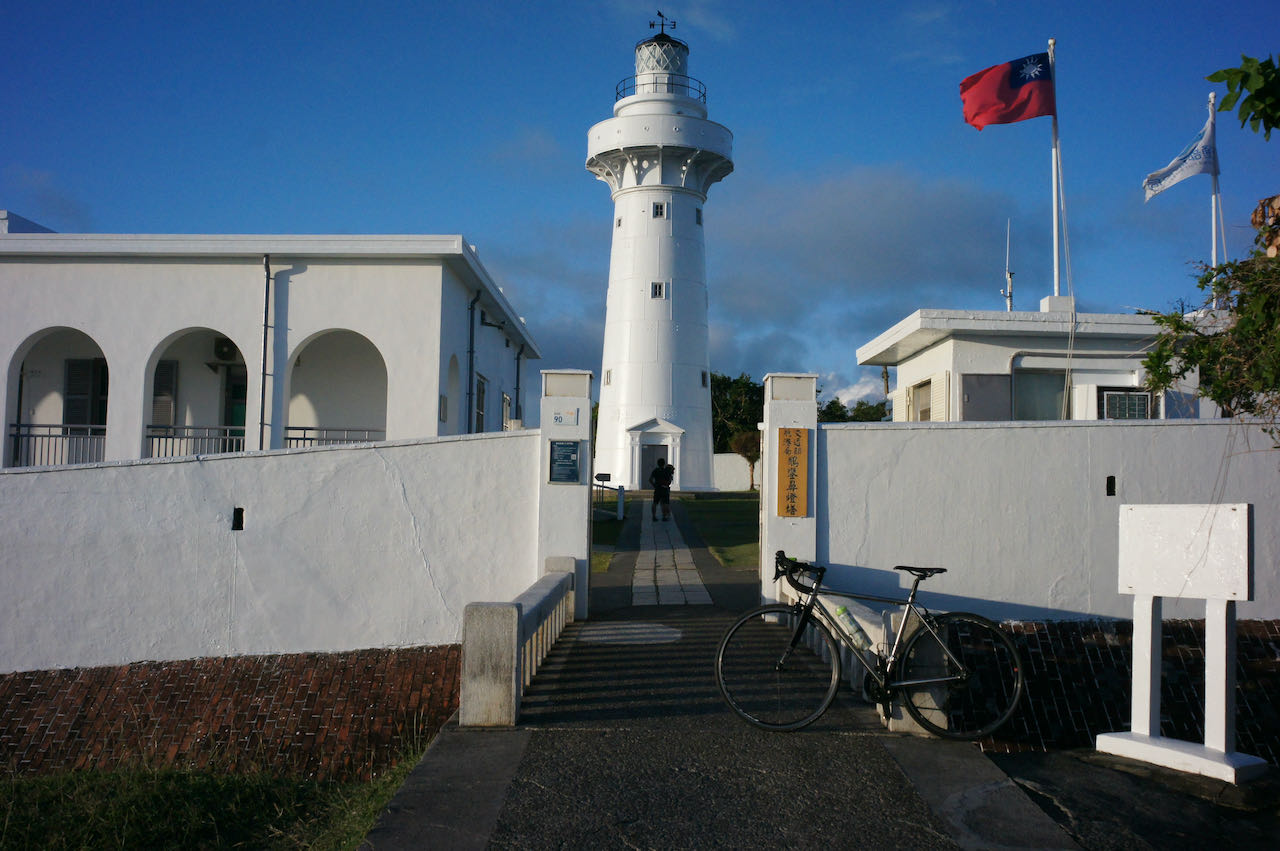
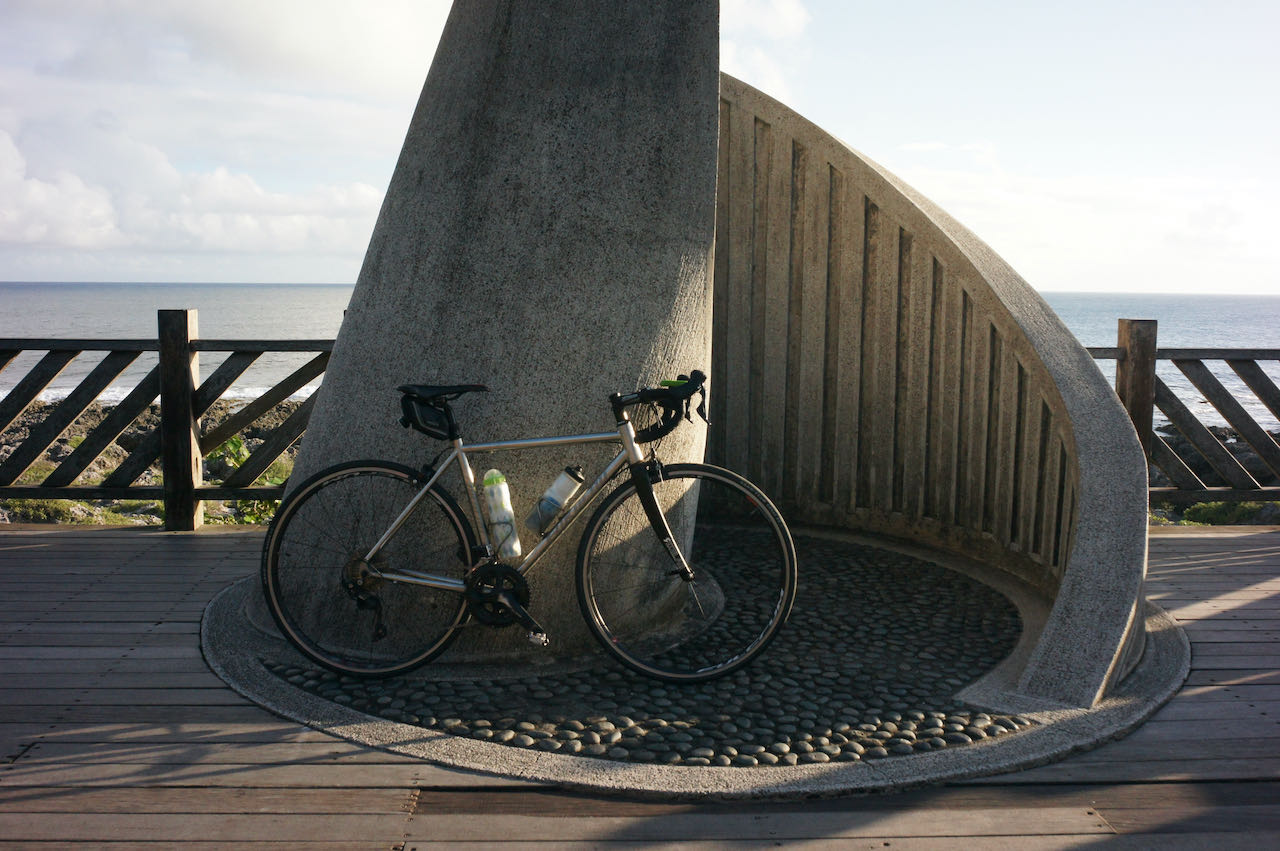
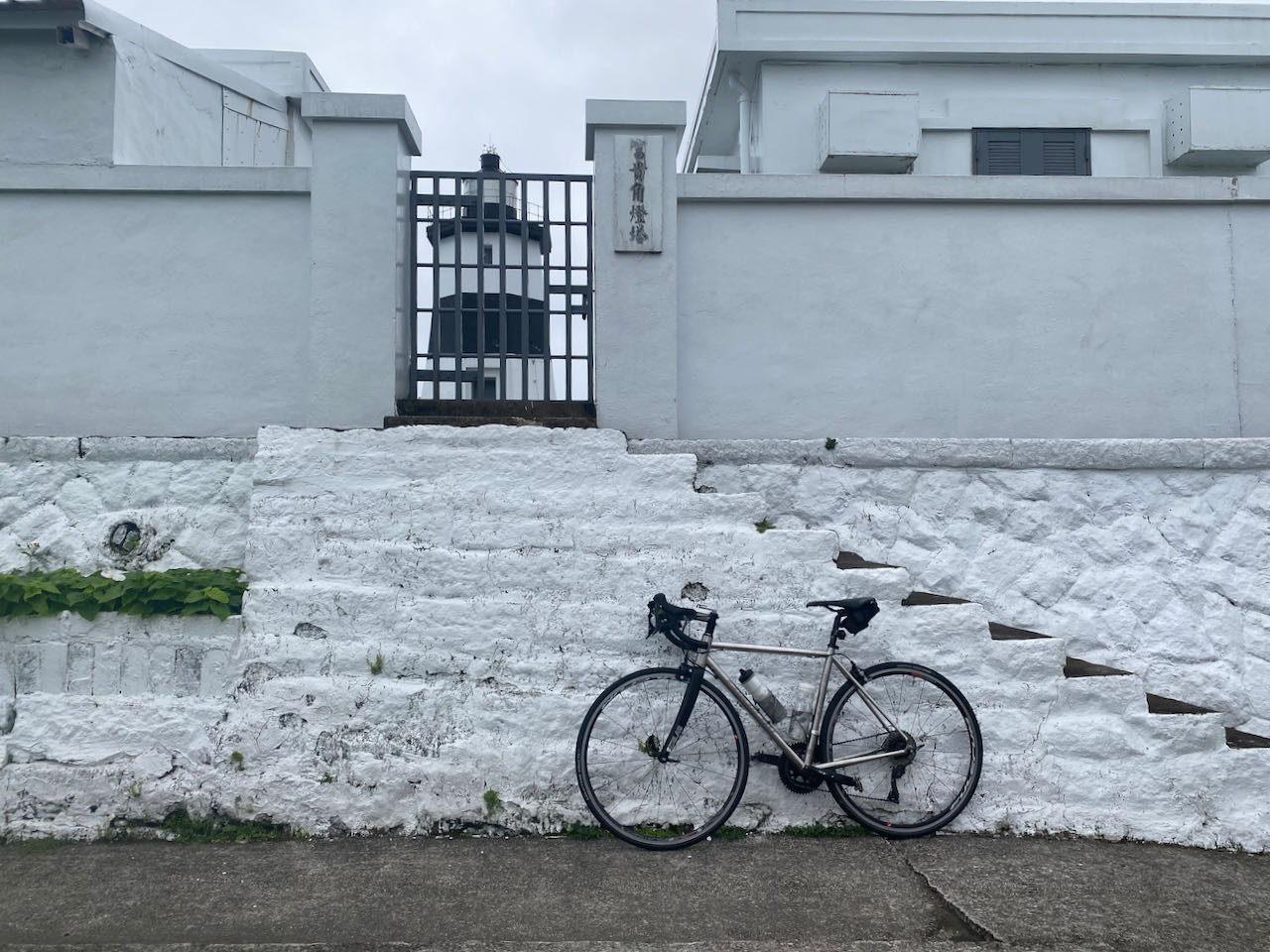
    ついに、台湾本島の最南端 に到達し、静かに佇む美しい鵝鑾鼻灯台を訪れた。灯台は公園内にあり、自然に囲まれた穏やかな雰囲気が漂っていた。

    ルート

    ルートのご利用方法

    紹介したルートを使用するには、アプリのインストールが必要です。スマートフォンのブラウザで上記のリンクをタップすると、アプリが自動的に起動してルートを読み込みます。Garmin Connectの場合、アプリを使用してルートをGarminデバイスに登録できます。台湾で購入したGarminデバイスではない場合は、デバイスに台湾地図がインストールされていることも確認する必要があります。Garminデバイスのご利用方法を説明した当社のブログ投稿もこちらからご覧いただけます。

    旅の締めくくり

    Eddie は限られた時間の中で台湾の山岳地帯の魅力を最大限に引き出す素晴らしい旅程 を作り上げてくれた。彼は単にルートの道路状況に精通しているだけでなく、特定の場所に最適な時間帯に到達する方法 も熟知していた。ドライバーとの連携も見事で、あまり見どころのない区間をうまく省略しながら、ベストなタイミングで訪れるべき場所へと導いてくれた。Eddie が長年にわたり山を探検し、数々の丘を登り、先住民族と出会いながら台湾の山岳地帯の魅力を発信してきたことは、彼のこの島への深い愛情の表れ だと感じた。彼のツアーに参加できたことを、心から幸運に思う。

    台湾の山岳地帯を自転車で体験する方法は、グループでサポートカー付きのツアー に参加するだけではない。例えば、決まったスケジュールを持たずに山中を自由に旅し、村に滞在しながら地元の人々と交流を深めることもできる。あるいは、3日間のショートトリップで一部の山岳地帯を巡る のも良い選択肢だ。都市部へのアクセスが容易なため、短期間でも十分に楽しめる。また、より過酷な挑戦を求めるなら、スピーディーに山を駆け抜けるスタイルも可能 だ。例えば、台湾瘋單車協會(Taiwan Mad Bike Association)は台湾中央山脈を3日間で走破する「台湾ツインタワーズ中央ルート」というチャレンジライドを開催している。

    どのスタイルを選ぶにせよ、綿密な計画、道路状況の確認、天候の把握は不可欠だ。自分の安全を守ることが何よりも大切。それを心がければ、山々は忘れられない体験を与えてくれるだろう。

  • 台湾五極点サイクリング:武嶺制覇への挑戦

    台湾五極点サイクリング:武嶺制覇への挑戦

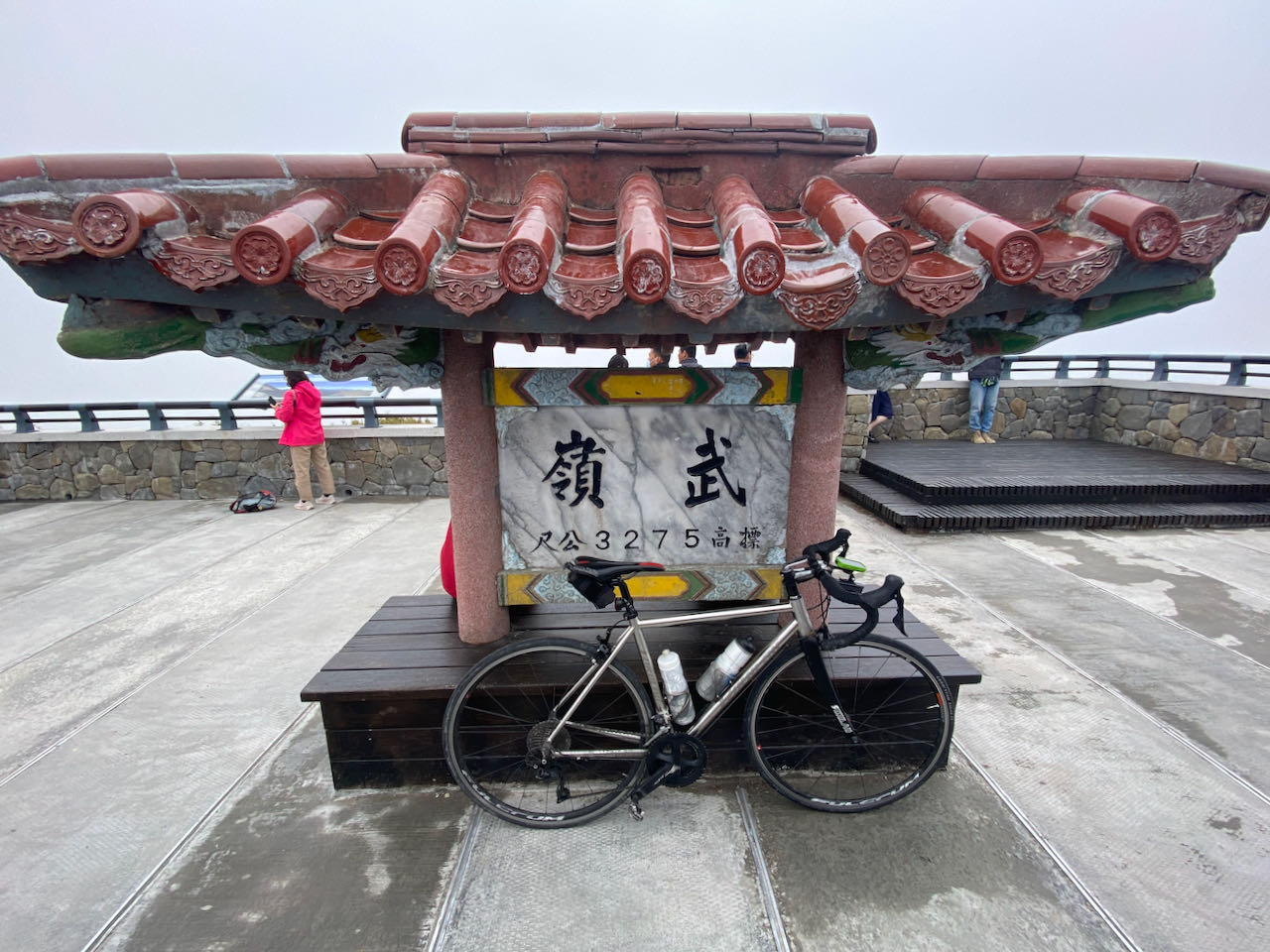
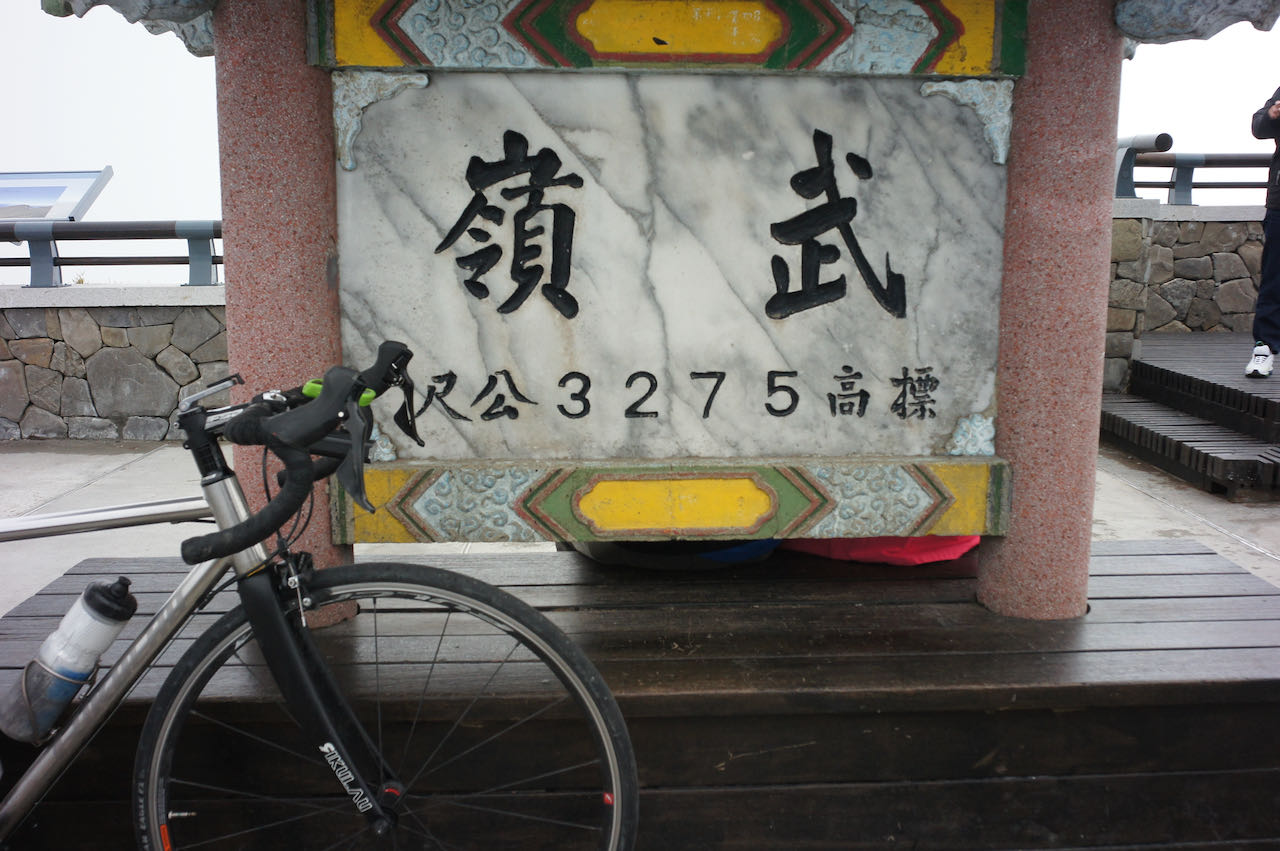
    台湾五極点サイクリングは、台湾本島の五つの極点を巡るチャレンジです。これには、最北端、最東端、最南端、最西端 に加え、標高3,275メートルの武嶺という台湾で最も高い舗装道路 が含まれます。このチャレンジを完遂すると、総走行距離は 1,237km に達し、総獲得標高は 11,143m となります。

    四極点サイクリングは、すでにクラシック9日間台湾一周よりも難易度の高いルートですが、一部のサイクリストは、さらに過酷な登坂を組み込みたいと考えています。そのため、五つ目の極点として武嶺を追加し、「五極点チャレンジ」として紹介します。

    本記事では、最高地点である武嶺に到達するための戦略について解説します。他の四極点については、「台湾四極点サイクリング」をご参照ください。

    武嶺に登るベストシーズン

    武嶺へ200回以上登った経験を持つ王慎志氏がインタビューで語った内容によると、最適な登坂時期は秋です。この季節は晴天が多く、降水確率が低いため、安定したコンディションで登ることができます。

    夏も選択肢の一つ ですが、山頂の気温はそれほど高くないため、比較的快適に登れます。 ただし、午後には雷雨が発生しやすいため、下山は午前中に計画するのが望ましい です。

    一方で、春は雨が多く、気温が10℃以下まで下がることがあるため注意が必要 です。

    冬は登坂に最も不向きな季節 とされています。雨や霧によって衣服が濡れ、体温が奪われることで大きな負担となります。さらに、真冬には積雪や路面凍結が発生する可能性があり、特に下り区間が危険 になります。

    通行止めの可能性と交通規制

    旅行を計画する際は、山岳地帯の高速道路での通行止めや交通規制の可能性に注意してください。これらの山岳道路は、台風や地震の影響で損傷を受けることがあります。修復作業は通常迅速に行われますが、完全な復旧には数ヶ月かかる場合もあります。また、工事作業のために道路の一部が封鎖されることがあり、通行可能な時間帯が制限される場合があります。

    現在の日付(2023年10月18日)時点で、新城から武嶺にかけての省道8号線の4つの区間で修復作業が行われています。例えば、白沙第二橋付近(179K+500) では、通行可能時間は10:00、11:30、14:00、17:00以降です。觀雲区間(117K+400) では、通行可能時間は07:00 – 08:00、10:00 – 10:10、12:00 – 13:00、15:00 – 15:10、17:00 – 17:10で、それ以外の時間は通行止めとなります。残りの2区間 については、固定された通行時間はなく、通常は片側通行 で、交互に通行が行われています。

    これらの通行時間の制限は、ライディングスケジュールに大きく影響 します。計画を慎重に立て、予期せぬ遅延に備えた代替案を準備することが重要です。 山頂付近で足止めされることのないよう注意してください。

    最新の道路状況の確認方法については、以下の投稿をご参照ください。

    反時計回りで走るための戦略

    ルート

    武嶺への登坂

    台湾五極点サイクリングを反時計回りで走行する場合、花蓮・新城から武嶺への厳しい登坂に挑むことになります。この区間は、総距離87km、獲得標高3,768m に及ぶ厳しいコースであり、KOM(King of the Mountain)レースの主要ルート としても知られ、「東進武嶺」 と呼ばれています。

    このルートは距離が長く、補給ポイントが限られているため、計画的に走行することが重要です。1日で登り切れない場合は、途中で宿泊できる場所が2か所あります。最初の選択肢は天祥で、新城から約20km、獲得標高636mの地点にあります。天祥には太魯閣天祥青年活動中心太魯閣晶英酒店の2つのホテルがあり、7-Elevenも利用できます。

    2つ目の選択肢は、標高2,374mに位置する觀雲山荘で、山頂により近いため、宿泊場所として好まれます。觀雲山荘の夕食は特定の時間に提供されるため、食事の時間を逃さないよう注意が必要です。もし夕食の提供時間を逃したり、量が足りないと感じた場合、公式サイトによると、21:30まで営業している売店でインスタントラーメンを購入できます。

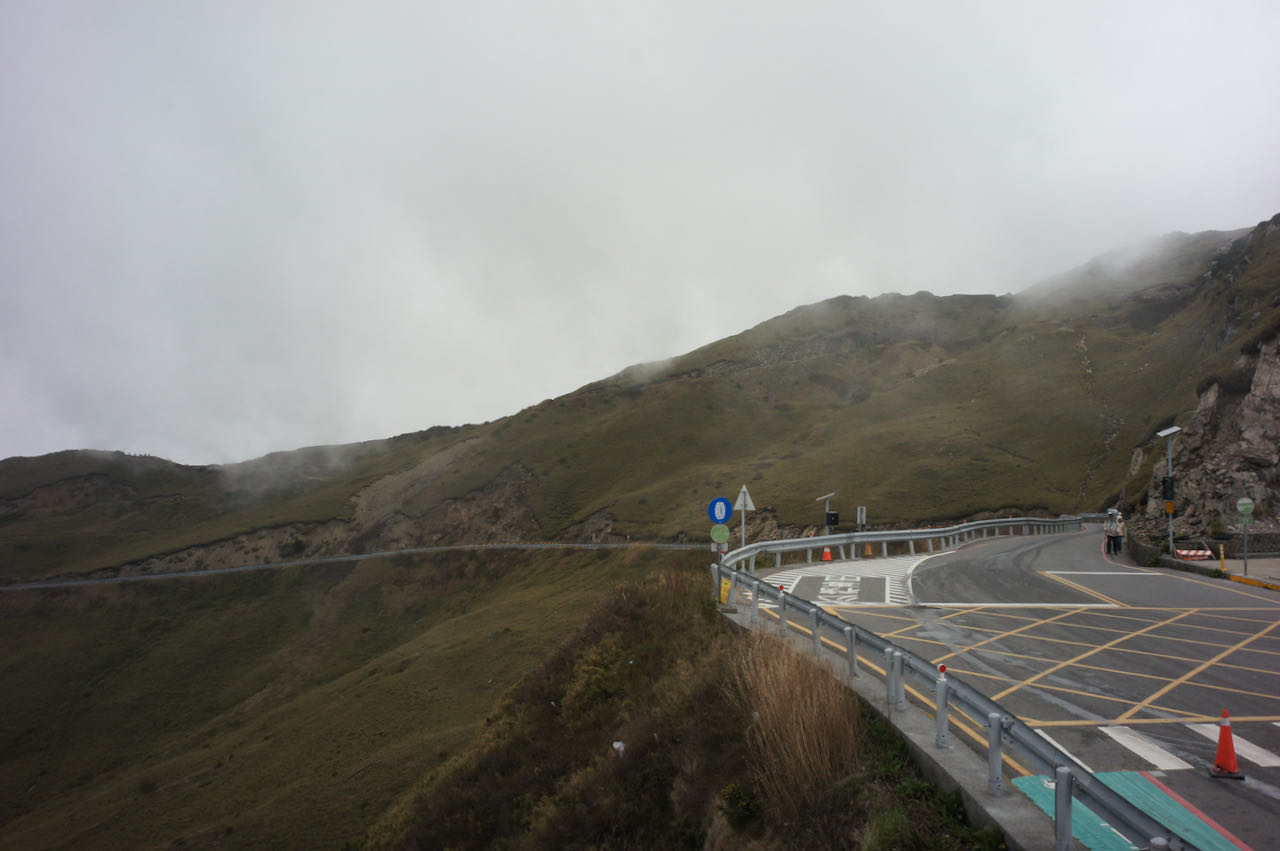
    最も過酷な区間は、標高2,565mの大禹嶺から武嶺までの最後の10kmです。この時点ではすでに多くの体力を消耗しており、標高が上がるにつれて空気が薄くなるため、さらに厳しい登坂となります。この最後の10.14kmでの獲得標高は767mあり、1kmの下り区間を除くと、残りの登坂区間は常に10%以上の勾配となります。

    約5km地点には合歓山サービスステーションがあり、ここが最後の補給ポイントとなります。この地点を過ぎると、武嶺の山頂まで補給できる場所はありません。

    しかし、この標高では天候が急変する可能性が高い ことに注意が必要です。もし登坂が厳しすぎると感じたり、悪天候に遭遇した場合、または安全に進むには時間が遅くなりすぎたと判断した場合は、登坂を中止し、梨山へ下山するのが賢明な選択 です。梨山へのルートは30kmの距離で、標高差700mの下り坂 となります。

    長く急な下り坂に注意

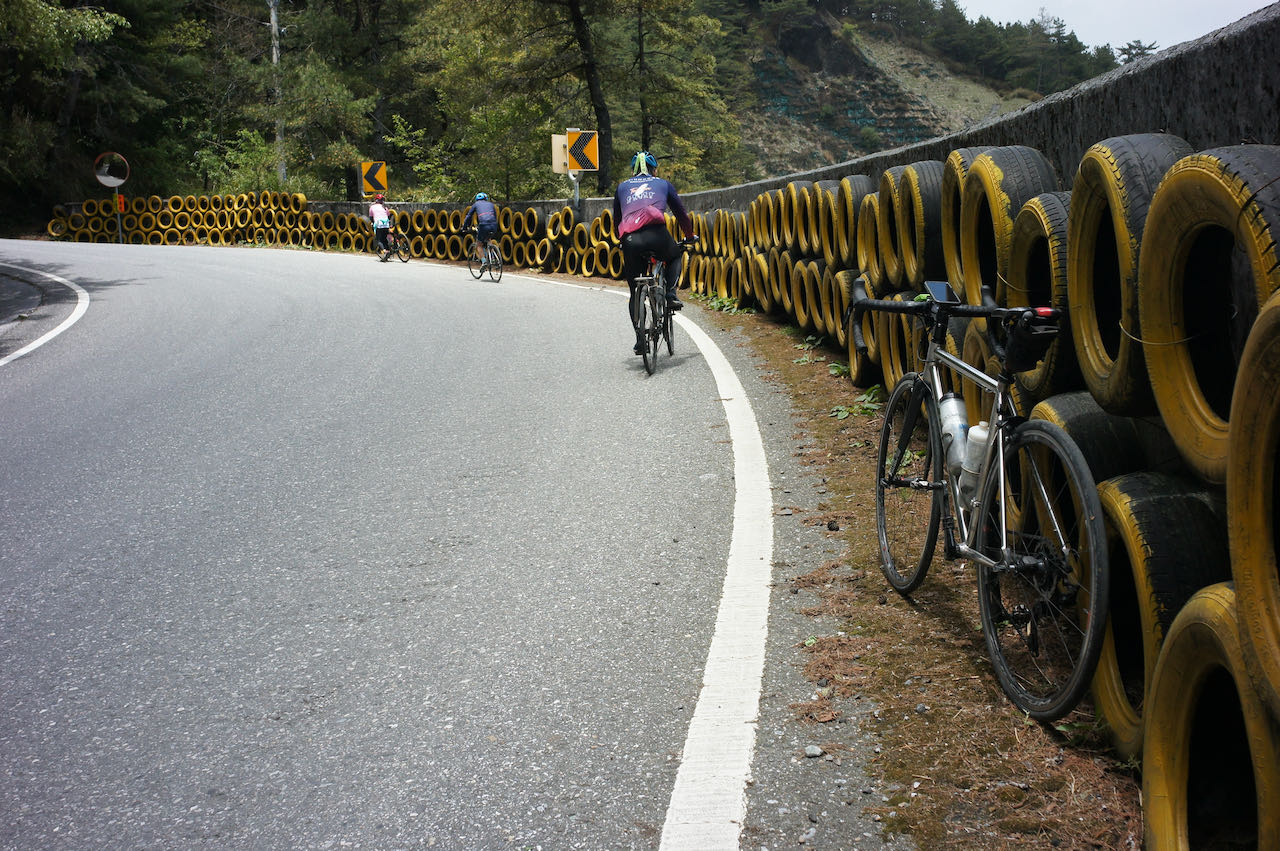
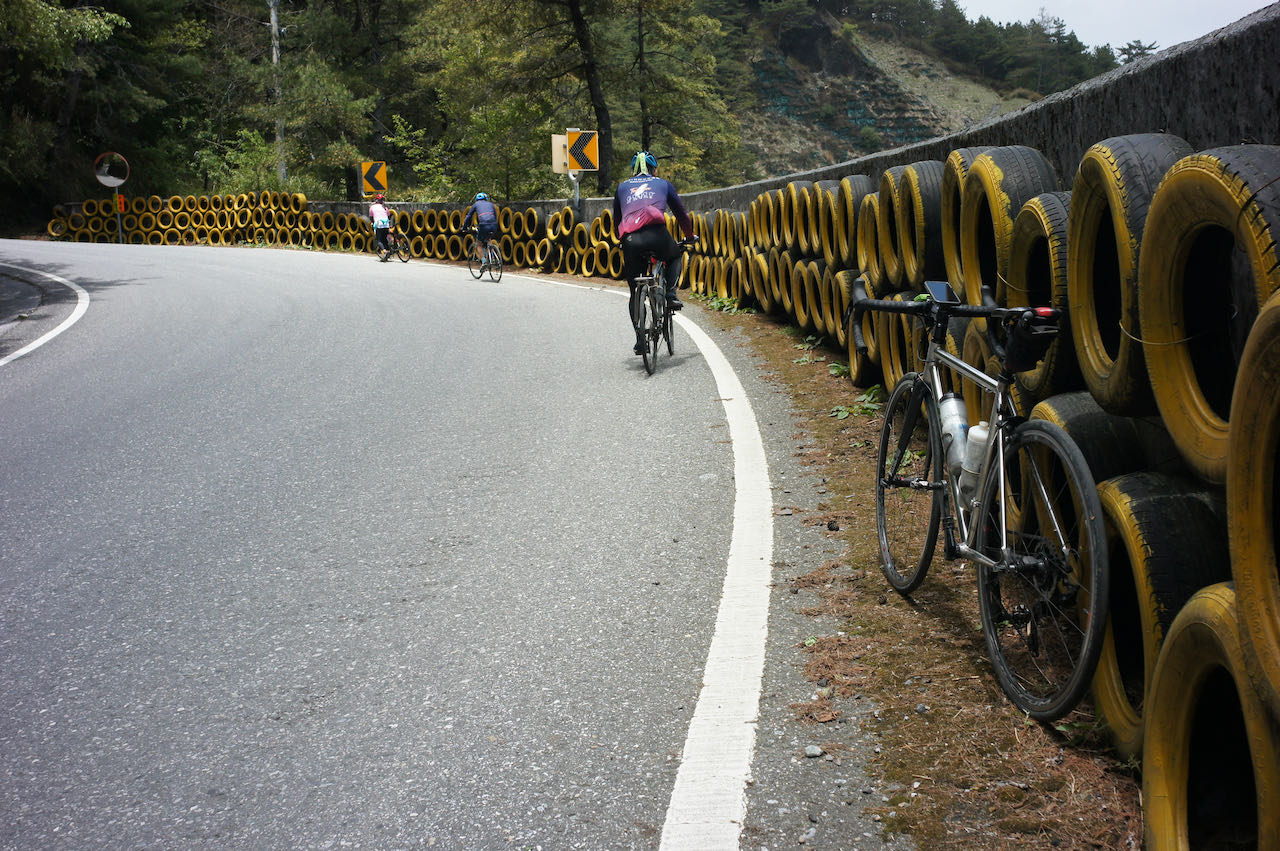
    武嶺への登坂は困難ですが、下りも慎重に進む必要があります。 天候が良く、十分な日照がある場合でも、下り坂にはリスクが伴うため、注意が必要です。下山前に必ずブレーキの状態を確認してください。一部の区間は非常に急勾配で、オートバイや車のブレーキパッドが焼ける匂いが漂うこともあるほどです。特に急なカーブでは、万が一曲がりきれなかった場合に備えて、使用済みのタイヤが壁に設置されている場所もあります。

    武嶺からの夜間下山は極めて危険なため、強く推奨されません。 夜間は視界が大幅に制限されるため、通常よりもはるかに低速で下る必要があり、ブレーキシステムへの負担が大きくなります。 安全のために、必ず日中のうちに下山計画を立て、十分な時間を確保 してください。

    また、防寒対策も必須 です。一般的に、標高が100m上がるごとに気温は0.65℃低下 します。武嶺の標高は3,275mのため、海抜0m地点よりも気温が約21℃低くなります。

    下りでは、登りの時ほど体温を生み出すことができず、下る速度が上がることで風冷効果が強まり、体感温度がさらに低下 します。万が一、下山中に雨が降ると、命の危険にさらされる可能性もあるため、慎重に判断する必要があります。

    そのため、大禹嶺から武嶺までの最後の10kmの登坂は、天候が良好な場合にのみ挑戦するのが望ましい です。もし天候が悪化しそうな場合は、大禹嶺から直接梨山へ向かうルートを選ぶことで、安全かつ安定したライドを確保できます。

    梨山は観光地としても人気があり、ホテルやレストランが多く、宿泊するには快適な場所 です。

    梨山から宜蘭へのルート

    梨山から宜蘭への下りは一般的に長く緩やかですが、途中で2つの大きな登りがあるため考慮が必要です。2つの下り(9km、-468m;3.6km、-195m)の後、2つの登り(9km、490m;6.5km、155m)を越えると、思源埡口という峠に到達します。

    思源埡口を通過する際は、特に冬や春において気候の大きな変化に備えることが重要です。この山は北東の季節風を遮るため、湿った空気が峠の北側に溜まりやすくなります。その結果、気温が大きく低下し、霧雨や濃霧が発生しやすく、路面が濡れることがあります。こうした状況では、高速での下りが難しくなり、頻繁にブレーキを使用する必要があります。その結果、ブレーキパッドが早く摩耗しやすく、特に水分とともにブレーキ面に砂が付着すると、さらに摩耗が進みます。予備のブレーキパッドを携行することが安全な選択となり、安心につながります。

    時計回りで走るための戦略

    ルート

    このルートを時計回りで進む場合、北の極点(富貴角) と 東の極点(三貂角) を訪れた後、宜蘭から省道7号線および7甲(7A)を経由して武嶺へ向かう過酷な登坂が続きます。このルートは「北進武嶺」とも呼ばれています。

    梨山と宜蘭の間には、省道7甲(7A)沿いに点在する宿泊施設 があります。宿泊を予約する際は、近くにレストランがないため、食事の提供があるかを必ず確認してください。補給ポイントとしては、太平に1軒の食料品店、南山部落に1軒のファミリーマート、黄山部落に1軒のセブンイレブンがあります。これらを利用しながら、標高を上げて梨山へ向かいます。

    梨山は武嶺への最後の登坂(40km、獲得標高1,474m)の出発点であるため、宿泊地として最適 とされています。この距離自体は長くありませんが、次の宿泊施設までの移動を考慮し、しっかりと計画を立てることが重要です。

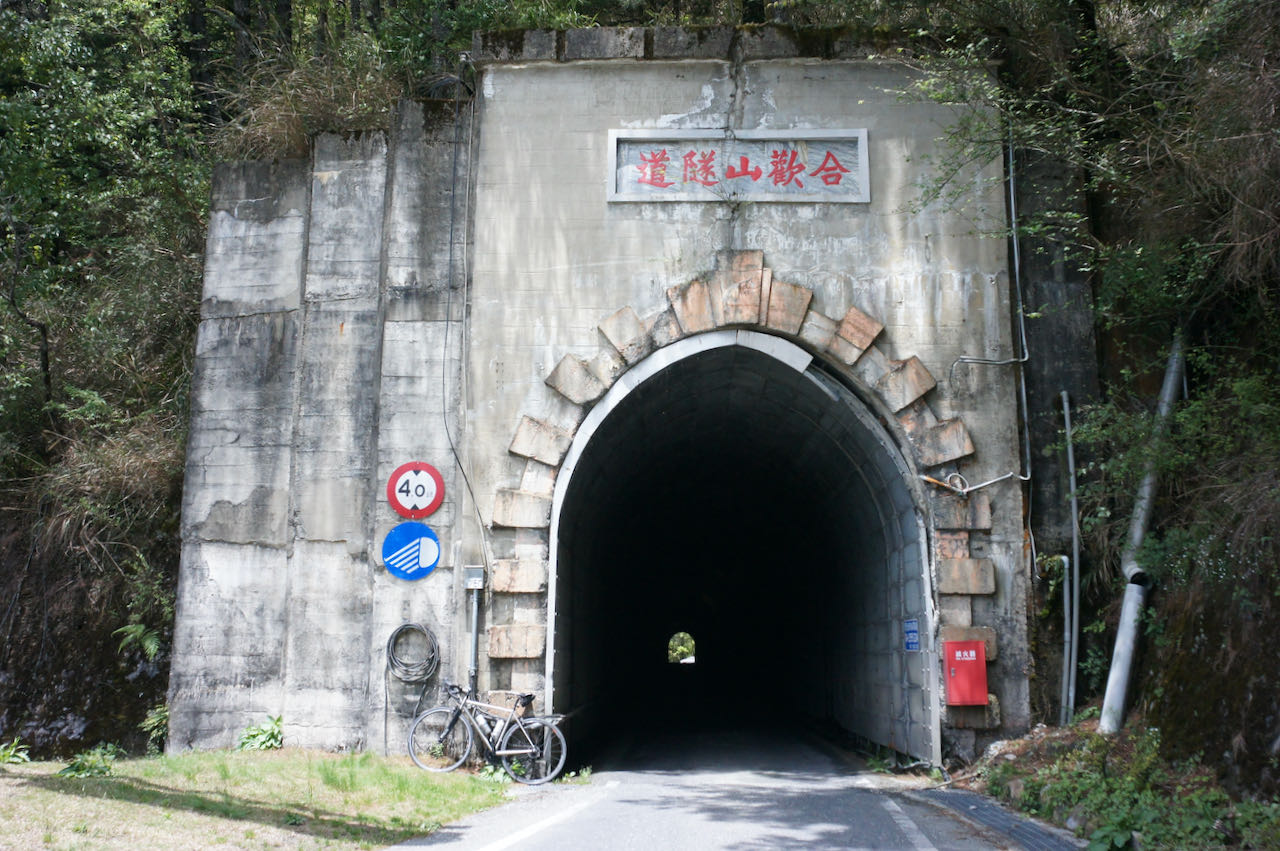
    大禹嶺に到達し、象徴的な「合歓山トンネル」を通過すると、反時計回りルートと合流 し、前述の過酷な10kmの登坂 を含むルートとなります。また、武嶺からの下山は特に注意が必要 です。これは、大禹嶺までの急な10kmの下りだけでなく、大禹嶺から新城までの長い下り(標高3,022mの下降、77km)にも当てはまります。もし海抜0m地点に到達する前に宿泊が必要な場合は、観雲山荘を検討してください。あるいは、新城駅や花蓮の北埔駅に到着すれば、複数のホテルオプションがあります。

    花蓮403地震後の代替ルート

    台北から北東へ向かい、東の極点(三貂角) に到達した後、美しい海岸線を反時計回り に走り、北の極点(富貴角) を訪れます。この2つの極点を制覇した後、台北へ戻り、河岸自転車道を経由して桃園へ向かいます。そこから、北横公路を登り、宜蘭の大同郷を経由して、省道7甲(7A)を通り梨山へ向かいます。

    梨山を過ぎると、武嶺に到達するまでホテルがほとんどないため、ここで一泊するのが推奨 されます。その後、武嶺を越え、清境または埔里でさらに一泊するのが一般的です。

    提案ルートでは、西海岸へ向かい、西の極点(国聖灯台)と南の極点(鵝鑾鼻灯台) を訪れるよう案内しています。ただし、山岳ルートを通って南下するルートを選択しても問題ありません。

    ルート パート1:

    ルート パート2:

  • サツマイモを切り裂く – 台湾の壮大な山岳地帯を巡るサイクリング

    サツマイモを切り裂く – 台湾の壮大な山岳地帯を巡るサイクリング

    台湾本島はサツマイモの形をしており、全長394km、幅144km です。この小さな島には、標高3,000メートル以上の山が274座 も存在します。これらの山々は、島の中央部と東部に集中しており、主に阿里山山脈、中央山脈、雪山山脈、玉山山脈に属しています。台湾の地形のうち、平地はわずか26%しかなく、そのほとんどが西海岸に広がっています。

    山岳地帯には、先住民族の集落や農場を結ぶ整備された道路 が通っています。台風や豪雨、地震によって頻繁に土砂崩れが発生し、一部の道路が破壊・封鎖される ことがありますが、修復作業は迅速に行われます。修復に時間がかかる場合は、交通規制が実施される こともあります。

    私が初めてEddie Chen(著名なサイクリングライター、Vlogger、「台灣 ‧ 用騎的最美 (台湾 ‧ 自転車で巡る最高の美しさ)」の創設者) が2019年に始めたプロジェクト「北進武嶺・南出鵝鑾鼻、台湾縦断500マイル」について知ったとき、衝撃を受けました。富貴角(台湾最北端)から鵝鑾鼻(最南端)まで、山岳地帯を縦断するルート。これは大胆かつ野心的な挑戦です。しかし、サイクリング愛好者にとっては非常に魅力的なルートでもあります。標高差を避けるのではなく、サツマイモを切り裂くように山岳地帯を力強く駆け抜ける のです。このルートの総距離は760km、獲得標高は26,087m、最高地点は標高3,275mの武嶺です。

    そして、2023年4月、私はついにEddieがガイドする5日間のサイクリングツアーに参加し、このルートの前半を走ることができました。ここでは、その経験を共有します。これが、ルートを計画するサイクリストの参考 になれば幸いです。

    第1日目:富貴角灯台から角板山へ(距離 109km、獲得標高 1,789m)

    午前6時に松山駅で集合し、サポートカーに乗り込み、出発地点である富貴角灯台へ向かいました。サポートカーなしで自力で行く場合は、前日に白沙湾または三芝区の小さなホテルに宿泊するのが良い選択肢です。

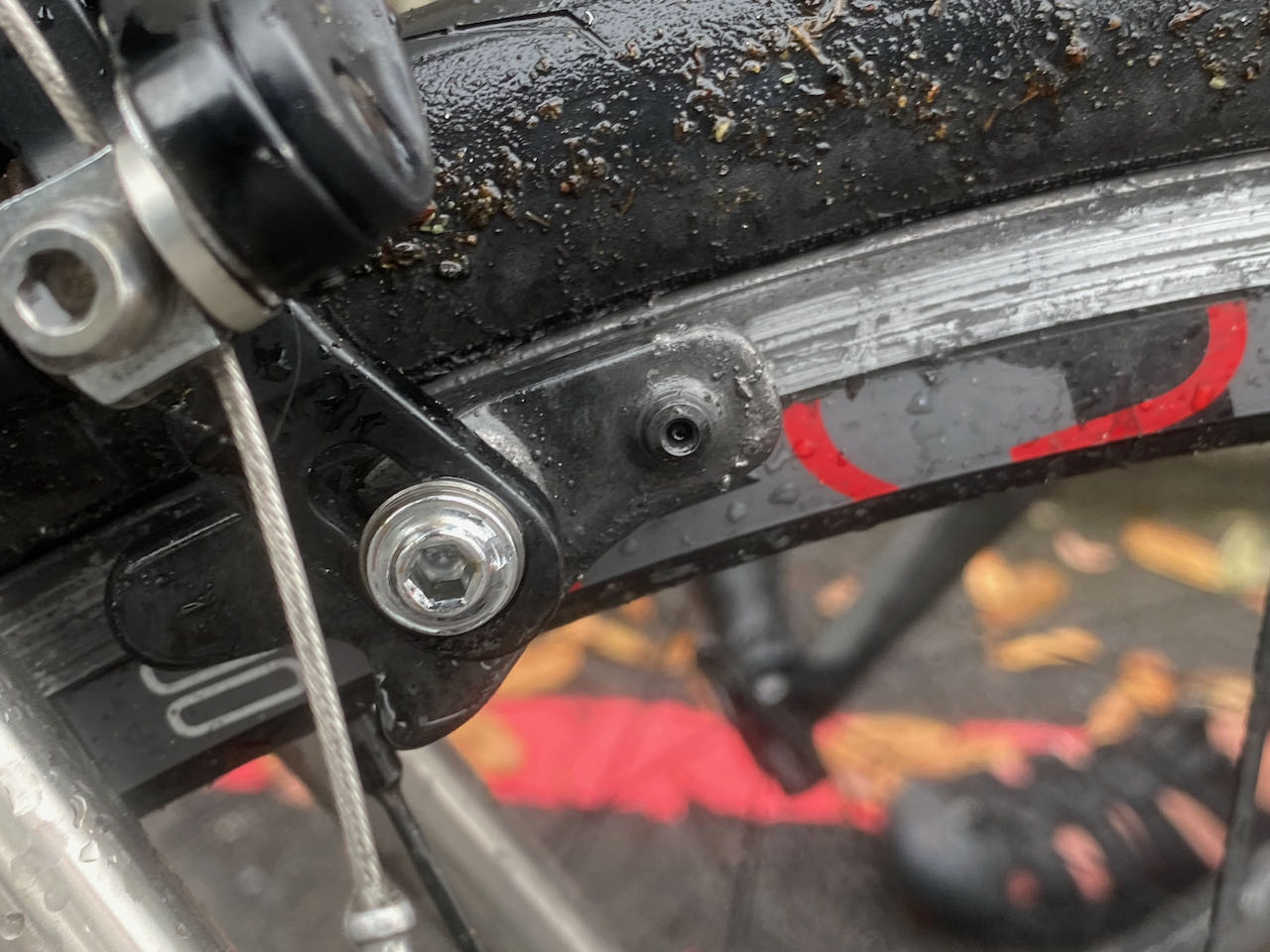
    灯台はいつも通り魅力的でしたが、天候はあまり良くありませんでした。登坂を開始したときにはすでに雨が降り始め、陽明山の頂上に近づくにつれ、霧がどんどん濃くなっていきました。私はこれまでに何度も陽明山を訪れたことがありますが、このような天候の中で走るのは初めてでした。泥が車輪のリムに付着し、ブレーキをかけるたびに不快な摩擦音がしました。特に急な下り坂では、その音がさらに際立ちました。

    私のホイールセットは頑丈なアルミ製ですが、長く急な下り坂を5日間も走るとなると、ブレーキパッドが持つか心配でした。昼休憩の際、チームメンバーの1人がブレーキパッドが限界まで摩耗しているのを発見しました。台北市内を通過する際に、念のため予備のブレーキパッドを購入しました。

    午後4時、大稻埕碼頭広場でその日のライドを終え、サポートカーに乗って角板山へ移動しました。夕食は午後6時に予約しており、そのレストランは私たちのためだけに営業を開けてくれていました。夕方になると交通量が増えるため、彼らを待たせないように時間厳守で向かいました。

    ルート

    ルートのご利用方法

    紹介したルートを使用するには、アプリのインストールが必要です。スマートフォンのブラウザで上記のリンクをタップすると、アプリが自動的に起動してルートを読み込みます。Garmin Connectの場合、アプリを使用してルートをGarminデバイスに登録できます。台湾で購入したGarminデバイスではない場合は、デバイスに台湾地図がインストールされていることも確認する必要があります。Garminデバイスのご利用方法を説明した当社のブログ投稿もこちらからご覧いただけます。

    第2日目:角板山から宜蘭県大同郷へ(距離 86km、獲得標高 1,930m)

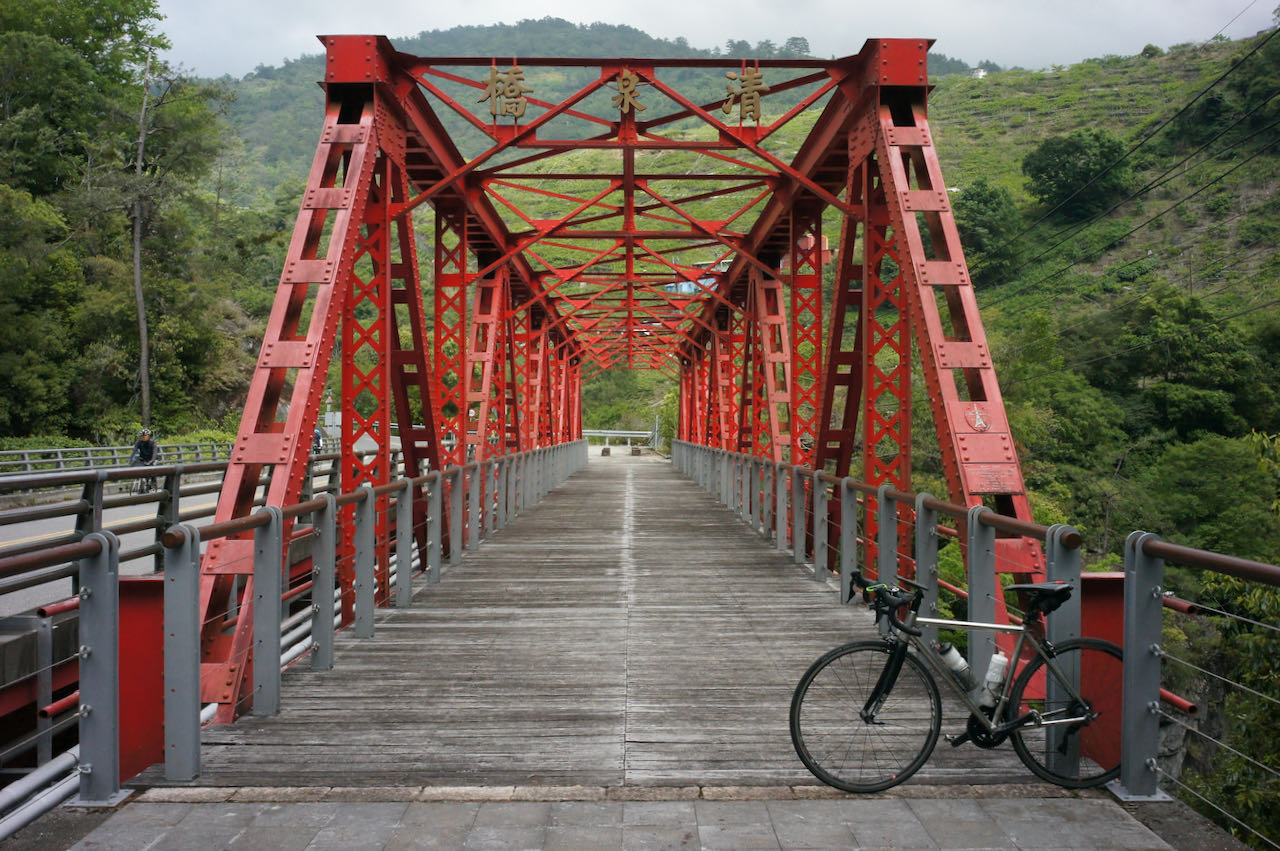
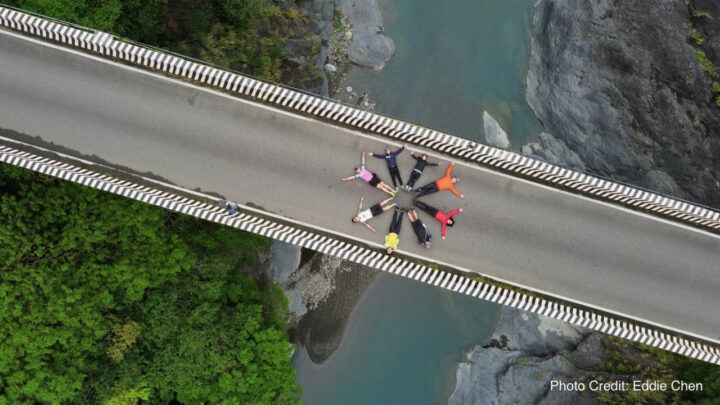
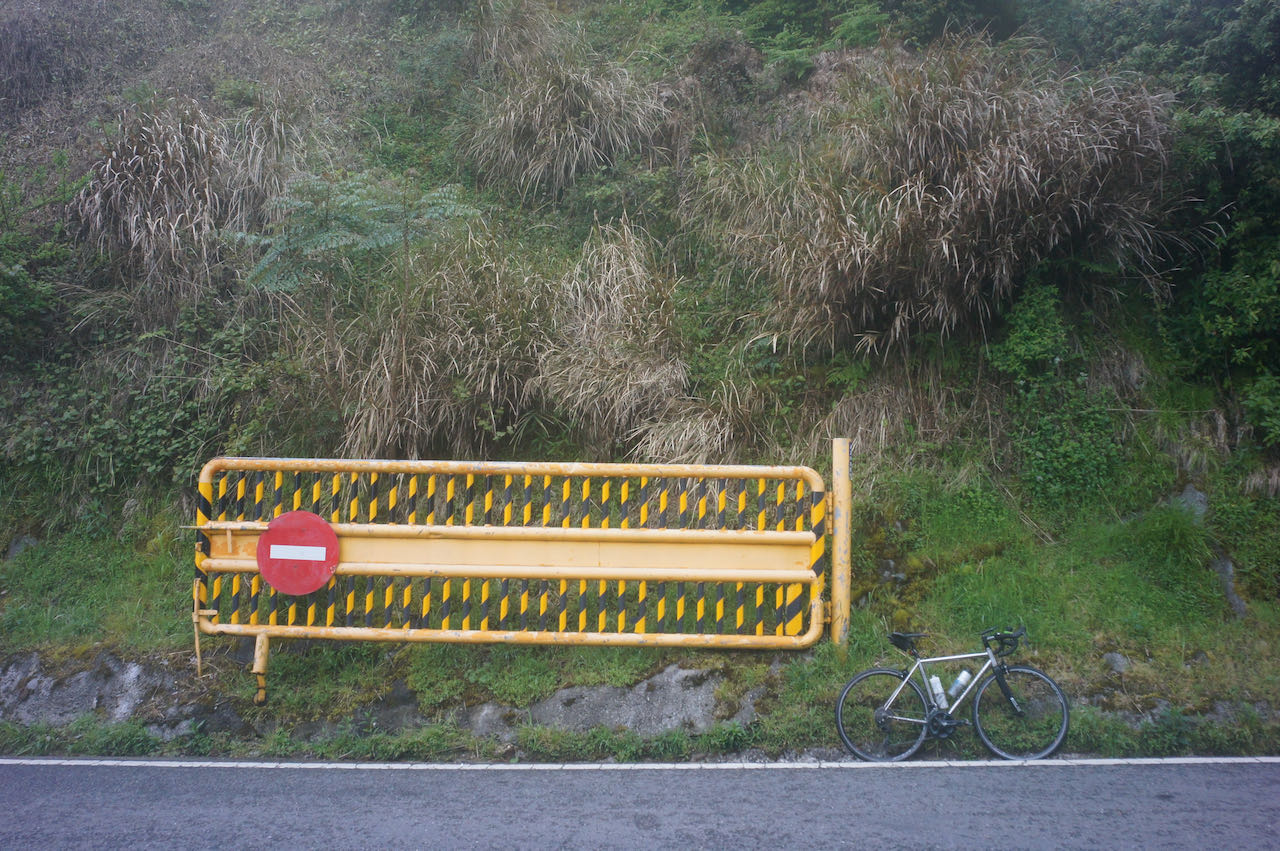
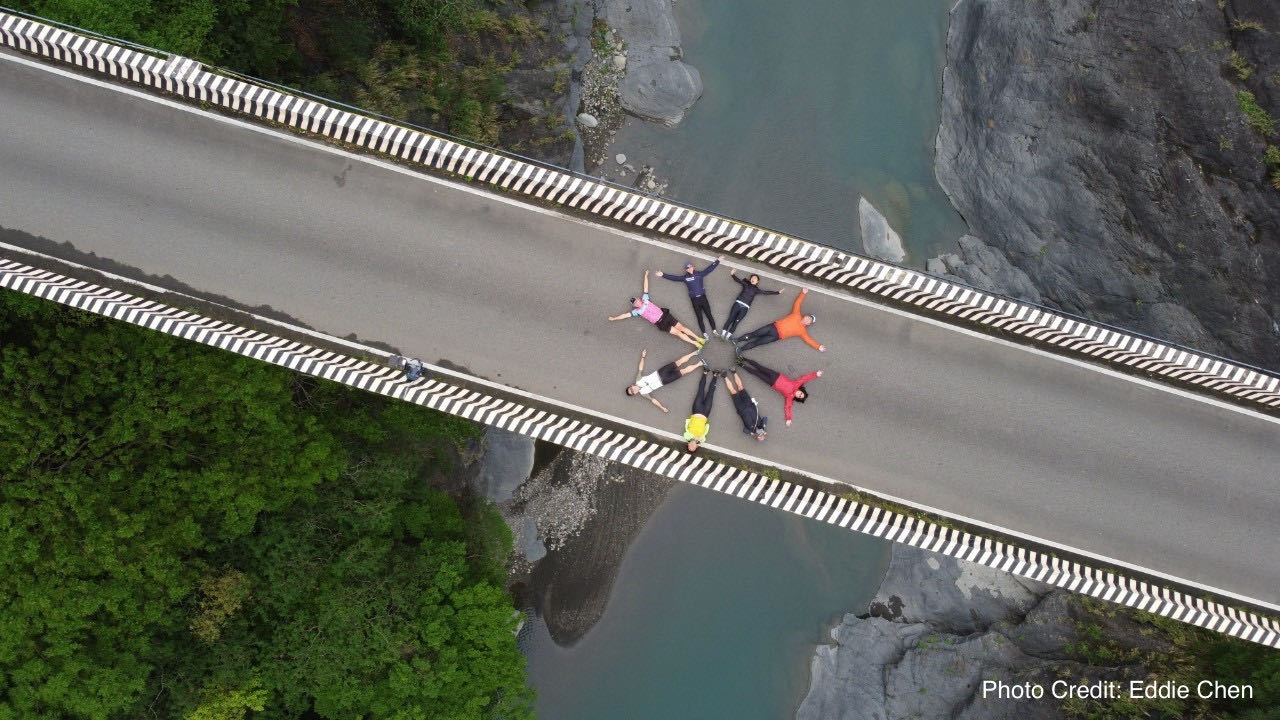
    これは主に私のお気に入りの北横公路を走るルートでした。省道7号線の巴陵を過ぎた49.7km地点には交通規制があり、通行可能な時間帯は 11:00 – 12:00 と 16:00 – 17:00 の2回のみです。サポートカーは、私たちが閉鎖前に到着できるように、規制地点の近くまで運んでくれました。Eddie はサポートカーをうまく活用し、静かな渓谷の橋まで私たちを連れて行き、そこでサイクリングを開始しました。シンガポールの熱心なサイクリストであり、人気のサイクリンググループ「Cycling SG to Malaysia」を創設した Richard が、Eddie に提案し、私たちは全員で輪になって横たわり、素晴らしい写真を撮影しました。

    天気は最高でした。みんな、美しい曲がりくねった道を楽しみながらサイクリングしていました。しかし、注意すべき危険もいくつかありました。落石が発生しやすい区間を示す標識を見かけ、実際に道路上にいくつかの石が落ちていました。Eddie は、「落石の音が聞こえたら、すぐに逃げるべきだ。それはより大きな岩が落ちてくる前兆かもしれない」と言いました。

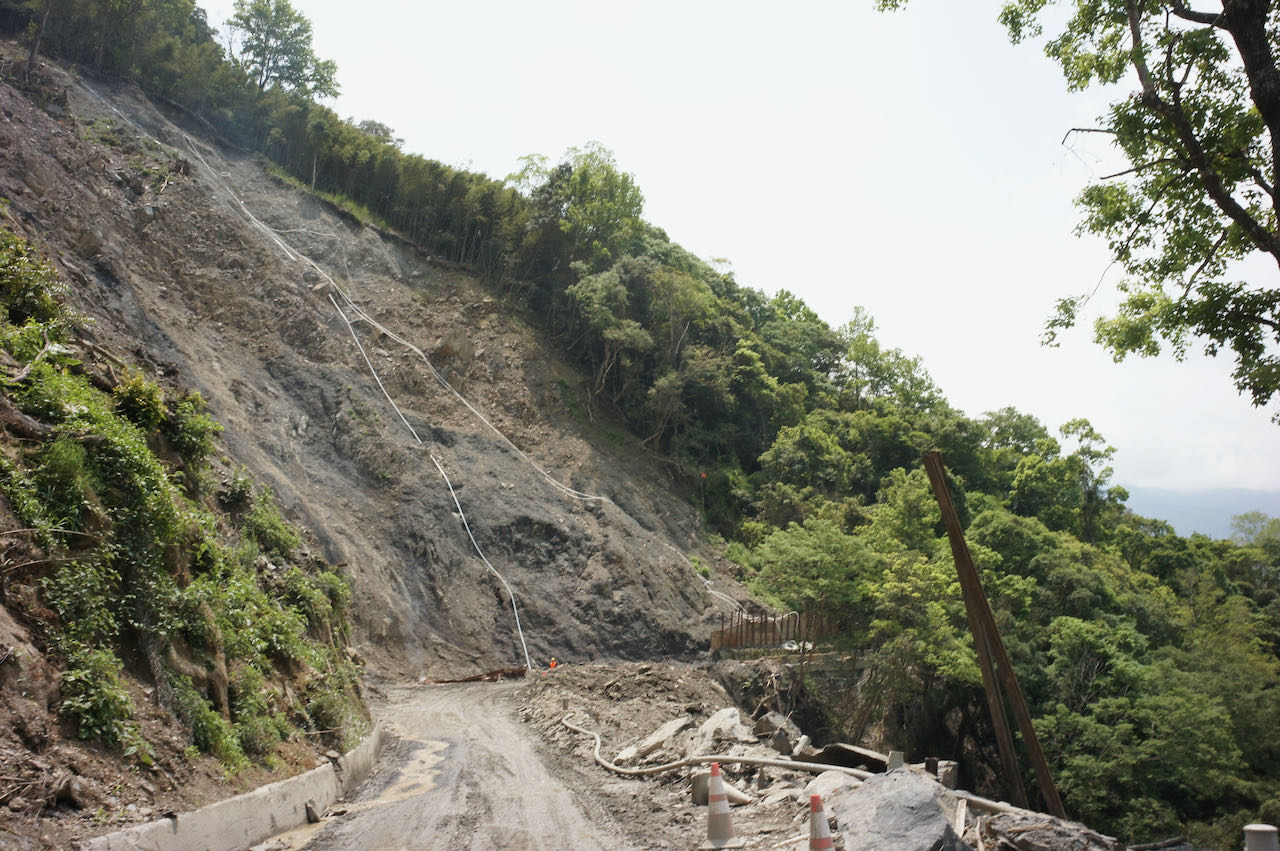
    交通規制のある地点を通過するとき、山岳地帯ではどれほど無力になり得るかを痛感しました。大規模な地滑りで広範囲の緑が剥がれ落ち、不安定な泥の斜面がむき出しになっていました。道路工事作業員が数か月にわたって復旧作業を続けていたにもかかわらず、道路はまだ原型を留めていませんでした。私は自転車を降りて、ぬかるんだ道を押して進みました。

    ペースを落とさずにカメラを構えて写真を撮ろうとした瞬間、作業員に大声で怒鳴られました。本来なら、何もせずにできるだけ素早く通過しなければならなかったのです。落石はいつでも起こり得る状況でした。怒られるのも当然でした。完全に私のミスでした。

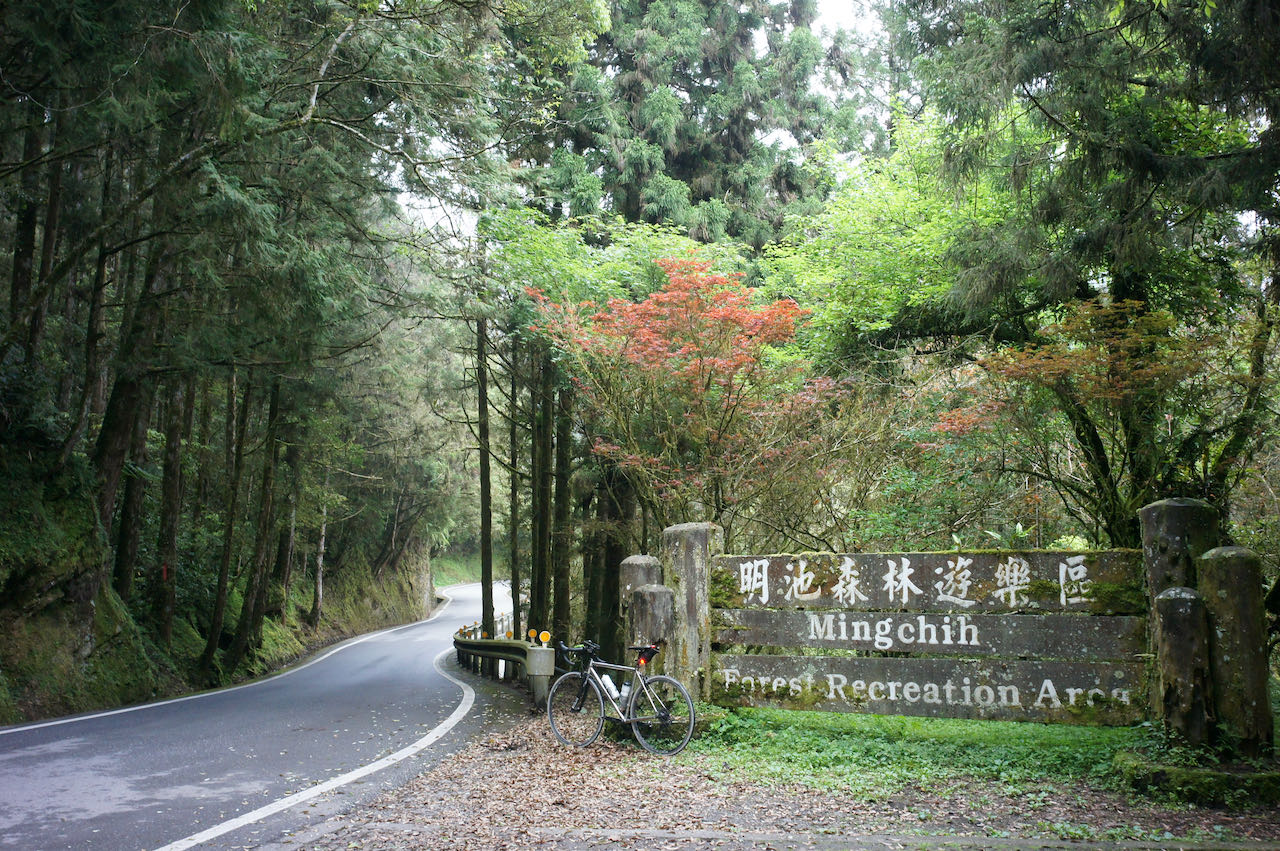
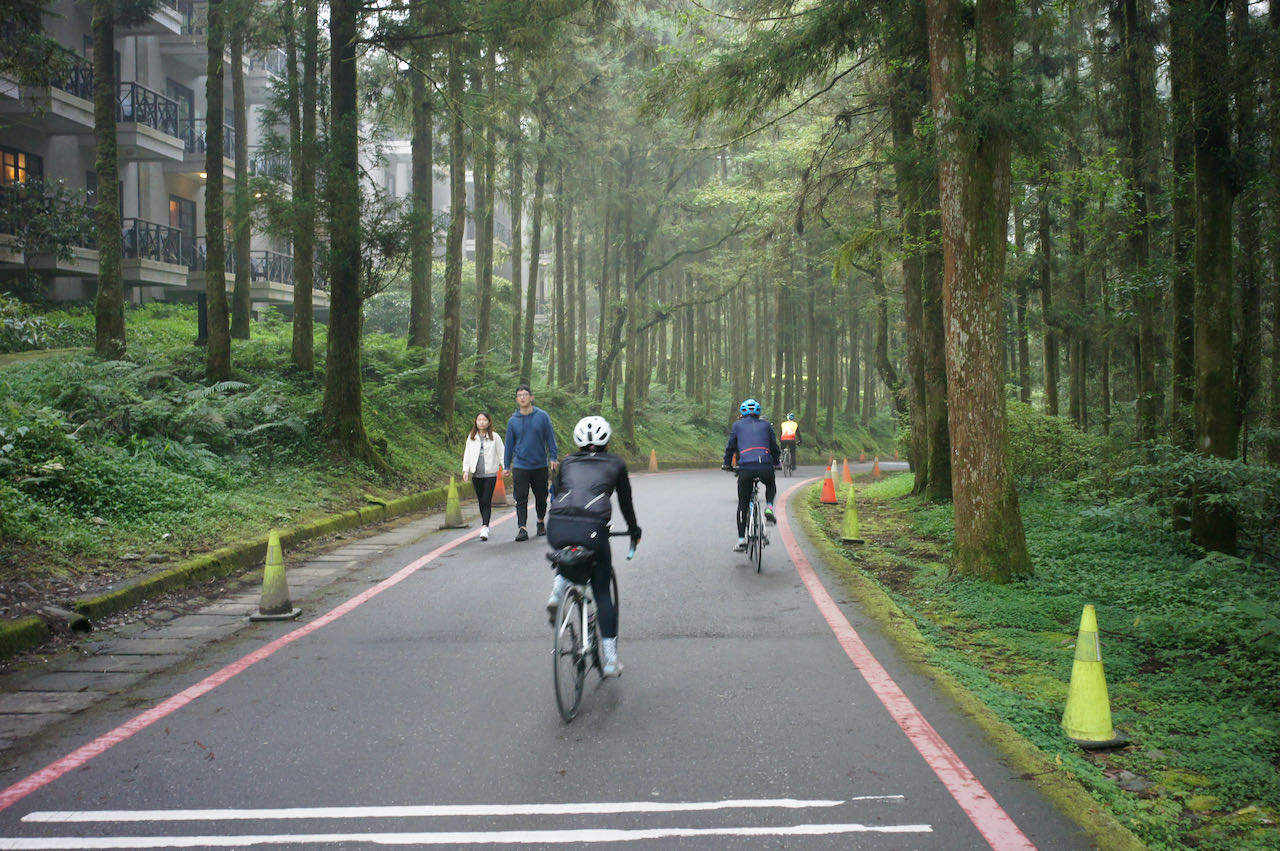
    北横公路の巴陵を過ぎて交通規制エリアを抜けると、走行はとても快適になりました。勾配は緩やかで、ほとんど車も通らず、静かな道でした。沿道には奇妙で興味深い植物が生い茂り、どこか神秘的な雰囲気が漂っていました。14:30頃、明池国家森林遊楽区に到着し、この日最後のピークを迎えました。北横公路は私たちを深く静かな森の中へと導いていました。ここのリゾートは、宿泊や長期の滞在に適した素晴らしい場所です。

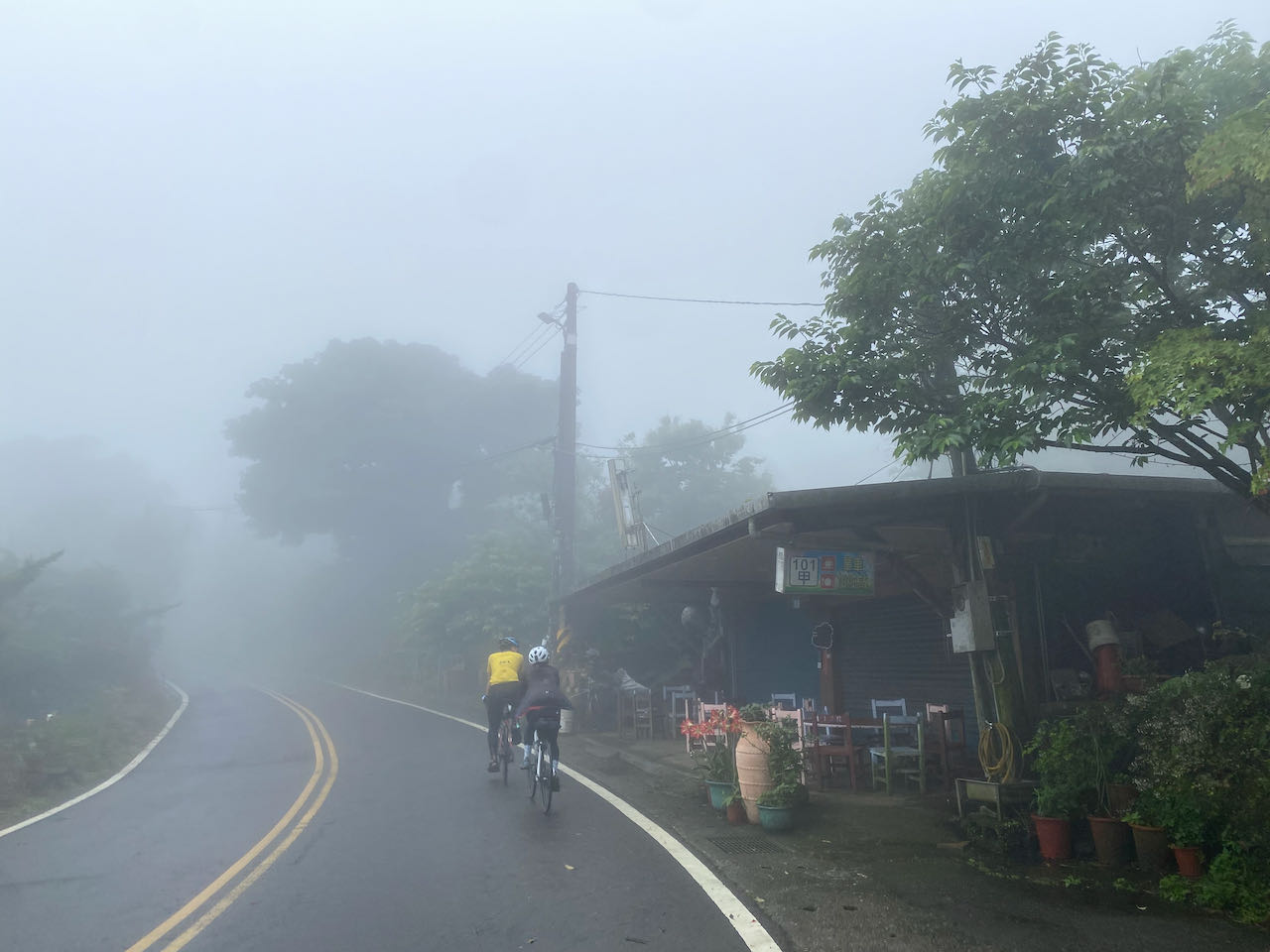
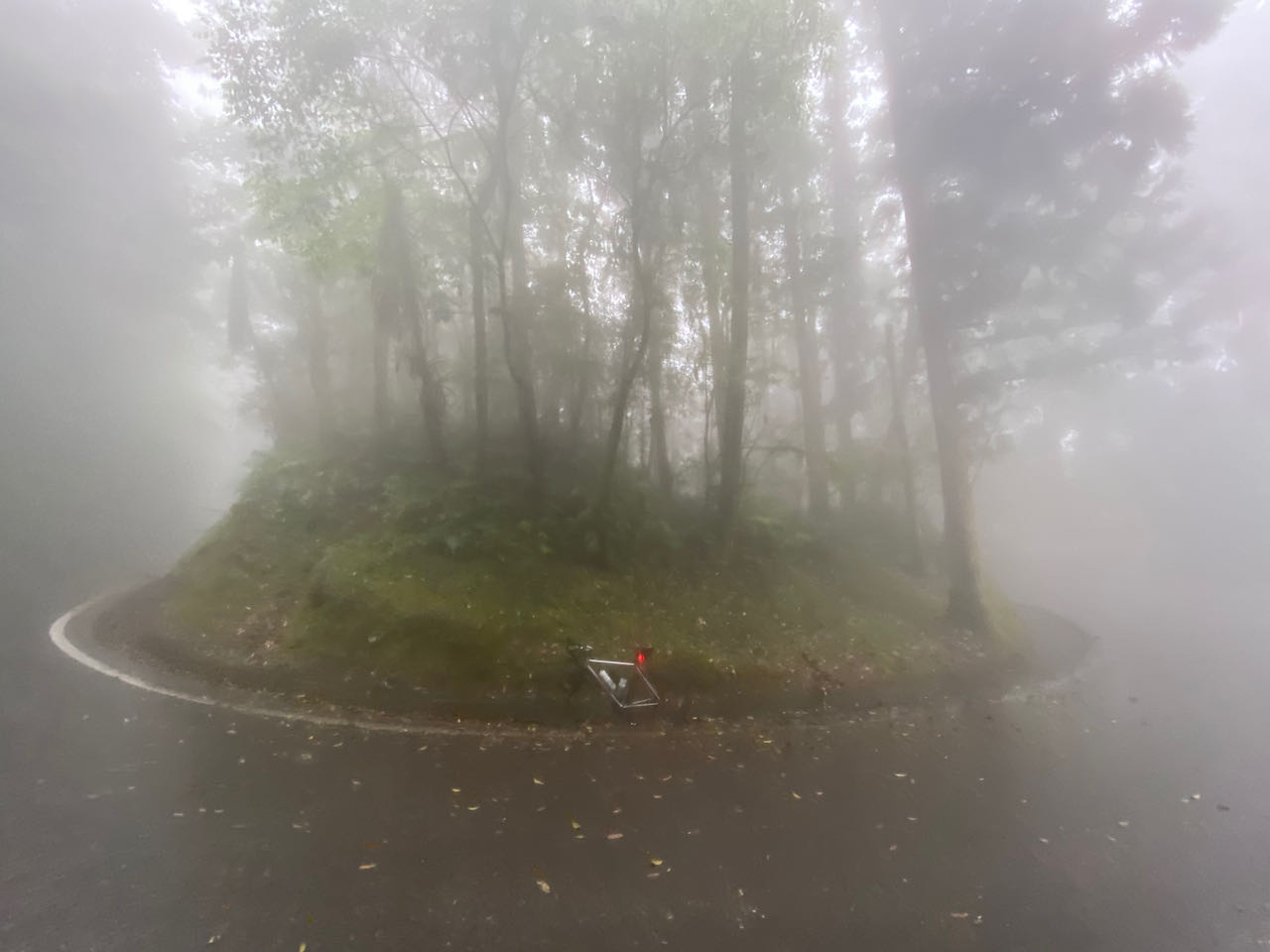
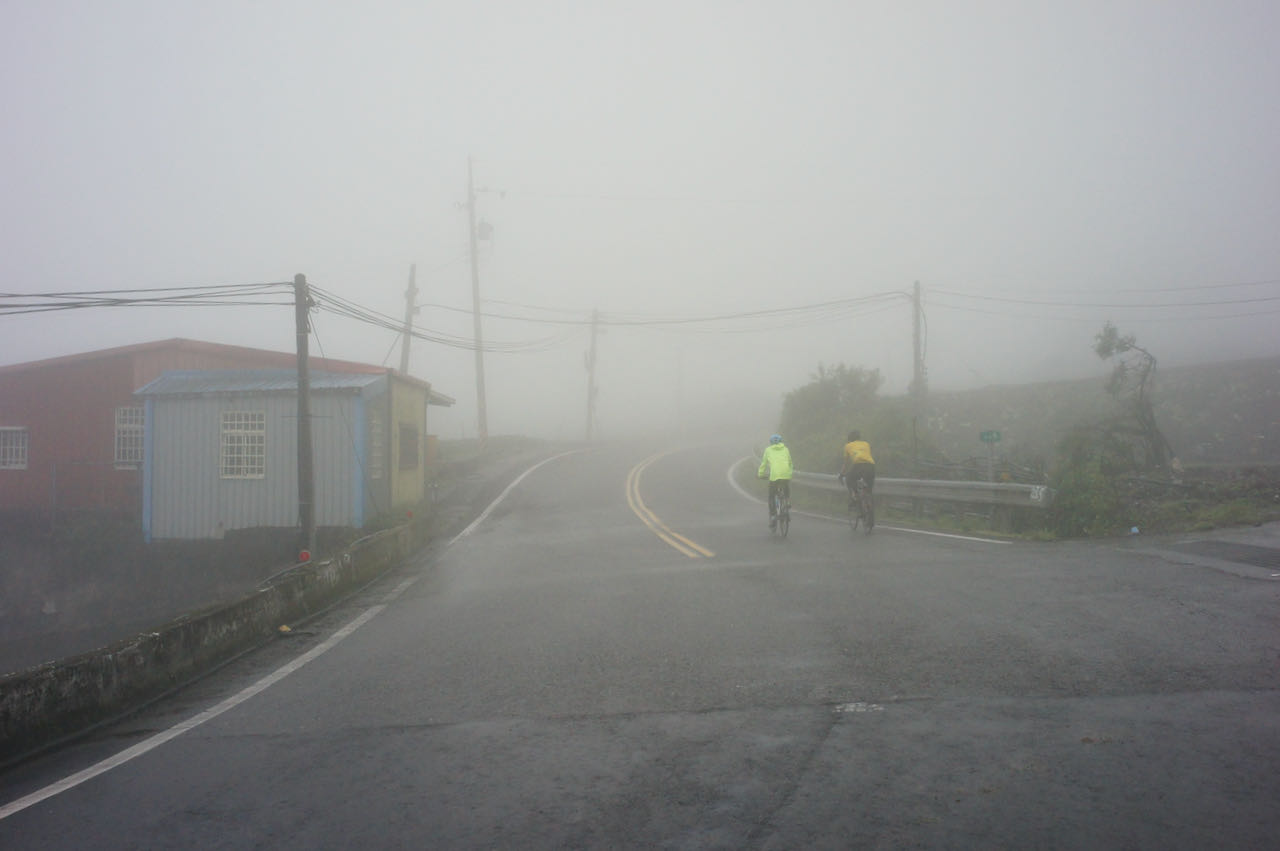
    山の東側へ下り始めると、霧が次第に濃くなってきました。太平洋からの湿気が季節風によって山肌を這い上がり、この標高の冷えた空気で凝縮して霧を作り出していたのです。ある時点では、目の前の道路脇に描かれた白線を頼りに進むしかありませんでした。チームの姿はすでに遠く、見えなくなっていました。タイヤは道路の水と泥を巻き上げ、ブレーキパッドとの摩擦が激しくなり、異音を立てるようになりました。ブレーキを少し緩めて泥を落とし、再びブレーキをかけるという動作を繰り返しましたが、しばらくするとまた不気味な音が大きくなってきました。予備のブレーキパッドを持っていたことを心底ありがたく思いました。

    途中、赤い旗がはためいているのが見え、近づくと道路補修作業をしているチームでした。彼らが何をしていたのかは分かりませんでしたが、こうした過酷な環境の中で働く姿に敬意を抱きました。今振り返ると、この体験全体がどこか現実離れしていて、とても美しく感じられます。

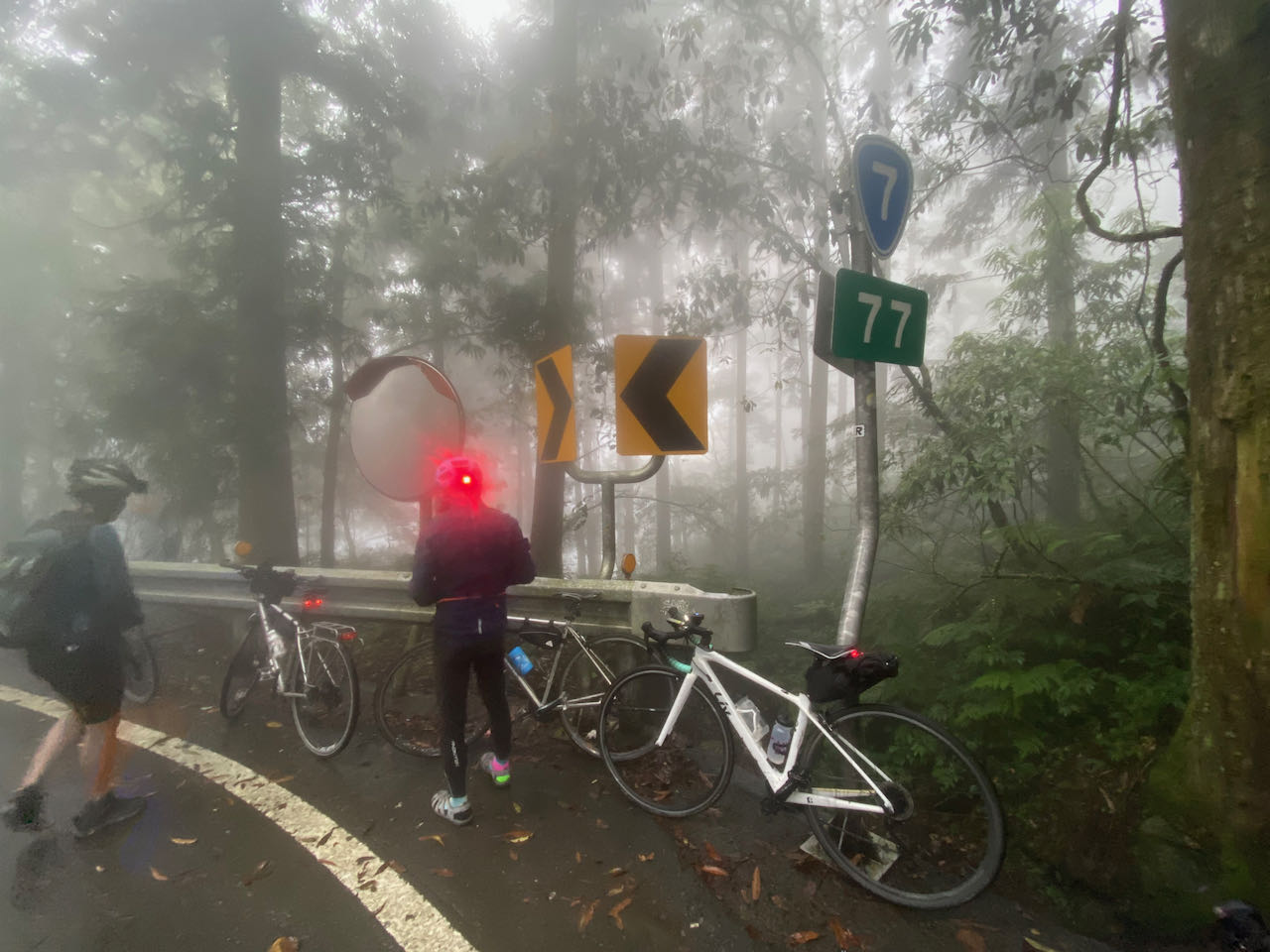
    私たちは省道7号線の77K地点で集合し、サポートカーに乗って宿泊先の農場兼B&Bへ向かいました。チームと合流し、車に乗り込んだ瞬間、それまでの不思議な旅から目覚めたような気分になりました。この先、百韜橋に向かう道には、さらに急勾配で湿った下り坂が続くと言われています。自力で下りたい人は、その点を念頭に置いておくべきでしょう。

    ルート

    ルートのご利用方法

    紹介したルートを使用するには、アプリのインストールが必要です。スマートフォンのブラウザで上記のリンクをタップすると、アプリが自動的に起動してルートを読み込みます。Garmin Connectの場合、アプリを使用してルートをGarminデバイスに登録できます。台湾で購入したGarminデバイスではない場合は、デバイスに台湾地図がインストールされていることも確認する必要があります。Garminデバイスのご利用方法を説明した当社のブログ投稿もこちらからご覧いただけます。

    第3日目:宜蘭・大同郷から梨山へ(距離 61km、獲得標高 2,085m)

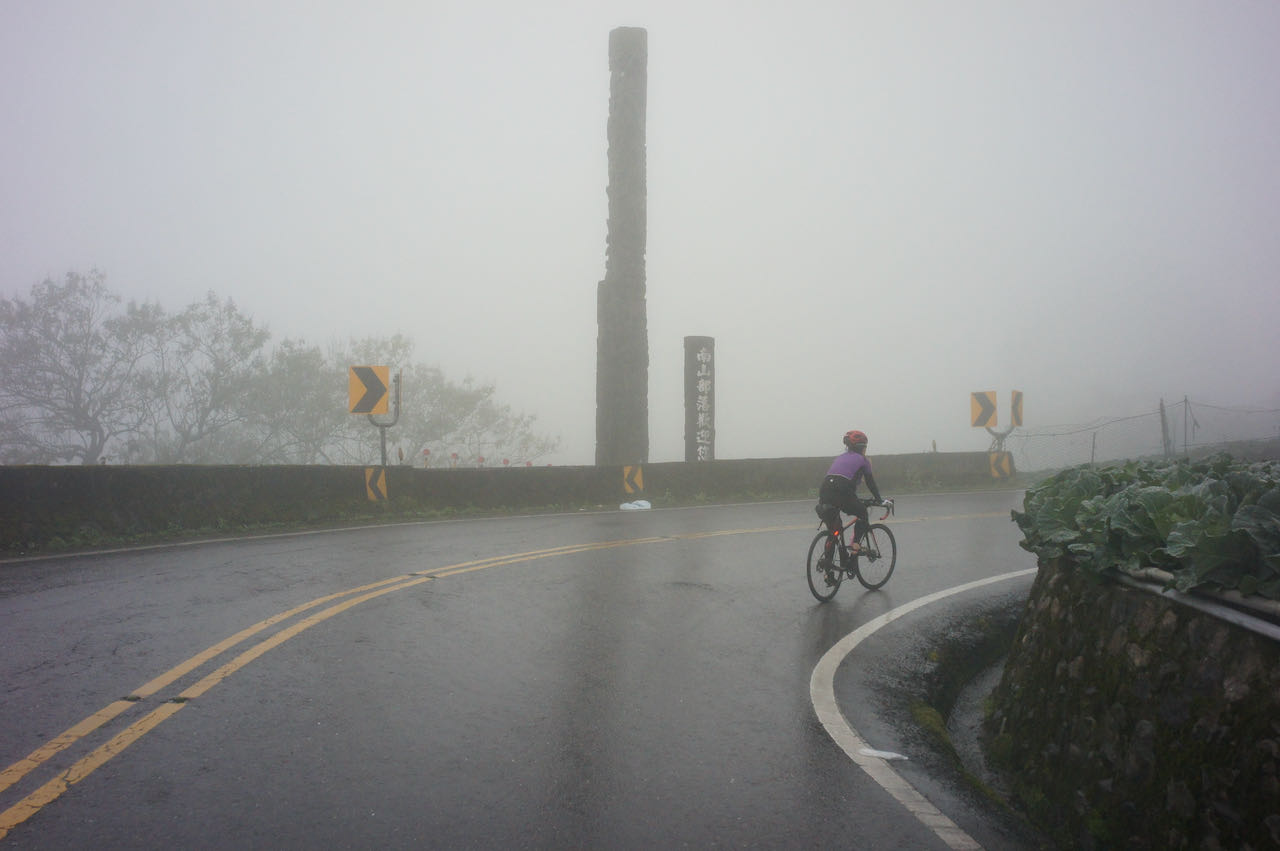
    それは、省道7甲(7A)をひたすら登り続ける長い安定したクライムだった。標高が上がるにつれて、再び幻想的な霧の世界に包まれた。今日は、精神的にリラックスして楽しむことができた。下りと違って、登りではそれほど集中力を要しないからだ。

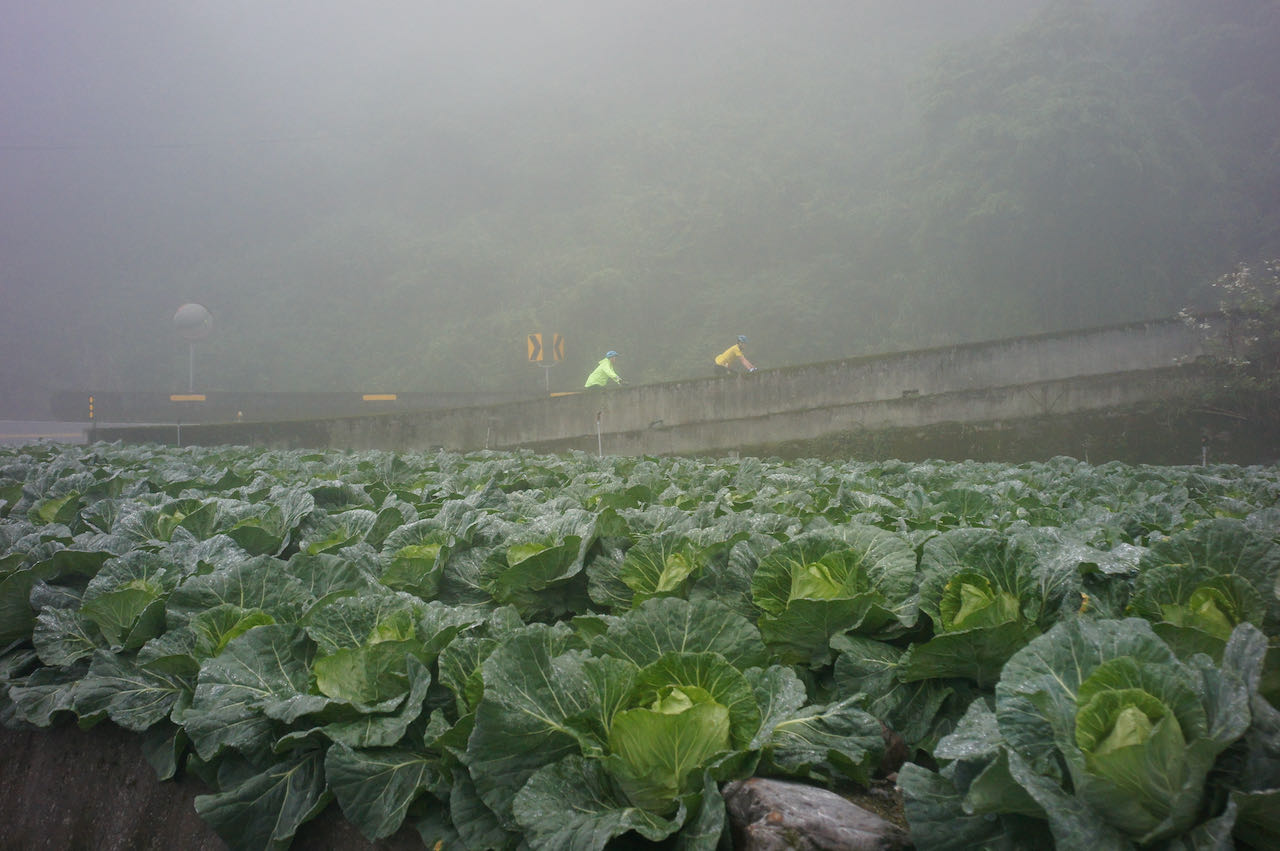
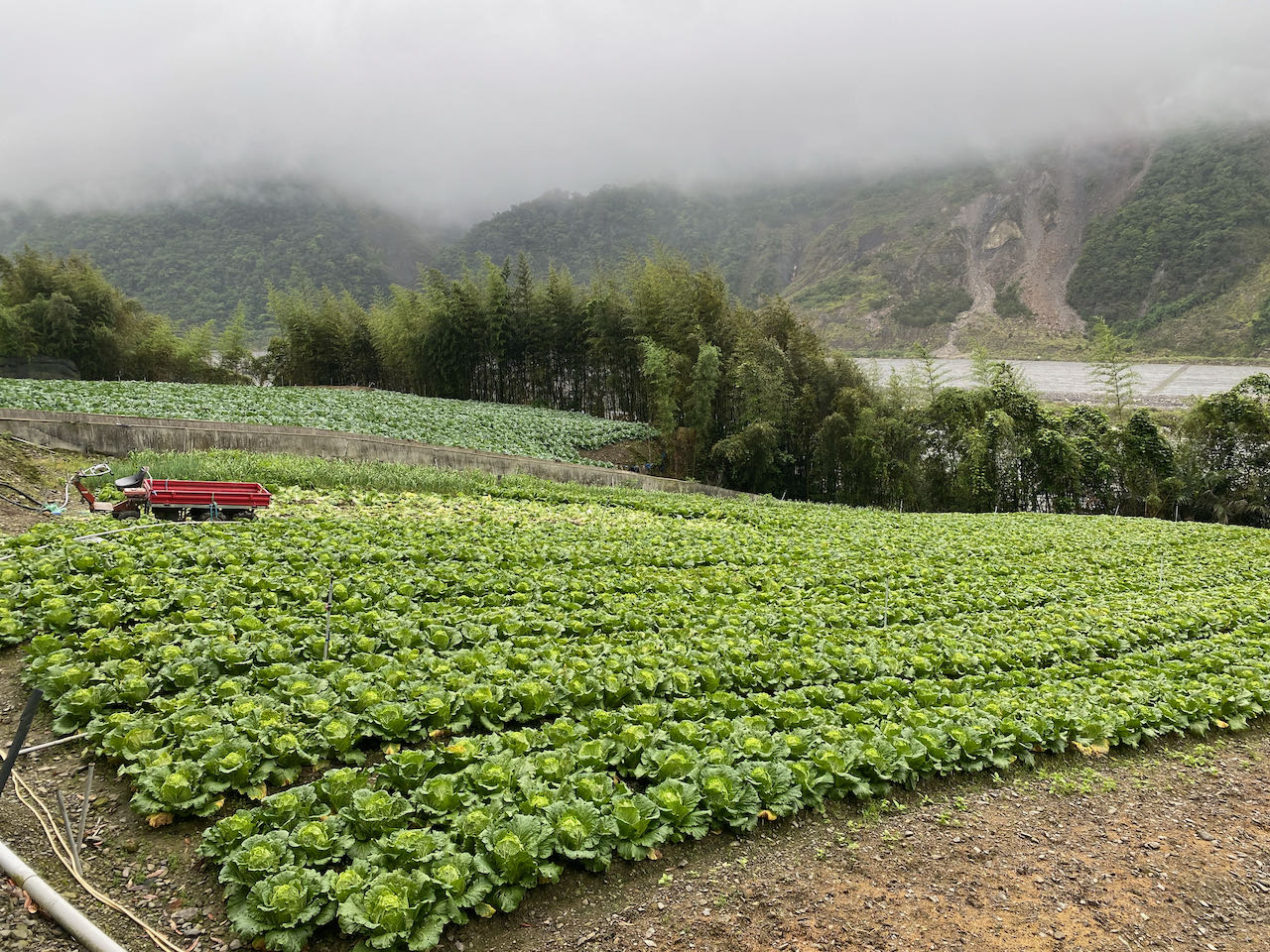
    道の両側にはキャベツ畑が広がっていた。これらの白い野菜は、台湾のレストランや食卓でよく見かける日常的な食材だ。メインロード沿いに点在するタイヤル族の集落の中でも、南山部落は最も重要な補給地点だった。ここには、2軒のコンビニとガソリンスタンドがある。Eddieとドライバーは、さらに登って思源埡口(以前は匹亞南鞍部として知られていた)に到達する前に、ここで昼食を調達してくれた。この峠は、中央山脈から雪山山脈へと移る地点に位置する。

    昼食のために思源埡口に停まると、一気に寒さを感じた。私は、フリースのセーター、軽量ダウンジャケット、ウインドブレーカーをすべて着込まなければならなかった。湿気と薄い空気が、メンバーの一人の体温を奪い、彼は軽いめまいを感じていた。

    しかし、山は不思議な力を見せた。思源埡口からわずか数分下ると、一転して青空の下、日差しを浴びることができた。気温は一気に10度以上上昇し、私たちは活気を取り戻した。そのままの勢いで梨山へと走り続け、ついに自力で到達することができた。

    ルート

    ルートのご利用方法

    紹介したルートを使用するには、アプリのインストールが必要です。スマートフォンのブラウザで上記のリンクをタップすると、アプリが自動的に起動してルートを読み込みます。Garmin Connectの場合、アプリを使用してルートをGarminデバイスに登録できます。台湾で購入したGarminデバイスではない場合は、デバイスに台湾地図がインストールされていることも確認する必要があります。Garminデバイスのご利用方法を説明した当社のブログ投稿もこちらからご覧いただけます。

    第4日目:梨山から武嶺峠、そして春陽温泉へ(距離 78.8km、獲得標高 1,655m)

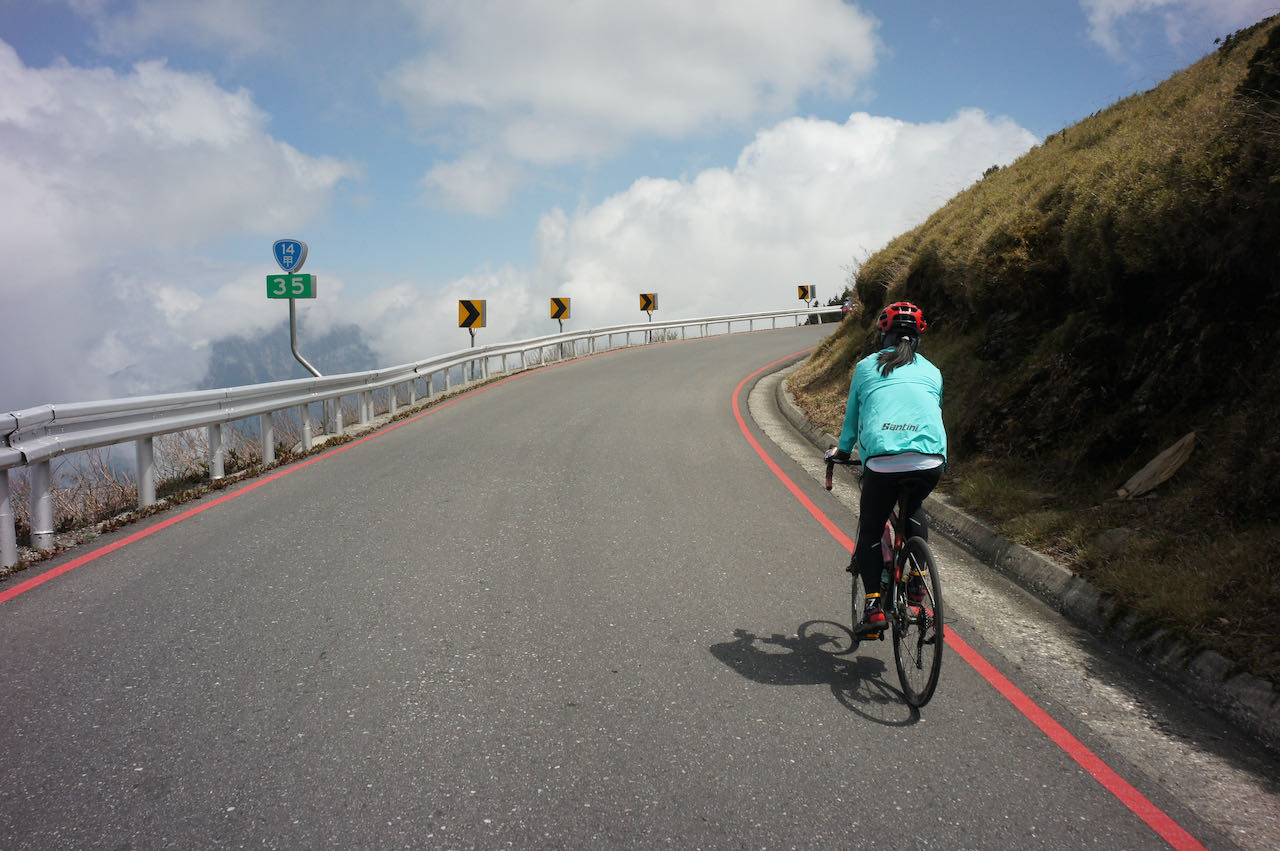
    今日は、標高3,275メートルに位置する台湾最高峰の舗装道路、武嶺峠に到達した。獲得標高は「たったの」1,655メートルで、私にとっては典型的な長距離クライムの1日だ。しかし、薄い空気と急勾配のため、極めて過酷な挑戦となった。

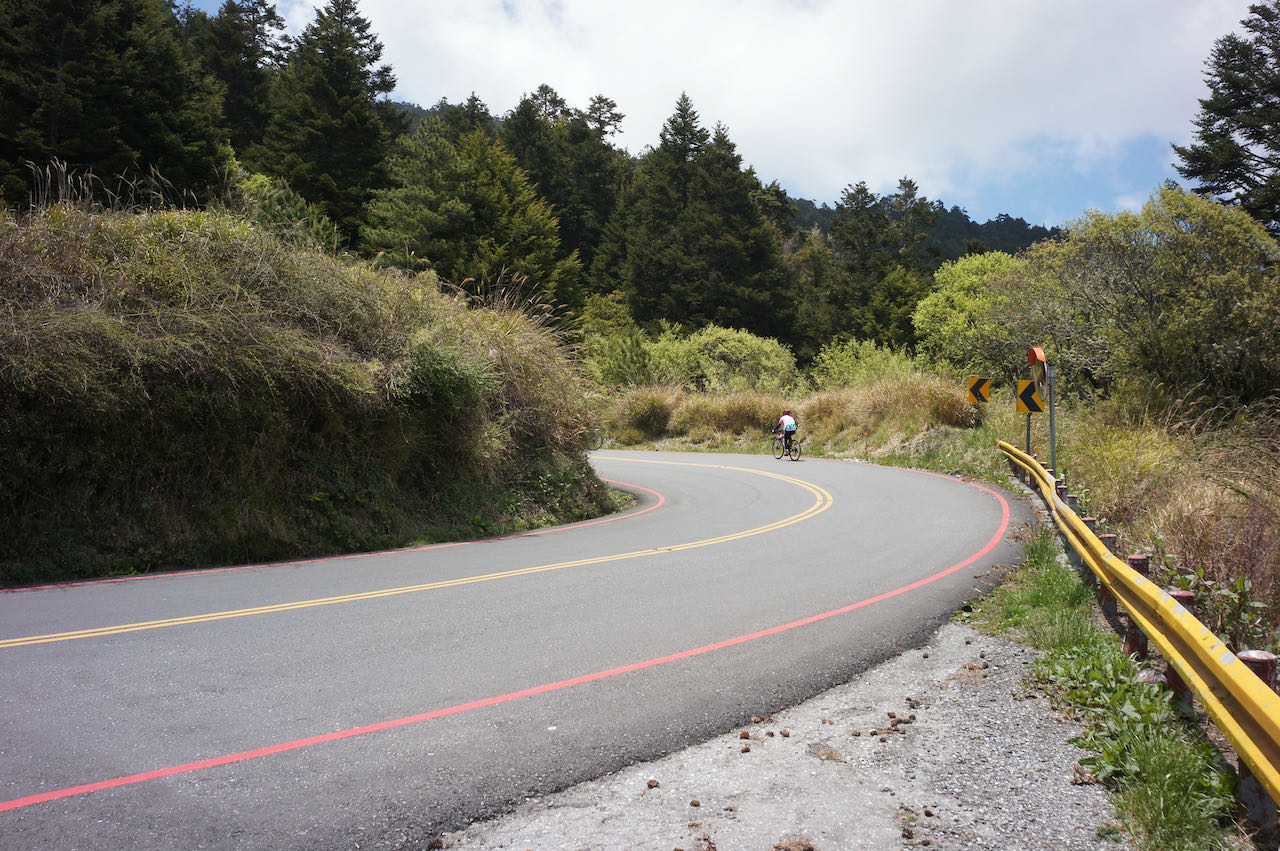
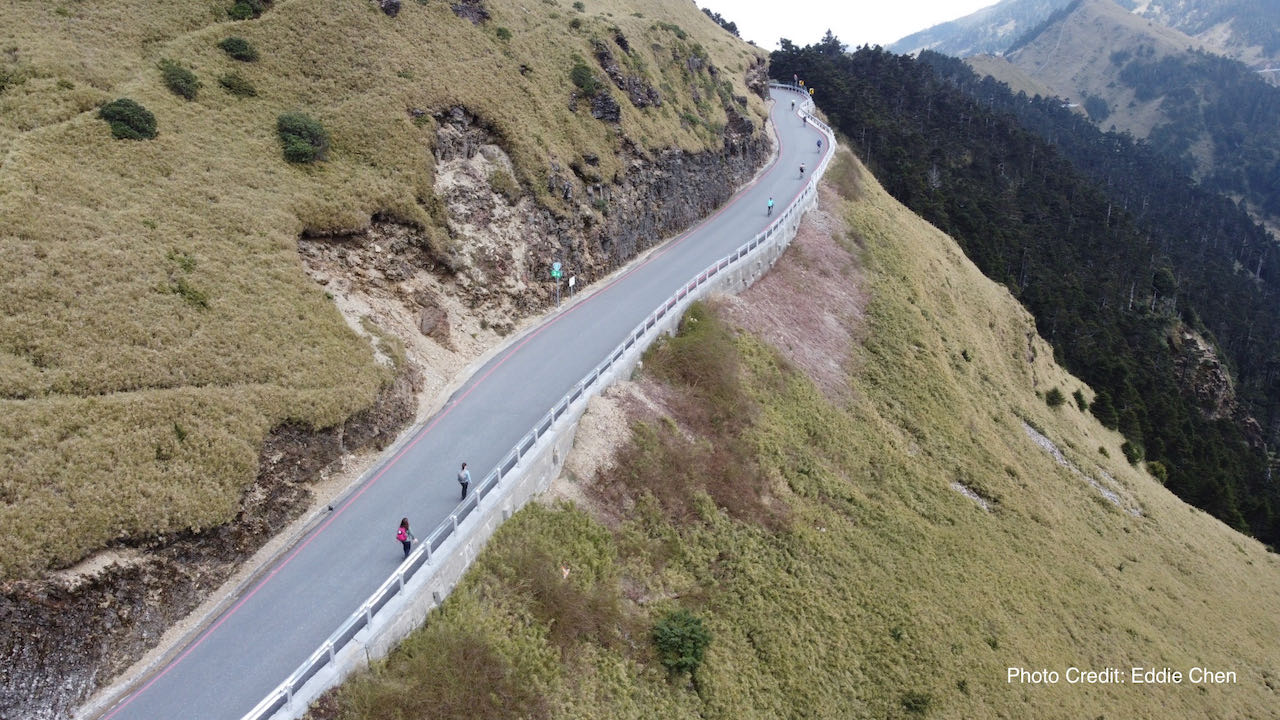
    梨山を出発し、そのまま登りを続けた。平均勾配は3.1%で、それほど厳しくはなかった。しかし、大禹嶺(標高2,565メートル)に到達すると、勾配が一気に8.3%に跳ね上がった。特に急カーブのヘアピン内では、数値以上の急勾配を体感し、体力を大きく奪われた。大禹嶺から合歓山サービスステーションまでの5km区間は、花蓮側から登る場合でも宜蘭側から登る場合でも、最も急な登坂だと言われている。

    カーブの手前で写真を撮るために停車したとき、頂上から下ってくるオートバイや車が、ブレーキを強くかけなければならないのを目にした。焦げたブレーキパッドの匂いが空気中に充満していた。もしスピードを落とせずに曲がりきれなかった場合に備えて、壁には古いタイヤがクッション材として設置されていた。

    もし無理をしすぎれば、高山病を引き起こすかもしれないという不安があった。数年前にネパールでトレッキングをした際に経験したことがあり、その症状をよく知っている。5年前、サイクリングを始めたばかりの頃、武嶺峠への登頂に失敗したことがあった。今回は2回目の挑戦であり、何としても成功させたかった。

    前夜に大きな缶ビールを飲んだことを後悔した。それが体調に影響しているかもしれないと思ったからだ。ゆっくりと進み、ときには自転車を押しながら登った。ペースが遅くても気にしなかった。むしろ、頻繁に立ち止まり、写真を撮った。なぜなら、カーブを曲がるたびに現れる壮大な景色を無視することはできなかったからだ。

    最後の登りに入る前に、山はわずかな休息を与えてくれた。1.2kmの区間で76メートルの下りがあり、その後、11%以上の勾配で最後の162メートルを登ることになった。

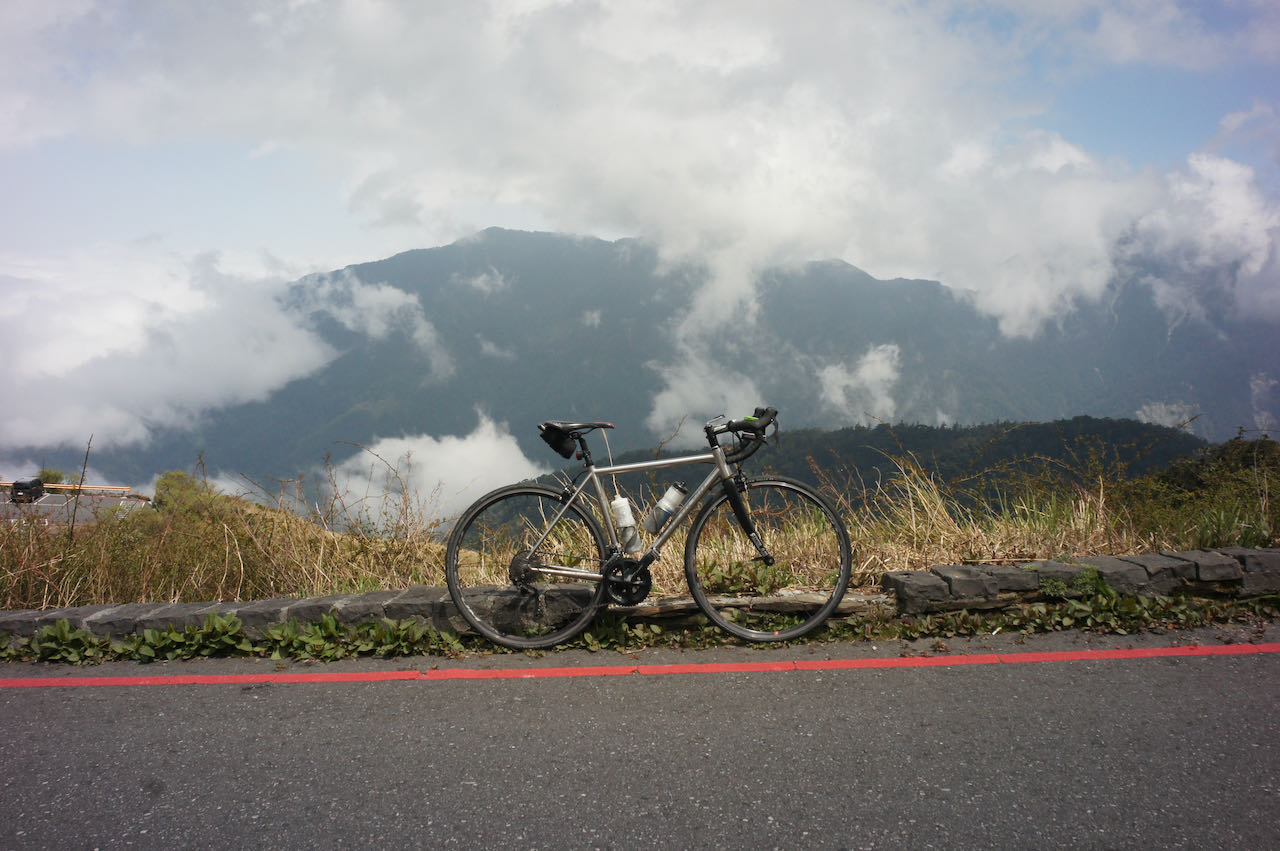
    幸運なことに、天候は素晴らしかった。私は忍耐強く坂を登り続け、ついに頂上に到達した。そこからの景色は壮観だった。しばらくその場にとどまり、達成感に浸りながら周囲の山々を眺めた。一方で、チームの仲間たちはすでに車に乗り込み、ホテルへ向かう準備ができていた。私は確信している。きっとまたこの峠に挑戦するだろう。

    ルート

    ルートのご利用方法

    紹介したルートを使用するには、アプリのインストールが必要です。スマートフォンのブラウザで上記のリンクをタップすると、アプリが自動的に起動してルートを読み込みます。Garmin Connectの場合、アプリを使用してルートをGarminデバイスに登録できます。台湾で購入したGarminデバイスではない場合は、デバイスに台湾地図がインストールされていることも確認する必要があります。Garminデバイスのご利用方法を説明した当社のブログ投稿もこちらからご覧いただけます。

    第5日目:春陽温泉から埔里へ(距離 55km、獲得標高 855m)

    この旅の最終日だった。武嶺を登った後、大半の人は省道14甲(14A)を使って直接埔里へ下る。しかし、Eddie は私たちを武界へ案内してくれた。そこは、先住民族の布農族の人々が暮らす地域だ。このルートは登りが多かったが、交通量が少なく、より快適に走ることができた。昼食は、布農族出身のシェフが用意してくれた美味しい料理だった。武界から埔里への最後の下りは油断できなかった。長く急な下り坂が続き、道路には金属製の排水グレーチングが敷かれている箇所がいくつもあった。路面が濡れていると滑りやすくなるため、細心の注意を払う必要があった。

    これで、私の5日間の旅は終わった。最後の3日間は天気に恵まれたおかげで、ブレーキパッドは何とか持ちこたえた。実際には、まだ少し余裕があった。

    ルート

    ルートのご利用方法

    紹介したルートを使用するには、アプリのインストールが必要です。スマートフォンのブラウザで上記のリンクをタップすると、アプリが自動的に起動してルートを読み込みます。Garmin Connectの場合、アプリを使用してルートをGarminデバイスに登録できます。台湾で購入したGarminデバイスではない場合は、デバイスに台湾地図がインストールされていることも確認する必要があります。Garminデバイスのご利用方法を説明した当社のブログ投稿もこちらからご覧いただけます。

    旅の締めくくり 

    Eddie とチームメンバーと共にサイクリングした時間は素晴らしいものだった。彼らは皆、並外れた忍耐力を持つサイクリストだ。山岳地帯にはさまざまな制約があるものの、Eddie は、1日のライドの後に清潔で快適な宿泊先を手配してくれた。食事も多彩で十分に満たされた。サポートカーは絶妙なタイミングで現れ、補給や個人の荷物へのアクセスを可能にしてくれた。私は計画されたルートのすべてを自転車で走りきることはできなかったが、Eddie のツアーのおかげで、高地を含む山岳地帯でのサイクリングの雰囲気を味わうことができた。

    Eddie は何年にもわたって山岳地帯を走り続けており、そこに住む先住民族とも親交がある。毎年クリスマスには、バリン(Baling)でのライドを企画し、タイヤル族(Atayal)の人々と交流している。しかし、今回の旅では、先住民族との触れ合いの機会はほとんどなかった。Eddie によると、その理由はサポートカーの存在にあるという。サポートカーが同行していると、周囲の人々は「私たちは十分に世話を受けている」と認識し、特に関わる必要がないと判断するのだ。しかし、Eddie が単独で自転車旅行をしていると、人々との間の垣根はなくなり、温かいもてなしを受けることが多いという。彼は、見ず知らずの人々から家庭料理をごちそうになったり、親切に接してもらったりすることがよくあるそうだ。

    私は自由な旅を好むタイプであり、本来なら自分で計画したルートを自転車で巡るのが理想だ。自分の荷物を背負い、山岳地帯を気ままに走るのが最も楽しい。しかし、幼い子どもが2人おり、会社を経営している今の生活では、それは難しい。

    経験豊富なサイクリストであれば、このような旅を自力で 行うことも可能だ。ただし、ルートを入念に計画し、補給ポイントや宿泊施設を事前に把握しておくことが不可欠である。天候や道路の封鎖情報にも十分注意する必要がある。また、一部のエリアでは携帯電話の電波が届かないこともあるため、その点も考慮すべきだ。

    私たちのお客様の中にも、事前にしっかりとリサーチを行い、自分で山岳ルートを設定して走る人がいる。彼らが私に求めるのは、最新の道路状況に関する簡単なコメントと、自転車や必要なアクセサリーの手配だけだ。

    もし自分で旅を計画したいなら、以下の情報源が役立つだろう。

  • Cycling Route: Taiping 36 Bends – Climb Training

    Cycling Route: Taiping 36 Bends – Climb Training

    このブログ記事は英語のみで提供されています。ご迷惑をおかけして申し訳ありません。しかし、このブログ記事の最後にあるGPXルートをぜひご利用ください。

    Taiping 36 Bends, or Meishan 36 Bends 梅山36彎 as known in Chinese, is a 15km route with 800m elevation gain in Meishan, Chiayi. It’s famous among local cyclists for its 36 hairpin turns and beautiful scenery along the way. It’s also the course of a popular cycling challenge. Even if you are not participating in the challenge, anytime when you have completed the course, you can get a certificate from the local government office by paying a nominal admin fee of NT$100. 

    I hadn’t had a chance to ride this route because it is more than 250 km away from Taipei, where I live. Invited by my cycling fellows, I finally decided to do it on a Saturday in January by joining a cycling group in Taiwan.

    In the small hours of that Saturday, we boarded a coach bound for the starting point with our bikes. We were going to spend the morning cycling and then hop on the same coach to get back to Taipei later in the day.

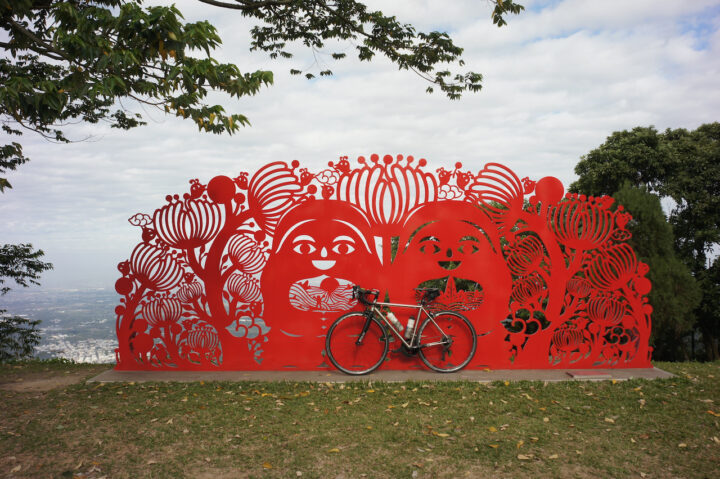
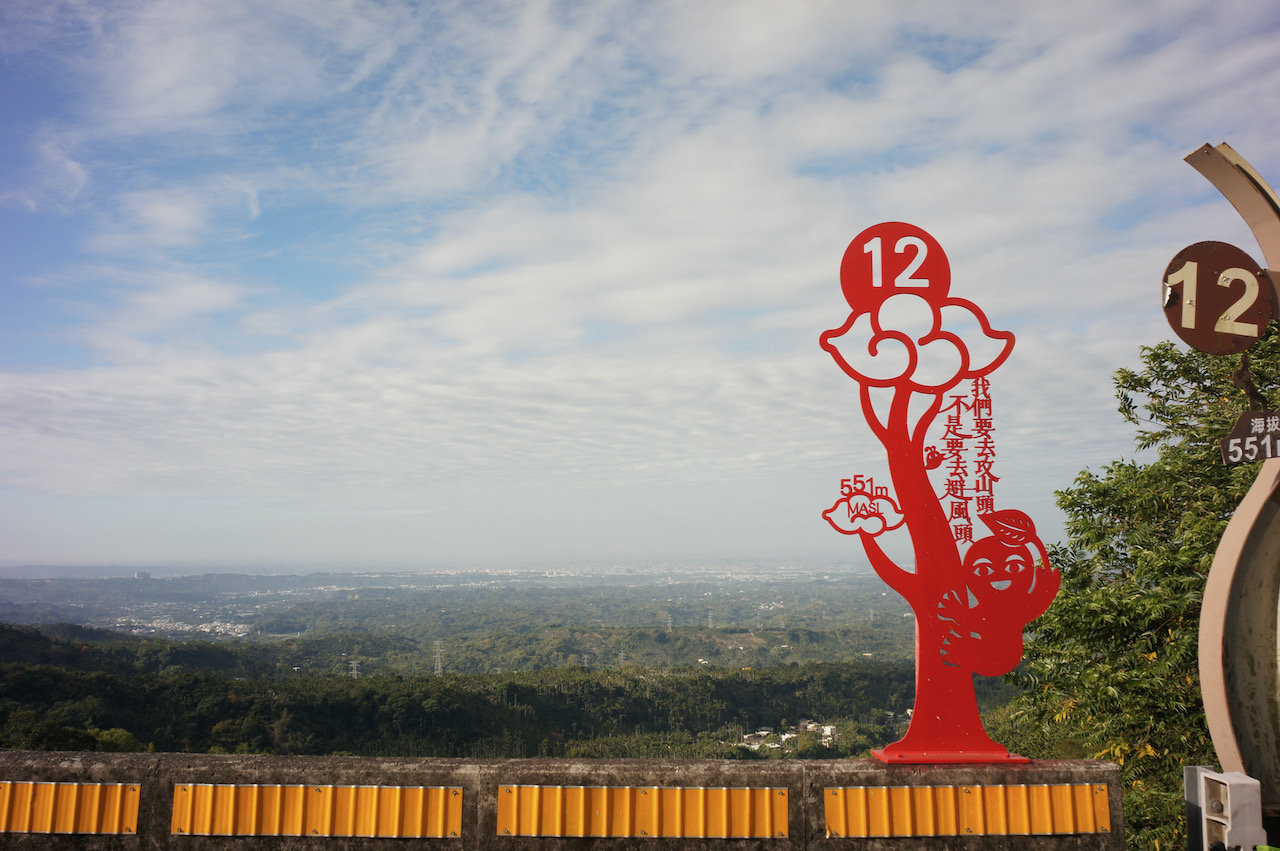
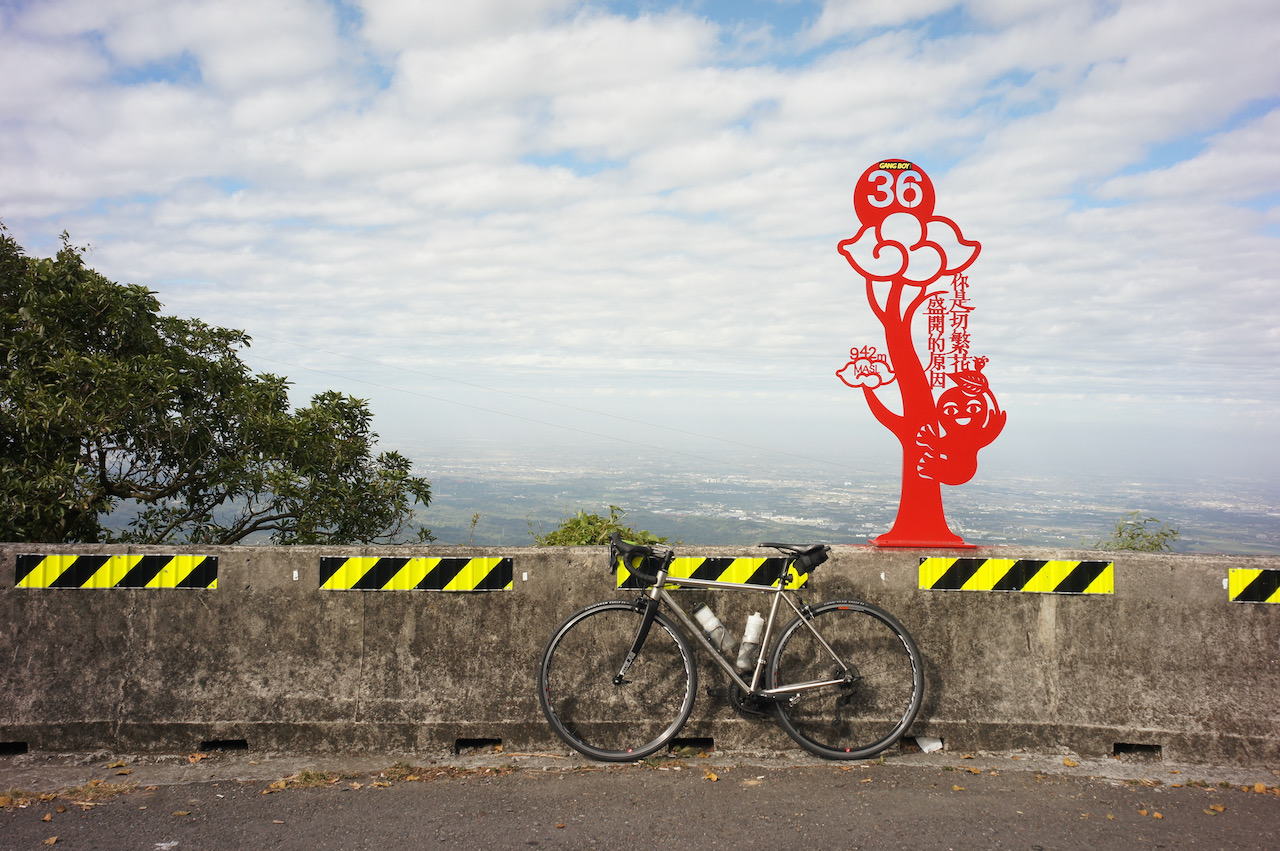
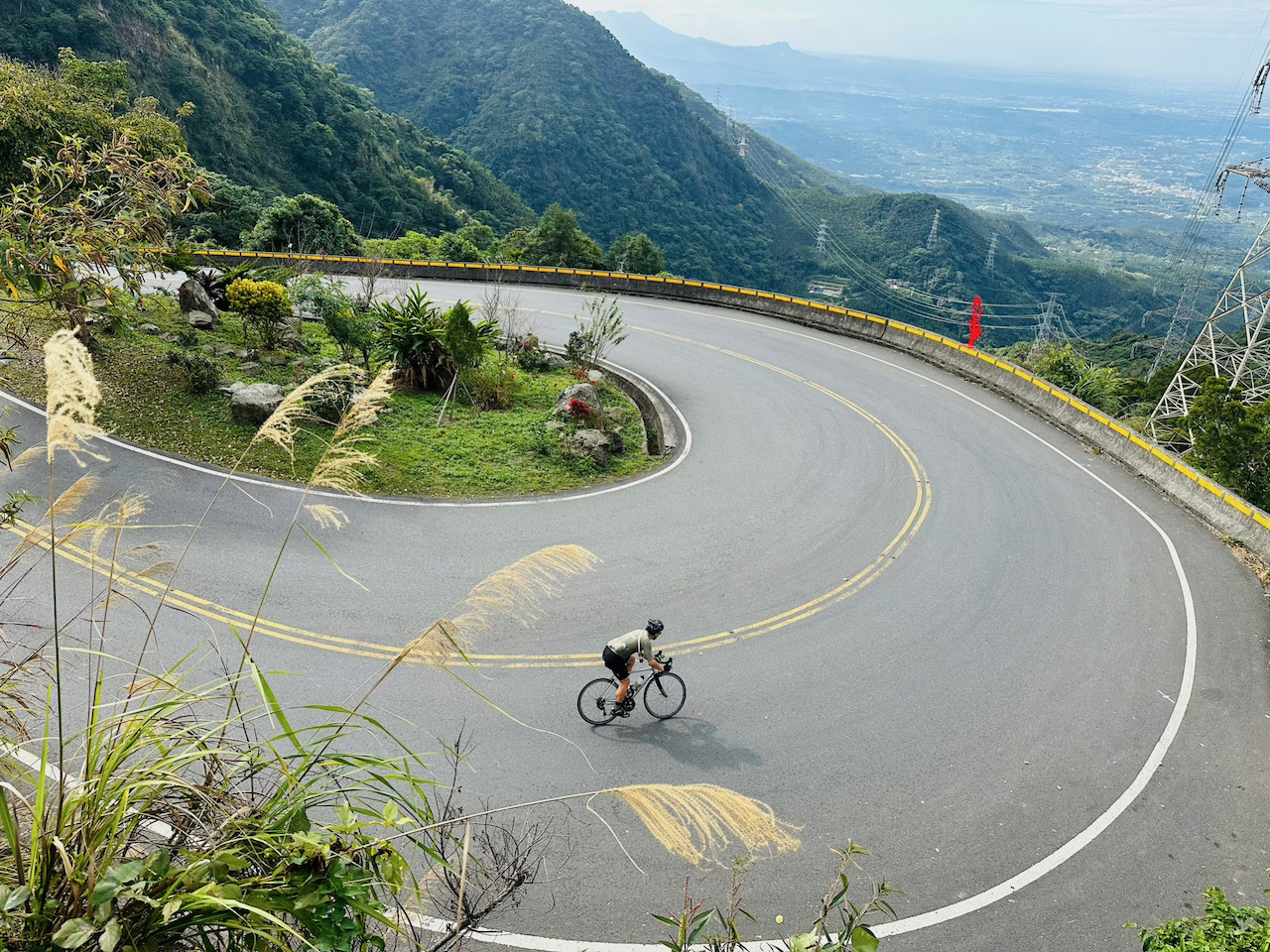
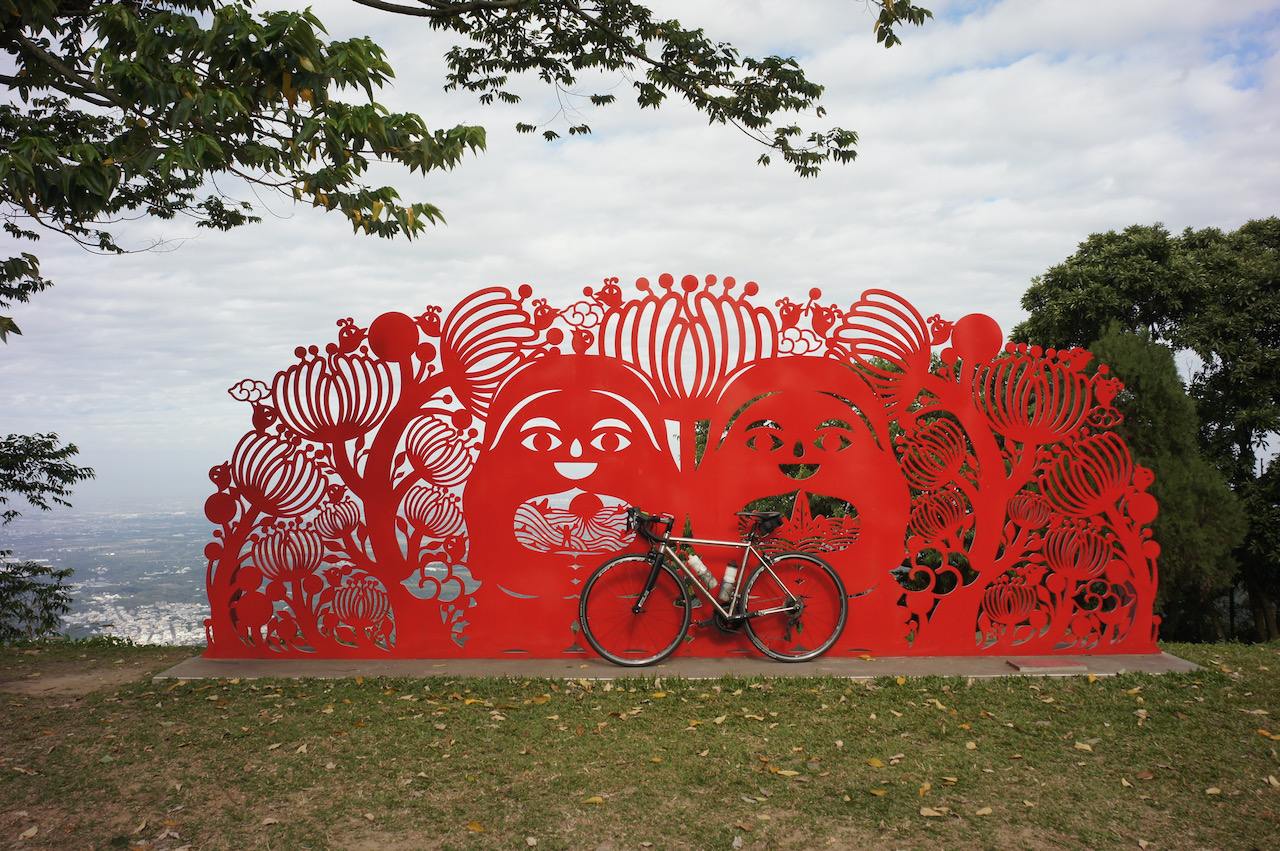
    We arrived at Meishan Park, the starting point, around 8:00 a.m. and started our ride right away. The climb began immediately. I wasn’t quite ready for it after a sleepless night. But then there was the sign of the first bend which is stylised as Traditional Chinese paper cutting in bright red. It was encouraging to me. Some of our group members decided to take pictures with all the 36 signs. 

    As we slowly passed more bends and gained our elevation, we got better and better views of the Chiayi-Tainan Plain 嘉南平原. After spending 2 hours climbing and finishing all the 36 bends, we reached Taiping Old Street. Actually there is much much more to climb if you want to. You can reach Alishan National Forest Recreation Area ultimately at 2,200m of elevation. I would like to do a multi-day cycling trip with that as the destination.

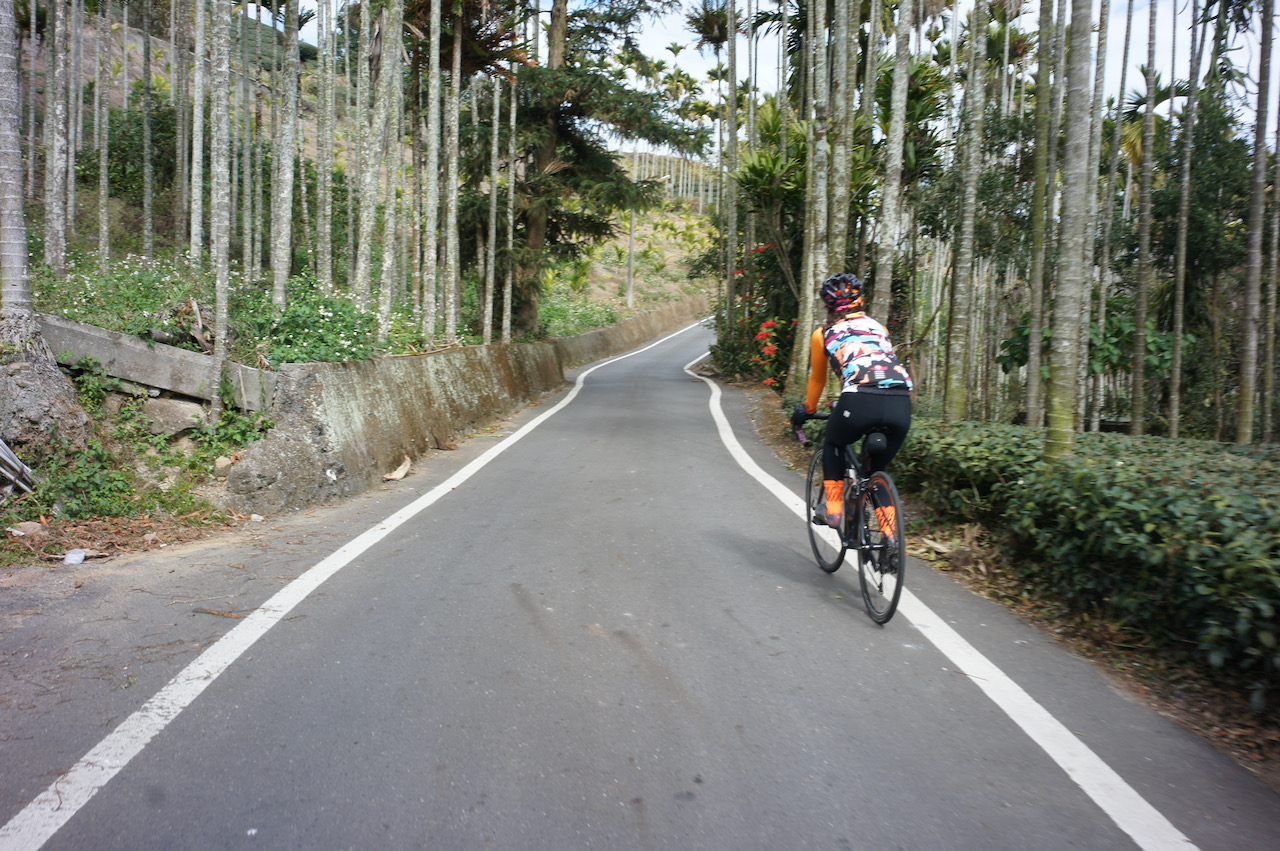
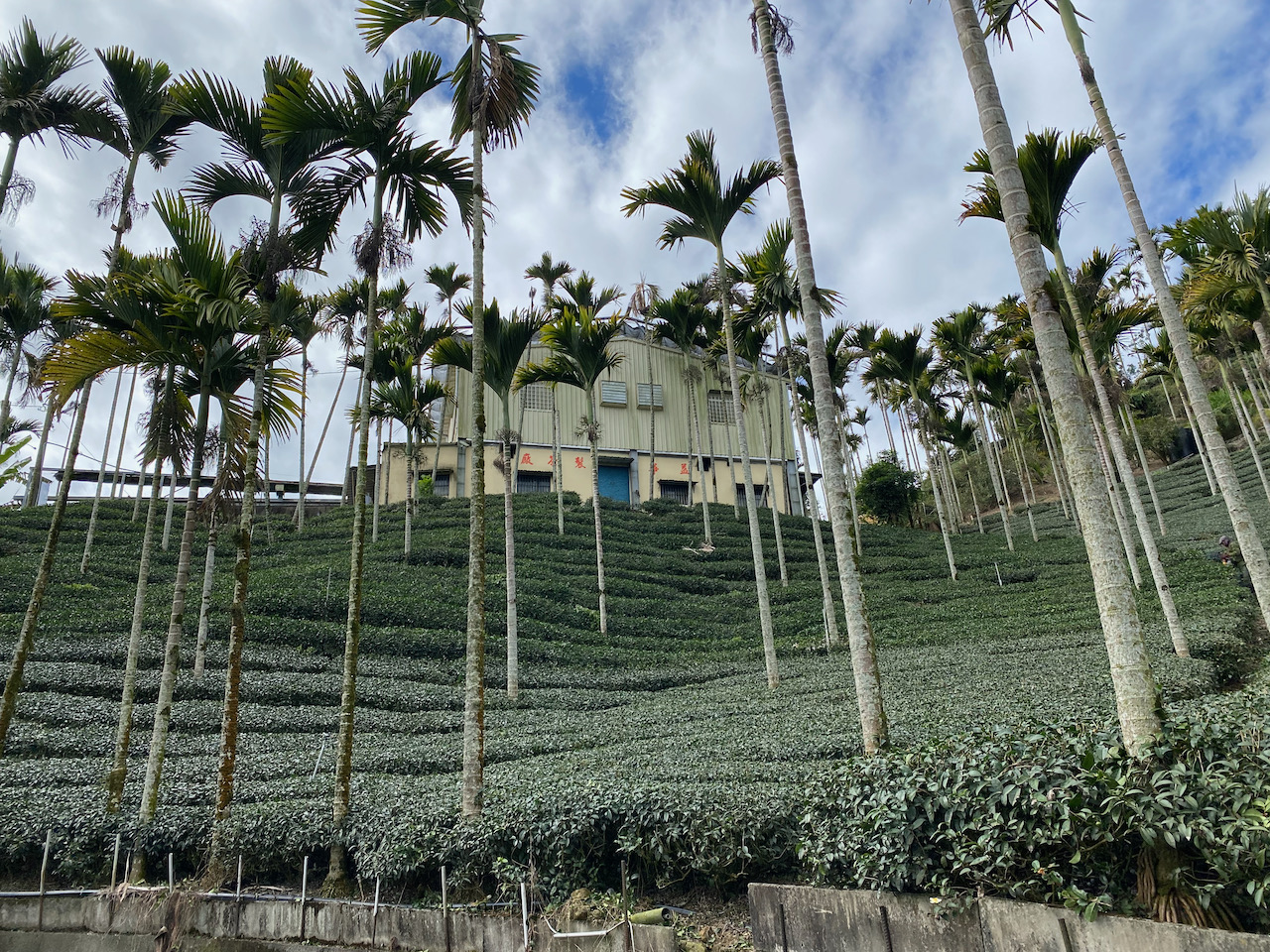
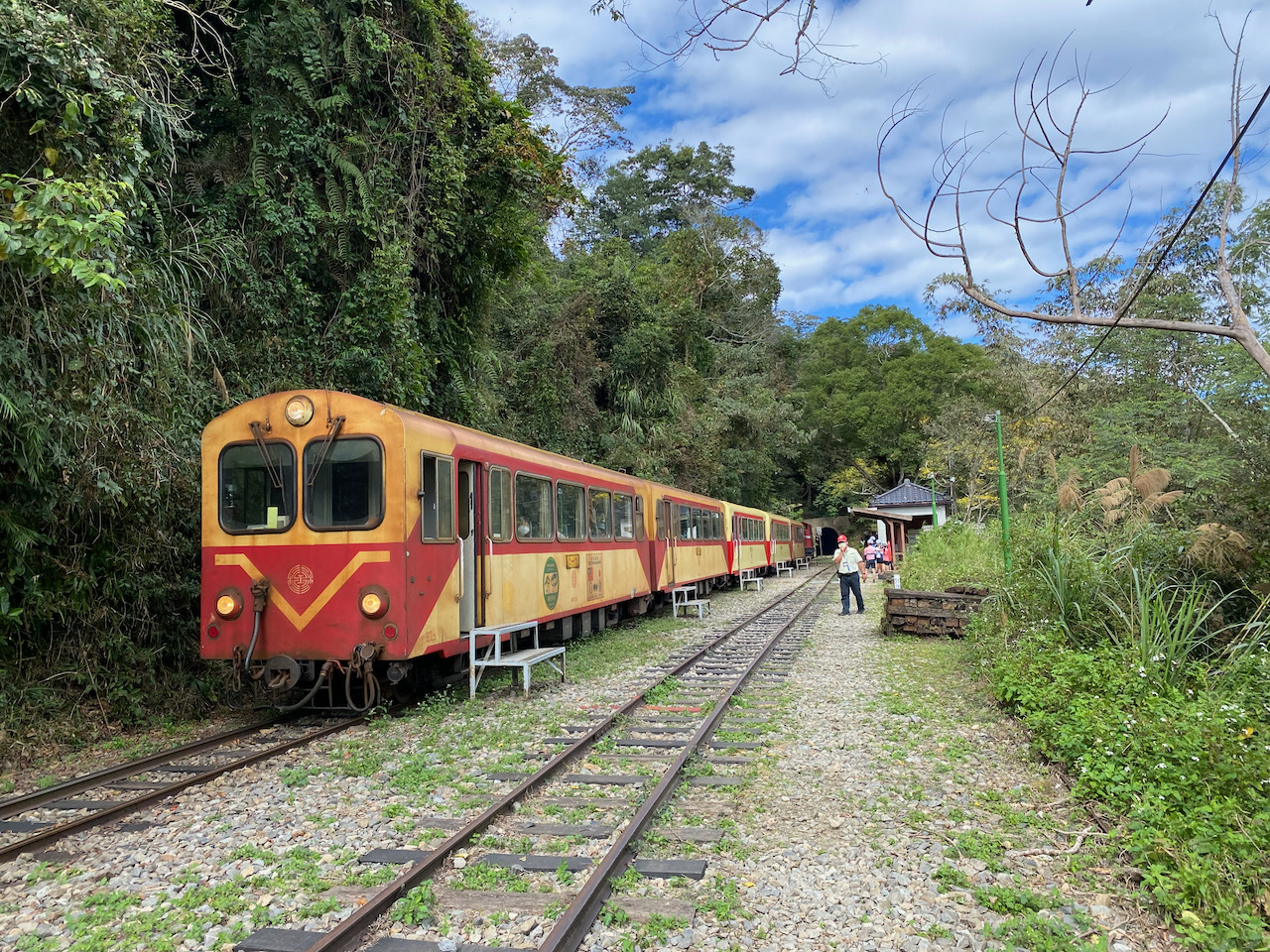
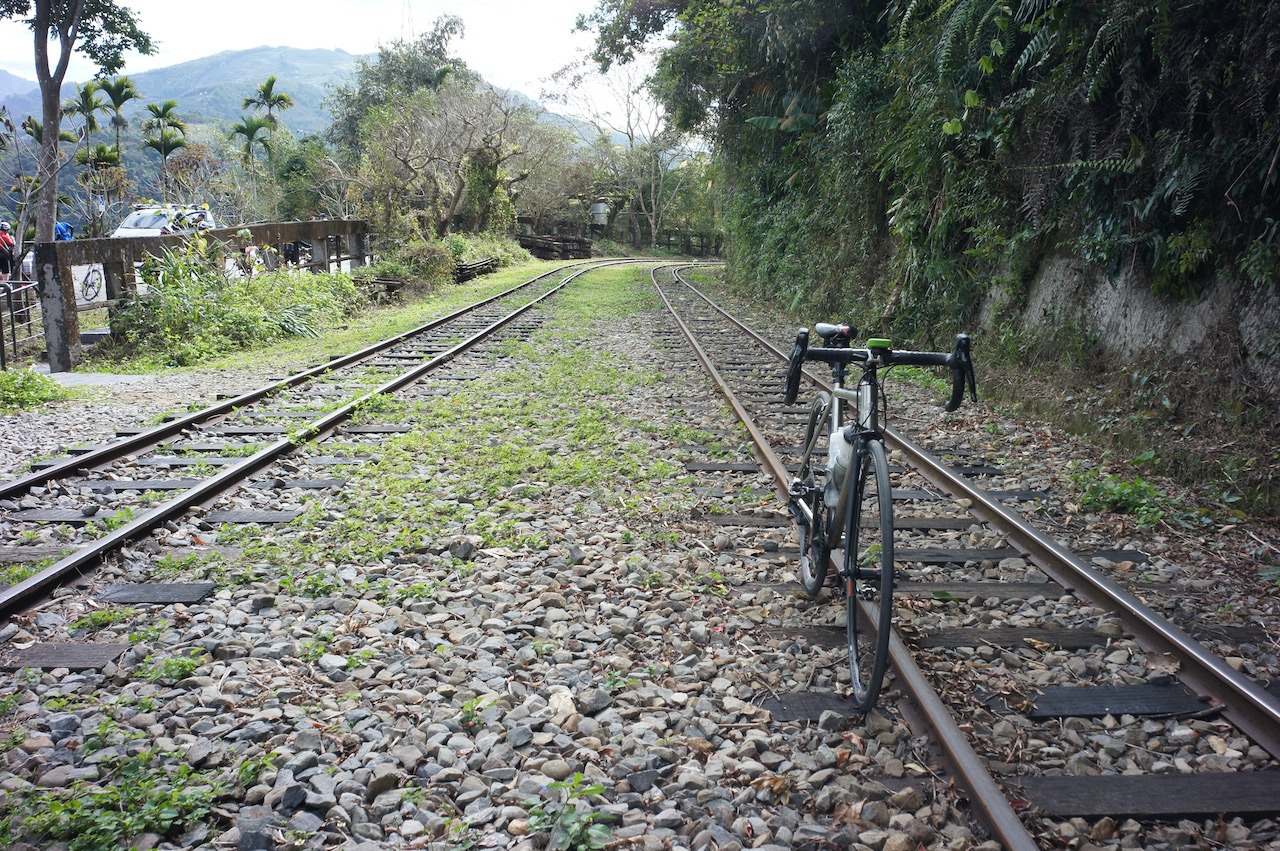
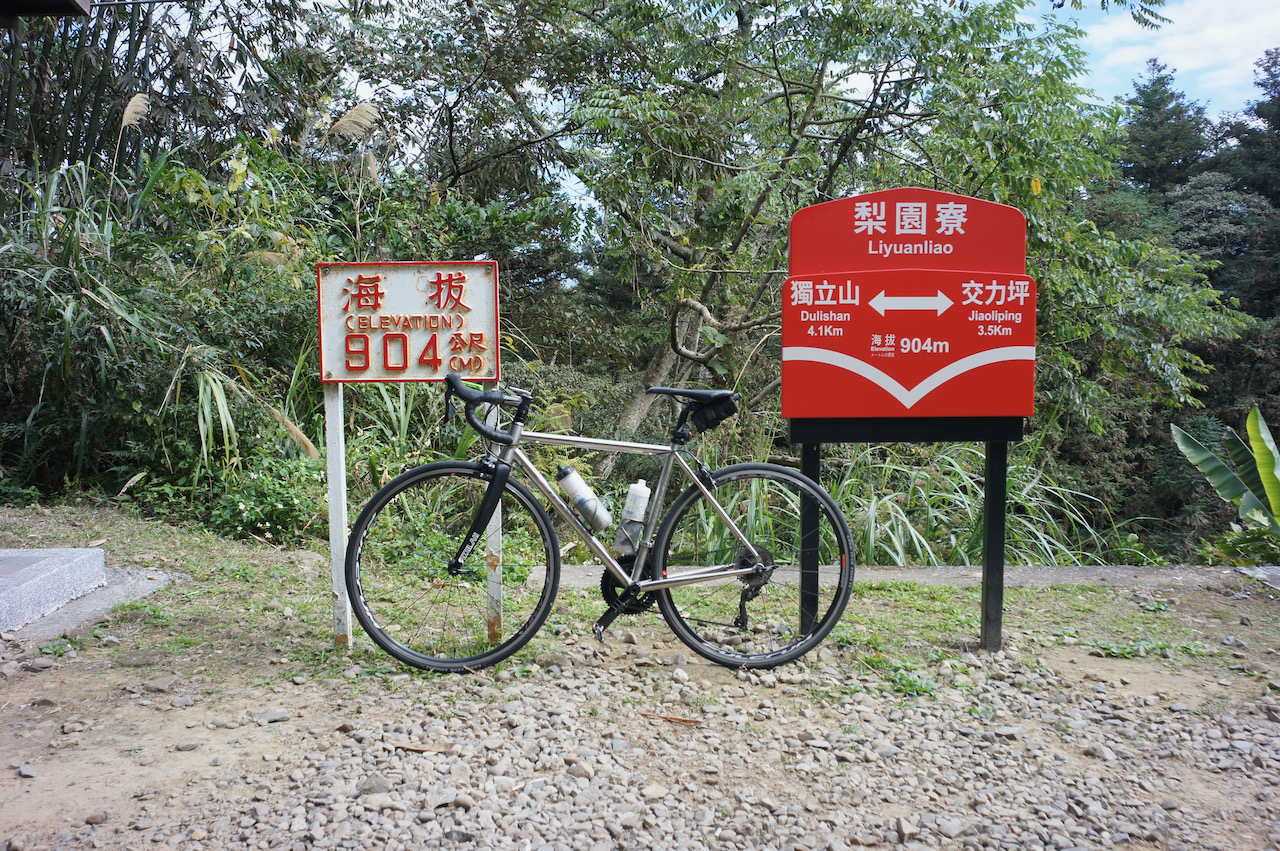
    It would have been fun to descend back to Meishan Park via the 36 bends, but we had other plans. We continued on the Township Road 嘉154, saw lots of beautiful tea farms and reached Liyuanliao Station 梨園寮車站, one of the stations of the Alishan Forest Railway. The long descent back to Provincial Highway No. 3 was mild and long without many bends. It was a very pleasant ride but it could be dangerous as we accumulated more speed while comfortably going down hill with our alert level getting lower. Sandy said she could have fallen asleep.

    We cycled back to Meishan Park for lunch along Provincial Highway No. 3 and then took the coach back to Taipei. It was totally dark when we were back home.

    Doing It Yourself

    To ride this route without joining an organised tour, you can take a train to Dalin Station, which is around 13 km from Meishan Park. It’ll take around 5 hours from Taipei to Dalin. The other option is HSR, which takes around 1.5 hours to get from Taipei to Yunlin Station, about 28 km away from the starting point. Here are some details on how to take public transportation with a bike. Please note that there is only one convenience store as a decent supply stop at Taiping Old Street. Some grocery stores can be found on GoogleMaps after passing Taiping Old Street, but I am not sure about the opening hours. So, plan your water consumption and supply carefully.

    Route:

    ルートのご利用方法

    紹介したルートを使用するには、アプリのインストールが必要です。スマートフォンのブラウザで上記のリンクをタップすると、アプリが自動的に起動してルートを読み込みます。Garmin Connectの場合、アプリを使用してルートをGarminデバイスに登録できます。台湾で購入したGarminデバイスではない場合は、デバイスに台湾地図がインストールされていることも確認する必要があります。Garminデバイスのご利用方法を説明した当社のブログ投稿もこちらからご覧いただけます。

  • Taiwan KOM Challenge in 3 Days (2)

    Taiwan KOM Challenge in 3 Days (2)

    このブログ記事の翻訳を進行中です。もうすぐ完成しますので、後ほど再度ご確認ください。ご不便をおかけして申し訳ありません。現在は、こちらで提供されているGPXルートや地図などの情報を自由にご利用ください。

    • Where: Luodong, Taroko, Wuling, Qingjing, Puli Township
    • When: 30 June – 3 July 2017
    • Who: Peter and fellow cyclists who joined the group tour organized by Bike Explorer Club 山海戀單車俱樂部
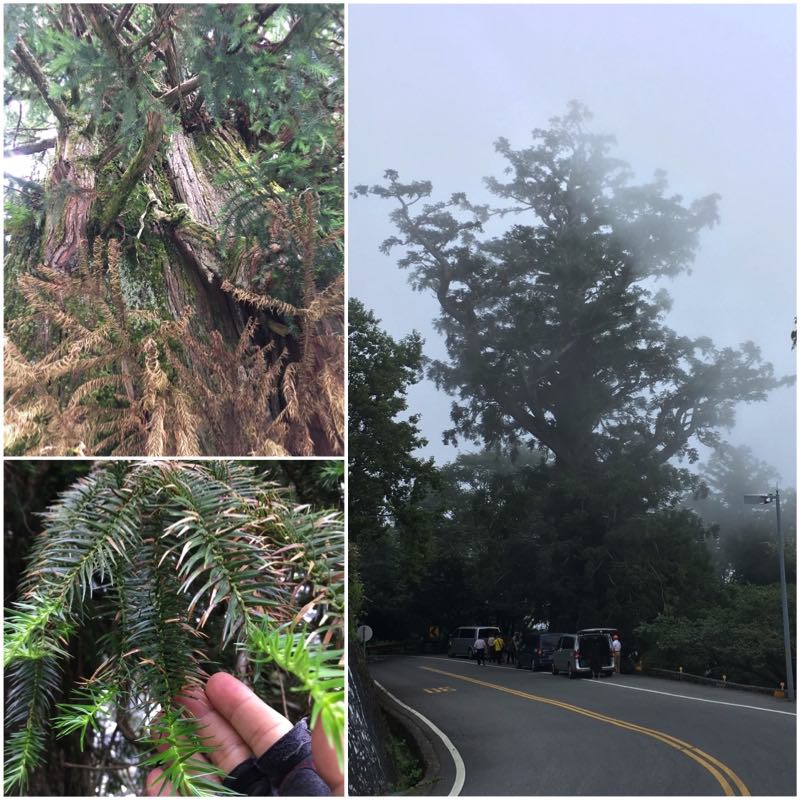
    • This fir (巒大杉 Cunninghamia lanceolata var. konishii) can be found at around 127.6 km of Provincial Highway No. 8. It is more than 3000 years old and around 50 metres tall.
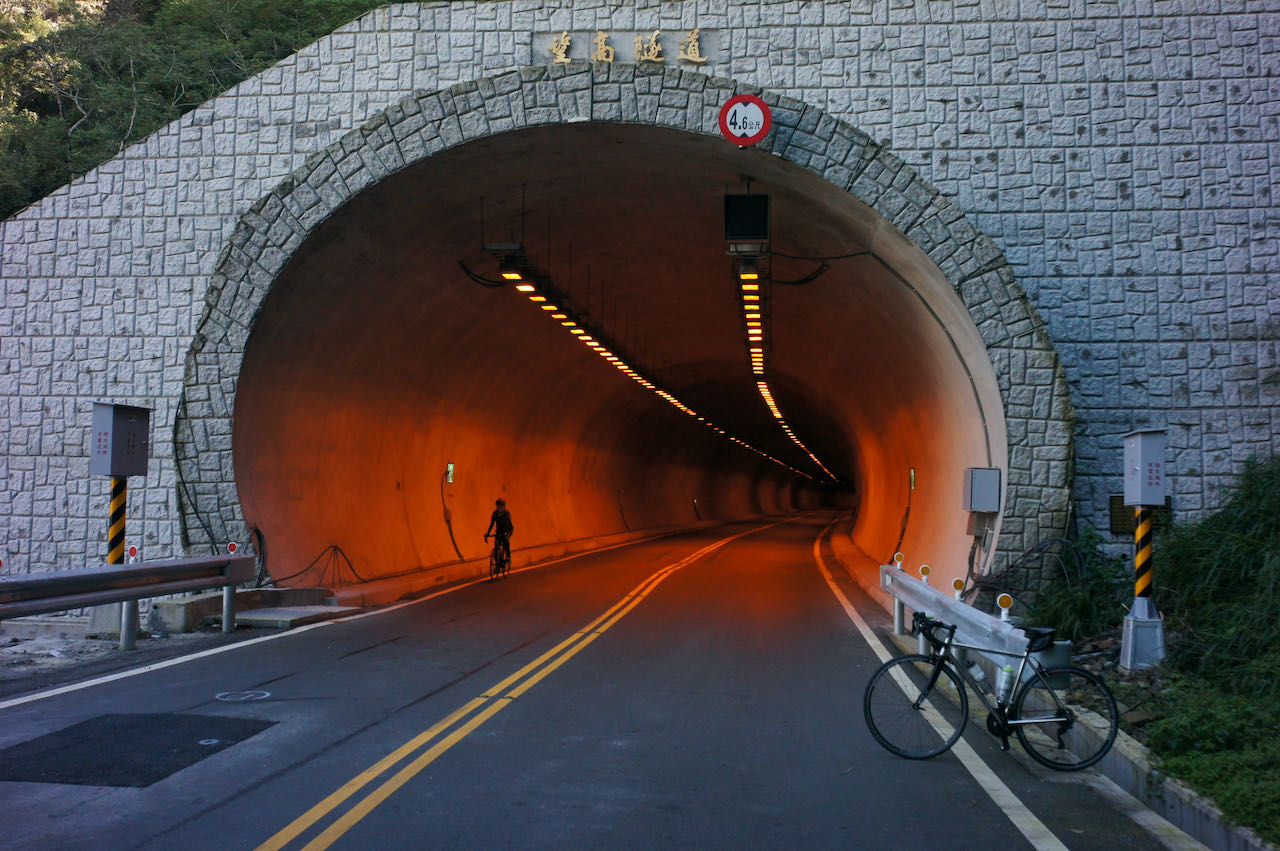
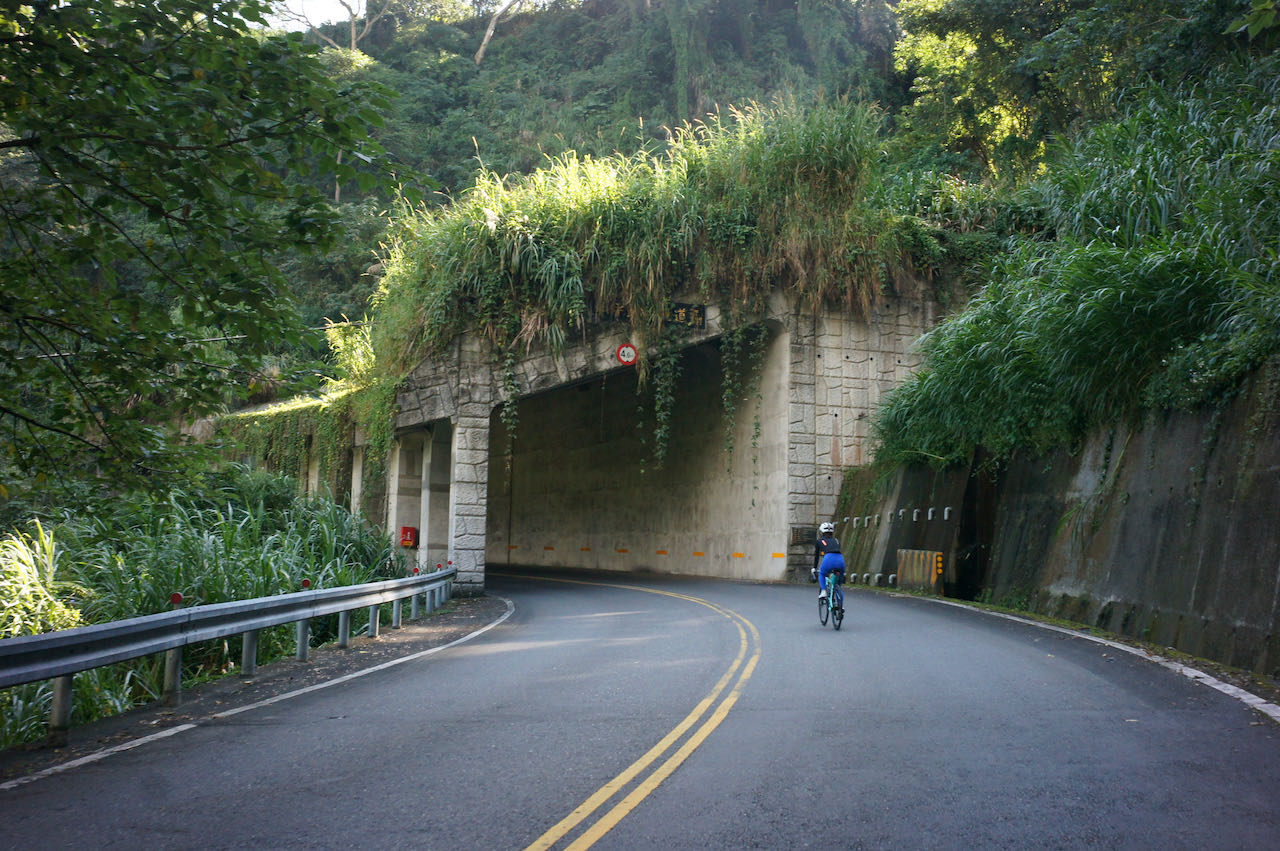
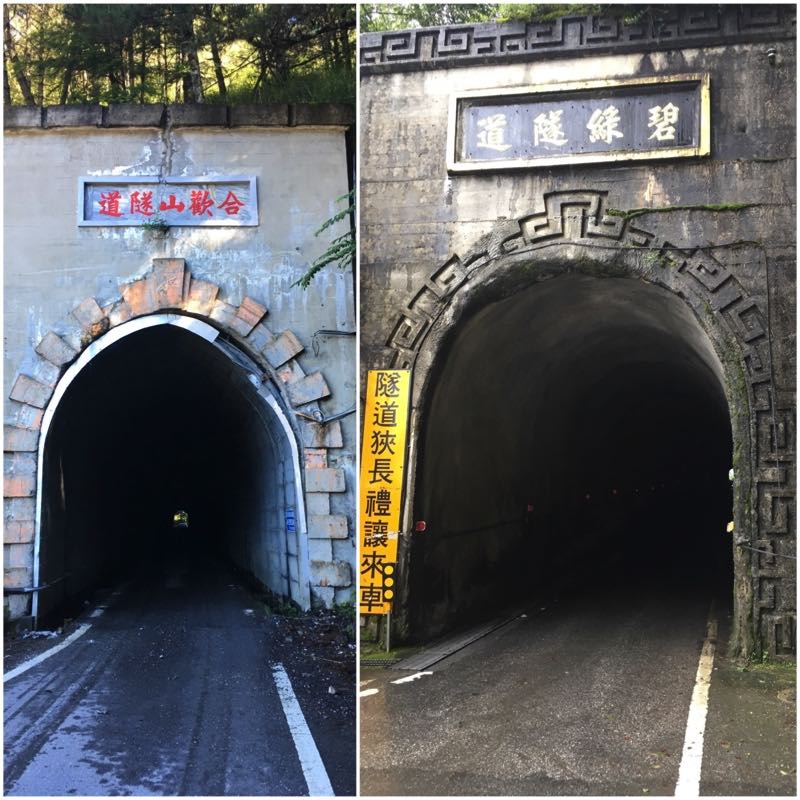
    • It must have been hard to build these roads, especially the numerous small tunnels, yet the designers did not make compromises on aesthetics. The entrances are decorated with beautiful patterns.
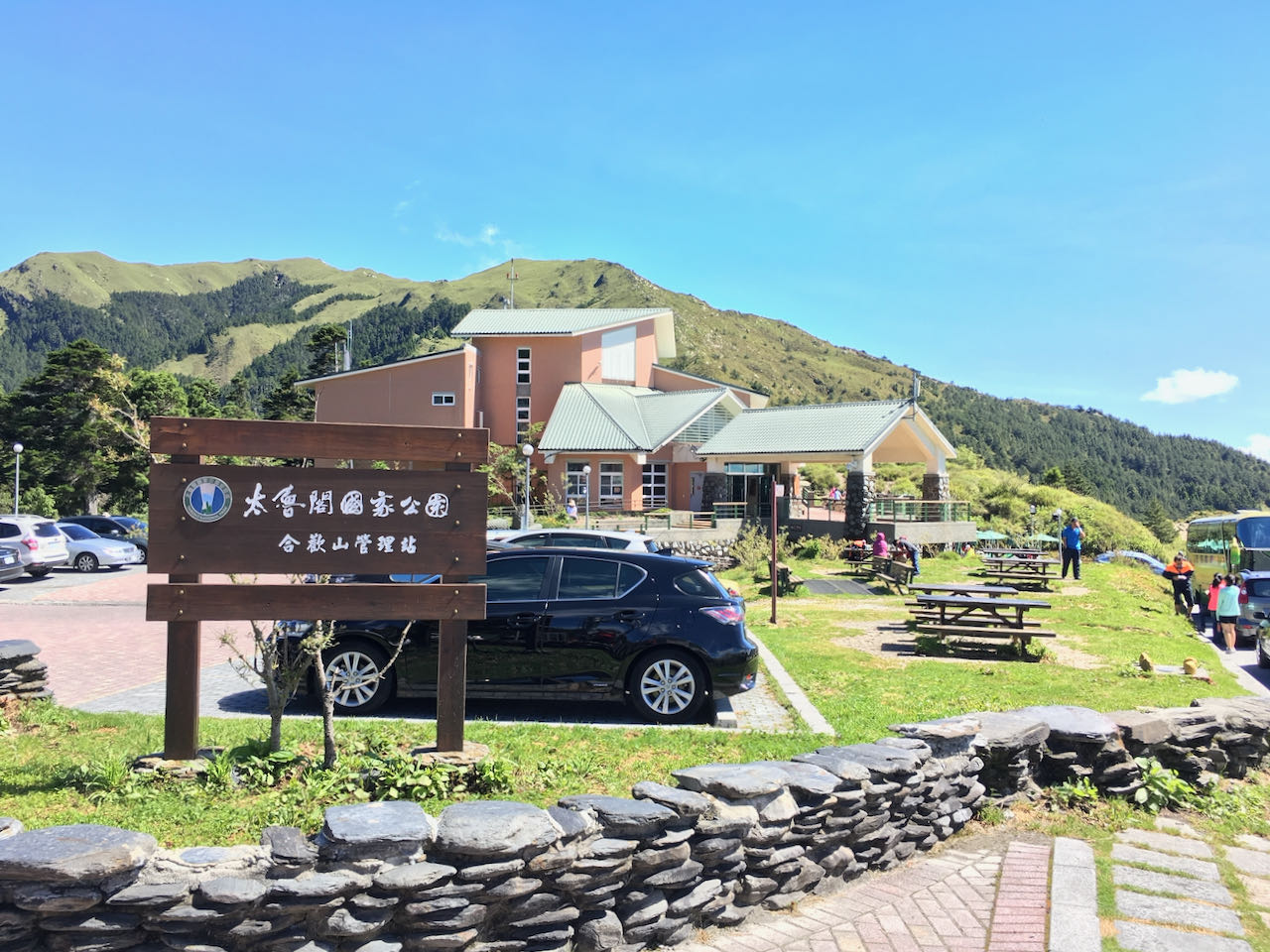
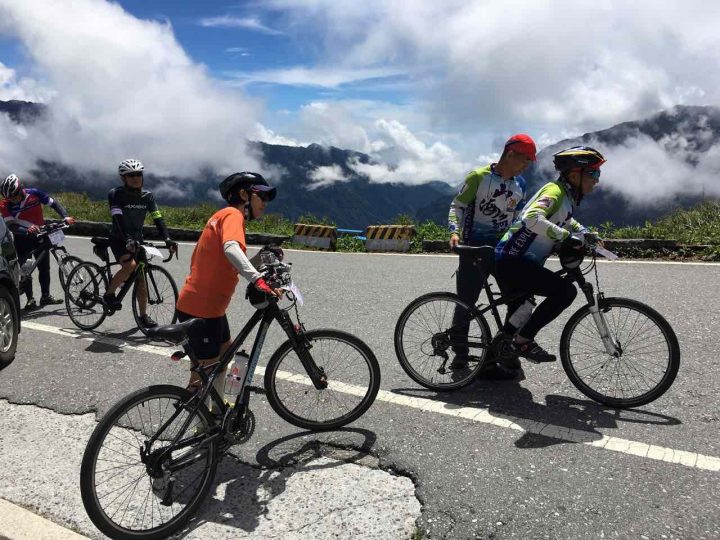
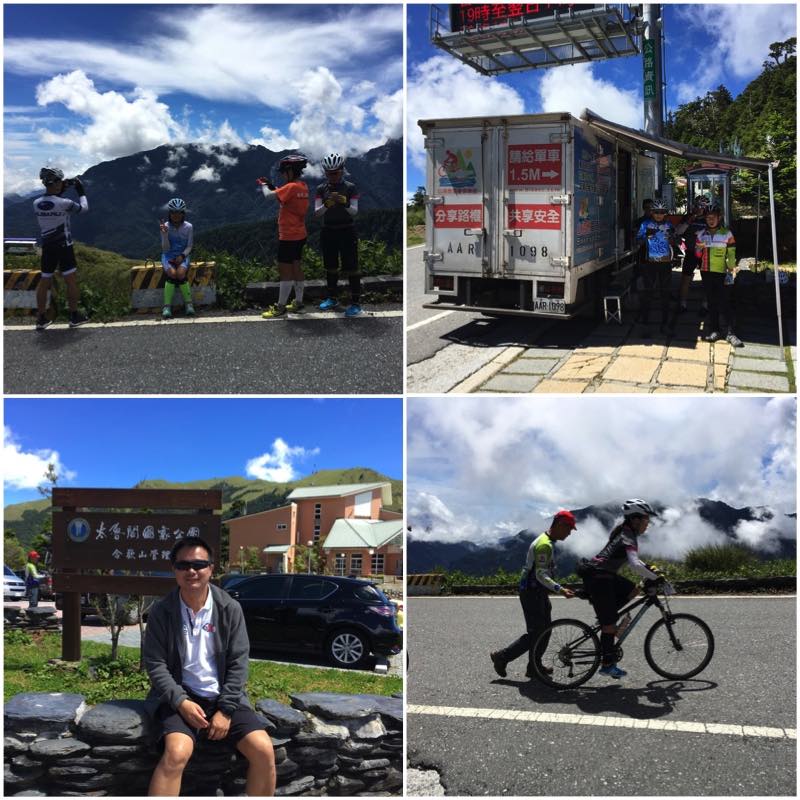
    • The Acacia Hill Station (合歡山管理站 elevation 3002 metres above sea level ) was the last stop before the team reached Wuling. We were at the same level of the clouds. The air was cool and had a unique taste of freshness. It’s a busy spot where campers, hikers and cyclists gather. Our coaches had to give us a push to help us balance upon starting – it’s easy to lose balance when the roads are so steep, and if you do, you will likely force your muscles a bit too much, which may trigger spasm.
    Cyclist on Wuling Pass, supporting vans and mountain ridge
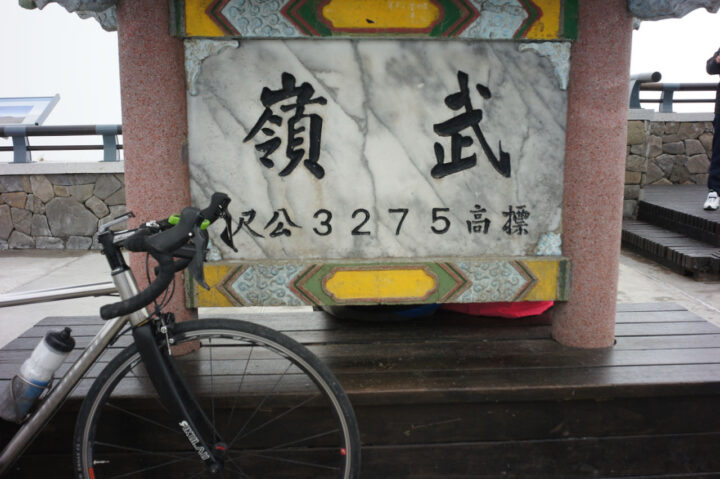
    • Made it to Wuling (elevation 3275 metres above sea level), finally! It’s a great achievement! We were so lucky that the weather was so fine. The downhill ride was more dangerous and tricky. For some cyclists, it is good enough to do the climb on bike and go home by car. But for some, it is not even enough to do the whole trip once. There is the so-called “Wuling Double” (雙進武嶺) challenge, in which people head up to Wuling from Tianxiang (66km, ascending 2825 metre) and then down to Puli (55 km, descending 2826 metres) on the first day, and return to Tianxiang via the same route on the second day! To me, bicycle is a means to explore the world. I always plan my routes to minimise changes of elevation in order to make the ride easier. The thought of maximising its difficulty had surely not crossed my mind before.
    Cyclist, lake, valley
    • We descended to a nice Japanese style resort in Qingjing (清境, elevation 1607 metres). Everyone was so thrilled about what they had achieved. We had a sharing on the roof about our own story with cycling. The team included some local Taiwanese, a Singaporean, and some marathon runners and one cyclist from Hong Kong. I was so surprised to learn that most of my team mates had only been cycling for around 5 years. A couple retired locals told us that cycling had healed their ageing bodies. It made them young. No doubt it is! They did much better than me in the trip. I seized the last chance to ride on the final day after making sure my hip joint was fine. Yeah, it’s much more fun to cycle than just sitting in a van.

    Conclusion:

    Lois and I love travelling on bicycles, but we had never joined a cycling tour before. We used to just roam along the routes at our own pace, and we would change our plan anytime. Must say we are both free spirits. What we need is someone to provide us the bicycles and take them back at the end of our trip, at the time and place that is most convenient for us. And this is the key service we provide at Bike Express Taiwan.

    Freedom comes at a price, of course. Without an organiser, we need to do all the planning and booking ourselves, probably paying more. Without a support car, we need to carry all our luggages by ourselves and have to plan more conservatively to avoid exhausting or even injuring ourselves. So, if all you want is cycling and sightseeing, you’d better join a cycling tour and let someone else worry about the rest.

  • Taiwan KOM Challenge in 3 Days (1)

    Taiwan KOM Challenge in 3 Days (1)

    このブログ記事の翻訳を進行中です。もうすぐ完成しますので、後ほど再度ご確認ください。ご不便をおかけして申し訳ありません。現在は、こちらで提供されているGPXルートや地図などの情報を自由にご利用ください。

    • Where: Luodong, Taroko, Wuling, Qingjing, Puli Township. The route of KOM challenge in Taiwan. 
    • When: 30 June – 3 July 2017
    • Who: Peter and fellow cyclists who joined the group tour organized by Bike Explorer Club (山海戀單車俱樂部)
    • Goal: To get to Wuling Pass (elevation 3275 metres above sea level, Taiwan’s highest road) from Xincheng Taroko Station (elevation 36 metres) on bicycles in 3 days. This 106km route is usually done in several hours by participants during the KOM challenge.
    Cyclist and Support Truck with Bananas
    • No luggage on the bicycle for this 4-day trip. All were taken care of by the support vehicles. They were also loaded with beverages and energy food to be served at every rest stops.
    Scarecrow, rice paddy field, bicycle and train platform
    • The first half-day we cycled on the flat scenic country roads to warm up before embarking on the challenging climb. The Dongshan Township has quite a number of tourist attractions to offer. We cycled along the Dongshan River Bikeway to the Dongshan Train Station, which has a cover like a melon trellis. Then The Sanqi Village offered a vast view of paddy rice fields. They even built a viewing platform for visitors. 
    Train Tickets, a cargo car, passengers car and Xincheng Taroko Station
    • We were supposed to approach Wuling Pass from the north (北進武嶺). At least this was what I had signed up for. It’s the least steep one, I supposed. Unfortunately, right before our trip started, part of that route were ruined by typhoon, and we had to take the east route instead. We took the train from Su’aoxin Station (蘇澳新站) to Xincheng Taroko Station (新城太魯閣車站). It is a 80km trip covered by train without any climbing. Looked like it’s going to be very steep ahead. Some cyclists I met said that approaching Wuling Pass from the west has endless ramps to climb, while doing it from the east is like climb walls.
    Cyclists on Road of Taroko Gorge
    • We spent the afternoon climbing on the Provincial Highway No. 8 from Xincheng Taroko Station to Tianxiang (天祥, elevation 476 metres ), a 22km ride with a total climbing of 1,370 metres. It’s a road/semi-tunnel carved out of the rocks of the Taroko gorge. Very impressive! Therefore the saying goes, “If you have not been to Taroko, you have not been to Taiwan”. I hired a car and drove on this road years ago. It was a different experience. I did not know that I can climb the road with a bicycle there.
    Van with open door, exhausted cyclist and Sihbaiyang rest stop
    • Endless climbs for the next day. The moment I stopped pedalling, my bicycle started retreating. It was hard to tell by sight how steep the road actually is as it goes zig-zag all the way up. But you could use a cup of water to show the tilt. Though I managed to ride using the lowest gear, I was moving no quicker than on foot. My plan was to stay on the bicycle as long as possible (because it’s a cycling tour after all), but unfortunately I was told to hop on the support van or I wouldn’t have time for lunch. So, that was me looking completely exhausted in the van. While I was trying to help myself to food with shaking hands at Sinbaiyang (新白揚, elevation 1644 metres above sea level), the other guys were already done with lunch and taking a nap. And that’s it for me. After cooling down, I found myself unable to walk properly because of an aching hip joint. To avoid leaving permanent damage, I decided there would be no more cycling for the afternoon and the next day. I would get to Wuling sitting comfortably on the van. Anyway, I had already climbed around 3400 meters. My personal best.