カテゴリー: サイクリングルート

  • 9日間台湾一周サイクリング:環島1号線または代替ルートを使って

    9日間台湾一周サイクリング:環島1号線または代替ルートを使って

    このブログ記事の翻訳と編集をしてくださった久保田智博さんに心より感謝申し上げます。
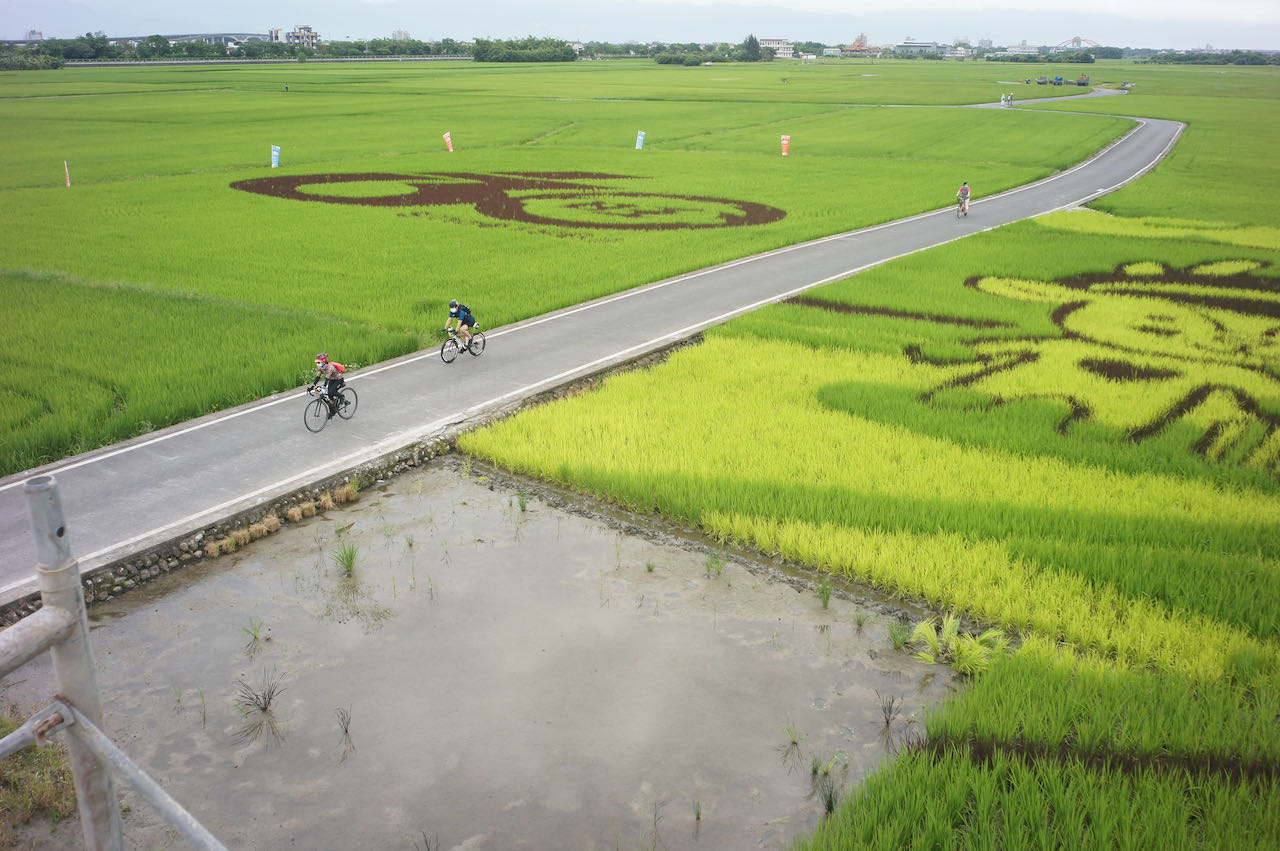
    このページでは公式の「環島1号線(サイクルルートNo.1)」を通った際の日々の旅程計画の補足説明をしています。さらに、体験を充実したものにするために、よりスムーズなライドを保証するために、追加ルートと代替ルートの提案を載せています。

    観光局の環島1号線(サイクルルートNo.1)は台湾一周の自転車旅行を計画するための優れたモデルコースになっています。しかし、私のサイクリング仲間の多くがコースには改善の余地があると指摘しています。最も一般的な問題の一つは、西側の都市部のルート沿いにある多数の信号です。信号待ちによる度重なる中断が行程を大幅に遅らせます。

    そこで、よりスムーズで楽しいサイクリングを実現するためには、入念な計画とルート選びが求められます。このサイトでは、より静かな代替ルートを取り入れた9日間の旅程をまとめました。ただし、これらの代替ルート※1はモデルコースと比べて補給ポイントの少ない小道を多く採用していることに注意してください。

    ※1より静かな代替ルートについて:環島1号線は大きな国道のため、ルート取りはしやすいですが交通量も多いです。サイクリングにおいて車のエンジン音の多寡はストレスの少なさに直結します。ご自身の判断で、自転車専用道やサイクリングロードを利用する事をお勧めします。

    また、台湾は地震、台風、モンスーンなどの自然災害に多く見舞われます。自然災害による道路の損傷に対し、政府は迅速に修理を行っています。しかし、必ずしも小さな道路が優先的に修理されるとは限りません。これらのルートがサイクリングに適した状態ではないと判断した場合は、環島1号線など推奨されている主要道路に切り替えることをお勧めします。

    台湾は右側通行(乗用車は左ハンドル)を採用しているため、台湾一周は反時計回りの方向を推奨します。※2この方向なら、海岸沿いをサイクリングする際に海の景色をより楽しむことができます。さらにほとんどの観光スポットは海側に位置しているため、これらの観光スポットへ道路を渡らずにアクセスすることができます。

    ※2実際に走ってみると分かりますが、台湾の国道は時計回りに進む自転車通行レーンは反時計回りのそれに比べて狭いか省略されていることが多いです。

    1日目:松山駅(台北)から新竹県へ

    河川に沿って進んで行き、桃園を経由した後簡単な山登りを終えれば、西海岸の新竹に到達します。(もし海岸沿いをサイクリングしたい場合は、この投稿の1日目を参照してください)

    https://www.bikeexpress.com.tw/2022/cycling-around-taiwan-in-multiple-stages-1/#day1)
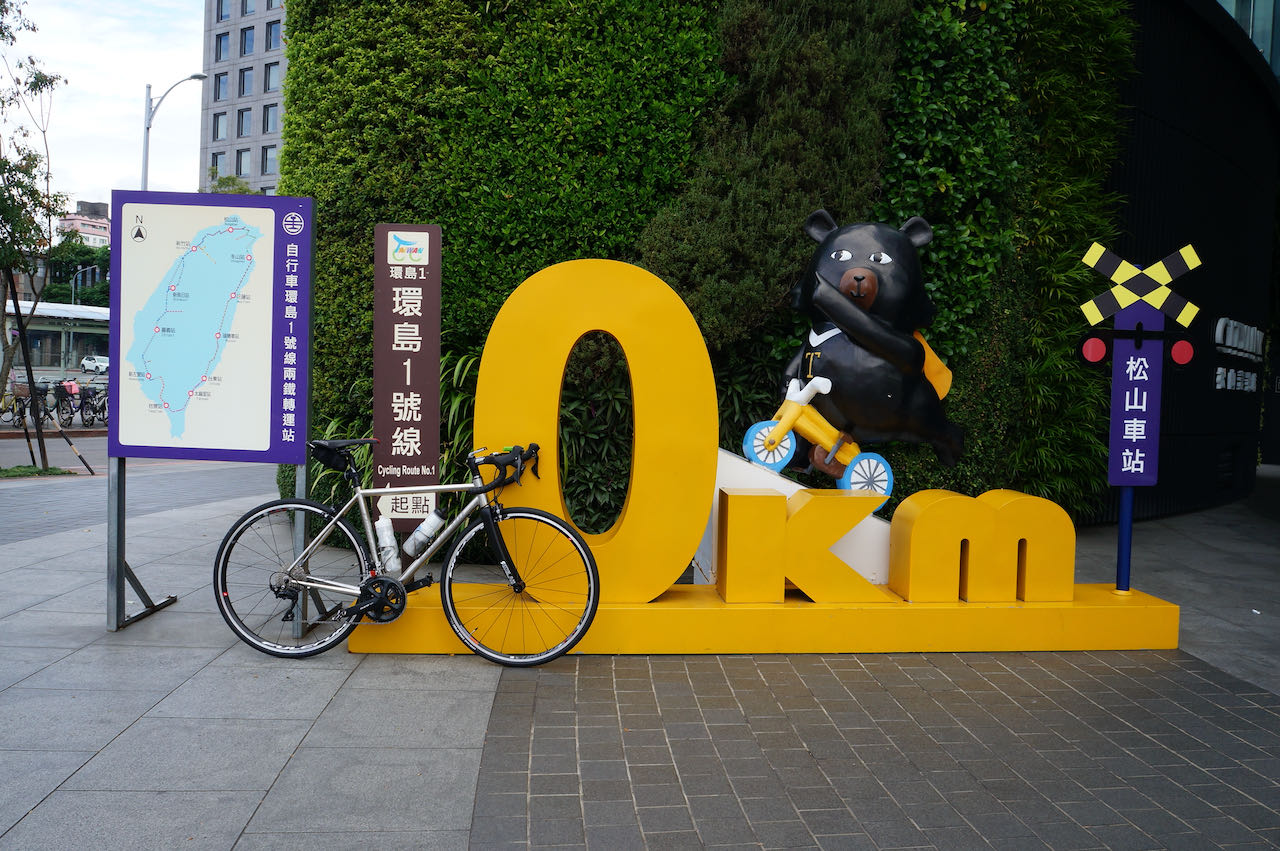
    環島1号線は松山駅から正式に始まります。公式ルートは、南京東路(ナンチントンルウ)を通り、台北を横断するように案内しています。そこから、大稻埕埠頭(ダーダオチェンマートウ)広場を経由して静かな河沿いの自転車道に入り、信号のない専用自転車道を20kmほど通って市の郊外へと抜けていきます。市外に出ると自転車道が車道と合流することになりますが、交通量が少ないので快適です。しかし、(市内では特に)信号が多いので快適なサイクリング体験が妨げられるかもしれません。

    私たちは河沿いの自転車道をできるだけ多く利用し、信号による中断を最小限に抑えることを目的として、この代替ルートを考案しました。西海岸の前半にあるよく整備された自転車道は安全で、自転車のセットアップに慣れるのにピッタリな環境を提供してくれます。南京東路ではなく、饒河(ラオホー)避難門を通じて河川自転車道に接続するため、台北市内をよりスムーズに通過できること、間違いなしです。公式ルートは三峡に到達した時点で省道3号(省道は日本でいう一般国道)に向かうよう指示していますが、この代替ルートは専用自転車道をさらに20km走った後で、三坑で公式ルートに合流します。

    公式ルート(青色):

    代替ルート(緑色):

    ルートのご利用方法

    紹介したルートを使用するには、アプリのインストールが必要です。スマートフォンのブラウザで上記のリンクをタップすると、アプリが自動的に起動してルートを読み込みます。Garmin Connectの場合、アプリを使用してルートをGarminデバイスに登録できます。台湾で購入したGarminデバイスではない場合は、デバイスに台湾地図がインストールされていることも確認する必要があります。Garminデバイスのご利用方法を説明した当社のブログ投稿もこちらからご覧いただけます。

    2日目:新竹県から彰化市へ

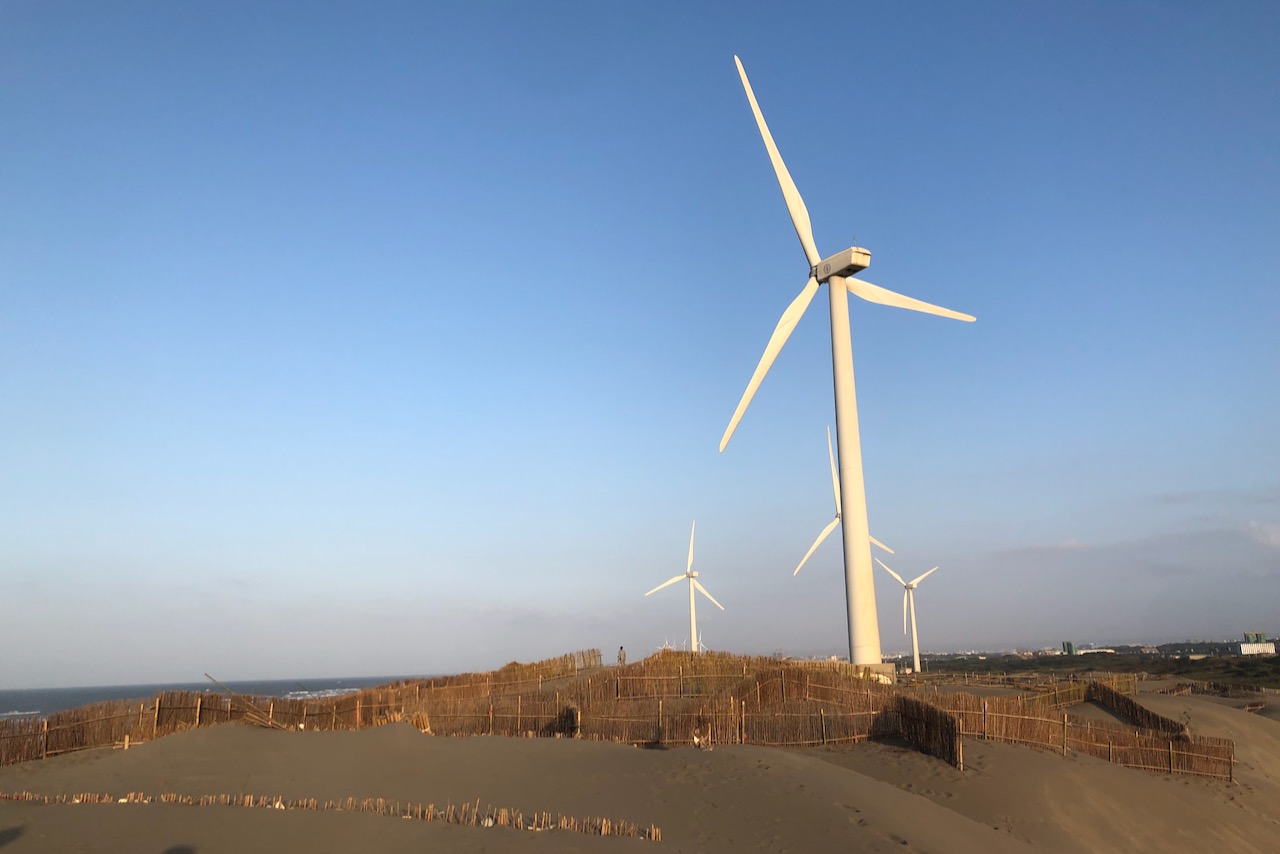
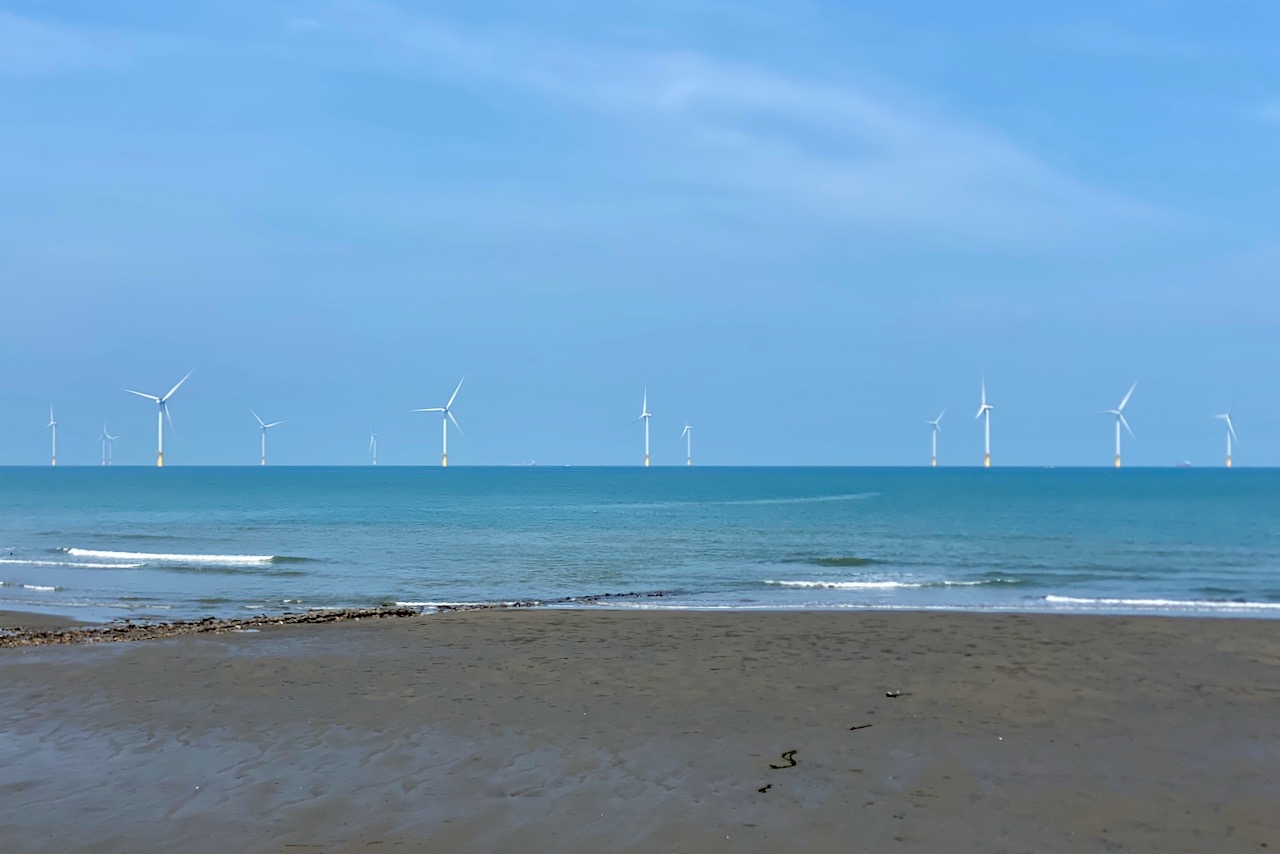
    二日目は海岸沿いを真っ直ぐに南下します。信号が最小限に抑えられた、長く平坦な区間を走れるので、途切れることのないサイクリングを楽しむことができるでしょう。西海岸を一日かけて探索し、壮大な海の景色を味わってください。

    2日目の最後の20kmでは、公式ルートは西海岸から内陸部に向かって進んでいきます。公式ルートの旅程では3日目から4日目にかけて、市街地が続き交通量の多さが目立ちます。この長距離区間を中断されることなく進みたい場合は、台北から高雄まで1日で行くルートが、今説明している旅程の2日目から4日目(新竹ー高雄間)にはより適しています。このルートを宿泊する町を決めた上で2,3日に分けて進むことをお勧めします。次に示すルートが西海岸の自転車旅の一例です:
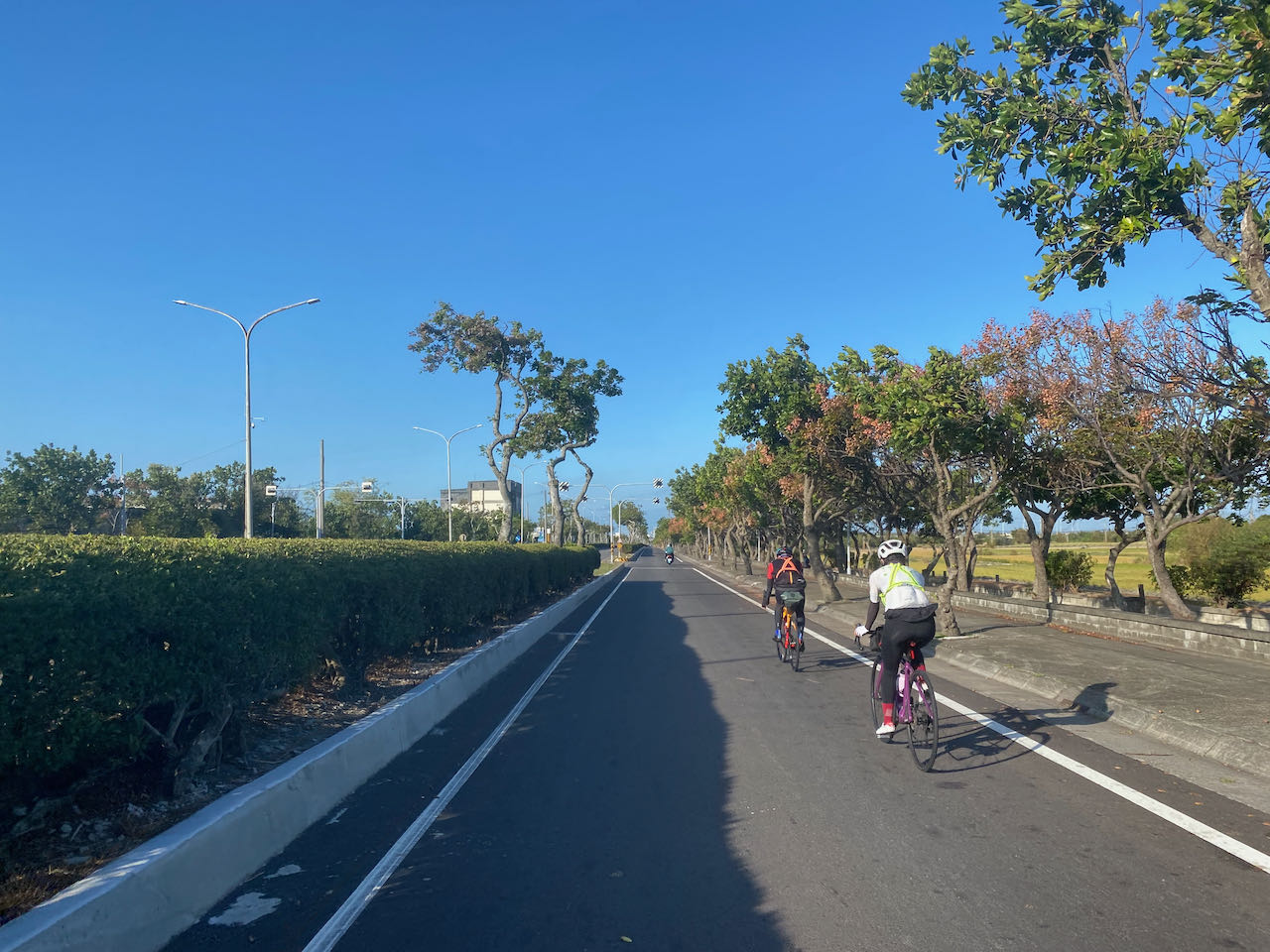
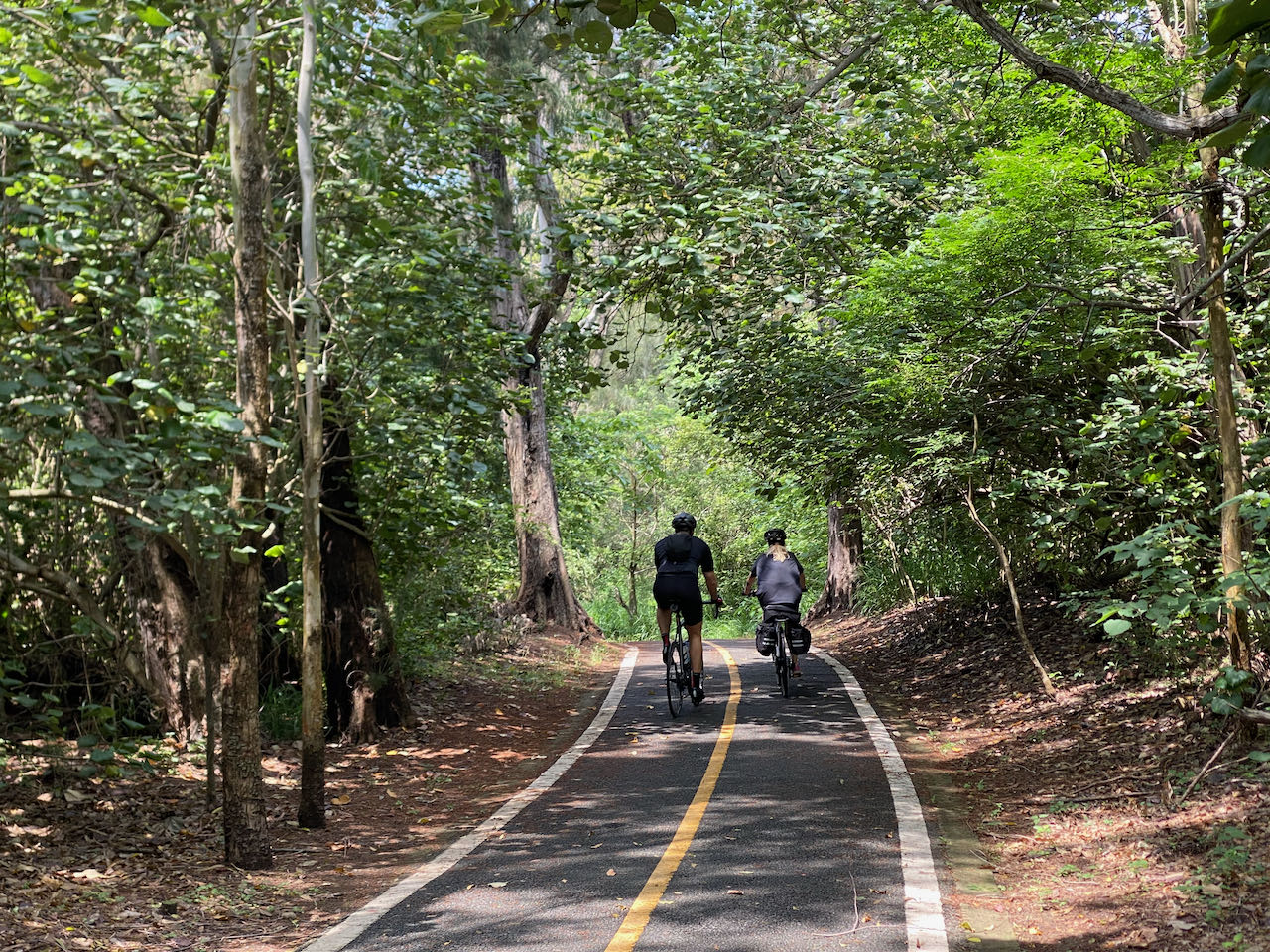
    https://www.bikeexpress.com.tw/ja/2024/cycling-around-taiwan-in-multiple-stages-1-taipei-to-kaohsiung-jp/

    新竹は、台湾海峡の最も狭い部分の島の西端に位置しています。北風が主流となる期間(9月~2月)には、この海峡を風が通過する際にはベンチュリ効果(流体の流れを絞ることでその流速を増す効果)により激しさを増します。故に、新竹はその強力な風で有名であり、時に悪名高い場所になっています。特に秋から冬にかけては、沿岸を押し進める風が私たちのサイクリングを応援してくれます。6月から8月にかけては風向きが変わりますが、風力はそこまで強くはありません。

    この西海岸の区間にはまるで絵のように美しい自転車道が数多くあります。主要道路にのみ固執してしまうと、それを見る機会を逃してしまいかねません。そこで、いくつかの迂回路を含んだ代替ルートを作成しました。このルートは、皆さんをより静かで日陰の多い海岸線へと導きます。ただし、特に休日は道が狭いため混みやすく、主要道路上を進むよりもペースがやや遅くなる可能性があります。この迂回路は走行距離が合計20km分増えますが、総上昇高度は665mから320mに減ります。また、もし明るいうちに彰化市へ到達するのが困難になった場合は、台中市梧棲区のホテルで一泊することをお勧めします。これなら翌日の高雄までのルートを短くする(85km)ことができます。

    公式ルート:

    代替ルート:

    3日目:彰化から嘉義へ

    このルートの前半では内陸部の町を巡り、後半では素朴な田園地帯を通ります。
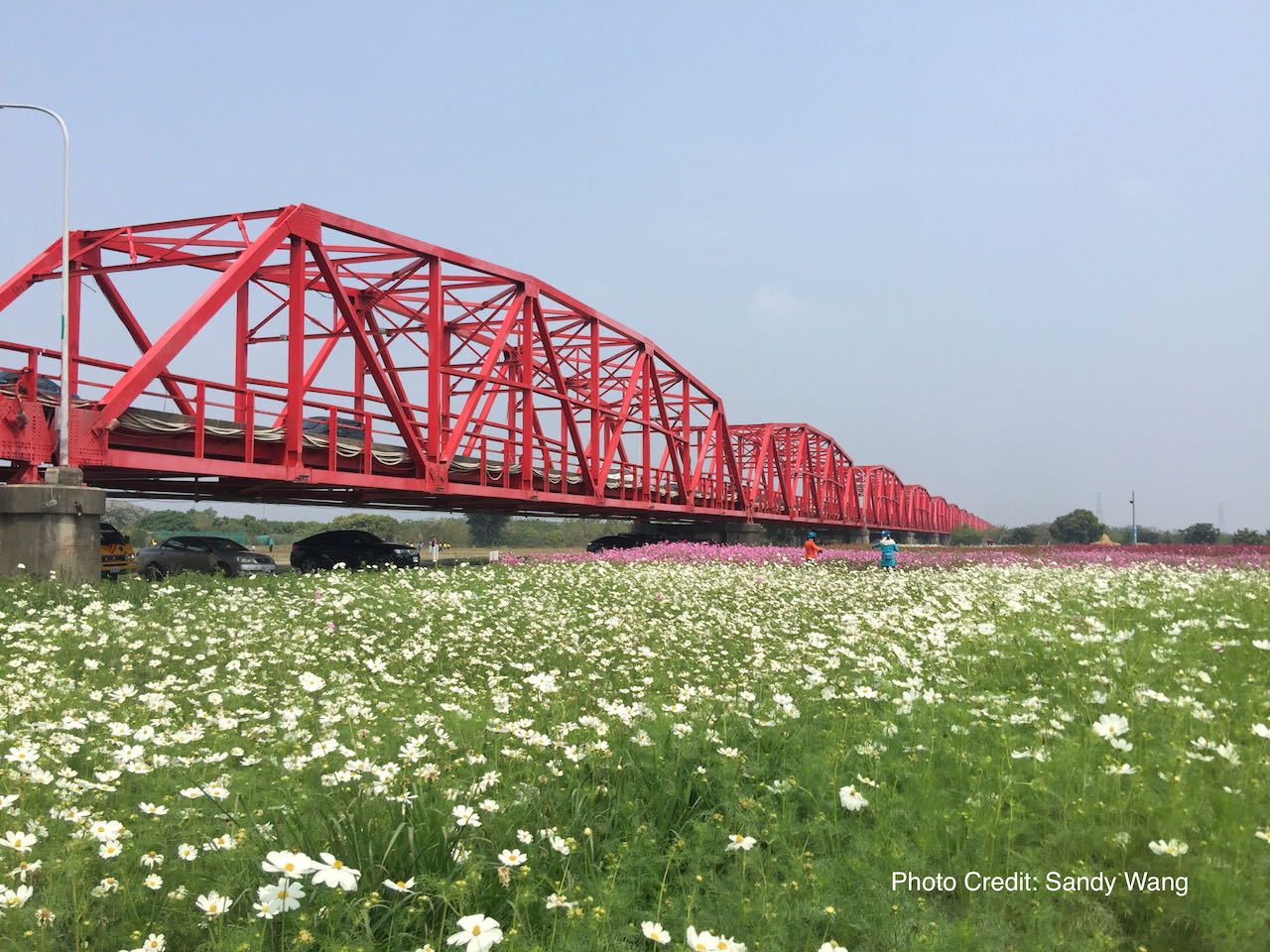
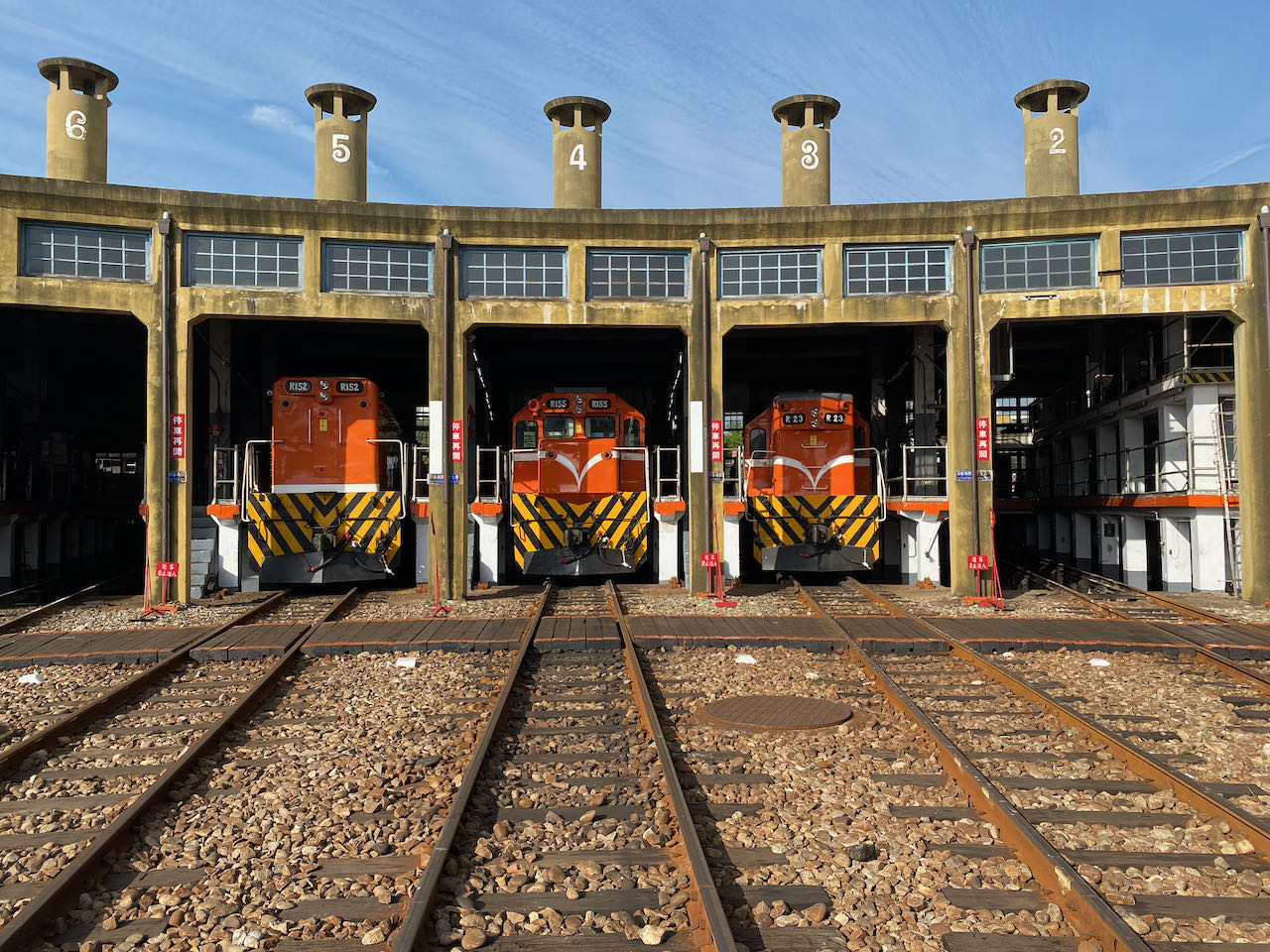
    台湾本島の南部地域は、北部には比べ物にならないほど広大な平野を誇ります。丘陵に近い地域を進んでいくにも関わらず、80km進んだ時のの獲得標高はたったの301mです。最初の35kmは、花壇、員林、永靖、北斗、溪州の5つの郷(日本の市町村=市鎮郷)を通過します。道路は広く、スクーターや自転車専用の車線がありますが、散見される信号でペースが乱される事に留意してください。絵のように美しい西螺(セイラ)大橋からはこの状況は幾分かマシになります。西螺大橋は、豊富な農産品で有名な雲林県へと続きます。ルートの後半は素朴な景色が広がるので、より快適なライドになることでしょう。郷を迂回したい場合は、社頭まで電車を利用することができます。(南部は車の運転が荒いため電車を使う人もいるようです。)もう一つ、彰化を出発する前には、この地域で有名な彰化扇形車庫には忘れずに行ってくださいね。

    西螺大橋は現在補修工事のため通行止めとなっており、2026年12月末まで続く予定です。

    環島1号線は、日月潭へのサイクリングのオプションルートを紹介していますが、このルートを通るとメインルートに合流するために、もう1,2日必要になります。

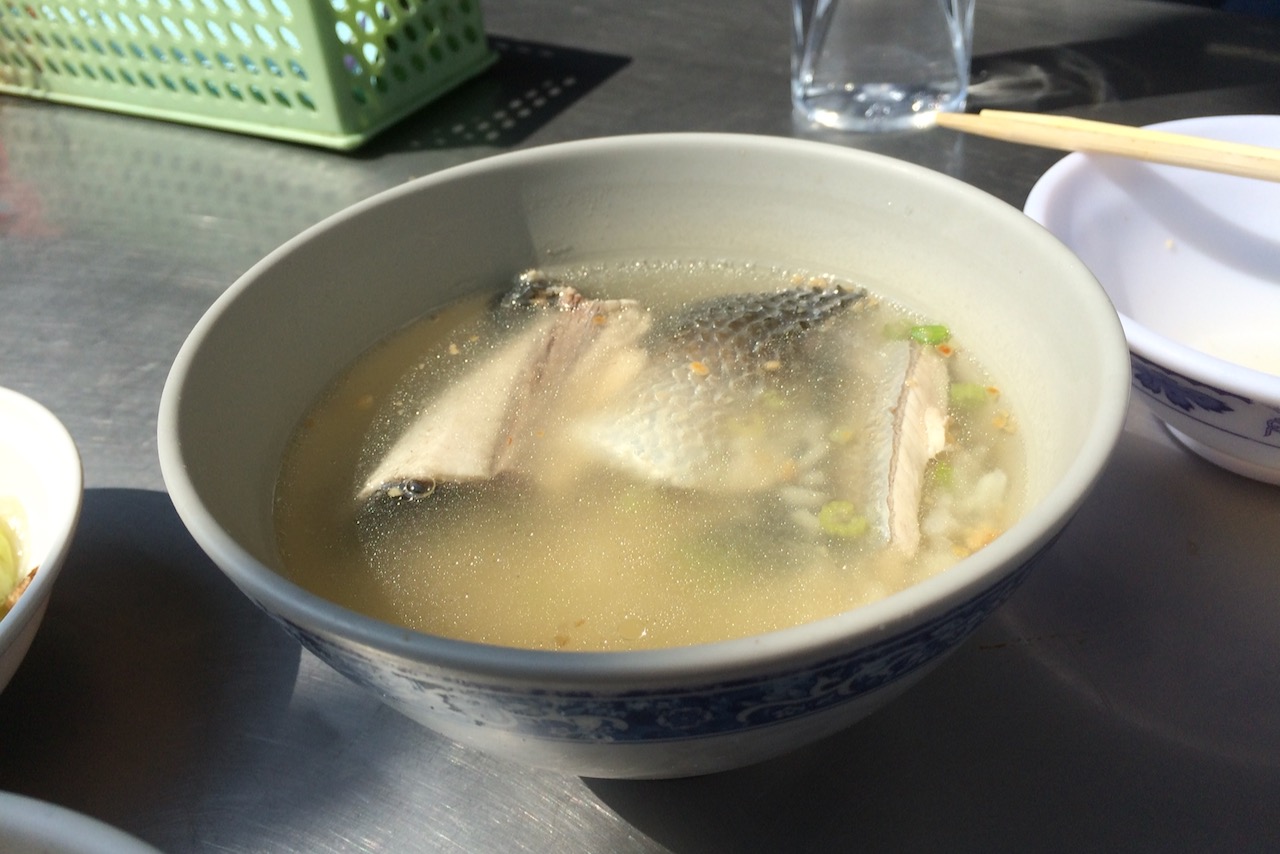
    嘉義に到着したら、Netflix の「ストリートフード:アジア」で紹介された魚頭スープで有名なレストランを訪れることを検討してください。

    公式ルート:

    4日目:嘉義から高雄へ

    台湾の広大な嘉義-台南平野(別名:嘉南平原)を通り、台湾第三の都市である高雄に到着するのんびりとしたライドを楽しみます。
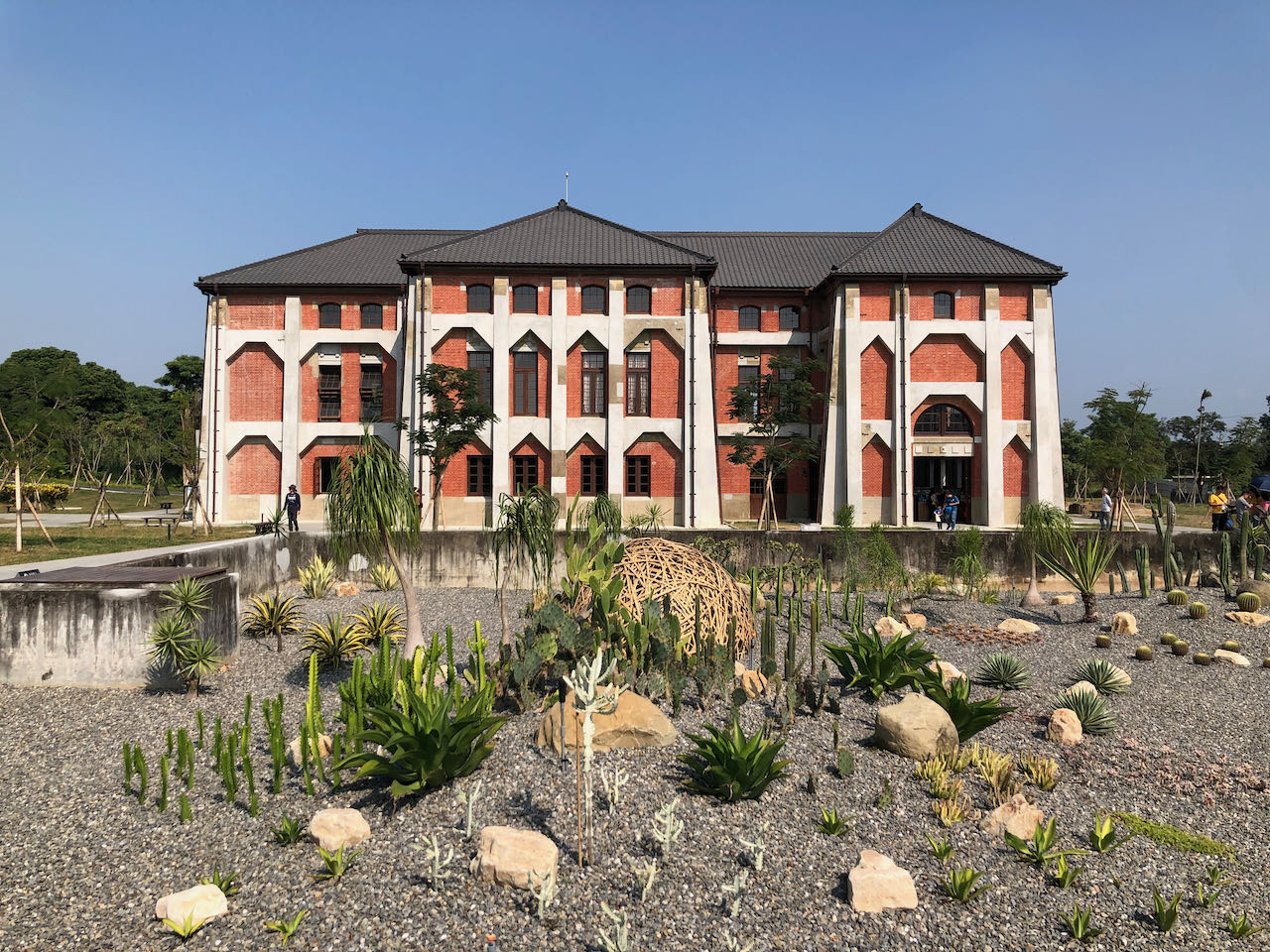
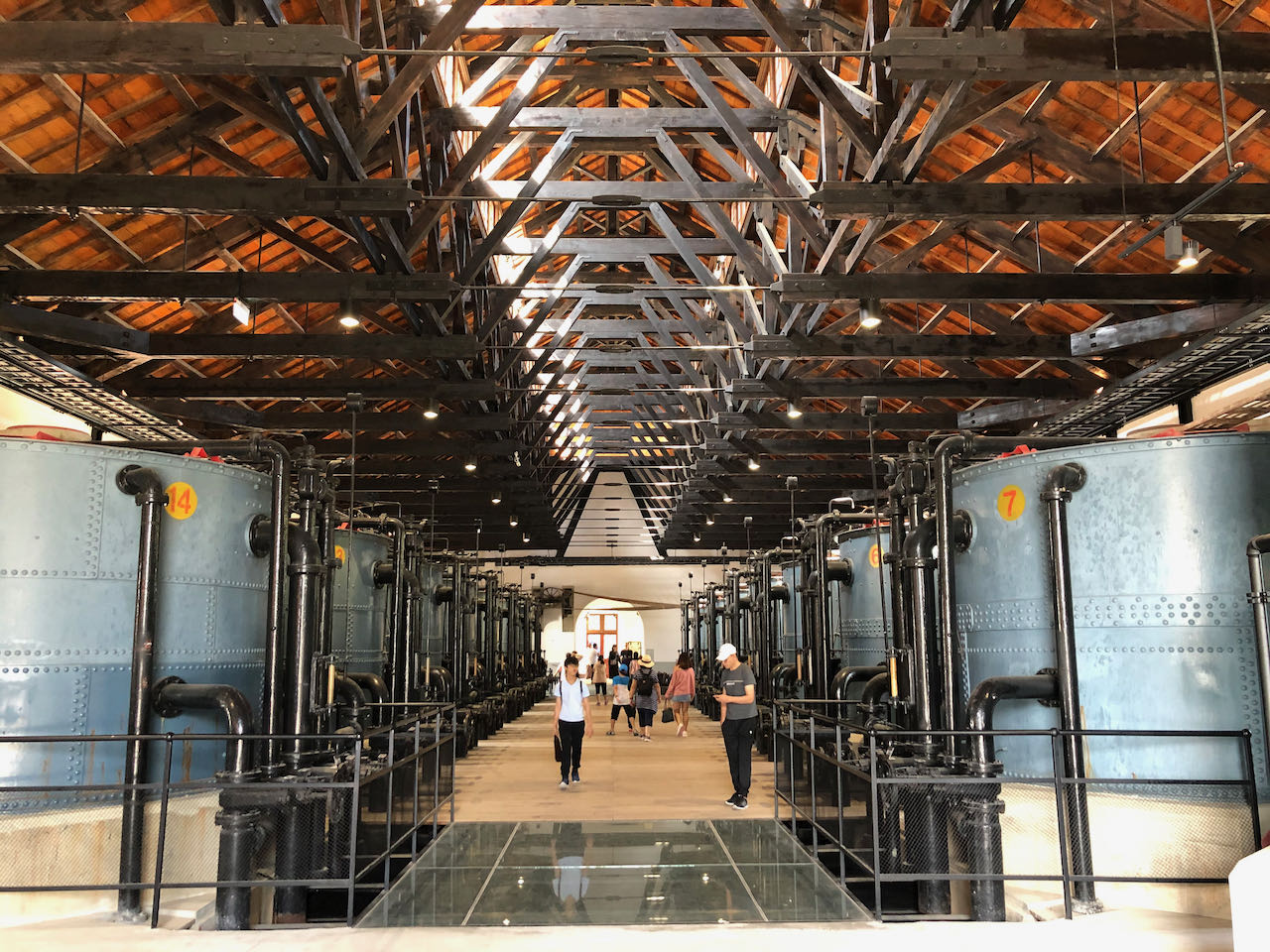
    100kmに及ぶこのルートの総上昇高度は725mになります。道は広々としており、遅行車線のおかげでより快適に進めることが特徴です。途中で市街地を通過することは少なく、全体を通じて風光明媚な田園風景を楽しむことができます。順調に進んでいる場合は、台南の山上區にある旧水道博物館に寄ってみることも検討してみてください。日本統治時代に建設されたこの歴史ある水処理プラントは、公式ルートより3km多く走るだけで行けるので、是非訪ねてみて下さい。ちなみに、この荘厳な博物館を探索するには最低でも1時間はかかるとみて良いでしょう。

    そのまま進み、新化老街を抜けると、道は高速鉄道の下を走ります。大湖駅を過ぎると、通過する町々は徐々に混み合い、大きくなり、気付けば高雄の楠梓区に到着しています。公式ルートはここで終了しますが、ホテルがより多く、翌朝の通勤渋滞を避けることもできるので、4日目のうちに街の中心部まで入っておくことをお勧めします。5日目の旅程の詳細については後述します。

    公式ルート:

    代替ルート:

    5日目:高雄から屏東の車城へ

    高雄を出発し、島の最南端に位置する屏東県を目指すサイクリングが始まります。これにより、西海岸の探索が終了します。
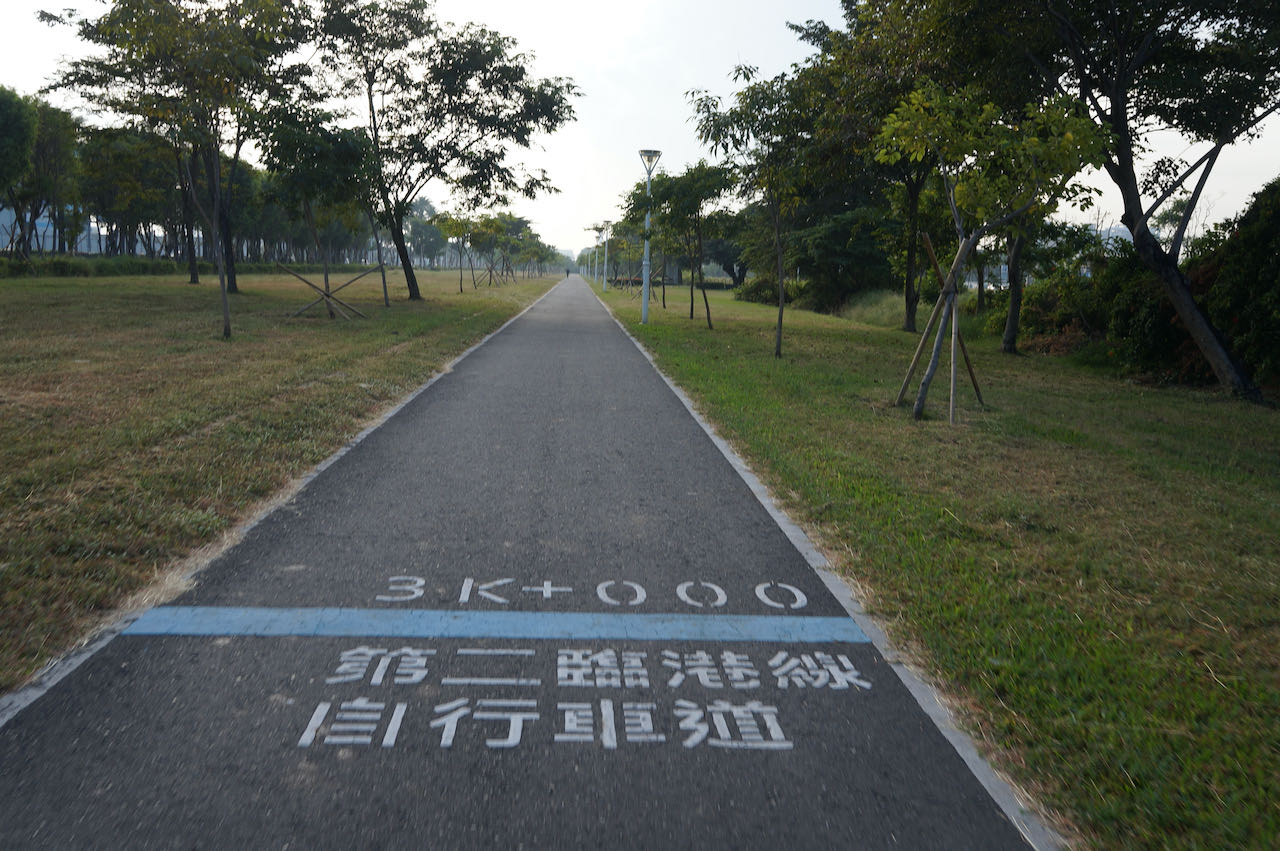
    高雄は台湾の主要都市の一つでとても混雑します。そこで、高雄に詳しいサイクリスト仲間に、大都市の中をスムーズに移動するためのアドバイスを求めました。高雄在住のVivian Wong氏は、楠梓區に宿泊している方に向けて、小港駅へのMRTの利用を提案しています。これにより混雑している地域を効果的に迂回できます。MRTの運行時間中はいつでも、自転車を乗せることができます。自転車一台分の運賃は、NTD 60です。逆に自転車での移動を好む場合は、Vivianは県道186号を東に進み、その後省道29号へと移行して南へ向かうルートを提案しています。このルートは仁武區通過後の混雑を回避でき、信号も少ないです。また、もう少し傾斜のある道に挑戦したい方には、県道186甲がオススメです。Wong氏から提案されたルート(県道186号を通る)はこのセクションの終わりにあります。

    また、著名なサイクリングライター兼VloggerのEddie Chen氏は、市中心部に近い高雄駅周辺での宿泊を推奨しています。地元の人々の多くが仕事のために市中心部に向かうため、朝に反対方向へ進めば道は混み合っていないからです。さらに、Eddie氏は鼓山渡船埠から旗津(きしん)区(高雄港の西側に延びる半島状の砂州)へのフェリーでの迂回も提案しています。これにより、長い島の南端を辿って、まるで絵のように美しい自転車道を楽しむことができます。砂州を抜けると中洲渡船駅から前鎮区へのフェリーを利用した後、市外が見えてきます。砂州の南端のトンネル(過港隧道)では自転車の通行が禁止されている(車のみ可)ことに注意してください。

    こちらは鼓山渡船埠中洲渡船駅のフェリーの時刻表です。

    枋山郷を出発した後、2つのルートが皆さんを待っています:省道9号と県道199号です。これらのルートはサイクリストたちを峠を越えて東海岸に導きます。まず、省道9号への分岐が先に来ます。このルートを進む場合は、楓港での宿泊を選んでください。個人的には、さらに南へ、より多くのホステルやレストランがある車城まで進むことをお勧めします。車城で分岐する県道199号も、特に週末は交通量が少ないため、サイクリングに適しています。

    ほとんどの公式GPXルートでは省道9号を案内しています。しかしこの地図では、公式ルートは車城を経由するために若干修正されています。

    公式ルート:

    代替ルート:

    6日目:屏東県から台東県へ

    壽卡鉄馬駅の峠を越えて、美しい東海岸へ駆け降りる。
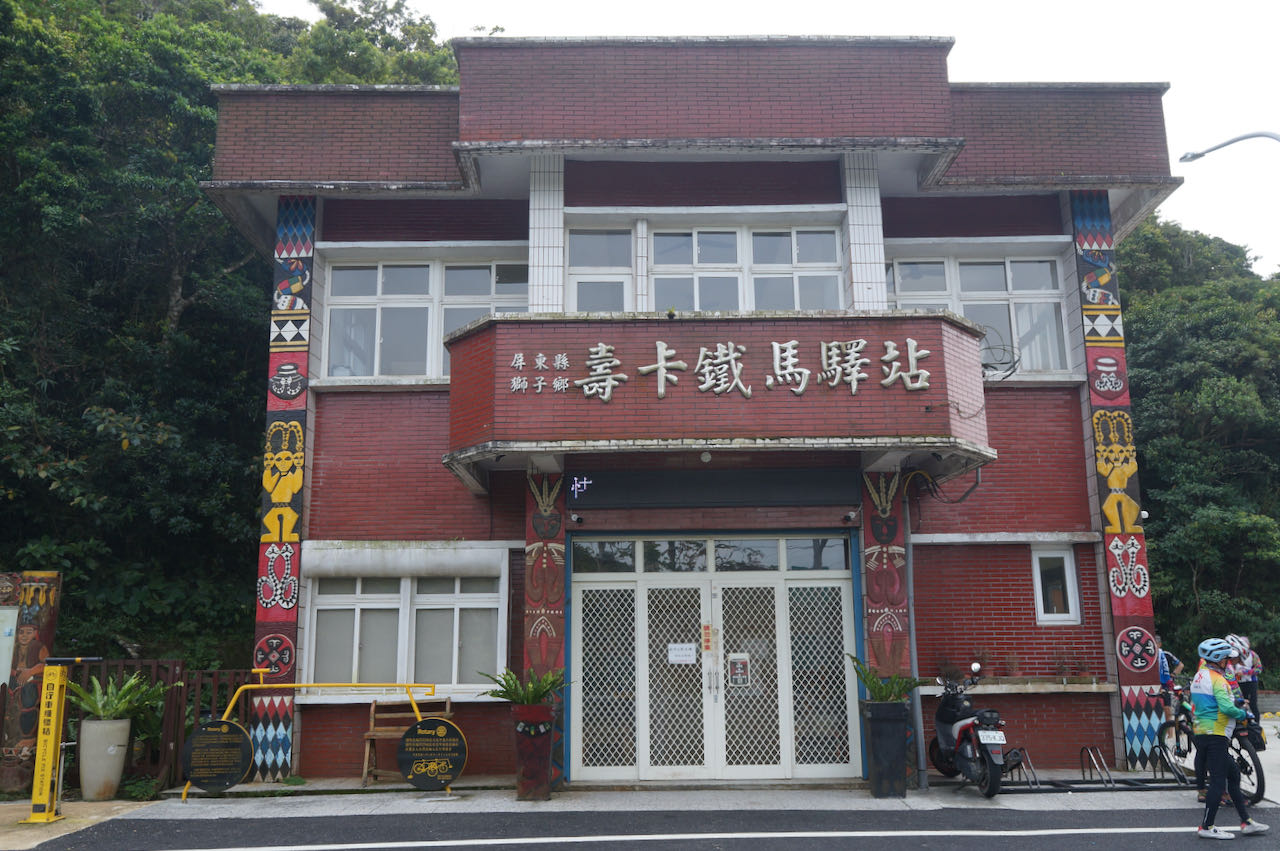
    今日は、西海岸から東海岸への移動の日です。車城から県道199を使って壽卡まで登り標高450mに達する、挑戦的な道のりになります。ピークに到達した後にもいくらか上下移動があり、総累積上昇は1300mになります。県道199は、勾配が穏やかな静かな道です。ルートに沿って進むと、台湾に16ある先住民族の一つであるパイワン族の集落に遭遇します。レストランや店舗もこのルートに沿ってアクセスできます。もし通過したタイミングに閉まっていた時は、牡丹の7-ElevenHi-Lifeなどのコンビニで、必ず食料と水を補給してください。

    峠を登り終えると、達仁から台東へのルートに沿った碧い太平洋の壮大なパノラマビューとともに、スリリングな下り坂がご褒美としてあなたを待っています。峠から東海岸までは100mばかりの登りが残っています。小さな町に到着したら休憩を取り、補給をしてください。

    この先もクラシックな9日間の旅程に従って、花東縦谷を目指して国道9号に移ります。宿泊施設を探す場合は、知本卑南の温泉ホテルへの滞在も検討してください。台東市に泊まりたい場合は、最短ルートの省道11号に切り替えてください。強い向かい風に見舞われた場合は、金崙や太麻里といった町に立ち寄って一息つくのも良いでしょう。

    ご注意ください

    6日目はより難易度の高い日とされています。壽卡(ショウカ)までの上り坂は、いわば前菜のようなものです。南迴公路は景観が非常に美しい一方で、北東の季節風をまともに受ける全開のルートであり、いくつかのアップダウンもあります。この時期は向かい風の中を走ることになるため、体力を消耗しやすいでしょう。

    もし時間に余裕があれば、金崙(ジンルン)など沿線の小さな村に一泊する計画を立てるのも良いでしょう。

    列車情報

    • 大武駅から台東駅まで、自転車を袋に入れずにそのまま持ち込める列車は4本のみです。
    • 出発時刻は 07:25、08:48、10:50、19:23 です。
    • これらの列車は龍溪、金崙、太麻里、知本、康樂の各駅にも停車し、これらの駅からも自転車を袋なしで乗車できます。

    公式ルート:

    7日目:台東から花蓮県(瑞穂郷)へ

    台湾の花東縦谷の景観の美しさを楽しむ、のんびりとしたサイクリングの旅に出発します~。
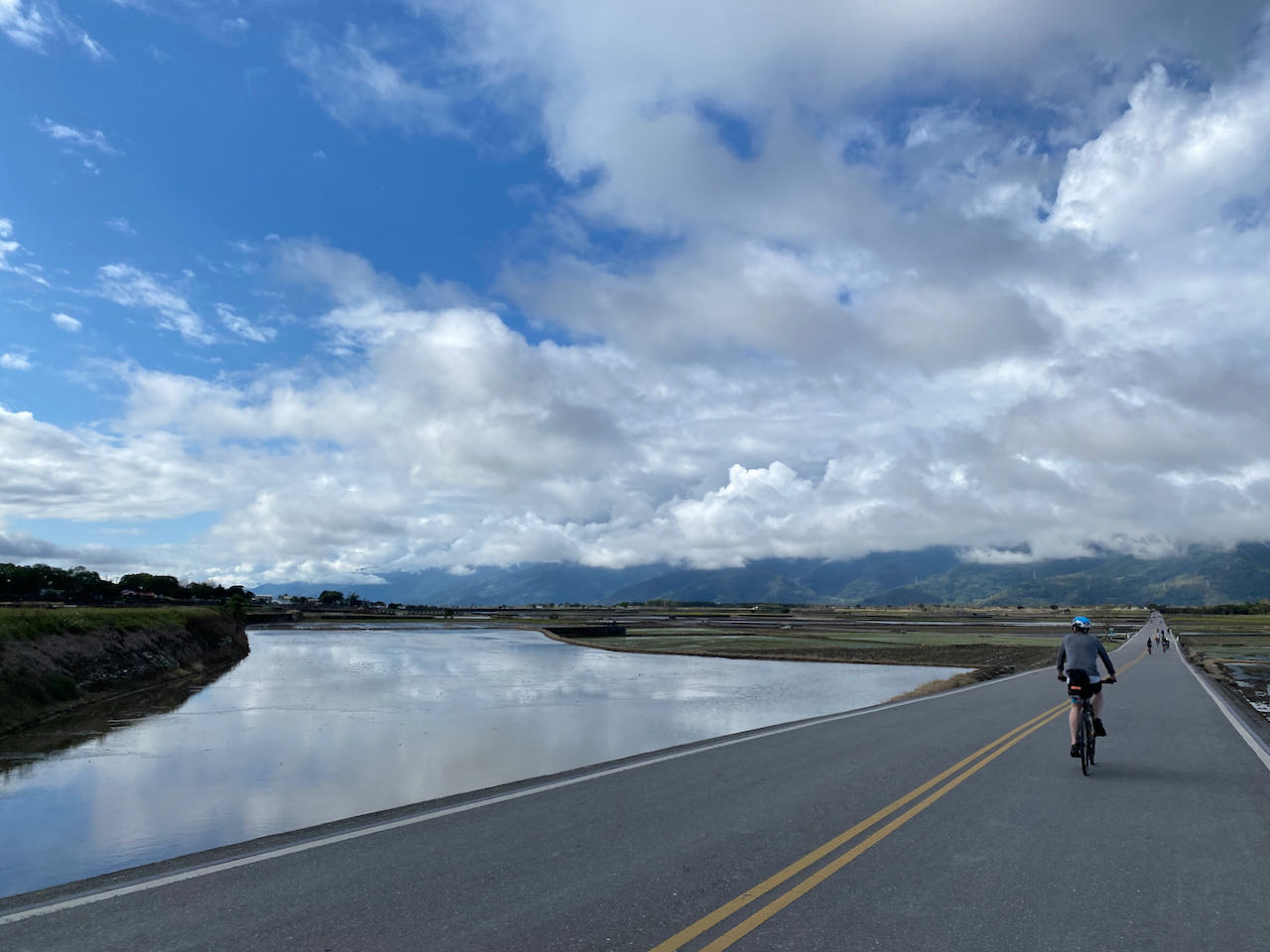
    台東から花蓮市へは2つのサイクリングルートがあります:縦谷ルート(省道9号)と沿岸ルート(省道11号)。今紹介しているクラシックな旅程では、補給ポイントや宿泊可能な町が多いため、縦谷ルートを選択することを提案しています。(日本語訳者も同感)また、縦谷は北東の季節風からサイクリストをある程度保護してくれるため、北上が容易になります。

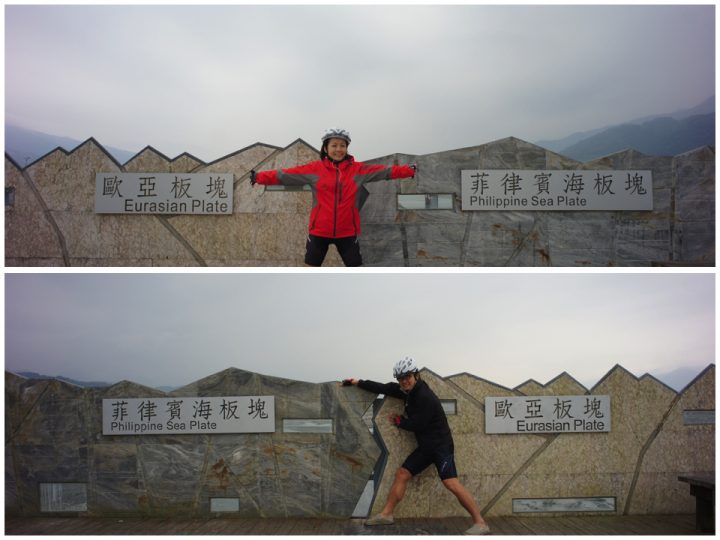
    このルートは分かりやすい一本道です。省道を北向きに進んでください。訪れるべき観光スポットは二つ、池上のブラウンブルーバードと、独立自転車道である玉里富里自転車道の出発点となる古い東里駅があります。玉里富里自転車道は省道9号に平行している(そのまま9号を進み続けないよう注意‼)、自転車専用道です。この自転車道を通って、ユーラシアプレートとフィリピン海プレートの接合部(2023年9月18日の地震により一時的に閉鎖、2024年6月6日に再開予定)へと導かれます。これらの観光地と自転車道への迂回ルートは、このセクションの代替ルート1に含まれています。

    しかし、自転車道を使わない場合は、自動車やトラックと道を共有しながら高速道路をサイクリングする必要があります。交通量が少ないルートを好む場合、Eddie Chen氏は池上の伯朗大道(Browne Boulevard)を訪れた後、西へ向かい、卓富工業道路(花75)を使って玉里へ向かうことをオススメしています。この道は田んぼの間近な景色が臨めるだけでなく、交通量も最小限です。玉里からは、次のルートで提案されているように、県道193号を通って瑞穂まで到達します。

    公式ルート:

    代替ルート1:玉里富里自転車道

    玉里富里自転車道は、2022年の地震の後、メンテナンスのため閉鎖されています。2024年夏の開放が予定されています。公式ルート:

    代替ルート2:花75 197

    2024年3月に代替ルート2を使用したユーザーのAndrewさんが、花75号と玉里を繋ぐ玉長大橋が封鎖されていると報告してくれました。川を渡るためには、もう一つ別の橋(卓富産業道路)が西側にあります。

    8日目:花蓮県瑞穂郷から宜蘭へ

    昨日に続いて縦谷に沿った景色の良い旅を続け、瑞穂から新城まで行きます。その後、難易度の高い(路面状況が悪く危険)蘇花公路を迂回するために、蘇澳新駅(蘇澳駅ではない)または宜蘭のさらに北の駅への電車を利用しましょう。
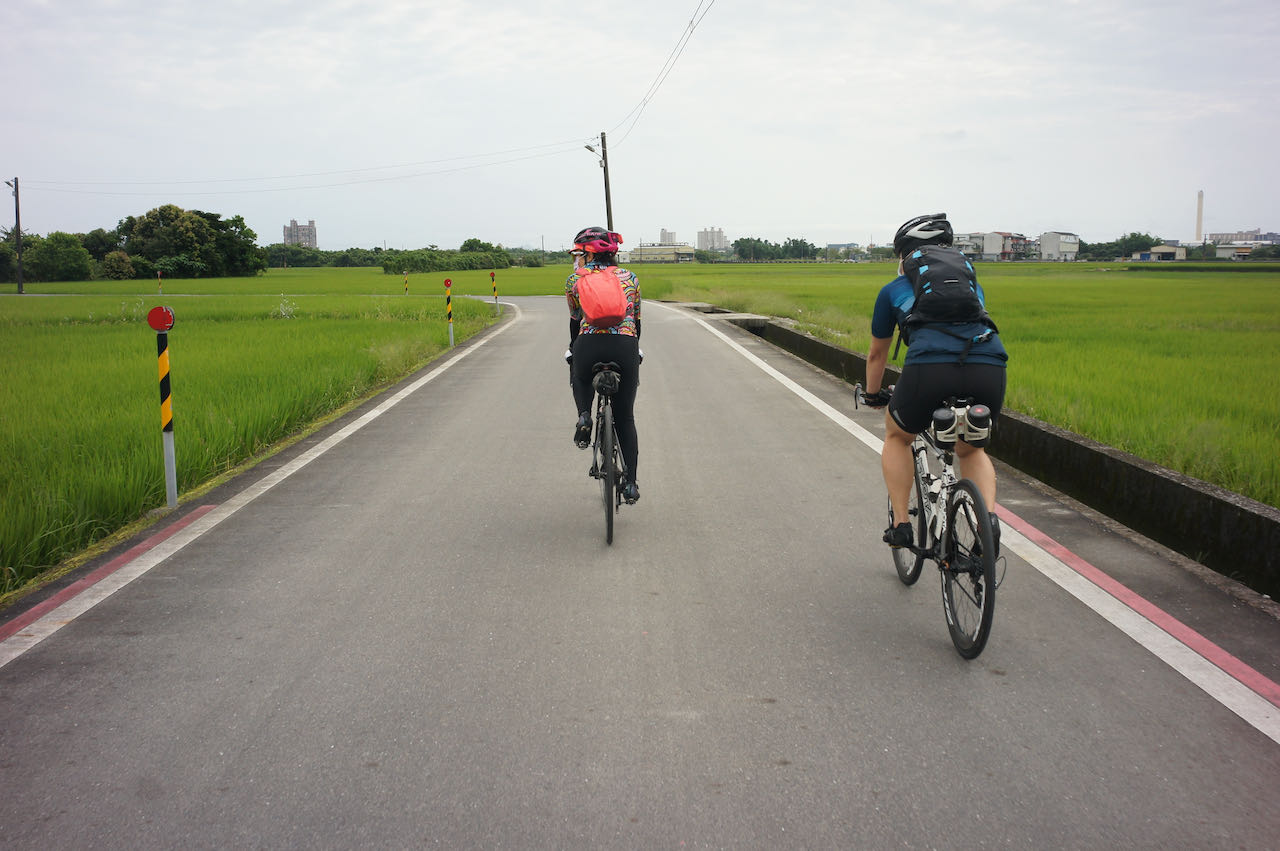
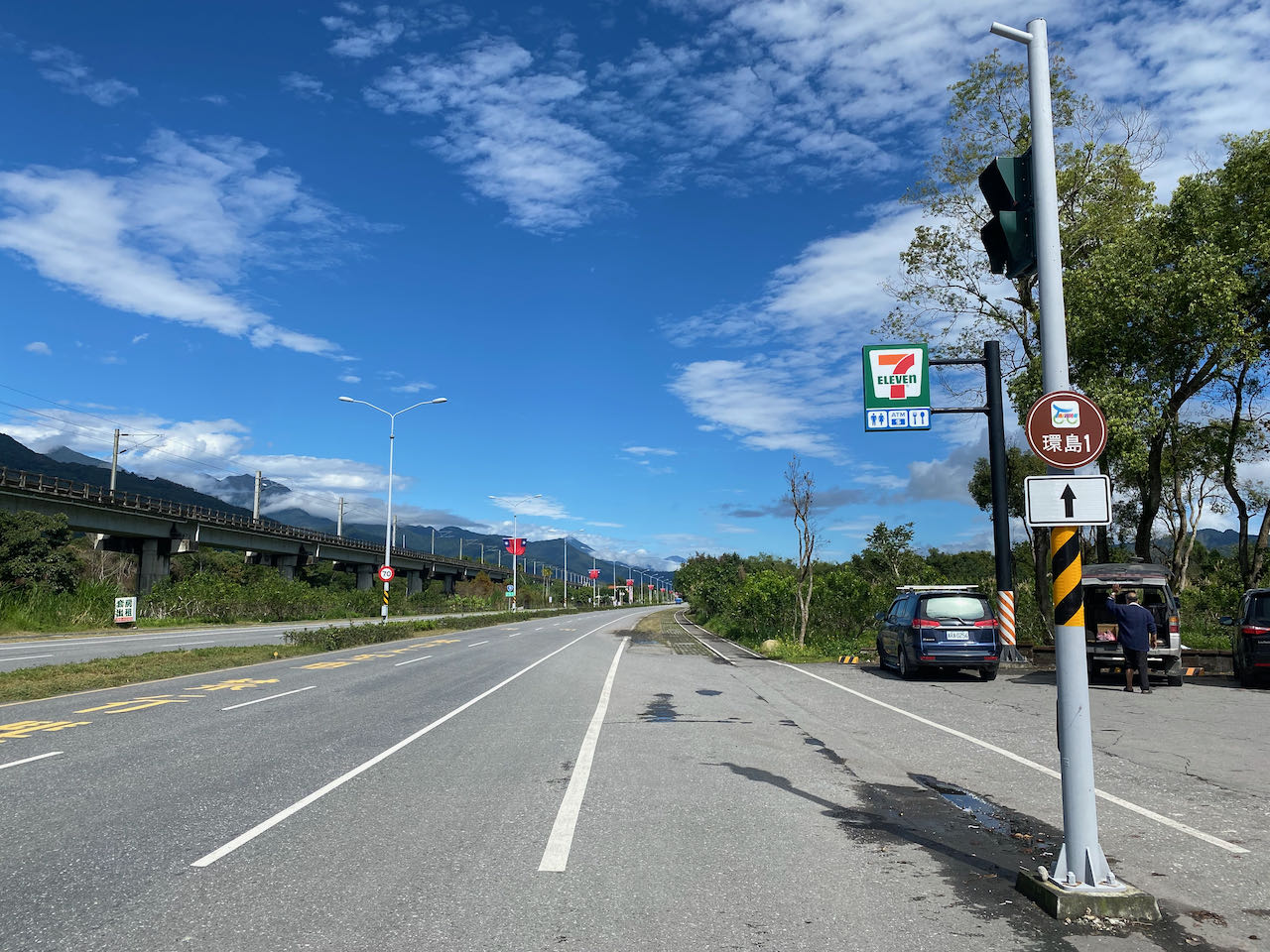
    次の表は、自転車を電車に持ち込むことができる電車のダイヤです。切符売り場のあるどの駅でも、大人の運賃の半額で自転車券を購入することができます。電車に自転車を持ち込むには、以下の情報を参照してください。
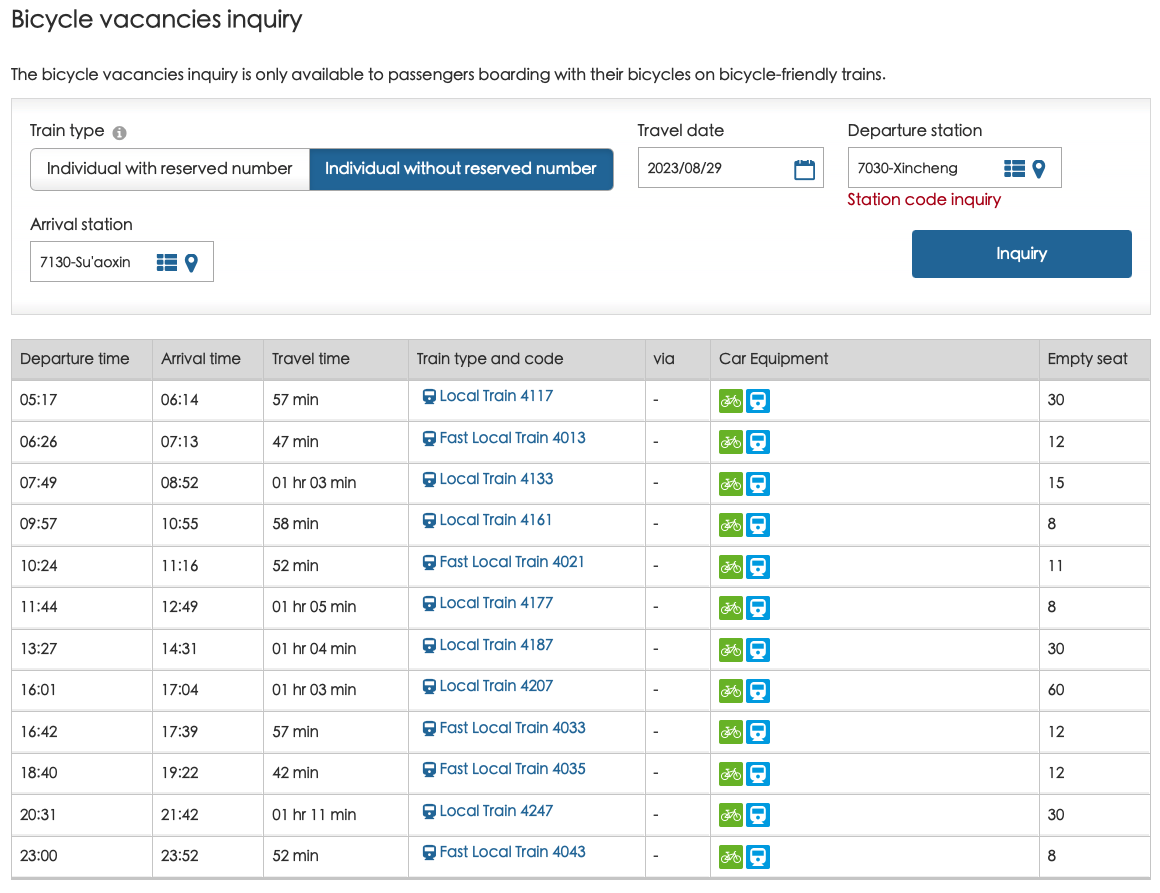
    瑞穂から北上する場合の最短ルートは省道9号を経由する道です。県道193号も良い選択肢ですが、瑞穂を超えるとより丘陵地帯になります。県道193号では63km進み、総上昇高度は700mに達しますが、省道9号では65kmの進度に対して、総上昇高度は半分の314mだけです。花蓮駅に到着したら、新城駅まで自転車で行って電車に乗る必要はありません。宜蘭県の様々な駅への直通電車があります。

    電車を利用したくない場合は、挑戦的な蘇花公路に直面することになります。(尚、この道は落石も多く危険なため、蘇花公路は通らなくても台湾一周の証明書は発行できます。)この難路を走るかどうかを判断するための投稿を書いています。蘇花公路を進む場合、前日により多くの距離をカバーし、花蓮市またはそれより北からライドを開始する必要があるかもしれません。

    (訳者は記事を読んだ上で雨天だったこともあり諦めました。)

    公式ルート:

    パート1:総距離 96.77 km | 総上昇高度 348 m | 総下降高度 455 m

    パート2:総距離 14.29 km | 総上昇高度 19 m | 総下降高度 41 m

    9日目:宜蘭から台北へ

    これはクラシックな9日間の台湾一周ツアーの最終日です。私たちは宜蘭を通って台北に戻ります。
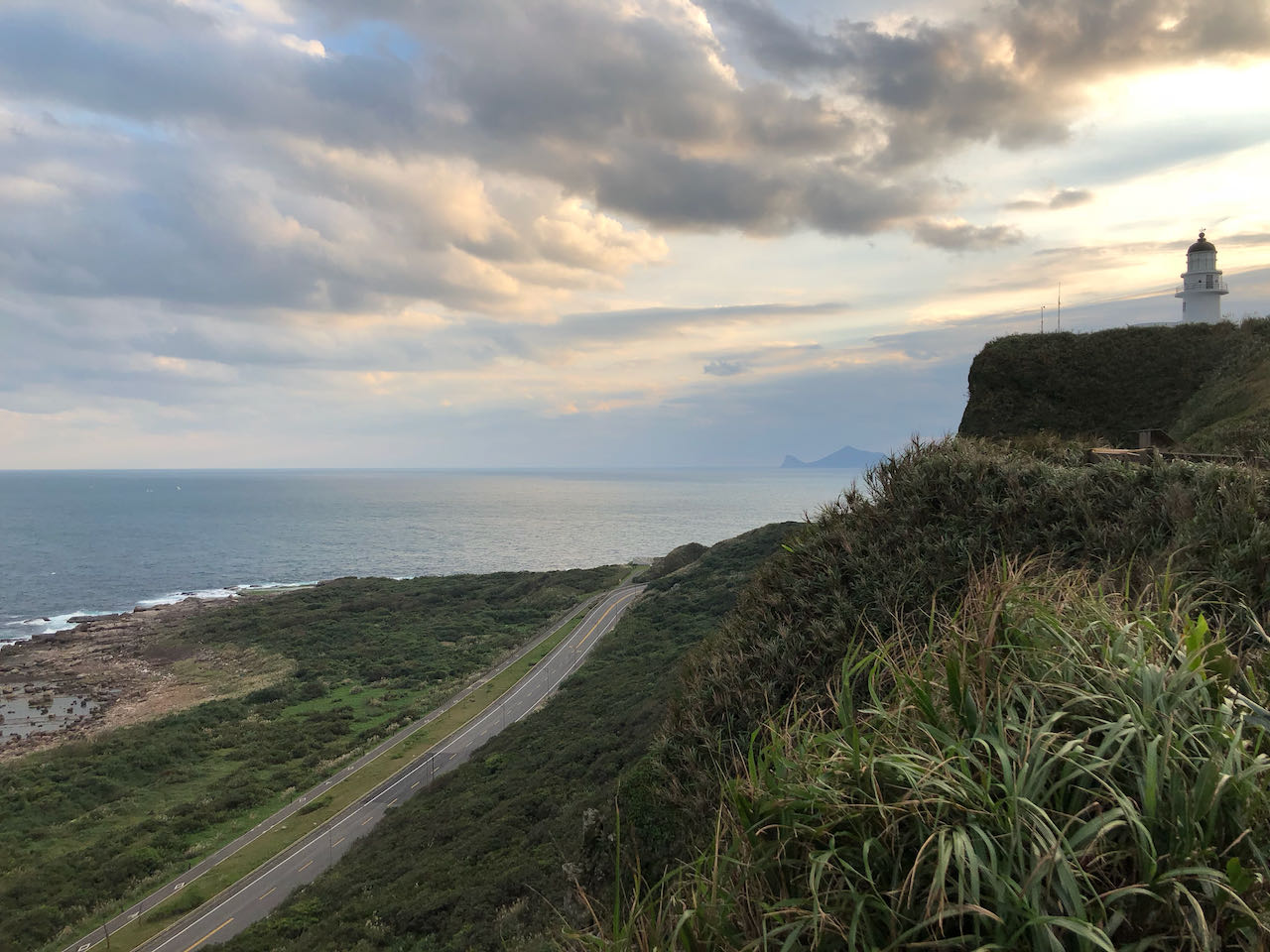
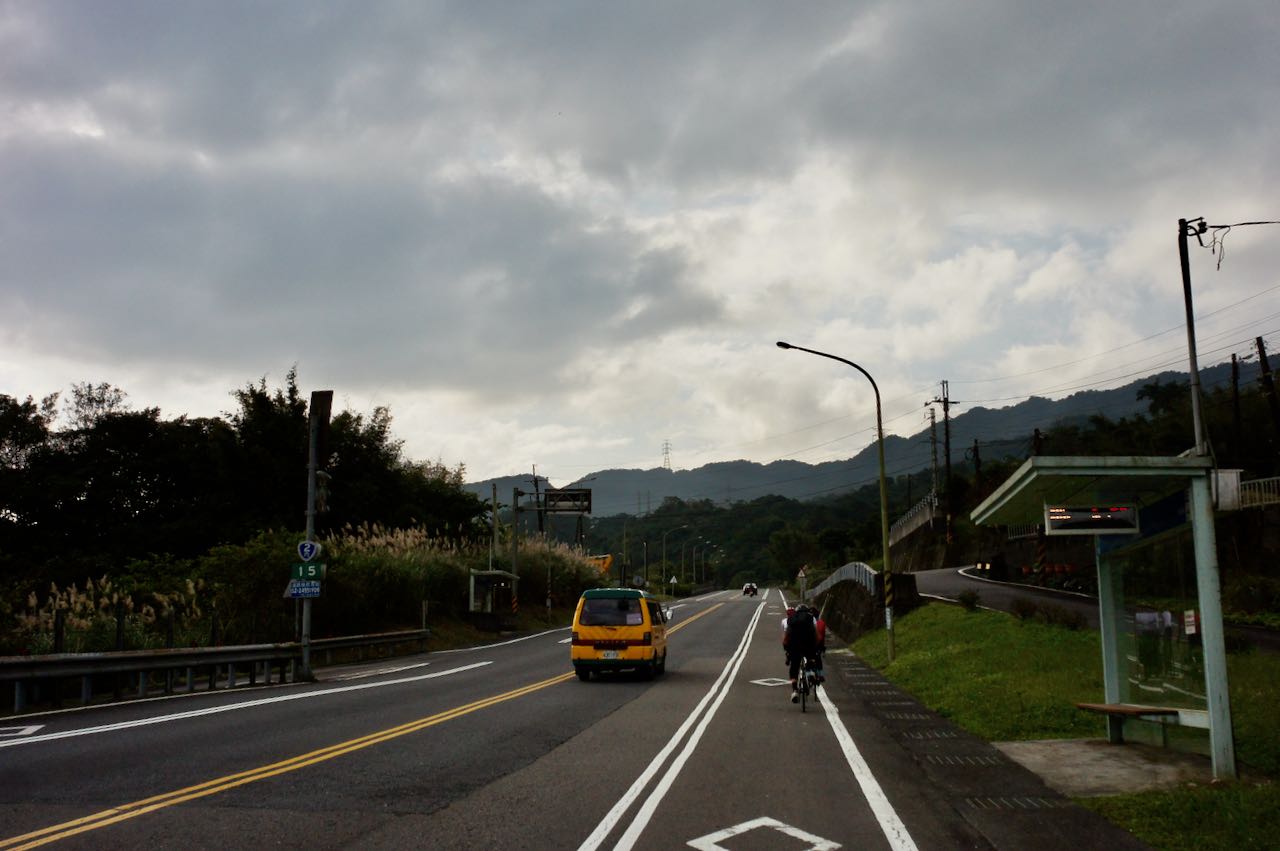
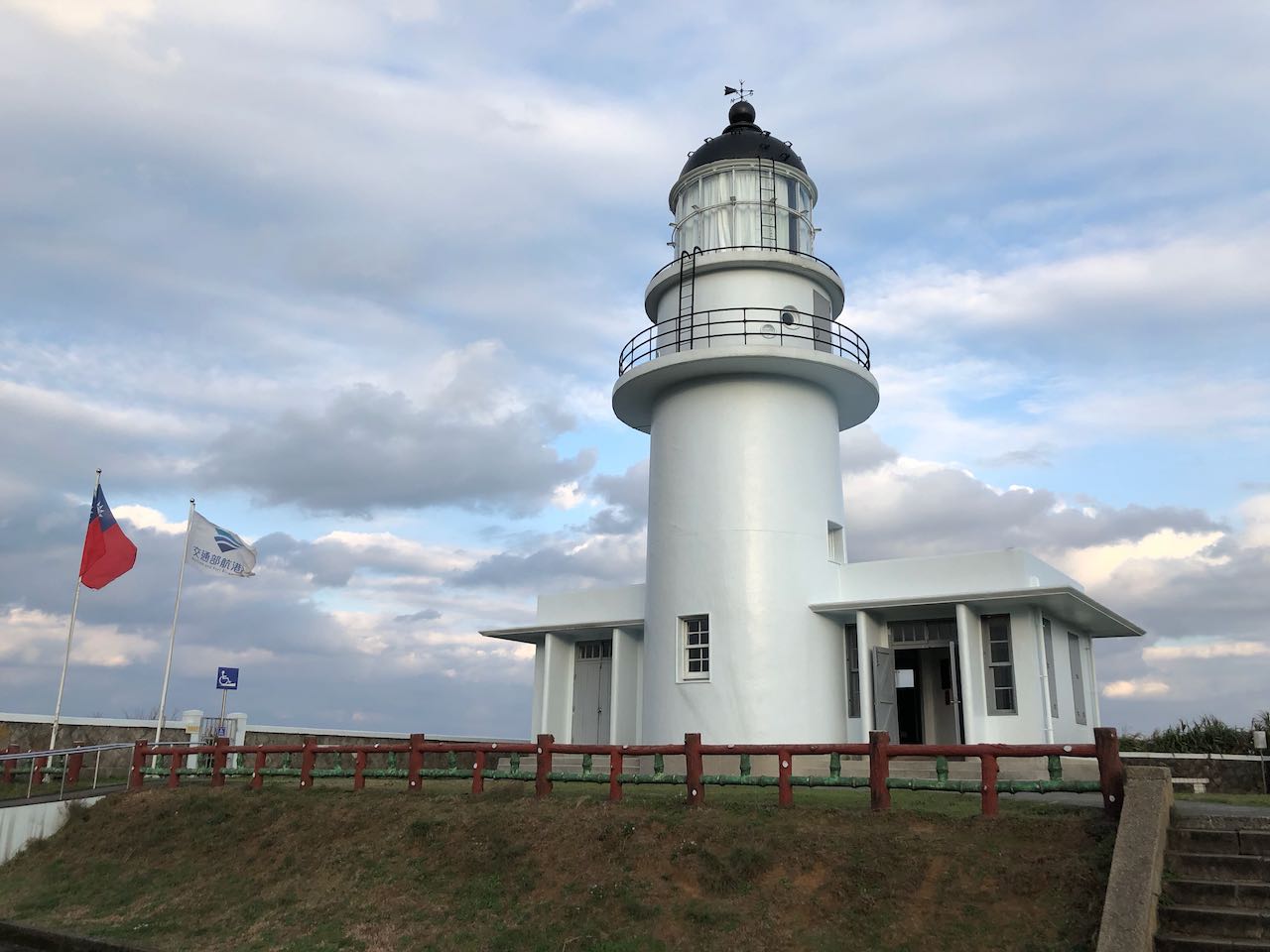
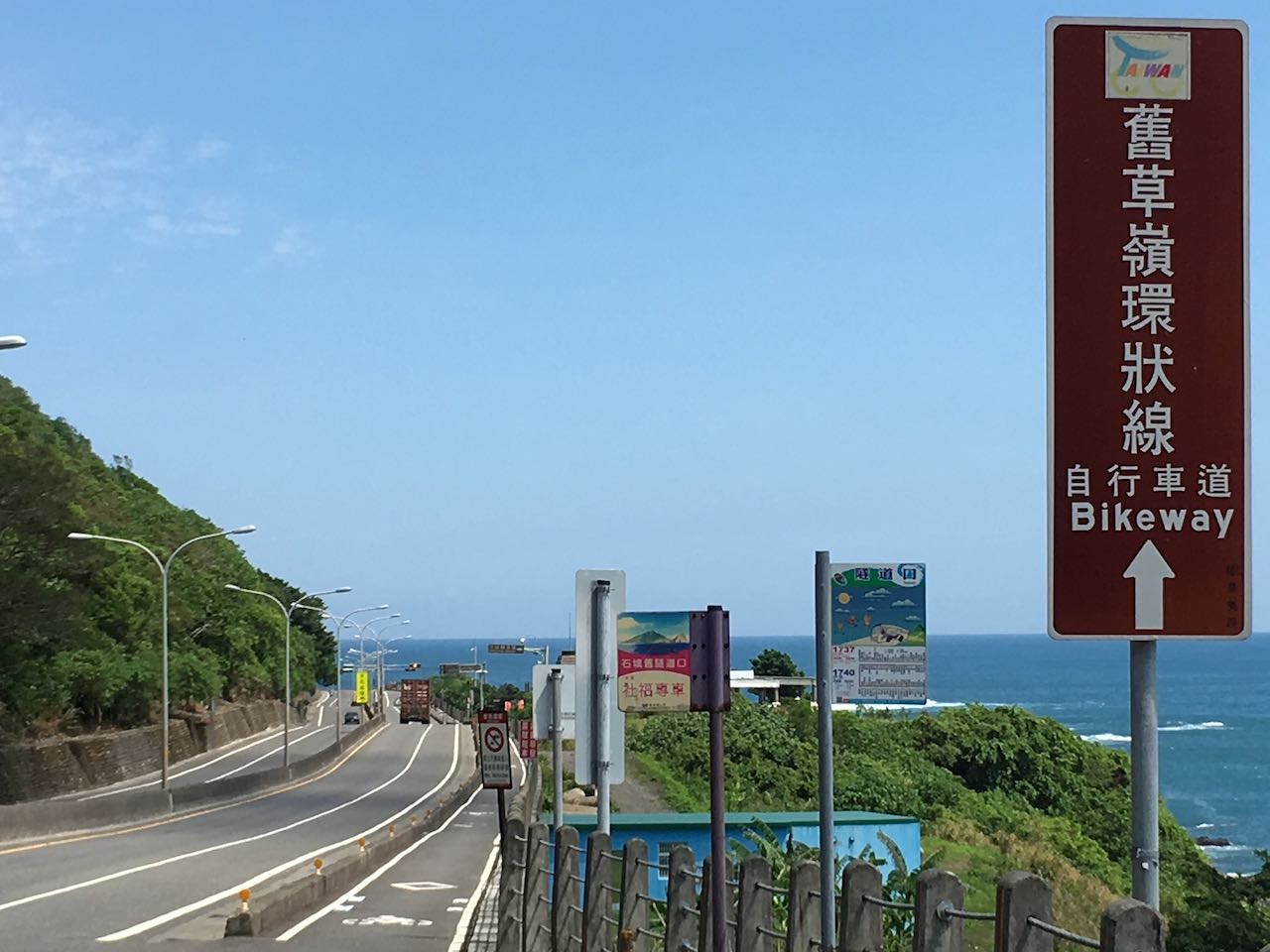
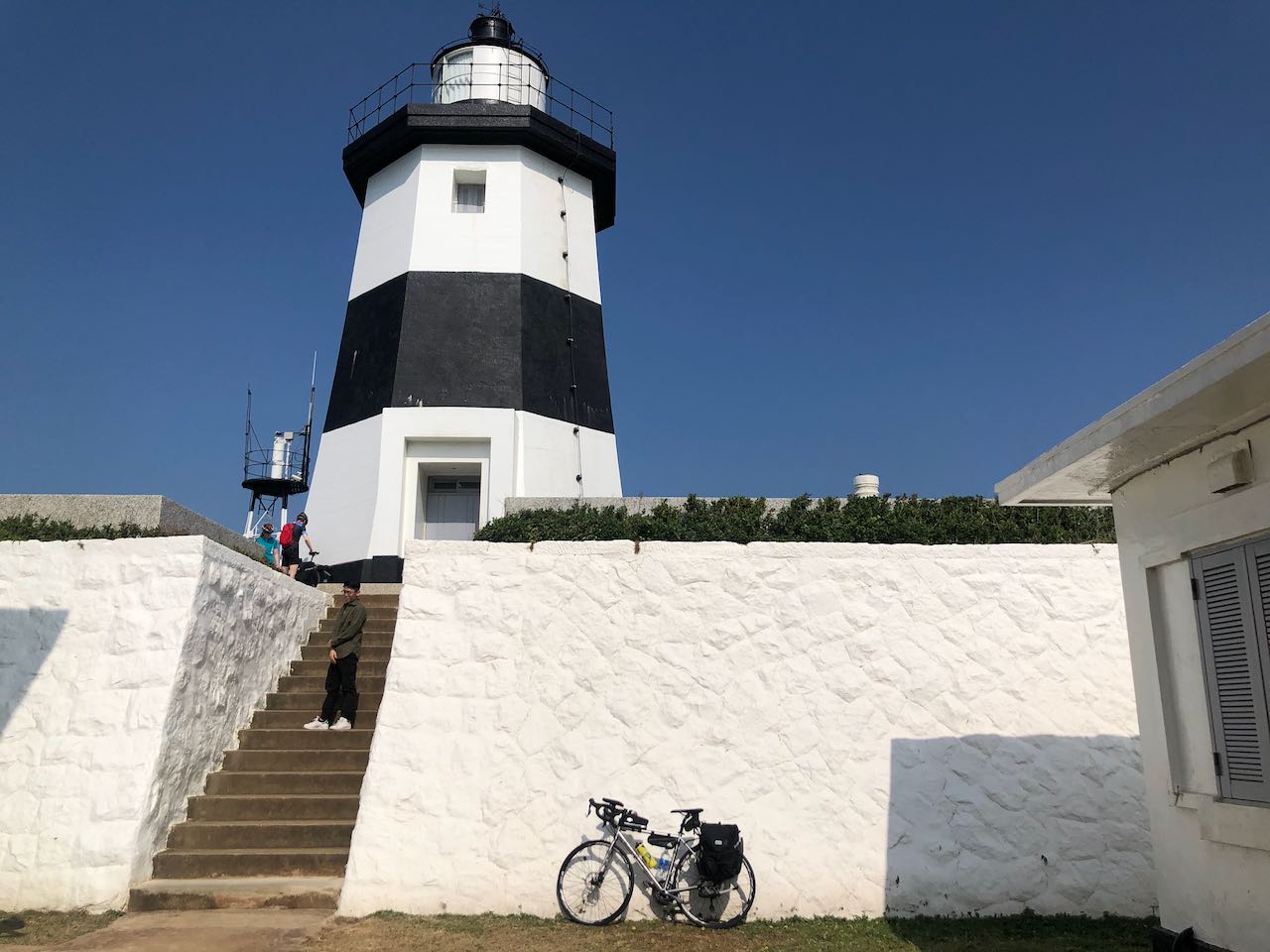
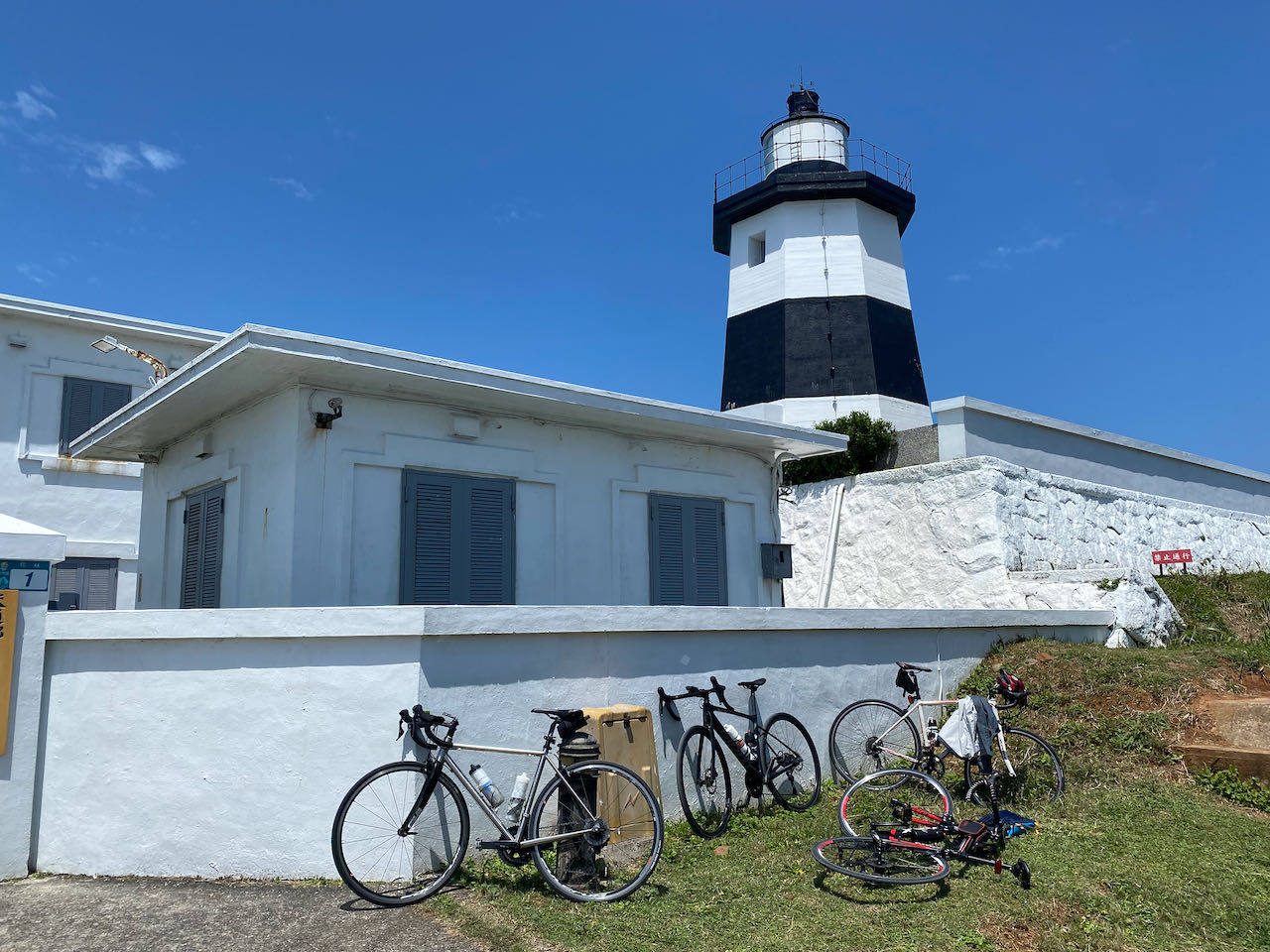
    公式ルートでは、宜蘭を出発し、省道2号線を北東に進み、三貂角の最北端に向かいます。三貂の岬まで行けば、三貂角灯台卯澳漁港など、美しい観光スポットがたくさんあります。これらの観光スポットは、本線とは別の自転車用道で繋がっています。この道のハイライトの1つは、古い草嶺隧道を利用した2kmの古い草嶺トンネルです。

    ただし、自転車用ルートの入り口に到達する前に、頭城から20キロメートルほど、多数の大型トラックと道を共有する区間があります。それでも週末や祝日なら、大型トラックが少なくなるはずです。自転車用ルートの入り口に到着し、北に向かうと、古い草嶺トンネルが福隆駅への近道となり、涼しく不思議な自転車体験ができます。東に向かえば、省道2号線沿いの自転車専用道から美しい海岸の景色や他の観光スポットを眺めることができます。

    福隆駅で、大型トラックは省道2号線を瑞芳まで走り続けます。瑞芳から私たちはトラックと別れ、台北に戻るために省道2C号線と5号線に切り替えます。広くて平坦な道である省道2C号線は、緑の繁る丘の静かな景色を楽しむことができますが、基隆から台北に続く省道5号線は、特にラッシュ時に都市部の交通量が多くなります。Garminルートの標高データを見ると、省道2C号線に525メートルの急峻なピークがあることに気付くかもしれません。ただし、トンネルがあるのでそ坂を登る必要はありません。Komootではより正確な標高データを提供してくれています。

    省道5号線の交通渋滞を避けたい場合は、十分で縣道106号線に切り替えることができます。ただし、この縣道もバイク乗りに人気があり、週末は混雑している可能性が高いです。また、この7-Elevenを通過した後、縣道109号線を登って南港を通り、台北に戻ることもできます。

    新北市新店地区に戻る別のルートは、省道9号線を通じて平林地区を経由する方法ですが、500mを超える2つのピークを越えるルートでもあります。ただし、週末や祝日にこのルートを選ぶことはお勧めしません。高速バイクが多く、エンジン音がうるさいだけでなく、彼らの中には各ターンを最高速度で通過しようとする者がいるため、事故のリスクが高まっているからです。

    台北に戻ったら、これらの2つの投稿を参考にして、台北の都市内での自転車ルートを計画することができます:台北と新北のリバーサイドバイクウェイの案内と、台北都市圏の自転車移動方法

    公式ルート:

    代替ルート1縣道106号線

    代替ルート2:省道9号線

    お客様からのお勧め

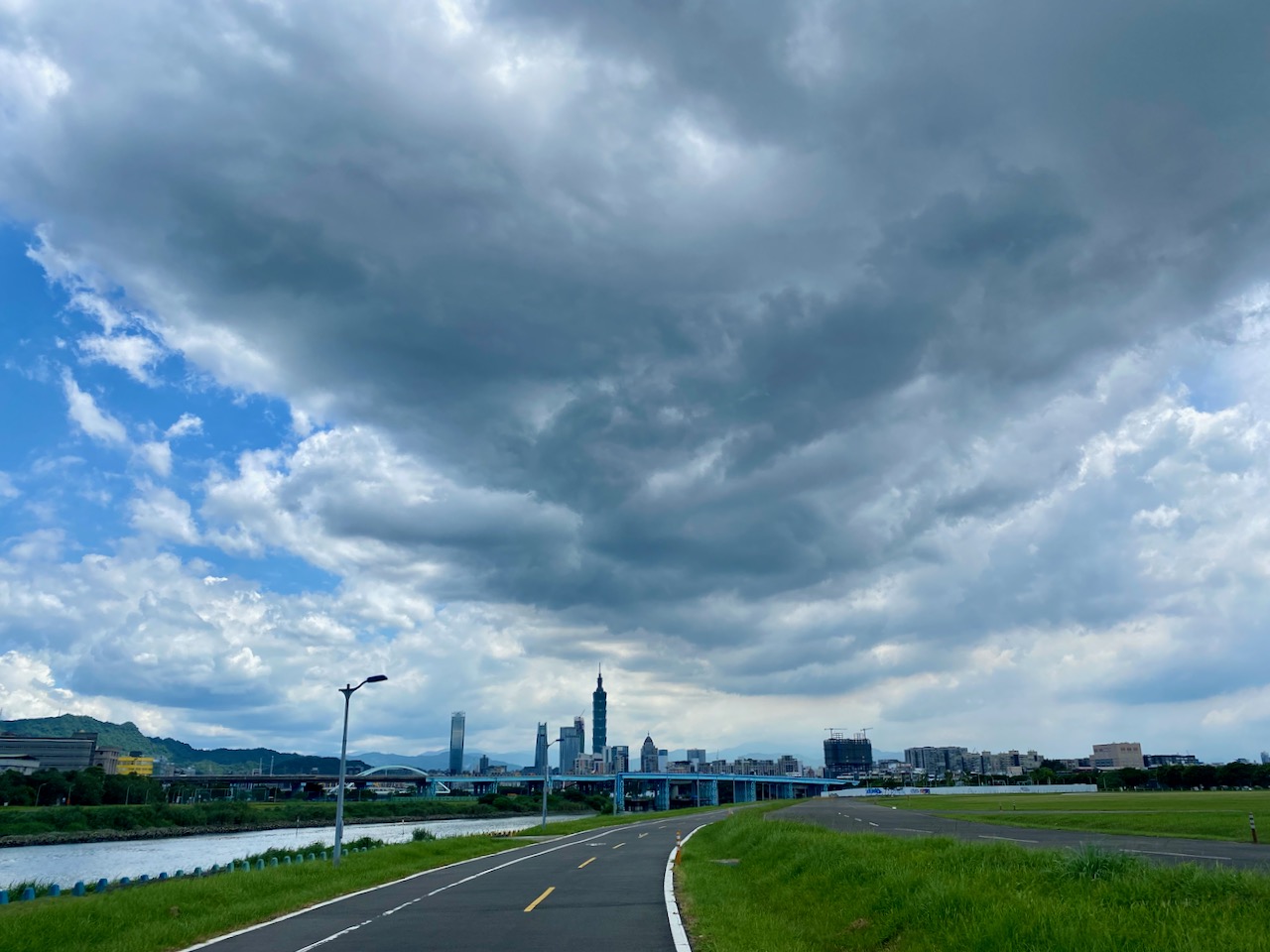
    Levke氏 は2024年4月に台湾一周のサイクリング旅行を終えました。そして、曲がりくねった道や狭い道があったものの、彼女は八堵から台北への河川自転車道をサイクリングする方が楽しいと感じました。特に、環島1号線の起点である松山に向かって走っているとき、目の前で台北101が大きく近づいてくるのは意義深く旅の締め括りに相応しい体験でした。次のリンクで彼女は自分のルートを親切に共有してくれています。

    久保田さんの自己紹介

    はじめまして。久保田智博です。
    20歳のときに、ずっと憧れていた環島を達成することができました。

    旅の途中では、言葉は通じずとも沢山の温かい人々に助けていただき、台湾がどんどん好きになっていきました。特に、ほぼ毎日食べた魯肉飯は忘れられない味です。

    このたび、自転車を貸してくださったBike Express Taiwanへの感謝の気持ちを込めて、日本語訳の手伝いをさせていただきました。
    台湾での思い出は、これからもずっと大切にしていきたい宝物です。またいつか、あの島を一周しに戻ってきます。

    About Mr Tomo Hero

    Hello, I’m tomoHero!
    I achieved my goal of Cycling Route No. 1 which was my long-cherished ambition.

    I helped Bike Express Taiwan with translating the Web page in Japanese, expressing my gratitude.

    I will cherish my memories in Taiwan forever. I will be back to the island and travel around again.
    https://www.instagram.com/pockle_kun

  • ステージ制で巡る台湾一周サイクリング(4):台北、福隆、富貴角

    ステージ制で巡る台湾一周サイクリング(4):台北、福隆、富貴角

    この三日間の行程は、「分割して走る台湾一周サイクリング」シリーズの第4ステージで、台北エリアをぐるりと巡ります。このステージを終えれば、台湾一周のループが完成します。

    今回は台北の松山駅をスタート・ゴールとするため、公共交通機関を使う必要がありません。準備が整ったら、気軽に自転車にまたがって出発しましょう。走り出してすぐ、台北がどれほど自然の美しさ――山々や海――そして風情ある町々の文化に近いかを実感するはずです。

    GPSルートは走行スタイルに応じて柔軟に選べるようになっています。のんびり派の方も、長距離ライドが好きな方も、きっと心に残る景色と爽快な休日を楽しめることでしょう。

    1日目:台北から福隆へ

    この日は、島の北東端にあるリゾート地・福隆まで走ります。出発点は、台湾一周サイクリング公式ルート「環島1号線」の起点でもある、松山駅前です。もし台北市内の別の場所に滞在している場合は、信号も車も少ない「河濱自転車道」を使ってスタート地点まで向かうのがおすすめです。または、週末や混雑していない時間帯であれば、MRT(台北メトロ)での移動も可能です。緑のライン(松山新店線)を利用するなら松山駅で下車、青のライン(板南線)なら南港展覧館駅で下車すると良いでしょう(公式スタート地点にこだわらない場合)。

    出発後は、河濱自転車道を走ってから県道109号線へ。南港展覧館を通り過ぎると、街の風景からのどかな田園風景に切り替わります。県道106号線に合流する前に、短い急坂がありますが、無理せず押して歩いても大丈夫。距離は約2km程度です。その後の下り坂もなかなか急なので、ブレーキをかけつつ、慎重に下りましょう。

    県道106号線は、比較的緩やかで走りやすいルートです。途中、菁桐、平渓、十分などの小さな村を通ります。進み具合が良ければ、ぜひ立ち寄ってみてください。GPSルートが県道106号線から小道に分かれているのは、そうした興味深いスポットを紹介しているためです。時間がない場合は、そのまま県道106号線を進んでください。

    十分を過ぎたあたりで、県道106号線から離れ、省道2丙線(2C)に乗り換えます。

    省道2丙線に入ると、短い登りのあとでトンネルがあります。このトンネルを抜けると、雙溪、そして目的地の福隆へと続きます。もし標高プロフィールの38.5km地点で396mへの急な登りが表示されていても心配無用です。これはナビソフトがトンネルを認識できず、トンネルの上を登るルートとして誤って表示しているだけです。

    実際にはそんな登りはなく、トンネルを抜ければ、幅の広い静かな田舎道を、緩やかな下り坂で福隆まで爽快に走ることができます。トンネルに入る前に、必ずテールライトを点灯させてください。

    福隆駅に到着したら、最後の周回ルートは翌日にとっておくのも良いかもしれません。この風光明媚なルートには、漁港、灯台、自転車専用のトンネルなどが含まれており、ゆっくり楽しむ価値があります。

    ちなみに、GPSの標高プロフィール上で60km付近(トンネルの入口あたり)から急な登りが表示されている場合、それもまたナビソフトのトンネル誤認識によるものです。実際には登りではなくトンネルなので、安心してください。

    GarminのGPSデータでは、総上昇量が1,108メートルと表示されていますが、2つのトンネルによって318メートル分の登りが省略されるため、実際の総上昇量はおよそ790メートルです。

    ルート

    ルートのご利用方法

    紹介したルートを使用するには、アプリのインストールが必要です。スマートフォンのブラウザで上記のリンクをタップすると、アプリが自動的に起動してルートを読み込みます。Garmin Connectの場合、アプリを使用してルートをGarminデバイスに登録できます。台湾で購入したGarminデバイスではない場合は、デバイスに台湾地図がインストールされていることも確認する必要があります。Garminデバイスのご利用方法を説明した当社のブログ投稿もこちらからご覧いただけます。

    2日目:福隆から金山へ

    この区間には3つのルートがあります。

    海岸ルート

    この海岸沿いのルートは平坦でわかりやすく、美しい景色が続きます。特に鼻頭角周辺の風景は見逃せません。ただし、瑞濱付近で省道2号線は交通量が多く、大型トラックも走っています。道幅が狭い箇所があり、2~3本の短いトンネルもあるため、狭いトンネルに入る前には後続車を先に通すのが安全です。

    いくつかのトンネルは回避可能です。例えば、龍洞展望台への寄り道でトンネルを避けられますが、短い階段を通る必要があります。また、蝙蝠洞公園付近のトンネルは、小さな村を通ることで迂回できます。どちらの迂回ルートもGPSルートに含まれています。

    大型トラックが快速道路62号線へ分岐した後は、サイクリングがぐっと快適になります。基隆市に入ると一時的に交通量が増えますが、海洋広場に到着したところで市街地を少し離れます。

    GPSルートは、より静かで風光明媚なルートとして外木山漁港を通るように設定しています。さらに、ビーチ沿いに整備された専用サイクリングロードがあり、それをたどって萬里漁港まで続きます。

    人気の観光地「野柳地質公園」は、萬里から少し走ったところにあります。じっくり見て回りたい方は、萬里に一泊するのもおすすめです。そうでなければ、そのまま金山地区へ進んでください。

    このルートでは、美しいけれど交通量の多い東北角海岸線と、比較的交通量が少なく観光スポットも点在する北海岸線の一部を楽しめます。

    不厭亭ルート

    海沿いの交通を避けたい場合は、雙溪まで内陸を進み、そこから標高516mの不厭亭まで登って九份へ下るルートがおすすめです。九份は見どころが集中している魅力的なエリアで、GPSルートには「九份老街」と「六坑斜坑ロープウェイ」も含まれています。

    九份老街を訪れた後は、途中まで下り、少し登るとロープウェイ跡地に到着します。その後、GPSルートに沿って鷹岩海岸まで下り、再び海岸沿いのルートに合流します。ただし、ここから5kmほどはトラックと一緒に走る区間があります。

    もしトラックを完全に避けたい場合は、ロープウェイ跡地をスキップし、県道102号を下って瑞芳駅まで行き、そこから海岸ルートに再合流するのがよいでしょう。(このルートはGPSには含まれていません。)

    時間に余裕があれば、九份で一泊するのもおすすめです。夕方から夜にかけて、街の雰囲気が一変し、より魅力的になります。

    三貂嶺トンネルルート

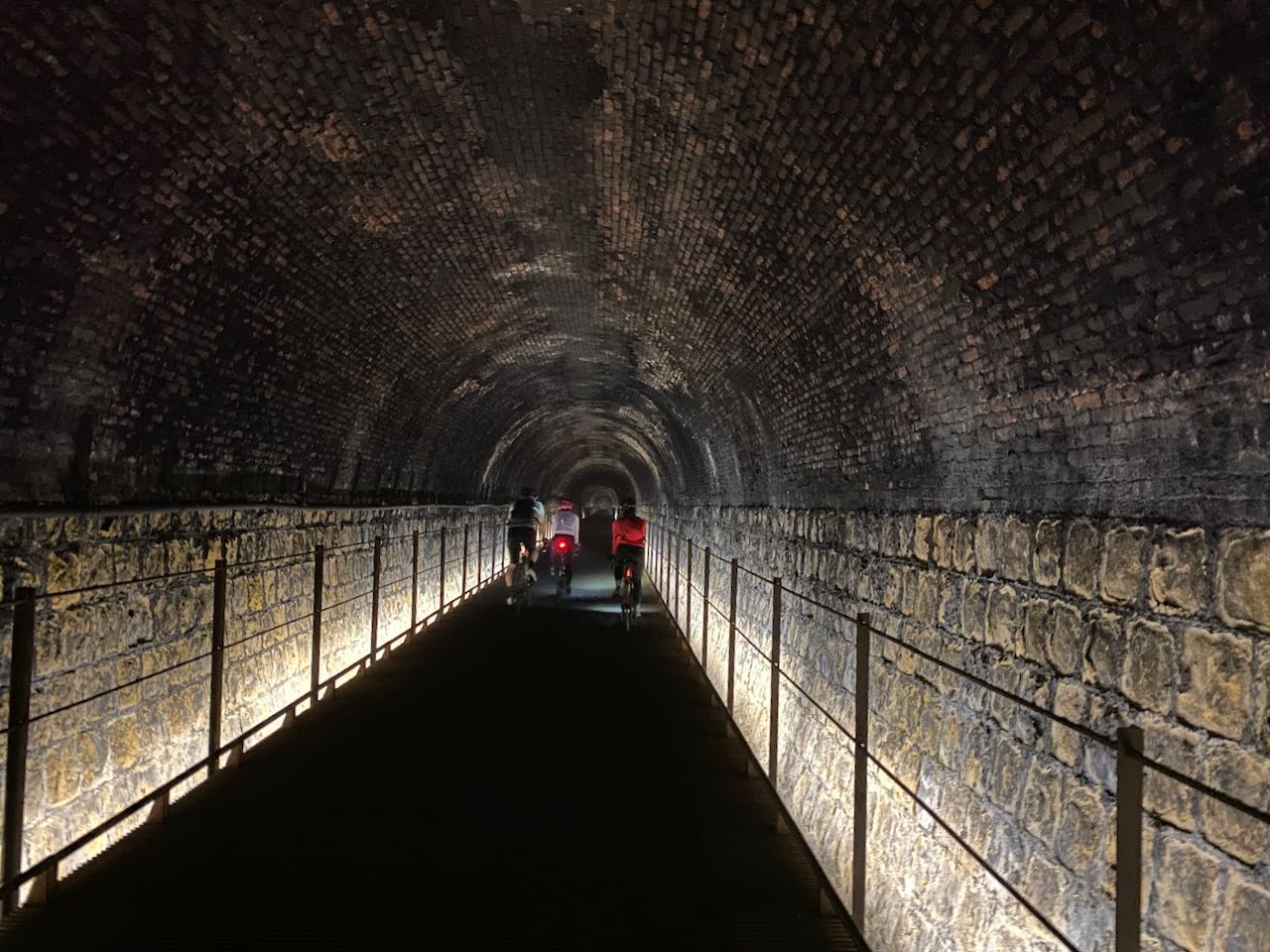
    3つ目の選択肢は、三貂嶺トンネルを利用するルートです。登り坂と省道2号線の大型トラックを両方避けられるため、最も快適なルートとされています。平坦で景色もよく、通行料も無料です。

    ただし、いくつかの事務的な手続きが必要です。事前予約が必要で、月曜日は通常閉鎖されています。予約した時間枠(2時間以内)にトンネルに入るよう計画を立てる必要があります。

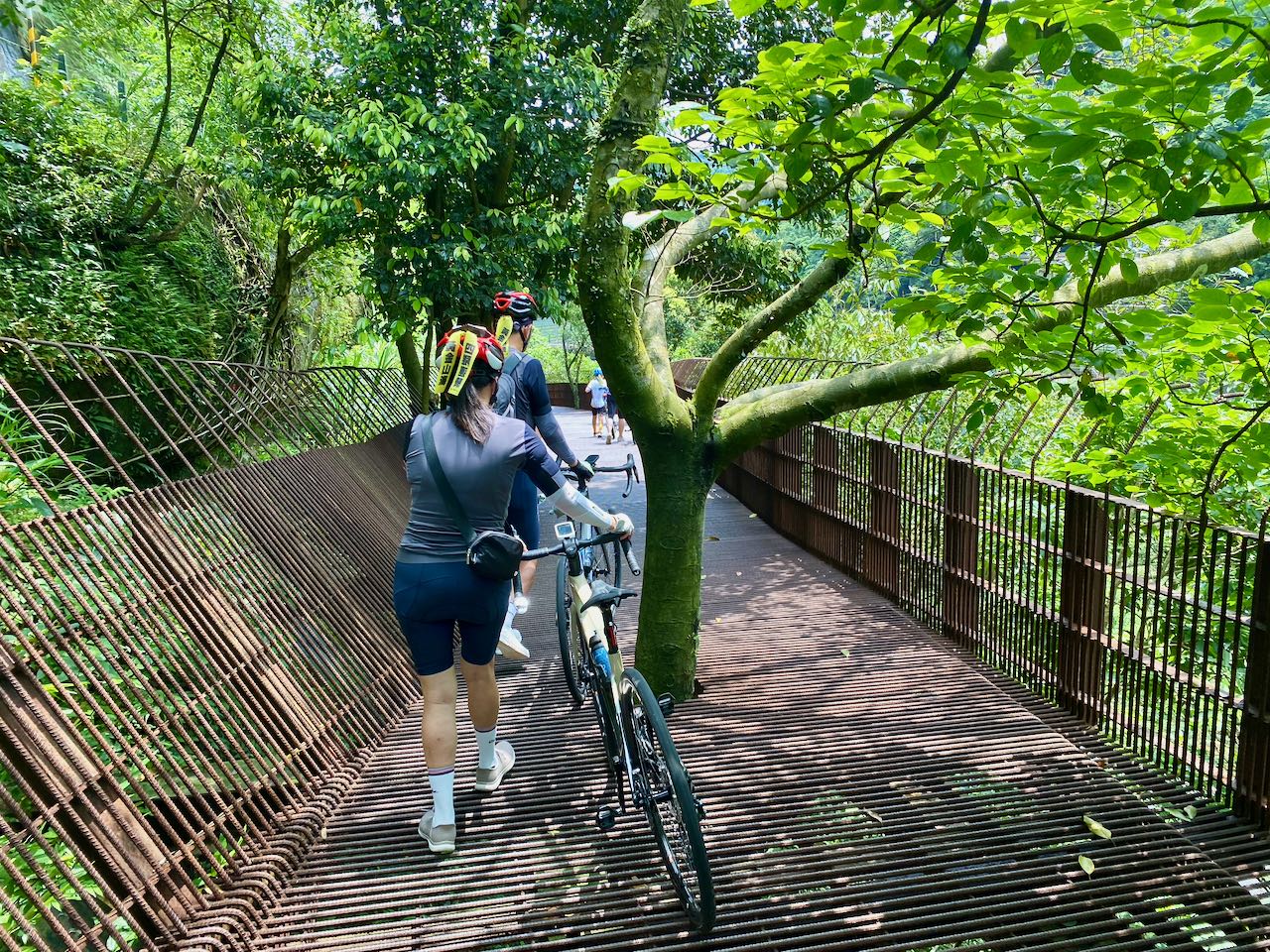
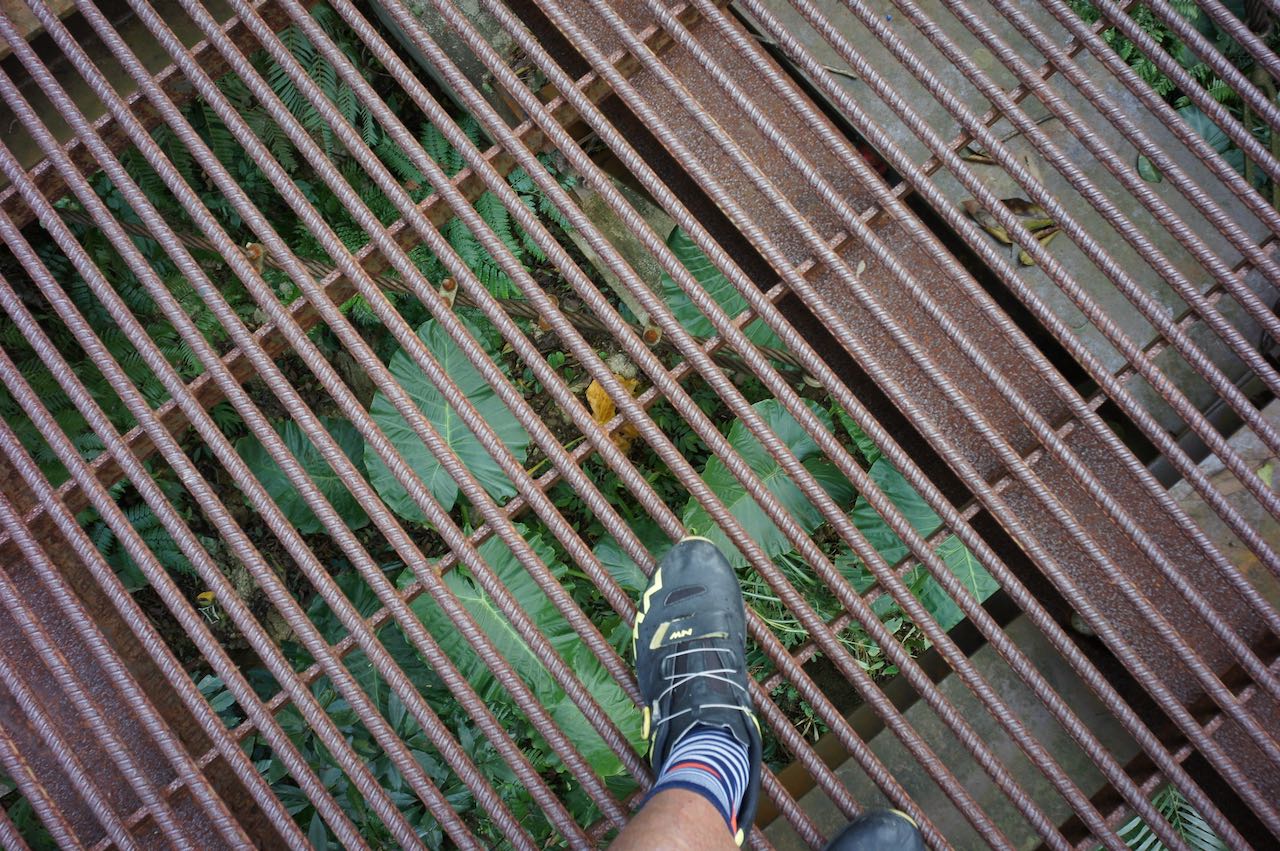
    残念ながら、これらの煩雑な手続きや不親切な設計によって、本来サイクリストに優しいはずの通路の利便性が損なわれています。トンネル内の舗装路面は、鉄筋(リバース)を縞状に並べたような構造になっており、無数の隙間があり、ビンディングペダル用のクリート付きシューズではつまずく危険があります。スマートフォンやサイクルコンピューターを落とさないよう、しっかりと手に持って通行してください。

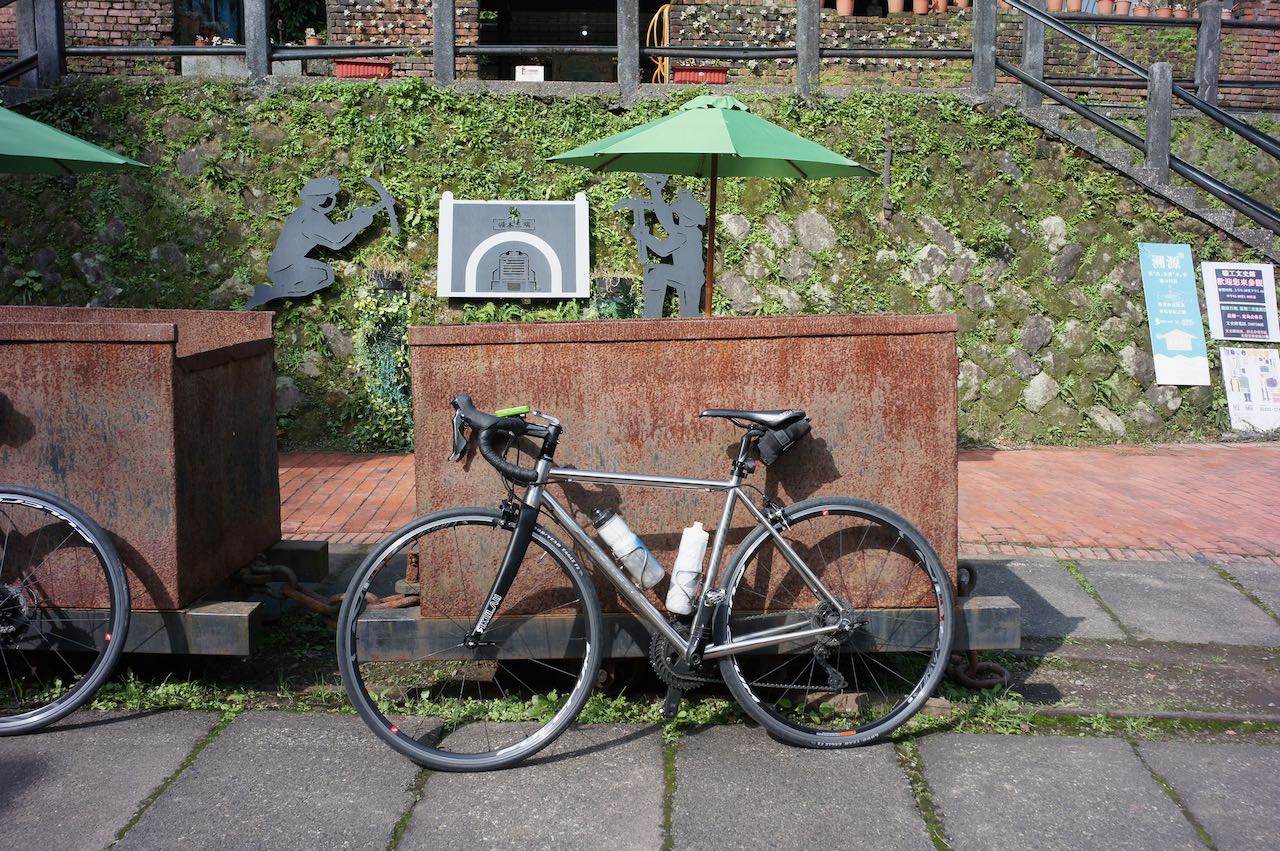
    こうした不便さはあるものの、トンネルを抜けた後には、かつての炭鉱の歴史を感じられる興味深いスポットが待っています。また、観光地として人気の「猴硐猫村」に立ち寄ることもできます。そこからは瑞芳駅まで快適なサイクリングルートが続き、さらに瑞浜で海岸ルートに合流することができます。

    海岸ルート

    不厭亭ルート

    三貂嶺トンネルルート

    ルートのご利用方法

    紹介したルートを使用するには、アプリのインストールが必要です。スマートフォンのブラウザで上記のリンクをタップすると、アプリが自動的に起動してルートを読み込みます。Garmin Connectの場合、アプリを使用してルートをGarminデバイスに登録できます。台湾で購入したGarminデバイスではない場合は、デバイスに台湾地図がインストールされていることも確認する必要があります。Garminデバイスのご利用方法を説明した当社のブログ投稿もこちらからご覧いただけます。

    3日目:金山から台北へ

    復路には2つの選択肢があります。

    海岸ルート

    省道2号線に沿って海岸を走り、淡水へ向かいます。前半は壮大な海の景色が楽しめ、GPSルートには台湾本島最北端の富貴角灯台への寄り道も含まれています。灯台を訪れたあとは、近くの食堂で名物のちまきを味わってみてください。

    GPSルートはその後、比較的静かな自転車道に案内し、再び省道2号線に合流します。後半は海から少し離れるため、景色はやや控えめになります。淡水区に入るまでに3〜4つの小さな坂があり、そこからは河岸自転車道を使って松山駅まで戻れます。もしくは、紅樹林駅からMRTで自転車と一緒に帰ることもできます(詳細は「台湾で自転車と一緒に公共交通機関を利用する方法」をご参照ください)。

    陽明山ルート

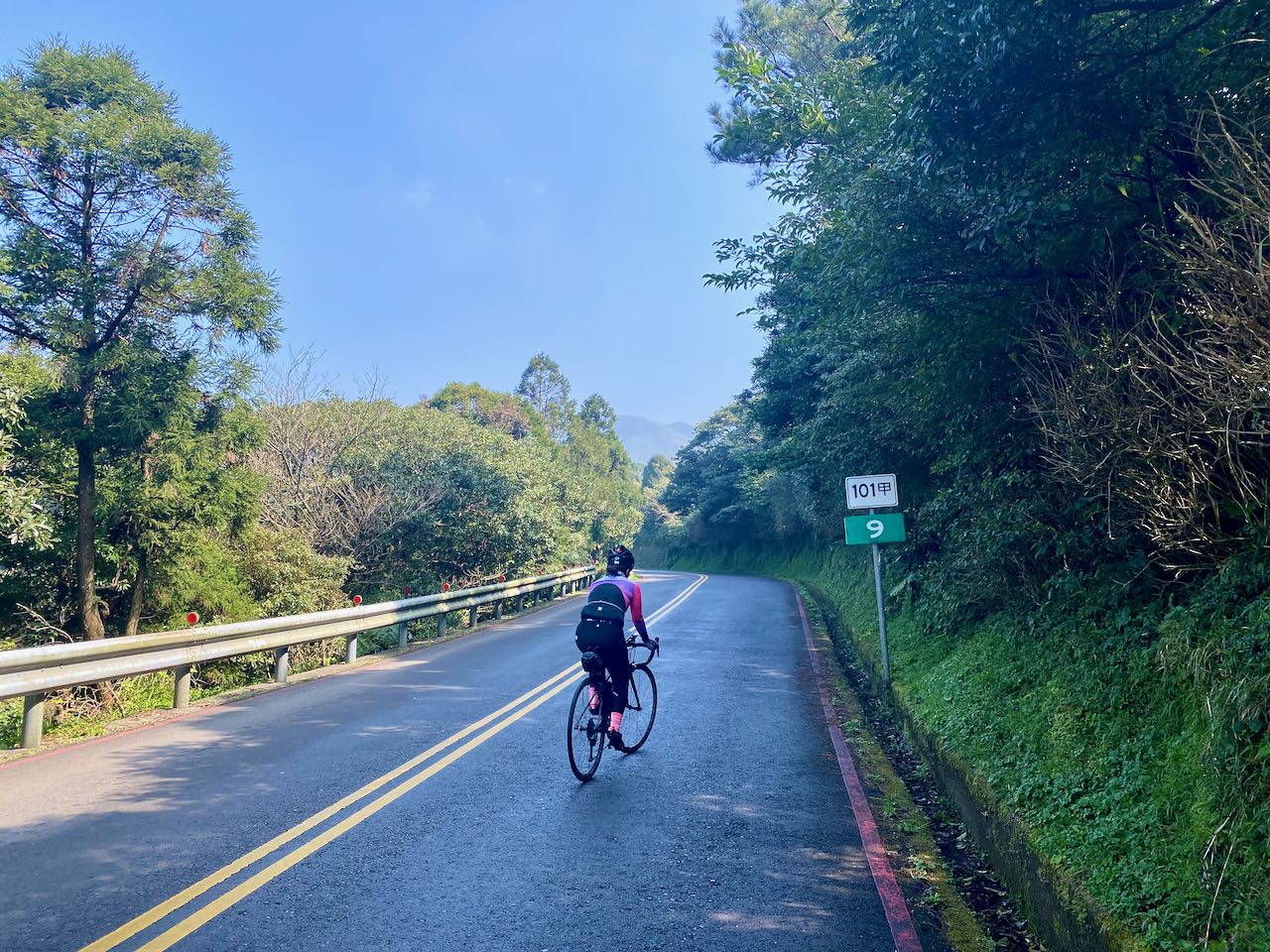
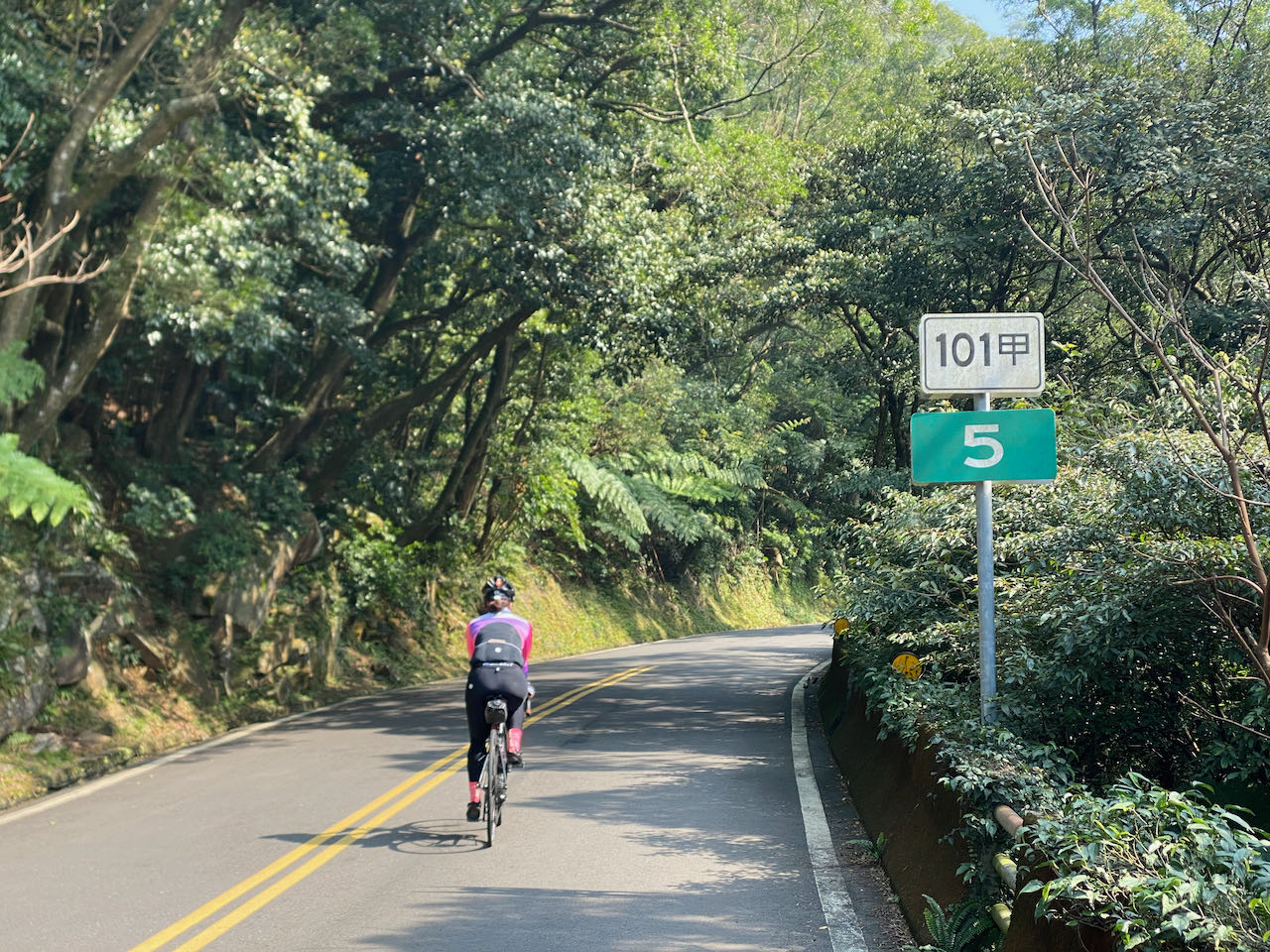
    海岸ルート後半の景色が物足りない場合は、最後のチャレンジとして陽明山の登坂がおすすめです。三芝区から陽明山へ続く県道101号線は、21kmで約900メートル登るルートで、平均勾配は3.8%。達成感のある締めくくりとなるでしょう。

    下りでは、GPSルートは交通量の多い省道2甲線を避けて、静かな道を通ります。その後、最後に約140メートルの登りを越えると、大型ショッピングモールが立ち並ぶエリアに到着します。そこからは河岸自転車道に入り、松山駅まで戻ることができます。

    海岸ルート

    陽明山ルート

    旅の締めくくり

    この3日間の台北近郊サイクリング旅では、美しい海岸風景、登りごたえのある山道、そして文化的な見どころがバランスよく詰まっています。台北市内の穏やかな河岸サイクリングから始まり、北東端の静かな福隆の海岸、険しい海岸線を進む金山、そして最終日は海岸ルートか、陽明山の火山地帯を経由するルートのいずれかで台北に戻ります。それぞれのルートが独自の魅力を持ち、海の絶景、山中の隠れた名所、歴史ある町並みなど、あなたのペースや好みに合わせて自由にアレンジが可能です。心に残るサイクリングの旅を、どうぞお楽しみください!

  • 台湾サイクリング:季節ごとの天候ガイド

    台湾サイクリング:季節ごとの天候ガイド

    台湾でのサイクリングを計画中の方から、天候についてよく質問を受けます。ここでは、台湾の気候について簡単にご紹介します。

    基本情報

    カテゴリ詳細
    気温– 年間平均:南部24°C、北部22°C
    – 最も暑い月:7月(平均27°C)
    – 最も涼しい月:2月(北部15°C、南部19°C)
    – 高地では気温が低くなります
    – 短く穏やかで、海抜0メートルでは10°Cを下回ることはほとんどありません
    – サイクリングに最適な季節です
    – 秋の終わりから春の初めにかけて、30°Cを超える日はほとんどありません
    – 特に正午は暑く、熱中症のリスクがあります
    – サイクリングは日の出前の早朝に始めるのがベストです
    降水量– 年間平均:6,700mm- 主に台風によってもたらされます
    – 山岳地帯、東海岸、風上側で降水量が多くなります
    – 冬:北部は霧雨、南部は乾燥
    – 夏:南部では1~2時間の雷雨が多い
    – 年間平均3.5回の台風(6月~10月)
    日照時間– 夏:5:00~18:45
    – 冬:6:30~17:00
    – 暗くなるとナビゲーションが難しくなります
    – 曇りの日でも日焼け止めを使用してください
    – 10月~4月:強い北東モンスーン
    – 恒春半島:下り坂での風に注意
    – 5月~9月:南西モンスーン、風は穏やか

    情報源: http://twgeog.ntnugeog.org/en/climatology/

    サイクリングシーズン中の台湾の天候

    多くの方が9月から4月にかけて台湾でサイクリングを楽しまれます。ここでは、中央気象局(1991~2020年)のデータと私自身の経験に基づいて、この期間の天候を詳しく説明します。

    気温

    9月は島全体がまだ暑く、1991~2020年のデータによると、海抜の高い日月潭などの地域を除き、最高気温が30℃を超える日が約20日あります。この残暑は「秋虎」と呼ばれています。

    10月になると、北部は大幅に涼しくなり、30℃を超える日は約6日です。しかし、南部はまだ暖かく、夏のような気候で12~20日が30℃を超えます。

    11月から冬にかけて、30℃を超える日はほとんどなくなり、4月まで続きます。この期間、南部では約12日、北部では10日未満です。島全体の平均気温は16℃から25℃の間で、高地を除きます。

    降水量

    9月と10月は台風が台湾に影響を及ぼし、大雨で旅行計画が乱れる可能性があります。この時期に訪れる場合は、太平洋の台風活動に注意してください。

    11月から4月にかけて、台北では月に12~15日(0.1mm以上の降水量の日)の雨が降ります。これらの多くは北東の風による小雨で、気温が穏やかなためサイクリングは可能です。

    台北から反時計回りに南下すると、雨の可能性は減少します。新竹、台中、南部の西海岸の都市では、場所によって月に3~9日の雨があります。東海岸では、山の風上側であるため降水量が増えます。大武や台東では月に約10日の雨があります。さらに北の蘇澳や宜蘭では18~20日の雨があります。したがって、台北に戻る際には再び雨の多い地域を通過することになります。帰路では雨に備えてください。

    風はサイクリングの計画において重要な要素です。

    Bike Calculatorによると、体重70kgのサイクリストが平坦な道で時速20kmを維持するには70ワットの力が必要で、100kmの走行には5時間かかります。しかし、秒速5m(時速18km)の向かい風があると、速度は時速11.7kmに低下し、100kmの走行に8.5時間かかります。逆に、同じ風速の追い風があると、速度は時速30kmに上がり、走行時間は3.33時間に短縮されます。

    台湾の平均風速は秒速2mから6mですが、北東の風が強まる季節には5m/sを超えることがよくあります。反時計回りのクラシック9日間台湾一周サイクリング旅程では、西海岸を南下する際に追い風の恩恵を受けることができます。また、西海岸は人口が多く交通量も多いため、スムーズに走りたい場合は、「西海岸を駆け抜けるルート」の投稿を参考にすると、信号の少ない道を選べて、スピードライドを楽しめます。

    しかし、寿卡(Shouka)を越えて東海岸へ下ると、向かい風が一気に強くなります。特に5日目(屏東県~台東県)は、北東季節風の時期にはかなり過酷な区間になります。標高500メートルの峠を登った後、目の前には太平洋に面した絶壁沿いの道が続き、何の障害物もなく吹き抜ける強烈な向かい風をまともに受けながら進むことになります。この区間は2日間に分けて走るのがおすすめです。そうすることで風と戦う時間に余裕を持たせるだけでなく、途中の壮大な景色をじっくり味わうこともできます。

    台東では、縦谷が風を和らげる役割を果たしており、特に南部のエリアは最も美しい景色が広がっています。このエリアに滞在するのが理想的です。 しかし、もし海沿いをもっと走りたいなら、玉里から省道30号線に入り、花64線(瑞港産業道vv路)の瑞穂ルートや、省道11甲線(11A)の光復ルートに変更するのも良い選択です。

    「瑞穂から豊濱までの花64線(瑞港産業道路)は最も魅力的なルートで、玉里から寧埔までの省道30号線が2番目におすすめです。省道11甲線(11A)も通過するには良いルートです。」とサイクリスト系YouTuberのEddie Chenは話しています。

    宜蘭に到達すると、依然として強い向かい風が続きます。しかし、エディ・チェンの経験によると、反時計回りに走ることで、西海岸のより厳しい向かい風を避けることができます。三貂角で北西へ進路を変えた後は、再び追い風を受けながら台北へ戻り、台湾一周のループを完了します。

    夏の台湾でのサイクリングのヒント

    台湾の夏は暑すぎてサイクリングには不向きと考えられがちですが、それでも台湾一周を成し遂げる熱心なサイクリストもいます。もし夏に走る予定があるなら、以下のヒントを参考にしてください。

    ルート選びは慎重に

    日陰のあるルートを選び、直射日光を避けましょう。標高の高いエリアでは気温が低く、日月潭や阿里山では7月・8月でも30°Cを超える日はほとんどありません。クライミングが好きなら、台湾の山岳地帯を巡る「Slit the Sweet Potato – Cycle Through Taiwan’s Mountainous Splendor, part 1 and part 2」のルートを参考にしながら、山の中を走るのも良い選択肢です。

    おすすめの1日のスケジュール

    できるだけ早朝、日の出前に走り始め、暑さを避けましょう。昼の時間帯は長めのランチ休憩を取ったり、屋内での活動を計画するのがおすすめです。また、エアコンの効いたコンビニで頻繁に休憩を取ることで、体を冷やすことができます。

    水分補給を忘れずに

    暑さと湿度による脱水を防ぐために、定期的に水や電解質ドリンクを飲みましょう。コンビニではボトル入りの水と同じ価格で氷が買えるので、ドリンクを冷やすのに活用すると快適に走れます。

    適切な服装を選ぶ

    軽量で通気性があり、UVカット効果のある服装を着用しましょう。ライクラやポリエステル素材のウェアは汗を素早く吸収・発散し、涼しさを保ちながら日焼けから肌を守ってくれます。コットン素材は湿気をため込みやすく、不快感を増すため避けたほうが良いでしょう。

    日焼け止めは必須

    出発の20~30分前に日焼け止めを塗り、2時間ごとに塗り直しましょう。SPF入りのリップクリームを使い、チューブスカーフを巻いて唇や首を紫外線から守るのもおすすめです。

    熱中症に注意

    熱中症の兆候に気を付けましょう。ひんやりした湿った肌、異常な発汗、めまい、極度の疲労感などの症状が現れたら、すぐに自転車を降りて涼しい場所で休み、水分補給をしましょう。必要に応じて医療機関を受診してください。

    まとめ

    台湾でのサイクリングは、壮大な景色と多様な気候を楽しめる、他にはない体験を提供してくれます。秋の暑さを乗り越えたり、冬の追い風に乗って走ったり、夏の過酷な条件に挑戦したりと、どの季節でも入念な計画が素晴らしい旅につながります。台湾ならではの美しい四季を満喫し、その魅力あふれる風景の中でサイクリングの喜びを味わいましょう。

  • Cycle Around Taipei – Unveiling Cultural Heritage and Training Routes on Two Wheels

    Cycle Around Taipei – Unveiling Cultural Heritage and Training Routes on Two Wheels

    このブログ記事の翻訳を進行中です。もうすぐ完成しますので、後ほど再度ご確認ください。ご不便をおかけして申し訳ありません。現在は、こちらで提供されているGPXルートや地図などの情報を自由にご利用ください。

    The 68 km cycling route around Taipei offers an ideal option for long-distance training within the city limits. A significant portion of the route, 52 km to be precise, follows the Riverside Bikeways, ensuring a stress-free and disruption free cycling experience, thanks to its motor-vehicle-free and traffic-light-free environment. On the east side of Taipei, cyclists have two options to complete the loop, each involving a climb over a 200-meter hill, adding a touch of intensity variety to the route.

    The first option involves ascending through Fudekeng, a tranquil graveyard with minimal traffic. Upon reaching the summit, enjoy a thrilling descent on Section 4 of Yanjiuyuan Road, leading you to Nangang District. Exercise caution and control your speed, especially considering the potential for sharp turns at the bottom of long slopes.

    The second option involves taking County Highway 106 into Shenken District of New Taipei City. Here, you’ll encounter an old street with stinky tofu and various restaurants offering lunch options. Following this, a climb over County Highway 109 is necessary to reach Nangang District and the Riverbank Bikeways. This route tends to have busier traffic, and the ascent and descent on County Highway 109 is steeper. However, it provides the flexibility to extend your ride further, perhaps to Shiding District or beyond, if the initial 68 km doesn’t satisfy our cycling appetite.

    This route could be completed within 3-4 hours, or you can choose to pause at the following points of interest for sightseeing to better explore Taipei. While I’ve selected Songshan Station as the default starting point, feel free to begin your ride anywhere. This post, Navigate Riverside Bikeways in Taipei and New Taipei, provide a list of access points to get into the Riverside Bikeways.

    Keelung River

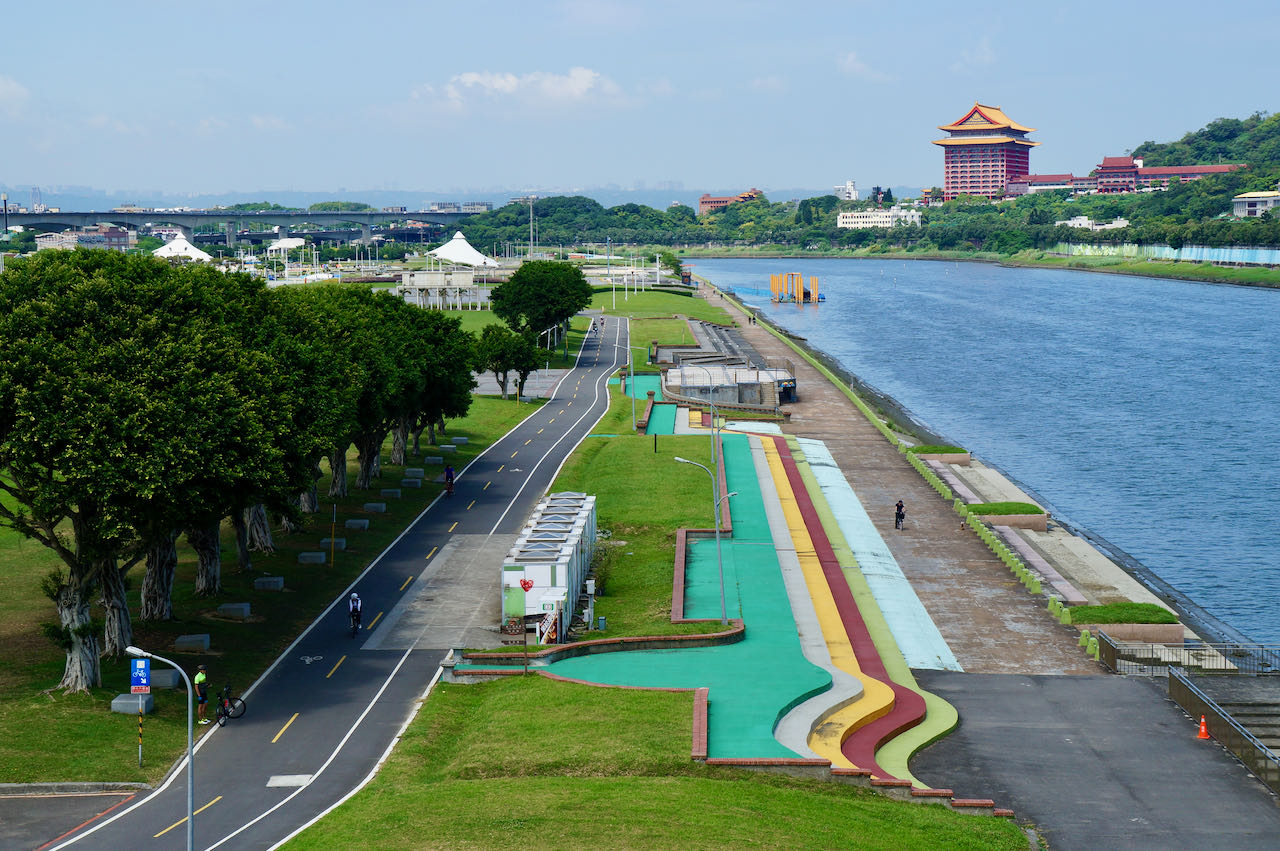
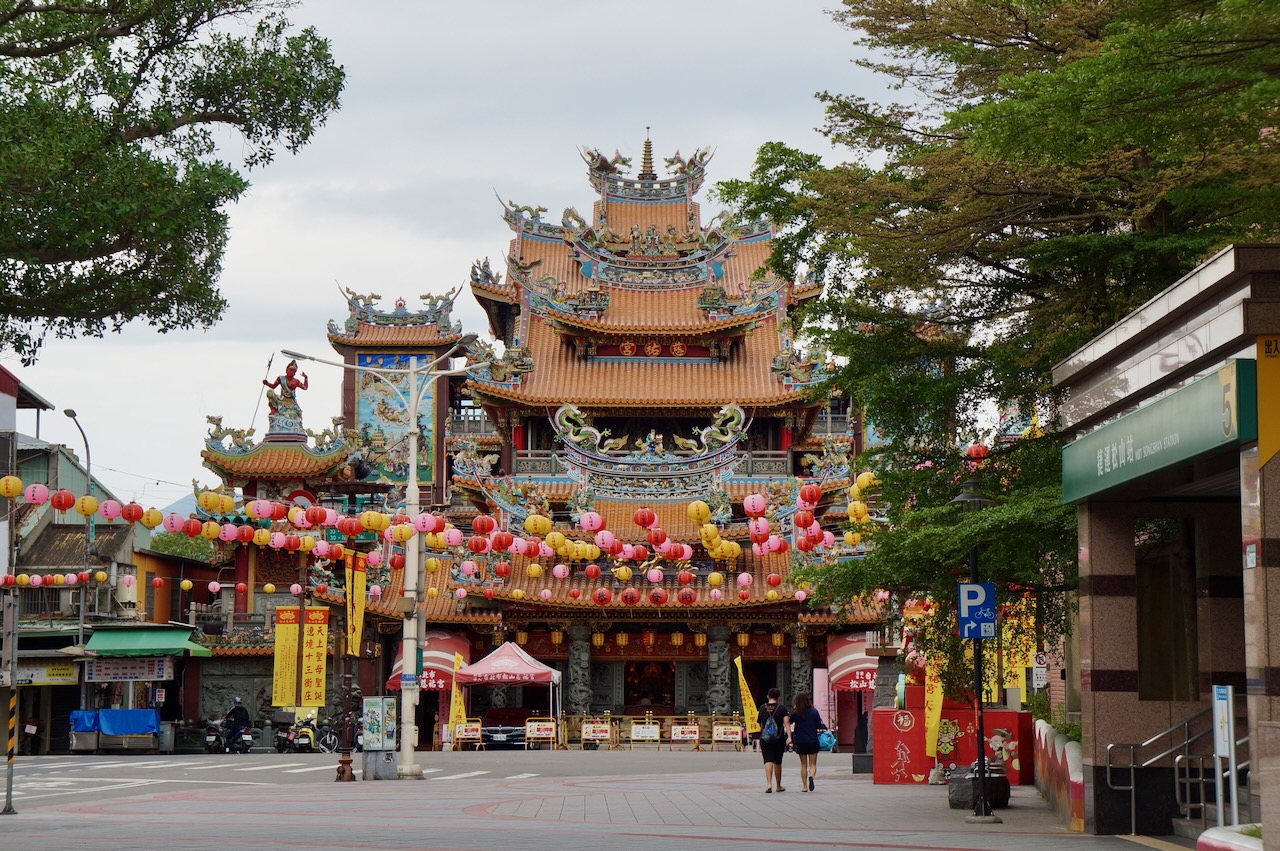
    Starting from Songshan Station, the official starting point of Cycle Route No. 1, your journey kicks off with the picturesque Songshan Ciyou Temple greeting you at the entrance of Raohe Night Market before entering the Riverbank Bikeway. Cycling anti-clockwise, you’ll pass under several notable bridges, including the yellow and blue ones both named after the late US General, MacArthur.

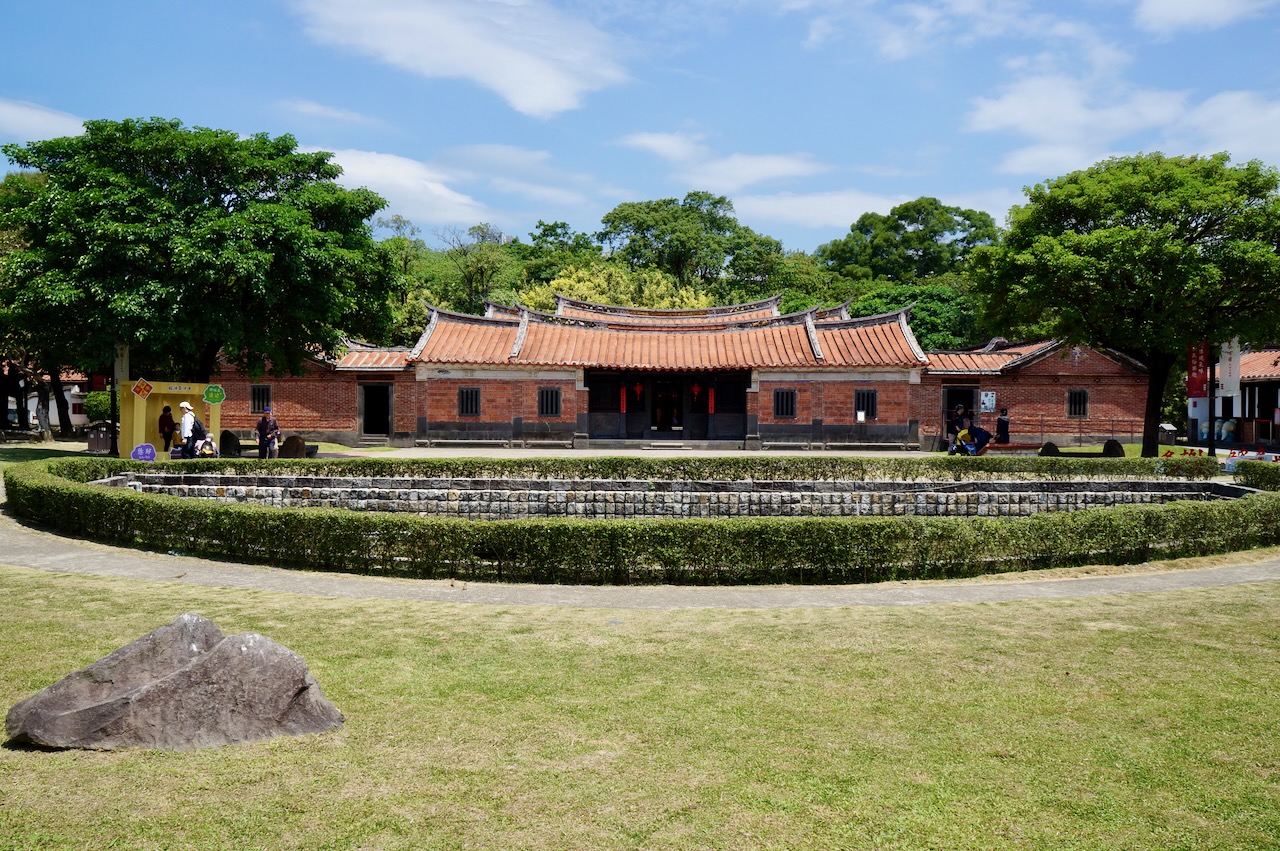
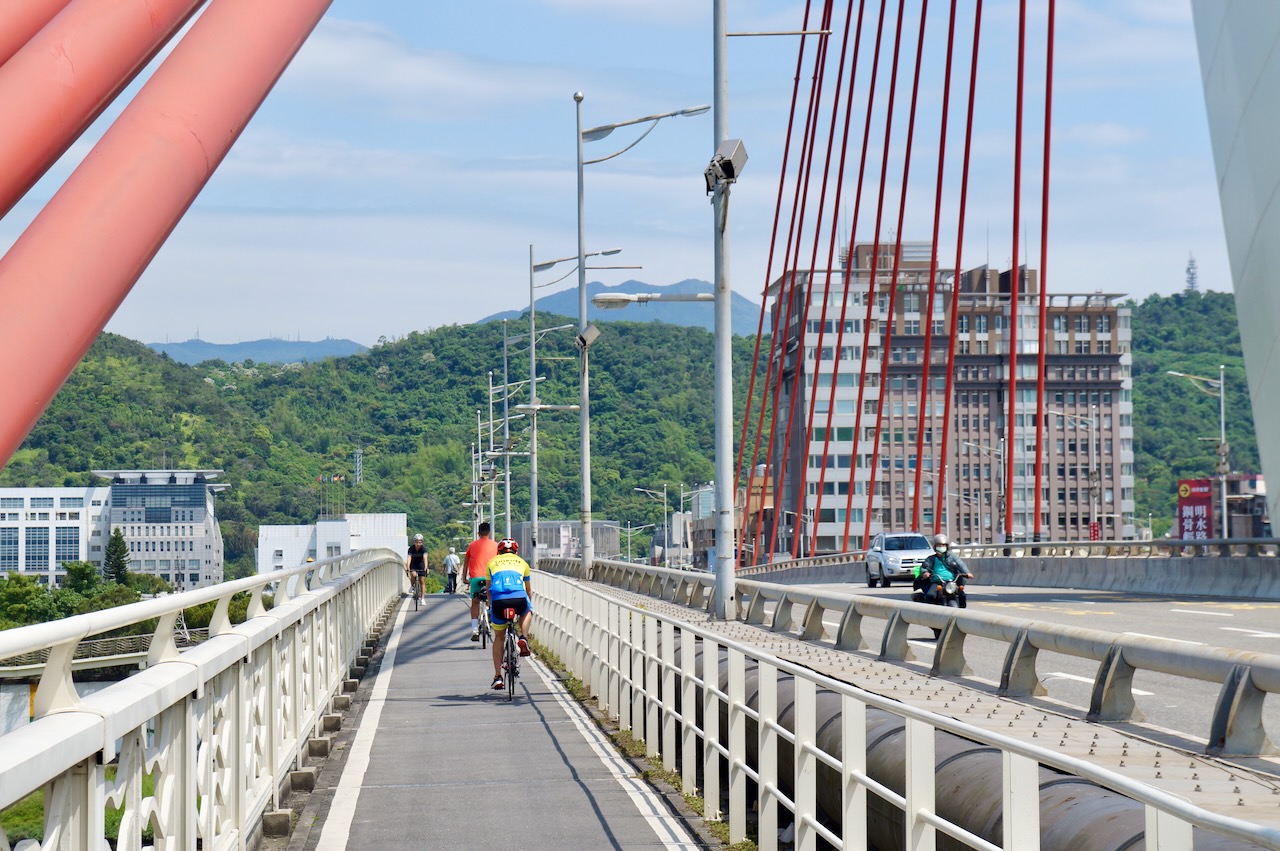
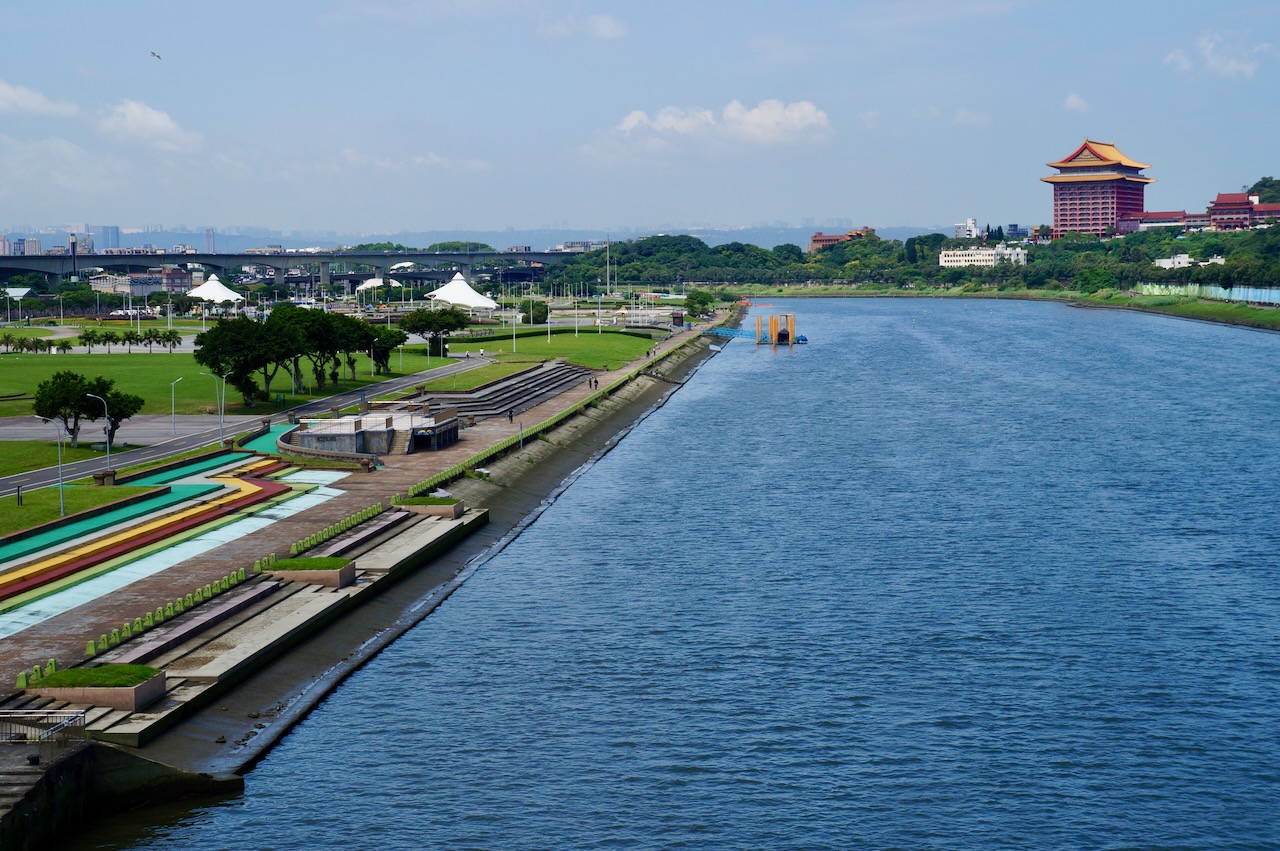
    Notably, the red cable-stayed Dazhi Bridge, featuring a curved tower and a dedicated bike path, offers a fantastic vantage point to admire the bikeways with the Grand Hotel as a backdrop. Continuing westward, the Lin An Tai Historical House and Museum await just outside the Lin An Tai Evacuation Gate, providing a free glimpse into the lifestyle of a prestigious traditional Chinese household in a great house. 

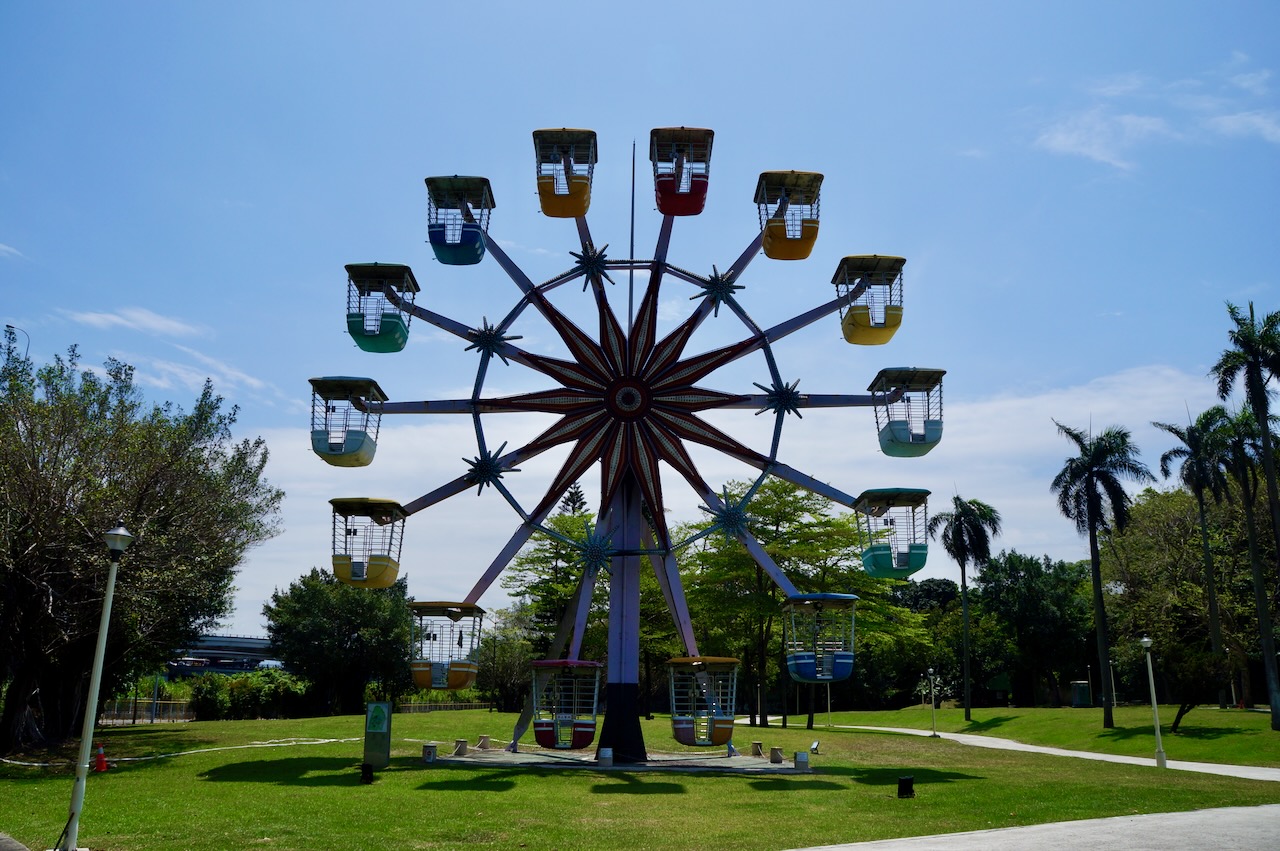
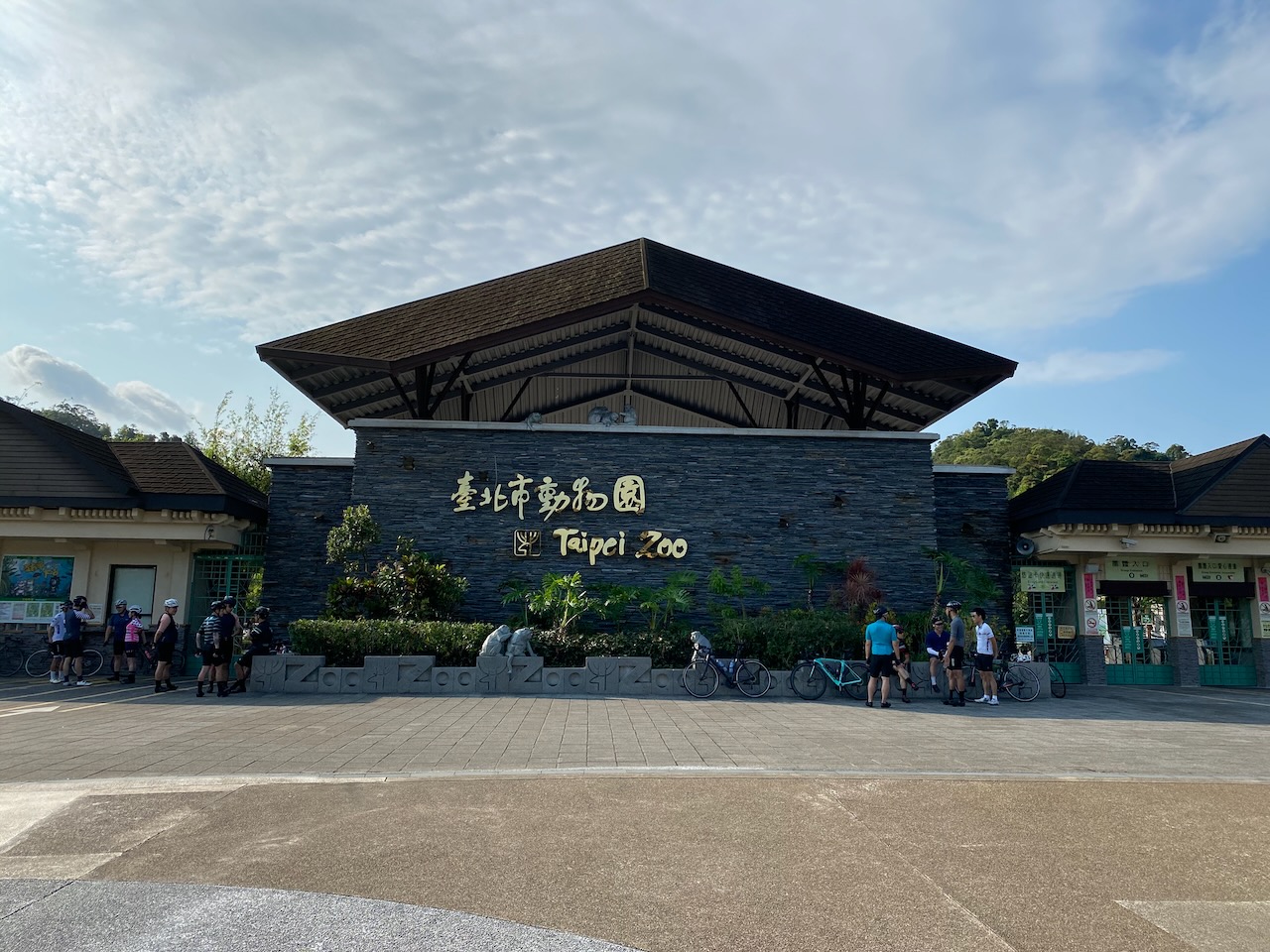
    As you proceed on the bikeway, encounter the charm of the Old Children’s Amusement Park, featuring an old merry-go-round and a small ferris wheel on a lush lawn. Dating back to 1934 during the Japanese rule, this area, left to be consumed by vegetation after the opening of a new park in 2014, was lovingly restored and opened to the public in 2019. Not far from here is the old Taipei Zoo. 

    Tamsui River

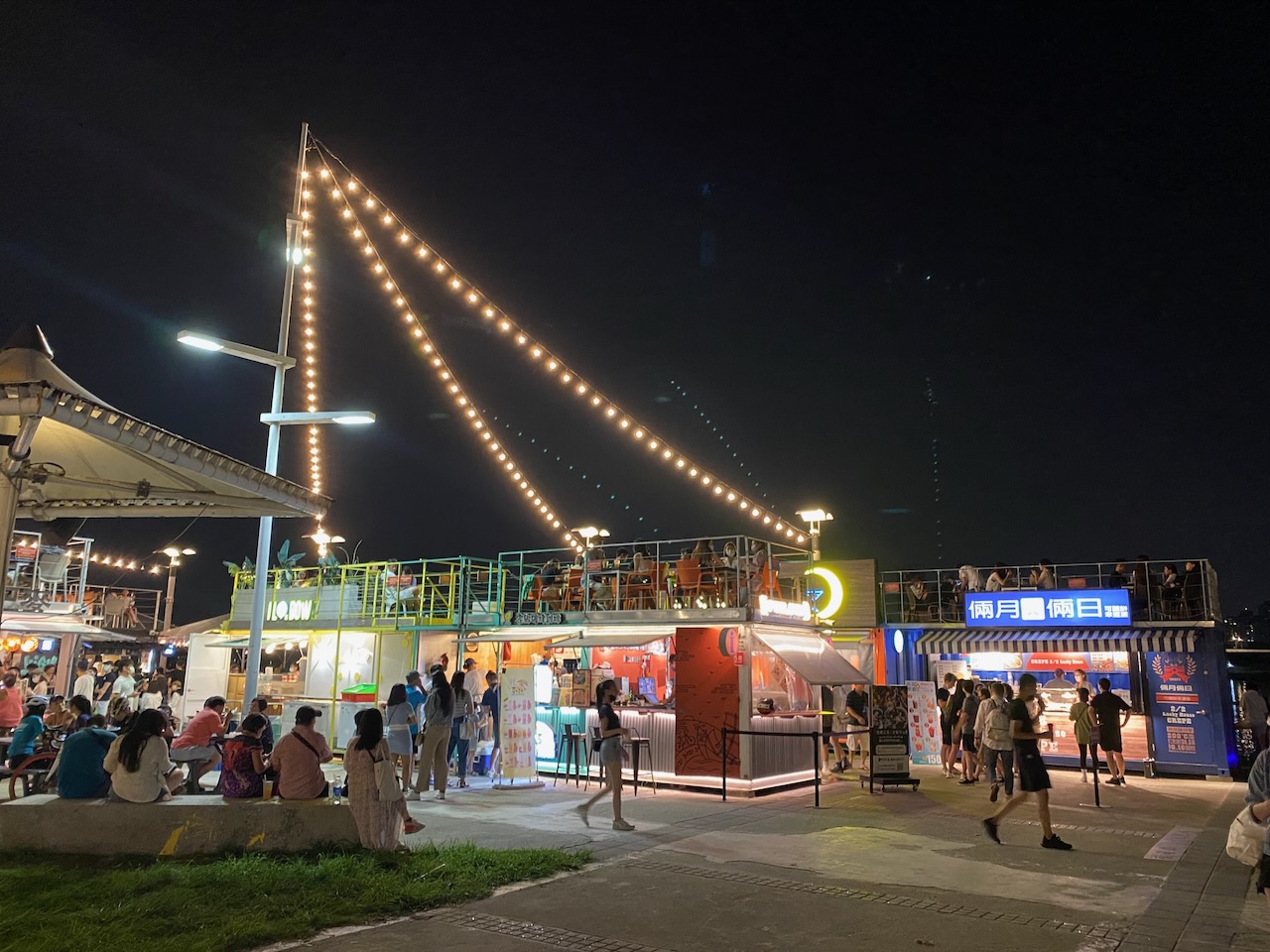
    The bikeway then leads to Shezi Island, shaped like a duck head on the map. At the island’s tip, witness the majestic confluence of the Keelung River and the Tamsui River as they continue their journey into the Pacific Ocean. The area provides a sheltered space with a captivating view of the rivers, offering a perfect pot to unwind. Heading south along the Tamsui River and passing several evacuation gates, you’ll eventually reach the Dadaocheng Pier Plaza. In the evening, this plaza comes to life with containers transformed into cafes. During the Qing rule in the nineteenth century, this pier served as an important trading for local products including tea, rice and camphor. Close by is the renowned Dihua Street, where the business owners were historically situated.

    Xindian River

    Continuing our ride southward through expansive parks, the Machangting Memorial Park unfolds before us. Originally a training ground for horse riding during the Japanese ruled period. During the KMT White Terror period, the waterfront area – the memorial park – was used as an execution ground. 

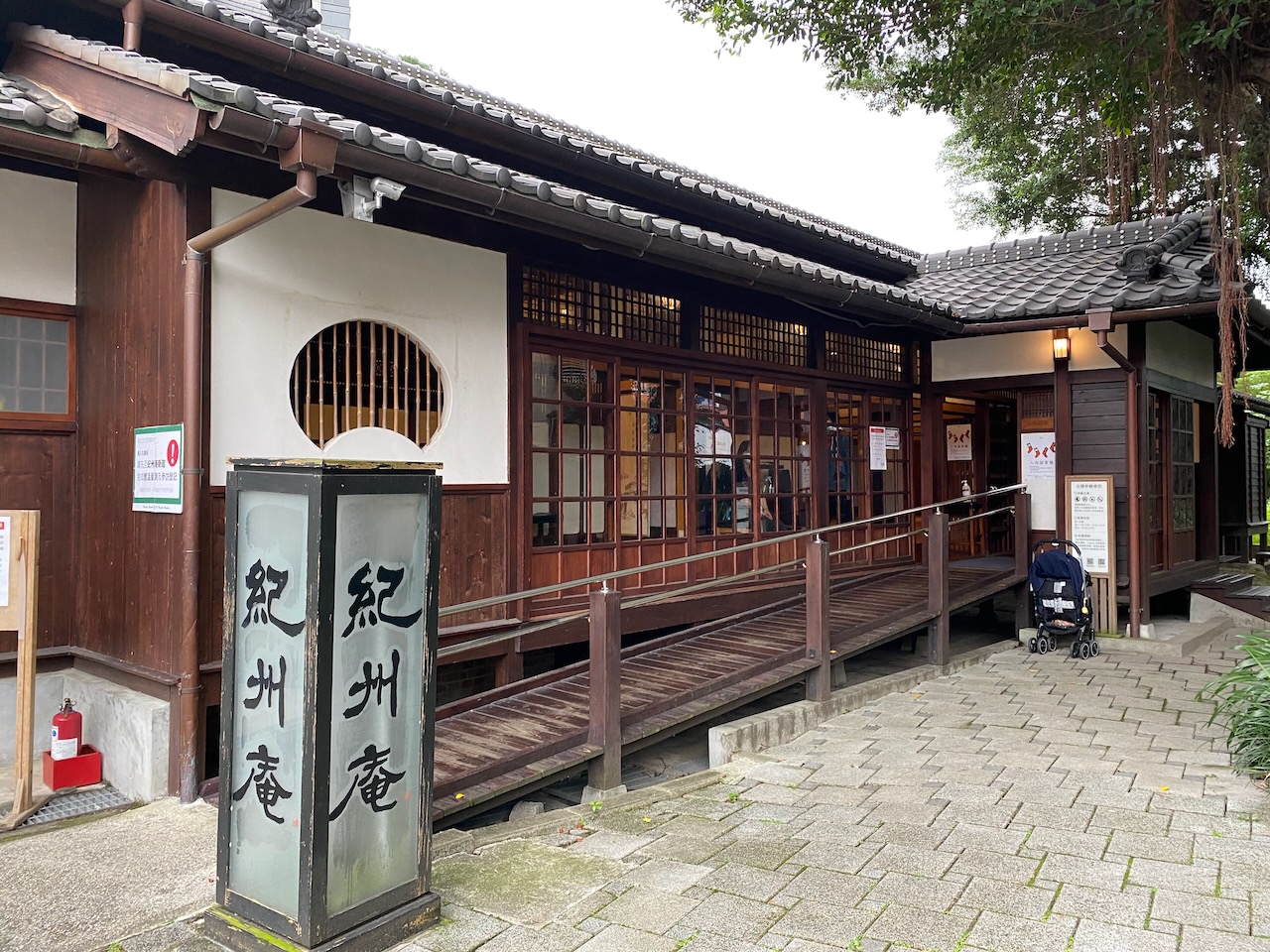
    Continuing further, outside of the wall, you’ll encounter the Kishu An Forest of Literature. This park features a traditional Japanese wooden building, the remnants of a famous Japanese restaurant from the colonial era. Accessible from the Riverside Bikeway, a stairway with a ramp in the middle provides a means to climb over the wall with our bikes.

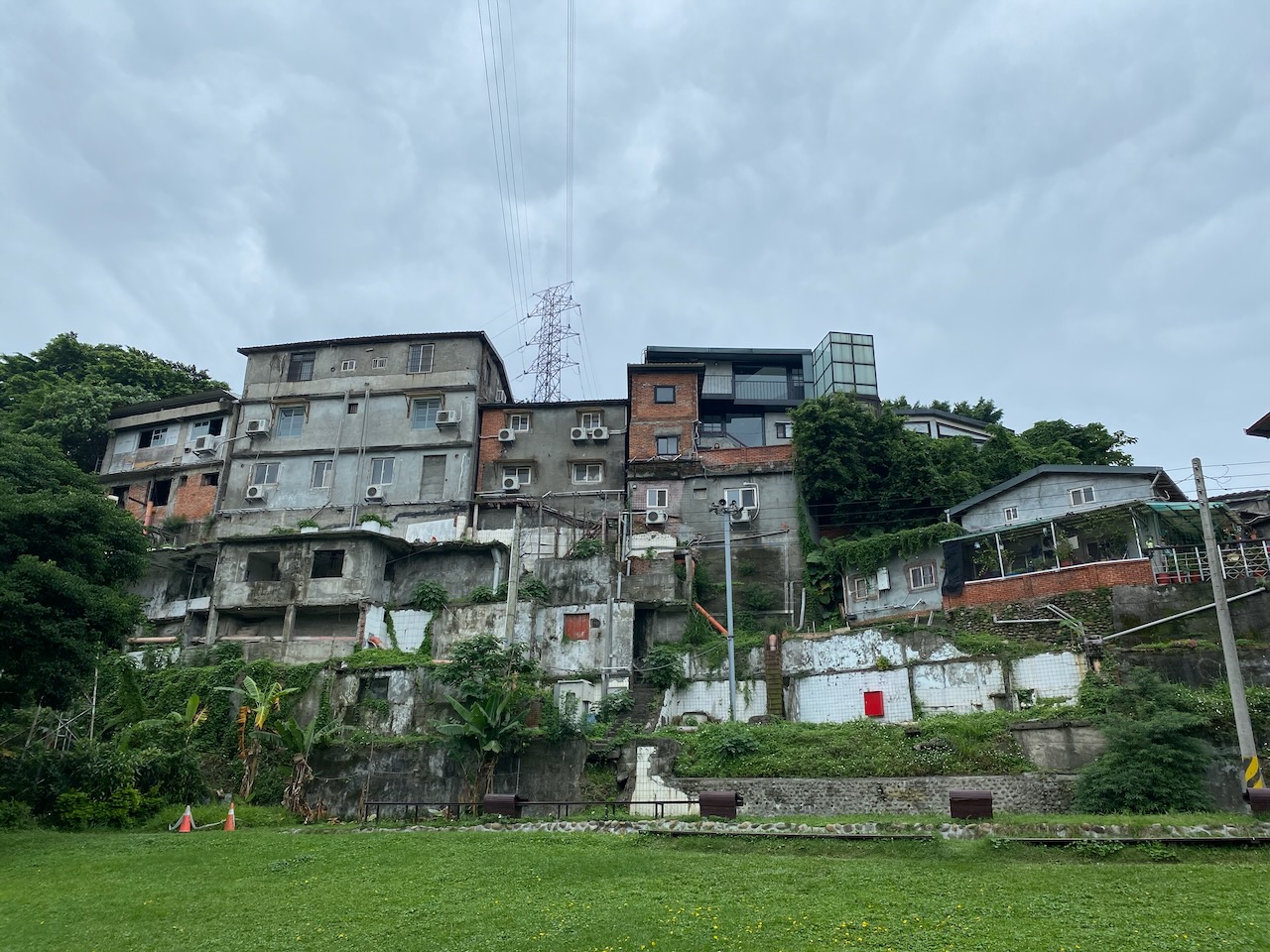
    As we approach the Gongguan district, the Treasure Hill Artist Village emerges before we bid farewell to the Xindian River and transition to the smaller Jingmei River. Nestled on a small hill behind a lush lawn, this site, once a slum housing veterans and immigrants from mainland China after the KMT lost the civil war, has transformed into an art display venue and a haven for artists.

    Heading upstream along the Jingmei River, we encounter the New Taipei Zoo, inaugurated in 1987, marking the conclusion of the bikeway before our ascent begins.

    Conclusion

    Cycling around Taipei provides not only an excellent training route but also a unique opportunity to explore the cultural heritage of the island, spanning the periods of Dutch and Spanish rule, Qing Rule, Japanese Rule, and the Republic of China Rule. Taipei stands as a city that cherishes and preserves its rich history. And hat off to those dedicated to safeguarding the island’s cultural legacy.

    A Brief History Reference:

    • Dutch and Spanish 1624 – 1662
    • Kingdom of Tungning 1662 – 1683
    • Qing Rule 1683 – 1895
    • Japanese Rule 1895 – 1945
    • Republic of China Rule 1945 – Present
      • White Terror 1947 – 1987

    For a glimpse into Dutch and Spanish rule, a visit to Tamusi, easily accessible via Riverside Bikeways, allows exploration of Fort San Domingo. While the Kingdom of Tungning left its mark on the southern part of the island, Taipei doesn’t carry significant legacy from this period.

    Route

    Via Fudekeng

    Via County Highway 106, 109

    免責事項

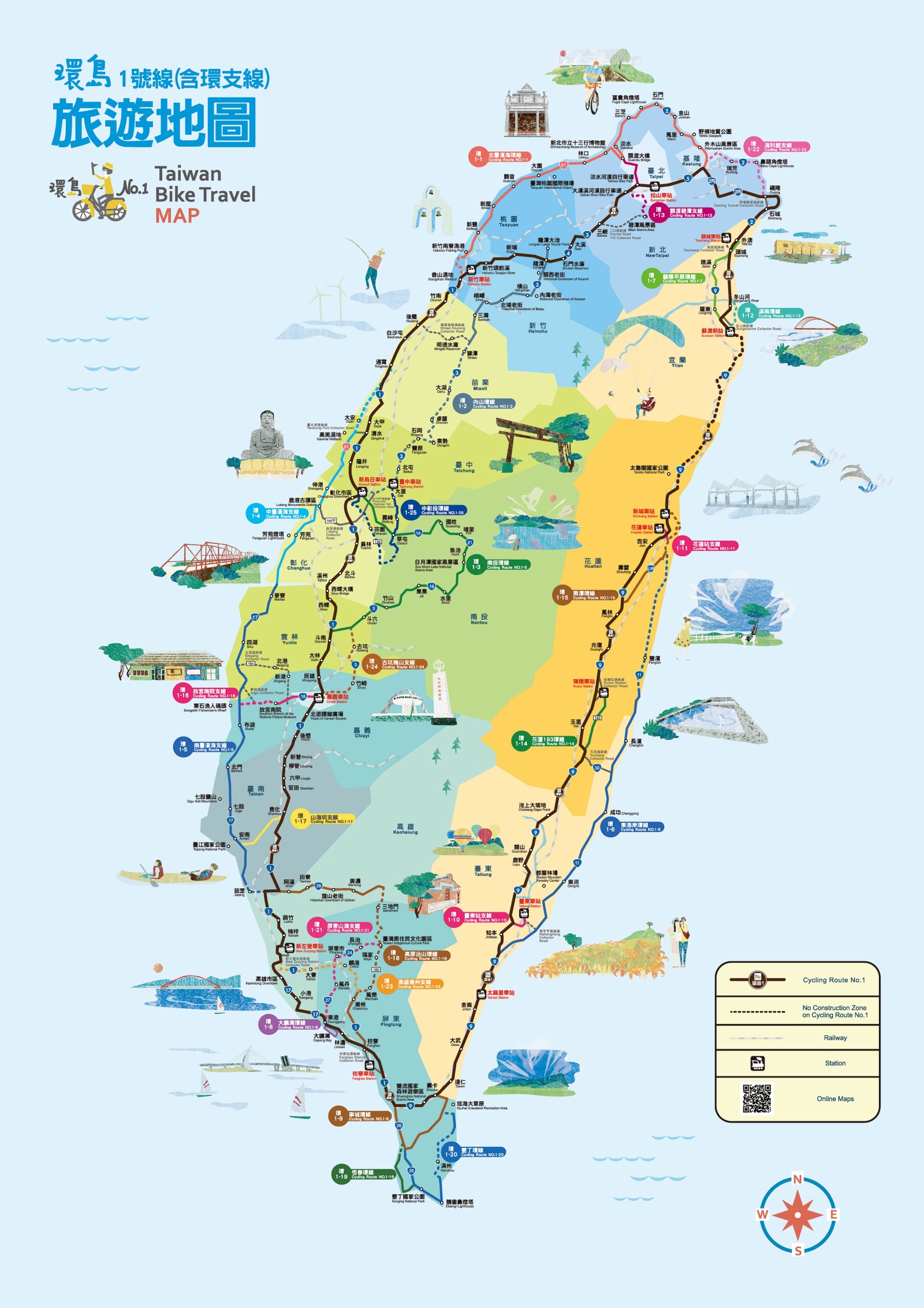
    この投稿のグラフィックと情報はすべて台湾政府の交通通信部が構築・維持する全国自転車専用総合入口サイトから提供されたもので、私たちはこれを所有していません。このウェブサイトは台湾一周旅行を計画するすべての人々にとっての情報の権威ある出典です。非常に有用ですが、私たちの意見では使い勝手があまりよくありません。したがって、ここでやろうとしていることは、その情報を私たちが便利でモバイルフレンドリーな形式に再編成することです

  • 西海岸を駆け抜ける – 台湾一周サイクリングで西側を効率よく走る戦略

    西海岸を駆け抜ける – 台湾一周サイクリングで西側を効率よく走る戦略

    クラシック9日間台湾一周サイクリング(以下、クラシック9日間旅程)は、河岸自転車道、沿岸エリア、内陸の町、農村地帯、そして縦谷など、台湾の多様な風景を楽しめる包括的なルートです。しかし、一部のサイクリストにとって、2日目の最後の20km、3日目全体、そして4日目の行程はあまり魅力的ではないかもしれません。サイクリングルートNo.1は台湾西側の人口密集エリアを通るため、この3日間は 交通量の増加や信号の多さ によって走行ペースが乱れ、忍耐力が試され、進行が遅れる可能性があります。

    もしこの区間のルートがあまり魅力的に感じられず、また日月潭への寄り道を計画していない場合は、人口の少ない西海岸沿いを走るルート を検討してみてください。このルートでは、果てしなく続く道が視界の先まで伸び、交通量の少ない快適な走行と素晴らしい海の景色 を楽しめます。大小さまざまな漁港で休憩や宿泊も可能です。

    また、北風が追い風となる季節には、一日に 200km以上の距離を走ることも可能 で、2日分以上の行程を1日にまとめることができます。もし台湾一周をより短期間で達成したい場合は、このルートが最適な選択肢となるでしょう。

    1日目:松山から新竹へ – 西海岸沿いを走る

    河岸自転車道を通って関渡へ向かい、その後八里から西海岸沿いをたどり、新竹まで平坦で広々としたルートをクルーズしましょう。

    クラシック9日間旅程の1日目では、川沿いに桃園へ進み、その後短い登りと下りを経て新竹へ向かうルートを取りますが、このルートでは西海岸の八里老街を通るコースを選択します。このエリアは人口が少なく、信号によるストップがほとんどない、シームレスな海沿いライド を楽しむことができます。

    ほとんどの交通量は高架の省道61号線に集中しているため、地上レベルの道は自転車向けの静かな環境になっています。途中、草漯沙丘のような景勝地を楽しむことができます。また、永安漁港を過ぎた後は、人気のサイクリングコース「新屋緑色走廊」を走るのもおすすめです。

    新竹沿岸には小規模なホテルが点在 しており、市街地まで移動すれば さらに多くの宿泊オプションが利用可能(海岸から約10km)です。

    ルート

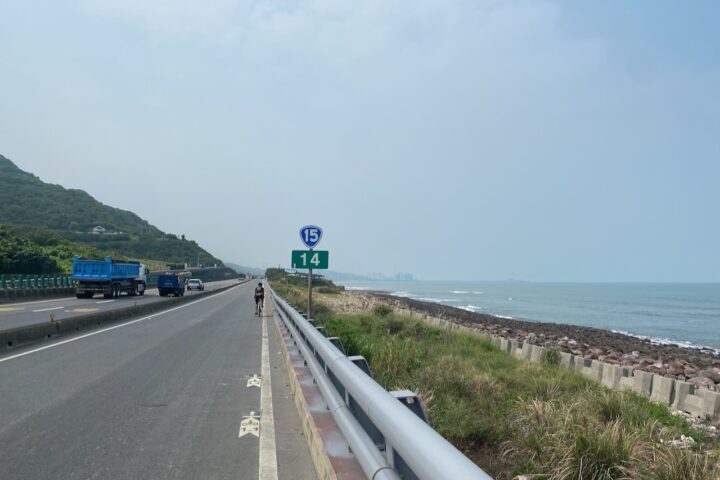
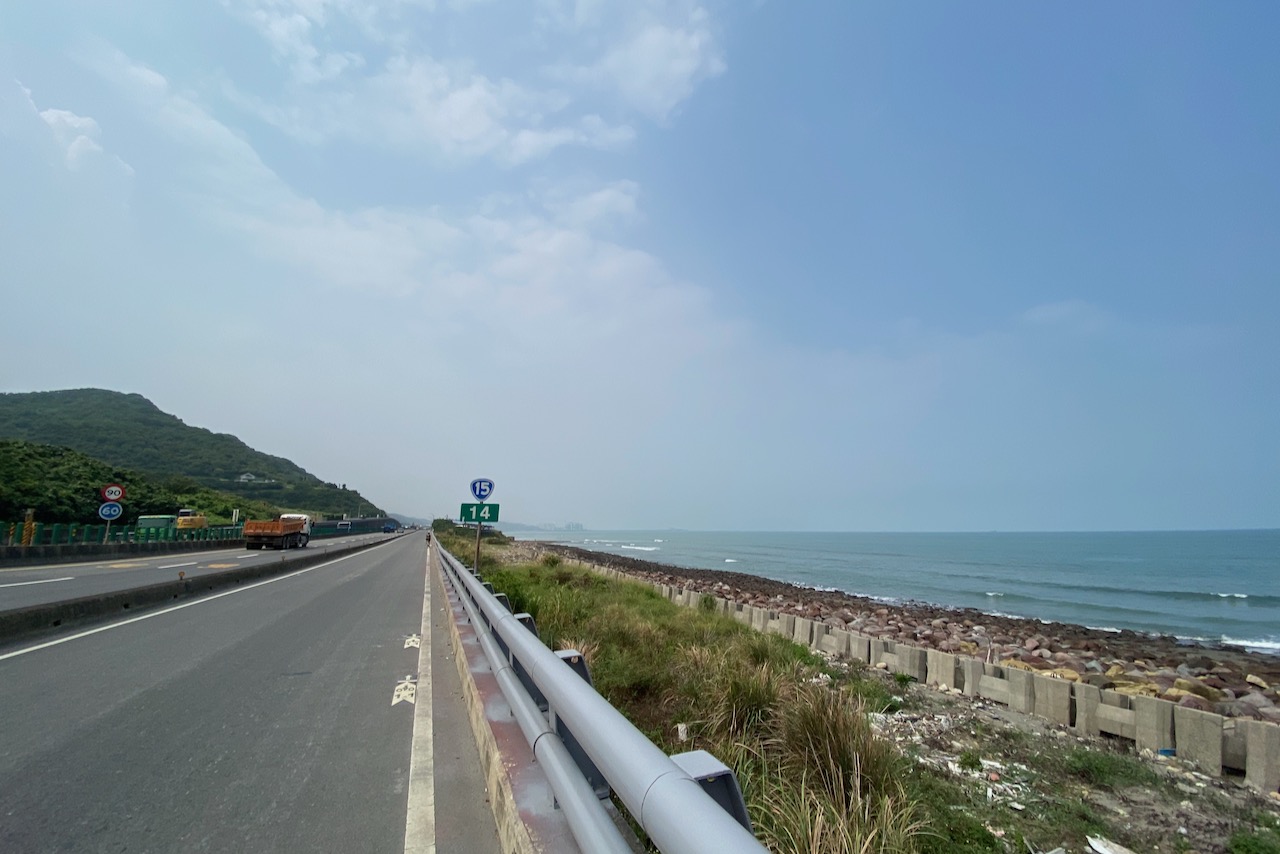
    このルートをナビゲーションに使用する際は、西海岸沿いに 2つの高速道路が並行していることに注意してください。

    高架道路の「西部濱海快速公路」と、地上レベルの道路(主に省道15号線または15A号線)が重なっています。 自転車は西部濱海快速公路には進入禁止となっているため、常に地上レベルの道路を走行してください。ただし、川を渡る際には、省道15号線がExpy 61と同じ高さまで上がる区間があるため、その場合はルートを慎重に確認してください。

    ルートのご利用方法

    紹介したルートを使用するには、アプリのインストールが必要です。スマートフォンのブラウザで上記のリンクをタップすると、アプリが自動的に起動してルートを読み込みます。Garmin Connectの場合、アプリを使用してルートをGarminデバイスに登録できます。台湾で購入したGarminデバイスではない場合は、デバイスに台湾地図がインストールされていることも確認する必要があります。Garminデバイスのご利用方法を説明した当社のブログ投稿もこちらからご覧いただけます。

    2日目:新竹から台中または鹿港へ

    西海岸沿いの長く平坦な道を南下し、壮大な風力発電所と美しい高美湿地の景色を楽しみましょう。宿泊は、台中市梧棲区または歴史ある港町「鹿港」での滞在がおすすめです。

    クラシック9日間旅程の2日目では、最後の20kmで 人口の多い内陸部へ進むルート になりますが、このルートでは さらに南の海岸線を走り、スピード感のあるライドを楽しむことができます。終点の鹿港では、ホテルやレストランの選択肢が豊富です。

    鹿港は、オランダ統治時代に鹿皮の貿易港として栄え、その後 多くの寺院や伝統的な建築が残る観光地 へと発展しました。

    もし鹿港までの走行が厳しい場合は、台中市の梧棲区でも宿泊施設を見つけることができます。

    また、2日目のルートには「新竹駅から海岸へアクセスする専用自転車道」を含めています。前日に新竹駅周辺に宿泊した場合でも、スムーズに海岸線へ合流できるようになっています。

    ルート

    ルートのご利用方法

    紹介したルートを使用するには、アプリのインストールが必要です。スマートフォンのブラウザで上記のリンクをタップすると、アプリが自動的に起動してルートを読み込みます。Garmin Connectの場合、アプリを使用してルートをGarminデバイスに登録できます。台湾で購入したGarminデバイスではない場合は、デバイスに台湾地図がインストールされていることも確認する必要があります。Garminデバイスのご利用方法を説明した当社のブログ投稿もこちらからご覧いただけます。

    3日目:台中または鹿港から布袋へ

    鹿港を後にし、果てしなく続くまっすぐな平坦な道 を走り、小さな島布袋を目指しましょう。

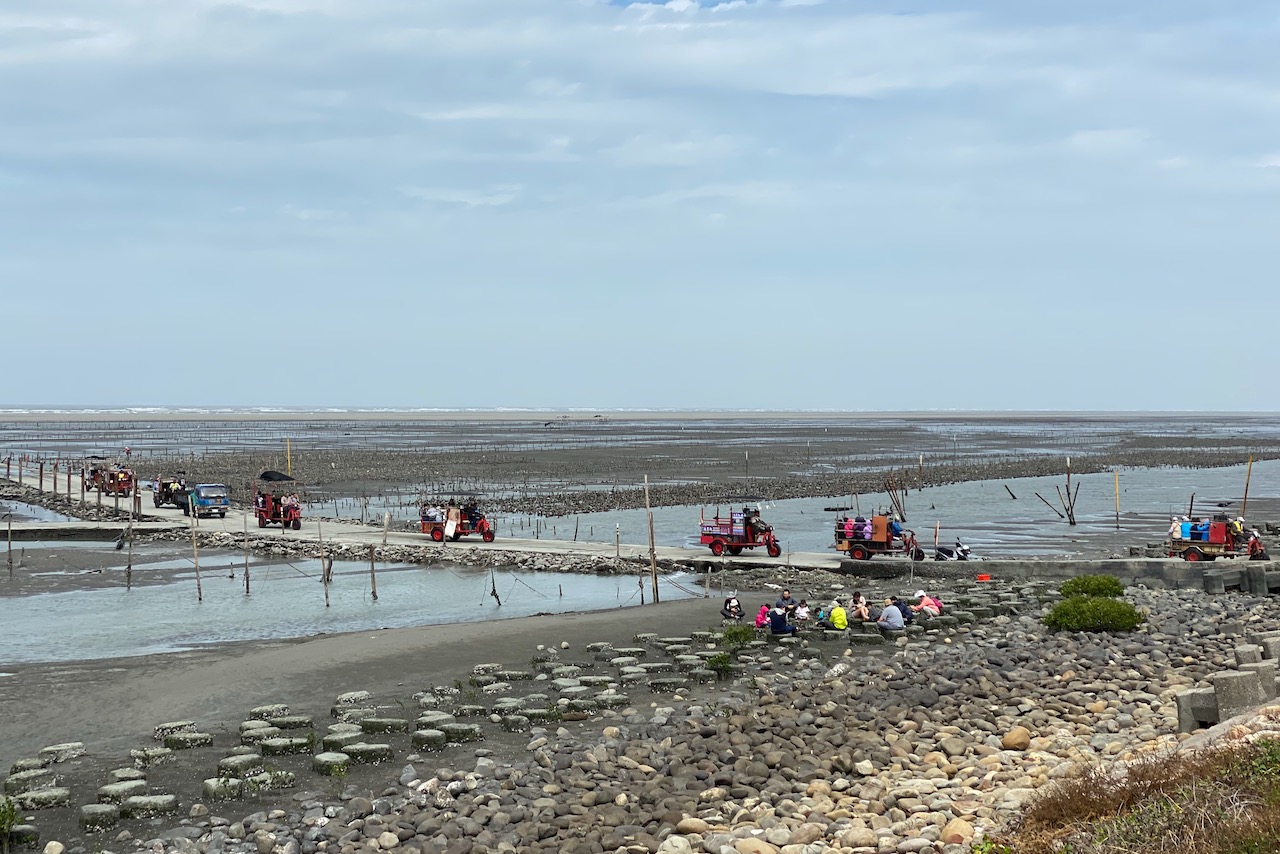
    順調に進んでいる場合は、芳苑の灯台へ寄り道するのもおすすめです。ここでは、観光客がトラクターに乗って牡蠣の養殖場を見学し、収穫体験を楽しむことができます。

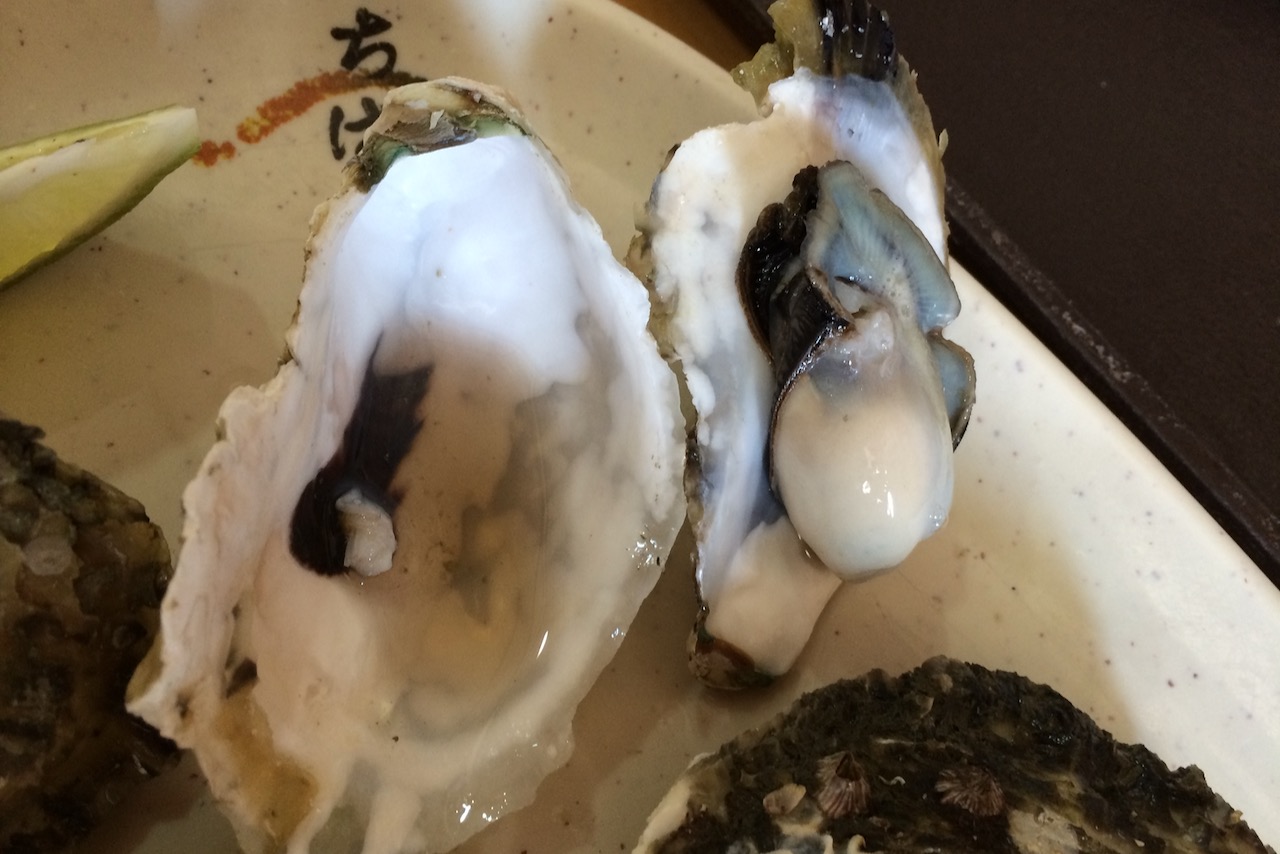
    メインルートに戻り、さらに南下すると、東石への短い寄り道が可能です。このエリアには、新鮮な牡蠣を提供するレストランが数多くあります。

    東石を過ぎると、北回帰線を通過し、台湾の熱帯地域へと入ります。ここから気温が上がるため、暑さ対策を忘れずに。

    布袋に到着すると、魚市場で新鮮な海鮮料理を堪能できます。ただし、市場は早めに閉まるので注意してください。

    ルート

    ルートのご利用方法

    紹介したルートを使用するには、アプリのインストールが必要です。スマートフォンのブラウザで上記のリンクをタップすると、アプリが自動的に起動してルートを読み込みます。Garmin Connectの場合、アプリを使用してルートをGarminデバイスに登録できます。台湾で購入したGarminデバイスではない場合は、デバイスに台湾地図がインストールされていることも確認する必要があります。Garminデバイスのご利用方法を説明した当社のブログ投稿もこちらからご覧いただけます。

    4日目:布袋から高雄へ

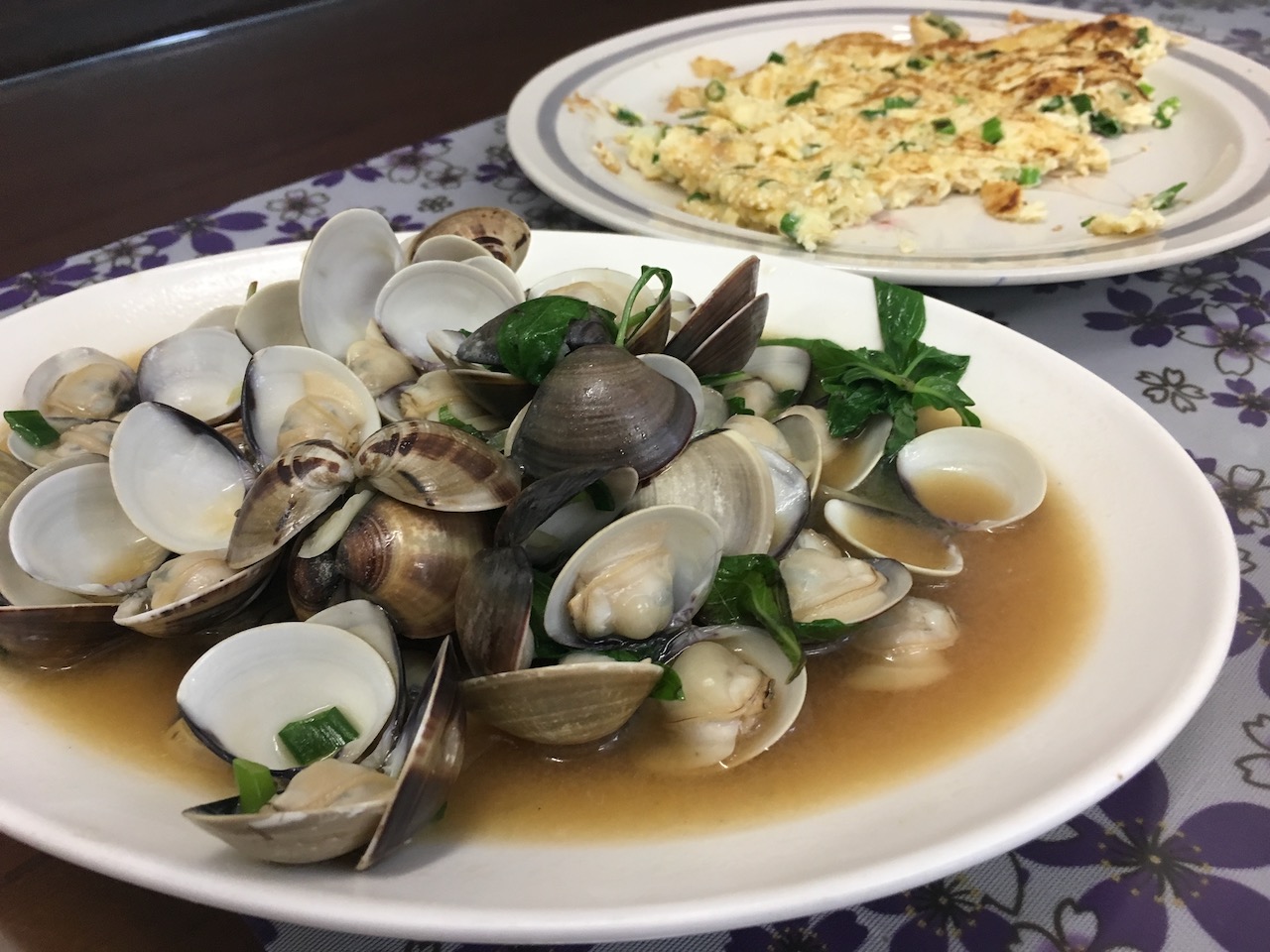
    4日目は、西海岸沿いをひたすら南下する1日になります。嘉義を出発し、台南を通過して、高雄でクラシック9日間旅程の5日目のルートと合流します。道中、台南では水車が設置された多くの養殖池 を目にするでしょう。これらは台湾のスーパーやレストランで広く提供されているサバヒー(ミルクフィッシュ)やアサリの養殖場 である可能性が高いです。

    省道17号線をひたすら走り、台南市の市街地西側へ向かいます。交通量は多いですが、市街地を抜けて高雄へ向かうまでの距離はそれほど長くありません。

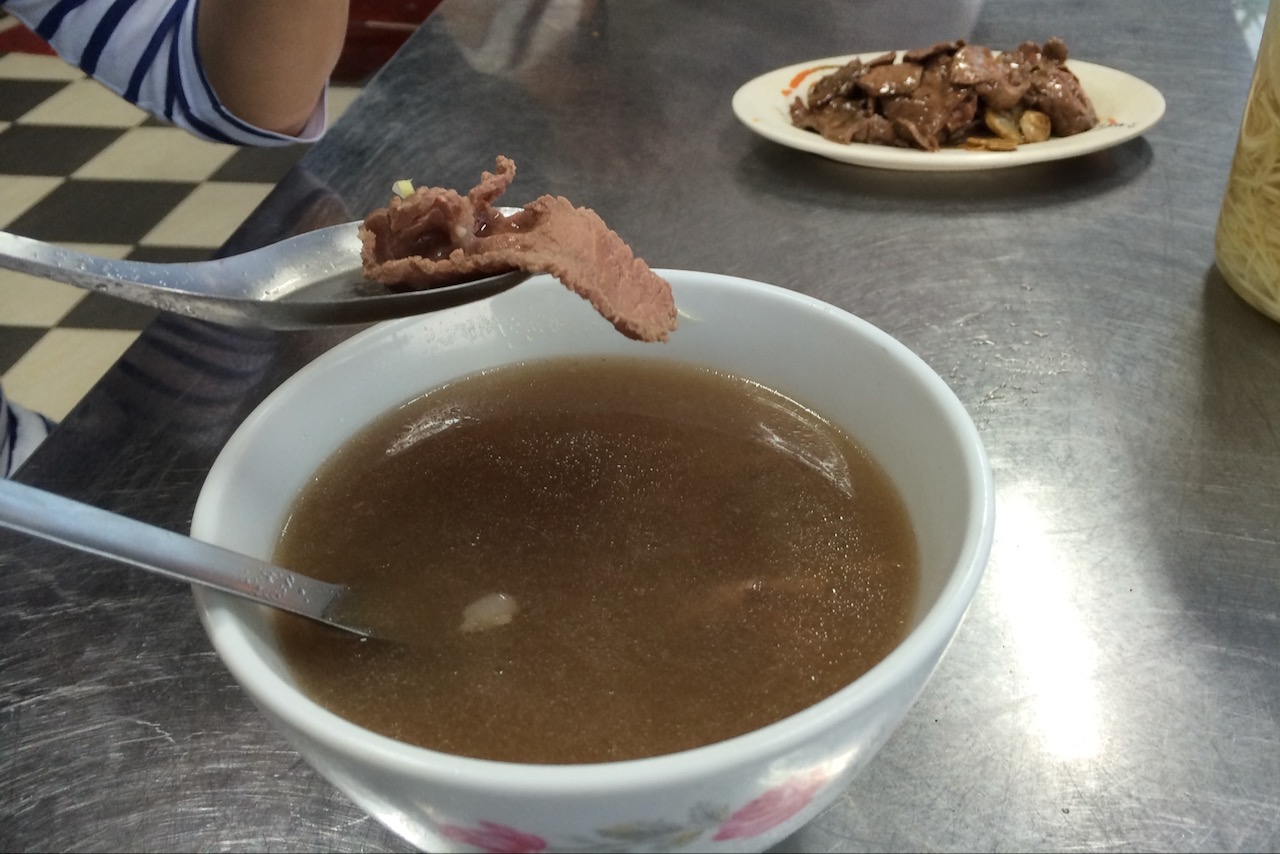
    台南では、牡蠣やサバヒーのほかに、牛肉スープ(牛肉湯)が名物料理 となっています。地元の人気店を探す場合は、Googleマップで 「牛肉湯」 と検索してみてください。特に 省道17号線沿い には、おすすめの店舗がいくつかあります。

    GPSルートでは楠梓駅へ向かいますが、目的地が高雄駅であれば、そのまま省道17号線を走ることも可能です。

    宿泊場所によって、翌日の高雄市内の広範な都市エリアの走行ルートが変わります。市街地の交通量への対策については、クラシック9日間旅程の5日目のルートを参照してください。

    ルート

    ルートのご利用方法

    紹介したルートを使用するには、アプリのインストールが必要です。スマートフォンのブラウザで上記のリンクをタップすると、アプリが自動的に起動してルートを読み込みます。Garmin Connectの場合、アプリを使用してルートをGarminデバイスに登録できます。台湾で購入したGarminデバイスではない場合は、デバイスに台湾地図がインストールされていることも確認する必要があります。Garminデバイスのご利用方法を説明した当社のブログ投稿もこちらからご覧いただけます。

    つまり、西海岸を走るための代替ルートはこれらになります。残りの行程については、クラシック9日間旅程のスケジュールに従ってください。

  • Taming the Two Towers: Conquering a 520 km Cycling Challenge in 26 Hours

    Taming the Two Towers: Conquering a 520 km Cycling Challenge in 26 Hours

    このブログ記事の翻訳を進行中です。もうすぐ完成しますので、後ほど再度ご確認ください。ご不便をおかけして申し訳ありません。現在は、こちらで提供されているGPXルートや地図などの情報を自由にご利用ください。

    I signed up for the Two Towers in One Day Challenge in Taiwan again in 2022 and successfully completed the 520 km challenge in 26 hours.  Here is how I did it.

    Setting a Very Firm Target

    I’ve set a very firm target for myself this year. I aim to complete the ride, regardless of how long it takes. If I can finish within 28 hours, I’ll be awarded a trophy, but that’s not my main focus. My primary goal is to finish it this year, even if it takes 35 hours or more. At the very least, I’ll have a record on Strava. I anticipate getting sleepy towards the end of the challenge in Pingtung but quitting is not an option. In the worst-case scenario, I might have to take a short nap in those convenience stores.

    Supporting Services

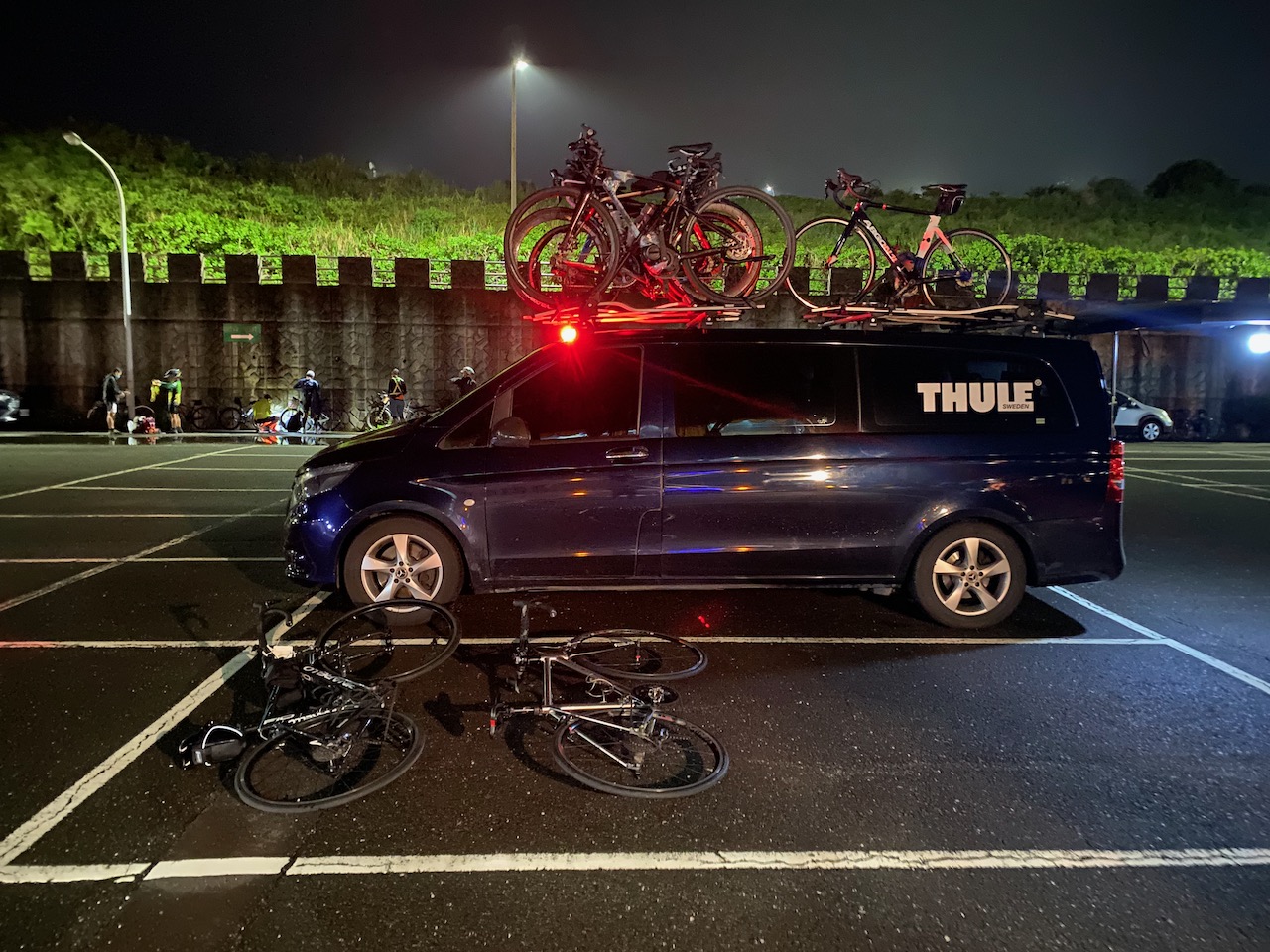
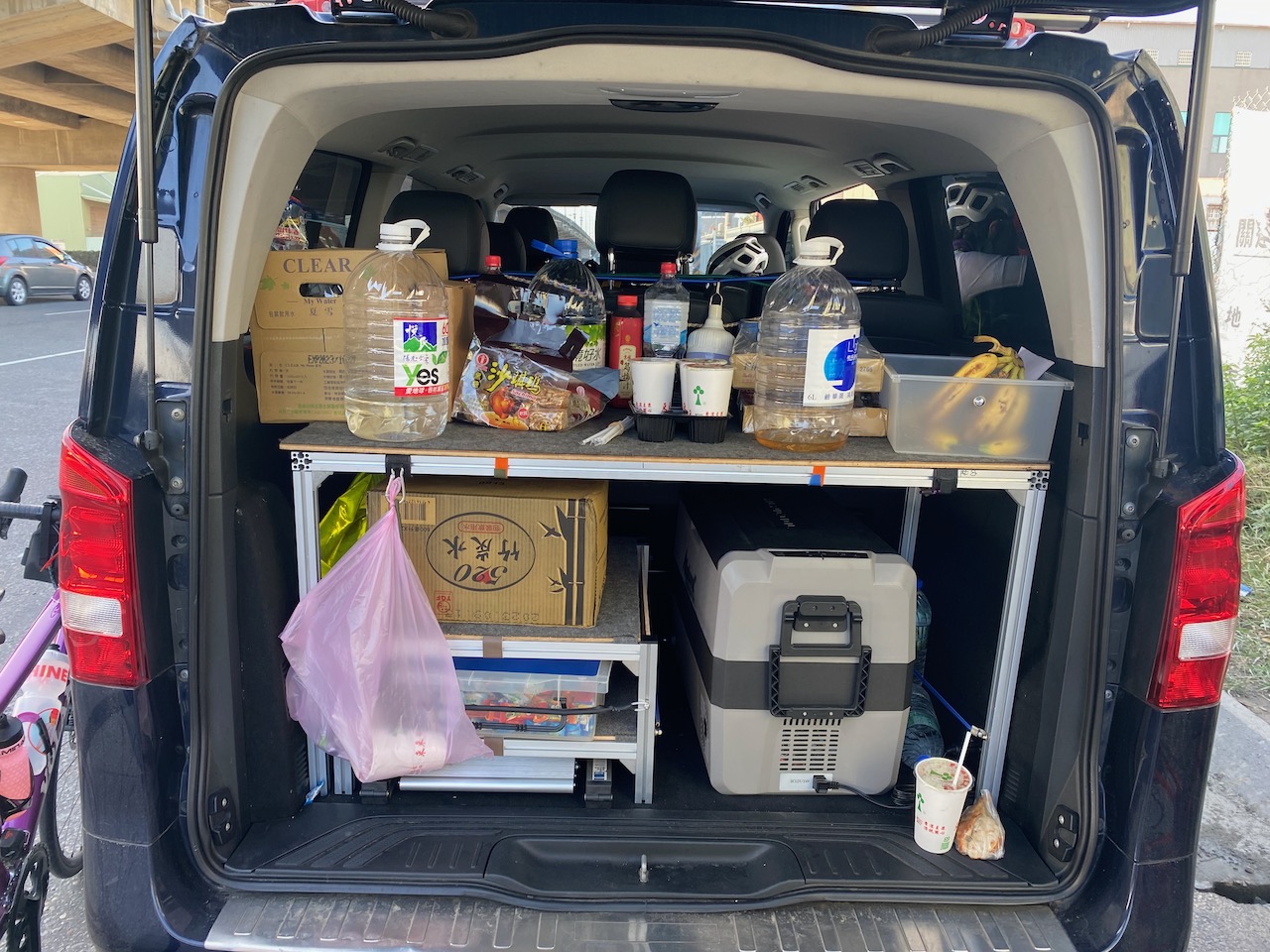
    To enhance my focus on cycling during the challenge, I opted for a support service package offered by XiaoChu, a friend who operates a company providing cycling tour services. This comprehensive package covers logistical aspects such as reaching the starting point before the event, supply stops during the ride, and the return trip to Taipei. Additionally, in the unlikely event that I cannot complete the ride, there’s the option to safely transition to the hotel at the destination by hopping on one of the support cars. I’ll delve into more details on how these support services played a crucial role in helping me complete the ride later.

    A Proper Bike Fitting

    Last year, I only made it to Tainan, and some issues emerged after long-distance cycling. My shoulders and elbows hurt because I relied heavily on them to support my body weight when fatigue set in, causing my posture on the bike to deform. Additionally, I experienced persistent lower back pain after cycling for more than 70 km. My forefeet were squeezed to the point where I couldn’t feel my fourth toes. Long-distance cycling serves as a stres test on my bike fitting. 

    As for the lower back pain, I initially attributed it to my own mistake of over-inflating the tires after a pinch flat from a pothole. However, after delving into more research, I identified the main causes and their solutions. According to a video by the Road Cycling Academy, it was a pair of muscles in my lower back, the Quadratus lumborum, that became victims of overloading. According to Neill Standury, the bike fitting expert in the video, I learned that these muscles play a crucial role in stabilising the pelvis during pedalling. Excessive rocking of the pelvis, caused by factors such as the saddle set too high, cleats positioned too forward, crank arms too long, or the Q-factor of the pedals being too narrow, can lead to overloading of the Quadratus lumborum. This can be confirmed by having eh pain subsided quickly after getting off from the bike and allowing these muscles to rest.

    In my case, the culprit was the saddle height. Since lowering it, the lower back pain issue has significantly improved. It tends to occur only when I exert more effort for increased speed over an extended period. However, the discomfort fades away if I ease up on the pedalling without the need to a complete stop. By managing my pace, I can delay the onset of the pain.

    Lowering the saddle also addressed another issue — the problem with my forefeet being squeezed disappeared completely. With the saddle too high, my toes had to point towards the ground beyond the 3 to 4 o’clock position with each pedal stroke. Unintentionally, I was pushing my feet into the toe box of my shoes, squeezing my toes together and restricting blood flow into my fourth toes. The lower saddle rectified this, ensuring my feet are more level and can rest on the pedals at a proper angle without any discomfort or squeezing of my toes. 
    But what about the power output? Does lowering the saddle mean sacrificing power? Not necessarily. Interestingly, a higher saddle doesn’t guarantee a better position for maximising power output. Our muscles contract to pull our bones and exert force on the pedal. As illustrated on this page – Force of Muscle Contraction, the maximum tension of our muscles is found at the middle of the contraction. As a muscle contracts to its end of range, the tension decreases rapidly. Therefore, to achieve the maximum force, we want our muscles to operate at the middle range of contraction. A higher saddle does not necessarily translate to increased muscle power output.

    For my elbows and shoulders, their role is solely for steering, not supporting my body weight. It’s crucial not to cock my elbows, as doing so would transfer all impacts directly to the joints, especially on uneven roads. Keeping the arms slightly bent allows the tendons and muscles to absorb most of the impacts. Lowering the saddle has the added benefit of shifting my center of weight away from my arms. This adjustment makes it easier to maintain my position with comfortable bent arms.  

    The Rikulau Master V9

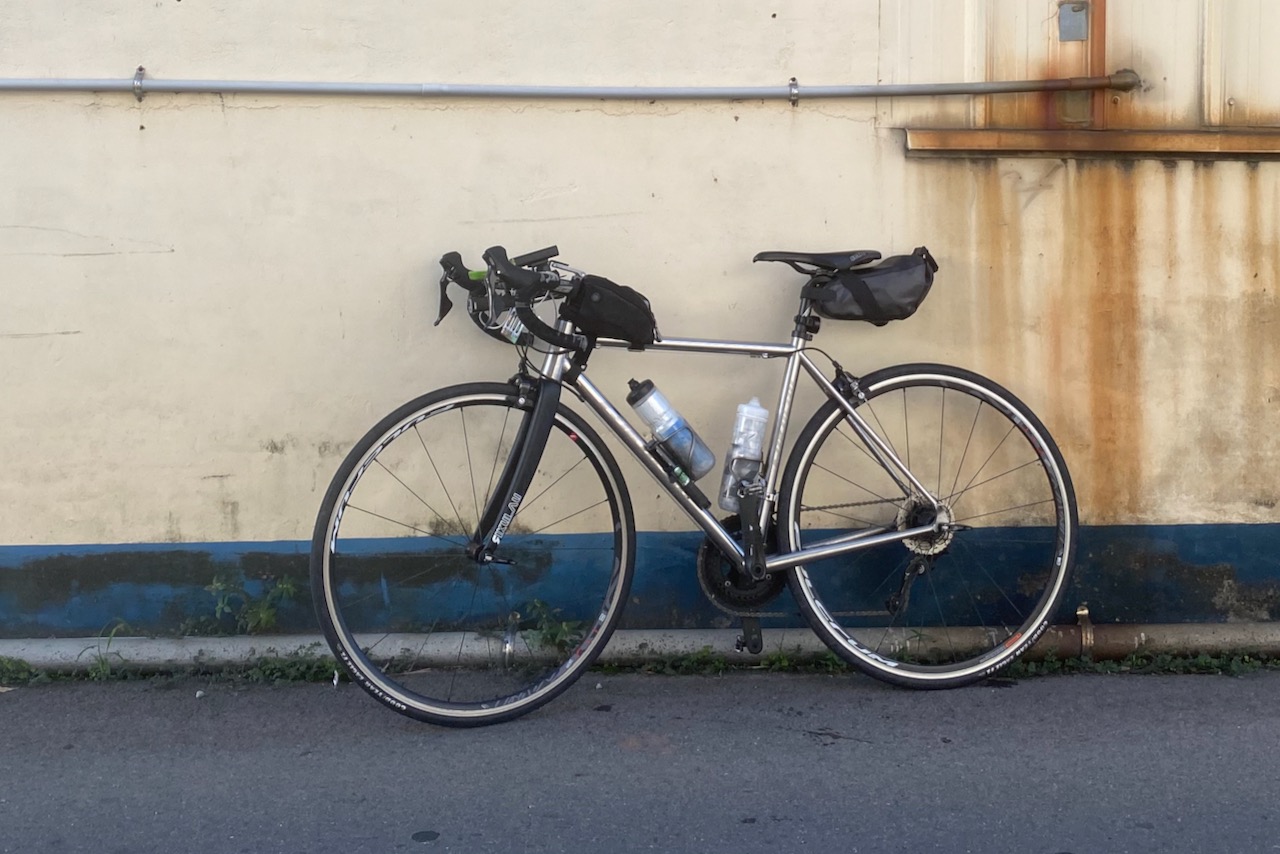
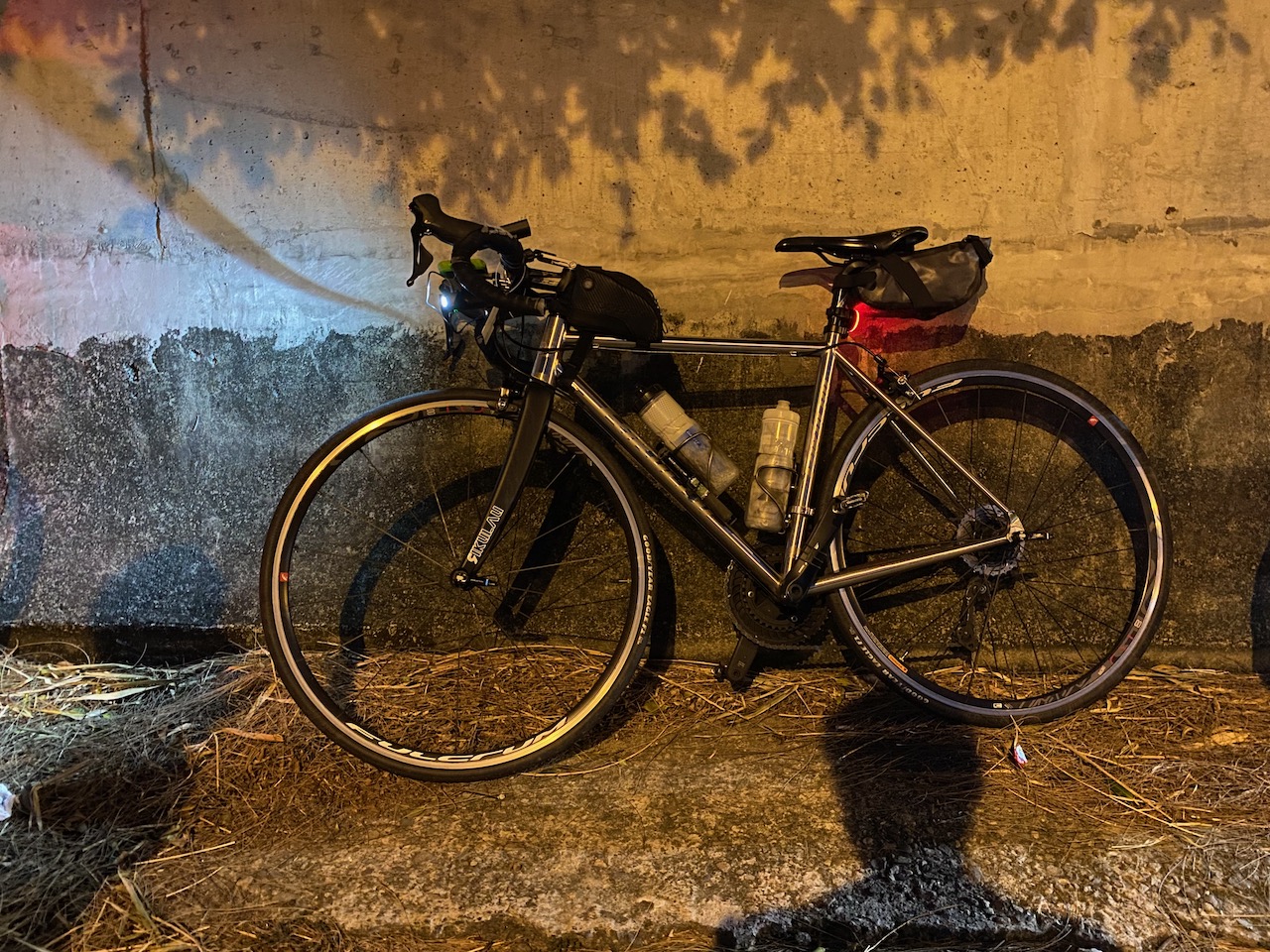
    This year, I used the Rikulau Master V9, The V9 (Vulcan) features Rikulau’s proprietary seamless tubing made with Custom C465 stainless steel by Carpenter Technology, USA. Custom C465 stainless steel is specifically developed for aerospace and marine applications. The general corrosion resistance of the alloy, tested with exposure to 5% neutral salt spray at 35°C, resulted in no corrosion after more than 2,000 hours of exposure. 

    The tube-making and heat treatment processes are conducted in Taiwan. Achieving a balance in tensile strength (approximately 1800MPa) and good ductility is accomplished by selecting the appropriate age-hardening heat treatment temperature according to Rikulau’s introduction to this bike. 

    This is the first road bike I intend to own and ride for decades. I have travelled with it to many places in Taiwan and have already developed some emotional attachment ot it. 

    I believe a well-maintained drop-bar road bike with proper sizing should be sufficient. While a flat-bar road bike might be acceptable, it offers only two holding positions at best, limiting our ability to rotate our position. This inflexibility may lead to overworked muscles, especially considering we’ll be spending more than 24 hours on the bike.

    Logistic Preparation 

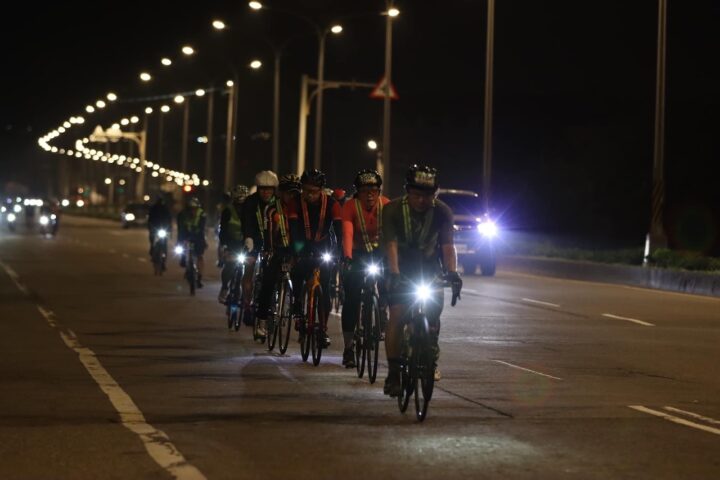
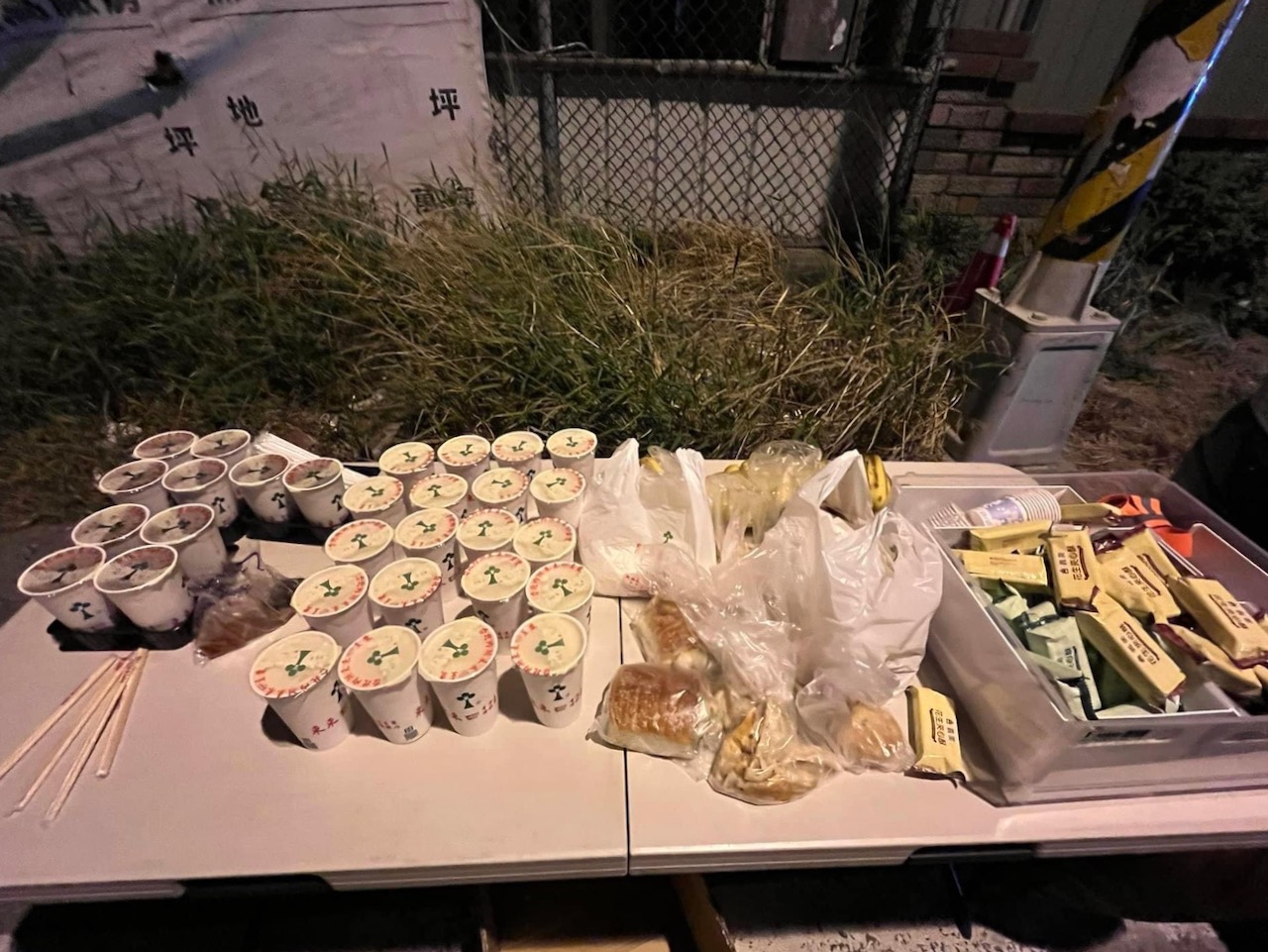
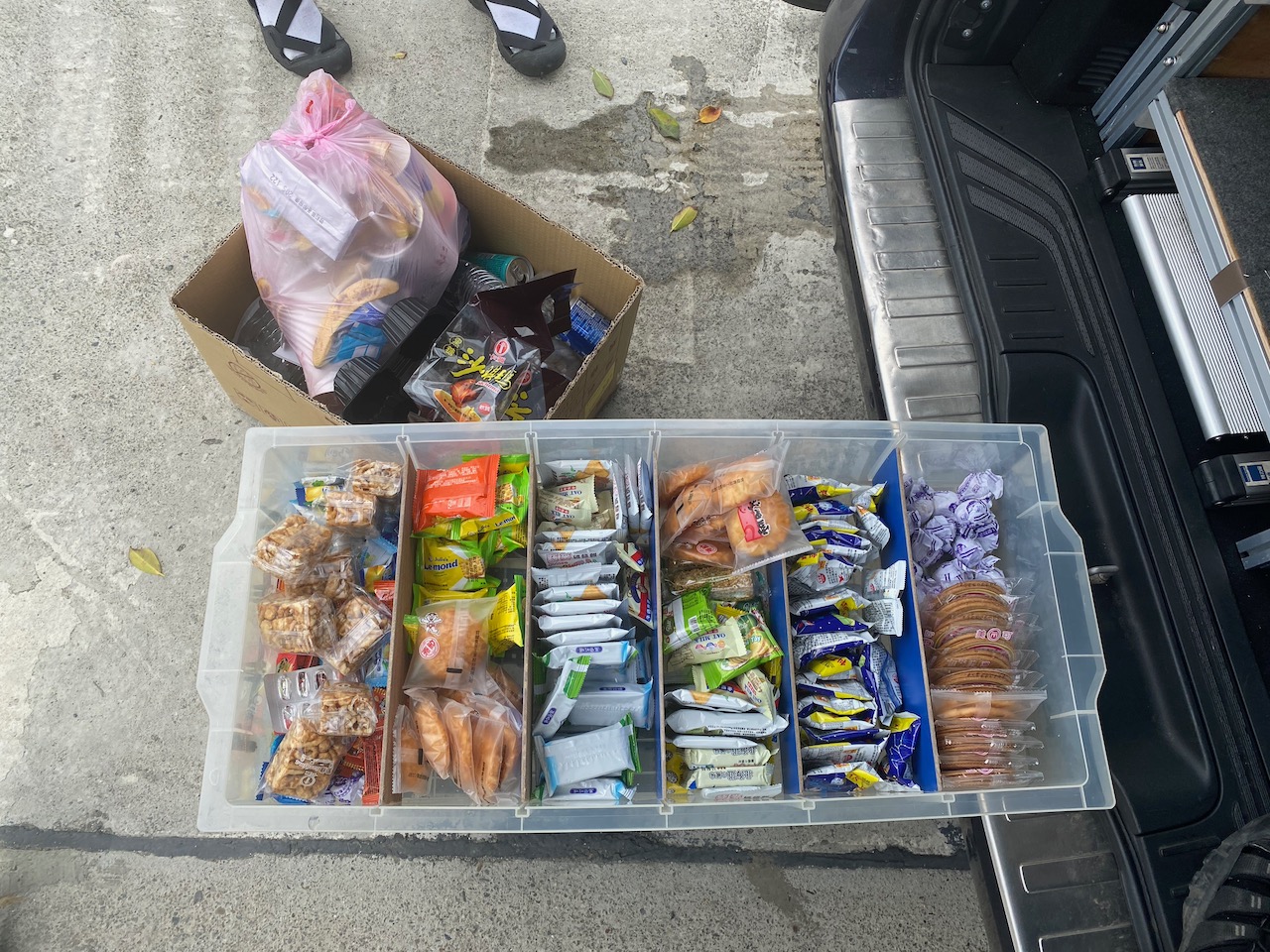
    The challenge began at midnight at Fugui Cape and was expected to last around 24 hours, encompassing two night periods. To optimise sleep opportunities, Xiaochu booked a hotel in Tamsui for us to rest after dinner. We were then transported to the starting point around 11:00 pm. Xiaochu strategically set up supply stops every 70km, allowing us to refill our bottles and snack pouches. Maintaining a consistent intake of food is crucial, as we’re expected to burn around 8,000 Kcal during this endurance period. After cycling for  40 km, I already felt so hungry and I found myself eating a piece of bread, on the saddle, that I had saved from the afternoon.

    In the darkness, spotting our own supply cars became a challenging task. Xiaochu addressed this by broadcasting the supply cars’ live locations on Velodash, proving to be immensely helpful, especially when they couldn’t park at the exact planned locations due to occupancy by other supply cars. When I was approaching the supply stop, I could just launch the app to spot them among all the support cars or the other teams. 

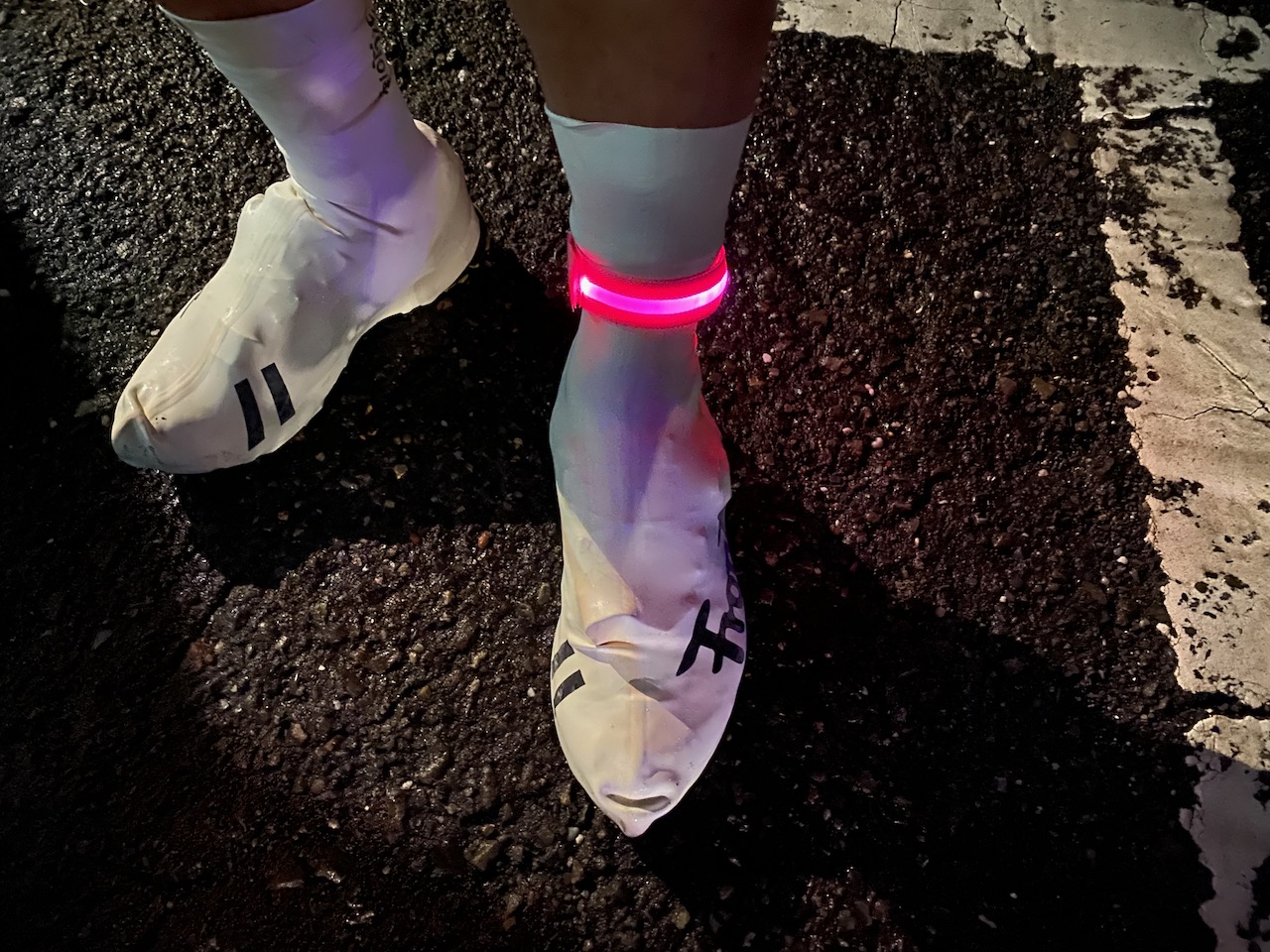
    Xiaochu provided glowing bands for us to wear on our ankles or arms. This simple measure ensured that the supporting staff could easily identify us from a distance and guide us to the cars at each stop.

    The Starting 

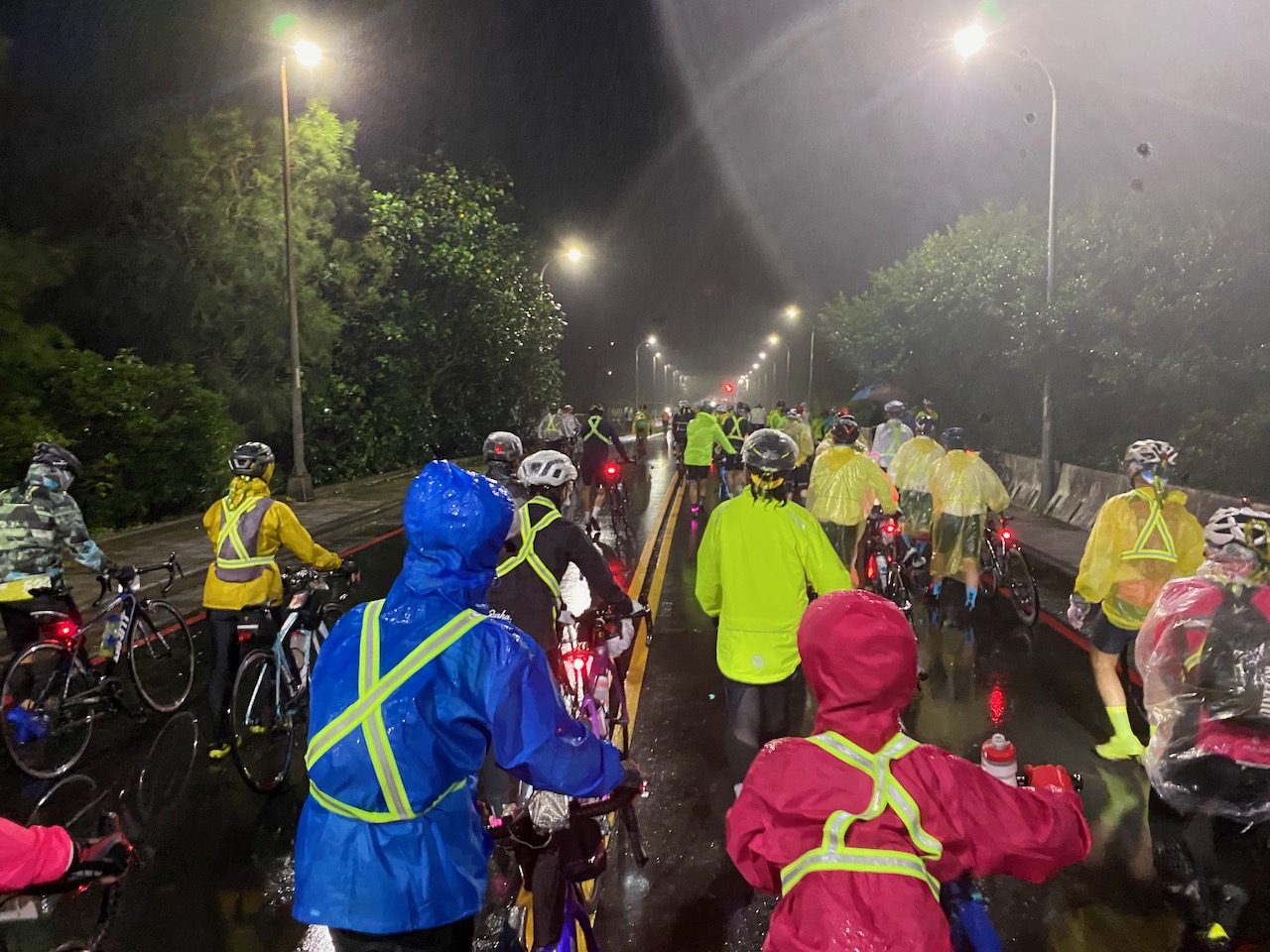
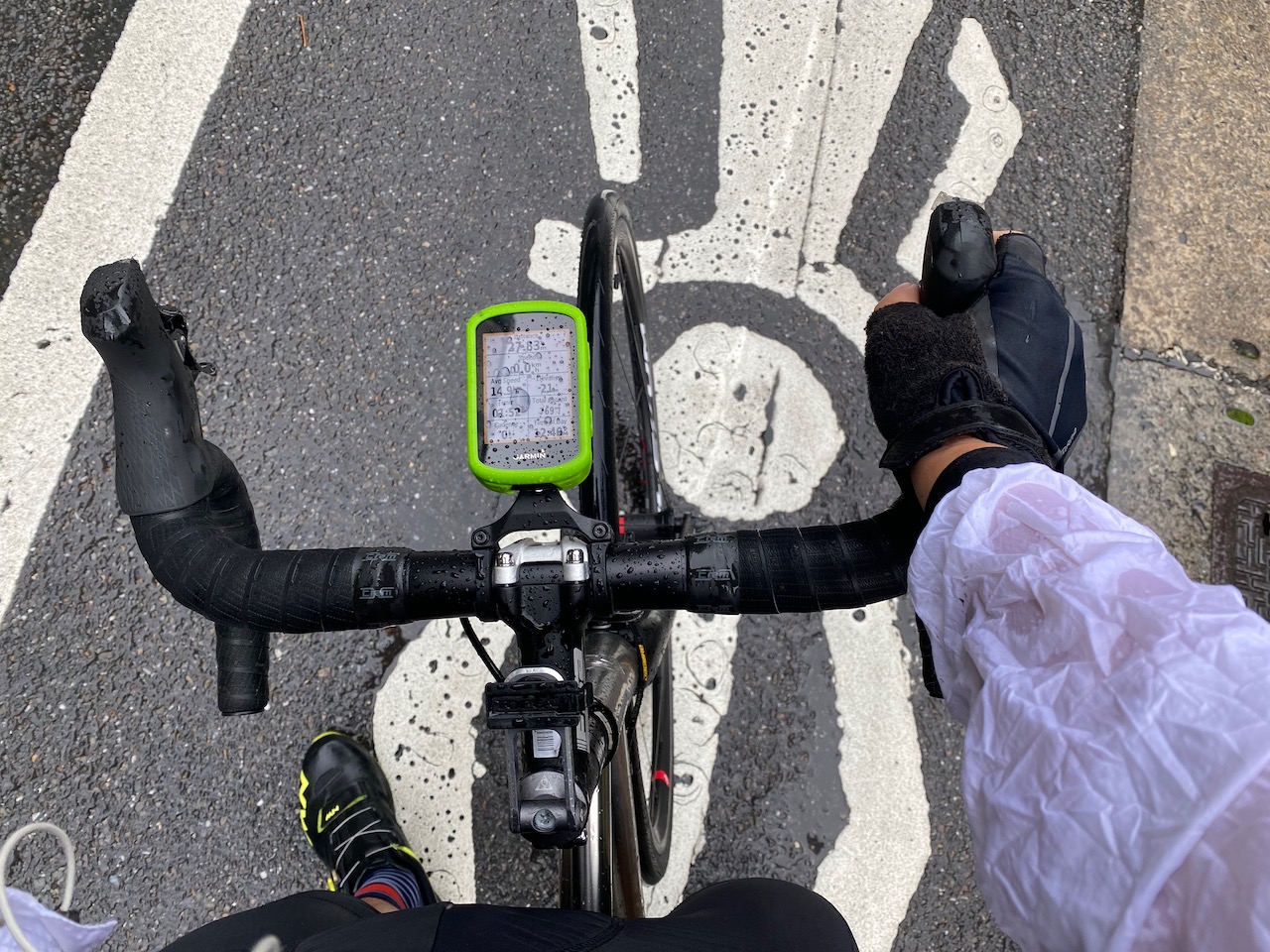
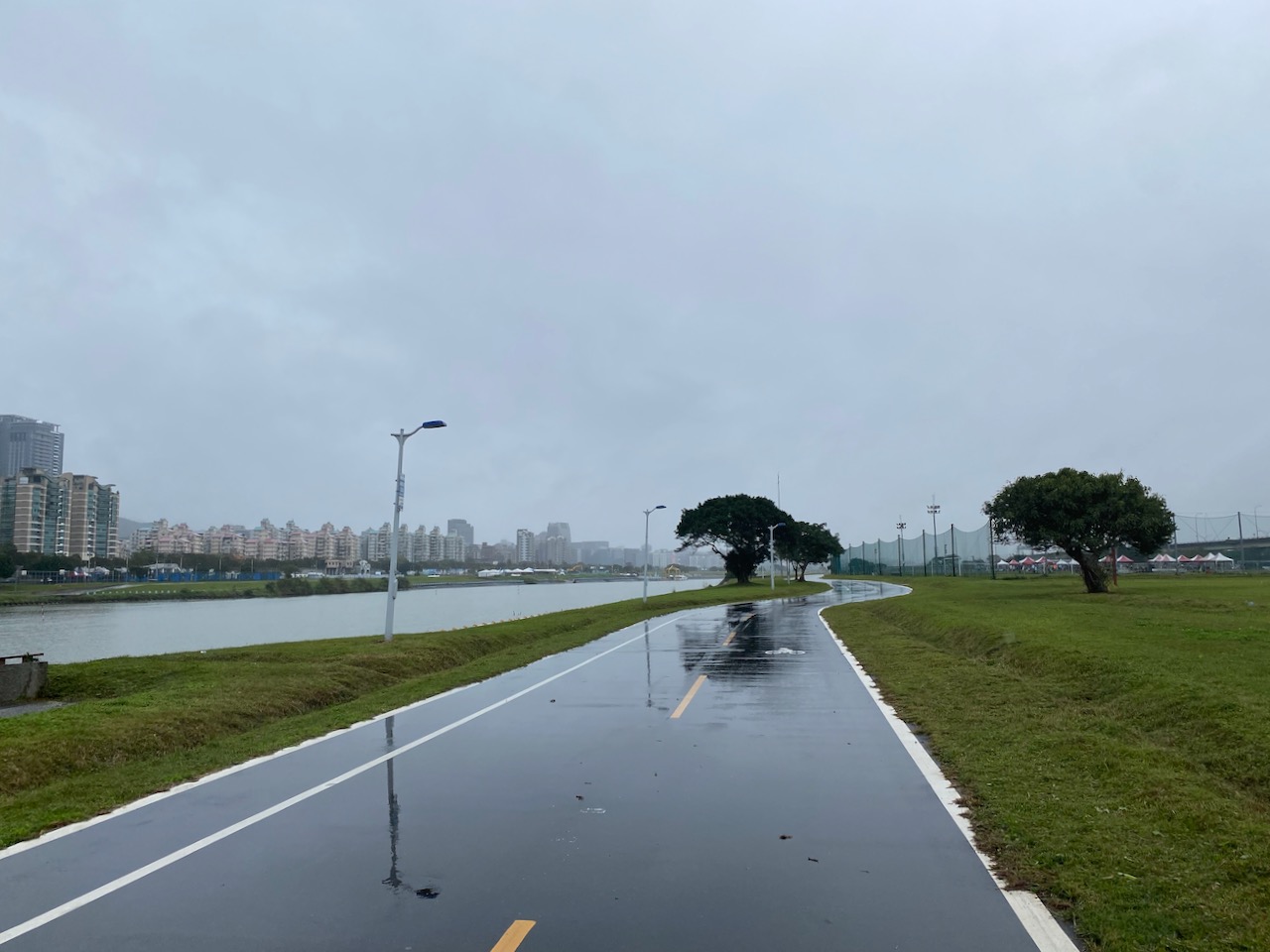
    We encountered some drizzles at Fuguijiao Lighthouse. Fortunately, my jacket was sufficient to keep my body core dry. The roads were wet, with a long stretch of participants occupying the entire lane. I proceeded cautiously, aware that even a small accident could potentially trigger a mass crash, leading to the premature retirement of many participants from the race.

    A Spontaneous Team Formed

    It became completely dry when we reached Bali District at 40 km. I made a brief stop to remove my shoe covers, which I had worn to prevent rain from wetting my feet. Surprisingly, they were wet inside, but not from rain. Instead, it was the sweat from my feet condensing on the shoe covers, which were made of the same material as swimming caps. Fortunately, I was able to remove them before my feet got drenched by my own sweat. Soon, the moisture was whisked away by the wind, and I continued cycling comfortably with dry feet.

    I must say, we were blessed with the best weather conditions this year. A very strong tailwind propelled us, and everyone was cruising at over 40 km/hour, making the ride exceptionally enjoyable. Soon, I recognized my friends Jeff and Hsunyi, along with their friend Abby, all identified by Xiaochu’s glowing bands as participants in the support services. Realising our paces were quite similar, we decided to stick together and took turns leading the group.

    BCAA to Rescue 

    At the 2nd supply stop, my legs started to show signs of cramping. xiaochu offered some BCAA pills, a type of amino acid that our body uses to build proteins. It worked like magic; I never experienced muscle cramps again. Additionally, there was an unexpected benefit: my lower back pain. Despite adjusting the saddle height, I had only managed to delay its onset. I expected it to resurface at some point, but to my surprise, it never occurred throughout the entire ride. I attribute this relief to the BCAA. If you are facing a similar problem, it’s worth considering trying BCAA supplements — they’re just supplements,  after all.

    Every Minute Counts

    As the morning broke, we decided to take an extra breakfast top stop due to our good progress. Approaching the Wuqi district of Taichung, known for its numerous traffic lights, we opted for a longer route to the coast to bypass the lights and potentially increase our speed. Upon meeting Xiaochu at the Wuqi stop for the planned breakfast, he informed us that it was a wrong call, as other participants who maintained a similar pace had already passed by sticking to the official route. Anyway, the breakfast the team prepared for us was delicious. Nothing extravagant — just some soybean milk with a sandwich from a local food store. The variety of tastes provided a welcome break from energy gels and lifted our spirits.

    He also delivered another piece of news: our chance of finishing this challenge within 24 hours was slipping away. While it wasn’t our initial target, Xiaochu’s support team was coordinating with participants aiming to reach Eluanbi within 24 hours. This meant our windows for supply stops would become smaller. If we were still on the road after 24 hours, we would have to rely on convenience stores for supplies. I found this to e a very reasonable arrangement, considering the support team’s need to take us back to Taipei the next morning after working for such a long hour. They deserved some good rest.

    Cadence at Natural Frequency

    It is said that we exhaust the carbohydrate stored in our body after two hours of exercise, and our gut might not be able to digest food quickly enough to replenish the sugar in our body. To tap into my ample body fat reserves, I cycled at lower gears with a higher cadence, maintaining over 100 rpm.

    Something fascinating occurred. It seemed as though my legs were moving on their own, requiring minimal effort to pedal. While lower gears naturally result in lower resistance from the pedals, I could also feel that my legs were lighter at this cadence. In hindsight, I believe I was cycling at the natural frequency of my legs. 

    Ever wonder why a mechanical metronome can swing for such a long time after just a couple of windings? It’s because it swings at its natural frequency, requiring very little energy to keep it going. The same principle applies to our bodies. Another example is when we walk; our legs move like a pair of pendulums at their natural frequency. However, when we run, our legs have to move at higher frequencies, working against the natural frequency and causing more fatigue after covering the same distance. Pedalling is also a periodical motion, and I discovered the existence of a natural frequency during this long ride. When can leverage this phenomenon to achieve maximum energy efficiency especially when our muscles are tired.

    Companion and Support Make a Difference

    At Tainan, Abby and I were still maintaining the same pace, but we had dropped Jeff and Hsunyi. We decided to treat ourselves to some snacks at the first 7-Eleven we spotted in the city. The shopkeeper generously provided each cyclist with an extra hard-boiled egg for free to accompany the instant noodles. 

    Last year, I felt lonely and struggled with lower back pain, wasting a lot of willpower on meaningless self-talk. Questions like,

    ‘Is it a good time for a break?’, 

    ‘Should I stop at this 7-Eleven for some snacks?’,

    ‘What should I buy?’,

    “Maybe not this one because there are too many people.”, 

    “But what if the next one is too far away?”, 

    “Maybe it’s going to be the same so why not just take a break while I have one around?”, “Should I worry about the last leg from Kaohsiung to Eluanbi?”, 

    “What if I collapse?”. 

    This year, it was wonderful to have someone to chat with, especially when sharing the same goal. With Xiaochu’s well-planned supply stops, I could focus my willpower solely on cycling. The next stop is 70 km ahead, so I just didi ti. The food he provided wasn’t extravagant, but it felt good to have someone prepare for me, and I was pleasantly surprised with some local delicacies. Xiaochu also briefed us on our progress, providing crucial information even though it was a simple calculation. In 2020, during the Taipei to Kaohsiung Challenge, I got my progress and the maths wrong when I was alone. I almost failed to make it within the time limit. 

    The Real Start in Kaohsiung

    By Around 19:00, we reached Pingshan Elementary School in Kaohsiung, the designated destination for the Taipei to Kaohsiung Challenge. Xiaochu’s team had prepared a simple yet delicious dinner awaiting us. Despite my continuous eating on the saddle, I devoured the meal and even went for two refills.

    Having already covered 400 km with 130 km left to go, it felt like a real start to me. This marked the first time I ventured further south in such a long ride. 

    Kaohsiung, with its numerous multi-lane roads, resembled a maze to me, especially in the darkness. The organisers had some helpers stationed at significant junctions to guide us, but having your route loaded onto your navigation device is advisable.

    We navigated through Kaohsiung smoothly, reuniting with Xiaochu at another supply stop. The excitement was palpable as everyone realised how far we had come. Another group of participants joined our ride for a while, as they weren’t entirely sure about the route. We welcomed the additional companionship. 

    The Confrontation by the Downhill Winds

    As we approached Checheng, I felt my strength fading. The wind shifted as we headed southeast on the Pingtung Peninsula, making it harder to keep up with Abby, and soon I lost sight of her. Abby and I met Xiaochu again at a 7-Eleven, where they were ready to head directly to Eluanbi. It was our last chance to get in the car, but we both decided to press on with the ride. I advised Abby to ride at her own pace for a better time. Soon, I was dropped again.
    The low hills of the Pingtung Peninsula directed the northeast wind upward and then funnelled it down at the west side from all directions – The notorious Downhill Wind – confronting us at the last 50 km. After enjoying a tailwind for so long, it was time to pay the price.

    Slowly, I made it to Hengchun and Kenting Street. People in the Kenting night market cheered for us. A guy with a beer in his hand even gave me a push on the back. Oh, that was nice, even if just for a second. 

    Then came the last 8 km, and I found myself all alone. The Downhill Wind intensified. To add to the eerie effect, before the wind pushed you sideways, it gave you a warning with the rattling of the trees. Once, I almost got pushed to the opposite lane. In preparation for this part, I have undertaken a challenge from Taichung to Eluanbi a couple of months ago. Otherwise, I wouldn’t have had the nerve to continue. I knew the finishing line was there; all I needed to do was keep pedalling. However, the last 5 km seemed to stretch longer. I found myself speaking to myself, ‘Pedal! Pedal! Pedal!’

    The Finishing Line

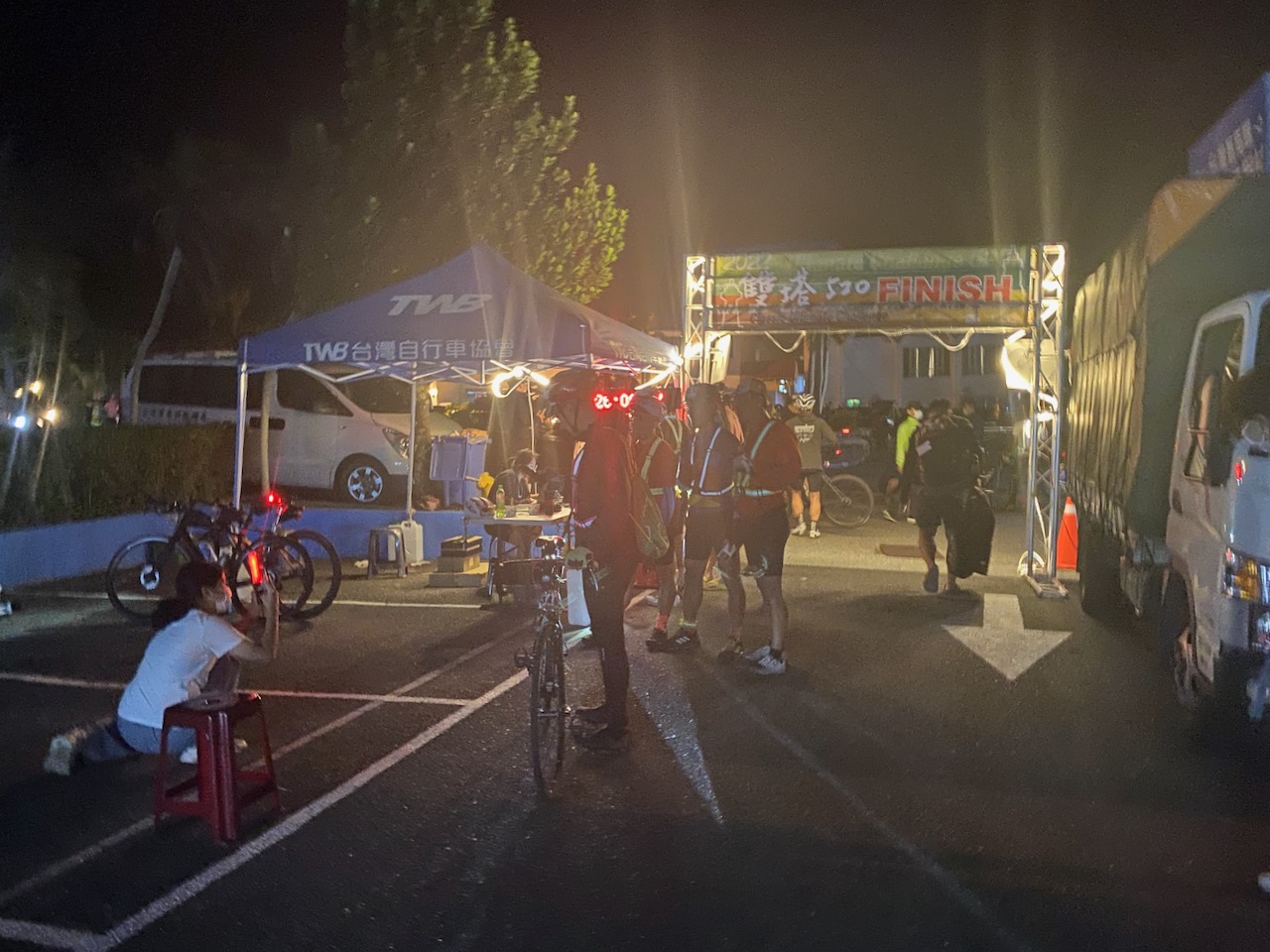
    After too many moments of self-talk, I finally caught sight of the finishing line, which I initially doubted was a hallucination. I rolled my bike into the finishing gate and heard the beep of the computer recording my finishing time. 
    Xiaochu was there to greet me and take pictures. I followed the procedures to receive my certificate and trophy. It was 2:00 a.m., and I managed to finish this ride in 26 hours. The next morning, when I woke up, I learned that Jeff and Hsuny had also made it within 28 hours.

  • 台湾環島1号線の美しい支線・環状ルートの地図とGPX路線

    台湾環島1号線の美しい支線・環状ルートの地図とGPX路線

    台湾環島1号線の支線ルートは、メインの環島ルートから分岐し、台湾の隠れた魅力を探る旅へと誘います。全長900キロメートルを超える本線に加えて、25の支線が設けられており、それぞれが独自の美しい景観や地域文化を反映しています。これらの支線は、台湾各地の特色ある町や自然の名所、例えば南投の日月潭などの人気スポットへと導きます。サイクリストは、より静かで穏やかな道を通じて、台湾の豊かな自然と地域の生活をより身近に感じることができます。支線ルートは、台湾サイクリングの魅力をより深く探求するための理想的な選択肢です。

    この投稿は、台湾環島1号線沿いの支線ルートと環状ルートについてです。別の投稿では、環島1号線を使って9日間でワンタオする典型的なライドについて紹介しています。

    地図上のピンをクリックして各日の詳細情報やGPXファイルを確認してください

    註記
    • 各ルートの詳細は地図にリンクされており、ルートの位置をよりよく理解できます。
    • 全国自転車専用総合入口サイトのダウンロード可能なGPXファイルは、Garminに直接インポートすることはできません。GPSvisualiserで修正し、connect.Garmin.comにインポートしました。提供したリンクを使用してルートを取得できます。
    • Garminや他のGPSデバイスの小さな画面に表示が適切になるよう、ルートの名前を短縮しました。例えば、サイクリングルートNo.1-15はCR1-15に短縮されています。
    • connect.Garmin.comのウェブサイトとGarminのApp Connectには、ルート編集モードで逆方向機能があります。反対方向に移動する必要がある場合は、デバイスに読み込む前にコースの方向を逆にすることができます。
    • Garminを使用していないがルートに従いたい場合、スマートフォンで Velodashkomoot をナビゲーションに使用できます。インポートされたルートには逆方向機能はありませんが、Velodashは現在ターンバイターンのナビゲーションを提供していないため、必要ありません。サイクリング中は地図上のラインに従ってください。
    • GPXルートと地図上に表示されるルートは完全に一致するわけではありません。場合によっては、地図上のルートの出発点、終点、いくつかの補給地点がGPXルートから50メートル以上ずれることがあります。ルートを微調整して、旅程に合わせてください。
    • 環島1号線を使って9日間で島一周するための日々の計画と、提案や代替ルートも用意しています。

    免責事項

    この投稿のグラフィックと情報はすべて台湾政府の交通通信部が構築・維持する全国自転車専用総合入口サイトから提供されたもので、私たちはこれを所有していません。このウェブサイトは台湾一周旅行を計画するすべての人々にとっての情報の権威ある出典です。非常に有用ですが、私たちの意見では使い勝手があまりよくありません。したがって、ここでやろうとしていることは、その情報を私たちが便利でモバイルフレンドリーな形式に再編成することです

  • 自転車で台湾一周ワンタオ:環島1号線の地図とGPX路線

    自転車で台湾一周ワンタオ:環島1号線の地図とGPX路線

    台湾環島1号線はサイクリングルートNo.1ともいわれ、台湾を一周する約900キロメートルの公式自転車道です。2015年に開通し、主に省道台1線と台9線に沿っています。このルートは、美しい海岸線、壮大な山脈、そして多彩な文化的名所を結び、サイクリストが台湾の自然と文化を深く体験できるよう設計されています。途中には補給站が設けられ、安全で快適なサイクリングが可能です。加えて、25の支線があり、さらに多くの観光スポットへのアクセスを提供します。台湾全体のサイクリングインフラの発展に貢献しており、国内外のサイクリストに人気のルートです。

    この投稿は、台湾環島1号線のメインルートについてです。別の投稿では、環島1号線の支線ルートと環状ルートについて紹介しています。

    地図上のピンをクリックして各日の詳細情報やGPXファイルを確認してください

    註記
    • 公式の出発地は台北の松山駅ですが、上記のオールインワンGPXファイルの出発地と終着地は宜蘭の東山駅です。ただし、サイクリングルートはループを想定しているため、問題はありませんと思います。一方で、5日目と6日目には地図と2つのGPXファイルの間に不一致があります。8日目については、ルートプランナーの推奨に従い、交通量が多く、時折岩石が落ちることで有名な蘇花高速公路をスキップするために電車を利用することがお勧めです。
    • もっと時間がある場合は、これらの支線ルートや環島1号線に沿った循環ルートを追加して、より長いライドを計画することができます。
    • また、環島1号線に沿って9日間で台湾一周を行うための私たちの提案と代替ルートが含まれた日々の計画もあります。

    免責事項

    この投稿のグラフィックと情報はすべて台湾政府の交通通信部が構築・維持する全国自転車専用総合入口サイトから提供されたもので、私たちはこれを所有していません。このウェブサイトは台湾一周旅行を計画するすべての人々にとっての情報の権威ある出典です。非常に有用ですが、私たちの意見では使い勝手があまりよくありません。したがって、ここでやろうとしていることは、その情報を私たちが便利でモバイルフレンドリーな形式に再編成することです

  • 台湾一周サイクリング (4):寧埔から花蓮まで

    台湾一周サイクリング (4):寧埔から花蓮まで

    このブログ記事は英語のみで提供されています。ご迷惑をおかけして申し訳ありません。

    • Where: Kaohsiung (高雄) to Kenting (墾丁), Taitung (台東) to Hualien (花蓮)
    • When: 18 Dec – 27 Dec 2012
    • Who: Peter and Lois (our first cycling trip)
    Image grid showing cyclists travelling to Hualien Valley via Yuchang Tunnel from Ningpu
    • Humbled by mother nature and with the sea views eluding us, we decided to seek protection from the wind by getting into the Hualien–Taitung Valley (花東縱谷) to continue our journey towards Hualien. We were lucky to have the Provincial Highway No. 30, which cuts through the Costal Mountain Range (海岸山脈), laying in front of us. This is one of the four passages connecting the valley and the coastal route through the Costal Mountain Range. There are cyclists who find the coastal route and the valley route too easy for them that they zigzag between the valley and the coast making their way through all the four passages (花東四小橫). Again, not for us. The road is rather steep that we did not bother to cycle, and instead pushed our bikes, until we reach the entrance of the 2.66km-long Yuchang Tunnel (玉長隧道), elevation 370 metres. We made sure our rear lamps were on and pedalled through the tunnel carefully. It was even more depressing when we reached the other side. The air was even chiller. Someone was burning wood outside of a dilapidated hut to keep himself warm. However, as we descended slowly into the valley, it got warmer and more pleasant. There were hot spring resorts along the way. We should have made a stop there.
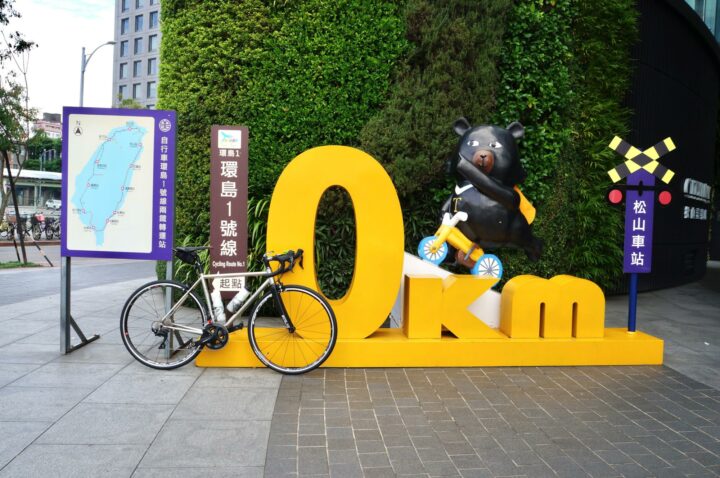
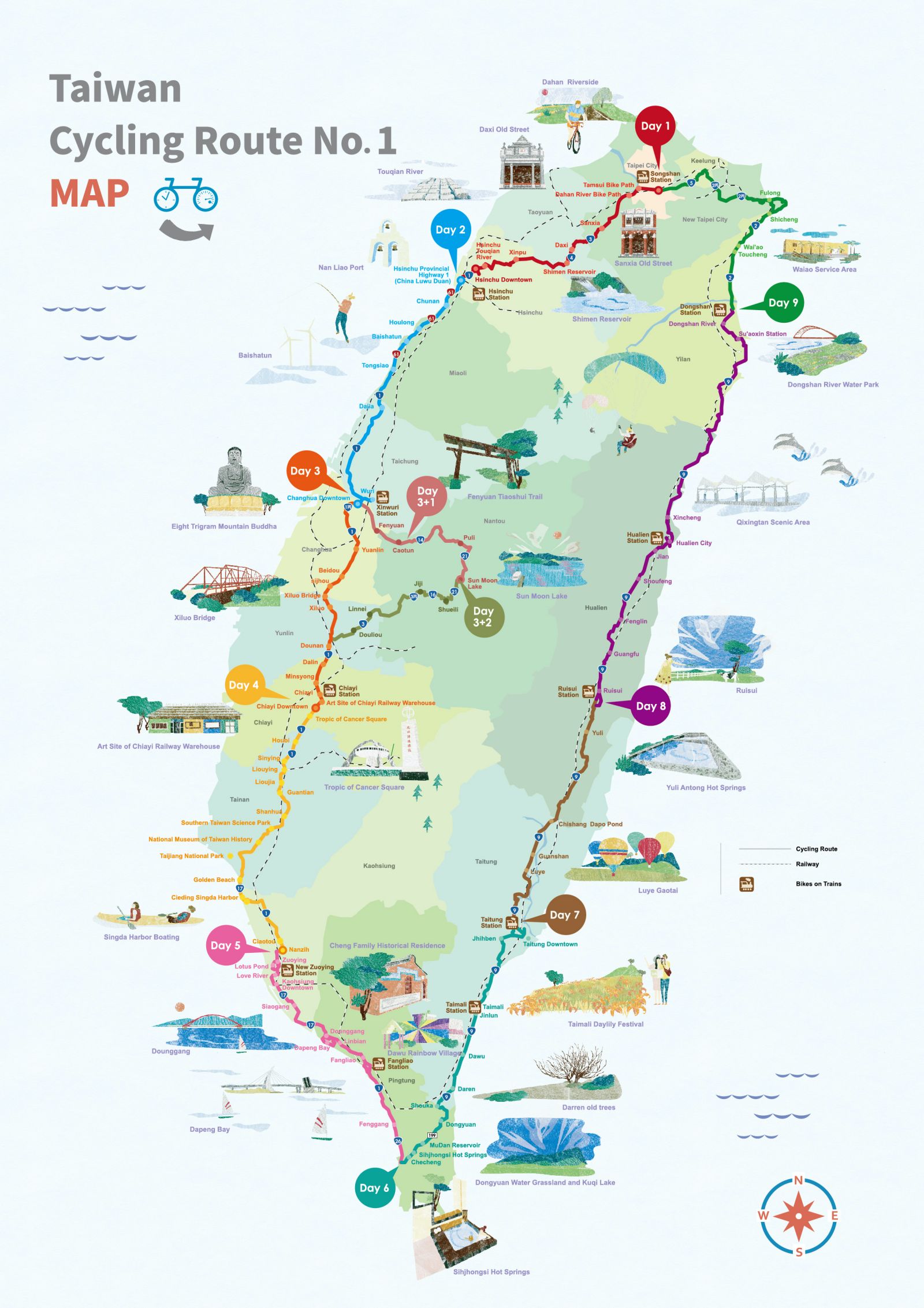
    Image grid showing the rooms of QianCaoYuan and the dinner sets they served.
    • The Costal Mountain Range did shield the valley from the harsh chilling wind. We switched from survival mode to leisure mode immediately. We detour to bikeways and enjoyed the charming pastoral scenes. There were much more towns and shops in the valley. I bought a jacket for the cold wave and Lois a pair of leggings in Yuli Township (玉里鎮). The valley has a railway running from Taitung to Hualien. Train stations could be found every 5km-10km. With more towns scattered along the route, less than 10km away from each other, there’s no more pressure on how far we need to to go before we could make a stop. We cycled 42km that day and found this nice homestay named QianCaoYuan (The Garden with Thousand Plants 千草園) run by a plant lover in Ruisui Township. It is decorated meticulous with numerous pots of plants. Our stay there made us realize it did make us happier living with more plants. When we got home, we started to grow our own windowsill garden. The homestay also served nice dinner sets. We had three sets between the two of us to celebrate Christmas Eve.
    Image grid showing the road condition of Hualian Taitung vallue route and a lunch with lobsters
    • We roamed leisurely in the valley for two days. We had been to tea farms, old sugar refineries. We rode so slow that a restaurant owner said we were even slower than walking. But we still had time to take a detour to the coastal route (the Provincial Highway No. 11) as we were approaching Hualien. The roads are wider and flatter compared to the Taitung end. We had lobsters for lunch in Yanliao Village (鹽寮村). Most of the restaurants we’ve been to in Taiwan are reasonably priced, but it’s always a good practice to ask for the menu with price listed before ordering.
    image grid showing cyclists on Coastal Route to Hualien, a special homestay and bums.
    • The coastal route on the Hualien end is more appealing. There are vast unblocked panoramic views of the Pacific Ocean. More homestays with special themes could be found along the way. In retrospect, it may be a good idea to leave Taitung on the valley route and then switch to the coastal route in-between.
    • We reached Hualien in the afternoon and planned to spend the whole next day there before we take the train back to Kaohsiung in the evening. Unfortunately and shame to ourselves, we had not make bookings in advance and all the tickets were sold out (8 trains per day) except for the one leaving at 6:00 am. Not Smart! Lesson learned: Hualien is a very popular vacation destination among the Taiwanese. Train tickets are notoriously hard to get during weekends and local holidays. Be careful when you are planning your holiday there.
    Conclusion:

    Hualien and Taitung have the most beautiful cycling routes between them. There are much more to see and we should definitely come back. When planning a cycling trip next time, I must take the wind direction seriously. We can cycle in the rain, in the dark, in the chill or under the scorching sun but we should always avoid doing it against the wind.

  • Five Cycling Routes to Explore Yangmingshan

    Five Cycling Routes to Explore Yangmingshan

    このブログ記事の翻訳を進行中です。もうすぐ完成しますので、後ほど再度ご確認ください。ご不便をおかけして申し訳ありません。現在は、こちらで提供されているGPXルートや地図などの情報を自由にご利用ください。

    Yangmingshan National Park is one of Taiwan’s nine national parks, renowned for its volcanic terrain, breathtaking peaks, and tranquil lakes. The park offers a variety of hiking trails that allow visitors to explore and savour panoramic vistas, including the renowned Seven Star Mountain and the picturesque beauty of Xiaoyoukeng. Due to its elevation of over 800 metres, well-maintained roads, and convenient accessibility from Taipei, it has become a favoured destination for cycling enthusiasts.

    The nearest starting points to climb the mountain from Taipei are accessible via the Riverside Bikeways, which are Yangde Boulevard (Provincial Highway 2A or 2甲) and Zhishan Road, followed by Pingjing Street. Yangde Boulevard is a less steep and more easily navigable option, but it often experiences heavier traffic. To avoid inhaling exhaust fumes while pushing my lungs to their limits, I generally prefer not to choose this route for climbing, unless it’s early in the morning. Descending on Yangde Boulevard, however, is less physically demanding and can be completed relatively quickly. On the other hand, despite its steeper incline, I personally enjoy taking the Zhishan Road and Pingjing Street route the most, as encounters with cars are infrequent.

    If steepness is not your preference, County Highway 101 followed by County Highway 101A or 101甲 provides a more gentle approach. However, you need to get to Hongshulin to begin the climb. If you prefer not to ride there, you may take an MRT (Mass Rapid Transit) instead. The other two starting points, Jinshan District and Sanzhi District, are quite remote from the city centre.

    Here, I have plotted different routes with varying lengths and difficulties for you to choose from.

    Route 1: Ascend Pingjing Street, Descend Yangde Boulevard 36km 982m Total Ascent

    It’s a 17 km climb that takes you to Lengshuikeng Visitor Centre at 746 m where you can see the vegetation changes. Then the final kilometres on the Zhonghu Road of Armaments (中湖戰備道路) offer a captivating panoramic view with stunning vistas of the surrounding mountains. Upon reaching Xiaoyoukeng Visitor Center, you can take a short walk on a pleasant hiking trail to explore a volcanic steam vent area (fumaroles), provided you are comfortable leaving your bike unattended for an hour. If you have more time, you can take a detour to the Bamboo Lake where you can find many restaurants and flower farms. For the descent, you can take Yangde Boulevard to return to Taipei city. There is a smooth transition to get to the Riverside Bikeways that connect to the other area of the city.

    This is a flexible route. If you wish to shorten your ride before completing the climb, there are several shortcuts available that can take you directly to Yangde Boulevard.

    Routes:

    NOTE: To use the routes, please install the App on your smartphone. The App will launch and load the route automatically after you tap the above links on your smartphone’s browser. For Garmin Connect, you can then use the APP to send the route to your garmin device. If your Garmin device is not purchased in Taiwan, you will also need make sure you have the Taiwan map on your device. Here is our blog post on this topic.

    Route 2: Ascend Pingjing Street, Descend Balaka Highway (County Highway 101A or 101甲)  48 km 1267 m Total Ascent

    The climbing is the same as Route 1. However when you reach Erziping Visitor Center, you have the option to continue climbing towards the Mount Datun Air Navigation Station. This segment spans 2.36km with a total ascent of 247 m, resulting in an average gradient of over 11%. I recommend attempting this climb only under favourable weather conditions. 

    Descending on Balaka Highway (101A or 101甲) is a fun and thrilling experience due to ideal level of steepness. It’s a quiet road, but please remember not to assume sole ownership of it  as occasional cars may pass by. On County Highway 101, you’ll come across Wuji Tianyuan Temple, distinguished by its building that resembles an umbrella. The temple boasts a beautiful cherry blossom garden, which is worth visiting during the appropriate season, typically around March and April. 

    At the end of the descent, you will find yourself in Tamsui, an area with numerous tourist attractions. Among my favourites are the Hobe Fort and Fort San Domingo.

    From there, you have the option to cycle back to Taipei using the Riverside Bikeways or simply take the MRT from Hongshulin Station

    As I mentioned earlier, Balaka Highway (101A or 101甲) is less steep to climb. Therefore,  this route is equally enjoyable when done in reservse.

    Routes:

    Route 3: Ascend Pingjing Street, Descend Yangjin Road (Provincial Highway 2A or 2甲), Ascend again to Fenguizui 74km 1597 m Total ascent

    This route features two climbs. The first climb follows the same route as Route 1. By descending to Jinshan District, you will reach the picturesque north coast. The Yehliu Geopark offers a plethora of fascinating orange rock formations to explore. Afterward, you can resupply and embark on your climb back to Taipei via Fengguizui (600 m), following the suggested route. 

    Alternatively, you may cycle to Keelung through the Waimushan Seaside Scenic Area followed by a comparably flat route on Provincial Highway 5 to get back to Taipei. Yehliu to Keelung is a refreshing route to cycle. The Keelung to Taipei leg has nothing to boast of. Sometimes, I prefer to take the train from Keelung back to Taipei, alighting at Nangan, Songshan or Wanhua station. Normally, before 15:30 each day, there are 1 to 2 trains every hour that accommodate unbagged bikes. After 15:30, you’ll need to wait until 18:16.  For more details about taking trains with you bikes, refer to the provided link here

    Routes:

    Route 4: Ascend Pingjing Street, Descend to Jinshan, Ascend again on County Highway 101 and Balaka 96 km 1985 m Total Ascent

    This route features two climbs on Yangmingshan. The first half of this route is the same as Route 3, but we would head west after descending to Jinshan District and cycle along the invigorating and magnificent north coast. On weekends, you can find cafe trucks near Jhungjiao Bay. The Fugui Cape Park,  situated on the northern tip of Taiwan’s main island, presents a pristine lighthouse and is an idyllic place to visit. After a short ride from Fugui Cape, there is a popular sticky rice dumpling restaurant that provides a delicious calorie boost at a very reasonable price. The final climb begins at Sanzhi District, where you can restock your supplies. At the junction of County Highway 101 and 101A (or 101甲), there is a convenience store for further provisions before reaching the top. As you finish descending on Yangde Boulevard and check your Strava, you’ll notice you have traced a big fist on the map. Therefore, I suggest we name it the Budha’s Fist as the 5th Route is referred to as the Budhda’s Palm, a route that deserves a dedicated post

    If you don’t want to make the 2nd climb, you can simply cycle straight to Tamsui and return to Taipei. The route is a little hilly but the total ascent is smaller. 

    Routes:

    After cycling these 5 routes, there is still much more to explore within Yangmingshan National Park. The roads are well-maintained, offering numerous interesting stops along the way. Feel free to plan your own route and embark on further exploration, but it’s important to be prepared as weather conditions can change dramatically. We’ve had fellow cyclists who experienced difficulties descending from the top due to rain rapidly draining their body heat, which can lead to hypothermia. In such cases, they had to resort to hiring a van for transportation back. Stay cautious and enjoy your explorations!