投稿者: admin

  • Five Cycling Routes to Explore Yangmingshan

    Five Cycling Routes to Explore Yangmingshan

    このブログ記事の翻訳を進行中です。もうすぐ完成しますので、後ほど再度ご確認ください。ご不便をおかけして申し訳ありません。現在は、こちらで提供されているGPXルートや地図などの情報を自由にご利用ください。
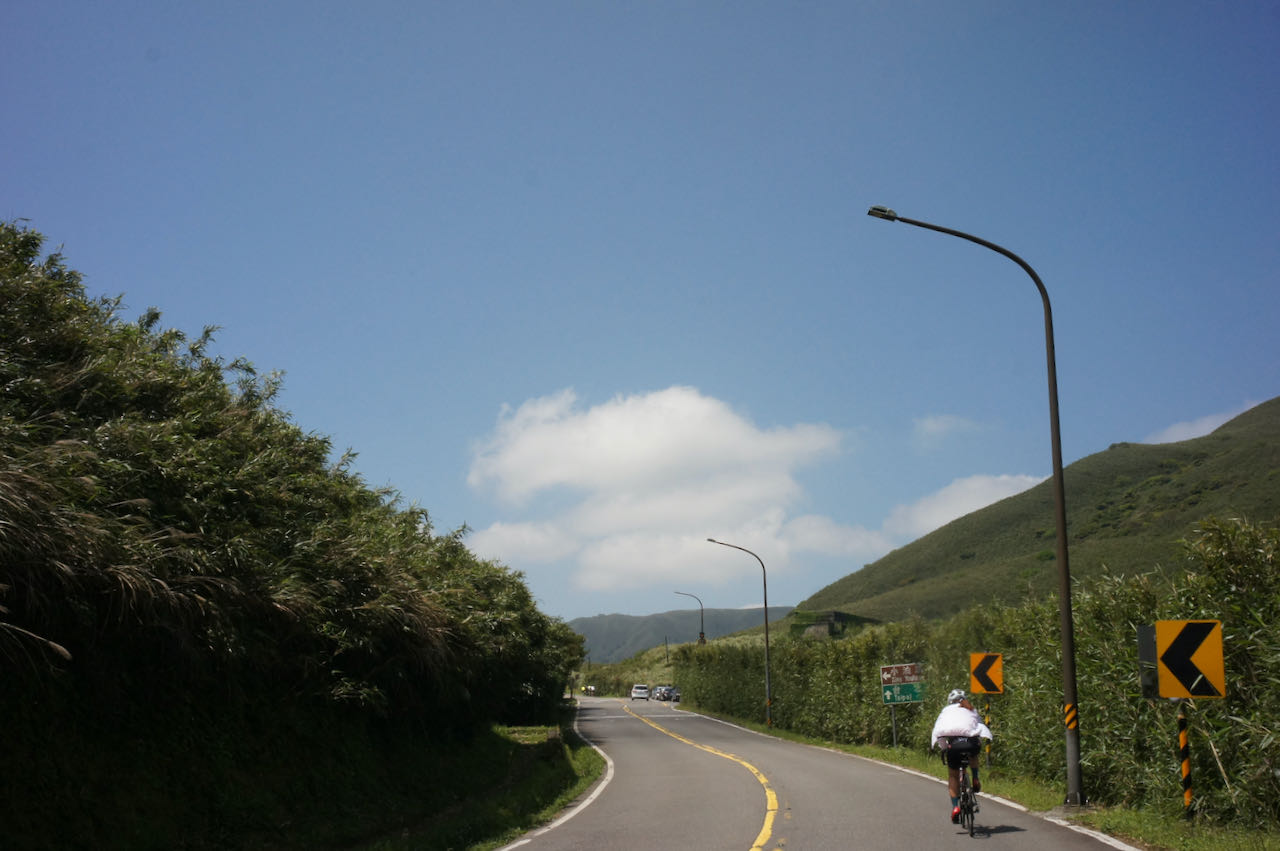
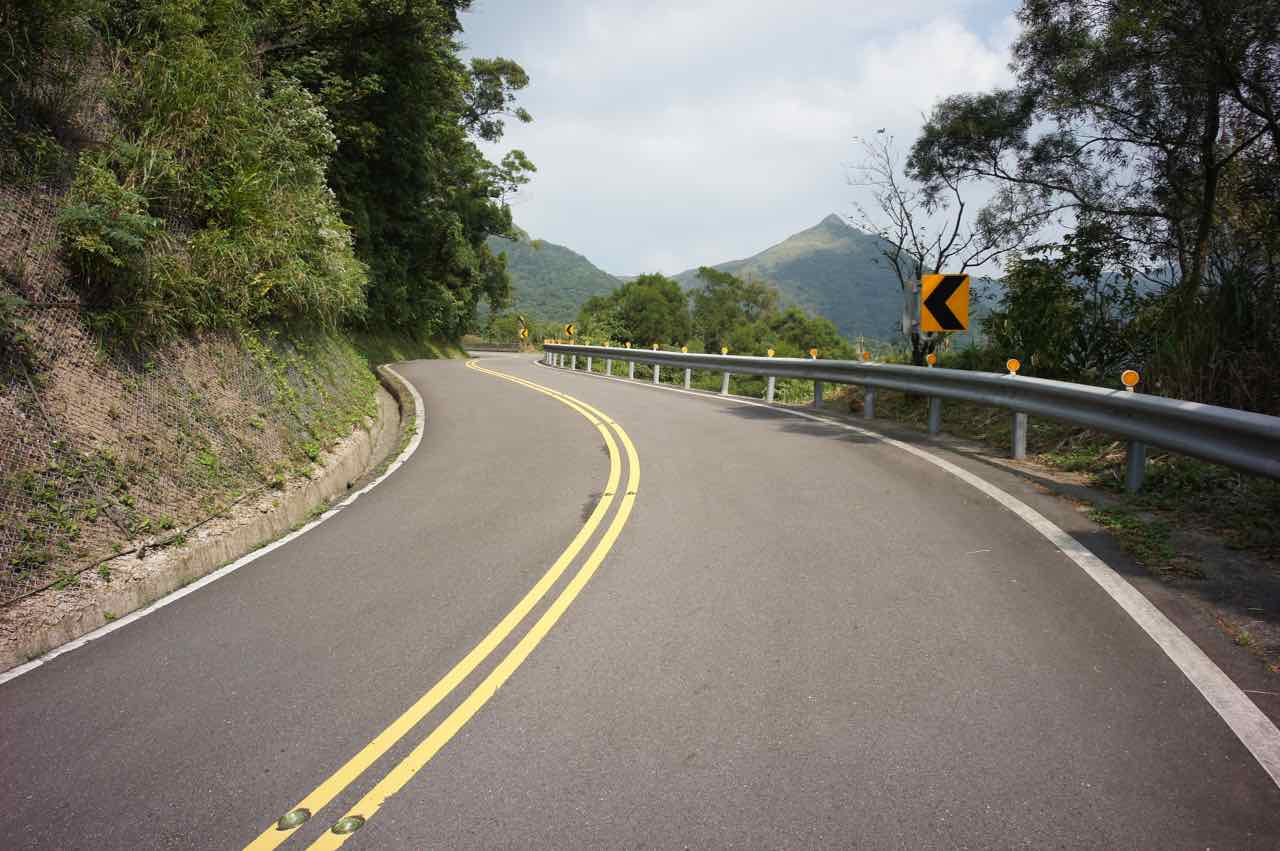
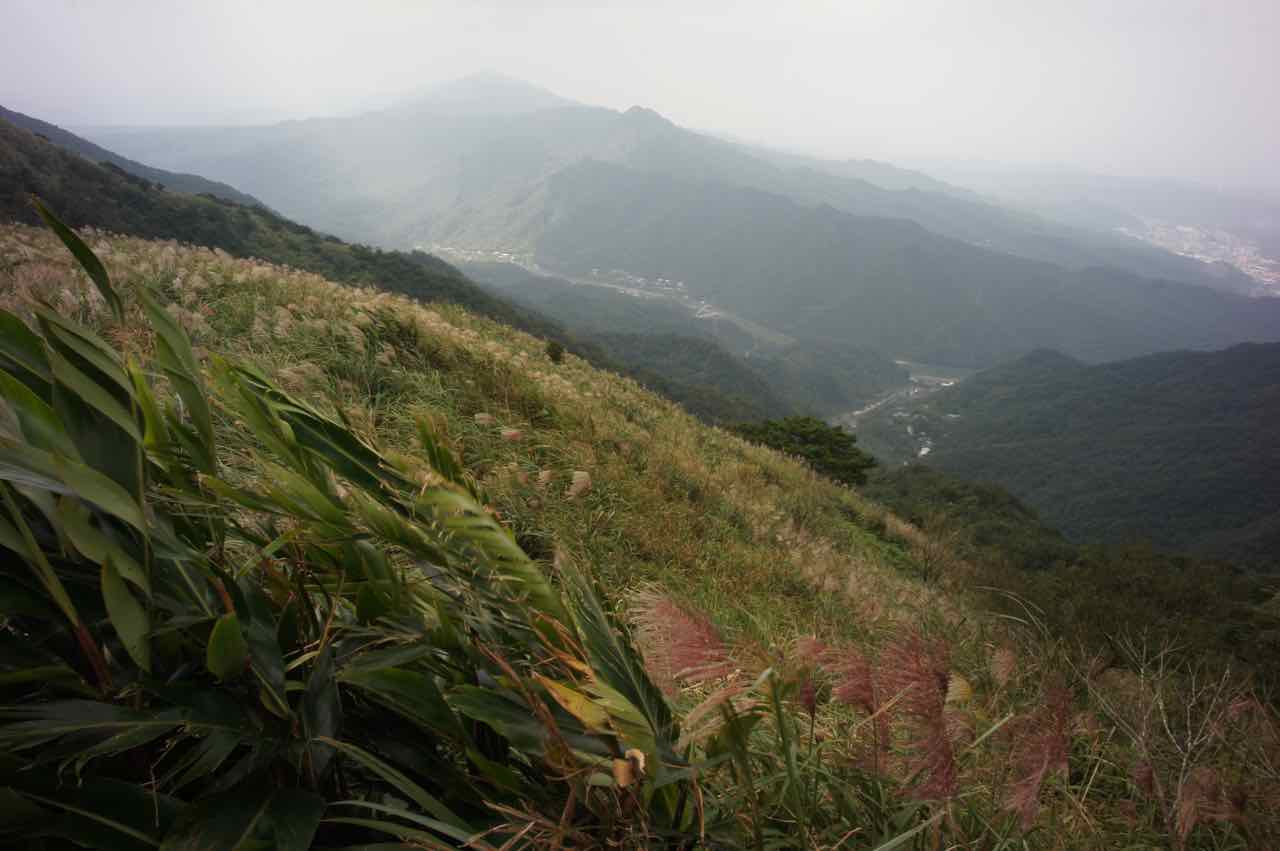
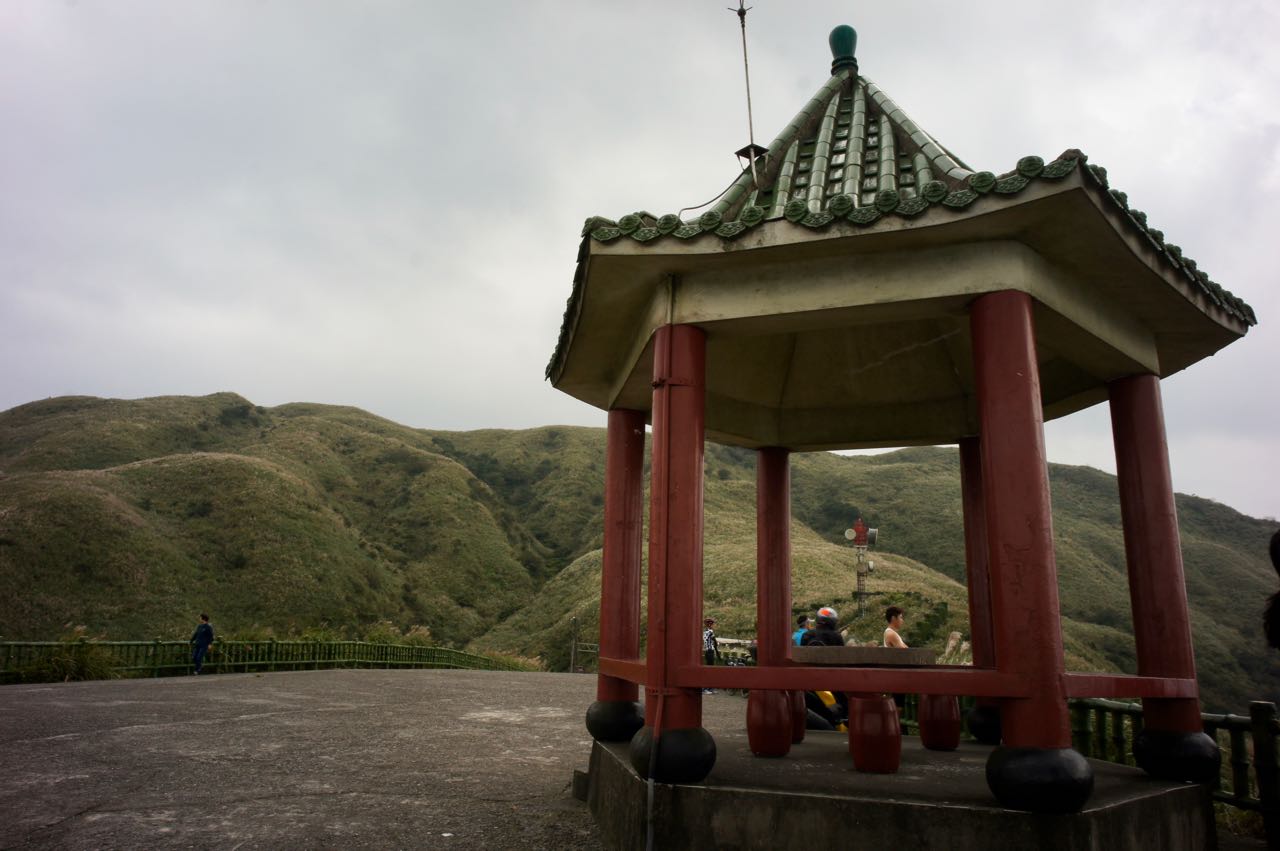
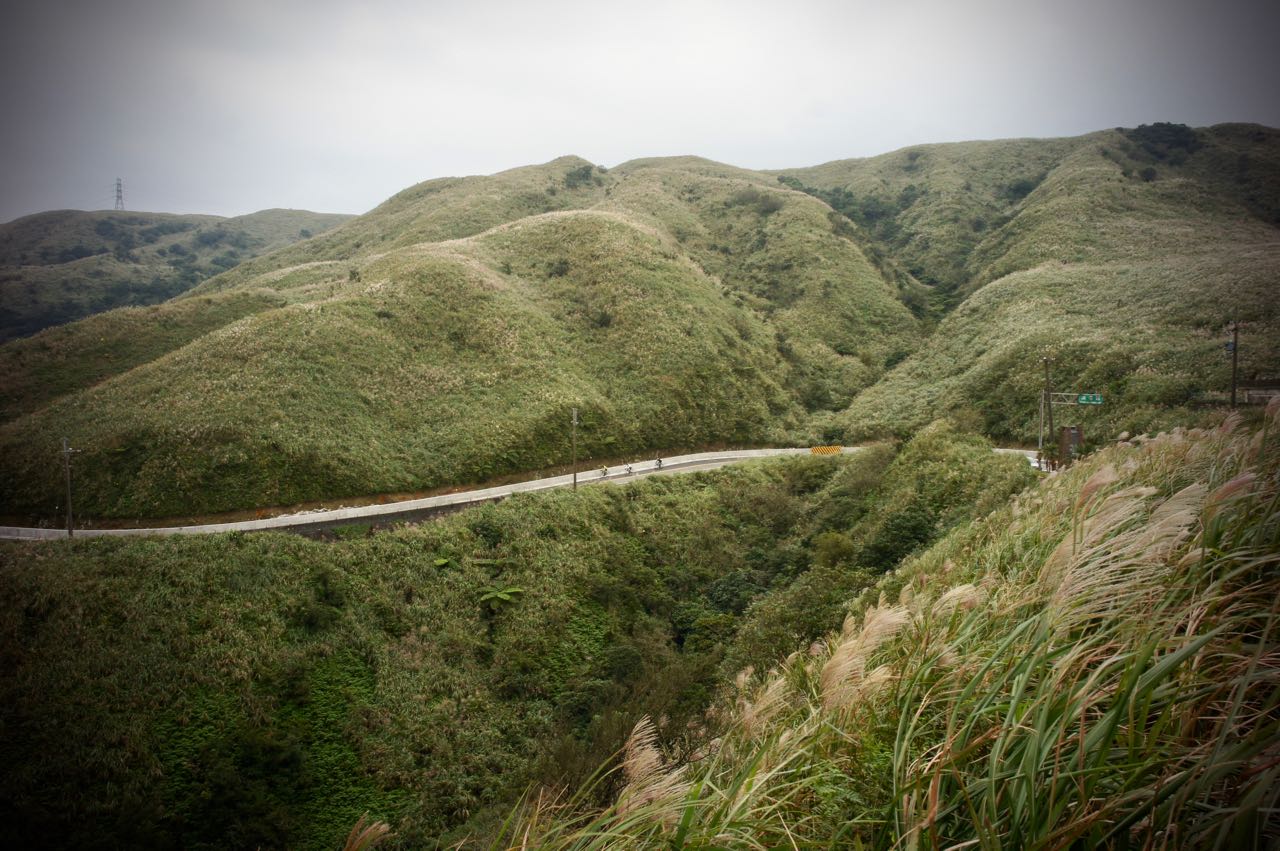
    Yangmingshan National Park is one of Taiwan’s nine national parks, renowned for its volcanic terrain, breathtaking peaks, and tranquil lakes. The park offers a variety of hiking trails that allow visitors to explore and savour panoramic vistas, including the renowned Seven Star Mountain and the picturesque beauty of Xiaoyoukeng. Due to its elevation of over 800 metres, well-maintained roads, and convenient accessibility from Taipei, it has become a favoured destination for cycling enthusiasts.

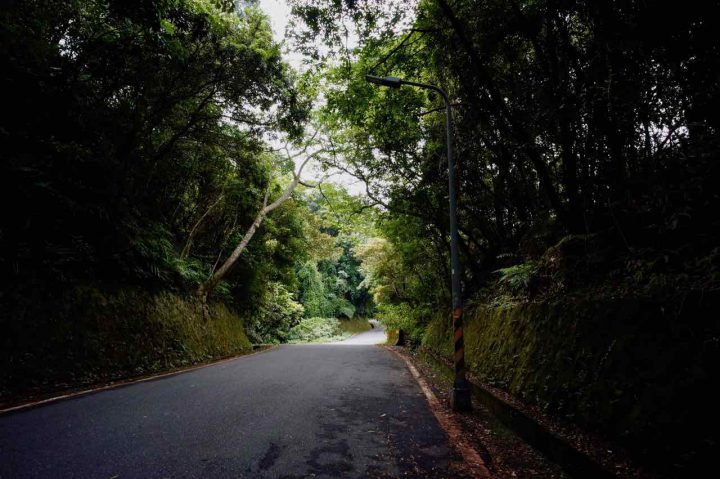
    The nearest starting points to climb the mountain from Taipei are accessible via the Riverside Bikeways, which are Yangde Boulevard (Provincial Highway 2A or 2甲) and Zhishan Road, followed by Pingjing Street. Yangde Boulevard is a less steep and more easily navigable option, but it often experiences heavier traffic. To avoid inhaling exhaust fumes while pushing my lungs to their limits, I generally prefer not to choose this route for climbing, unless it’s early in the morning. Descending on Yangde Boulevard, however, is less physically demanding and can be completed relatively quickly. On the other hand, despite its steeper incline, I personally enjoy taking the Zhishan Road and Pingjing Street route the most, as encounters with cars are infrequent.
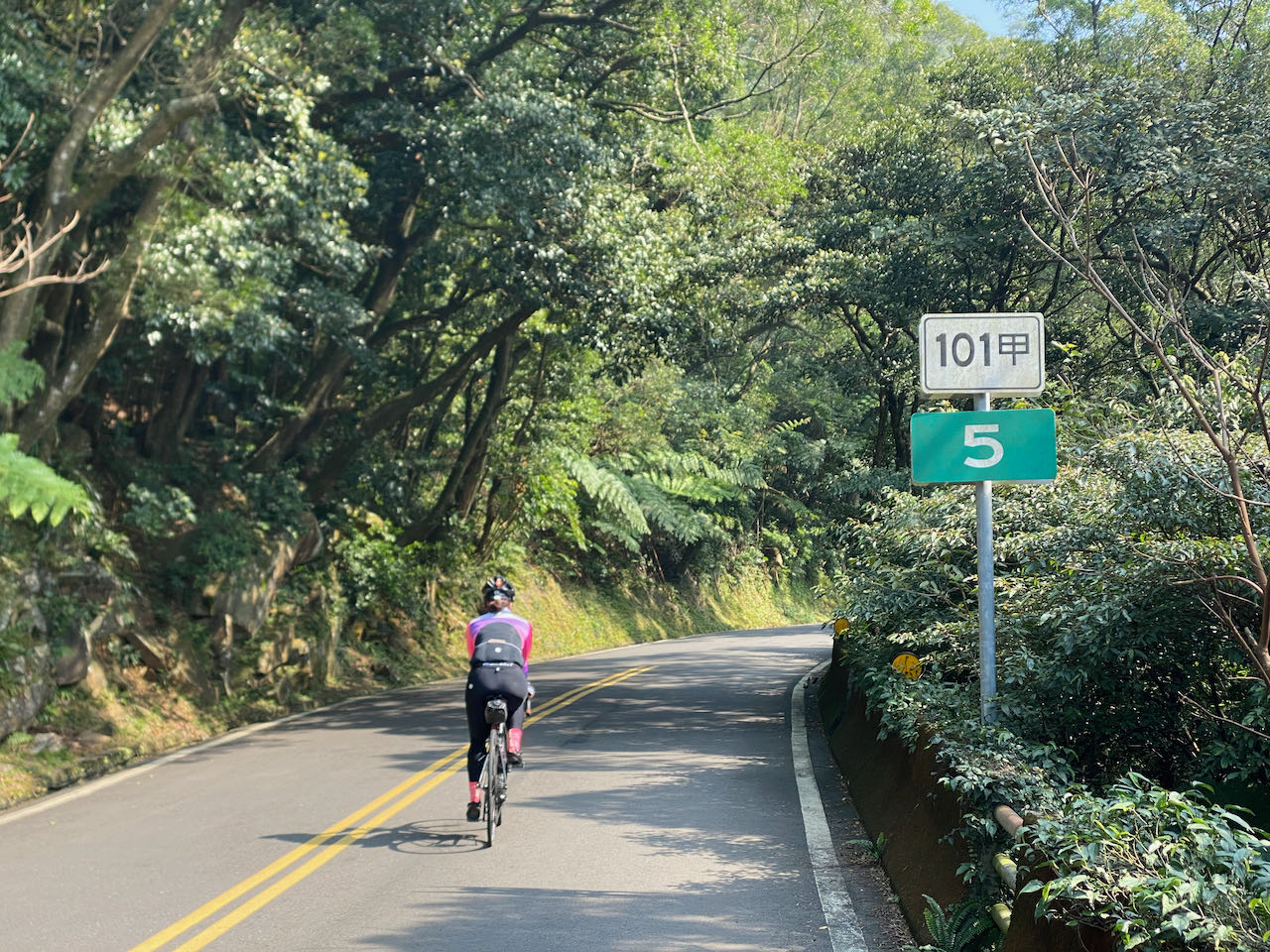
    If steepness is not your preference, County Highway 101 followed by County Highway 101A or 101甲 provides a more gentle approach. However, you need to get to Hongshulin to begin the climb. If you prefer not to ride there, you may take an MRT (Mass Rapid Transit) instead. The other two starting points, Jinshan District and Sanzhi District, are quite remote from the city centre.

    Here, I have plotted different routes with varying lengths and difficulties for you to choose from.

    Route 1: Ascend Pingjing Street, Descend Yangde Boulevard 36km 982m Total Ascent

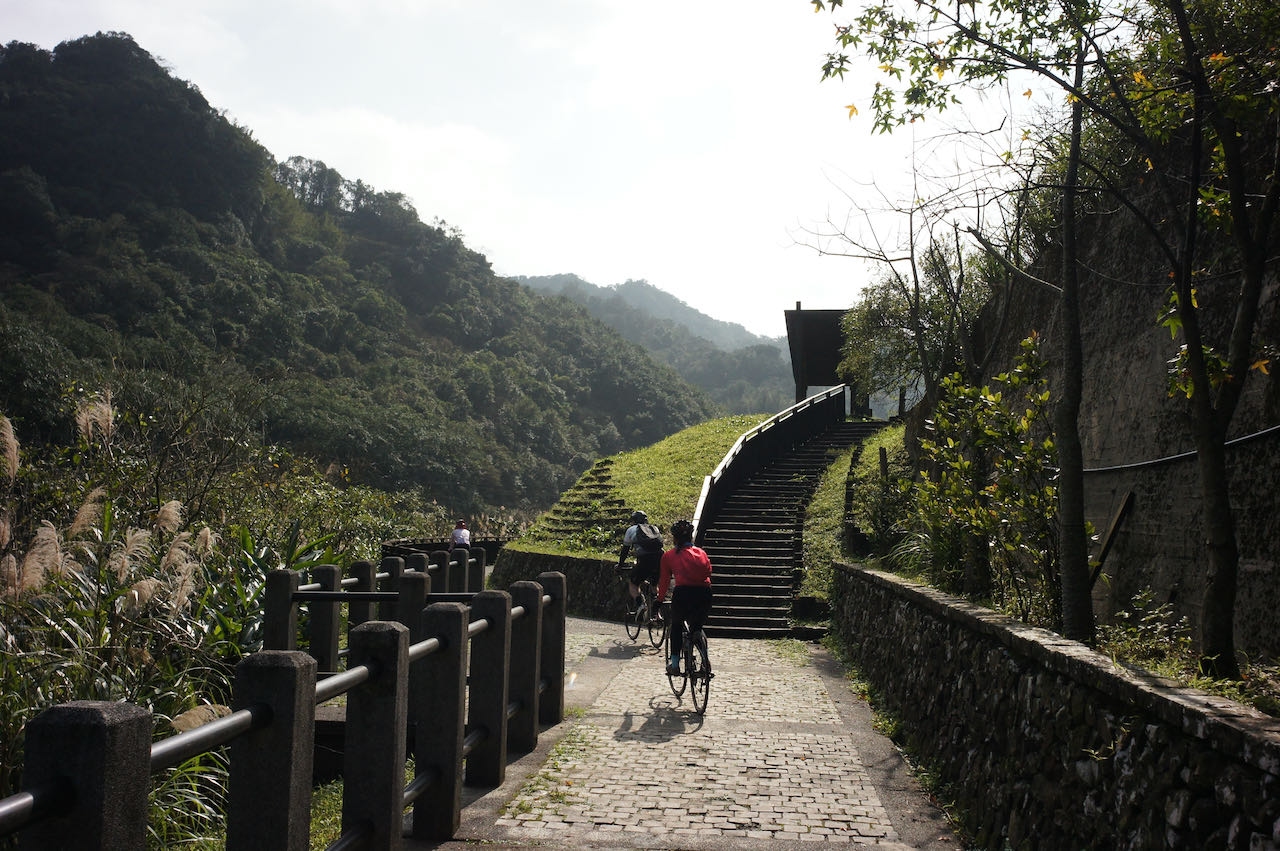
    It’s a 17 km climb that takes you to Lengshuikeng Visitor Centre at 746 m where you can see the vegetation changes. Then the final kilometres on the Zhonghu Road of Armaments (中湖戰備道路) offer a captivating panoramic view with stunning vistas of the surrounding mountains. Upon reaching Xiaoyoukeng Visitor Center, you can take a short walk on a pleasant hiking trail to explore a volcanic steam vent area (fumaroles), provided you are comfortable leaving your bike unattended for an hour. If you have more time, you can take a detour to the Bamboo Lake where you can find many restaurants and flower farms. For the descent, you can take Yangde Boulevard to return to Taipei city. There is a smooth transition to get to the Riverside Bikeways that connect to the other area of the city.

    This is a flexible route. If you wish to shorten your ride before completing the climb, there are several shortcuts available that can take you directly to Yangde Boulevard.

    Routes:

    NOTE: To use the routes, please install the App on your smartphone. The App will launch and load the route automatically after you tap the above links on your smartphone’s browser. For Garmin Connect, you can then use the APP to send the route to your garmin device. If your Garmin device is not purchased in Taiwan, you will also need make sure you have the Taiwan map on your device. Here is our blog post on this topic.

    Route 2: Ascend Pingjing Street, Descend Balaka Highway (County Highway 101A or 101甲)  48 km 1267 m Total Ascent

    The climbing is the same as Route 1. However when you reach Erziping Visitor Center, you have the option to continue climbing towards the Mount Datun Air Navigation Station. This segment spans 2.36km with a total ascent of 247 m, resulting in an average gradient of over 11%. I recommend attempting this climb only under favourable weather conditions. 

    Descending on Balaka Highway (101A or 101甲) is a fun and thrilling experience due to ideal level of steepness. It’s a quiet road, but please remember not to assume sole ownership of it  as occasional cars may pass by. On County Highway 101, you’ll come across Wuji Tianyuan Temple, distinguished by its building that resembles an umbrella. The temple boasts a beautiful cherry blossom garden, which is worth visiting during the appropriate season, typically around March and April. 

    At the end of the descent, you will find yourself in Tamsui, an area with numerous tourist attractions. Among my favourites are the Hobe Fort and Fort San Domingo.

    From there, you have the option to cycle back to Taipei using the Riverside Bikeways or simply take the MRT from Hongshulin Station

    As I mentioned earlier, Balaka Highway (101A or 101甲) is less steep to climb. Therefore,  this route is equally enjoyable when done in reservse.

    Routes:

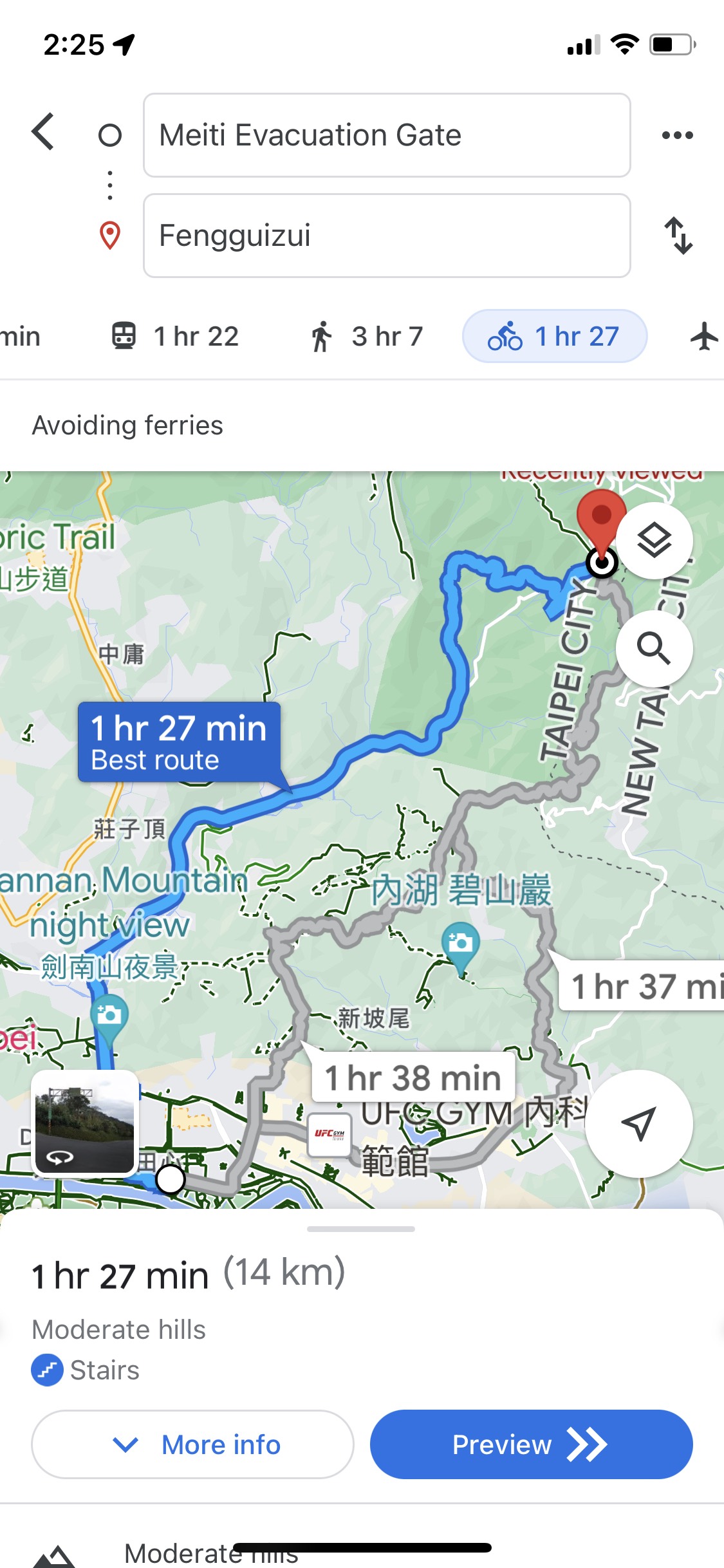
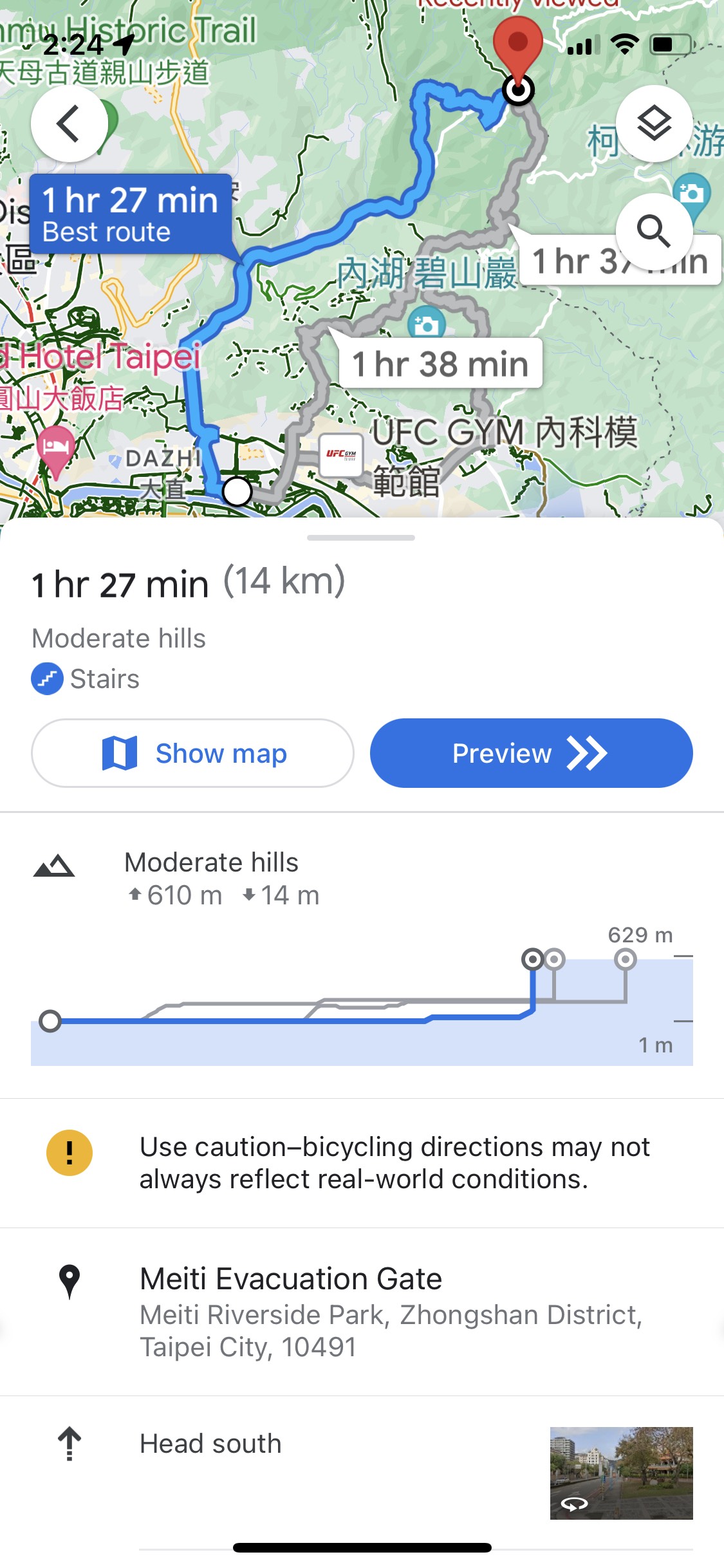
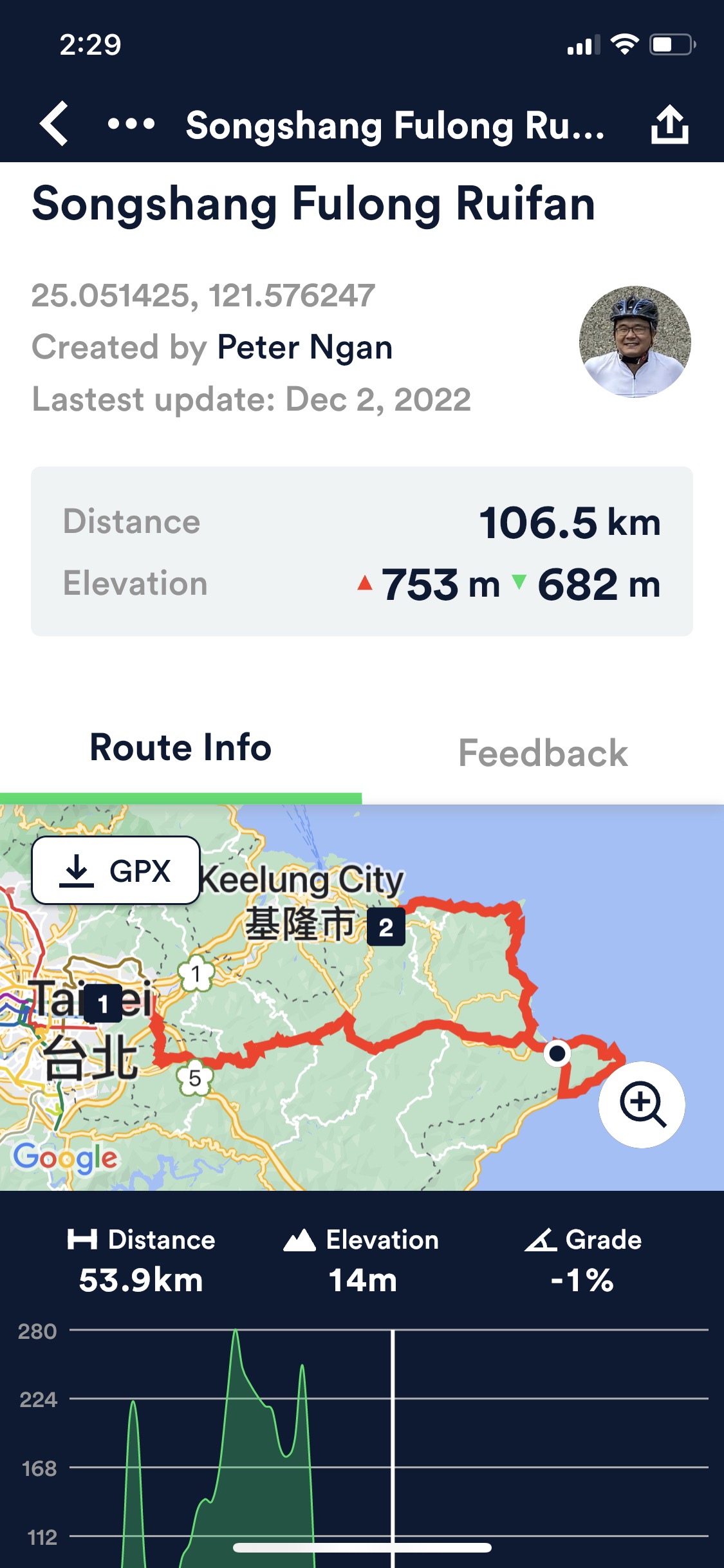
    Route 3: Ascend Pingjing Street, Descend Yangjin Road (Provincial Highway 2A or 2甲), Ascend again to Fenguizui 74km 1597 m Total ascent

    This route features two climbs. The first climb follows the same route as Route 1. By descending to Jinshan District, you will reach the picturesque north coast. The Yehliu Geopark offers a plethora of fascinating orange rock formations to explore. Afterward, you can resupply and embark on your climb back to Taipei via Fengguizui (600 m), following the suggested route. 
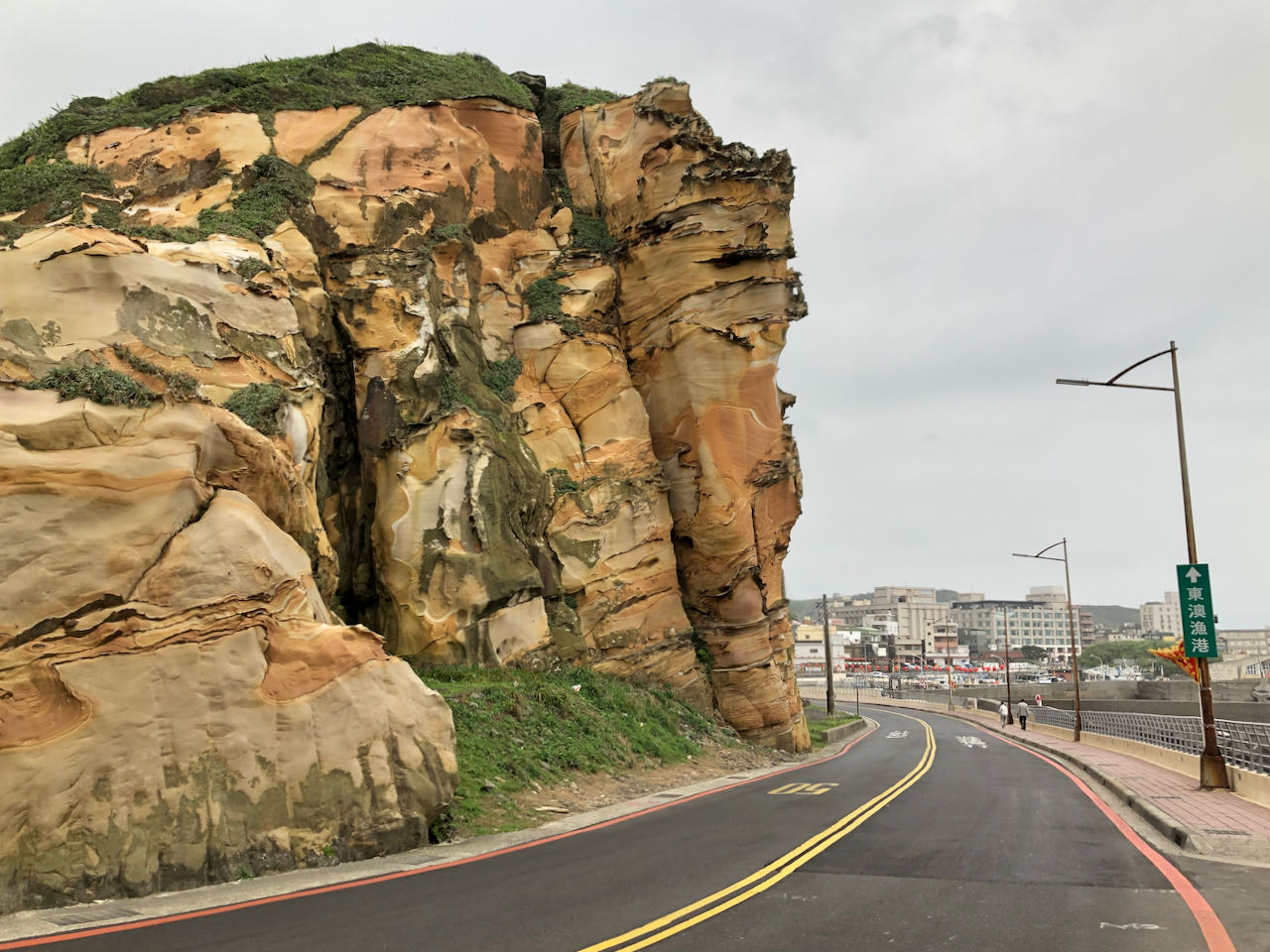
    Alternatively, you may cycle to Keelung through the Waimushan Seaside Scenic Area followed by a comparably flat route on Provincial Highway 5 to get back to Taipei. Yehliu to Keelung is a refreshing route to cycle. The Keelung to Taipei leg has nothing to boast of. Sometimes, I prefer to take the train from Keelung back to Taipei, alighting at Nangan, Songshan or Wanhua station. Normally, before 15:30 each day, there are 1 to 2 trains every hour that accommodate unbagged bikes. After 15:30, you’ll need to wait until 18:16.  For more details about taking trains with you bikes, refer to the provided link here

    Routes:

    Route 4: Ascend Pingjing Street, Descend to Jinshan, Ascend again on County Highway 101 and Balaka 96 km 1985 m Total Ascent

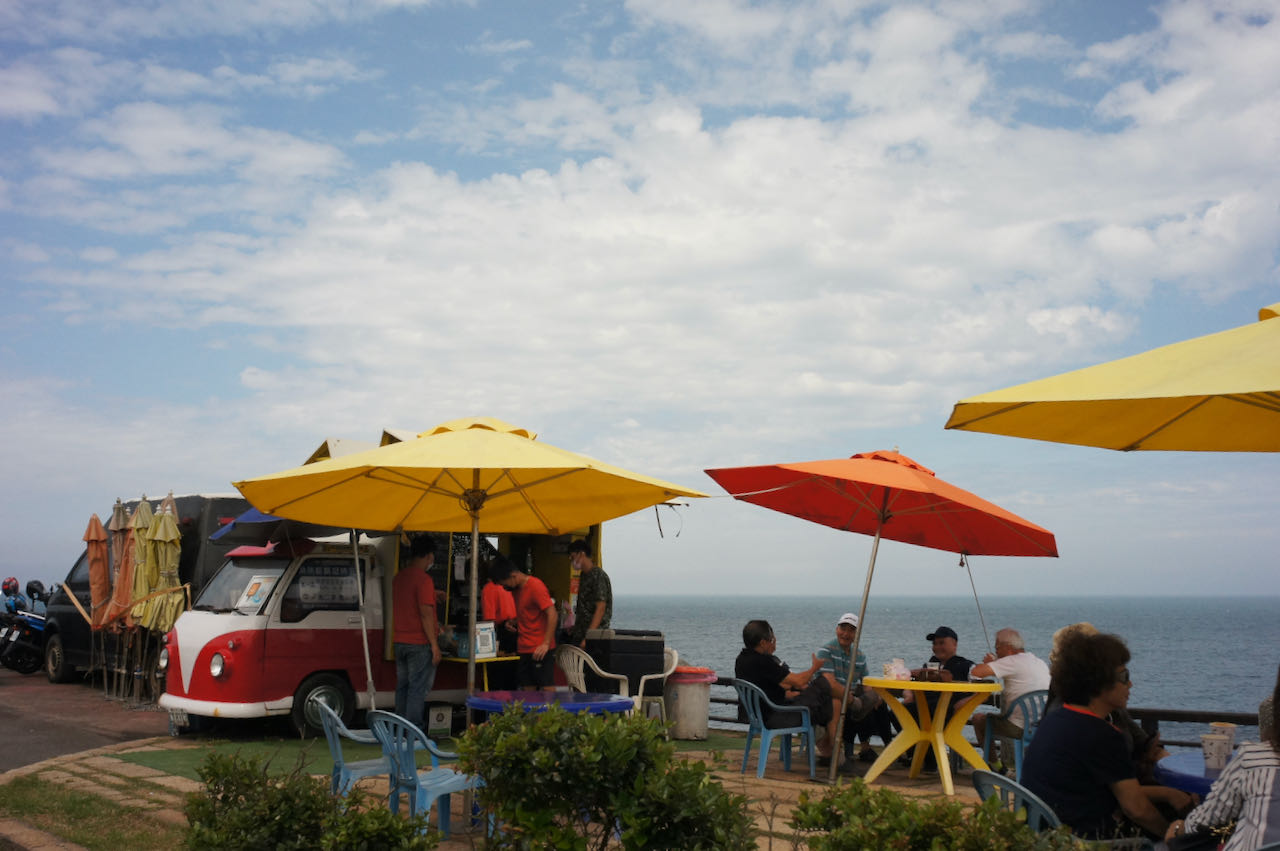
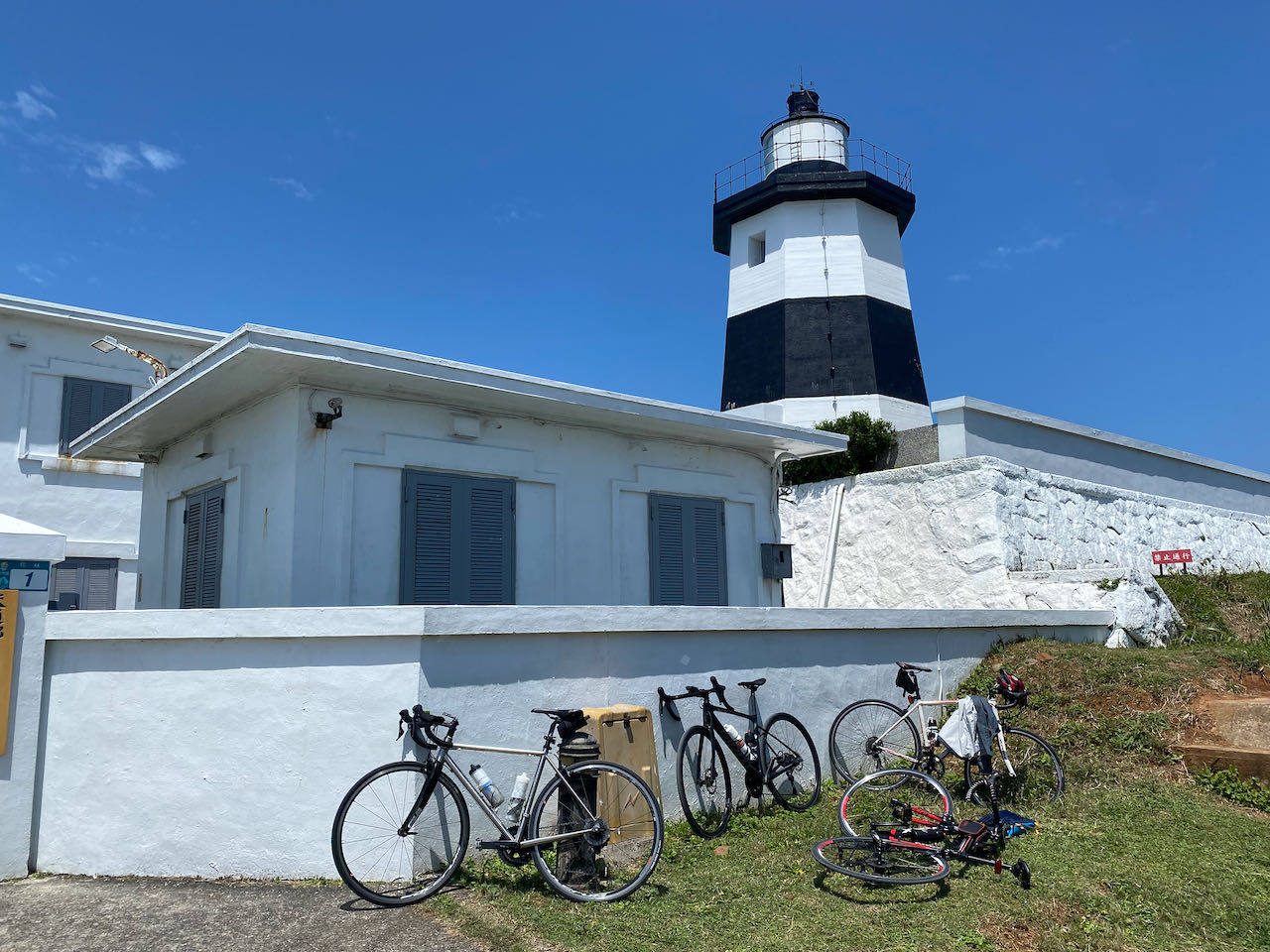
    This route features two climbs on Yangmingshan. The first half of this route is the same as Route 3, but we would head west after descending to Jinshan District and cycle along the invigorating and magnificent north coast. On weekends, you can find cafe trucks near Jhungjiao Bay. The Fugui Cape Park,  situated on the northern tip of Taiwan’s main island, presents a pristine lighthouse and is an idyllic place to visit. After a short ride from Fugui Cape, there is a popular sticky rice dumpling restaurant that provides a delicious calorie boost at a very reasonable price. The final climb begins at Sanzhi District, where you can restock your supplies. At the junction of County Highway 101 and 101A (or 101甲), there is a convenience store for further provisions before reaching the top. As you finish descending on Yangde Boulevard and check your Strava, you’ll notice you have traced a big fist on the map. Therefore, I suggest we name it the Budha’s Fist as the 5th Route is referred to as the Budhda’s Palm, a route that deserves a dedicated post

    If you don’t want to make the 2nd climb, you can simply cycle straight to Tamsui and return to Taipei. The route is a little hilly but the total ascent is smaller. 

    Routes:

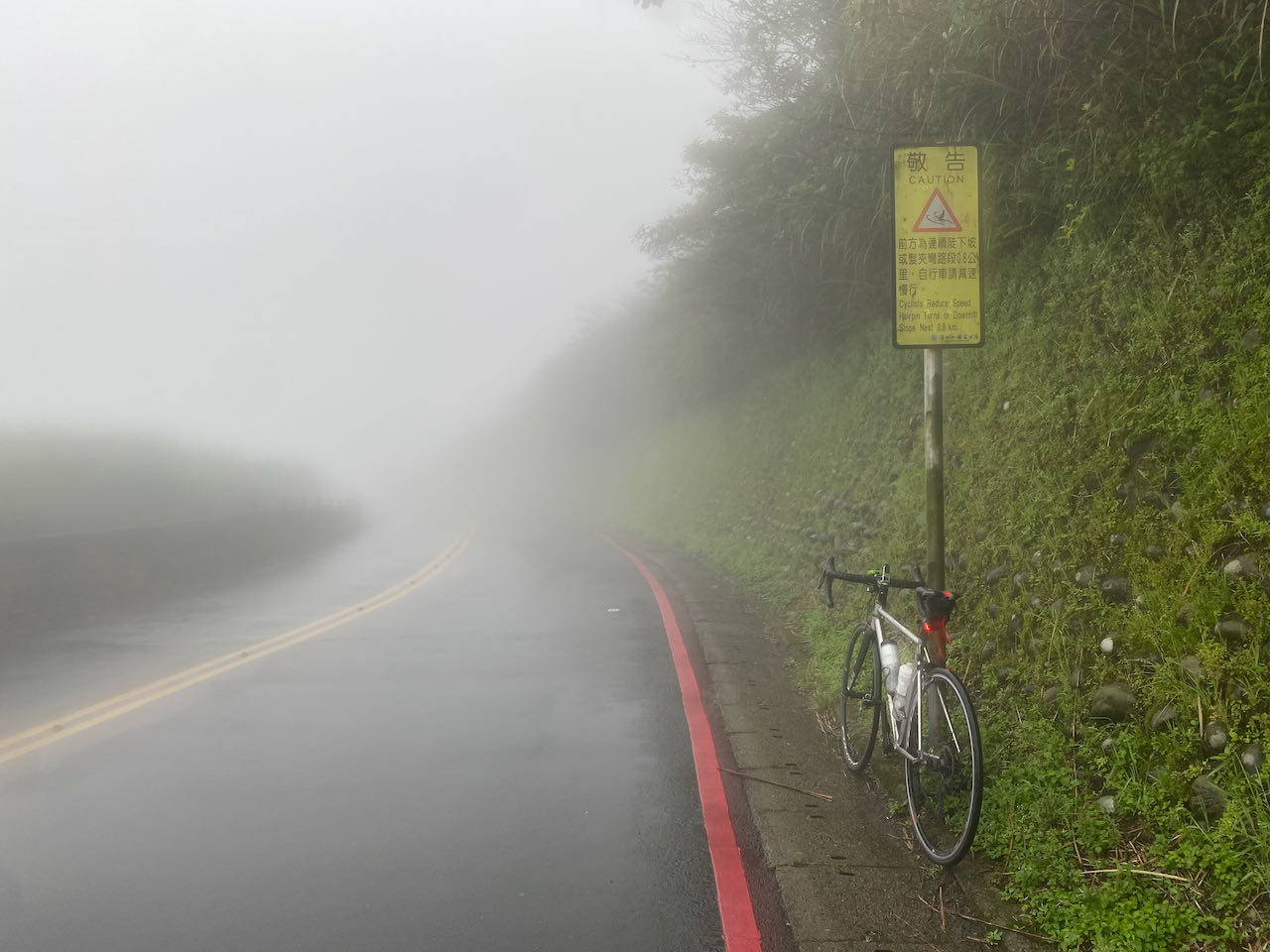
    After cycling these 5 routes, there is still much more to explore within Yangmingshan National Park. The roads are well-maintained, offering numerous interesting stops along the way. Feel free to plan your own route and embark on further exploration, but it’s important to be prepared as weather conditions can change dramatically. We’ve had fellow cyclists who experienced difficulties descending from the top due to rain rapidly draining their body heat, which can lead to hypothermia. In such cases, they had to resort to hiring a van for transportation back. Stay cautious and enjoy your explorations!
  • 台湾でのサイクリング用ナビゲーションツール

    台湾でのサイクリング用ナビゲーションツール

    cyclist on bike trail

    GoogleMaps, Velodash, komoot and bike computers are the navigation tools I find very useful when I am having a cycling trip in Taiwan. The pros and cons are also discussed in each sections.

    Googleマップ

    Googleマップは旅行に欠かせないツールです。私はサイクリング旅行を計画する際に、デスクトップやスマートフォンでレストランや宿泊施設を探すために使用しています。目的地が決まると、リアルタイムでルートを作成し、明確なターンバイターンの案内を提供してくれます。

    台湾のGoogleマップには数年前からサイクリングモードが搭載されており、このモードを使うと標高プロファイルを確認し、ルートの難易度を見積もることができます。また、台湾の専用自転車道へ適切に誘導してくれるようになりつつあります。ただし、まれに閉鎖された道へ案内されることもありました。

    Googleマップは最短ルートを見つけるのに優れていますが、慎重に計画しないと、美しい景色のある道や魅力的なスポットを見逃してしまうことがあります。より良い体験を得るためには、事前にリサーチを行い、自分でルートを作成することが必要です。

    以前、GPXルートをGoogleマップに読み込んでナビゲーションに使用しようとしたことがあります。しかし、そのプロセスには多くの操作が必要で、さらにターンバイターンのナビゲーション機能が利用できませんでした。また、ルートが突然消えてしまうこともありました。そのため、結論としては、専用のサイクリングアプリを活用する方が適していると考えています。とはいえ、旅の途中で計画を変更する場合や宿泊先へのルートを確認する際には、依然としてGoogleマップを活用しています。

    お客様からのアドバイス

    2023年9月に環島(台湾一周)を行ったKevinが、Googleマップをナビゲーションに使用する際にスマートフォンのバッテリーを節約する方法を教えてくれました。

    Googleマップアプリを起動してナビを開始した後、ケビンはスマートフォンを機内モードに切り替え、画面をオフにして、ナビゲーションは音声ガイド(スマートフォンのスピーカーまたはイヤホン)に頼るようにしていました。都市部ではこの方法があまりうまく機能しないこともあるため、その場合は時々画面を確認していましたが、一度都市を離れると音声ガイドだけで十分だったそうです。

    画面をオフにすることで、大幅にバッテリーを節約できるのは確かです。さらに、機内モードを有効にすることで、アプリがオフラインマップのみを使用するようになり、通信基地局との継続的なやり取りが不要になります。その結果、バッテリー消費をさらに抑えることができます。

    Velodash

    Velodashは、サイクリングイベント管理アプリです。アプリ自体を使用するか、デスクトップでVelodashのウェブサイトを利用してルートを作成することができます。また、GPXルートをアカウントにインポートすることも可能です。その後、アプリ上でルートを確認しながら走行できます。ただし、このアプリにはターンバイターンのナビゲーション機能がないため、自分で曲がるポイントを判断する必要があります。しかし、一度都市部を離れれば、台湾の道路は比較的シンプルで分かりやすいため、大きな問題にはなりません。

    もし友達とグループでサイクリングする場合、このアプリでイベントを作成し、友達を招待することができます。すると、お互いの位置や速度をアプリ上で確認できるようになります。この機能はとても便利です!グループで走っていても、誰かが写真を撮るために長く滞在したり、時々スプリントしたくなったりすることがあります。毎回待ったり、追いかけたりするのは面倒ですが、Velodashを使えば、お互いの姿が見えなくても位置を確認でき、同じルートを走りながらも、他の人の速度に縛られずに自由に走ることができます。詳しい使い方については、別の投稿で紹介しています。

    komoot

    ヨーロッパからのお客様の多くがこのアプリを使用していると知り、komootに興味を持ち始めました。実際に試してみると、ターンバイターンのナビゲーション機能があることに気付き、すぐに当社ウェブサイトのすべてのルートをkomootにインポートし、ユーザー向けにリンクを投稿することにしました。とても簡単で便利に使えます。リンクをクリックするだけで、すぐにルートをナビゲートできるようになります。

    自分のルートを作成するには、デスクトップコンピューターでGPXルートをインポートするか、スマートフォンのアプリ上でインポートできます。また、自分でルートを一から作成することも可能です。インポートしたルートの方向が逆になっている場合は、ルートを自分のアカウントにコピーし、内蔵機能を使って方向を反転させることができます。

    ルートや地図情報はローカルに保存できるため、オフラインでも使用可能です。モバイルデータが無制限でも、この機能は便利です。サーバーとの通信が減ることでスマートフォンのバッテリー消費を抑えられます。また、電波の届かないエリアを走行する可能性も考えると、オフライン機能があると安心です。

    さらに、Garminアカウントとkomootを連携させることで、komootのルートがGarminアカウント上に表示されます。これにより、komootのルートをGarminデバイスにロードして使用することができます。

    スマートフォンアプリの制限事項

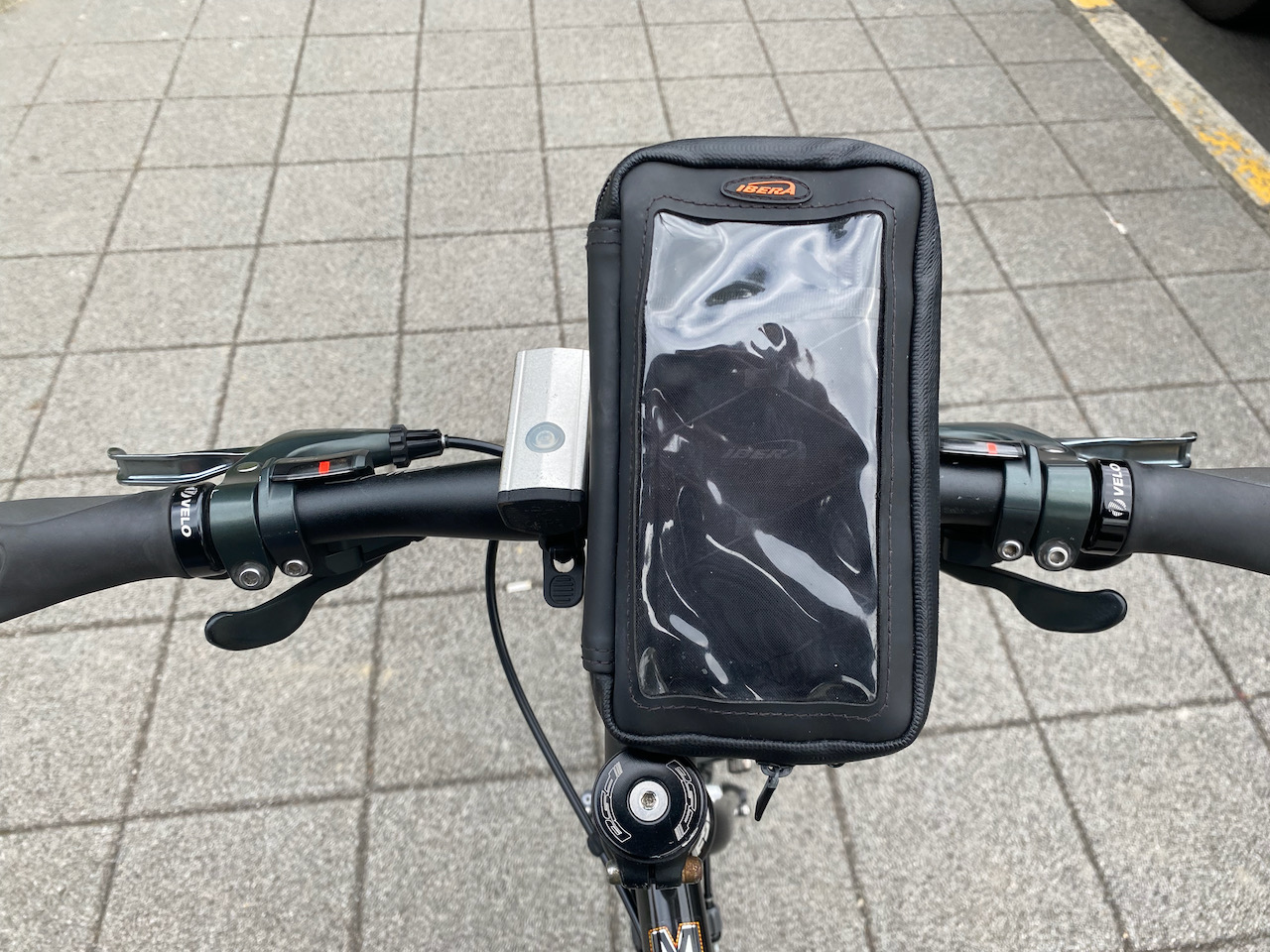
    前述のスマートフォンアプリを使用すれば、台湾でのサイクリングにおけるナビゲーションは十分に対応できます。他にも優れたアプリが数多く存在すると思います。私たちから自転車をレンタルする場合、利便性を高めるために、ハンドルバーに取り付けるスマートフォンケースを提供します。

    しかし、スマートフォンをナビゲーションに使用する際にはいくつかの制限があります。すべてのナビゲーションアプリはバッテリーを消耗します。特に日差しの強い中で画面の明るさを最大にすると、その消耗はさらに激しくなります。長時間のサイクリングにはモバイルバッテリーが必須です。

    また、多くのスマートフォンは防水ではありません。新品の状態では防水性能があっても、数か月使用するとその機能が低下することがあります。私自身、iPhone 8を雨の中で何時間もナビゲーションに使用したところ、レンズが曇ってしまったことがありました。スマートフォンを防水ジッパーバッグに入れることで多少の保護にはなりますが、水滴がつくとタッチスクリーンの操作が難しくなります。

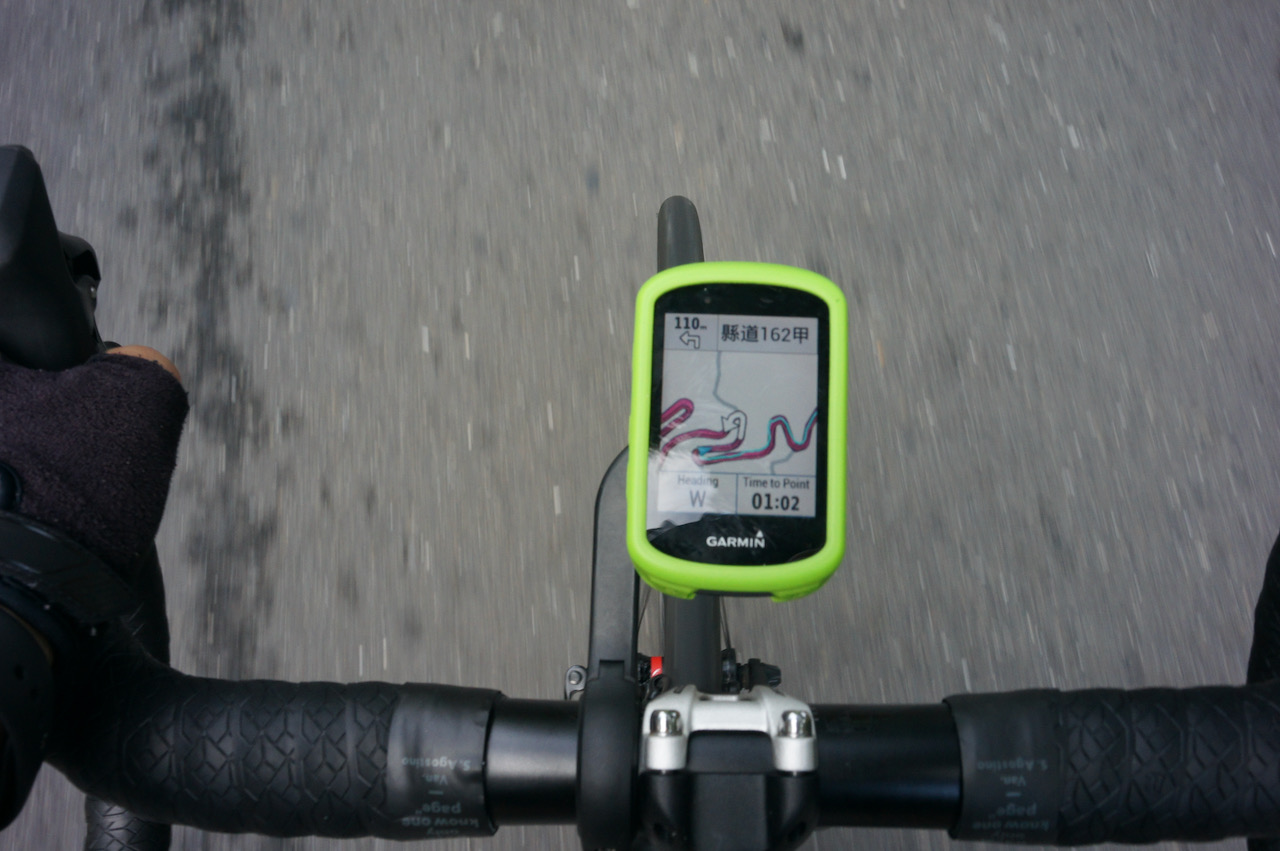
    このため、私は Garmin Edge 530 のような専用のサイクルコンピューターを使用しています。

    Garmin

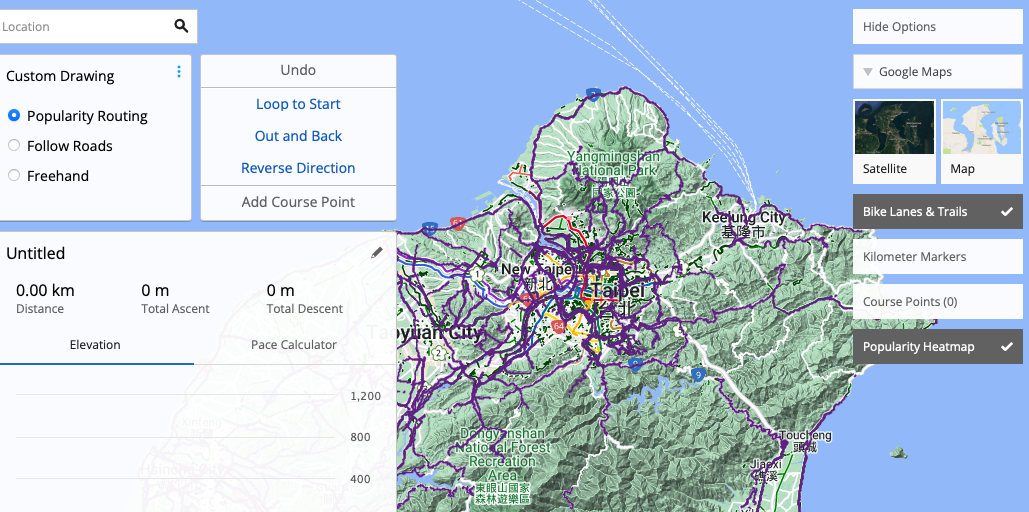
    Garminは、航空、海洋、自動車、アウトドア活動向けのGPS技術を専門とする企業であり、スマートフォンの時代が到来する前から携帯型GPSデバイスを開発してきました。私はサイクリング専用のGarmin Edge 530を使用しています。通常、Garmin Connectのウェブサイトでルートを作成します。このウェブサイトのマップには「人気ヒートマップ」があり、他のサイクリストにどれほど利用されているかを確認できます。

    ルートをアカウントに保存すれば、Garminデバイスにロードできます。その方法はいくつかありますが、最も便利なのはGarmin Connectアプリを使い、スマートフォンとGarminデバイスをペアリングして転送する方法です。ただし、Garminデバイスを台湾でのナビゲーションに使用するには、台湾以外で購入したデバイスの場合、事前に設定を準備する必要があります。

    私はGarmin Edge 530をとても気に入っています。小さな画面ながら、ターンバイターンのナビゲーションが非常に分かりやすく、次の曲がり角を事前に知らせてくれます。例えば、次のターンが10km先だと分かれば、それまで安心してルートを辿りながら風景や周囲の景色を楽しむことができます。もし予定のルートから外れてしまっても、デバイスが即座に新しいルートを作成し、元のルートへ戻れるよう誘導してくれます。

    さらに、このデバイスはルート上の急カーブや長い登り坂を分析し、事前に警告を出してくれます。登り坂に差し掛かると「クライムモード」に切り替わり、高度プロフィール、勾配、残りの登坂距離が表示されます。これにより、ペース配分や体力管理が効率的に行えます。

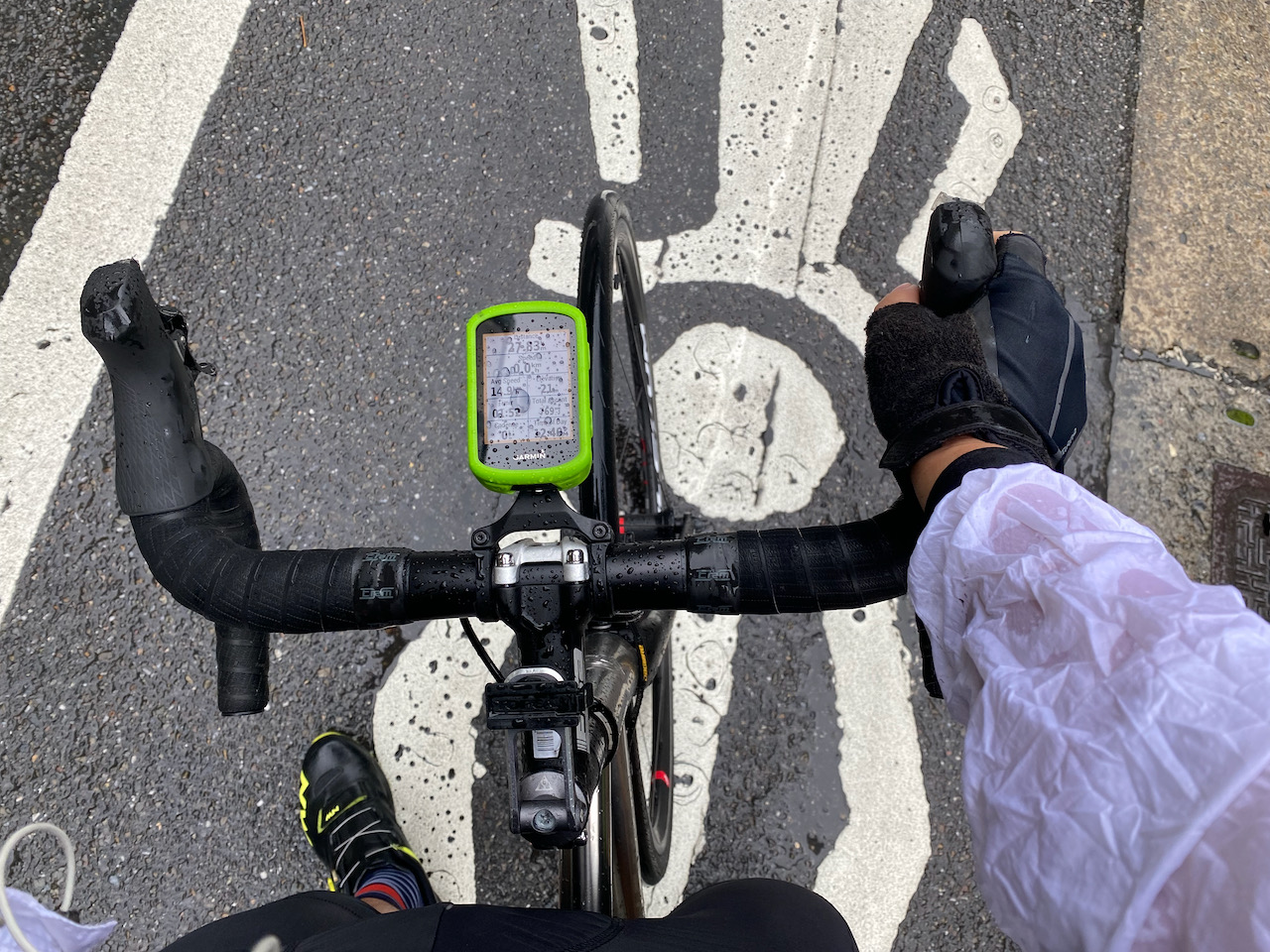
    耐久性も優れており、直射日光の下でも画面は非常に見やすく、雨天時にも問題なく作動します。バッテリーは1日分のライドを十分にサポートできます。

    しかし、いくつかの制約もあります。例えば、ルートの全体図をズームアウトして確認するのは少し難しく、走行中に詳細なルートを計画するのも容易ではありません。Garmin Connectで目的地を設定すれば、Google Mapsのようにルートを作成できますが、細かいルート指定は難しいです。また、Garminデバイス自体では既存のルートの方向を逆にすることができません。パソコンで行う必要があり、スマートフォンのGarmin Connectアプリでは短いルートしか反転できません。長距離ルートの場合は、事前にkomootで方向を逆にしてからデバイスにアップロードするのが便利です。

    結論として、事前にパソコンでルートを慎重に計画することが重要です。特に、ウェイポイントを道路の反対側に設定すると、GarminデバイスがUターンを指示することがあります。これは、GPSの位置精度の問題やルートのインポート時に発生することがあるため、ナビを使う前にルート全体を確認しておくことが大切です。

    このウェブサイトの投稿に掲載されているルートをGarminデバイスにロードするには、スマートフォンにGarminのアプリ「Connect」(Android / iOS)をインストールしてください。ルートのリンクをタップすると、Garmin Connectが起動し、ルートをデバイスへ送信できます。海外からGarminデバイスを持ち込む場合は、台湾の地図データを事前にインストールする必要があります。

    Garminは私が唯一使用したバイクコンピューターですが、他にも優れた選択肢があると思います。

  • Houtong Coal Mines and Sandiaoling Tunnel

    Houtong Coal Mines and Sandiaoling Tunnel

    このブログ記事の翻訳を進行中です。もうすぐ完成しますので、後ほど再度ご確認ください。ご不便をおかけして申し訳ありません。現在は、こちらで提供されているGPXルートや地図などの情報を自由にご利用ください。

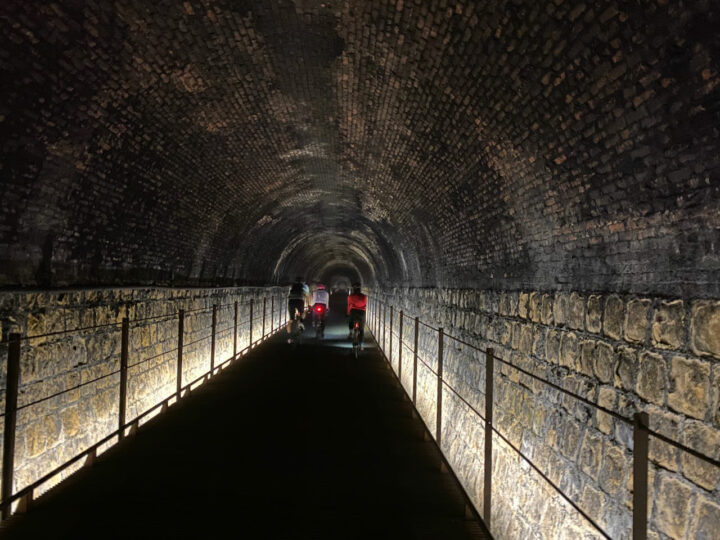
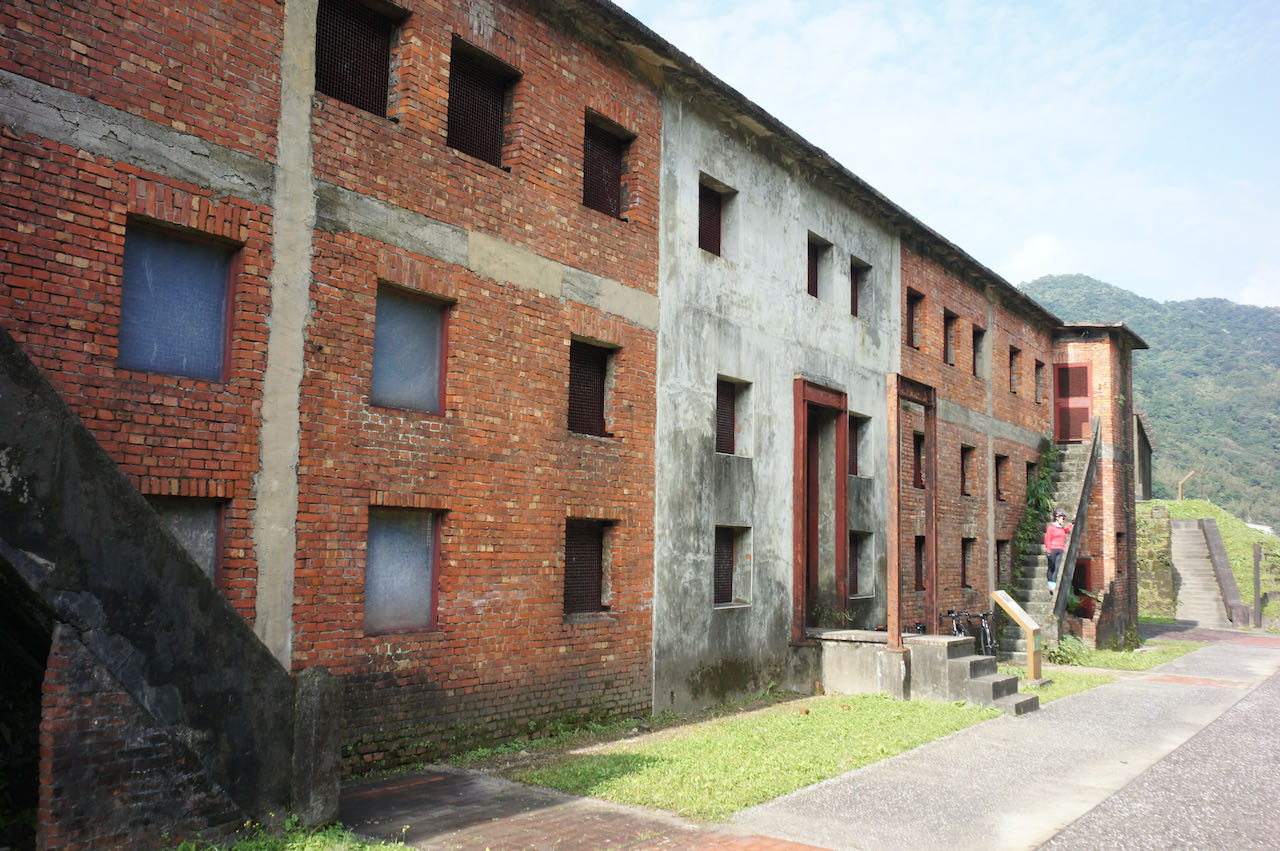
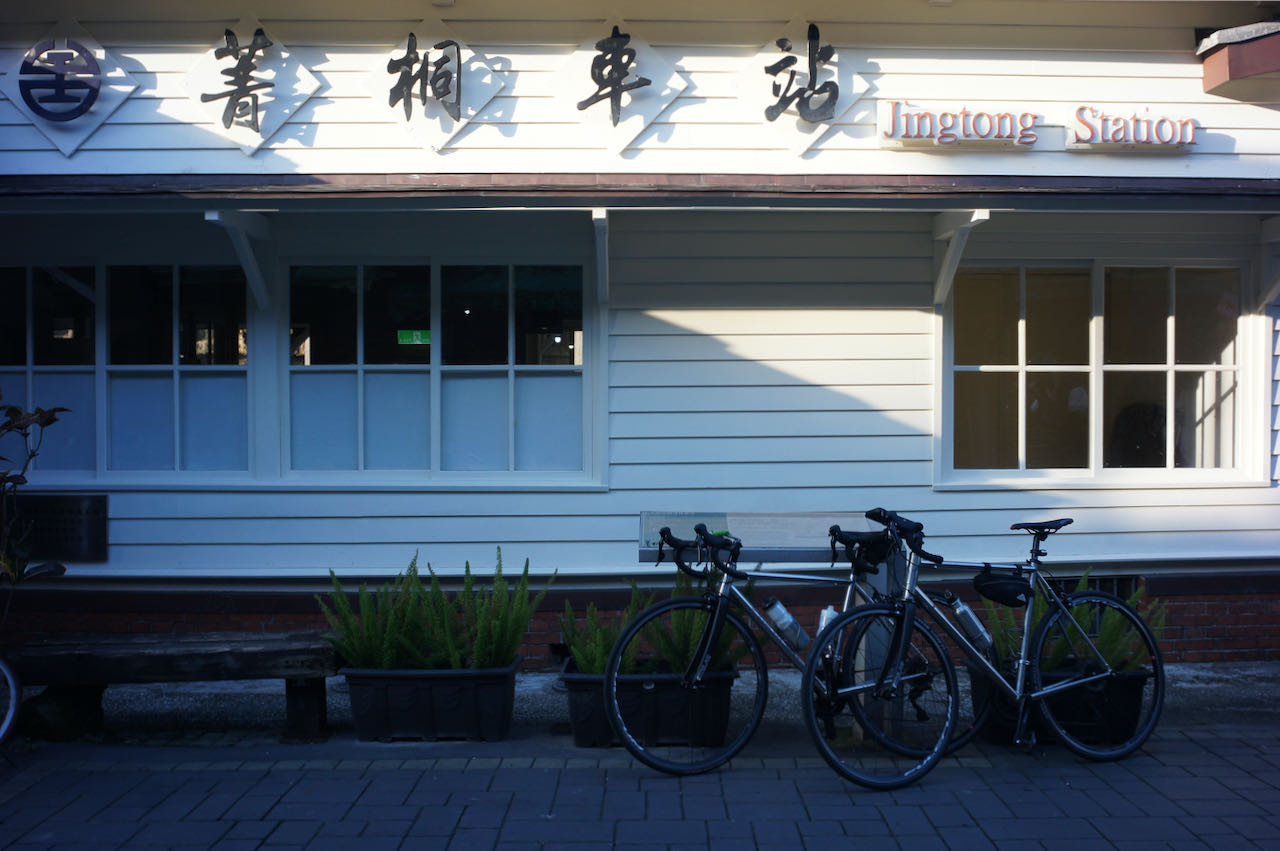
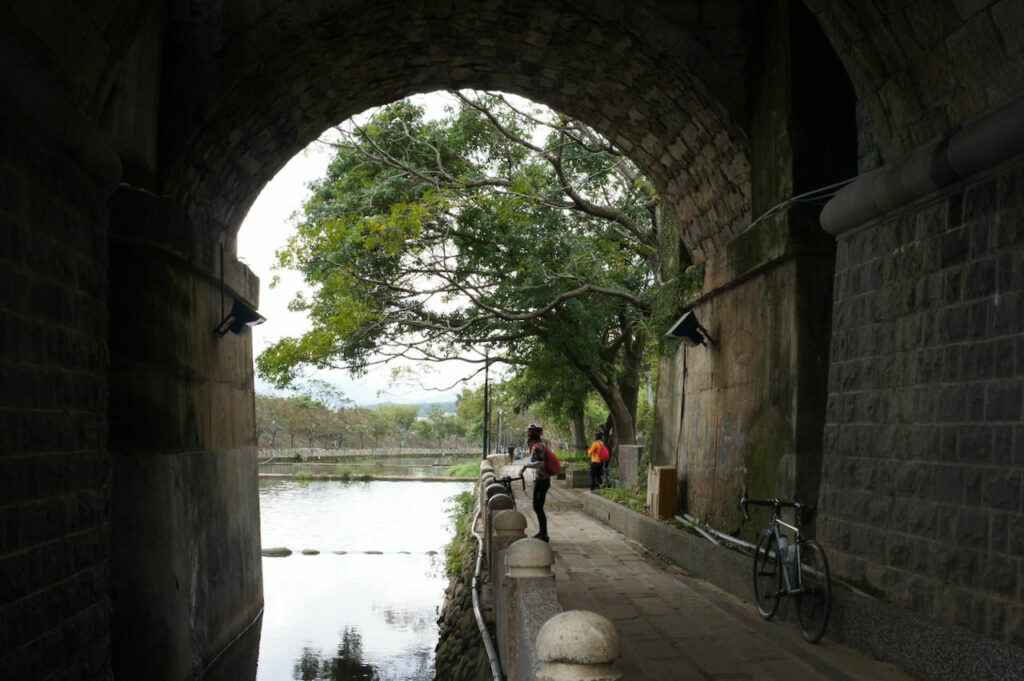
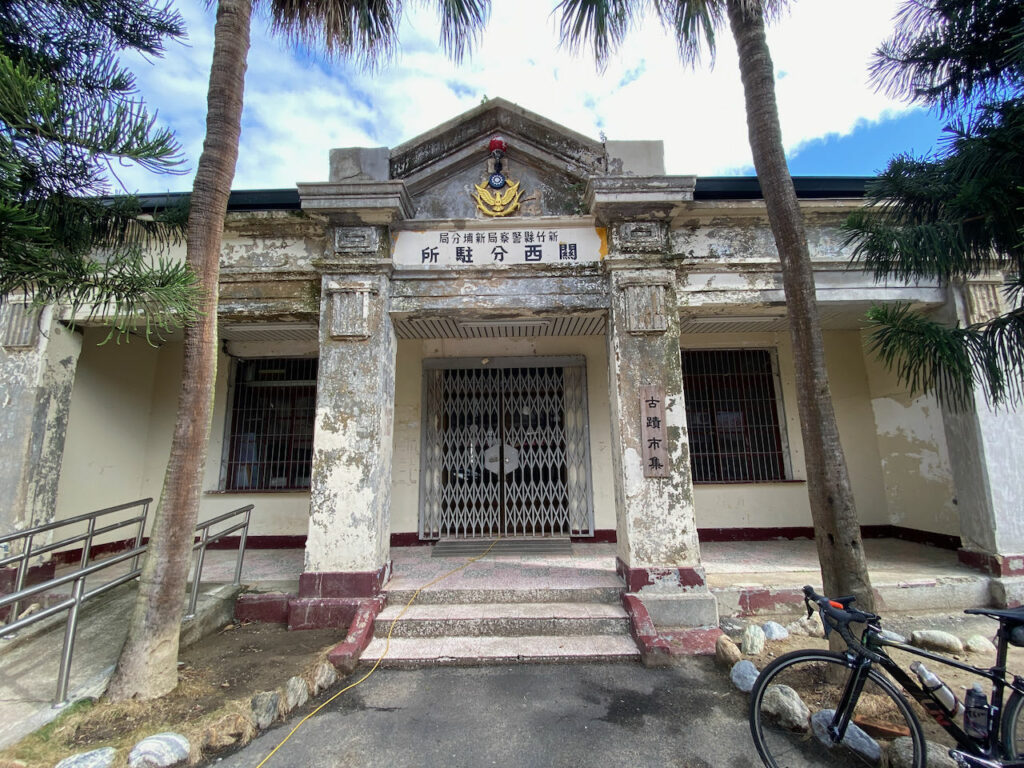
    I went cycling with my friends on a Sunday in January to explore a route plotted by Sandy. We took a train from Taipei (you can board the train at Wanhua Station 萬華站, Songshan Station 松山站 or Nangang Station 南港站) to Ruifang Station 瑞芳站 and started our ride right away. We have visited the Houtong Cat Village 猴銅貓村, the Houtong Miner’s Culture & History Museum 猴銅礦工文史館 and the Sandiaoling Tunnel 三貂嶺隧道 – an  old railroad tunnel that had been closed for 37 years and then was reopened in 2022 as a bike trail. On our way back to Taipei, we went to watch people flying their sky lanterns in Shifen Old Street 十分老街. This is a route with lots of interesting historical and cultural sites.

    Sandiaoling Tunnel

    Sandiaoling Tunnel is free of charge but there are some measures to control the traffics. Here are the details: https://www.sdltbikepath.com.tw/tw/apply/index.aspx (Chinese only)

    Opening hours: 8:30 ~ 16:30 everyday except Monday. If the Monday falls in a long consecutive holiday, it’ll still open. And in this case, the next working day is closed. Visitors need to to make a booking on the link above to secure a place.

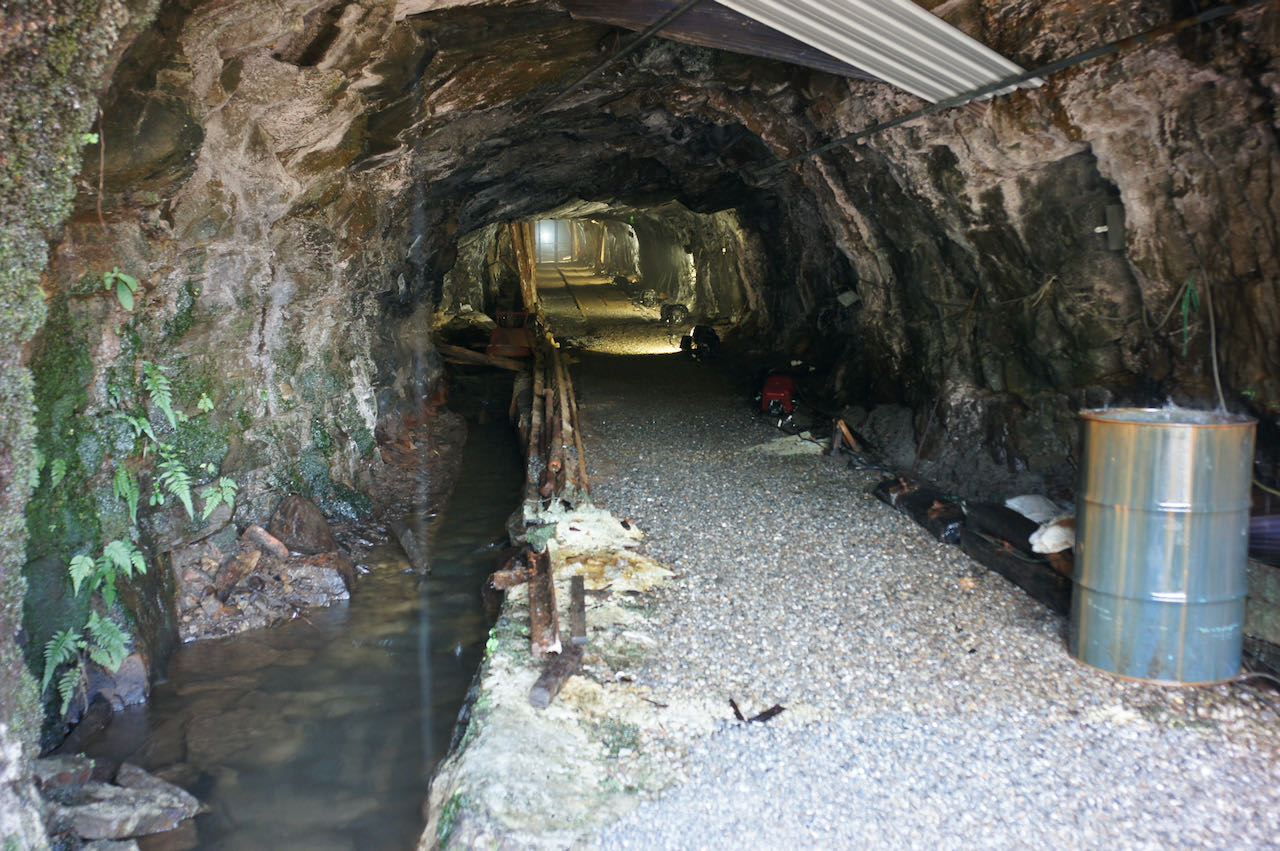
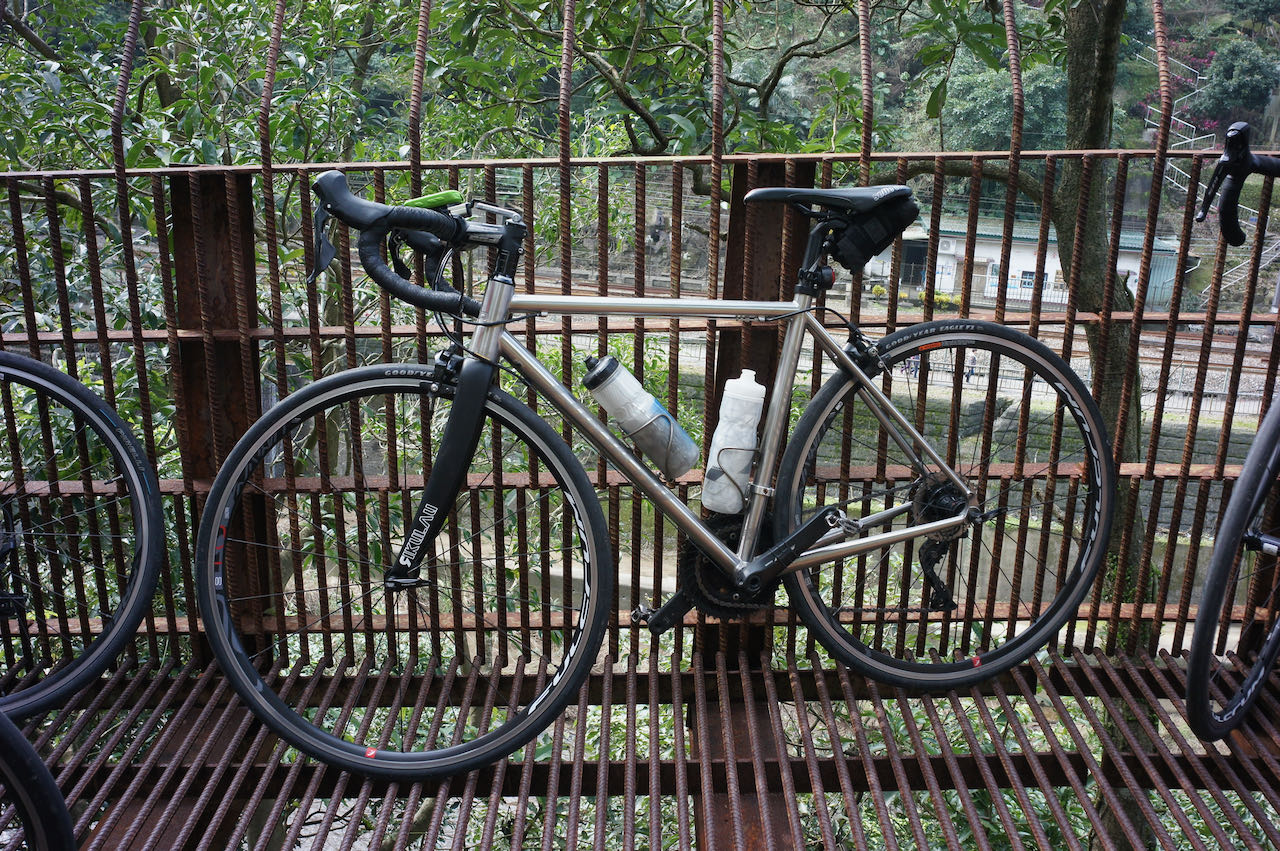
    Safety Precautions: The entrance of the tunnel is flooded. It’s a feature (not a bug) for people to take pictures of their reflection. But it could be slippery. The whole tunnel’s floor is laid with rows of steels with wide gaps. It can be a trap for those who wear SPD-SL or Look Keo cleats. Be careful not to stick the cleats into the gaps when you need to stop to walk. It’s dark inside and there are lots of pedestrians. Please limit your speed.

    The most direct route to cycle back to Taipei is via Provincial Highway 2C (or 2丙) and County Highway 106. But it can be busy with traffic especially during weekends. Sandy had instead routed through some small roads to avoid the traffic. I have provided my GPS record below in Garmin, Velodash, and komoot. The GPX route on the entrance of Sandiaoling Tunnel is difficult to edit because the new bike path and the entrance are not yet recognised by the map. Please follow the sign on the road when you are in that area.

    This is a perfect route for a 1 day cycling trip close to Taipei. If you find the route too long, you can hop on a train on Shuangxi Train Station 雙溪站 with your bike to get back to Taipei. You can also extend the route a little to make it part of your around the island trip.

    Routes:

    NOTE: To use the routes, please install the App on your smartphone. The App will launch and load the route automatically after you tap the above links on your smartphone’s browser. For Garmin Connect, you can then use the APP to send the route to your garmin device. If your Garmin device is not purchased in Taiwan, you will also need make sure you have the Taiwan map on your device. Here is our blog post on this topic.

  • 台湾一周サイクリングルート:絶景を楽しむ1日目の代替ルート

    台湾一周サイクリングルート:絶景を楽しむ1日目の代替ルート

    11月の日曜日、友人たちとサイクリングに出かけ、サンディが計画したルートを走りました。

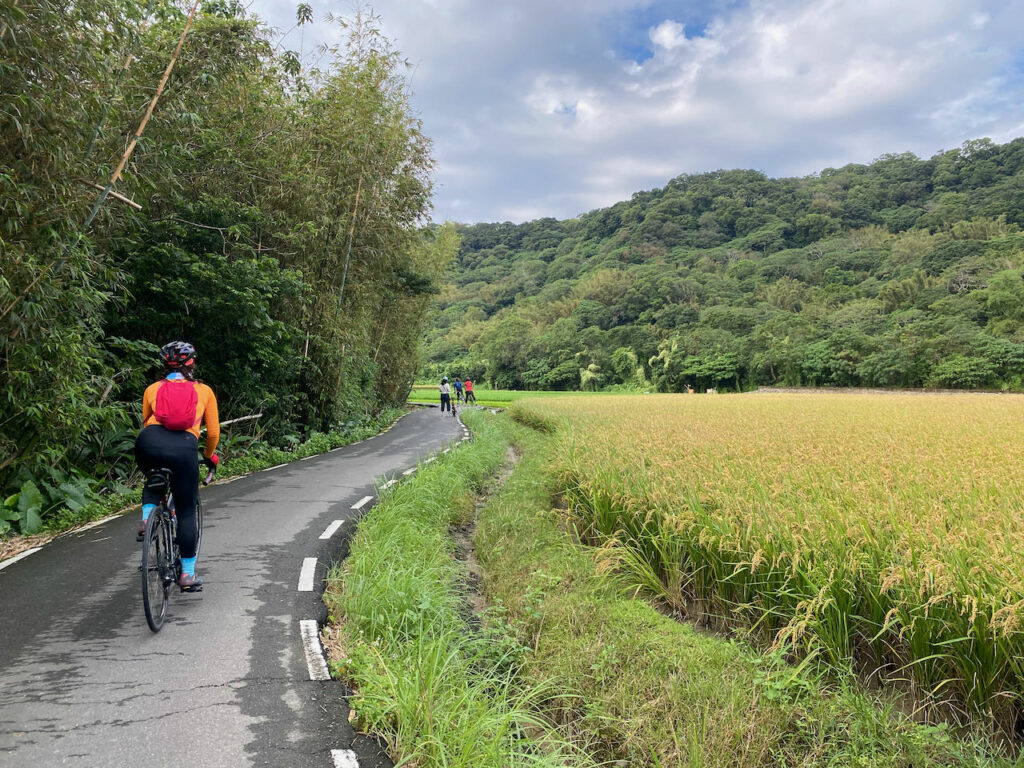
    彼女は台湾北部の環島(島一周)の一部を走る地元のサイクリンググループを率いる予定で、すでにこのグループで3回目の環島となるため、今回は少し違ったルートを試してみたいと考えていました。その結果、このルートはとても魅力的なものになり、田園風景の中を走る気持ちの良いコースとなりました。ほとんどの区間は自転車専用道を走ることができ、静かでアップダウンも少ない快適なルートです。

    この日記録したGPSデータをナビゲーション用のGarminコースに変換し、台湾サイクリングルートNo.1の公式スタート地点である松山駅を出発地点に設定しました。記事の最後に、GPXルートのダウンロードリンクを掲載しています。

    もし環島の計画を立てているなら、公式ルートではなく、このルートを1日目のコースとして検討してみてください。

    ルートの終点は、新竹県の北埔という古い町です。ただし、北埔は小さな町で宿泊施設が限られているため、ホテルが確保できない場合は、竹東を経由して 新竹市に移動するのがおすすめです。新竹市には宿泊の選択肢が豊富にあります。

    ルート詳細

    道路状況

    松山駅を出発し、西へ向かい、南京東路を横切りながら台北市内を進みます。南京東路は歩道が広く、自転車レーンが整備されているため、非常にサイクリングに適した道です。もちろん、車道を走ることも可能で、全体的に道幅が広いため快適に走れます。

    一部の区間では、バス停が車線の中央に設置されているため、自転車やスクーターがバスと並走することなくスムーズに進むことができます。大稻埕碼頭廣場に到着すると、そこから約55kmにわたる河岸自転車道を走ることができます。この区間はほとんど自動車が通らないため、市街地の交通を極力避けたい場合にはおすすめです。もし最初から都市部の交通を避けたい場合は、松山駅近くの彩虹橋避難門を通って直接河岸自転車道に入ることも可能 です。河岸自転車道を抜けた後は、舗装状態の良い 省道3号線(Provincial Highway No. 3) を主に走るルートになります。サンディがルートを細かく調整し、急な登り坂をできるだけ避けた設計になっています。

    見どころと観光スポット

    このルートでは、田園風景を楽しみながら、古い運河や橋などのインフラを見ることができます。また、いくつかの 歴史ある町や古い街並みを通るため、補給や食事のための休憩ポイントとして立ち寄るのもおすすめです。

    他のルートとの比較

    これまでに、松山を出発し新竹を終点とする環島1日目のルートを3つ試しました。

    西海岸ルート(地図の緑色ルート) は、平坦で道幅が広く、できるだけ速く走ることができます。走りながら海のパノラマビューを楽しめます。また、一部の区間では自転車専用道があり、交通量がそれほど多くないため、車を気にせず走ることができます。途中の町の数は少ないですが、補給ポイントは十分にあります。ただし、木陰が少ないため、夏は非常に暑くなります。

    台湾サイクリングルートNo.1の1日目(地図の青色ルート) は、省道3号線を主に走るルートです。道路はよく整備されていますが、アップダウンが多く、何度も上り下りを繰り返します。途中で立ち寄れる興味深い町もいくつかあります。省道3号線は、バイクライダーがコーナリングの技術を磨くための人気ルートでもあるため、特に週末は非常に騒がしくなることがあります。

    サンディが計画したルート(地図のオレンジ色ルート) を走ると、大部分が自転車専用道や田舎道となります。平坦で静かなため、よりリラックスして景色を楽しむことができます。ただし、写真を撮るために立ち止まる時間が増えるかもしれません。日が落ちるとナビゲーションが難しくなるため、暗くなる前に幹線道路へ戻ることをおすすめします。また、出発前に天気を確認してください。大雨の後は、自転車専用道が冠水することがあります。

    ルート

    ルートのご利用方法

    紹介したルートを使用するには、アプリのインストールが必要です。スマートフォンのブラウザで上記のリンクをタップすると、アプリが自動的に起動してルートを読み込みます。Garmin Connectの場合、アプリを使用してルートをGarminデバイスに登録できます。台湾で購入したGarminデバイスではない場合は、デバイスに台湾地図がインストールされていることも確認する必要があります。Garminデバイスのご利用方法を説明した当社のブログ投稿もこちらからご覧いただけます。

  • Ride with Your Bike on Taipei Metro

    Ride with Your Bike on Taipei Metro

    このブログ記事の翻訳を進行中です。もうすぐ完成しますので、後ほど再度ご確認ください。ご不便をおかけして申し訳ありません。現在は、こちらで提供されているGPXルートや地図などの情報を自由にご利用ください。

    • Where: Taipei
    • When: 27 Aug 2017
    • Who: Peter
    • Goal: To explore Ximending (西門町) and ride home along the Tamsui River (淡水河) and Keelung River (基隆河)

    Taipei Metro (MRT) is willing to take passengers with bicycles during weekends, holidays and non-peak hours of the weekdays. Cyclists can bring their bicycles with them to the front and rear cars of each train after paying TWD80 per trip at the customer services kiosk. With the exception of the brown line and 5 other stations, we and our bikes can take a ride in the Metro and go anywhere we like.

    Thanks to this generous support from the MRT, I don’t need to worry much about the return trip for I may get exhausted or break my bicycle. I can just find a Metro station nearby and be back home on time for dinner safely. My cycling range thus extends to anywhere covered by the MRT. I took the MRT to Ximen station and explore the area. Then ride home along the Danshui Riverside Bikeway 淡水河河濱自行車道 and Keelung Riverside Bikeway 基隆河河濱自行車道.

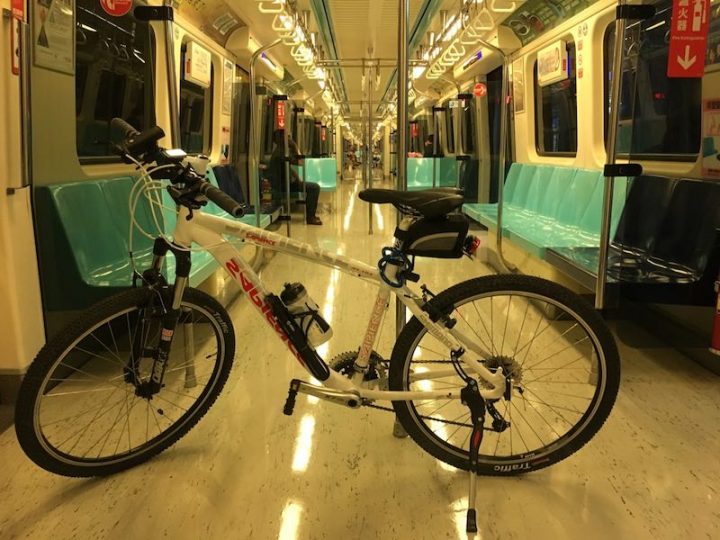
    A bicycle in the Metro car

    A naked bicycle in one piece inside a MRT car. Yes, you can bring it here on weekends and holidays, 10:00 -16:00 on weekdays.

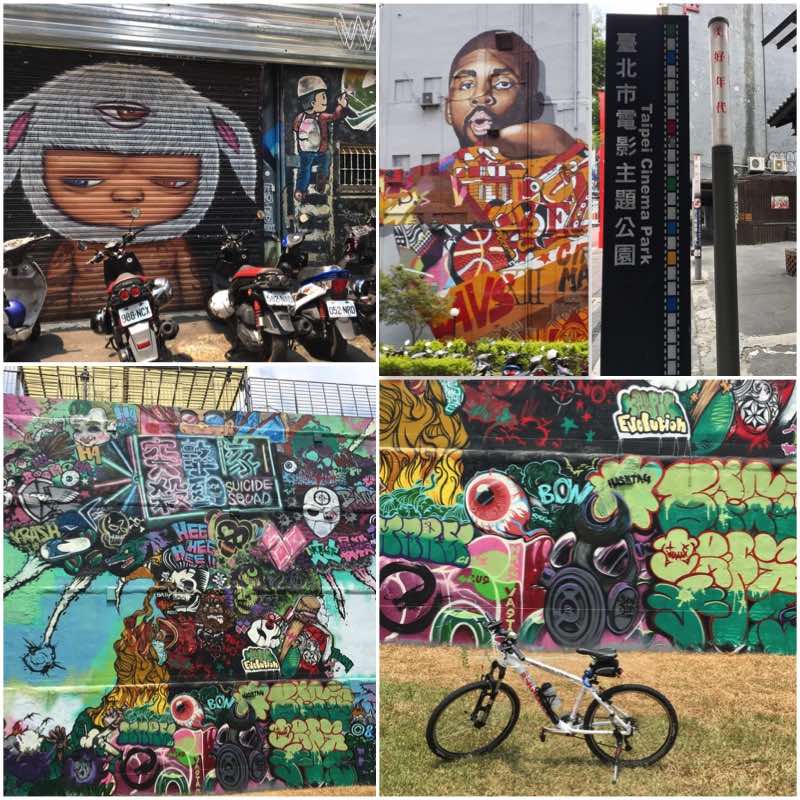
    Four Large Graffitis
    I bump into this Taipei Cinema Park, which has some great graffiti.

    Quite alleys with Graffiti

    These alleys are quiet and safe for cycling. You may spot something interesting around the corner.

    Lanes for Scooters and bicycles only

    There are lanes built especially for scooters, which are ubiquitous in Taiwan. Cyclists can also use these lanes. However, some of the scooters, though categorized as slow vehicles, can run at really high speed, which makes me feel no safer than sharing the road with other vehicles.

    Riverside bikeways in Taipei
    This sums up my trip: head north from my index finger along the Tamsui River, then turn right at the scratched area to head home (my pinky) along the Keelung river on these nice bikeways.

    Bridge piers, golf putting old , scaffolding seen on the bikeways

    Lots of interesting scenes

    More to be explored around the Ximen MRT Station

    • Presidential Office 中華民國總統府
    • National Taiwan Museum 台灣國立台灣博物館
    • Postal Museum 郵政博物館
    • National Museum of History 國立歷史博物館
    • National Central Library 國家圖書館
    • Evergreen Maritime Museum 長榮海事博物館
    • Museum of Medical Humanities 國立臺灣大學醫學人文博物館
    • Taiwan Provincial City God Temple 臺灣省城隍廟
    • National Chiang Kai-Shek Memorial Hall
    • Bopiliao Historical District 剝皮寮歷史街區
  • 台湾一周サイクリング  (2):枋寮から墾丁まで

    台湾一周サイクリング (2):枋寮から墾丁まで

    このブログ記事の翻訳を進行中です。もうすぐ完成しますので、後ほど再度ご確認ください。ご不便をおかけして申し訳ありません。現在は、こちらで提供されているGPXルートや地図などの情報を自由にご利用ください。

    • Where: Kaohsiung (高雄) to Kenting (墾丁), Taitung (台東) to Hualien (花蓮)
    • When: 18 Dec – 27 Dec 2012
    • Who: Peter and Lois (our first cycling trip)
    Image grid showing Fangliao station, a stone owl and the street in the evening
    • We left Dapeng Bay (大鵬灣) and cycled for another hour and decided to find a place to stay for the night. We found a small homestay in Fangliao (枋寮) on Google Maps.
    • This little town was formed by loggers from Fujian during the Qing dynasty (1683-1895). Its train station was built, as the terminus of the Pingtung Line (屏東線), when Taiwan was under Japanese rule (1895-1945). The South-link Line (南迴線) was then opened on 1991, connecting the east side of the island to the west. And that was how we would travel to Taitung after we had cycled to Kenting and then returned here by coach in 3 days. It became a small hub connecting Taitung, Kenting and Kaohsiung.
    image grid showing night scene of fishing boats moored to the FangLiao fishing port
    • We took a 15-minutes stroll from the train station and found this fishing port. It was peaceful and quiet.
    Image grid showing a bike shop, the road condition from Fangliao to Kenting and Mobile seaside cafe
    • The homestay is part of a bicycle shop, with the guest rooms located on the second floor. It is actually quite convenient for getting maintenance, bike parts and supplies. We bid farewell to Fangliao the next day and headed to Kenting. The road is wider and flatter with less traffic. There were mobile cafes along the way on the sea side. We couldn’t help taking longer breaks and detouring a lot. But this left us little time and strength for the remaining trip, and there were quite some slopes in the last 10km. That was really exhausting.
    Image grid showing Kenting Sea Wall Homestay at sun set and evening, window view and bicycle speedometer
    • We finally made it to the hotel we had booked, the Seawall Inn in Kenting, after riding 120km from Kaohsiung in two days. We were so proud of ourselves and were not at all embarrassed by the fact that many cyclists could do this within one day. Actually, in one day, some can even make it to Kenting from Fuguijiao Lighthouse (富貴角燈塔), the northernmost tip of the Taiwan island, in a cycling challenge called One-Day Twin Tower (一日雙塔). The total distance is 520km. Mr. Ko Wen-je, the mayor of Taipei, completed the challenge in 2016 at the age of 57. Although we were exhausted, we ran out to take pictures of the sunset after dropping our luggages in the hotel. We would be staying here for two days to let our muscles recover and do some tourist things.
    Image grid showing the Eluanbi Light House, Seaside walking trails, Southernmost Tip of Taiwan and an E-bike.
    • This is Eluanbi Lighthouse (鵝鑾鼻燈塔), the other ‘tower’ besides Fuguijiao Lighthouse in the One-Day Twin Tower challenge. First constructed in 1882 during the Qing Dynasty to guide the ships away from the hidden reef nearby, it was the only armed lighthouse in the world to fend off frequent raids by local aboriginal tribes at that time. It had been damaged and rebuilt twice during the First Sino-Japanese War and World War II, respectively. What you see in the picture now was re-built in 1962. We took a break from the bicycle pedals and hired electric scooters to explore the peninsula and visit the southernmost tip of the Taiwan island.
    image grid showing the Houbihu Fishing Port, the Chuhuo Special Scenic Area, clams soup and Sashimi
    • We have been to a lot of fishing ports and beaches in Taiwan, including the Houbihu Fishing Port (後壁湖漁港) in Kenting. The clam soup never fails to impress us with its sweet freshness. After moving to Taipei in 2017, we were astonished to find that those vacuum-packed clams on the chilled shelves of the supermarkets are actually alive and will wake up from their long sleep when put in water. Sashimi can be found in many restaurants, big or small, which is probably the legacy of 50 years of Japanese rule. One of the tourist spots in Kenting is called Chuhuo Special Scenic Area (出火景觀). Fire fueled by natural gas has been burning for more than 40 years . We borrowed some heat from it and made ourselves some popcorns. There are tombs scattered around in the area and may horrified some unprepared eyes. One lady who shared a car with us was so scared that she had returned to the hotel immediately. Well, it wasn’t that bad. Don’t worry.
  • 台湾一周サイクリング (3):台東から寧埔まで

    台湾一周サイクリング (3):台東から寧埔まで

    このブログ記事は英語のみで提供されています。ご迷惑をおかけして申し訳ありません。

    • Where: Kaohsiung (高雄) to Kenting (墾丁), Taitung (台東) to Hualien (花蓮)
    • When: 18 Dec – 27 Dec 2012
    • Who: Peter and Lois (our first cycling trip)
    image grid showing the Fangliao station platform, orange train and the seats of a train to Taitung.
    • So, we were back to Fangliao from Kenting by coach and then hopped on to a train towards Taitung via the South-link Line (南迴線). We had bought train tickets when we were there 2 days ago. Smart! Many cyclists could just cycle to Taitung directly from Kenting. It’s a 160km journey with accumulated elevation gain of 2,250m. The peak is at Shouka (壽卡), 460 metres above sea level. But no, not for us! We were lazy novice cyclists who just wanted to use bicycles to burn the calories we took in. This route looked barren with no prospect of delicious food. Besides, it was my first cycling trip with Lois, and I would not want it to be the last one.
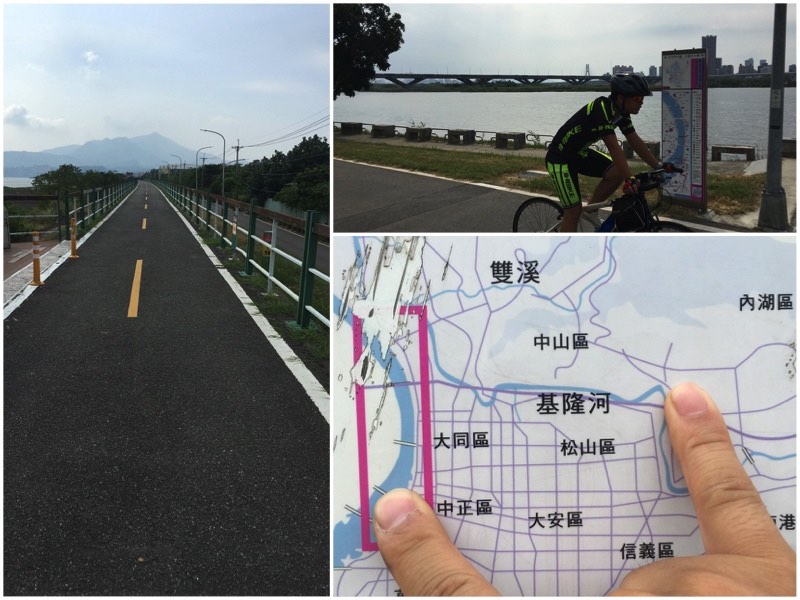
    image grid showing the front door of a homestay, a woman having a supper, a man in a pub and the road conditions from Taitung to Hualien costal route.
    • On the east side of the island facing the Pacific Ocean, the sunny fine weather was gone. Clouds were gathering like a gigantic thick curtain to hide the blue sky. “The sky is flipping (變天)”, said the locals. We hit the road as soon as we left the platform of Taitung train station. Wind was blowing strong against us. We used the rest of the day to cover 25km and reach a small village, Dulan (都蘭). The village was called by the aboriginal Amis people as A’tolan / E’tolan, meaning a place with lots of rocks and hit by earthquake frequently. The school bags with the name of the local primary school (都蘭國小) printed on it is very popular among Taiwan people. It’s a long and interesting story I won’t share here but may do some day.

    • We had a simple meal and found a homestay operated by a retired couple. We saw their advertising note on a lamp post. The mister came riding his motorbike to lead the way. They used to live in Taipei with cramped spaces. Therefore when they were building the house for their retirement, they got too excited and made the rooms so so big.
    Image grid showing a beach, Donghe bums with hot bitter melon ribs soup, two cyclists in the rain, their silhouette.
    • Bleak weather with some showers the next day. We got our reward for our ordeal by having the famous, delicious Donghe bums (東河包子) with hot bitter melon ribs soup to warm our body. There were some great sea views along our route but otherwise the sea was blocked by trees. The wind kept on challenging our endurance. We were soaked and tired. I had to fend off the idea of quitting in my mind and avoid mentioning it to Lois. We made it to Chenggong Township (成功鎮, literal meaning “Success Township”), hoping to find a place to stay. But there were few shops open, let alone a homestay. We had lunch there to gather our strength. We did not bother to take a detour to the scenic spot Sanxiantai (三仙台). After riding for 19 km more in the rain, we finally reached a small village called Ningbu (寧埔), where we found some place to stay for the night. The problem was that there was no restaurant nearby. “Even a bird won’t lay eggs here (鳥不生蛋)”, said the homestay owner. He kindly drove us to a restaurant in another village that we had just passed by so that we could have dinner, and made sure the restaurant owner would drive us back after that. We learnt later from the TV news that a cold wave had just hit Taiwan that day.

  • Cycling Route: Fengguizui Lookout – Climb Training

    Cycling Route: Fengguizui Lookout – Climb Training

    このブログ記事の翻訳を進行中です。もうすぐ完成しますので、後ほど再度ご確認ください。ご不便をおかけして申し訳ありません。現在は、こちらで提供されているGPXルートや地図などの情報を自由にご利用ください。

    Fengguizui Lookout (風櫃嘴) is a very popular destination for those Taipei cyclists who want to get some quick training on climbing. Today, I tested myself to see if I can make it to the Lookout at 598m above sea level. I took the 6.5km Wanxi Industry Road (萬溪產業道路) and start climbing. It is a well shaded road with lots of fellow cyclists who would give you words of encouragement generously. And most importantly, there are not much other vehicles to share the road. The downloadable GPX file of this cycling route is at the end of this post. 

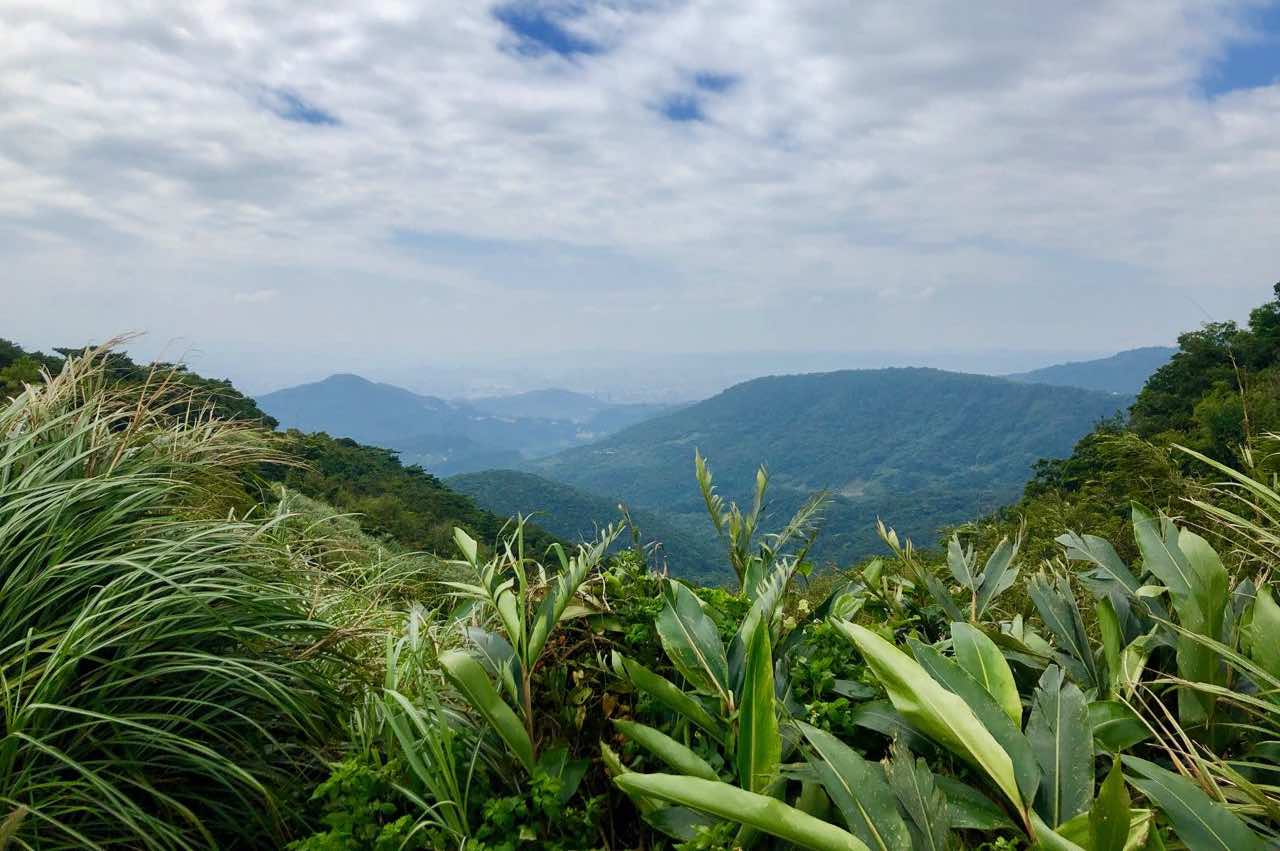
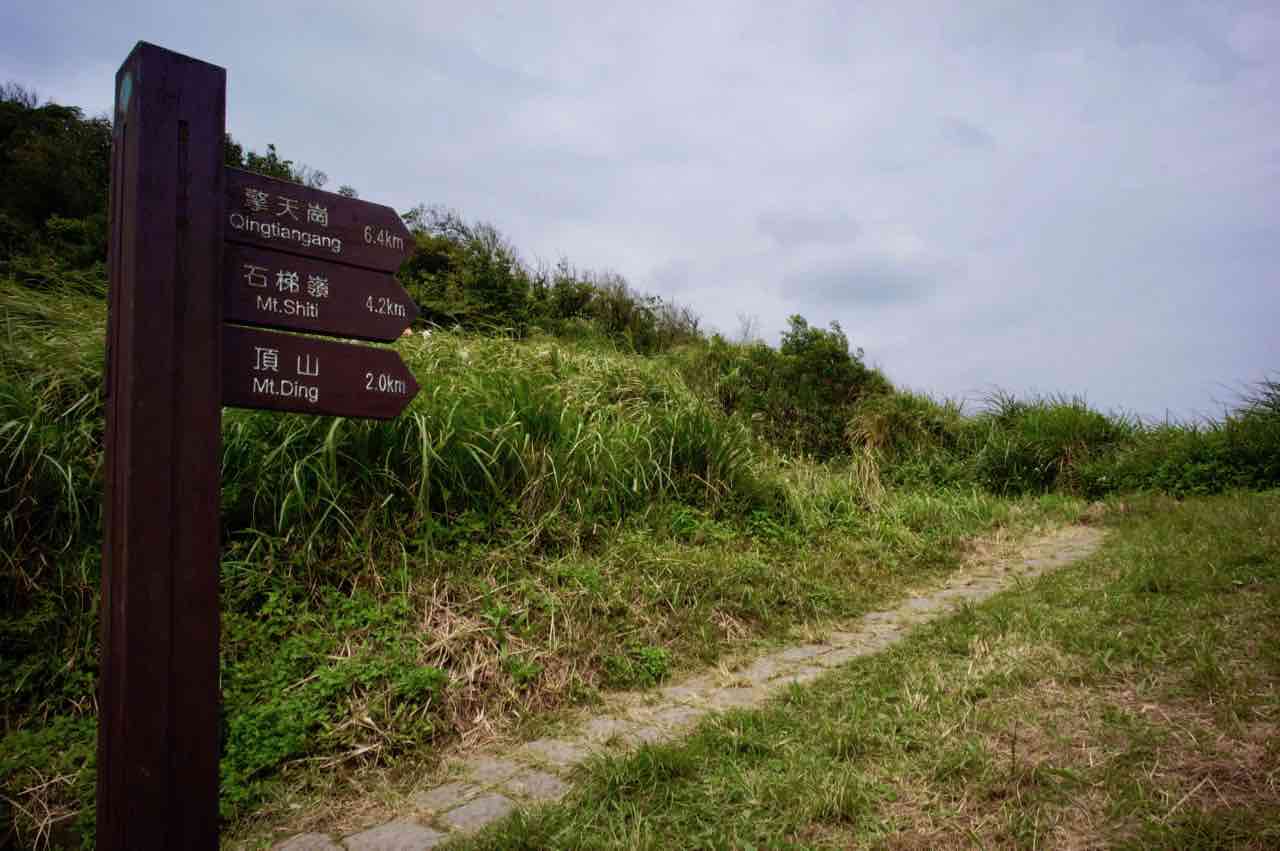
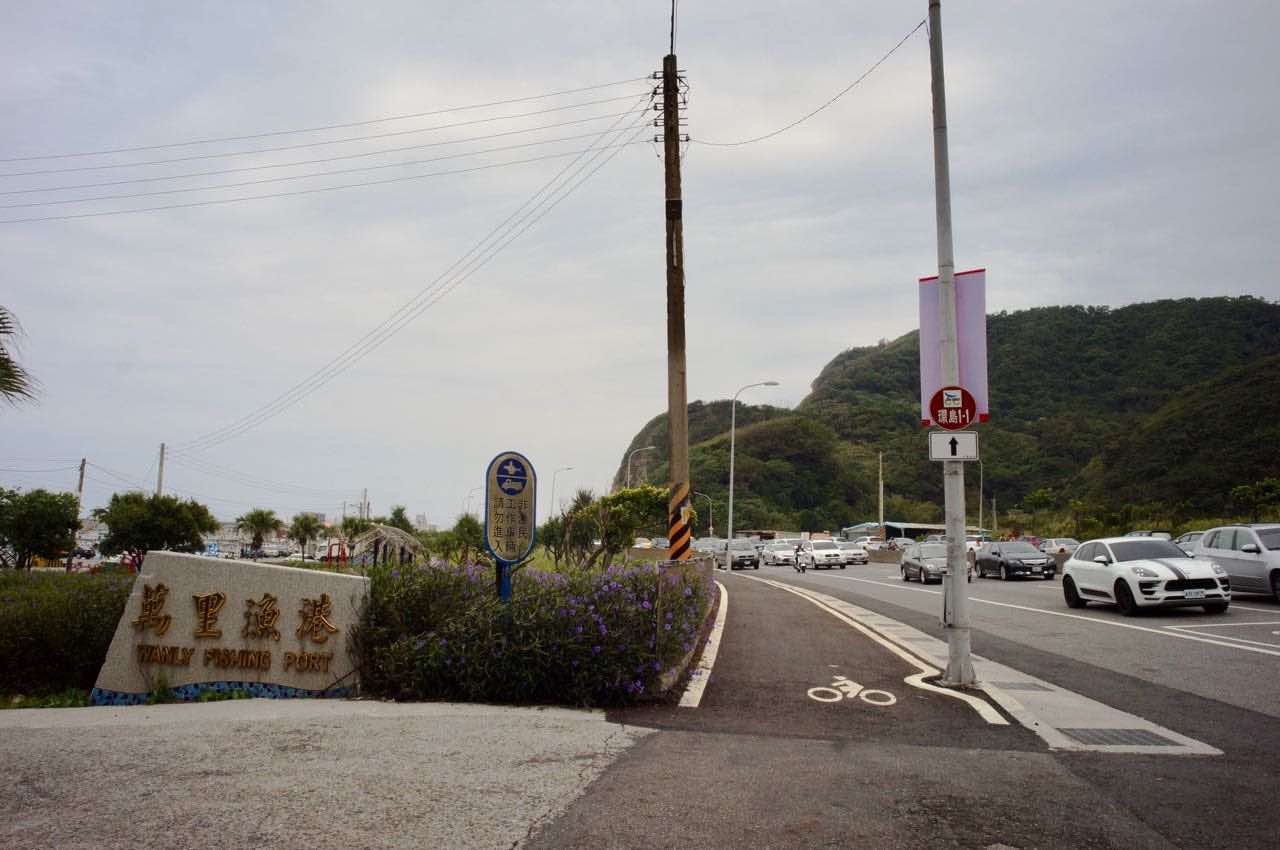
    The view from the Lookout is not particularly impressive. It is a pass connecting Shilin District (士林區) and Wanli District(萬里區). If you are looking for a better view, you may join the hikers and take the trail to the Mt. Ding (頂山, 768m) and Mt. Shiti (石梯嶺, 886m) on foot. Or, let’s don’t leave our bicycles and take the “北 28” and descend to Wanli Fishing Harbour (萬里漁港) and then take the dedicated bikeway along the coast to Keelung (基隆).

    If you have enough of cycling, try your luck to find a train to take you and your bicycle back to Taipei (e.g. Nangang station (南港車站), Songshan Station (松山車站) or Wanhua Station (萬華車站). But not for Taipei Station (台北車站)) . Some particular trains accept naked bicycles for half the fare. Otherwise, keep cycling and take Provincial Highway No. 5A (Shown on Google Maps as 5甲) to get back to Taipei (around 25km)


    Route:

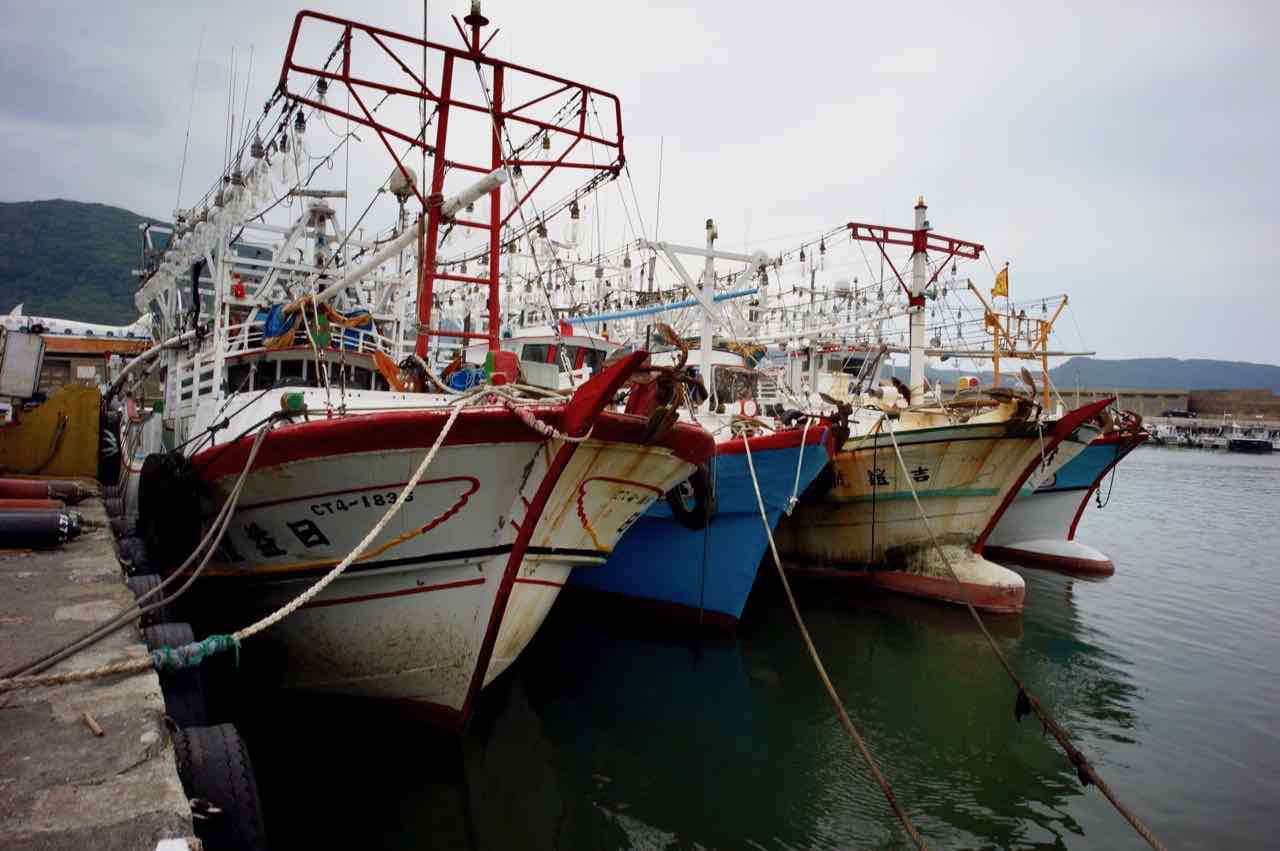
    Most navigation apps will not route us to the dedicated bikeways along the costal line. Find this Bikeway Entrance right next to the Wanli Fishing Harbour (shown below) and stick to it, you would reach Dawulun Fishing Harbour (大武崙漁港) and then Waimushan Fishing Harbour (外木山漁港) and then Keelung city without much climbing. If you take the Provincial Highway No. 2, expect lots of climbing and traffics without much benefit of seaview.

    Bikeway entrance next to a fishing port
    • When you reach Dawulun Fishing Harbour, Set Google Map Navigation: Keelung Station (基隆車站).

    My Strava link here

  • Cycling Route: Buyan Pavilion – Climb Training

    Cycling Route: Buyan Pavilion – Climb Training

    このブログ記事の翻訳を進行中です。もうすぐ完成しますので、後ほど再度ご確認ください。ご不便をおかけして申し訳ありません。現在は、こちらで提供されているGPXルートや地図などの情報を自由にご利用ください。

    Buyan Pavilion (不厭亭), apart from Fengguizui (風櫃嘴), is another popular climb training route in the Greater Taipei Area. The pavilion can be found at the highest point (530m above sea level) of Ruifang – Shuangxi Highway, a segment of County Highway 102, which is about 11 km away from either Ruifan Station or Shuangxi Station. However, Jiufen Old Street, the busy tourist spot, lays somewhere en route Ruifan Station to Buyan Pavilion. If you don’t want to get stuck in the heavy traffic, breathing in car emissions while you are doing the climb, starting from Shuangxi Station is definitely a better idea. But if you have to approach Buyan Pavilion from the Ruifan side for some reason, you may take a detour to Ruibin Beach via the Provincial Highway 2D (shown on Google Maps as 2丁) and then start climbing from Bin’er Road (also shown on Google Maps as 北35) or Jinshui Highway (北34) to avoid the heavy traffic in Jiufen. The downloadable GPX file of this cycling route is at the end of this post. 

    Some experienced cyclists may find this route too short for a one-day workout. In that case, County Highway 106 is a great route to bring you to Ruifan (44km, elevation gain 861m) or Shuangxi (40km, elevation gain 675m) from Taipei Zoo. Note that the county highways may be swamped with roaring motorbikes during weekends. If you happen to live around Nangang area, County Highway 109 could bring you to Shenkeng, where it meets County Highway 106.

    For my trip this time, I would just take the train to Shuangxi from Nangang Station. Otherwise I would have exhausted all my strength and time before even reaching the starting point. 

    It was a Saturday in October 2018. I had planned to board the train no. 4148 at 07:44 because it would take a naked bike, but unfortunately the tickets for bikes were sold out when I got to Nangang Station. See? It’s indeed a popular cycling destination. The next train that carries naked bikes was not leaving until 12:47! My contingency plan: bag it. You just need to make sure the bagged bike is not over 150 cm on any side and the total measurement is under 220 cm.  

    I took the train no. 4152 that leaves Nangang at 08:05. Still early. Not many passengers. I could keep my bike comfortably with me in front of my seat. Then, around an hour later, I arrived at Shuangxi, a quiet, relaxing small town with enough breakfast kiosks and convenience stores for cyclists to stock up. For me, I tend to have my first meal only after cycling. 

    Navigation was straightforward. Just find County Highway 102 and go towards Ruifang and the climbing would soon begin. Vegetation is not as tall as what I saw on the route to Fengguizui. Not much shade. Anyway, it was a cloudy day. I found the weather quite comfortable and reached Buyan Pavilion without much struggles, though I’m sure most cyclists would find my speed pretty slow.

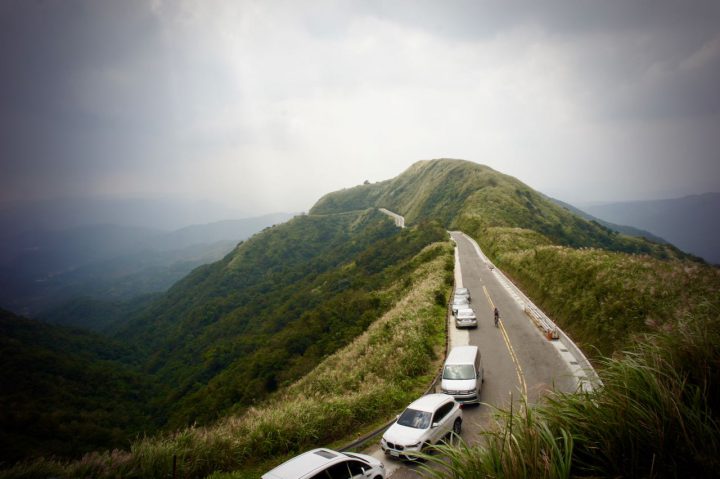
    The view from the top was much better than that of Fengguizui. There was silvergrass all over the place. There was a truck selling roasted sweet potato and water, which I think would only be there during weekends and holidays. 

    Cyclists on a hilly road
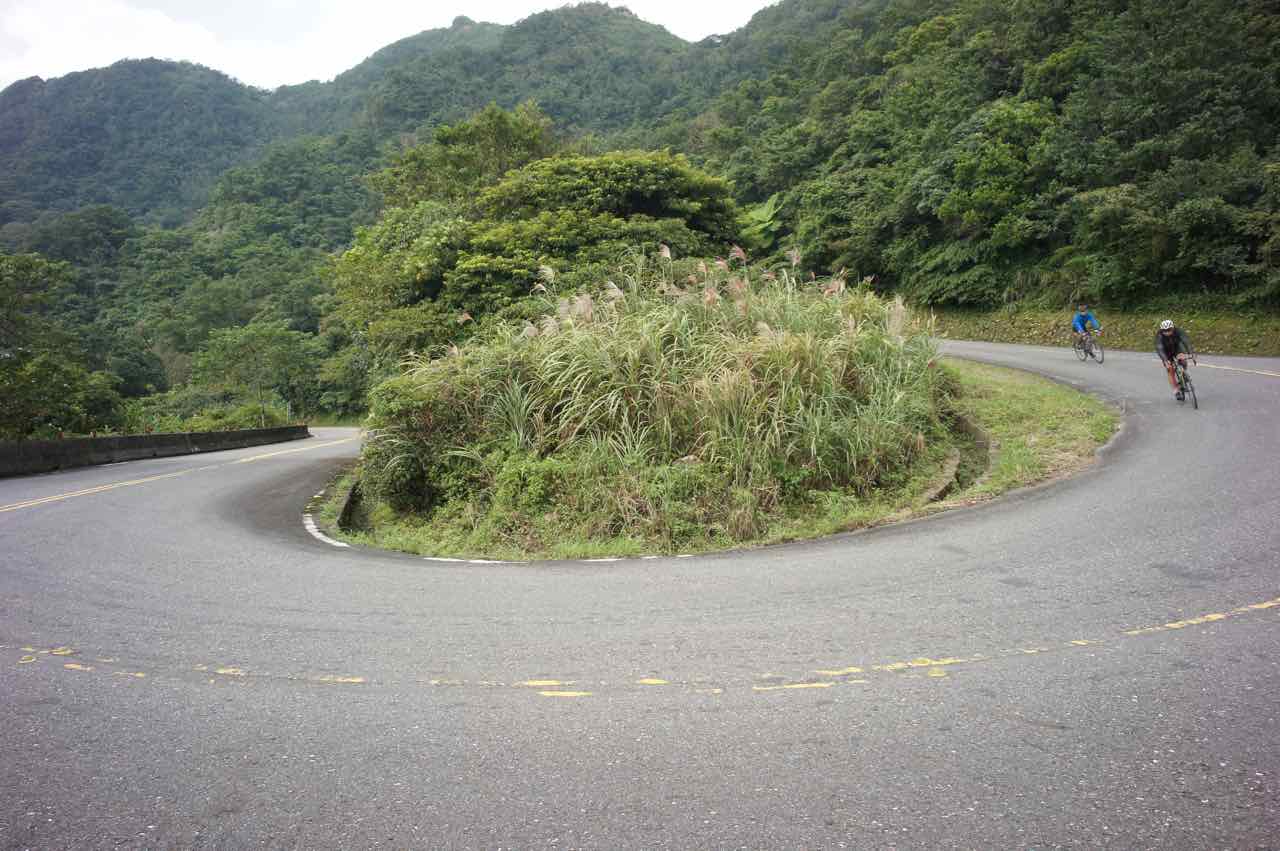
    Three Cyclists Descending from Buyan Pavilion

    Then, I enjoyed my descend to Jiufen and met the busy traffic there. Going downhill with all the cars, buses and coaches requires extra caution. I had my lunch near Ruifang Station and took a detour via Provincial Highway 2D to visit Fanzi’ao Park (番仔澳酋長岩公園), Shen’ao Elephant Trunk Rock, and then Shen’ao Fishing Harbour. I should have left County Highway 102 at Jiufen and switched to Bin’er Road (北35), which would allow me to avoid the busy traffic and bring me to the coast directly. I should have had my lunch at the seafood restaurants there. Calling it a day, I completed my trip with the last leg to Keelung station and took a train home with my bike in the bag.

    If you still have time and strength to spare, switching to Jinshui Road (北34) from Jiufen will bring you to some less popular yet also interesting spots like Golden Waterfall and Gold Museum. You can even try climbing the Teapot Mountain (無耳茶壺山). It is also a less popular route as you have to come down on the same route and people find it boring. But it also makes it a less busy and perhaps more pleasant route.

    Routes

    NOTE: To use the routes, please install the App on your smartphone. The App will launch and load the route automatically after you tap the above links on your smartphone’s browser. For Garmin Connect, you can then use the APP to send the route to your garmin device. If your Garmin device is not purchased in Taiwan, you will also need make sure you have the Taiwan map on your device. Here is our blog post on this topic.

  • My First Cycling Trip in Taiwan Day 1

    My First Cycling Trip in Taiwan Day 1

    このブログ記事の翻訳を進行中です。もうすぐ完成しますので、後ほど再度ご確認ください。ご不便をおかけして申し訳ありません。現在は、こちらで提供されているGPXルートや地図などの情報を自由にご利用ください。

    15 April 2009

    It’s been a decade since I first set foot on the island of Taiwan in 2009 for my first cycling trip in an attempt to Cycle around the Island. Why am I bothered to write a travel log about it now? Well, I made a lot of rookies’ mistakes that I was not aware of at that time.  After visiting Taiwan for so many times afterwards and finally moving here for good in Taipei, I have accumulated many valuable experience. And now we are running this company to promote and facilitate bike touring in Taiwan. I am hoping I can share with you some tricks and ideas so that you can make the most of your precious holidays here.

    Taiwan was referred to as Formosa by the Spanish, the Portuguese and the Dutch in the 1580’s. Some said the name was given by Portuguese sailors when they discovered the island in early sixteenth century. They were awestruck by the island’s beauty and exclaimed “Ilha Formosa”, literally “Beautiful Island”. Then the name stuck.

    Taiwan had not been a complete stranger to me even before I first set foot in here. At around ten and living in Fujian, I watched Taiwanese puppet shows and romantic soap operas written by Chiung Yao on my mother’s 14-inch TV. Life was so boring there back then. People in our village would spent the whole afternoon trying to tune the antenna in order to pick up the faint TV signal from the other side of Taiwan Strait. We would settle for anything with sporadic bursts of white noise. Language is not a problem. People in Taiwan and Southern Fujian share the same dialect. 

    Then there I was in Taoyuan International Airport ready to embark on an adventure on bicycle with my friend, John. The airport MRT was not in operation yet at that time but there were many coach and bus companies competing for travelers bound for Taipei City, especially Taipei Main Station. You could find one departing every 5 minutes most of the time. But no, we were special travelers and we had a special destination, Songshan (Railway) Station. Our well-equipped bicycles were ready to be picked up at a bicycle shop there. We decided to take a bus to the closest train station, Zhongli Station, and then took a train to Songshan. It’s better, right? Wrong! It actually takes the same amount of time to get to Zhongli Station and Taipei Main Station. While Taipei Main Station is just one stop away from Songshan Station, it takes another hour to get to Songshana from Zhongli Station. And neither did we save any money by taking a “less touristic” path. Here’s one takeaway for you. 

    Eventually we collected the bicycles and the shop owner helped us set the check points on the GPS leased to us. At least we would know the way to get back to the shop. I got information overloaded with a long list of must-go’s and a crash course on  how to replace the inner tube in the case of a punctured tyre. Not sure if I could do it. But there’s one thing worth remembering: find the culprit with patience and make sure it’s removed. Otherwise, the spare tube would be punctured again in no time. 

    We found a small hotel around the corner with only double rooms and very small twin beds that, even if we don’t mind sharing, couldn’t accommodate two grown men. We wondered if it might be a special kind of hotel, like a stripped-down love hotel or something. So, two rooms please. We are straight guys and I might have some amazing romantic encountering in Taipei like the Brit Colin Frissell did in the US in the movie Love Actually. I’m serious; I do speak mandarin with a heavy accent. 

    Then we headed to the nearby night market, Raohe Night Market, for dinner. There were so many enticing Xiaochi to offer. But Oops! We were running low on cash. We could only get some Stinky Tofu and Beef Noodles. I could not even buy a drink for any ladies if I got the chance. I used to believe that everything sold in the airport had a huge markup, including NTD. So, in the airport, we just got enough cash for the first day and planned to change the rest of our money to NTD at banks in the city. Banks here usually open 9:00 to 15:00, Monday to Friday. But after travelling to Taiwan for so many times, I have found a cheaper and more convenient way to get NTD. Viola! The 24-hour worldwide ATM networks like Cirrus, Plus and UnionPay. Although there will be a small handling fee (HK$40, ~ US$5, in my case) for each withdrawal, the exchange rate is more favourable than buying NTD with other currencies from a teller. Banks do not like physical banknotes. It involves the risks of getting counterfeit ones and there are costs for safe keeping and transferring the notes. 

    Now I always withdraw NTD 20,000 (the maximum) and saved enough of money from the ATM exchange rate to pay for the handling fee and several drinks in the night market. Of course you should check your bank’s handling fee first. 

    Talking about Raohe Night Market, the Ciyou Temple sitting next to its entrance had also left an impression on me with its friendly atmosphere. We were free to take a tour of the six-storey building and appreciate the decorations. It was also very handy to be able to use their toilets after feasting in the night market. It isn’t hard to find toilets in Taipei after leaving you hotel, like in shopping malls, MRT stations, train Stations, and some convenience stores. But those are not always easily found after leaving Taipei (or other major cities), while temples are ubiquitous in Taiwan. Cyclists could usually use their toilets. Sometimes, we could even help ourselves with some instant coffee at their drinking machines. 

    So, that’s my first day in Taiwan. The small hotel turned out to be perfectly fine. No weird noises came from other rooms