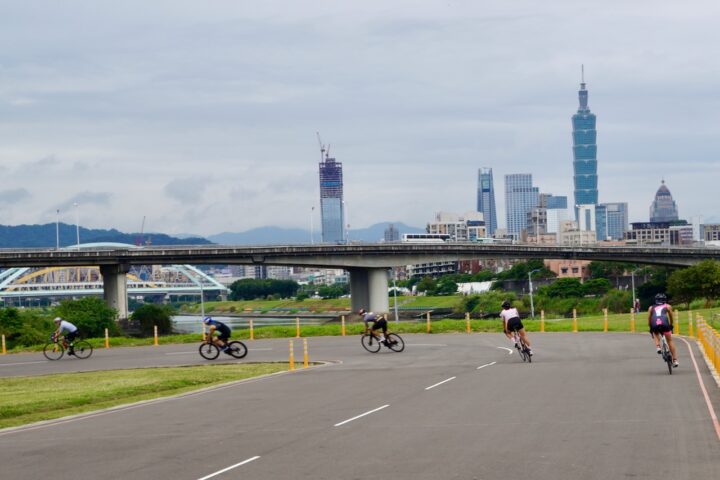
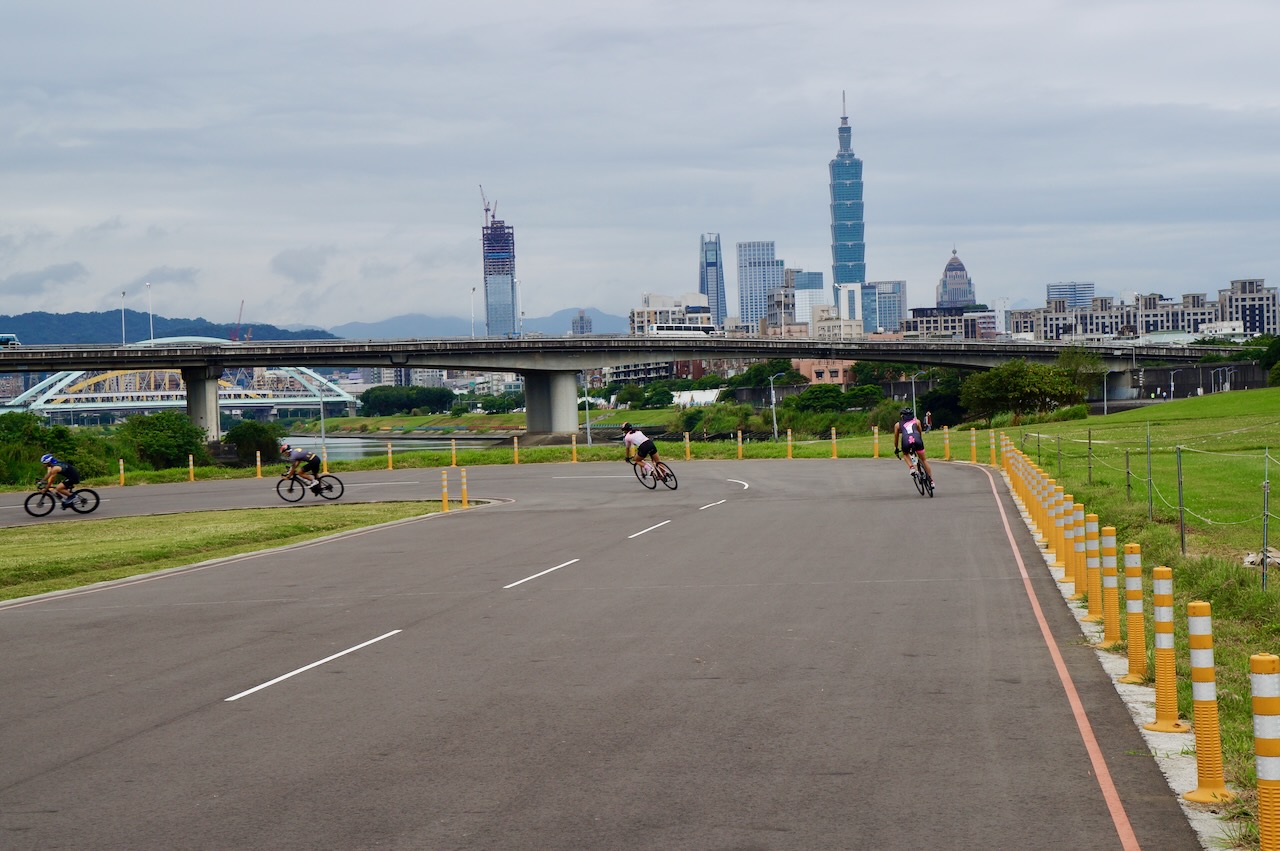
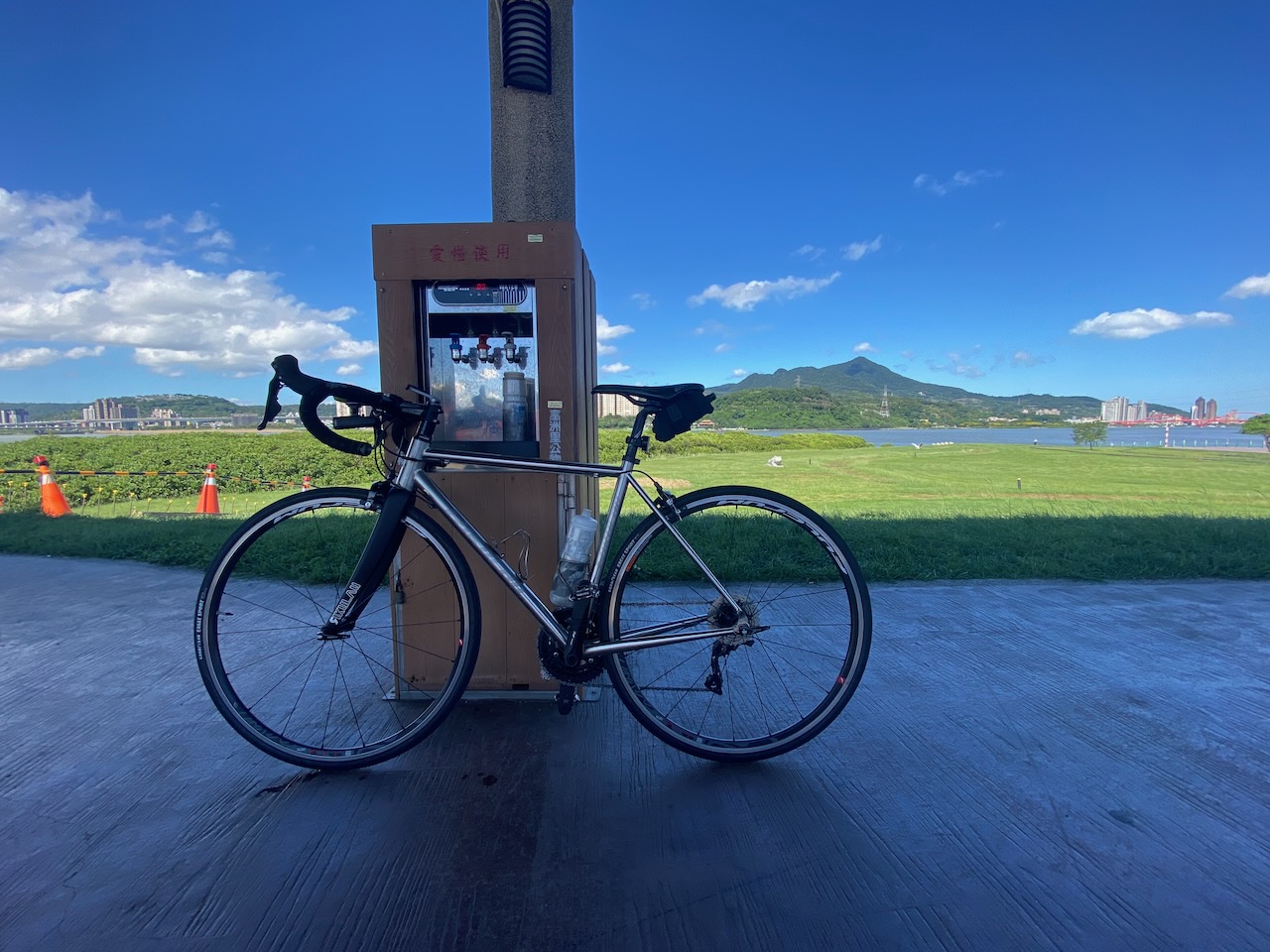
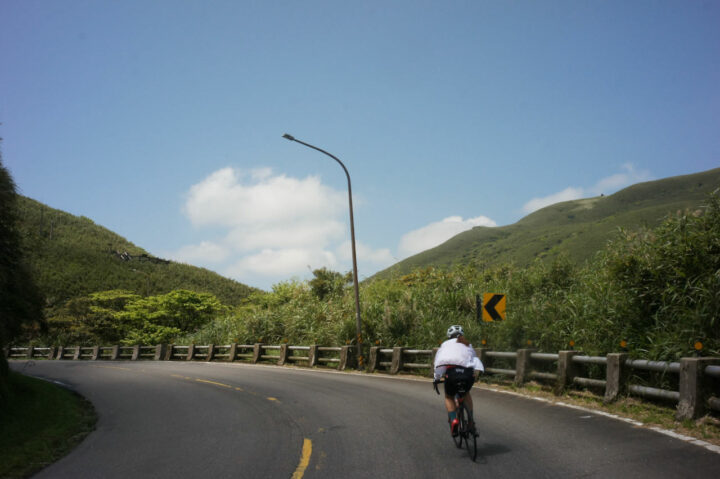
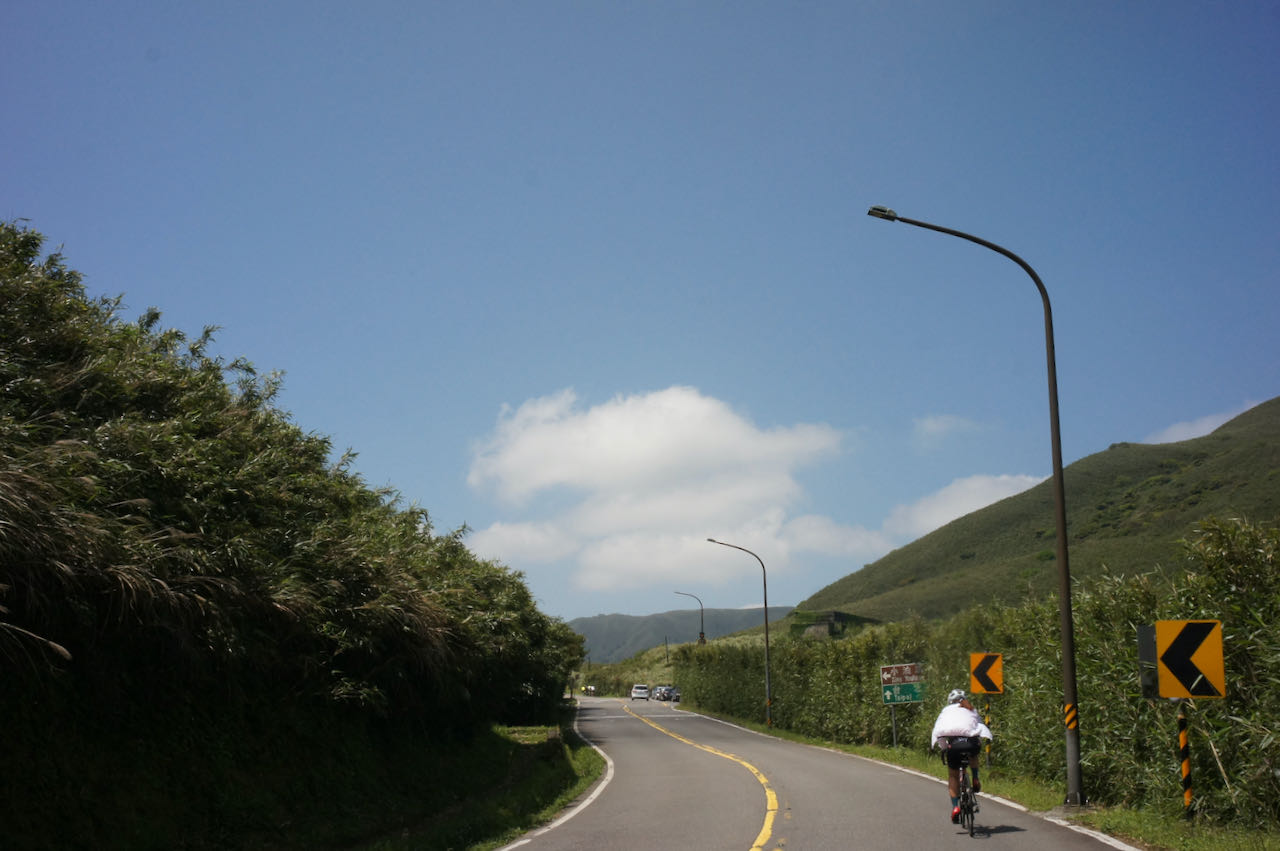
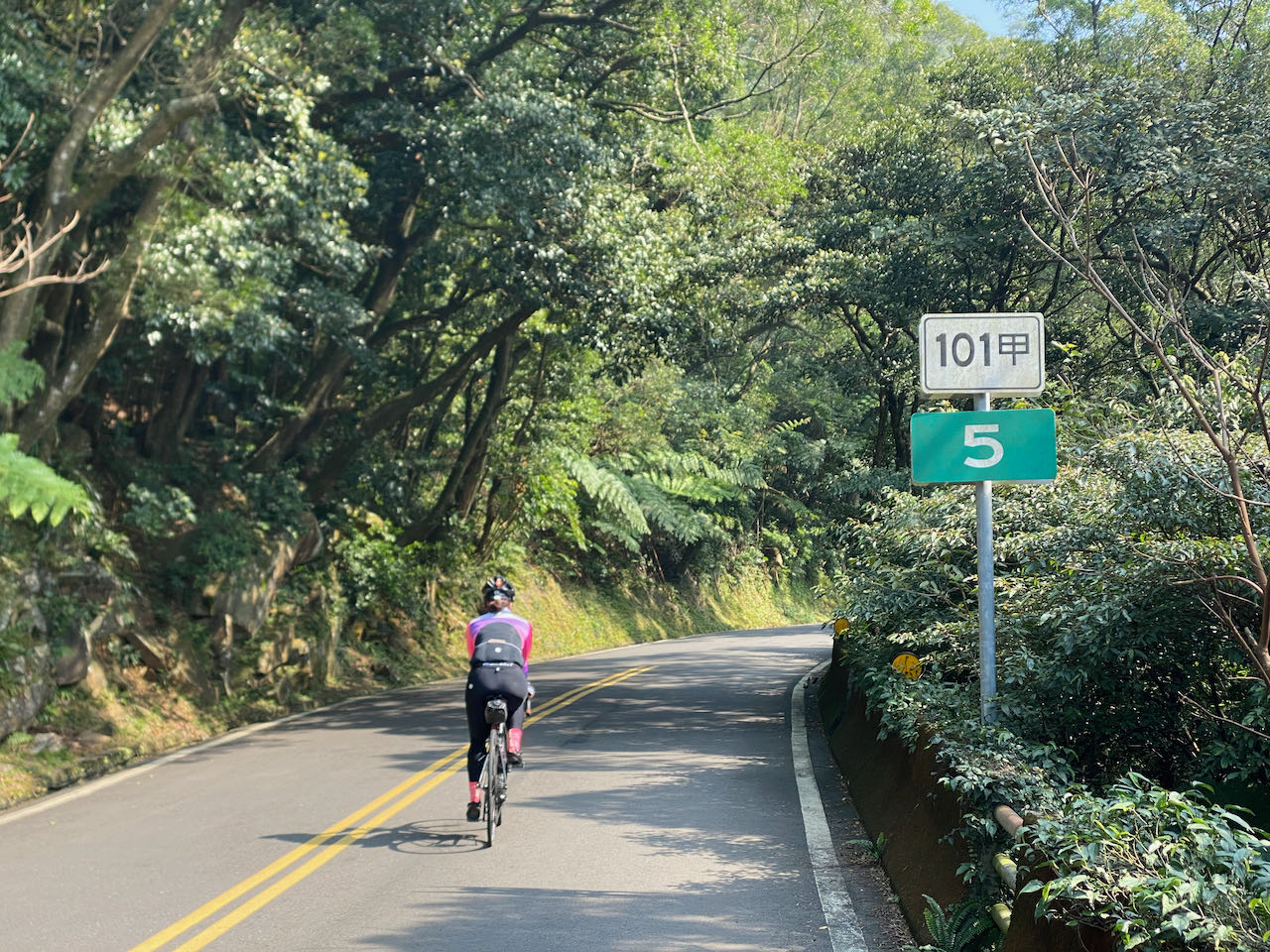
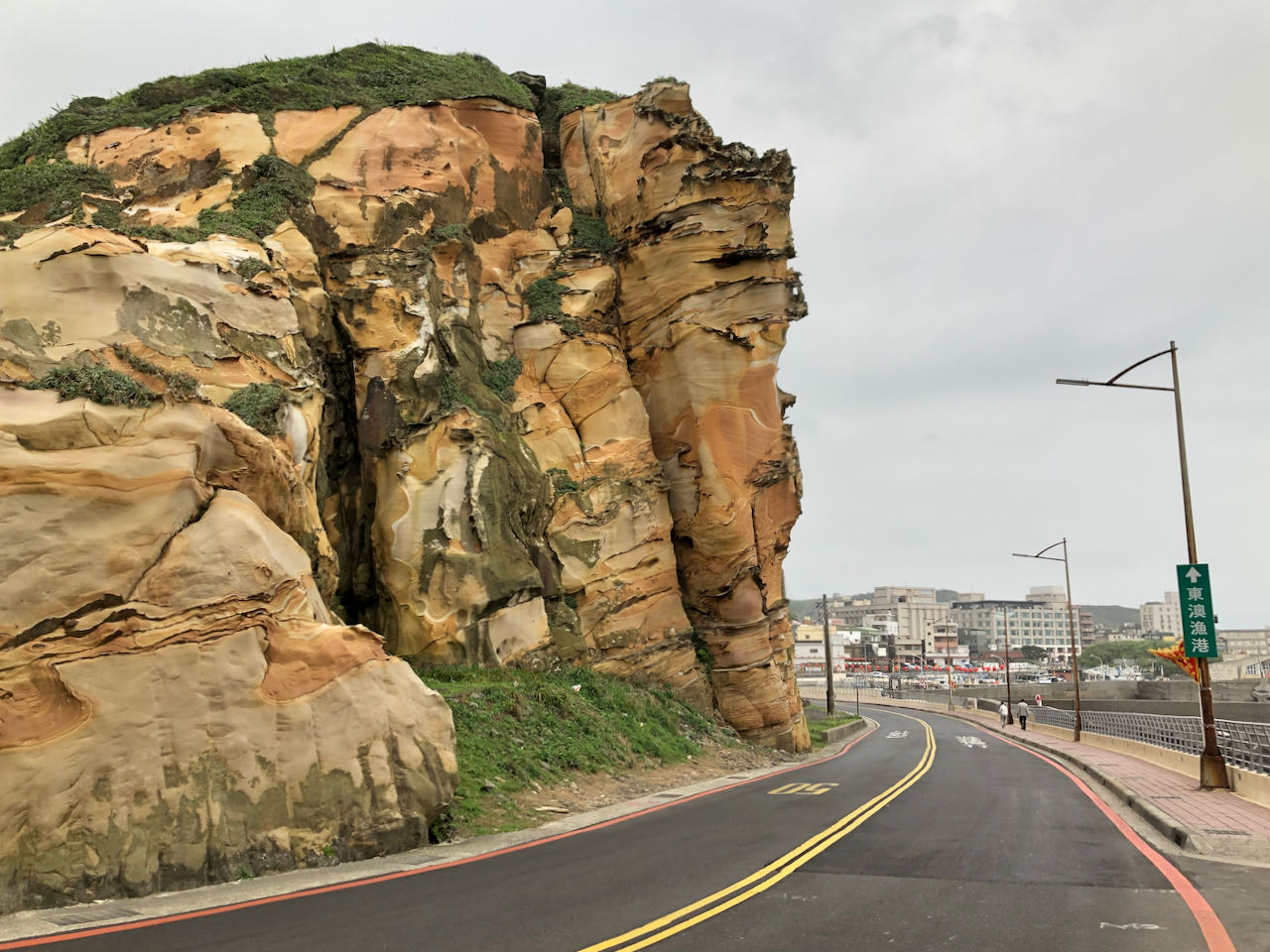
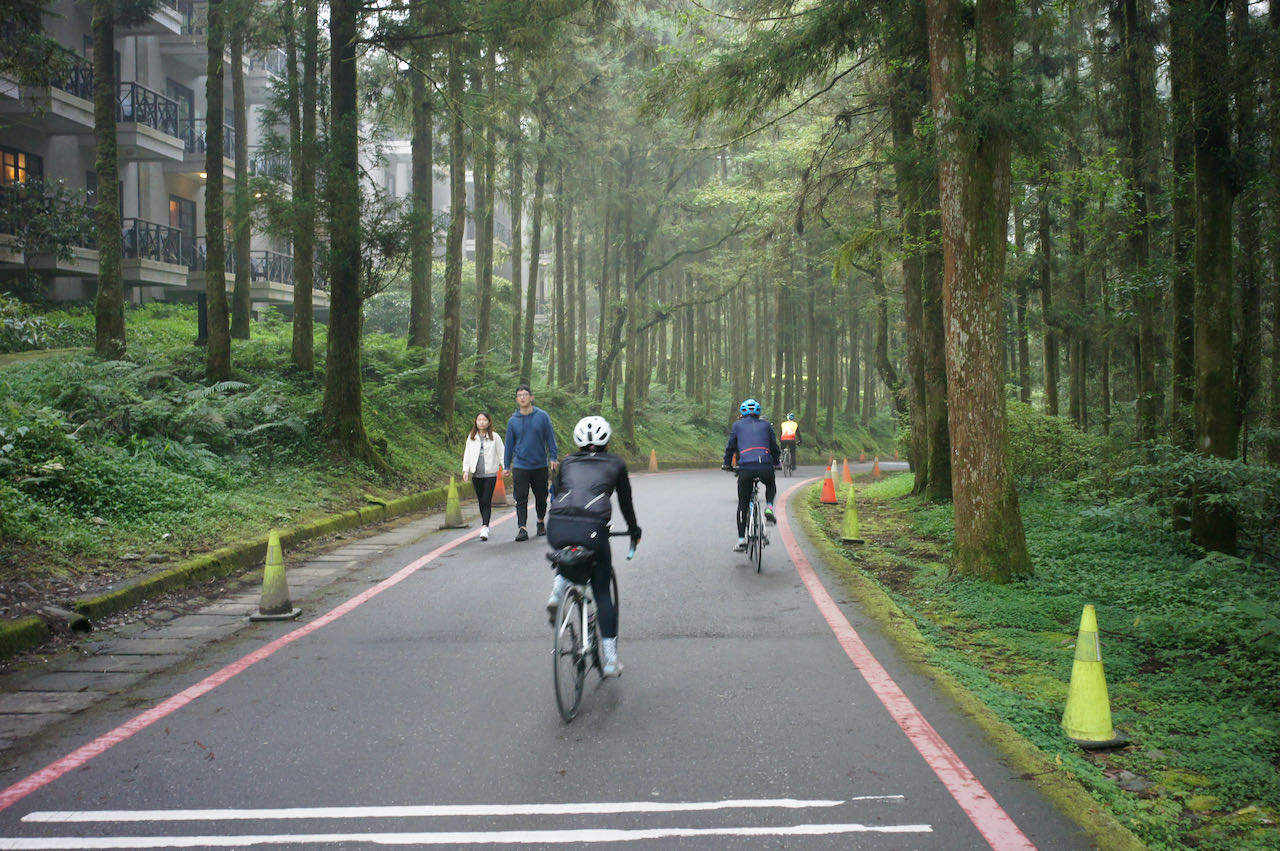
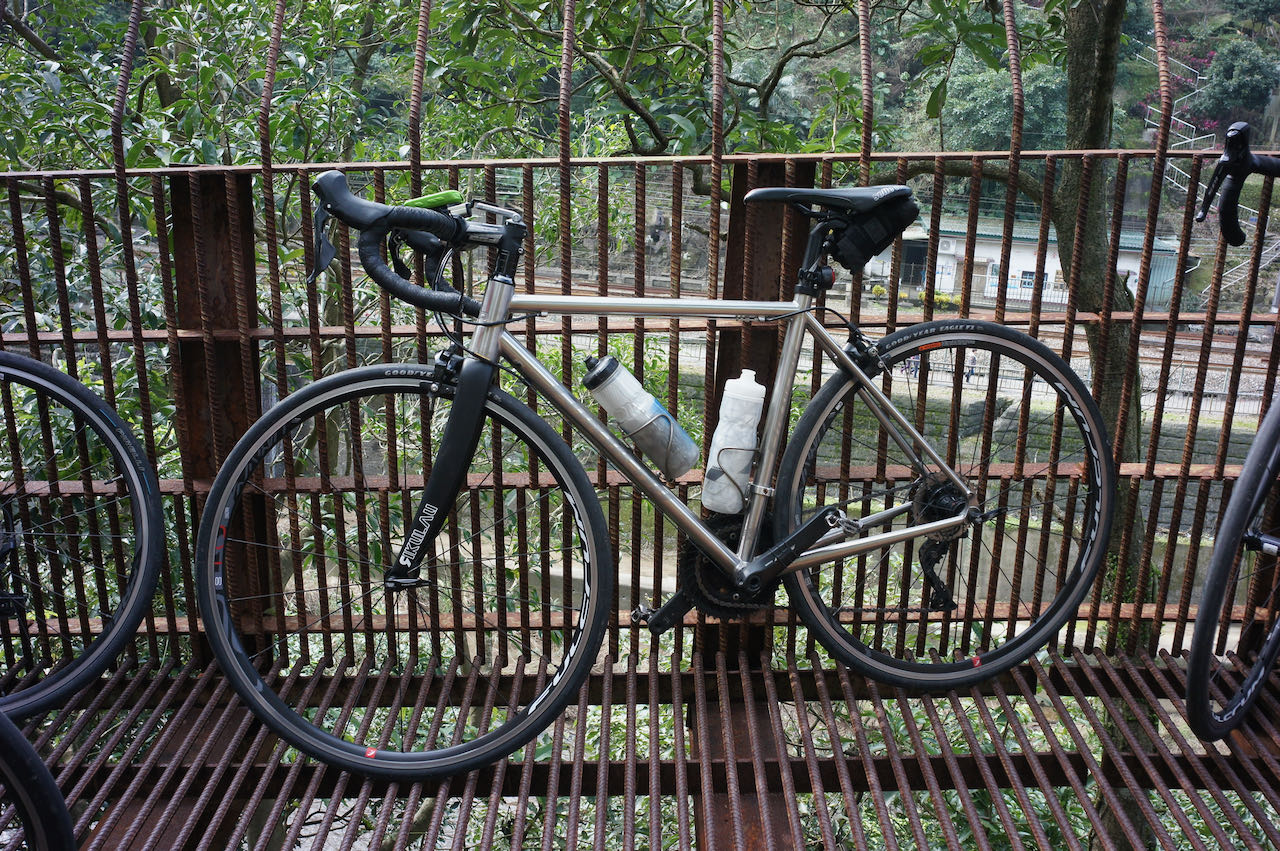
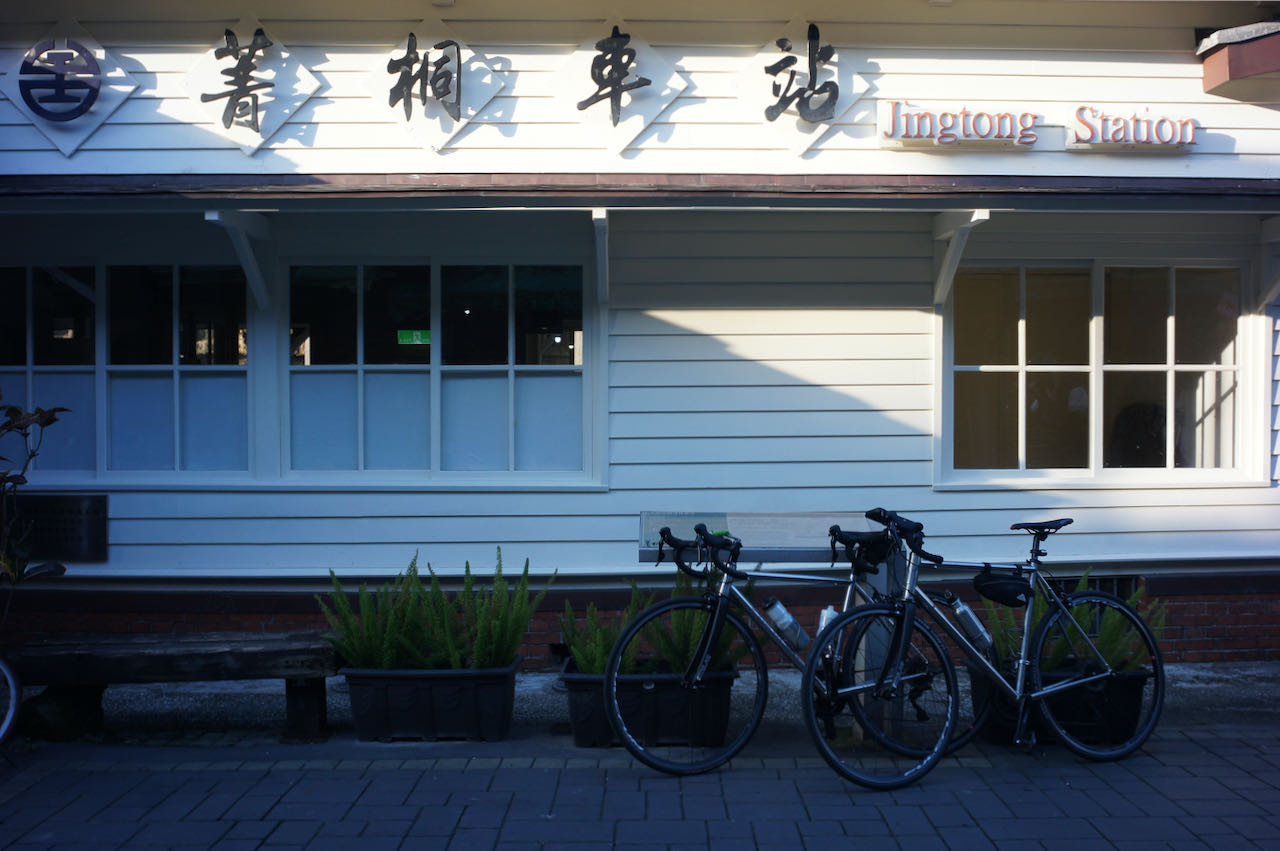
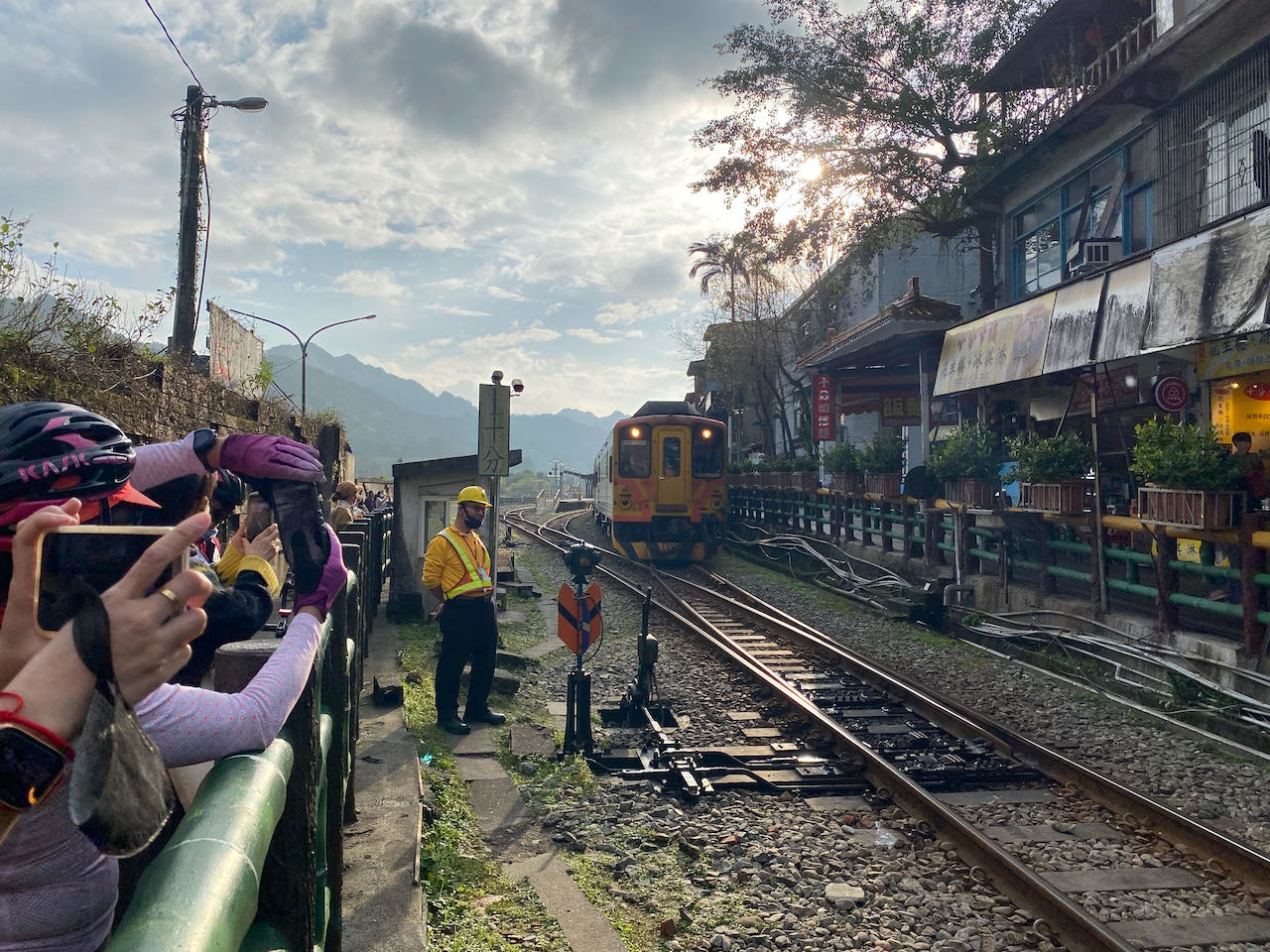
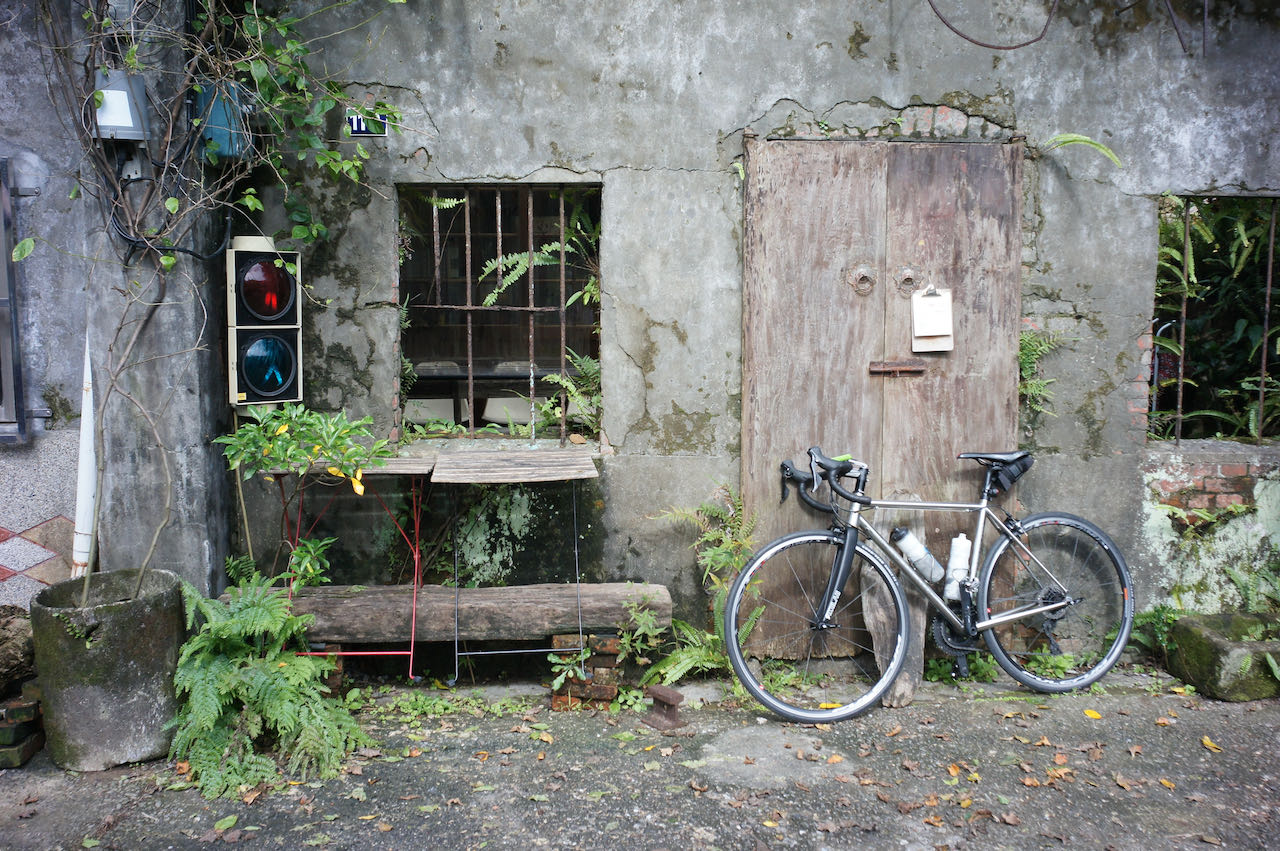
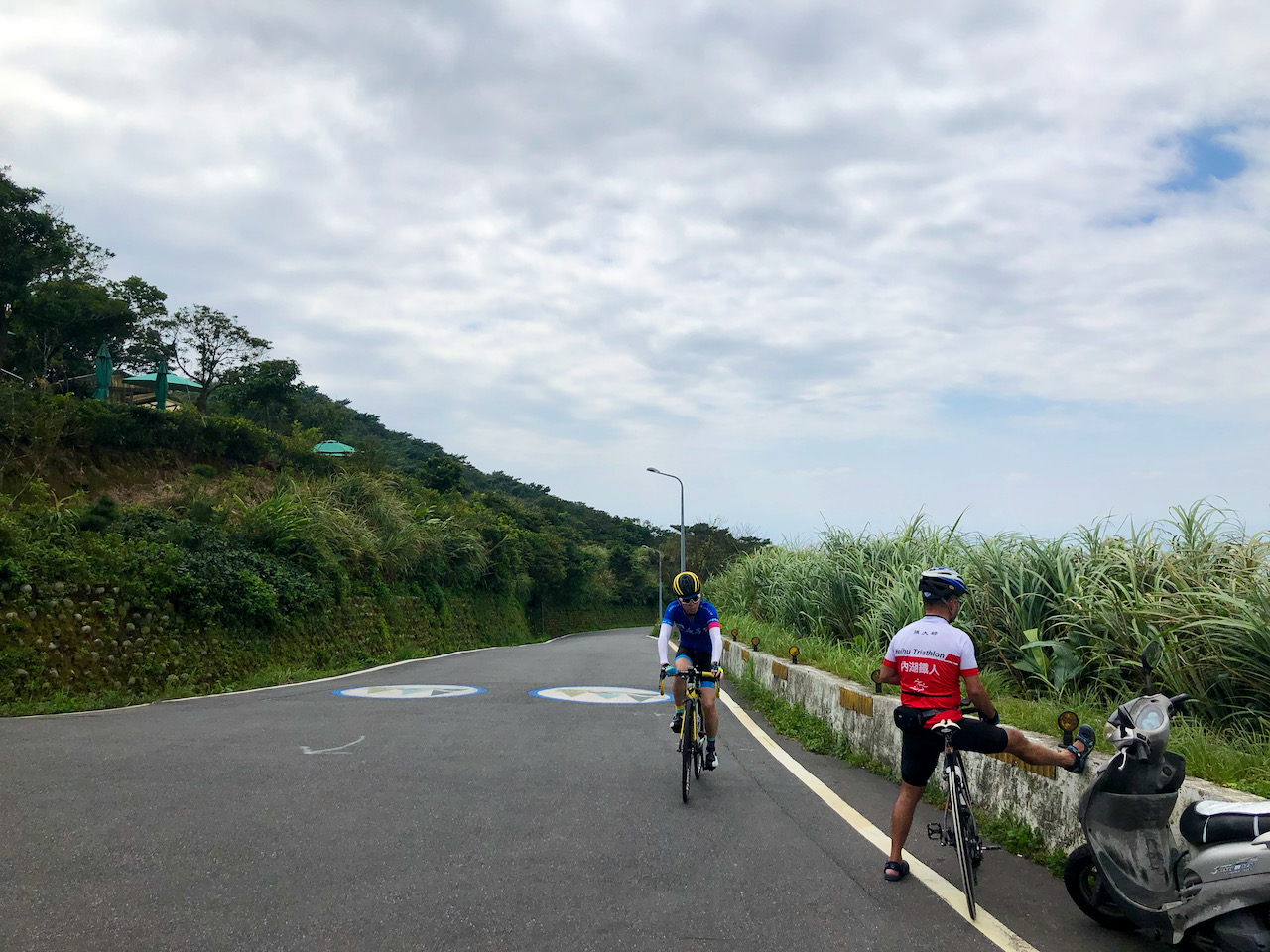
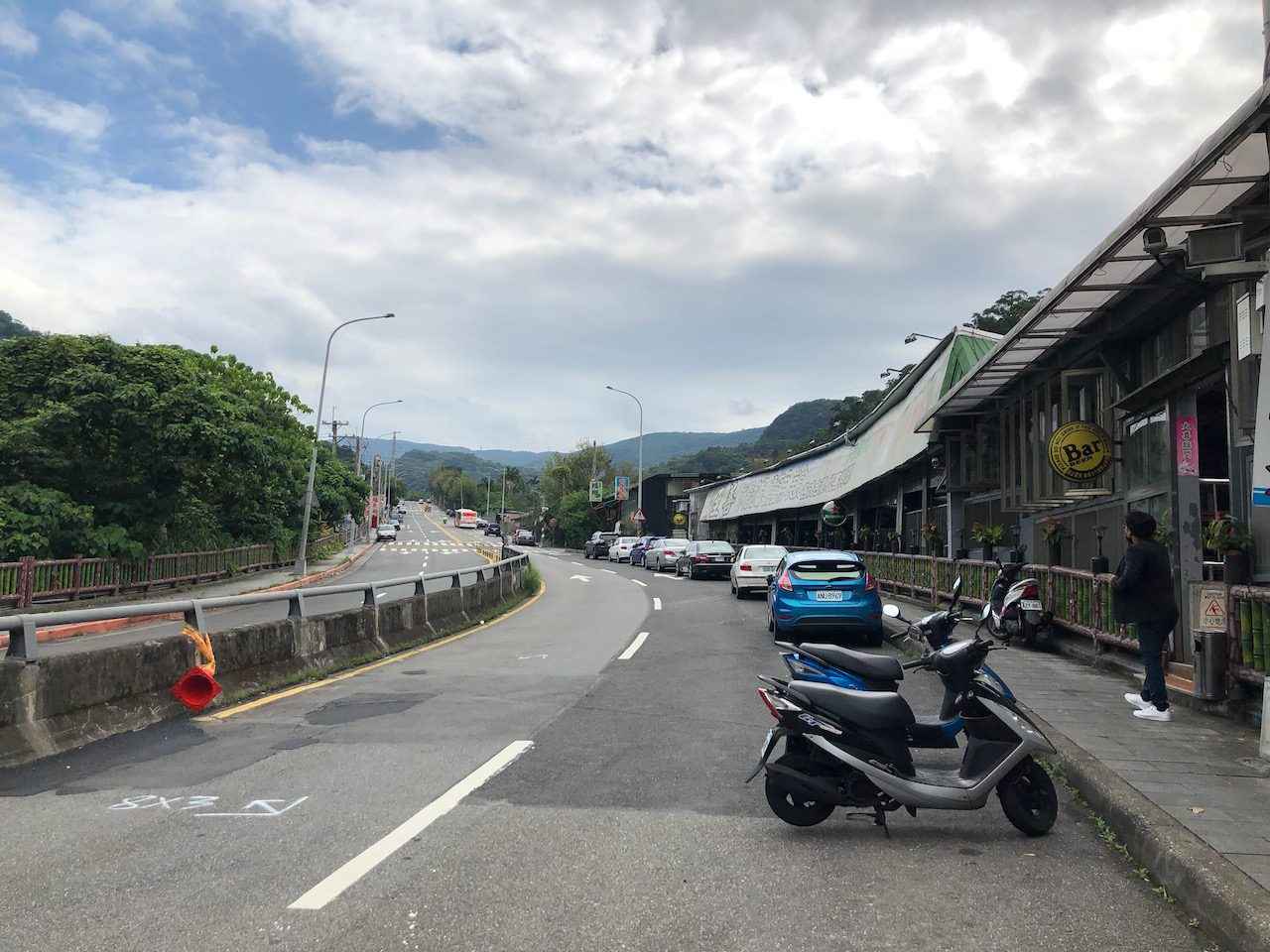
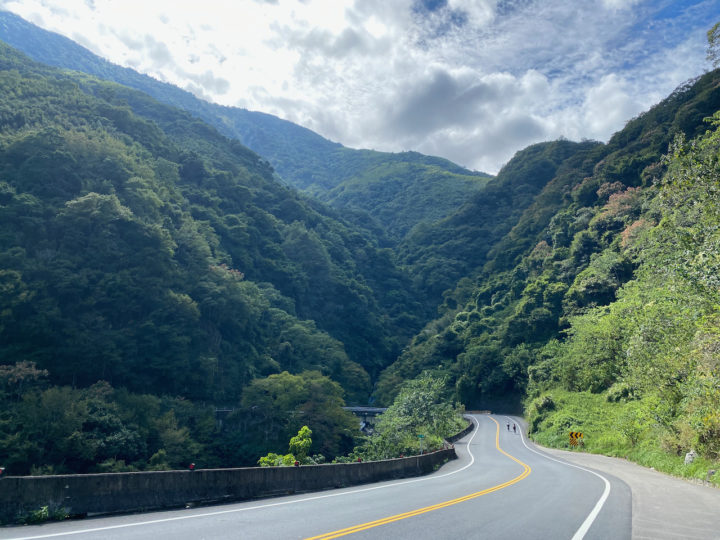
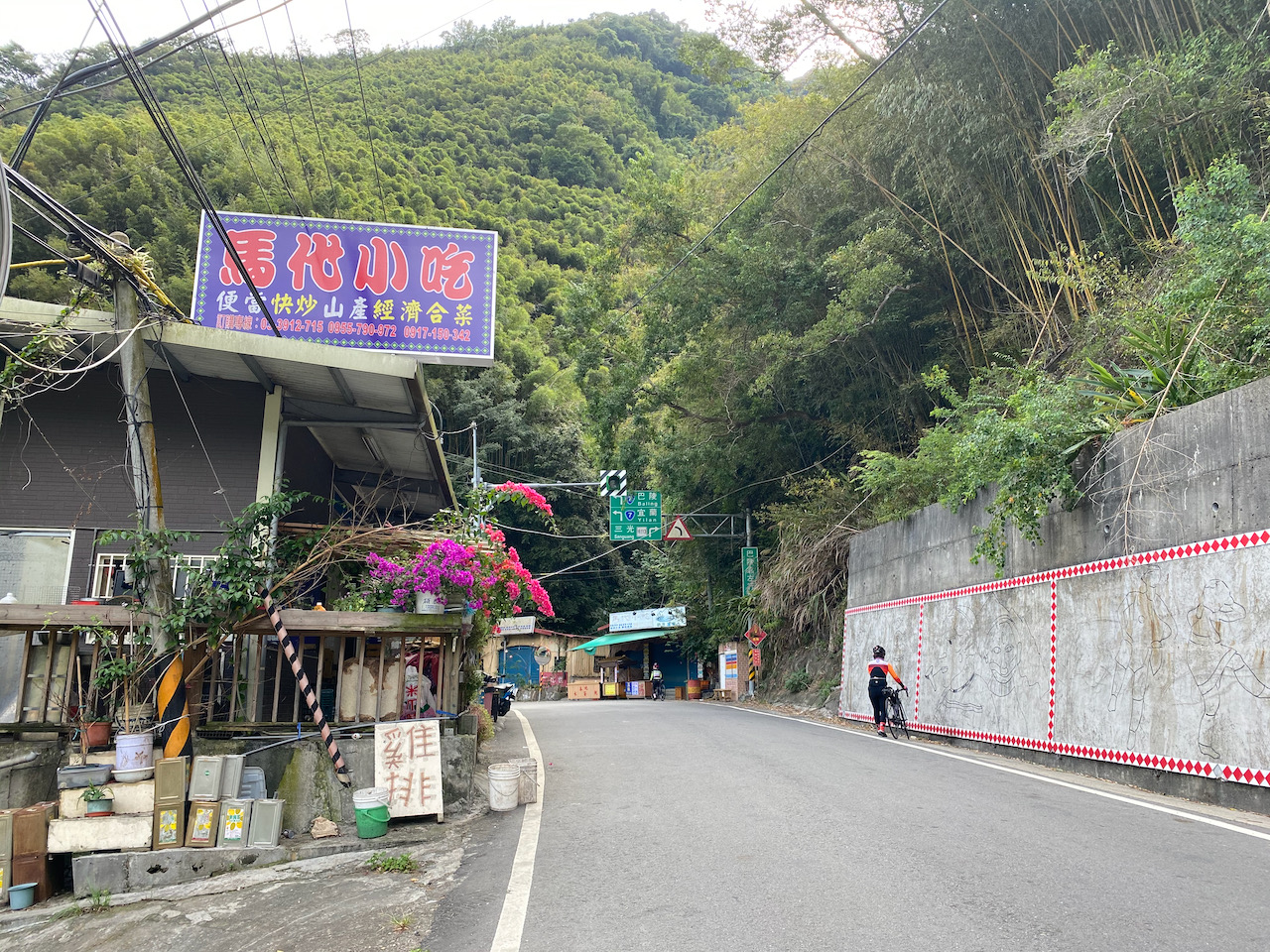
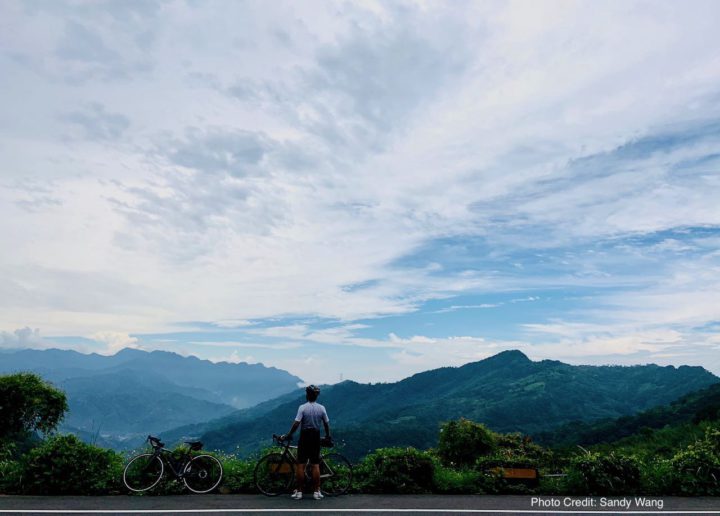
The 68 km cycling route around Taipei offers an ideal option for long-distance training within the city limits. A significant portion of the route, 52 km to be precise, follows the Riverside Bikeways, ensuring a stress-free and disruption free cycling experience, thanks to its motor-vehicle-free and traffic-light-free environment. On the east side of Taipei, cyclists have two options to complete the loop, each involving a climb over a 200-meter hill, adding a touch of intensity variety to the route.
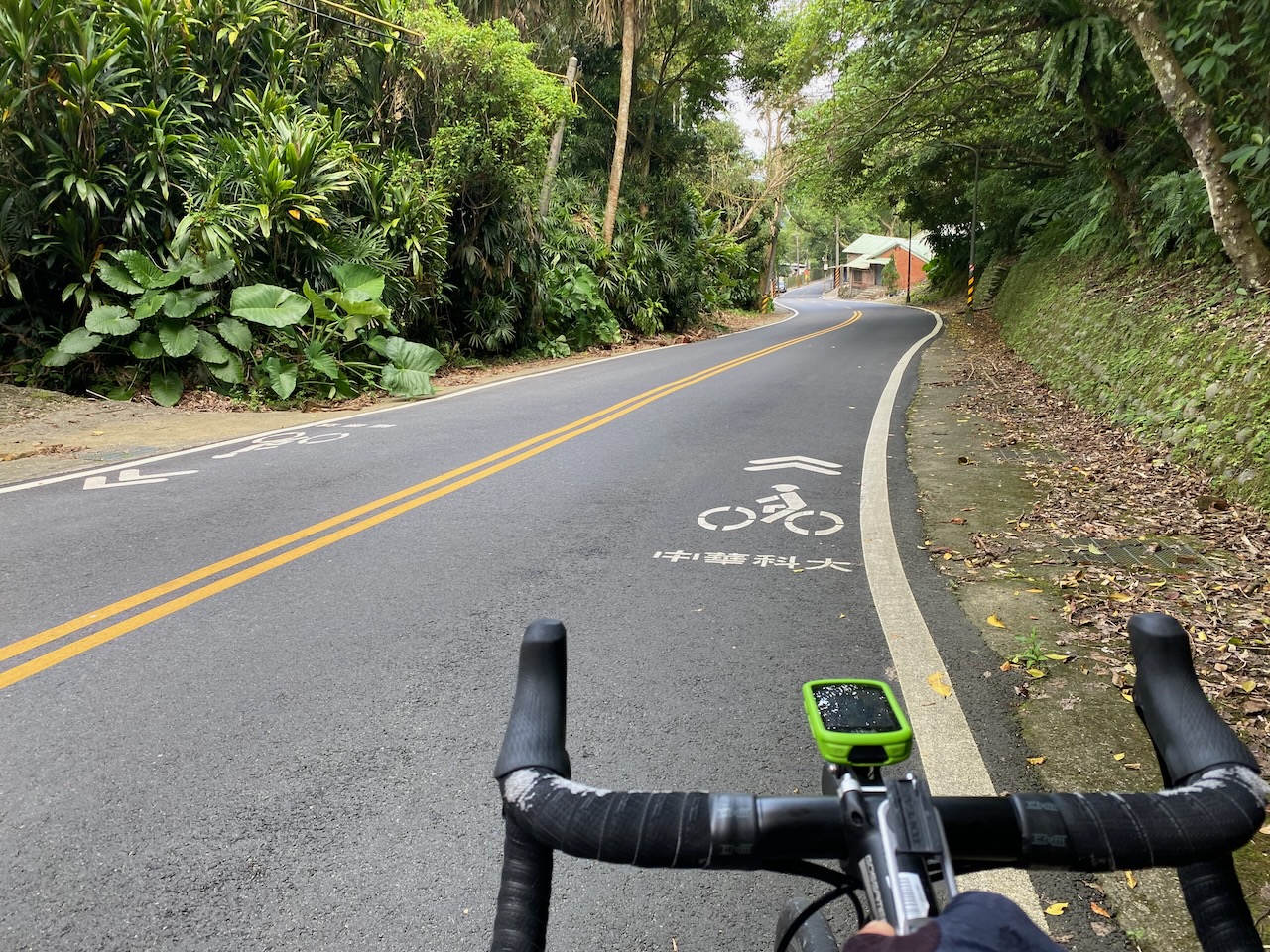
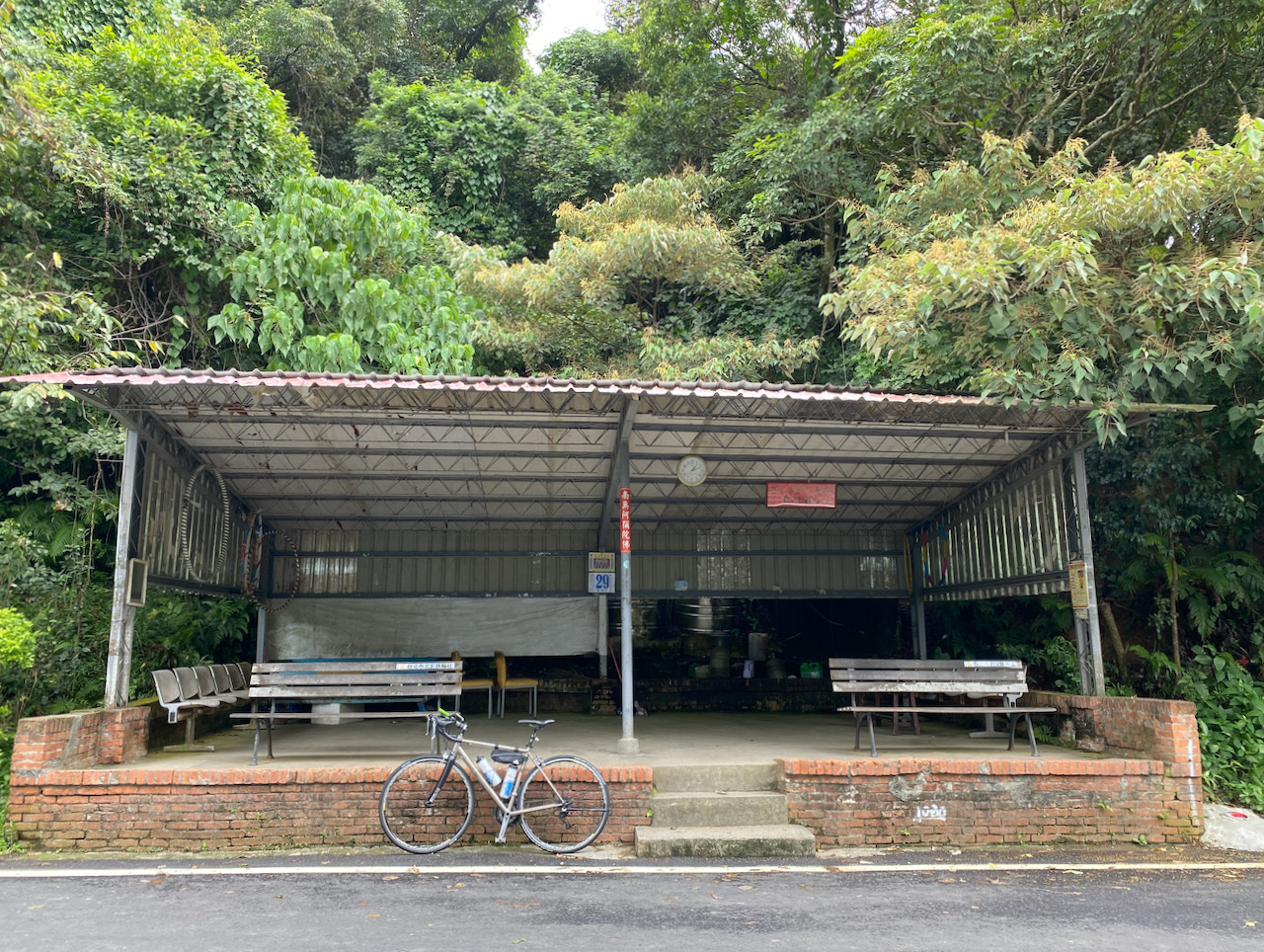
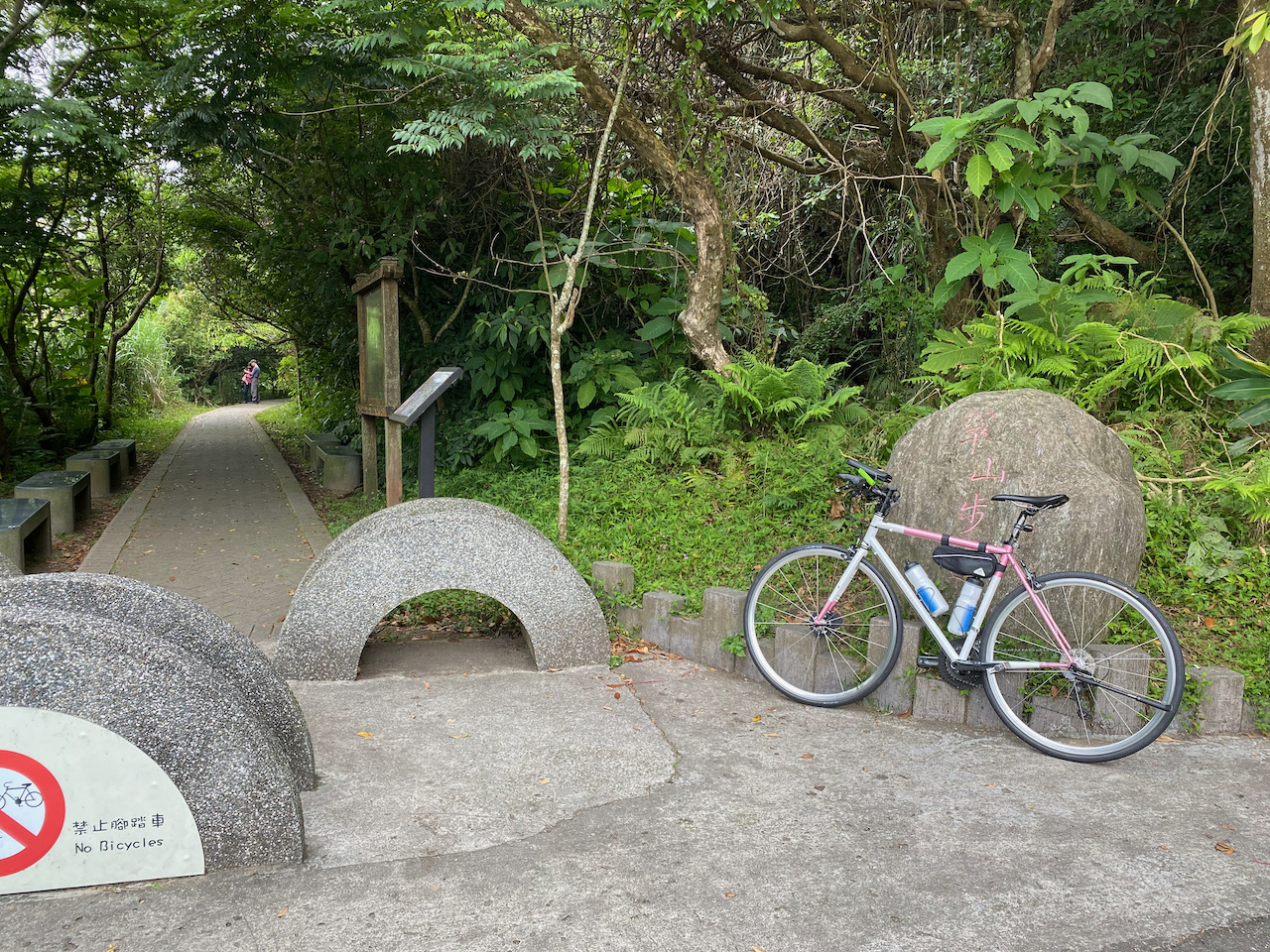
The first option involves ascending through Fudekeng, a tranquil graveyard with minimal traffic. Upon reaching the summit, enjoy a thrilling descent on Section 4 of Yanjiuyuan Road, leading you to Nangang District. Exercise caution and control your speed, especially considering the potential for sharp turns at the bottom of long slopes.
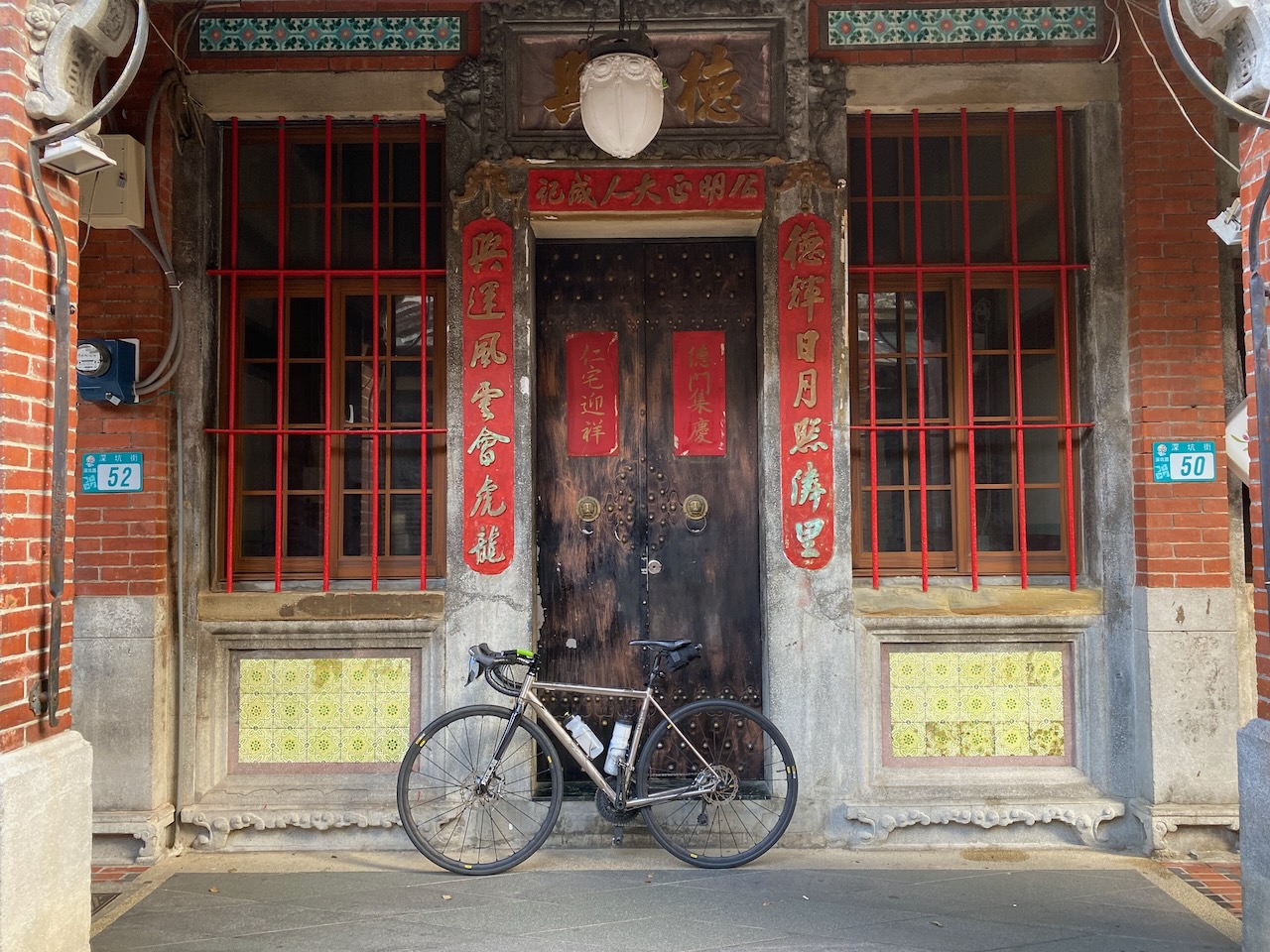
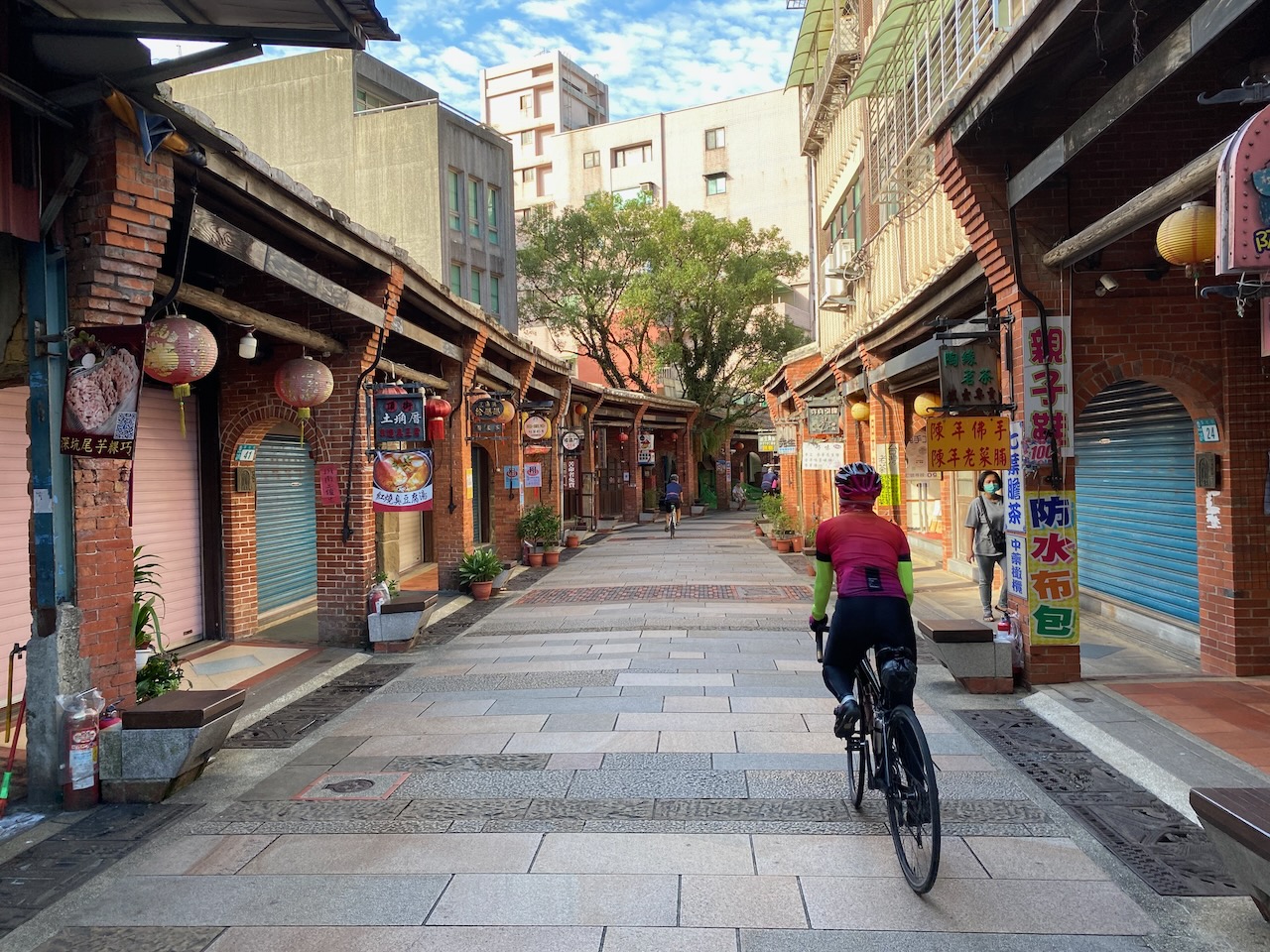
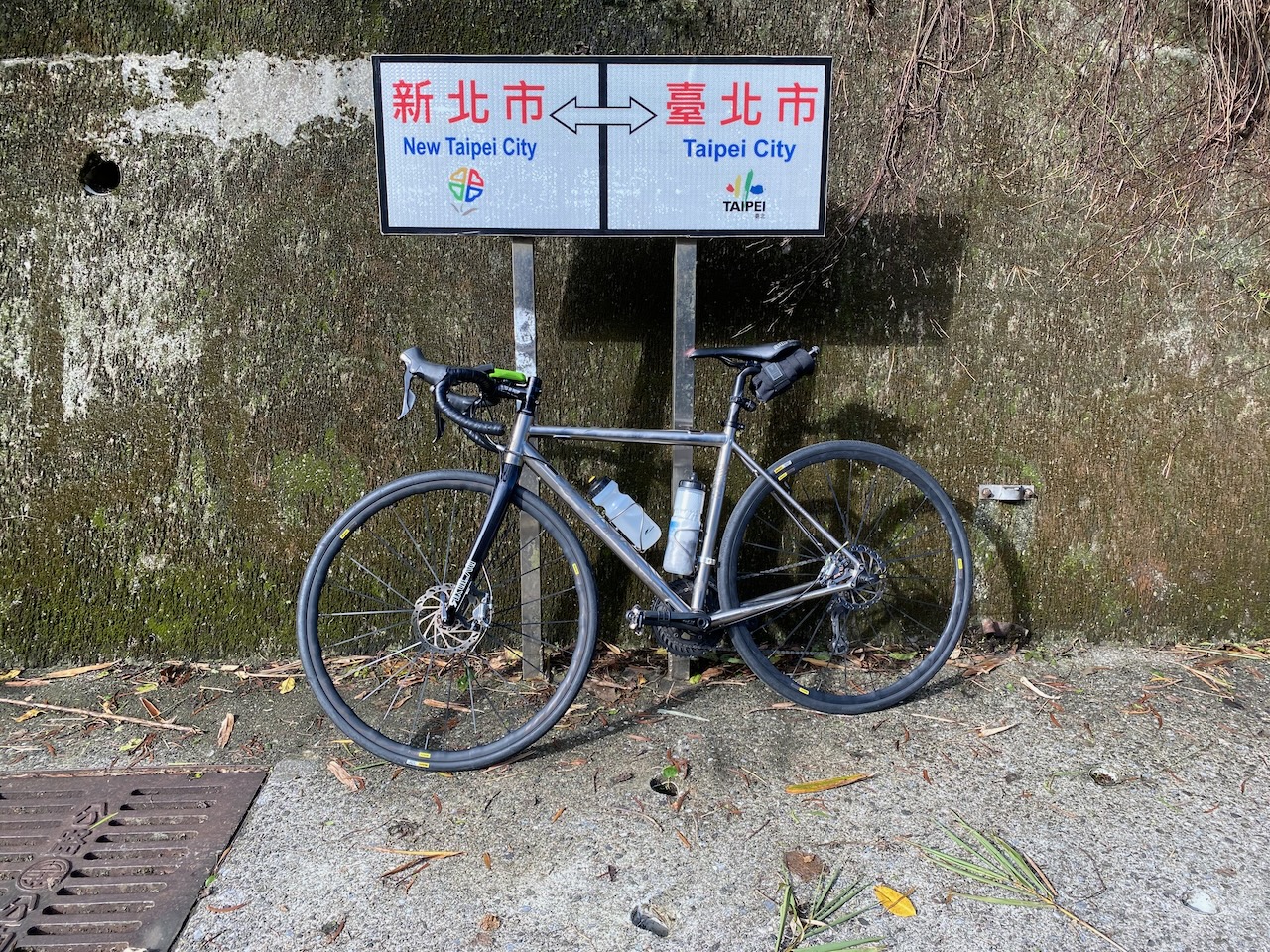
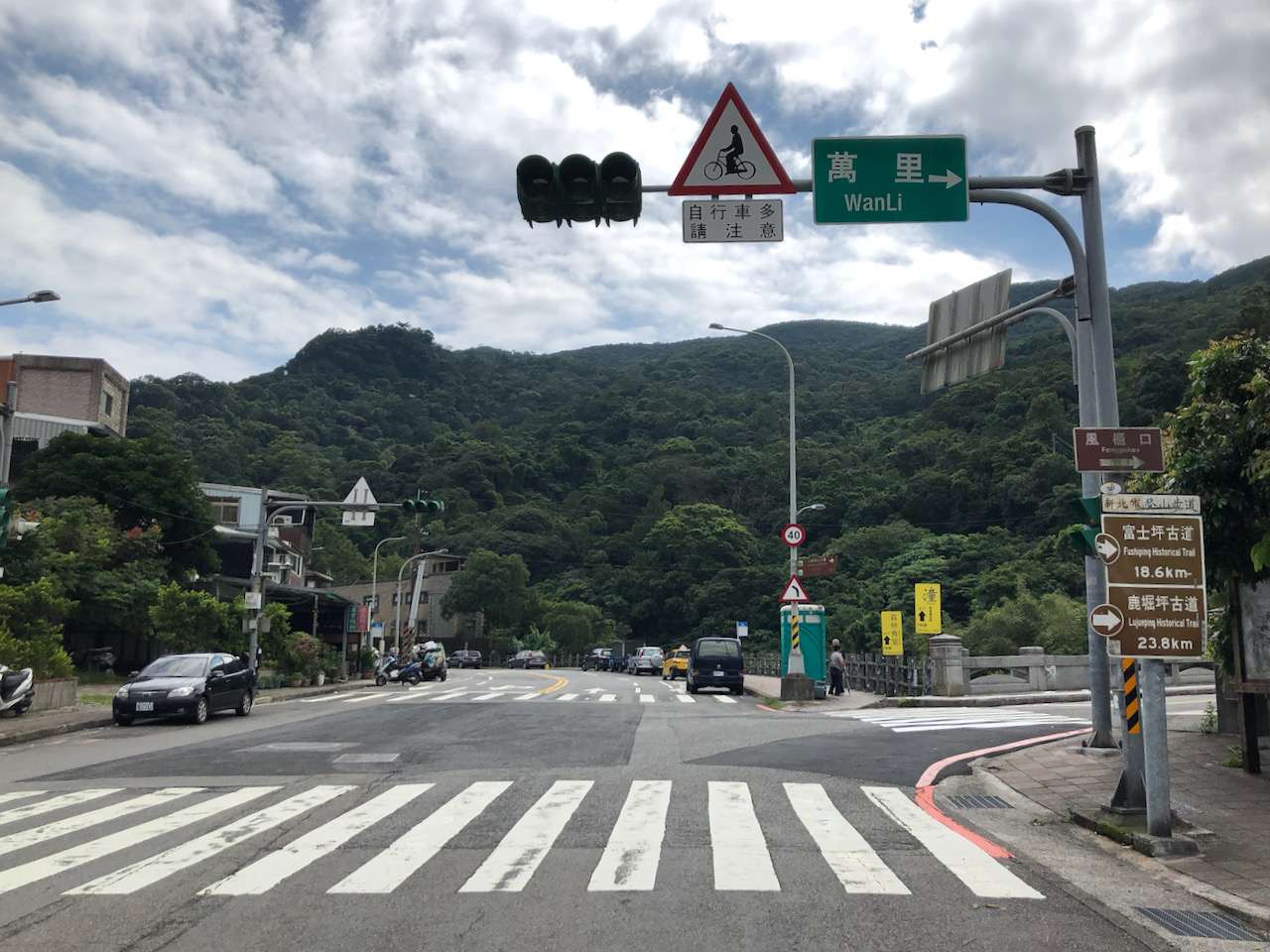
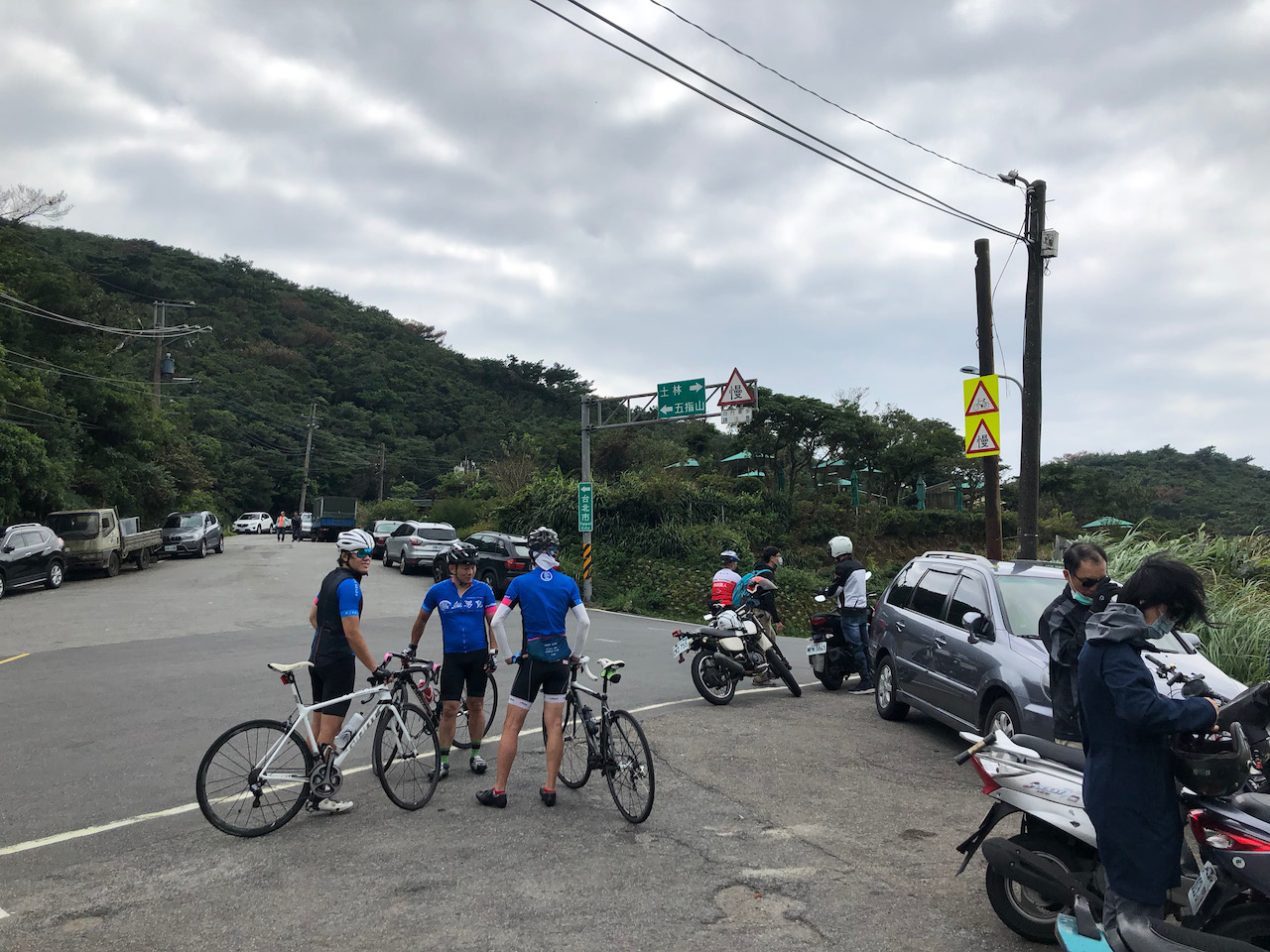
The second option involves taking County Highway 106 into Shenken District of New Taipei City. Here, you’ll encounter an old street with stinky tofu and various restaurants offering lunch options. Following this, a climb over County Highway 109 is necessary to reach Nangang District and the Riverbank Bikeways. This route tends to have busier traffic, and the ascent and descent on County Highway 109 is steeper. However, it provides the flexibility to extend your ride further, perhaps to Shiding District or beyond, if the initial 68 km doesn’t satisfy our cycling appetite.
This route could be completed within 3-4 hours, or you can choose to pause at the following points of interest for sightseeing to better explore Taipei. While I’ve selected Songshan Station as the default starting point, feel free to begin your ride anywhere. This post, Navigate Riverside Bikeways in Taipei and New Taipei, provide a list of access points to get into the Riverside Bikeways.
Keelung River
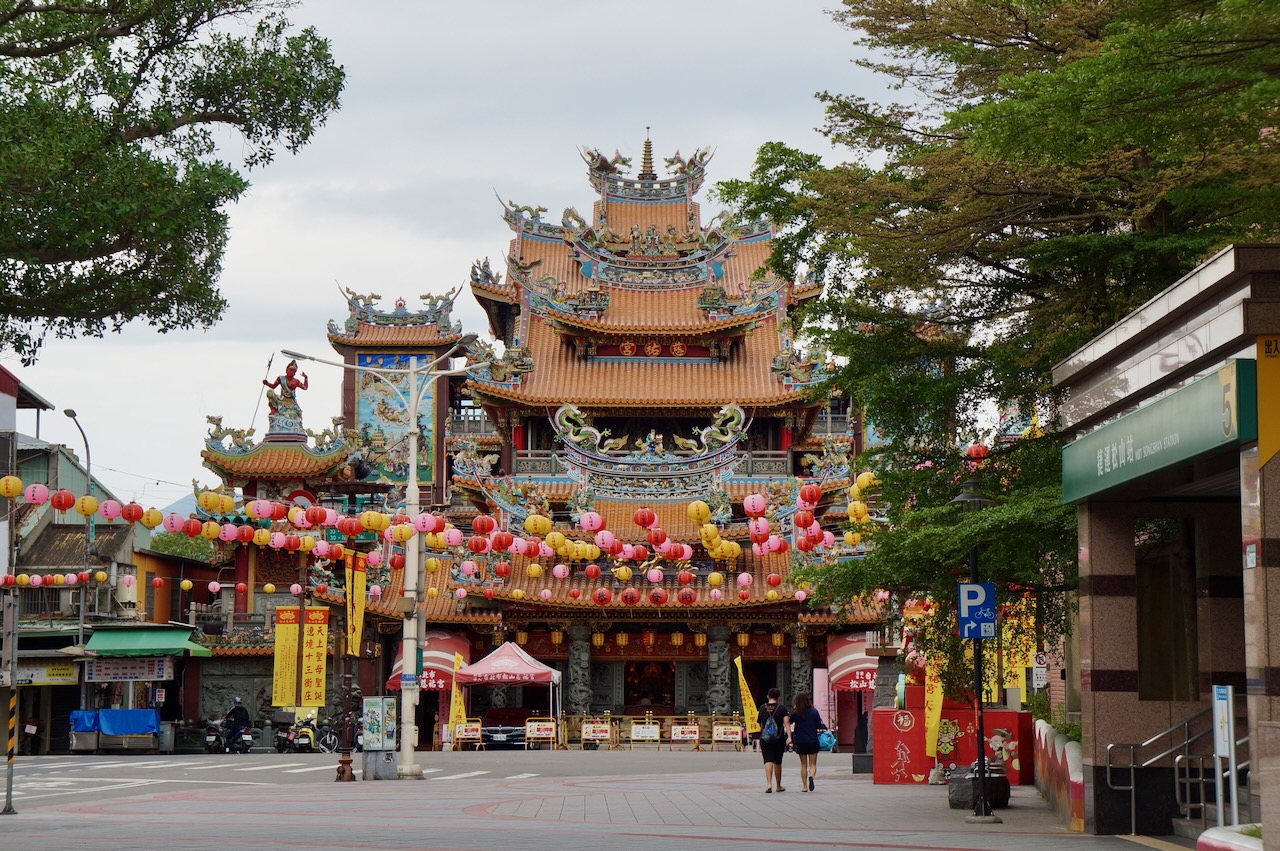
Starting from Songshan Station, the official starting point of Cycle Route No. 1, your journey kicks off with the picturesque Songshan Ciyou Temple greeting you at the entrance of Raohe Night Market before entering the Riverbank Bikeway. Cycling anti-clockwise, you’ll pass under several notable bridges, including the yellow and blue ones both named after the late US General, MacArthur.
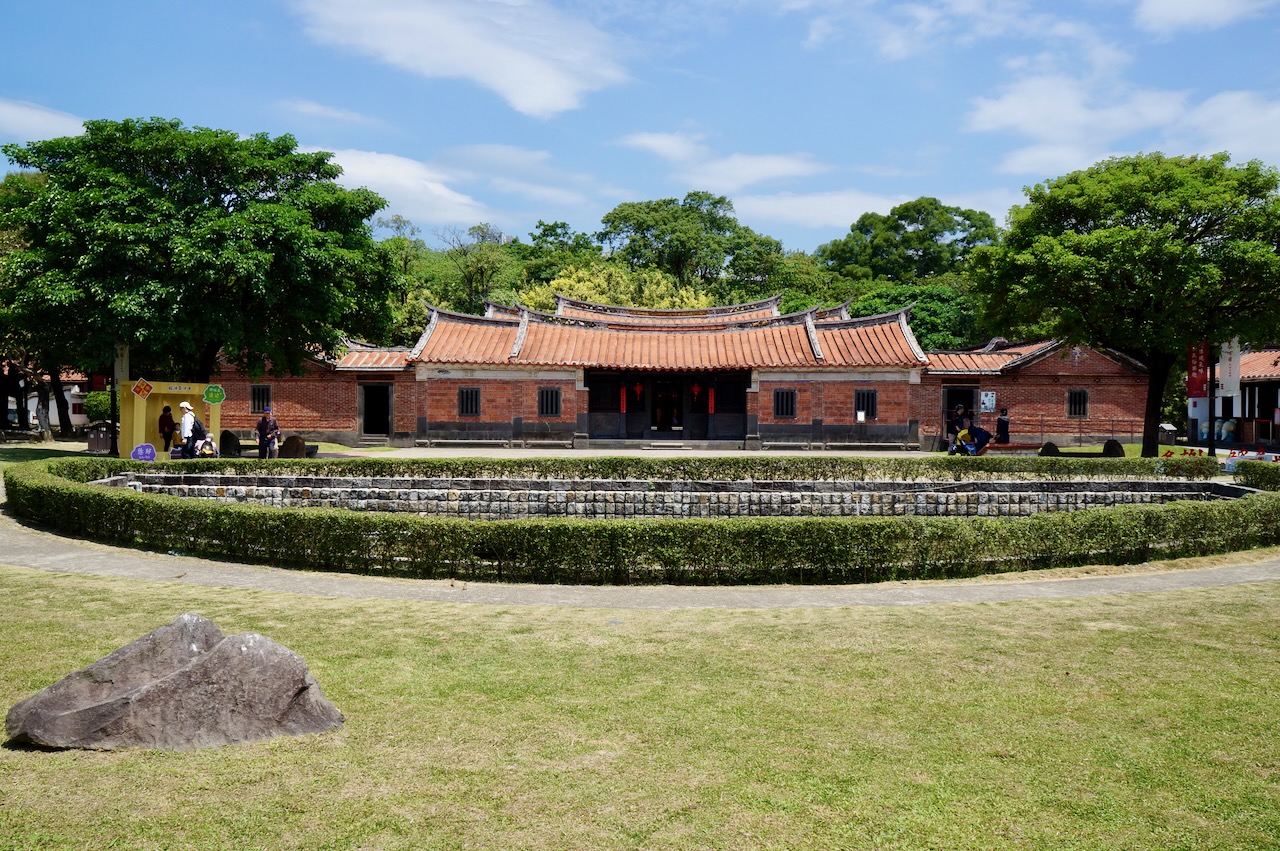
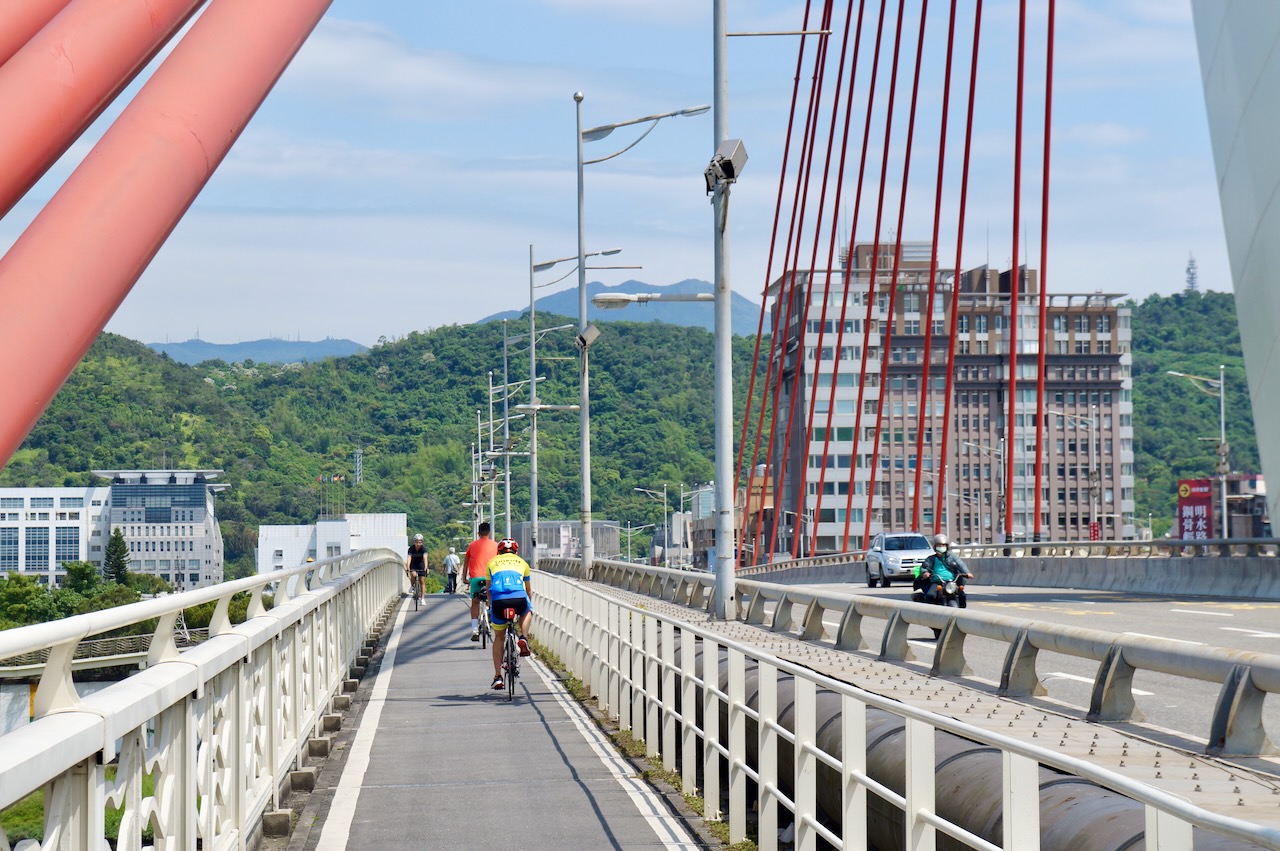
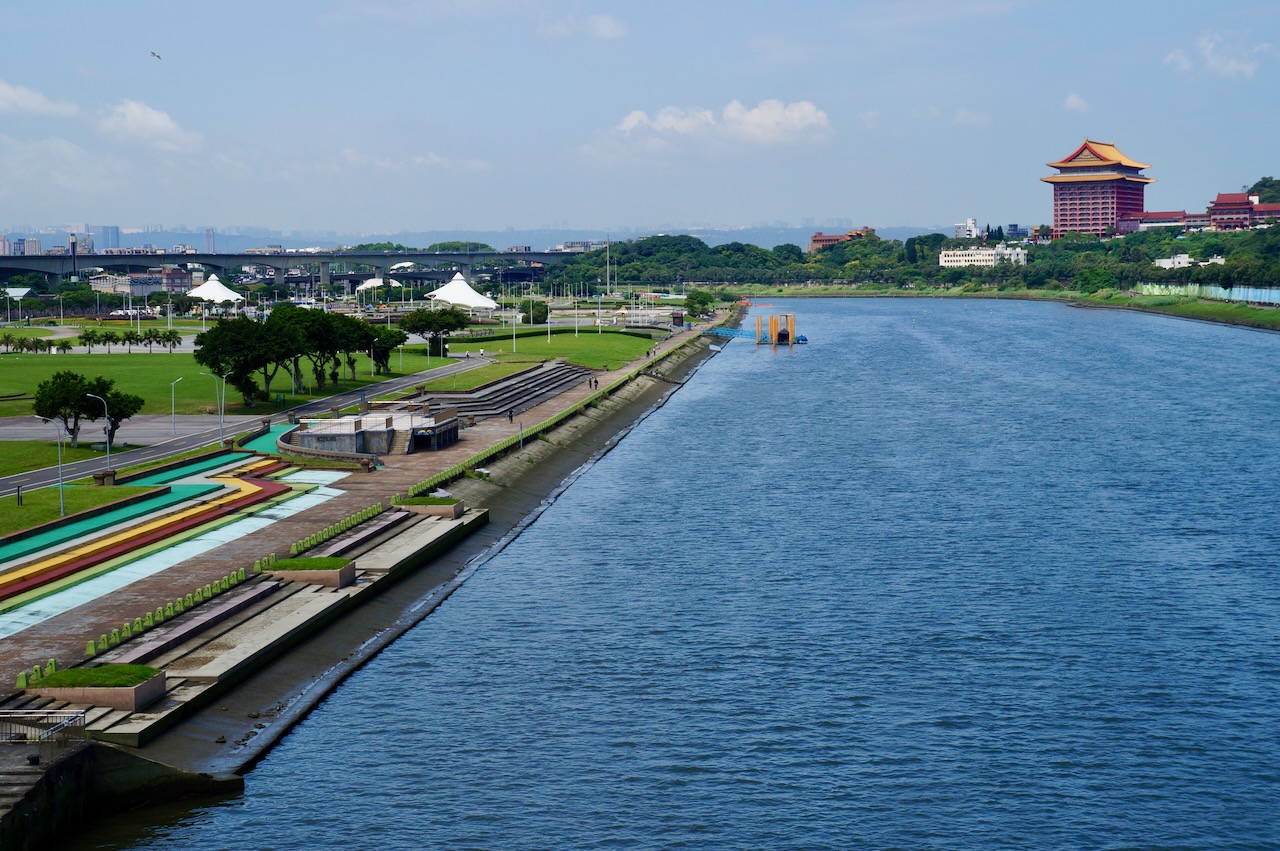
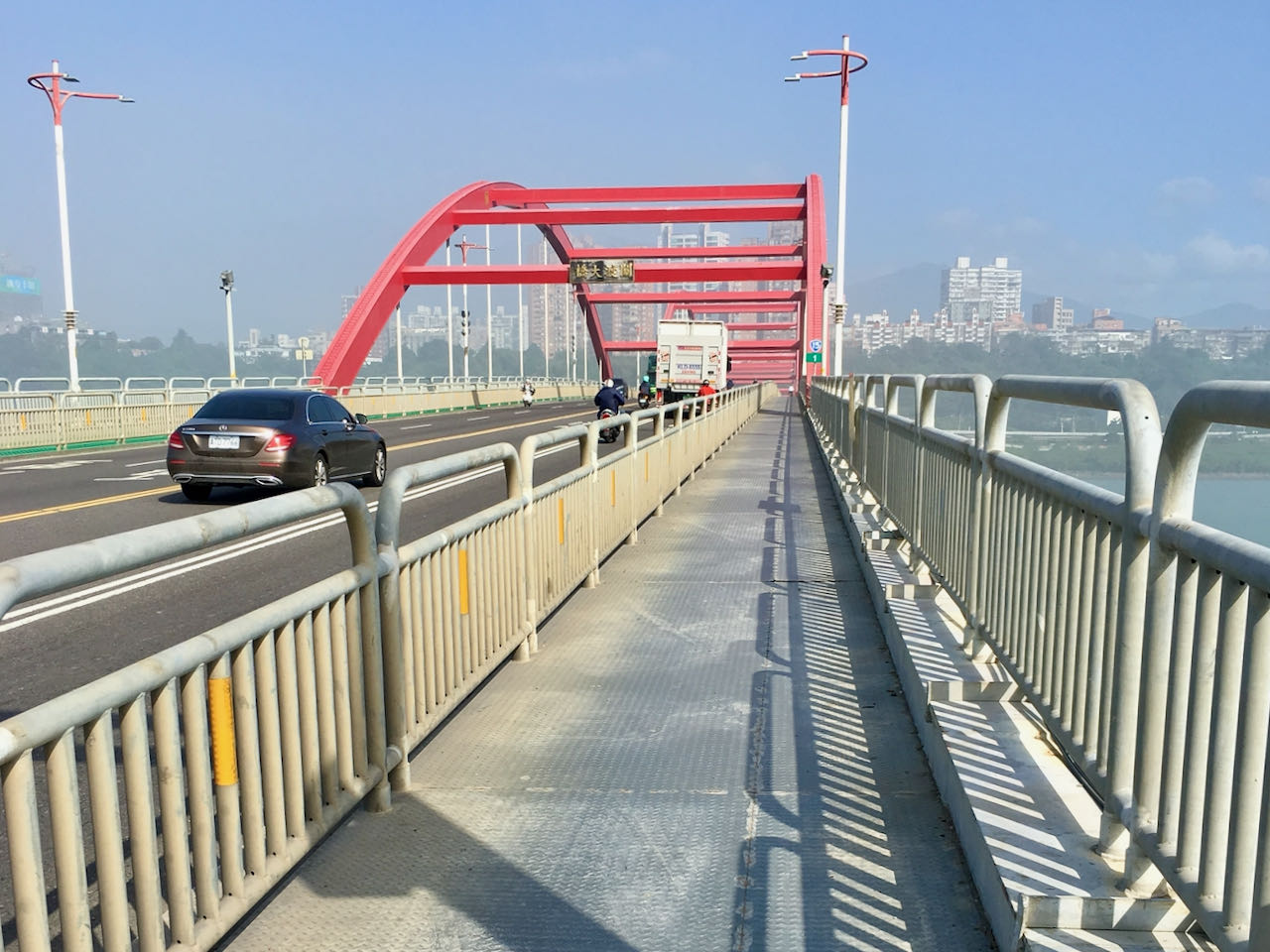
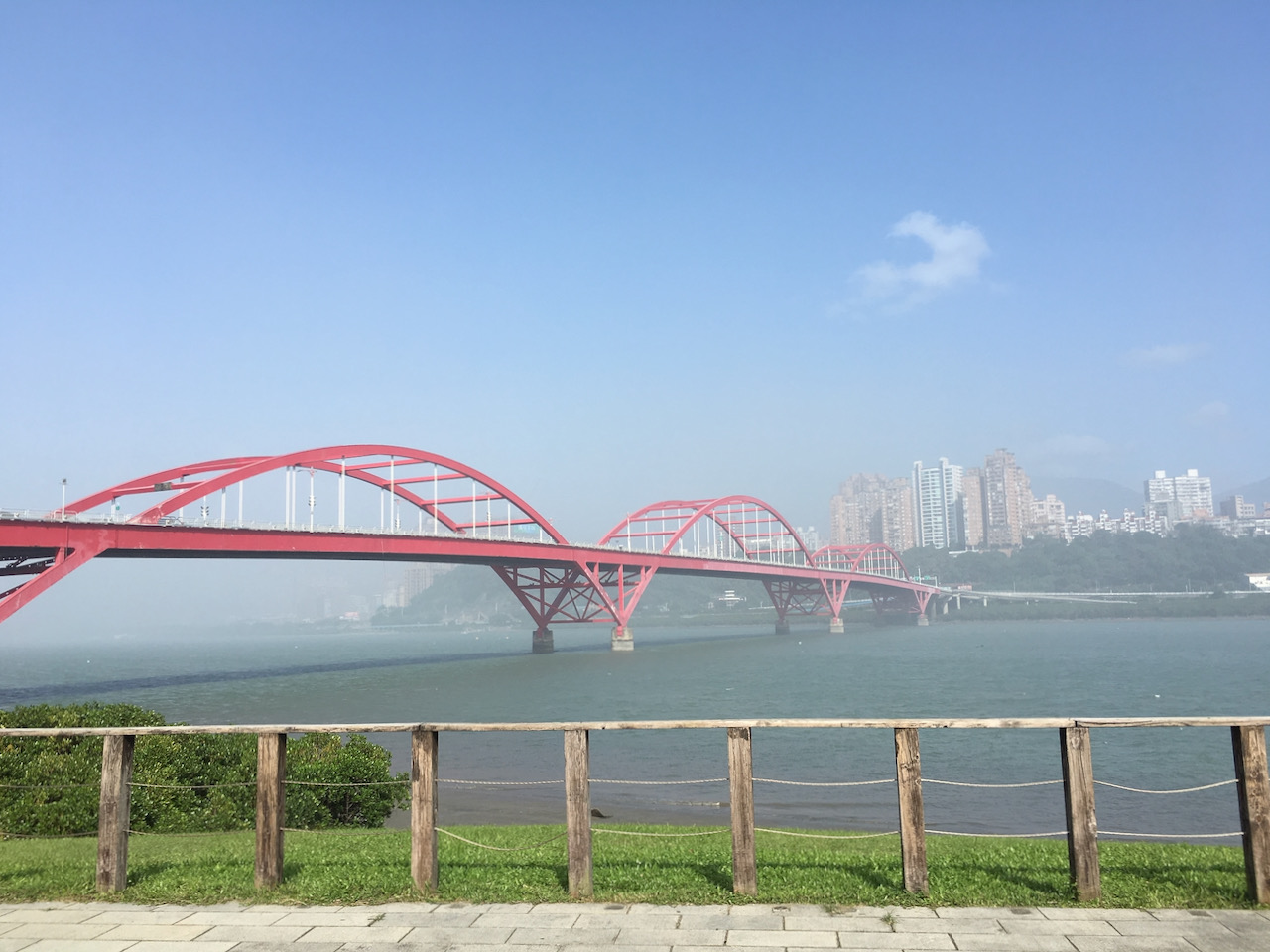
Notably, the red cable-stayed Dazhi Bridge, featuring a curved tower and a dedicated bike path, offers a fantastic vantage point to admire the bikeways with the Grand Hotel as a backdrop. Continuing westward, the Lin An Tai Historical House and Museum await just outside the Lin An Tai Evacuation Gate, providing a free glimpse into the lifestyle of a prestigious traditional Chinese household in a great house.
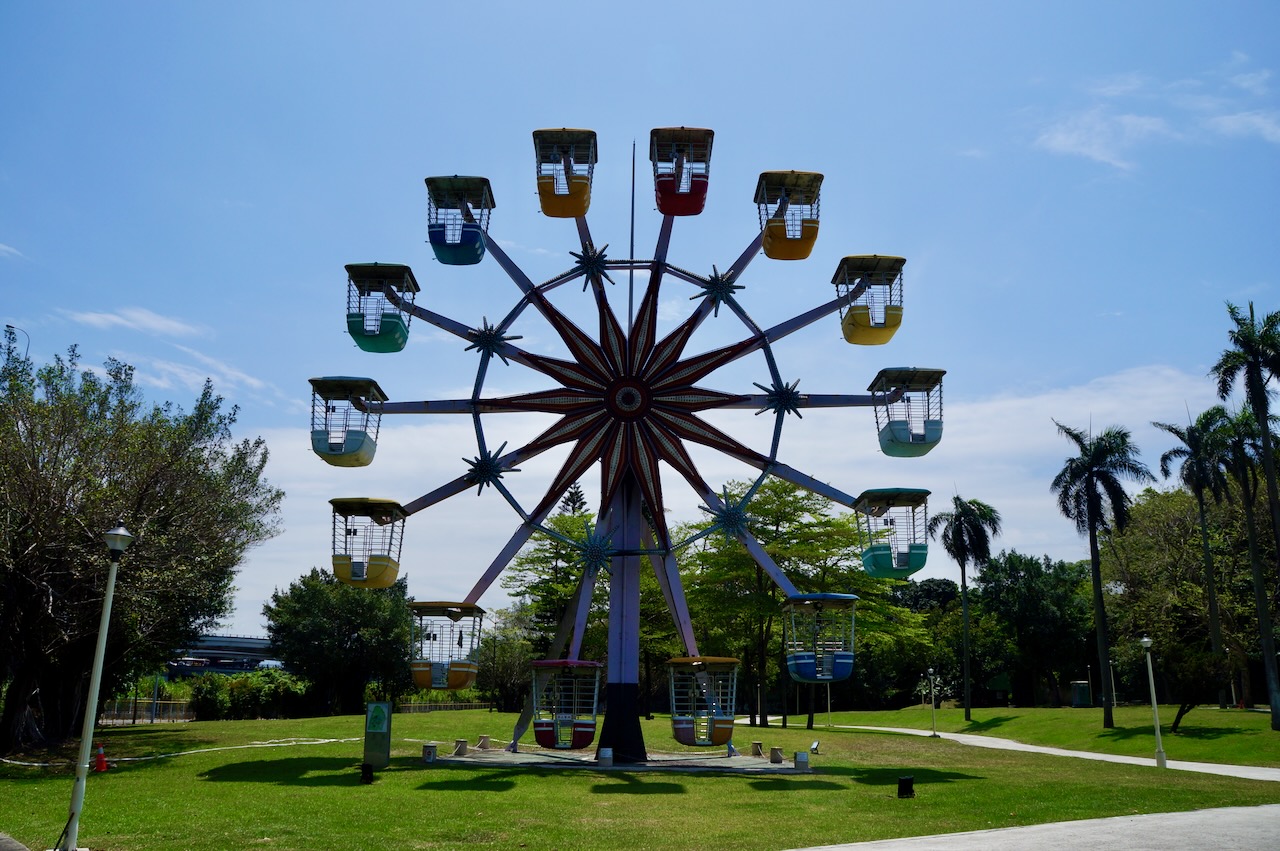
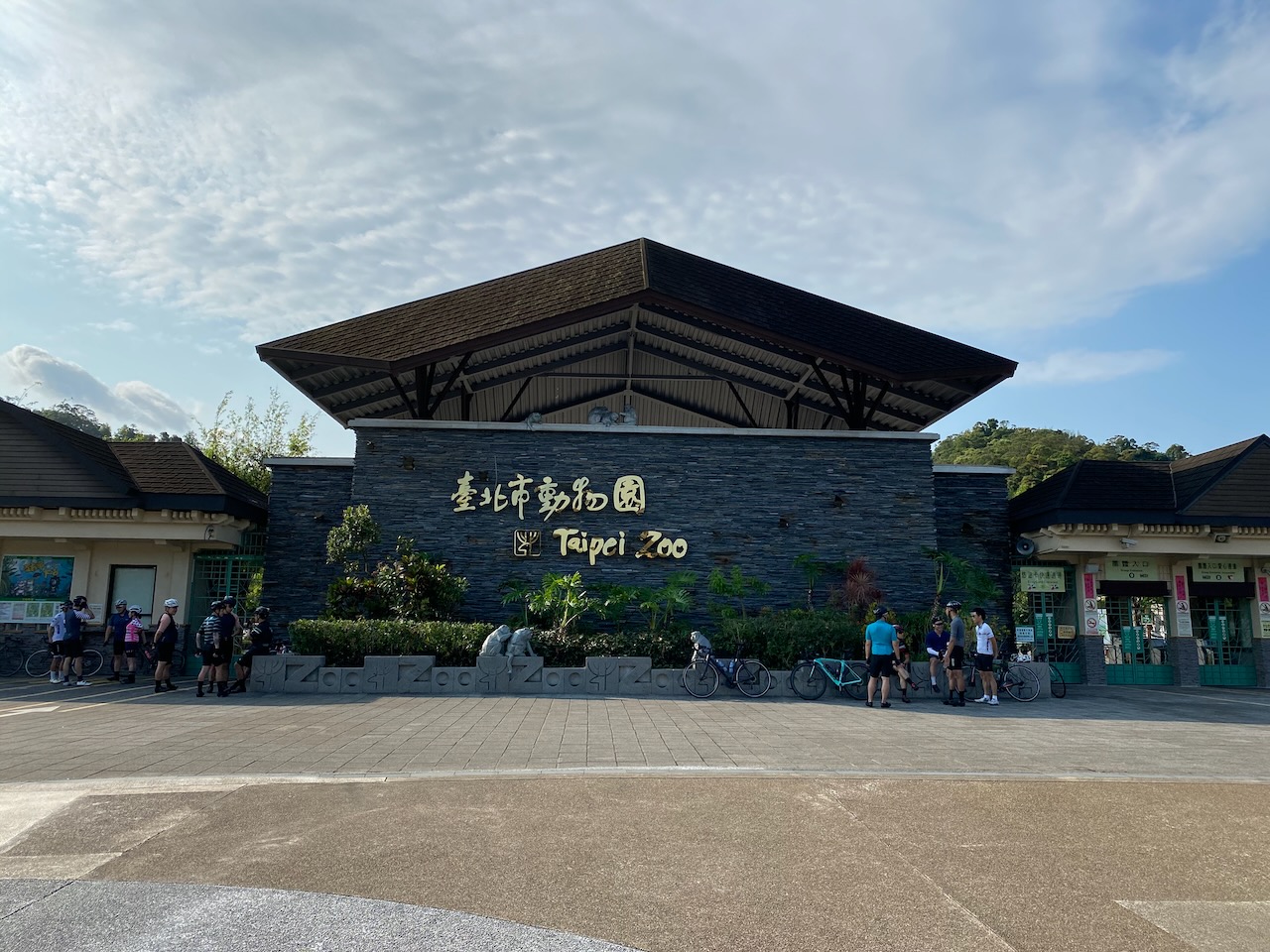
As you proceed on the bikeway, encounter the charm of the Old Children’s Amusement Park, featuring an old merry-go-round and a small ferris wheel on a lush lawn. Dating back to 1934 during the Japanese rule, this area, left to be consumed by vegetation after the opening of a new park in 2014, was lovingly restored and opened to the public in 2019. Not far from here is the old Taipei Zoo.
Tamsui River
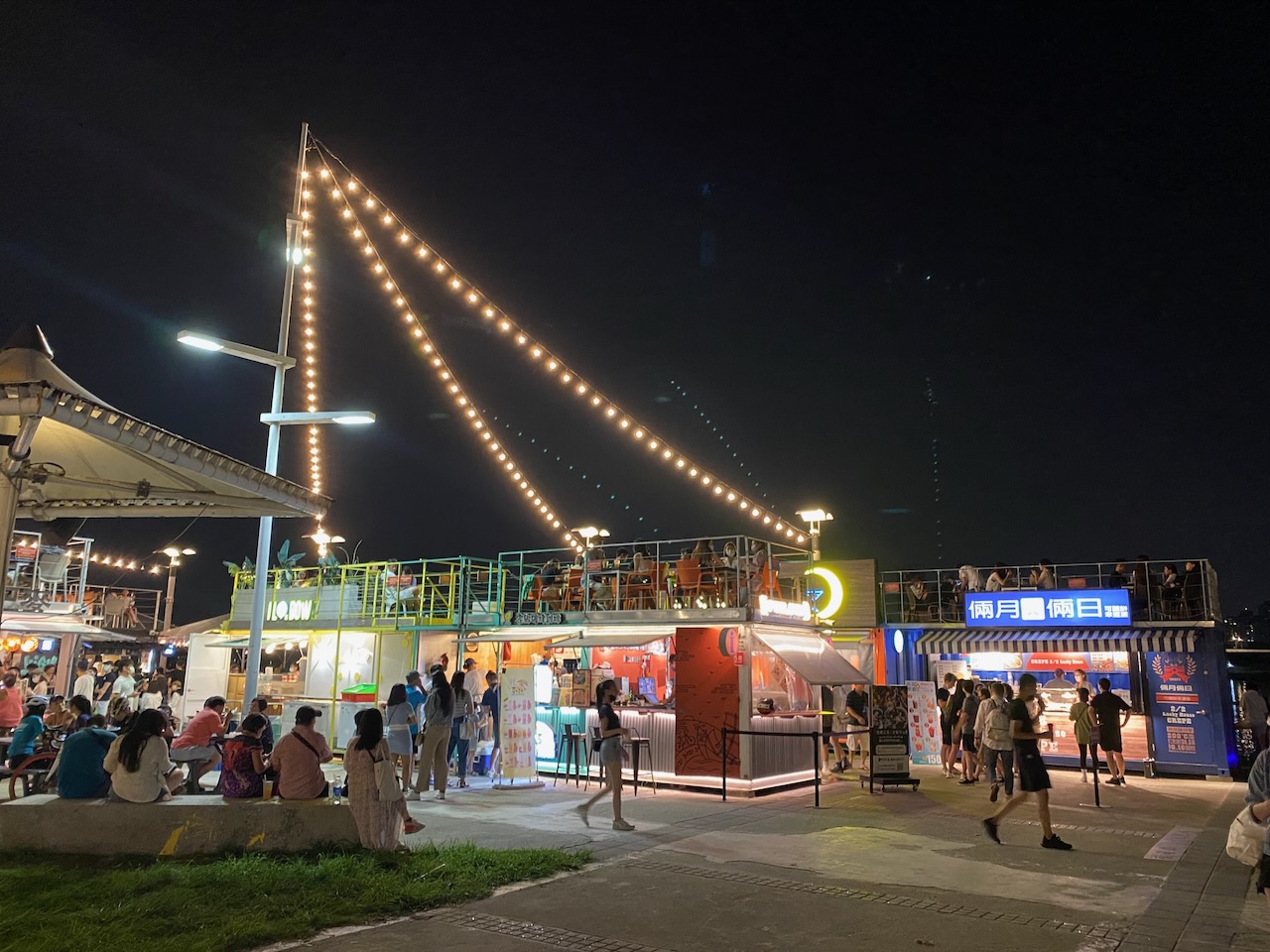
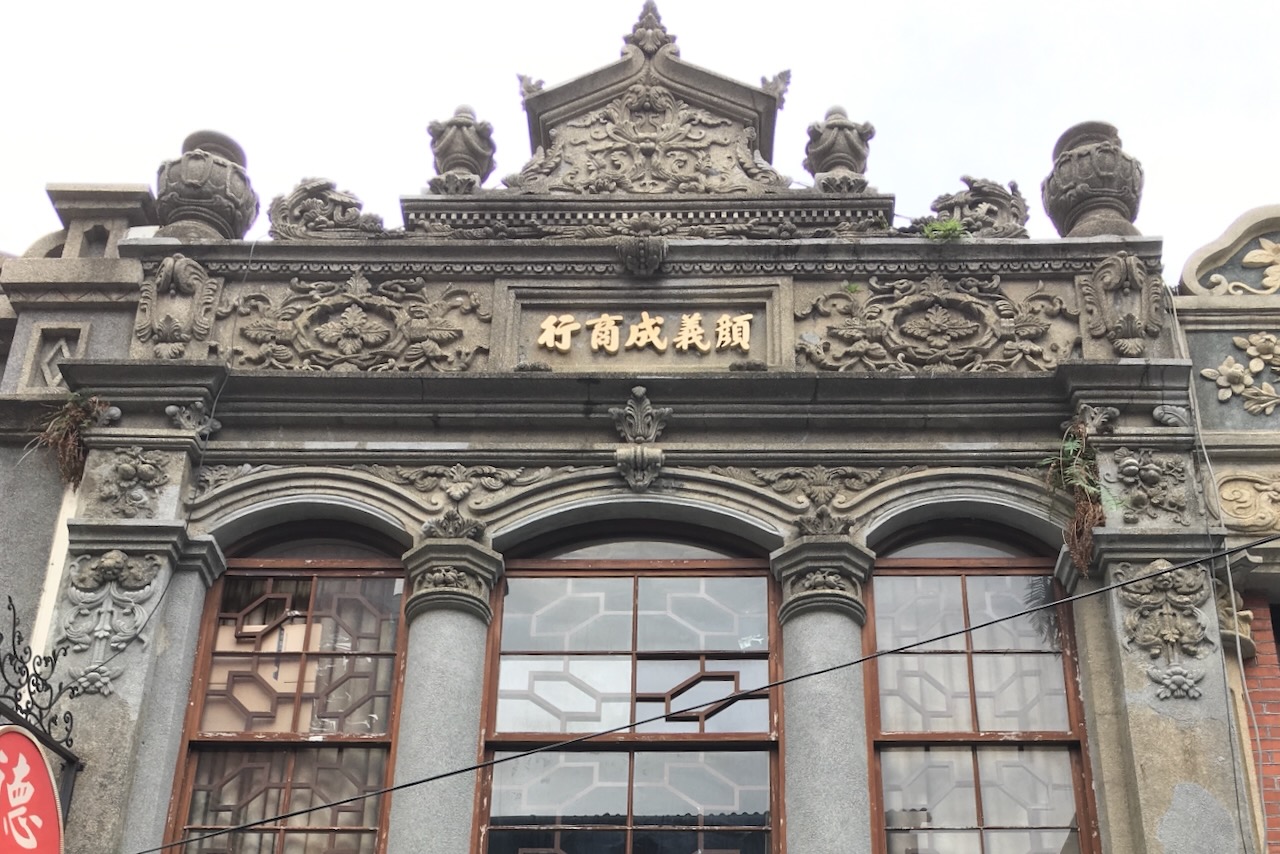
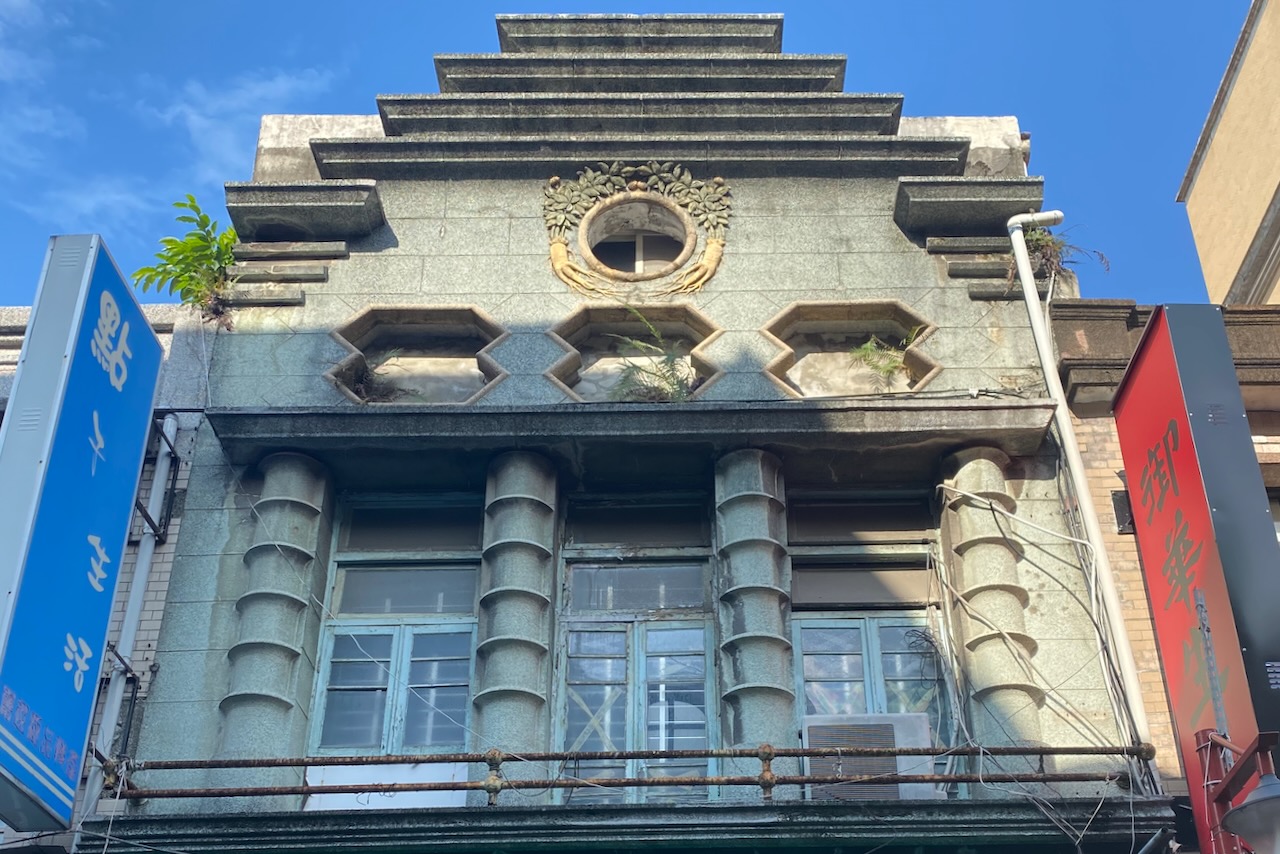
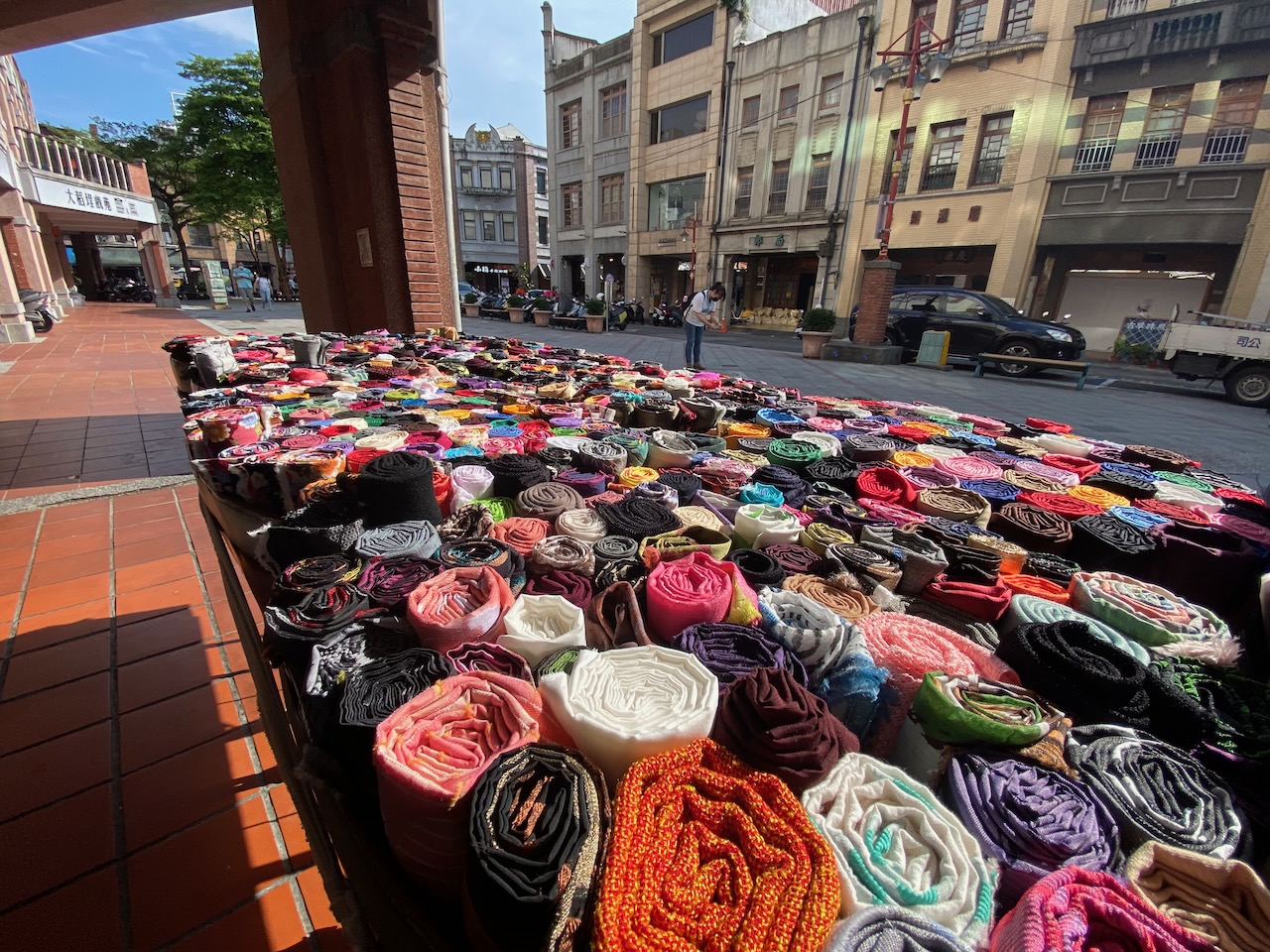
The bikeway then leads to Shezi Island, shaped like a duck head on the map. At the island’s tip, witness the majestic confluence of the Keelung River and the Tamsui River as they continue their journey into the Pacific Ocean. The area provides a sheltered space with a captivating view of the rivers, offering a perfect pot to unwind. Heading south along the Tamsui River and passing several evacuation gates, you’ll eventually reach the Dadaocheng Pier Plaza. In the evening, this plaza comes to life with containers transformed into cafes. During the Qing rule in the nineteenth century, this pier served as an important trading for local products including tea, rice and camphor. Close by is the renowned Dihua Street, where the business owners were historically situated.
Xindian River
Continuing our ride southward through expansive parks, the Machangting Memorial Park unfolds before us. Originally a training ground for horse riding during the Japanese ruled period. During the KMT White Terror period, the waterfront area – the memorial park – was used as an execution ground.
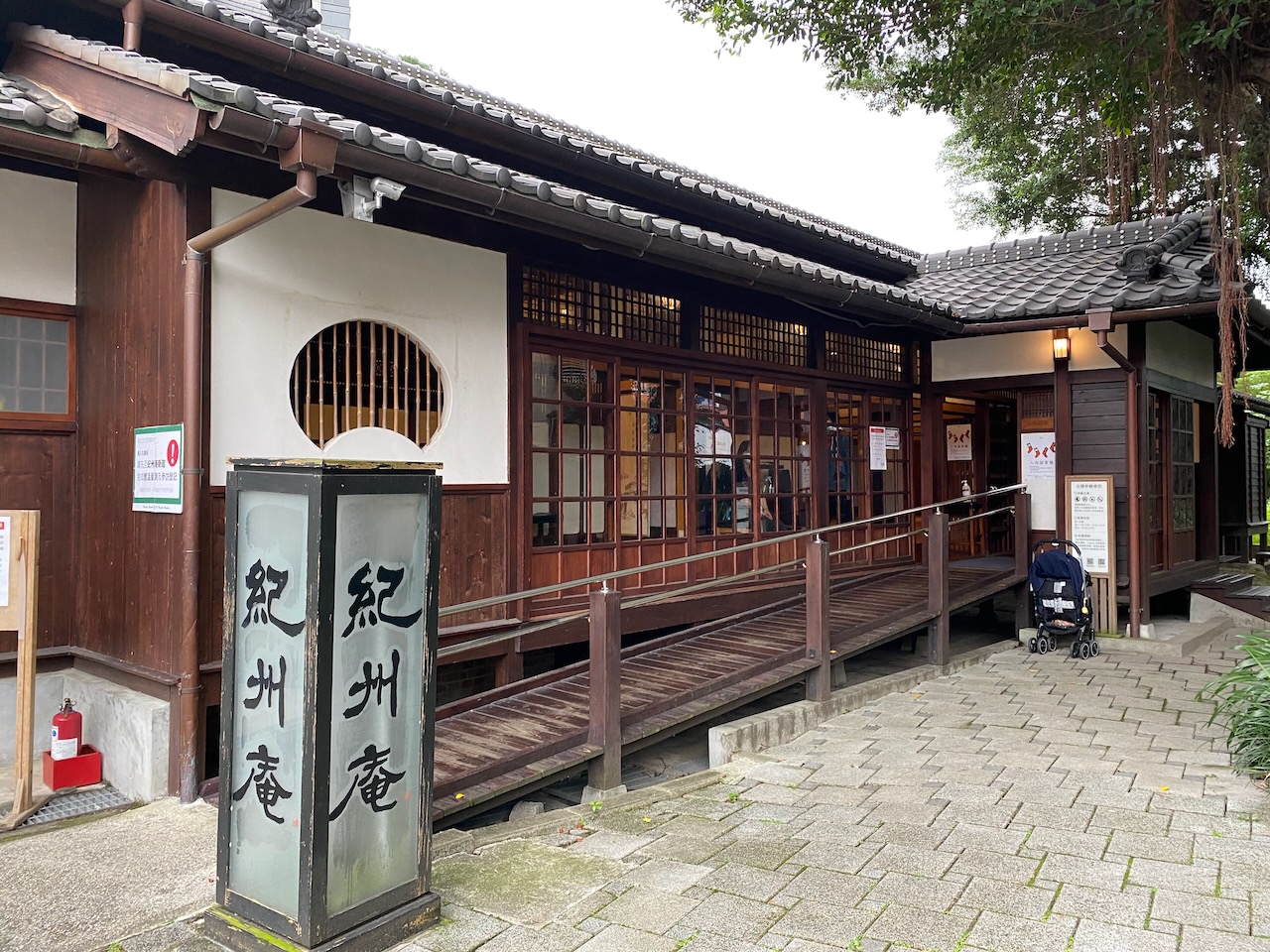
Continuing further, outside of the wall, you’ll encounter the Kishu An Forest of Literature. This park features a traditional Japanese wooden building, the remnants of a famous Japanese restaurant from the colonial era. Accessible from the Riverside Bikeway, a stairway with a ramp in the middle provides a means to climb over the wall with our bikes.
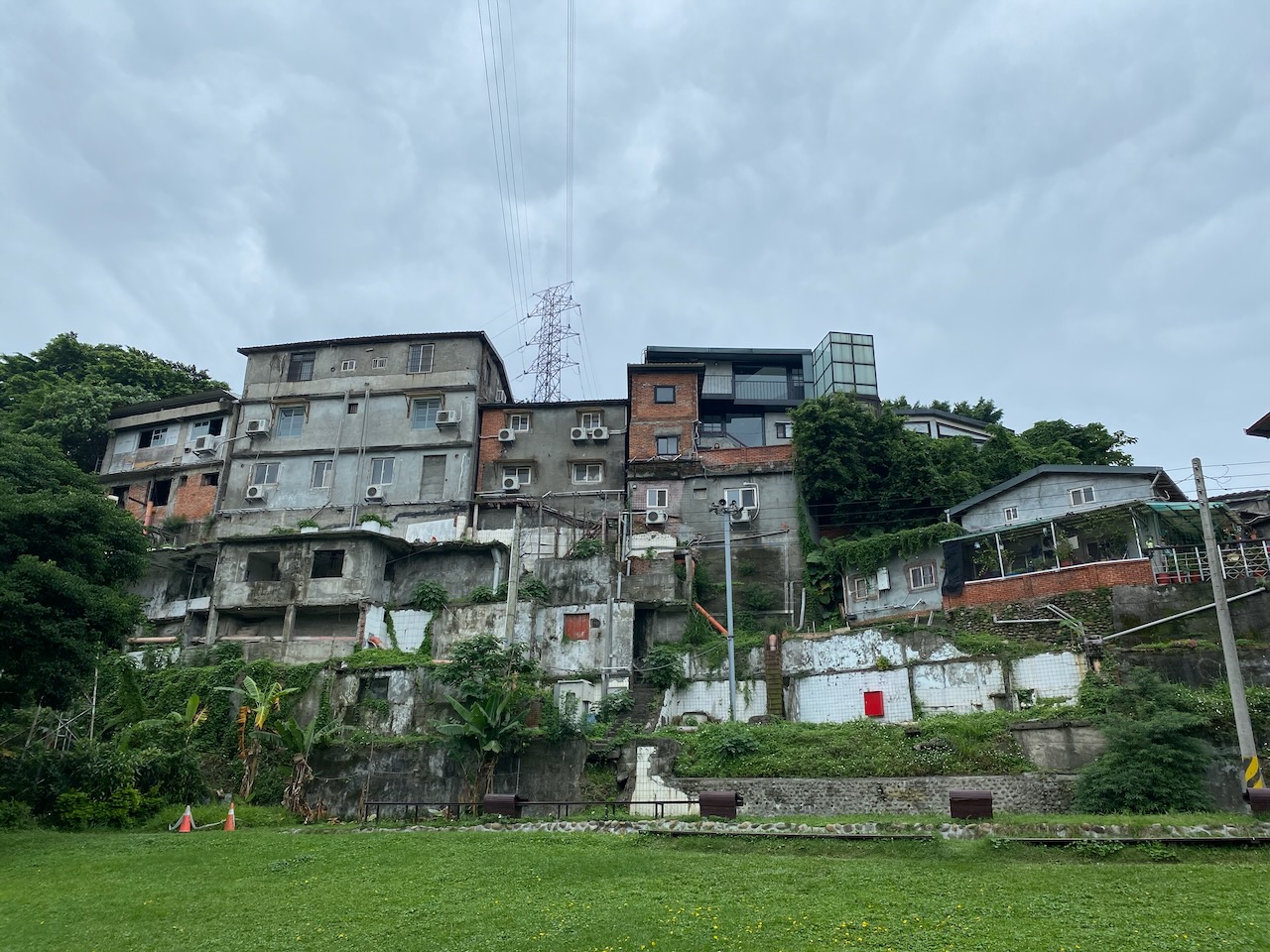
As we approach the Gongguan district, the Treasure Hill Artist Village emerges before we bid farewell to the Xindian River and transition to the smaller Jingmei River. Nestled on a small hill behind a lush lawn, this site, once a slum housing veterans and immigrants from mainland China after the KMT lost the civil war, has transformed into an art display venue and a haven for artists.
Heading upstream along the Jingmei River, we encounter the New Taipei Zoo, inaugurated in 1987, marking the conclusion of the bikeway before our ascent begins.
Conclusion
Cycling around Taipei provides not only an excellent training route but also a unique opportunity to explore the cultural heritage of the island, spanning the periods of Dutch and Spanish rule, Qing Rule, Japanese Rule, and the Republic of China Rule. Taipei stands as a city that cherishes and preserves its rich history. And hat off to those dedicated to safeguarding the island’s cultural legacy.
A Brief History Reference:
Dutch and Spanish 1624 – 1662
Kingdom of Tungning 1662 – 1683
Qing Rule 1683 – 1895
Japanese Rule 1895 – 1945
Republic of China Rule 1945 – Present
White Terror 1947 – 1987
For a glimpse into Dutch and Spanish rule, a visit to Tamusi, easily accessible via Riverside Bikeways, allows exploration of Fort San Domingo. While the Kingdom of Tungning left its mark on the southern part of the island, Taipei doesn’t carry significant legacy from this period.
NOTE: To use the routes, please install the App on your smartphone. The App will launch and load the route automatically after you tap the above links on your smartphone’s browser. For Garmin Connect, you can then use the APP to send the route to your garmin device. If your Garmin device is not purchased in Taiwan, you will also need make sure you have the Taiwan map on your device. Here is our blog post on this topic.
Yangmingshan National Park is one of Taiwan’s nine national parks, renowned for its volcanic terrain, breathtaking peaks, and tranquil lakes. The park offers a variety of hiking trails that allow visitors to explore and savour panoramic vistas, including the renowned Seven Star Mountain and the picturesque beauty of Xiaoyoukeng. Due to its elevation of over 800 metres, well-maintained roads, and convenient accessibility from Taipei, it has become a favoured destination for cycling enthusiasts.
The nearest starting points to climb the mountain from Taipei are accessible via the Riverside Bikeways, which are Yangde Boulevard (Provincial Highway 2A or 2甲) and Zhishan Road, followed by Pingjing Street. Yangde Boulevard is a less steep and more easily navigable option, but it often experiences heavier traffic. To avoid inhaling exhaust fumes while pushing my lungs to their limits, I generally prefer not to choose this route for climbing, unless it’s early in the morning. Descending on Yangde Boulevard, however, is less physically demanding and can be completed relatively quickly. On the other hand, despite its steeper incline, I personally enjoy taking the Zhishan Road and Pingjing Street route the most, as encounters with cars are infrequent.
Balaka Highway
If steepness is not your preference, County Highway 101 followed by County Highway 101A or 101甲 provides a more gentle approach. However, you need to get to Hongshulin to begin the climb. If you prefer not to ride there, you may take an MRT (Mass Rapid Transit) instead. The other two starting points, Jinshan District and Sanzhi District, are quite remote from the city centre.
Here, I have plotted different routes with varying lengths and difficulties for you to choose from.
It’s a 17 km climb that takes you to Lengshuikeng Visitor Centre at 746 m where you can see the vegetation changes. Then the final kilometres on the Zhonghu Road of Armaments (中湖戰備道路) offer a captivating panoramic view with stunning vistas of the surrounding mountains. Upon reaching Xiaoyoukeng Visitor Center, you can take a short walk on a pleasant hiking trail to explore a volcanic steam vent area (fumaroles), provided you are comfortable leaving your bike unattended for an hour. If you have more time, you can take a detour to the Bamboo Lake where you can find many restaurants and flower farms. For the descent, you can take Yangde Boulevard to return to Taipei city. There is a smooth transition to get to the Riverside Bikeways that connect to the other area of the city.
This is a flexible route. If you wish to shorten your ride before completing the climb, there are several shortcuts available that can take you directly to Yangde Boulevard.
NOTE: To use the routes, please install the App on your smartphone. The App will launch and load the route automatically after you tap the above links on your smartphone’s browser. For Garmin Connect, you can then use the APP to send the route to your garmin device. If your Garmin device is not purchased in Taiwan, you will also need make sure you have the Taiwan map on your device. Here is our blog post on this topic.
Route 2: Ascend Pingjing Street, Descend Balaka Highway (County Highway 101A or 101甲) 48 km 1267 m Total Ascent
The climbing is the same as Route 1. However when you reach Erziping Visitor Center, you have the option to continue climbing towards the Mount Datun Air Navigation Station. This segment spans 2.36km with a total ascent of 247 m, resulting in an average gradient of over 11%. I recommend attempting this climb only under favourable weather conditions.
Descending on Balaka Highway (101A or 101甲) is a fun and thrilling experience due to ideal level of steepness. It’s a quiet road, but please remember not to assume sole ownership of it as occasional cars may pass by. On County Highway 101, you’ll come across Wuji Tianyuan Temple, distinguished by its building that resembles an umbrella. The temple boasts a beautiful cherry blossom garden, which is worth visiting during the appropriate season, typically around March and April.
At the end of the descent, you will find yourself in Tamsui, an area with numerous tourist attractions. Among my favourites are the Hobe Fort and Fort San Domingo.
From there, you have the option to cycle back to Taipei using the Riverside Bikeways or simply take the MRT from Hongshulin Station.
As I mentioned earlier, Balaka Highway (101A or 101甲) is less steep to climb. Therefore, this route is equally enjoyable when done in reservse.
Route 3: Ascend Pingjing Street, Descend Yangjin Road (Provincial Highway 2A or 2甲), Ascend again to Fenguizui 74km 1597 m Total ascent
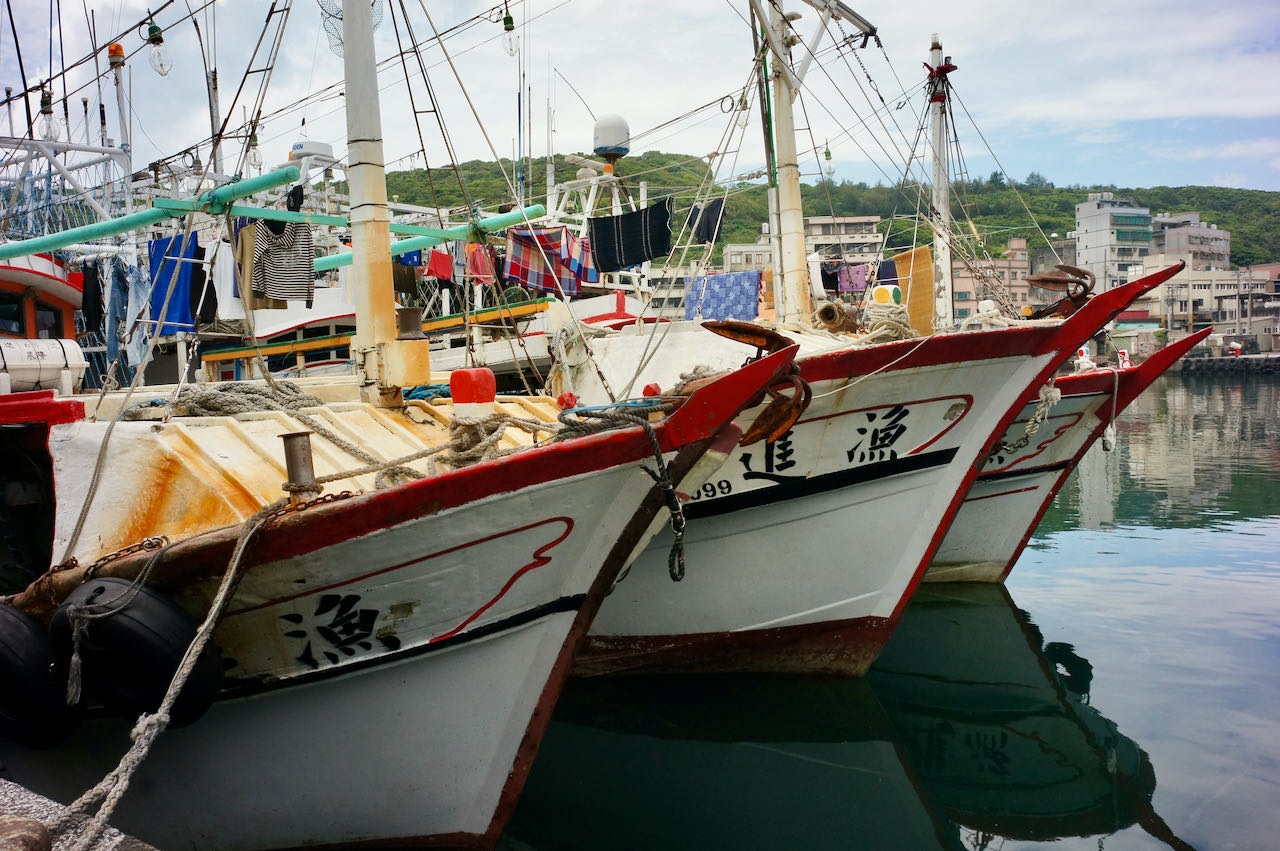
This route features two climbs. The first climb follows the same route as Route 1. By descending to Jinshan District, you will reach the picturesque north coast. The Yehliu Geopark offers a plethora of fascinating orange rock formations to explore. Afterward, you can resupply and embark on your climb back to Taipei via Fengguizui (600 m), following the suggested route.
Orange rock formationFishing Boats in Yehliu Fish Barbour
Alternatively, you may cycle to Keelung through the Waimushan Seaside Scenic Area followed by a comparably flat route on Provincial Highway 5 to get back to Taipei. Yehliu to Keelung is a refreshing route to cycle. The Keelung to Taipei leg has nothing to boast of. Sometimes, I prefer to take the train from Keelung back to Taipei, alighting at Nangan, Songshan or Wanhua station. Normally, before 15:30 each day, there are 1 to 2 trains every hour that accommodate unbagged bikes. After 15:30, you’ll need to wait until 18:16. For more details about taking trains with you bikes, refer to the provided link here.
Route 4: Ascend Pingjing Street, Descend to Jinshan, Ascend again on County Highway 101 and Balaka 96 km 1985 m Total Ascent
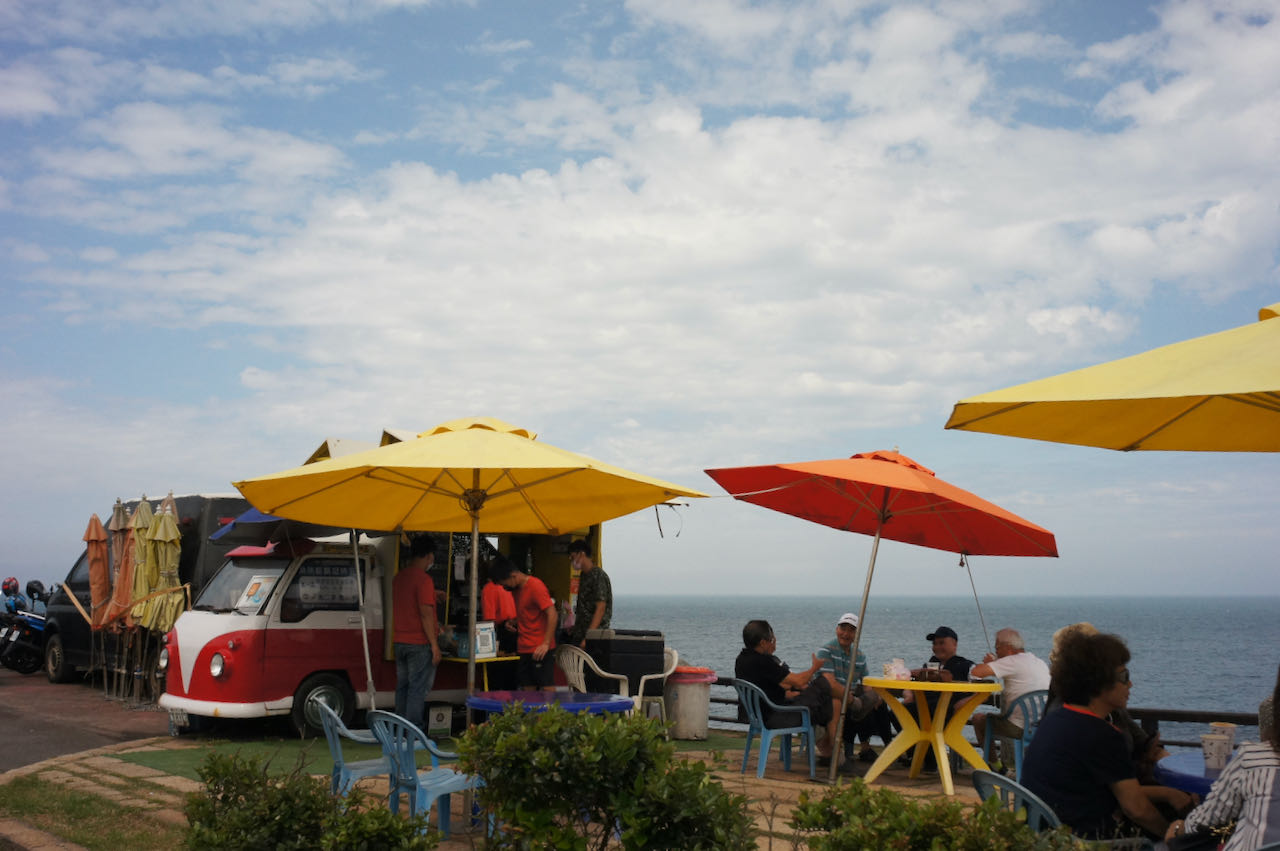
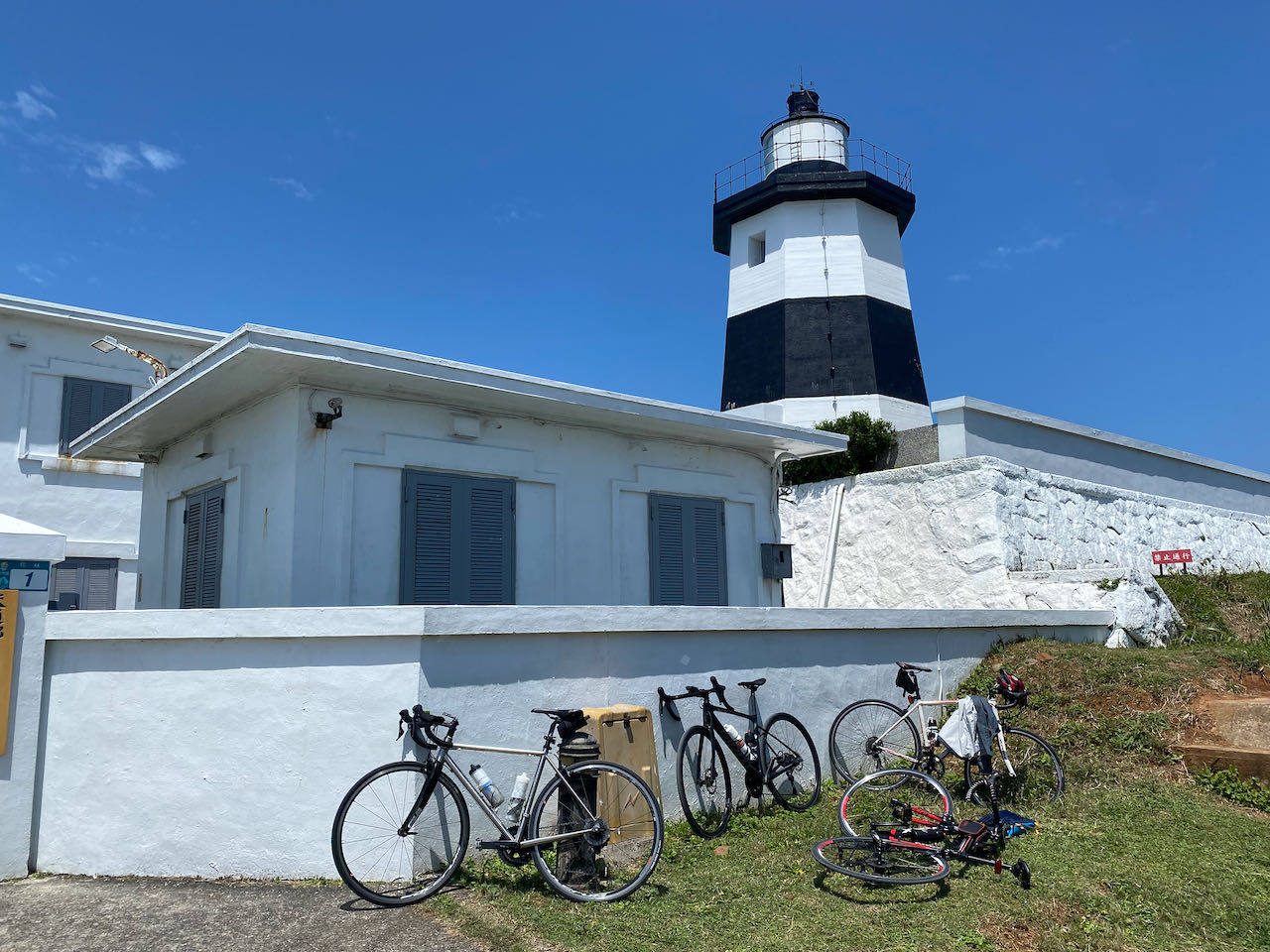
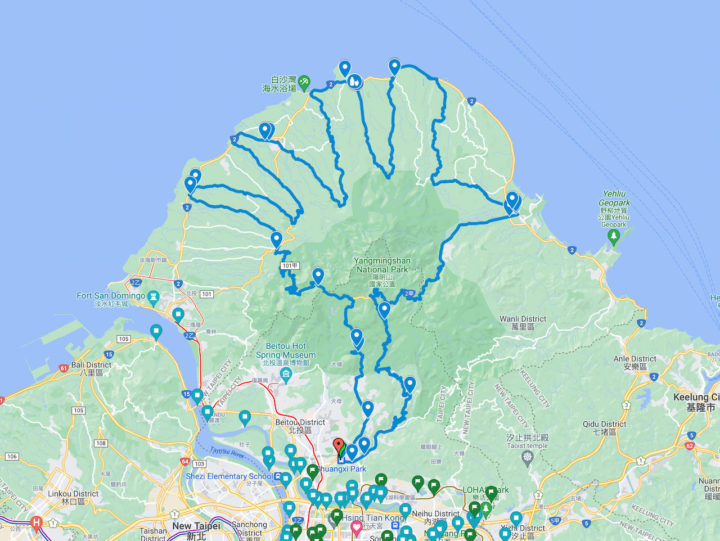
This route features two climbs on Yangmingshan. The first half of this route is the same as Route 3, but we would head west after descending to Jinshan District and cycle along the invigorating and magnificent north coast. On weekends, you can find cafe trucks near Jhungjiao Bay. The Fugui Cape Park, situated on the northern tip of Taiwan’s main island, presents a pristine lighthouse and is an idyllic place to visit. After a short ride from Fugui Cape, there is a popular sticky rice dumpling restaurant that provides a delicious calorie boost at a very reasonable price. The final climb begins at Sanzhi District, where you can restock your supplies. At the junction of County Highway 101 and 101A (or 101甲), there is a convenience store for further provisions before reaching the top. As you finish descending on Yangde Boulevard and check your Strava, you’ll notice you have traced a big fist on the map. Therefore, I suggest we name it the Budha’s Fist as the 5th Route is referred to as the Budhda’s Palm, a route that deserves a dedicated post.
If you don’t want to make the 2nd climb, you can simply cycle straight to Tamsui and return to Taipei. The route is a little hilly but the total ascent is smaller.
After cycling these 5 routes, there is still much more to explore within Yangmingshan National Park. The roads are well-maintained, offering numerous interesting stops along the way. Feel free to plan your own route and embark on further exploration, but it’s important to be prepared as weather conditions can change dramatically. We’ve had fellow cyclists who experienced difficulties descending from the top due to rain rapidly draining their body heat, which can lead to hypothermia. In such cases, they had to resort to hiring a van for transportation back. Stay cautious and enjoy your explorations!
The main island of Taiwan is shaped like a sweet potato, with a length of 394 km and width 144 km. On this small island, there are 274 peaks higher than 3000 metres above sea level. These peaks are located mainly on the centre and east side of the island, primarily in the Alishan Range 阿里山山脈, Central Mountain Range 中央山脈, Xueshan Range 雪山山脈 and Yushan Range 玉山山脈. Only 26% of the island is flat, mostly found on the west coast.
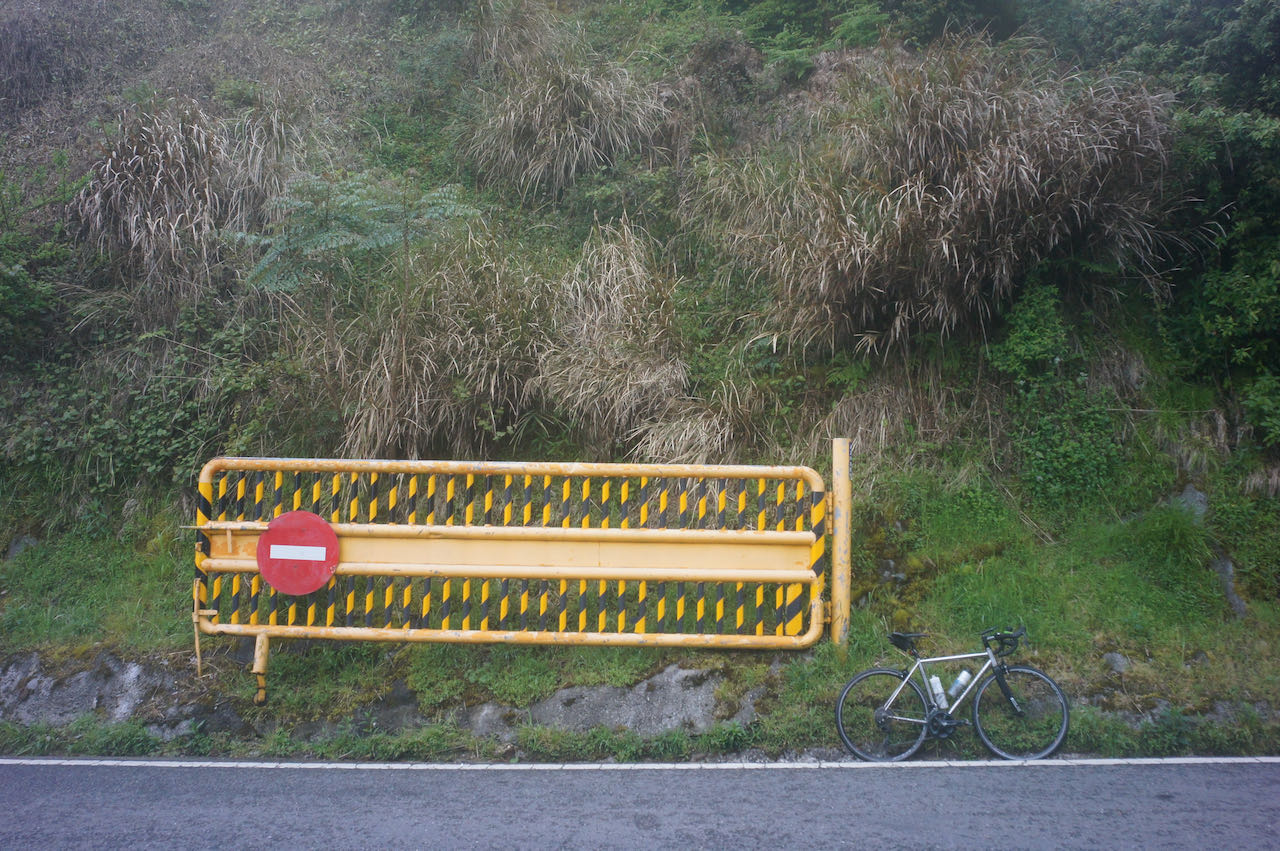
In the mountains, there are well maintained roads connecting the indigenous tribes and farms. Despite the frequent landslides triggered by typhoons, heavy rainfalls, and earthquakes resulting in the destruction and blockades of some of the roads, they are fixed quickly. If it takes longer, there will be traffic controls.
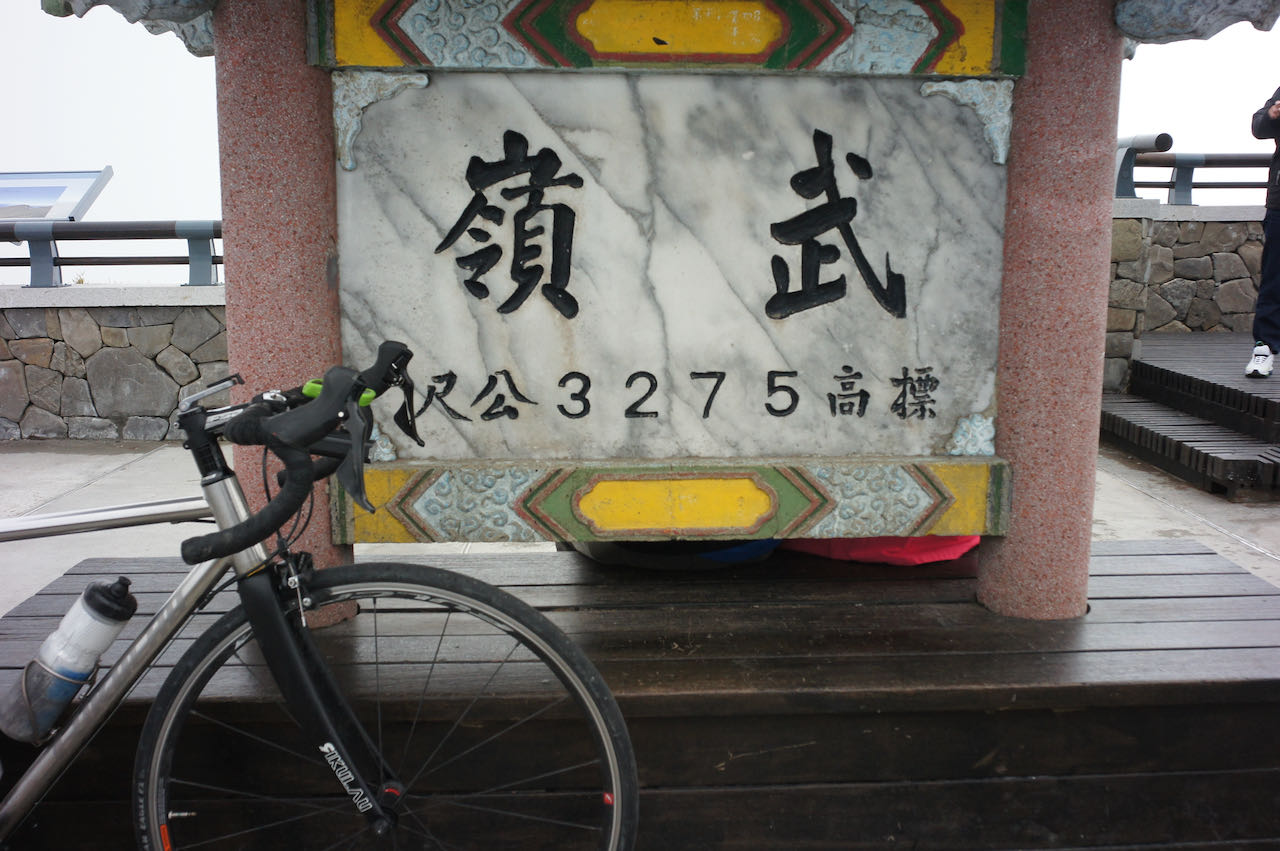
When I first learned that Eddie Chen, a famous cycling writer, Vlogger and the founder of Trekking Taiwan, started a project in 2019 to cycle and document his trips of “Wuling Pass from the North towards Eluanbi – a 500-mile cross-country ride in Taiwan” 北進武嶺南出鵝鑾鼻,縱斷台灣五百哩 – from Fuguijiao 富貴角, the northern tip of the island to Eluanbi 鵝鑾鼻, the southern tip via the mountain ranges, my mind was blown. It is so daring and so ambitious. Yet it is so enticing for all cycling enthusiasts. Altitude gains are not avoided. You just cycle through the mountains with brute force like slitting the sweet potato 剖地瓜. The total distance covered is 760 km, with a total ascent of 26,087 metres and the highest elevation at Wuling Pass 武嶺 at 3,275 m.
Eventually, in April 2023, I joined one of the 5-day cycling tours guided by Eddie to do the first half of this route, and here I share my experience. I hope it is going to help our fellow cyclists planning their routes.
Day 1 Fuguijiao Lighthouse to Jiaobanshan (Distance 109 km, Total Ascent 1,789 m)
We met up at Songshan Train Station at 6:00 am and hopped on our support car to get to Fuguijiao, the starting point. Those who want to do it by themselves without a support car can stay at the small hotels nearby in Baishawan 白沙灣 or Sanzhi District 三芝區 the night before.
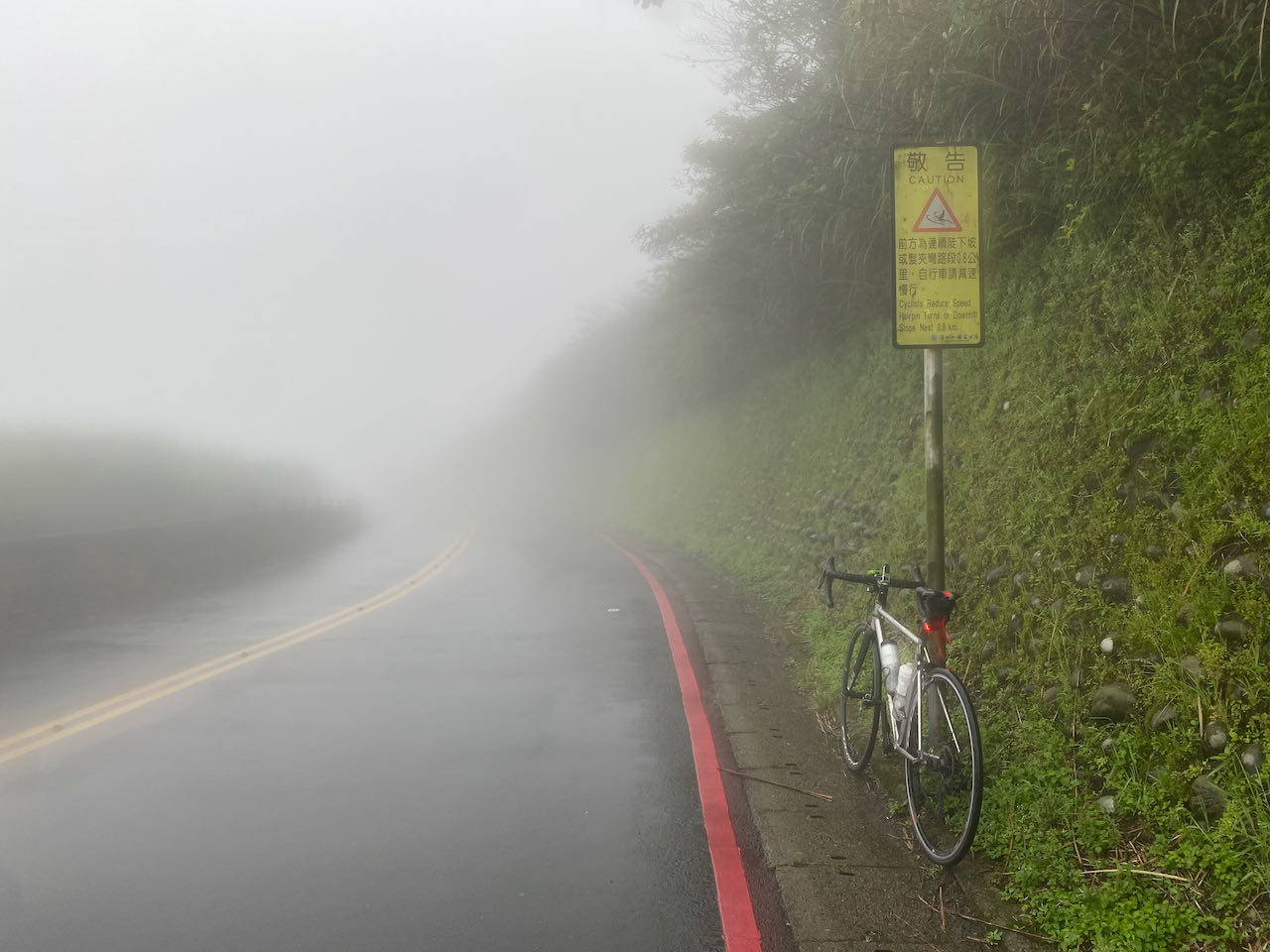
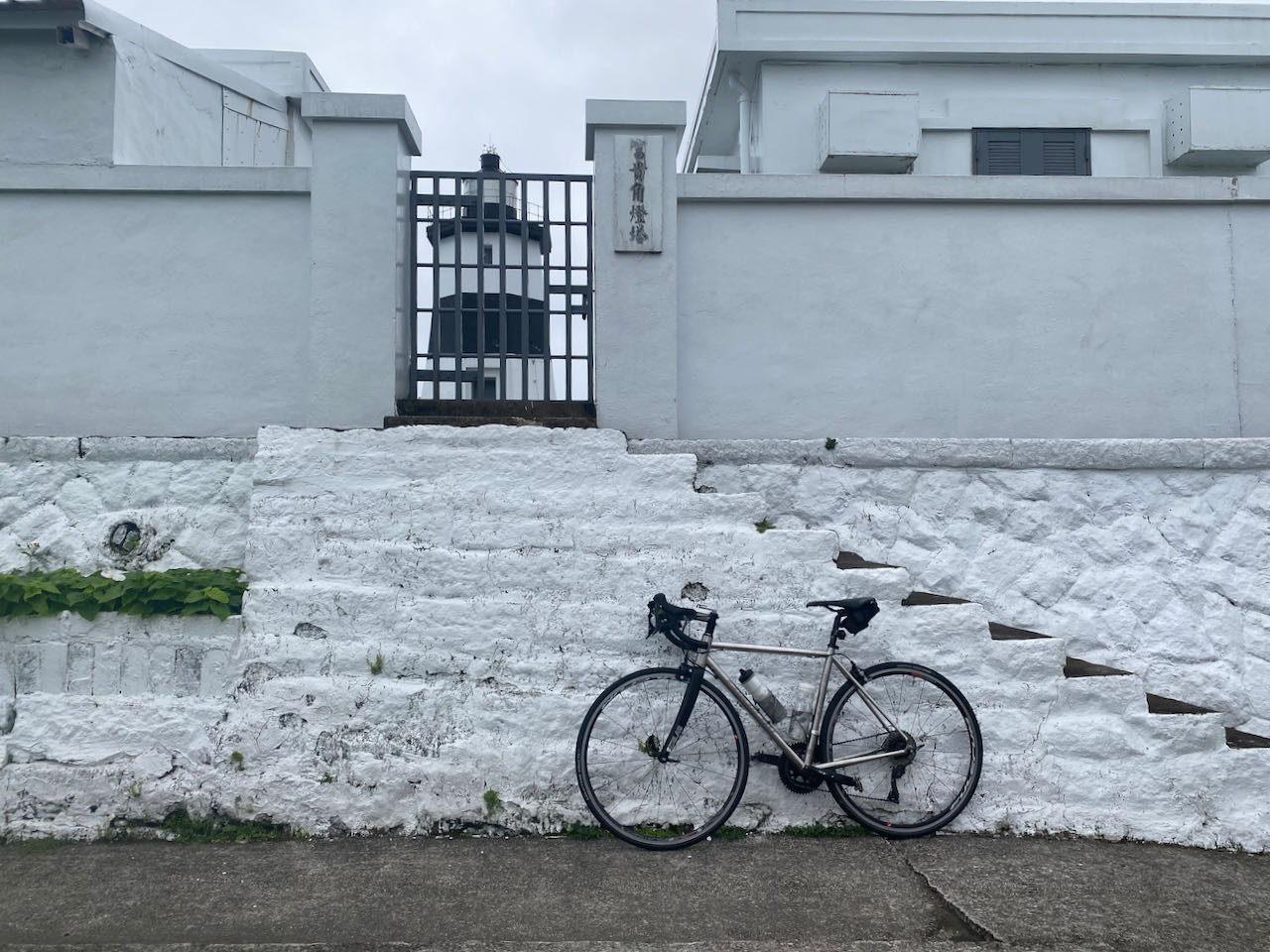
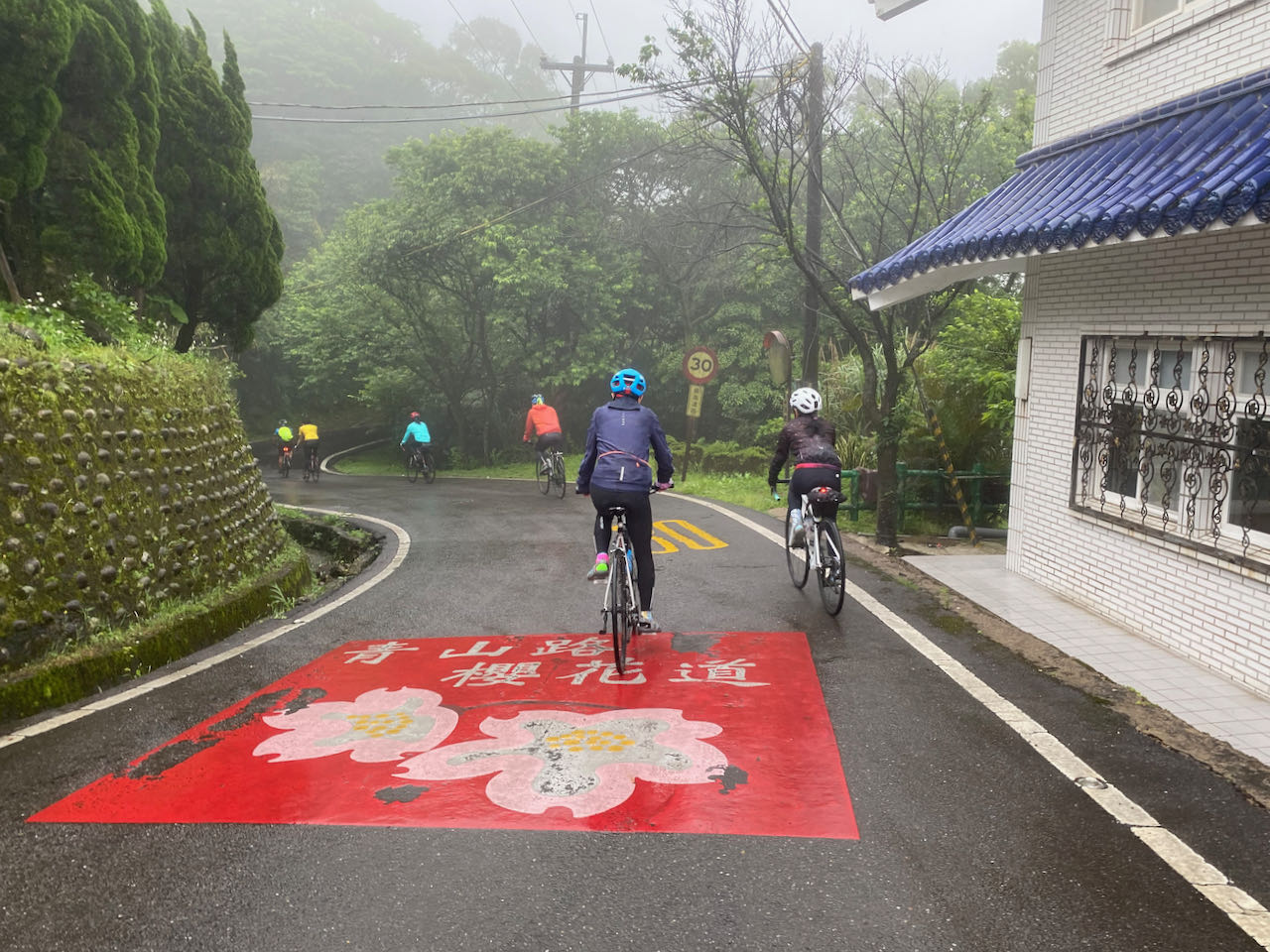
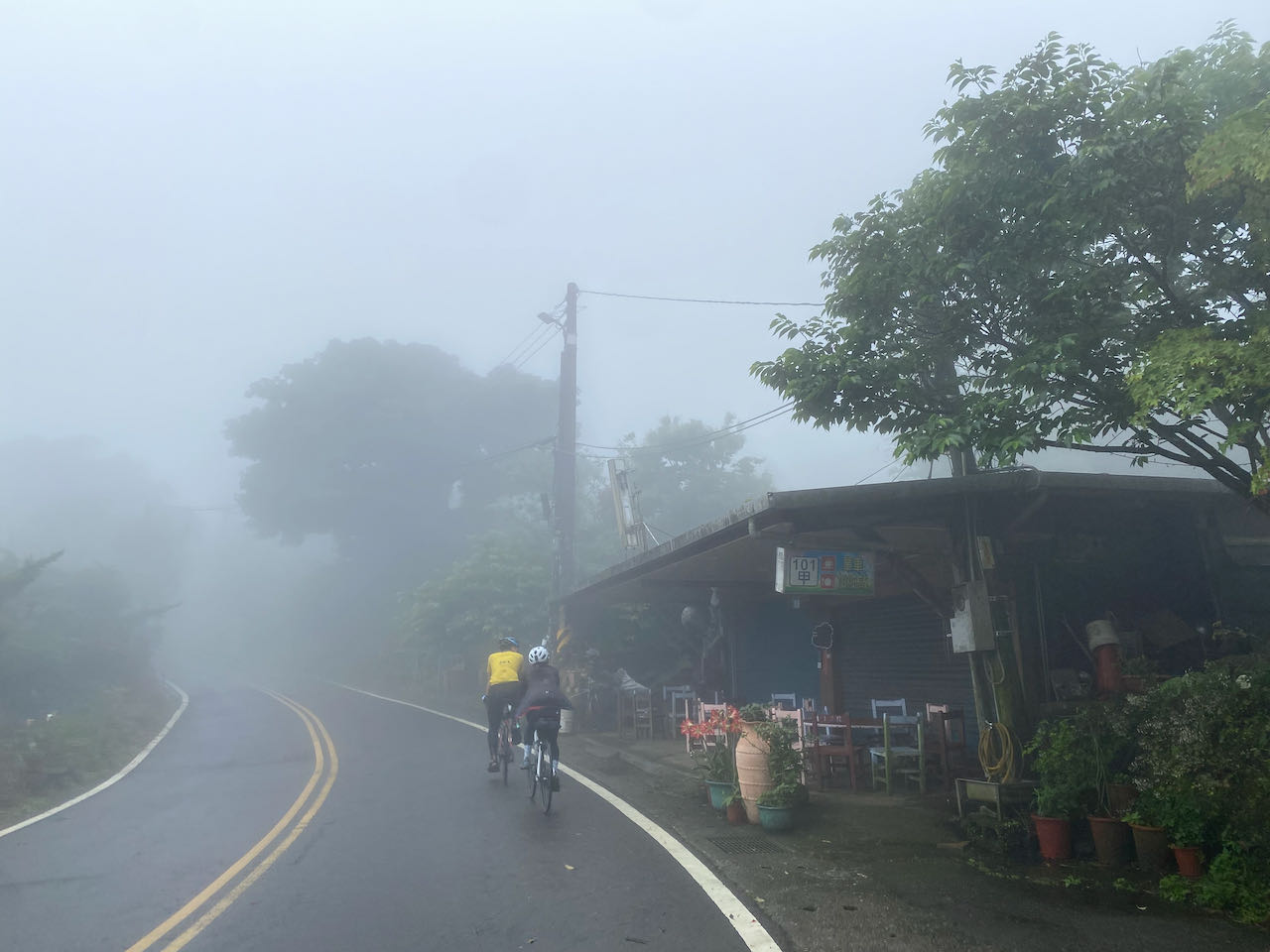
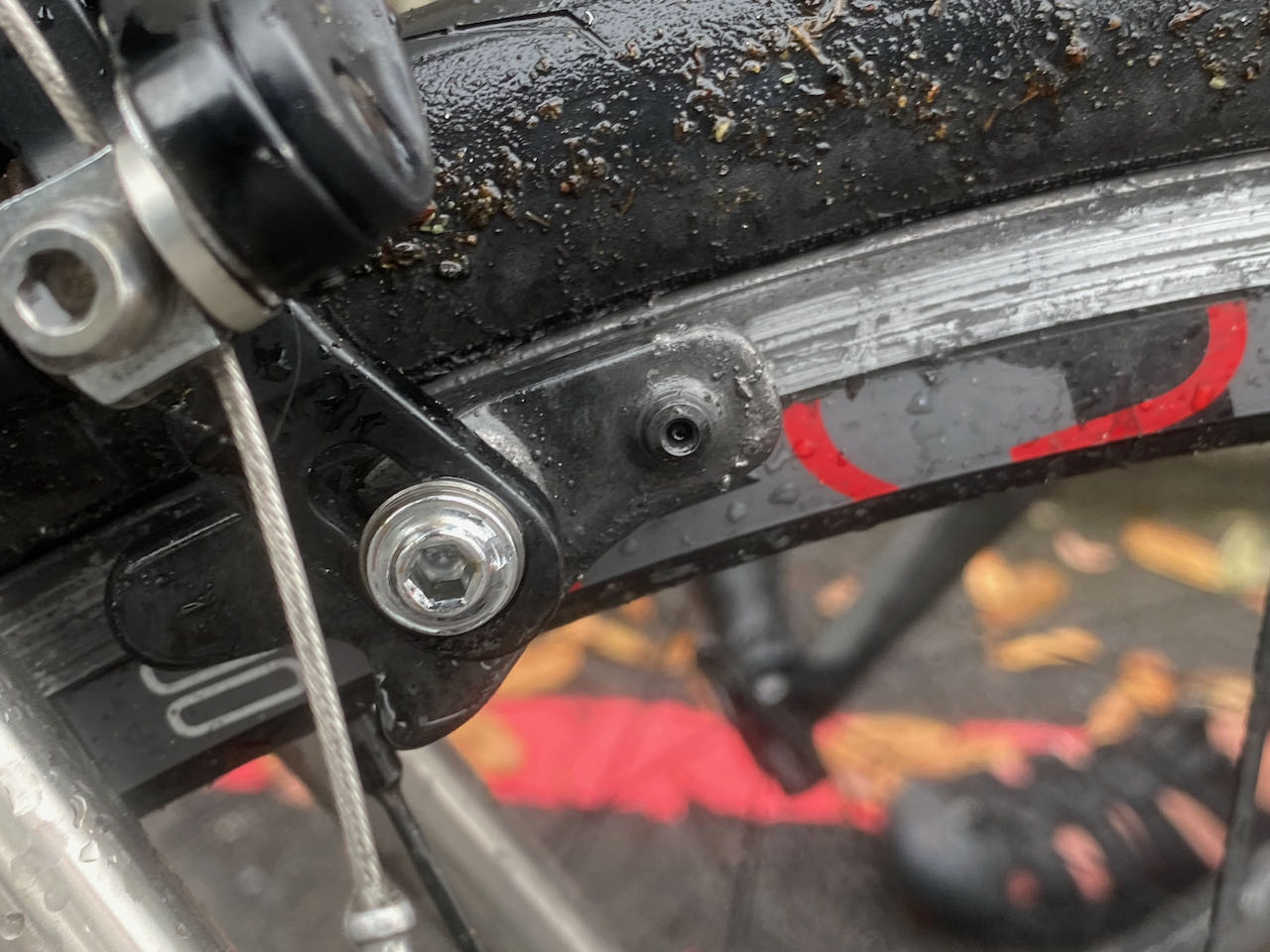
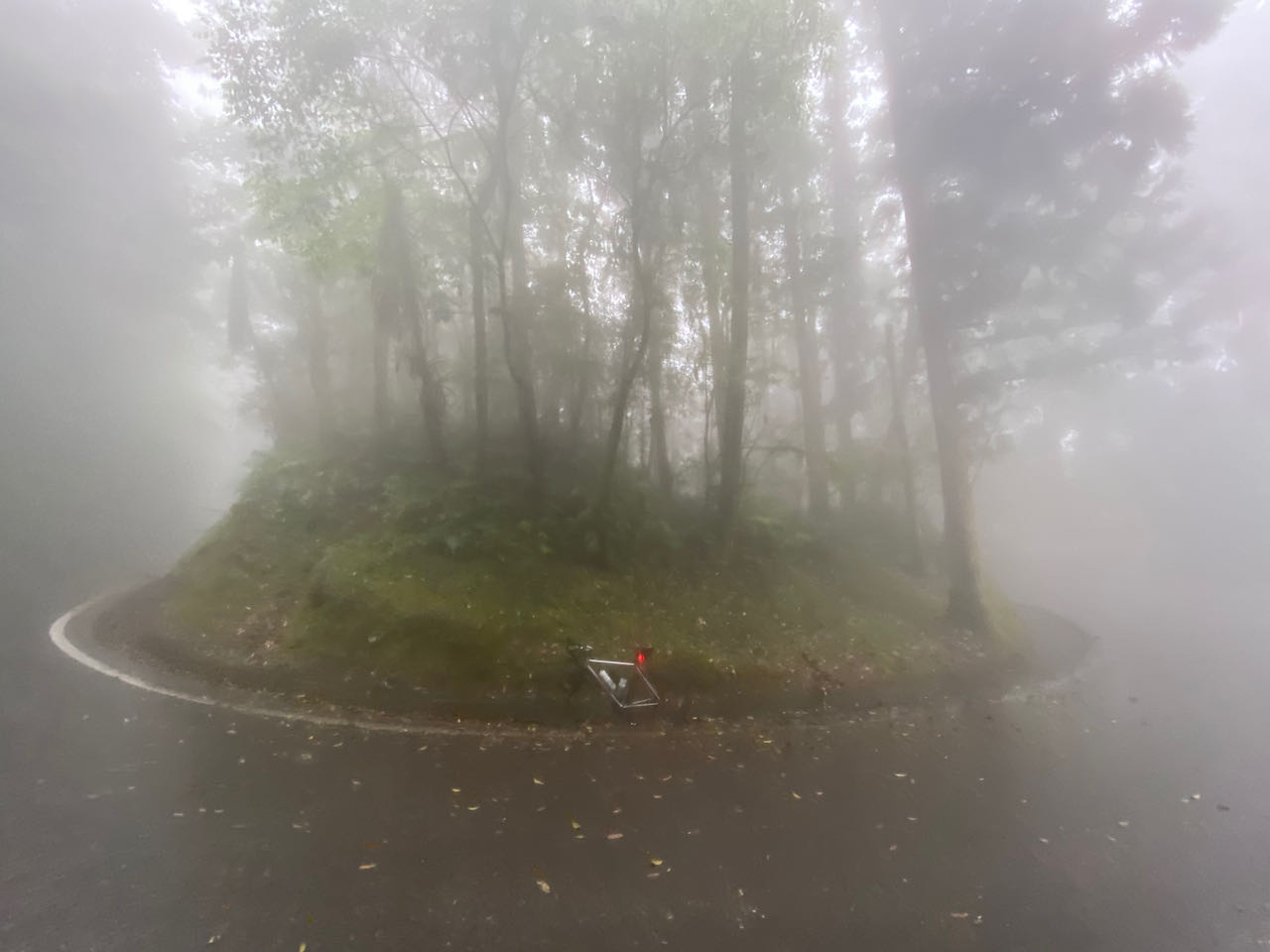
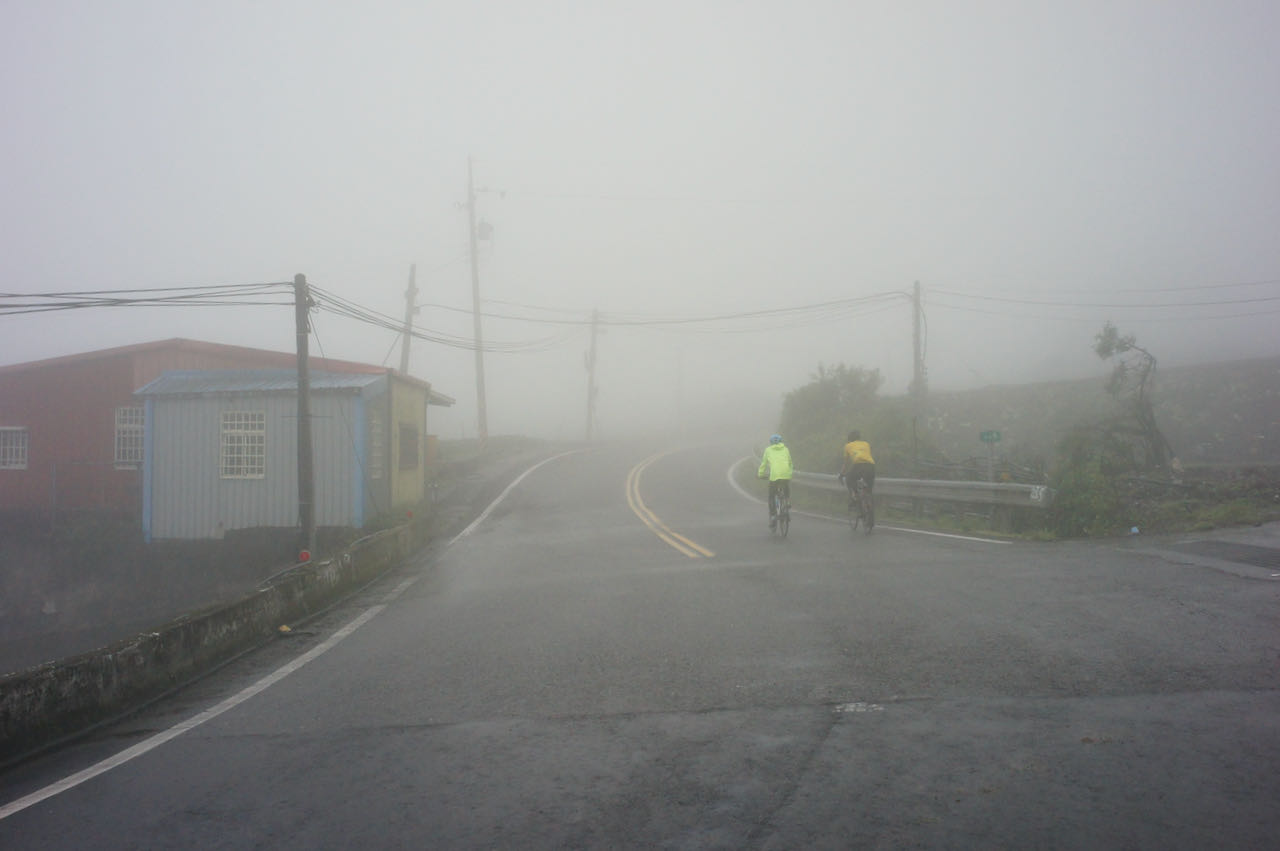
The lighthouse was charming as usual but the weather was not particularly promising. It rained as we started our climb. The fog got thicker as we got closer to the top of Yangmingshan 陽明山. It was my first time on this volcano in such weather conditions. Dirt stuck on my bike’s rims and made some unpleasant grinding noise as I hit the brake, especially on the steep descending. I have a decent robust aluminium wheelset, but I was worrying about the pads. They might not make it if we were going to have five days of long, steep descents in wet conditions like this, even though they were thick. During the lunch break, one of our team members found her brake pads worn to the limit. As we cycled past Taipei city, we bought some more spares just in case.
We called it a day at Dadaocheng Pier Plaza 大稻埕碼頭廣場 at 4:00 pm by hopping on our support car to get to Jiaobanshan 角板山. Dinner was booked at 6:00 pm there. The restaurant opened that day just for us. Soon the traffic would get busy. We did not want to keep them waiting.
NOTE: To use the routes, please install the App on your smartphone. The App will launch and load the route automatically after you tap the above links on your smartphone’s browser. For Garmin Connect, you can then use the APP to send the route to your garmin device. If your Garmin device is not purchased in Taiwan, you will also need make sure you have the Taiwan map on your device. Here is our blog post on this topic.
Day 2 Jiaobanshan to Datong District of Yilan (Distance 86 km, Total Ascent 1,930 m)
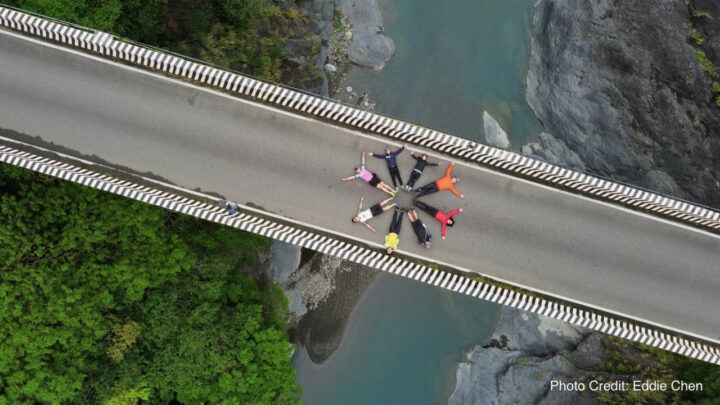
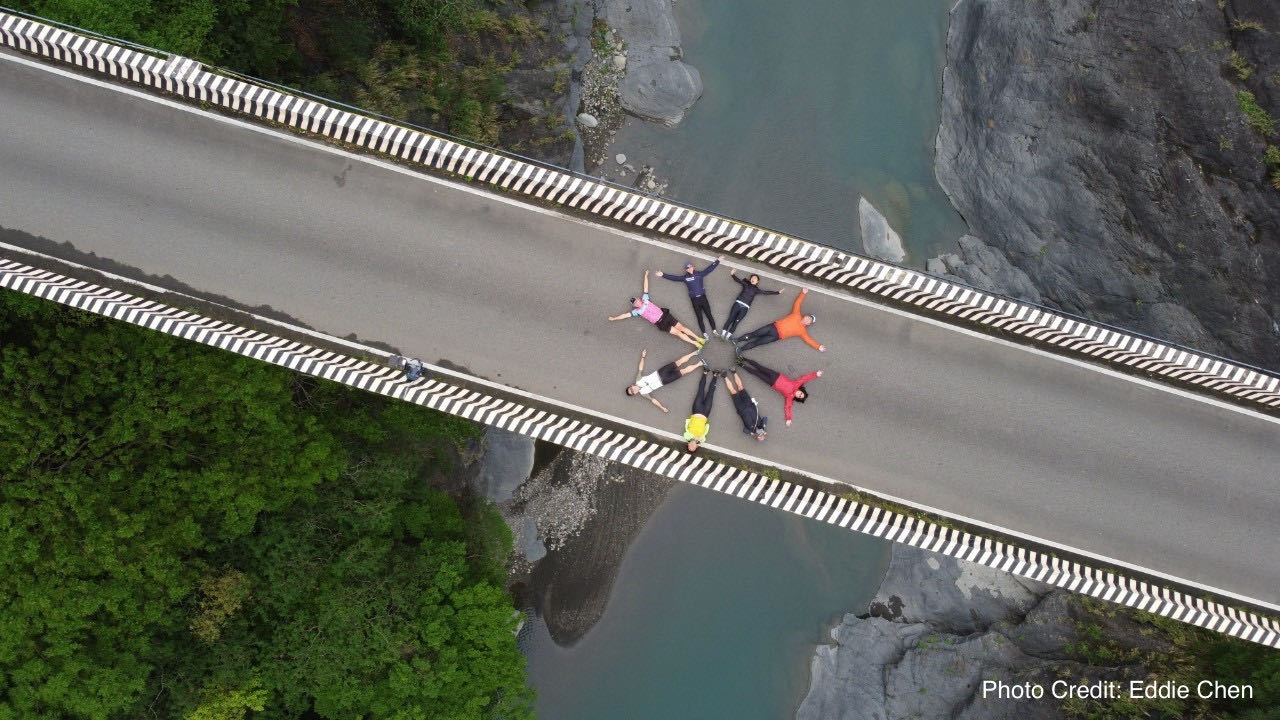
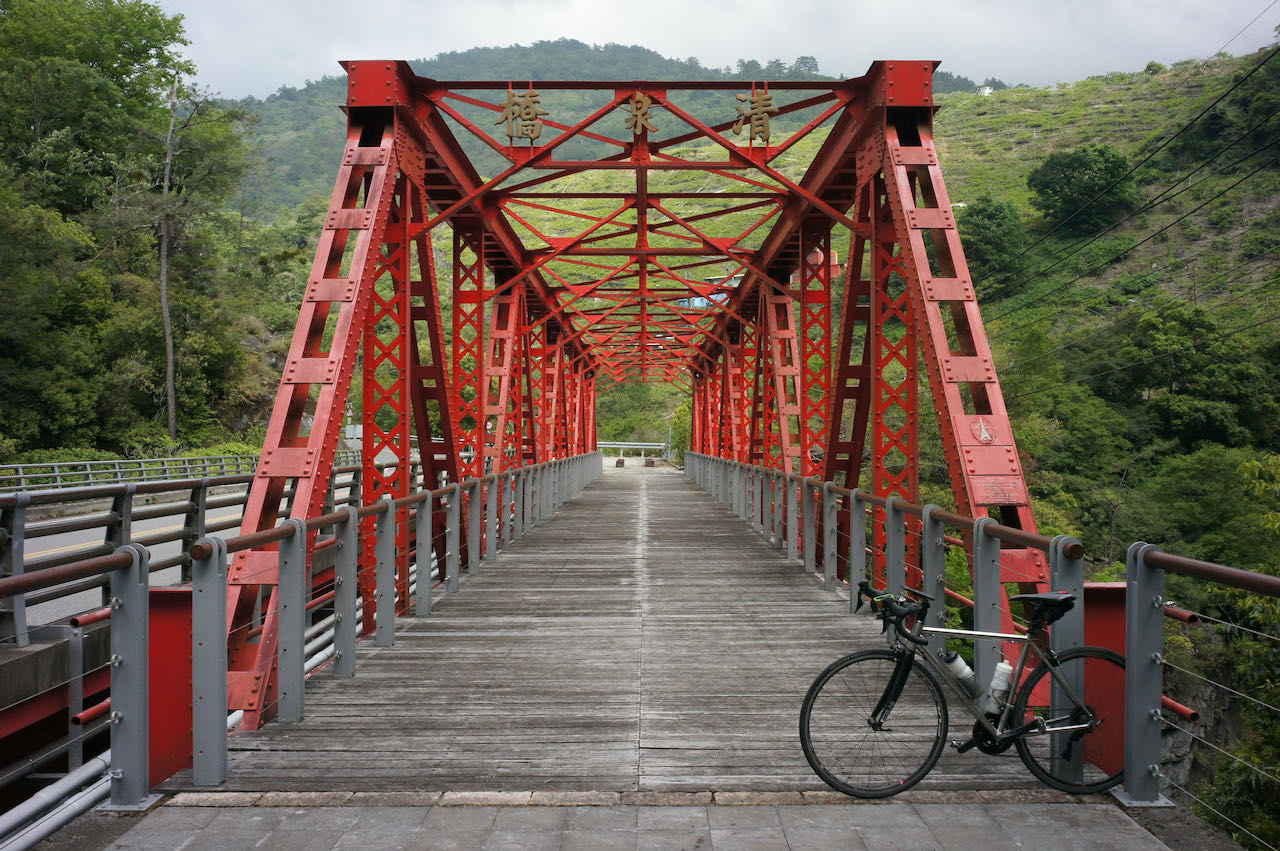
This was mainly my favourite Northern Cross-Island Highway 北橫公路. We have a traffic control beyond Baling 巴陵 on Provincial Highway 7 at 49.7k with only two windows to pass each day, ie., 11:00 – 12:00 and 16:00 – 17:00. Our support car brought us closer to make sure we could make it there before it was closed. Eddie made good use of the car and brought us to a bridge in a serene valley before we started cycling. Richard, an avid cyclist from Singapore who started the popular cycling group Cycling SG to Malaysia, suggested we all lay down in a circle for Eddie to take such a stunning picture.
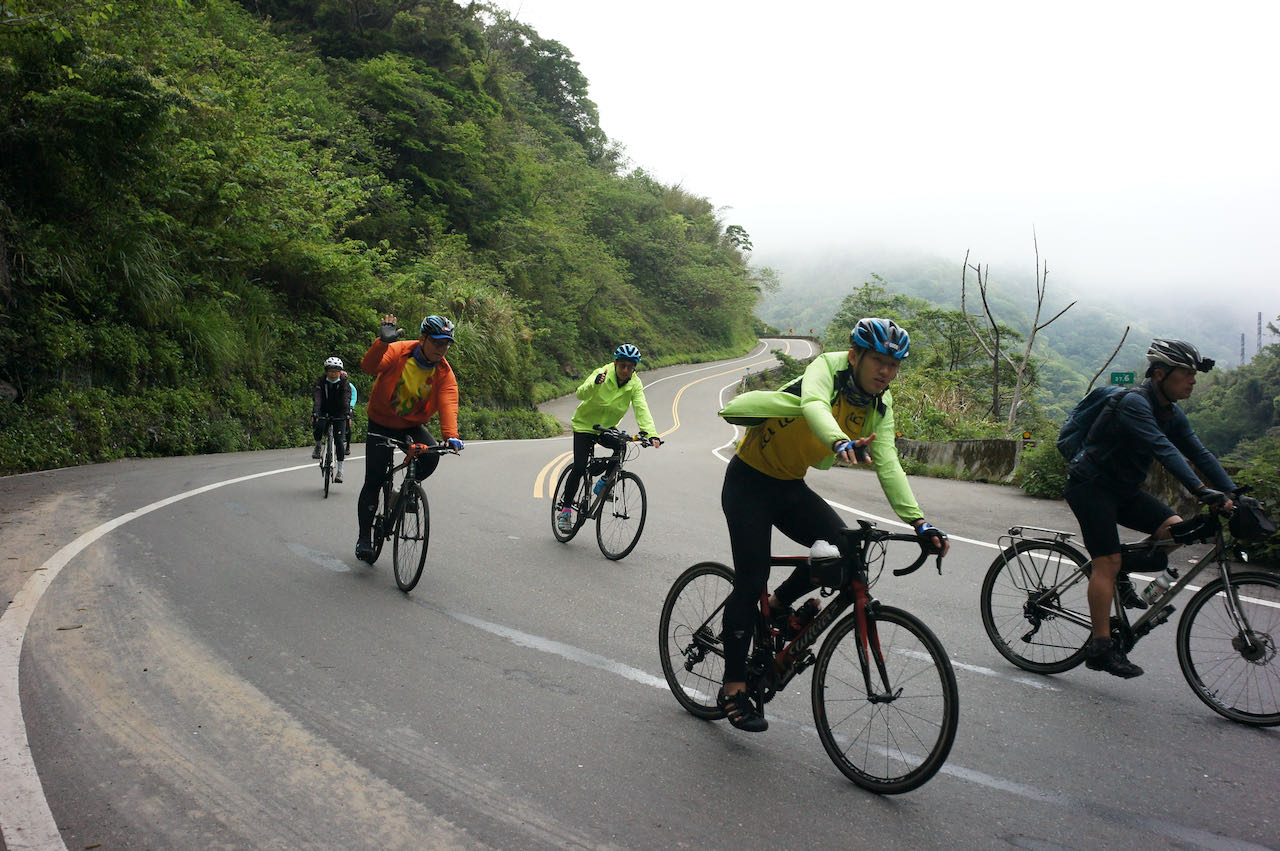
Weather was so nice. Everyone enjoyed cycling on such a beautiful winding road. But there were some hazards that we should be aware of. I saw signs showing the sections where falling rocks are prone to happen. In fact, some stones were spotted on the road surface. Eddie said whenever we hear some falling rocks, we should run away immediately as it could be the prelude of some larger rocks coming.
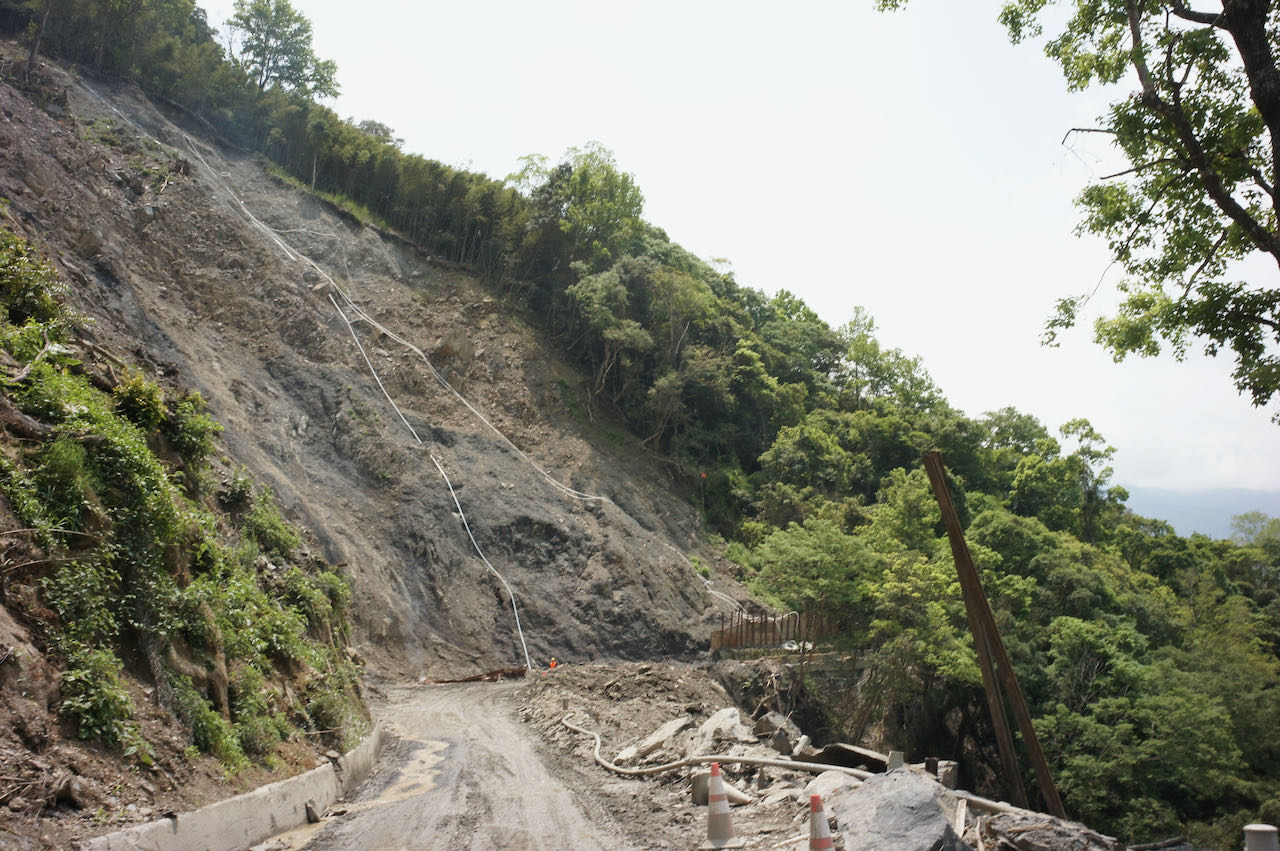
I totally appreciated how vulnerable we could be in the mountains when I was passing the traffic control spot. A large area of green vegetation was peeled off in a landslide exposing an unstable muddy slope. Even after months of work by the road construction workers, the road was still not recognizable. I had to get off my bike and push it through the muddy surface. I raised my camera without slowing my pace to take some snapshots but immediately got yelled at by a worker. I was supposed to pass the section as quickly as I could without doing anything else. Rocks could fall anytime. No hard feelings. My bad.
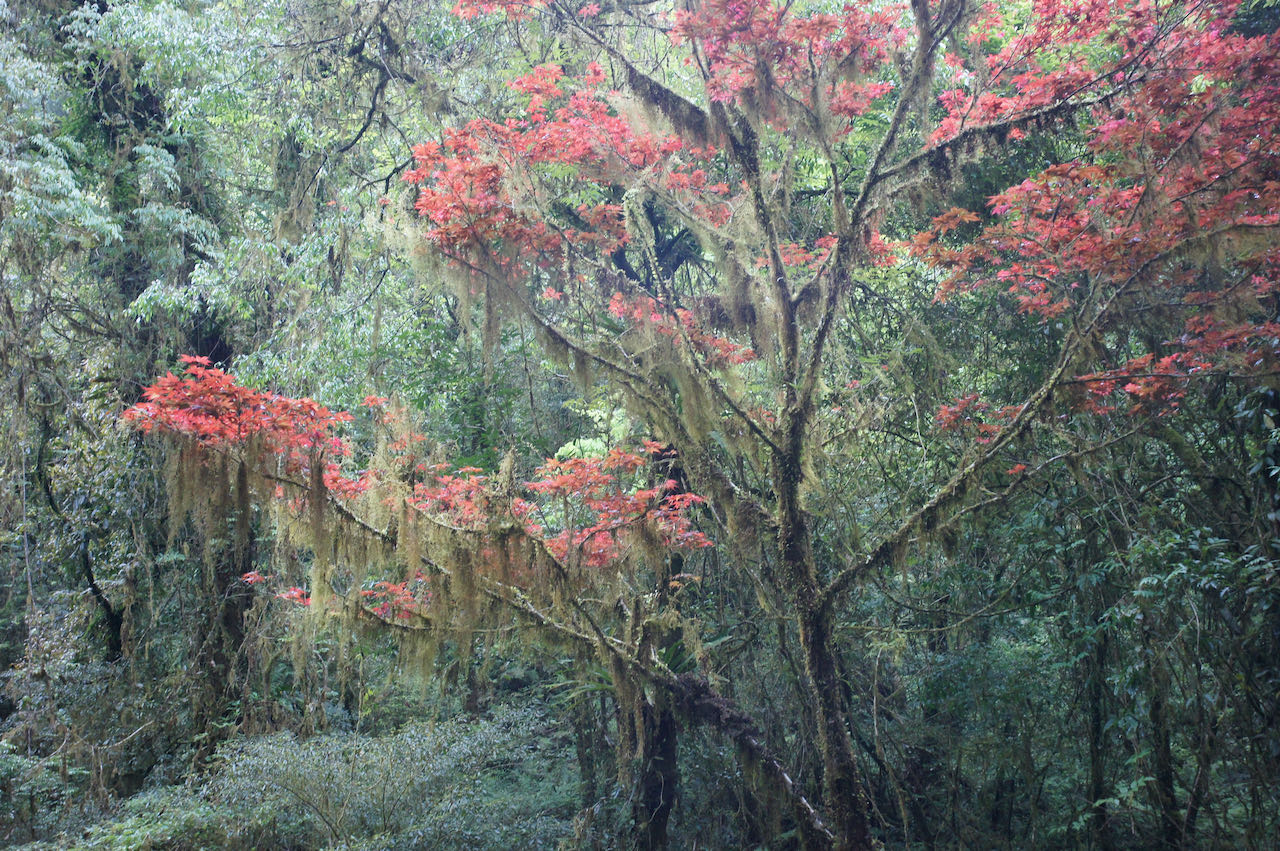
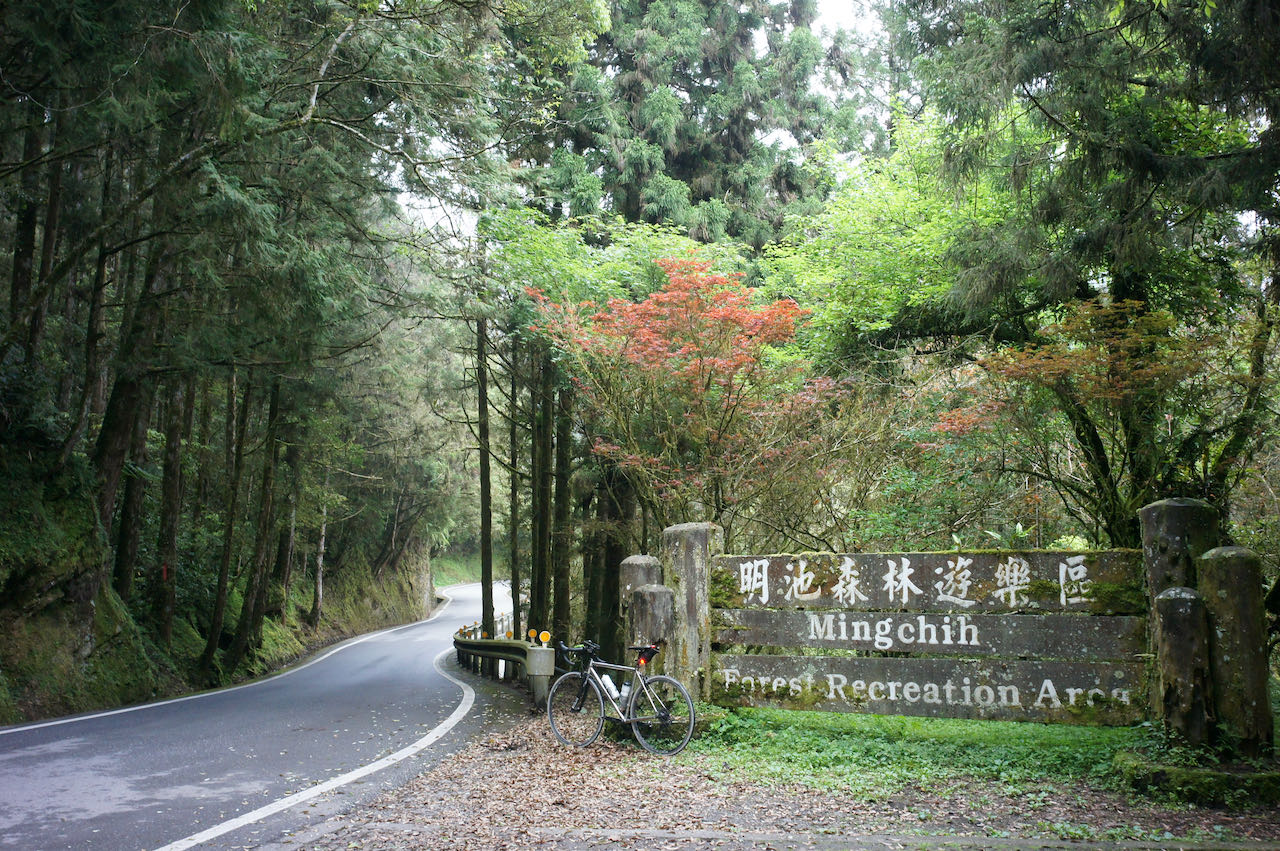
The Northern Cross-Island Highway beyond Baling after the traffic control was so comfortable to ride. The slope was mild, and there was hardly any traffic. It was magical that there were strange interesting plants along the way. We soon reached the last peak of the day at Mingchi National Forest Recreation Area 明池國家森林遊樂區 around 14:30, and the Northern Cross-Island Highway had led us into a deep, tranquil forest. The resort here makes a great place for a stay over or a long retreat.
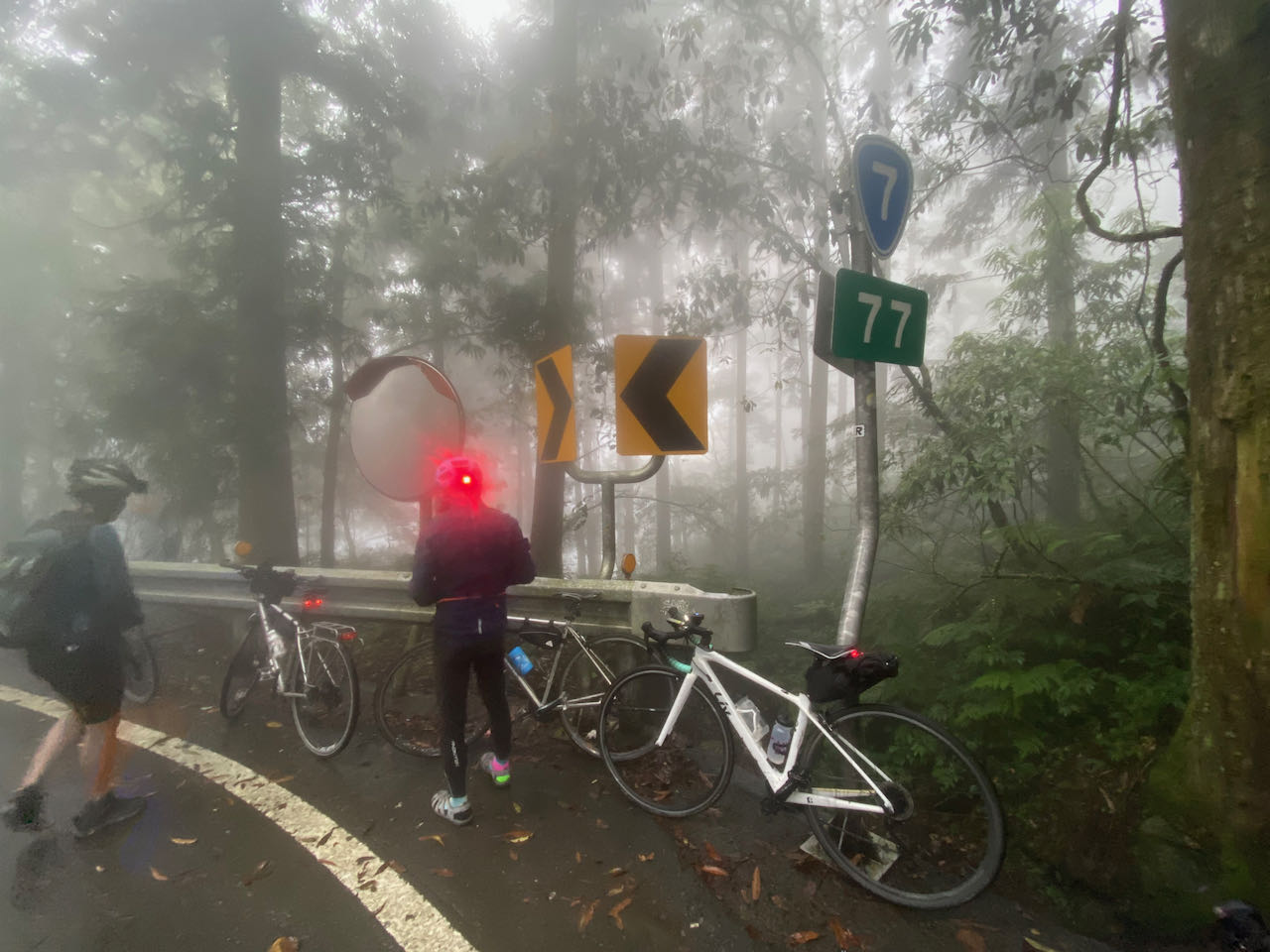
The fog got slowly thicker as we were descending into the east side of the mountain. The humidity from the Pacific Ocean, carried by the prevailing wind, was forced to creep up the slope and condensed to form mist at this altitude where temperature was cooler. At some point I could only follow the white paint on the road side in front of my wheel to proceed. The sight of my team was long gone. My wheels were gathering water and dirt from the road and grinding with the braking pads again. As more dirt accumulated on the braking area, the noise got creepily louder. I released the brake a bit to let go of the dirt and then hit the brake again. The noise would then slowly build up again. I was glad that I bought some spare braking pads.
I saw a red flag flying, which turned out to be a team of road maintenance workers. I was not sure what they were doing, but I really respect their hard work under such poor working conditions. With hindsight, the whole experience was so beautiful in a surreal way.
We gathered at the 77K of Provincial Highway 7 and got in the support car to get to a farm moonlighting as a B&B to stay over. Meeting my team and getting in the car was like waking up from a dream in a wonderland. It is said that there are steeper and wetter descents ahead before reaching the Baitao Bridge 百韜橋. Those who want to make the descent all by themselves should note that.
NOTE: To use the routes, please install the App on your smartphone. The App will launch and load the route automatically after you tap the above links on your smartphone’s browser. For Garmin Connect, you can then use the APP to send the route to your garmin device. If your Garmin device is not purchased in Taiwan, you will also need make sure you have the Taiwan map on your device. Here is our blog post on this topic.
Day 3 Datong, Yilan to Lishan (Distance 61 km, Total Ascent 2,085 m)
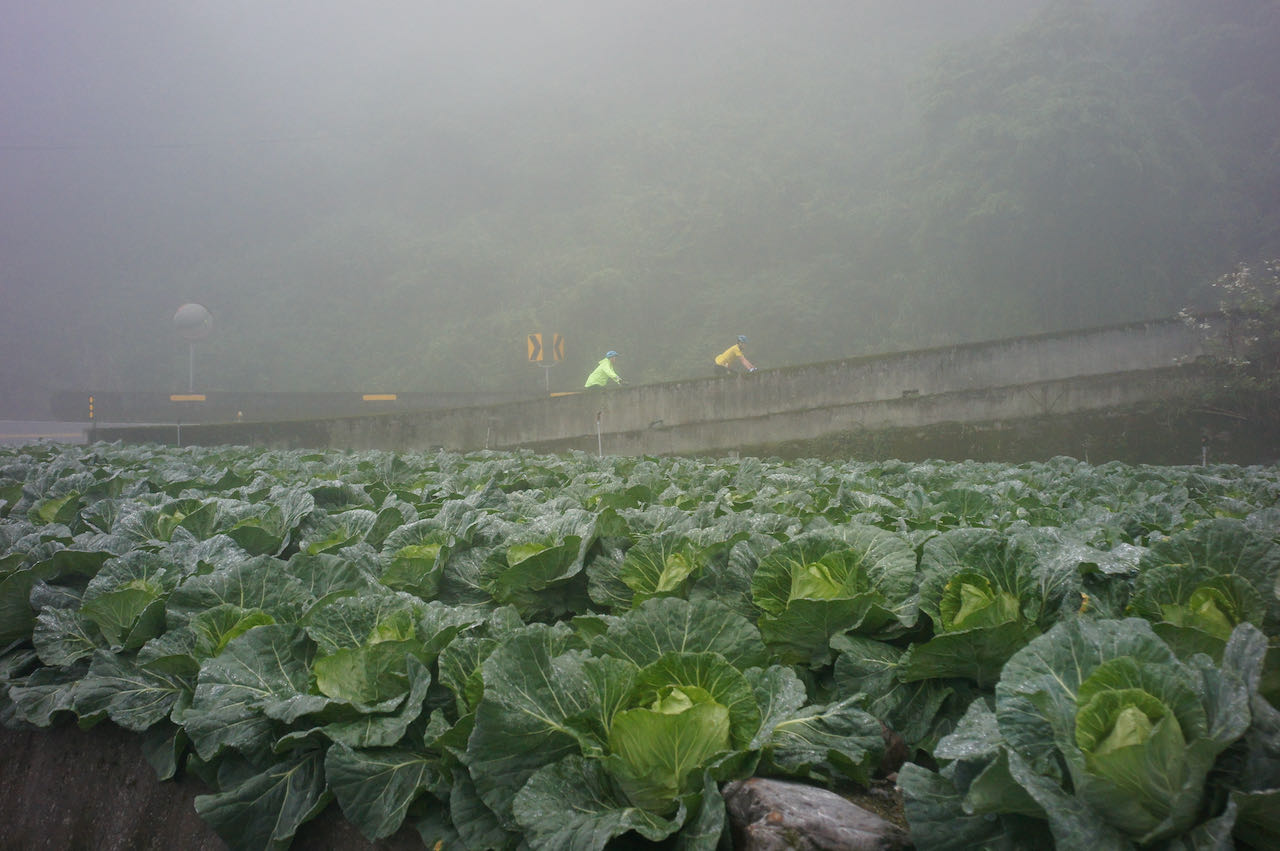
It was a long, steady climb along the Provincial Highway 7A to Lishan. As we gained altitude, we were in the dreamy wonderland of fog once again. Today, I could relax mentally and enjoy the experience as climbing requires less focus than descending.
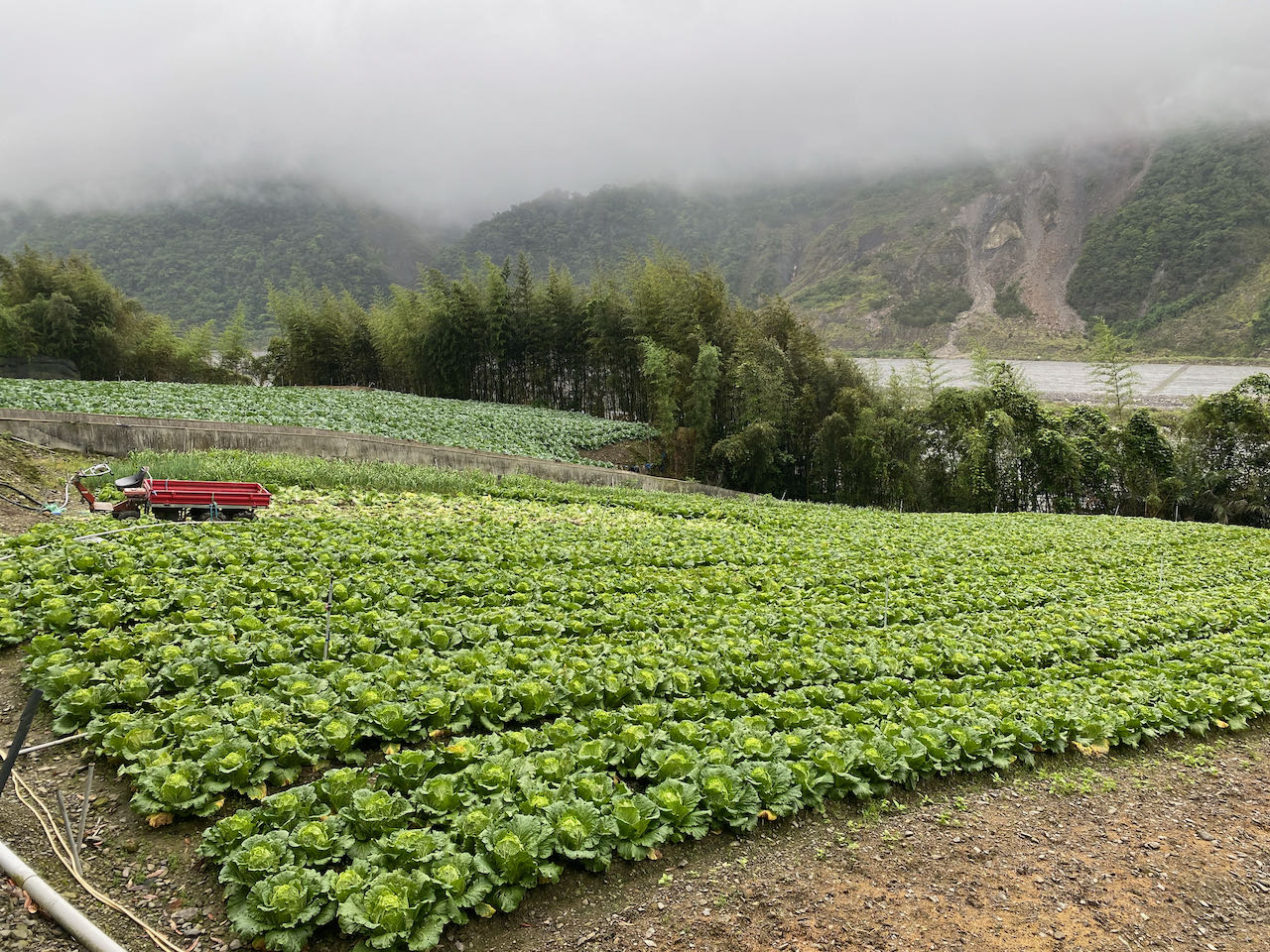
There were rows of cabbages growing on the fields on both sides. These white vegetables are ubiquitous in restaurants and on dinner tables in Taiwan, our daily staple. Among the several Atayal Tribes 泰雅族 along the main road, the Nanshan Settlement 南山部落 was the most important supply stop. There are two convenience stores and a gas station. Eddie and our driver loaded up lunches there for us to consume after some more climbing to the Siyuan Pass 思源埡口 (or formerly known as Piyanan Saddle 匹亞南鞍部), a mountain pass transferring from the Central Mountain Range to the Xueshan Range.
It was cold once we stopped at the Siyuan Pass for lunch. I had to put on all my clothes including a polar fleece sweater, a light down jacket and a wind-stopping jacket. Humidity and thin air have drained one of our members’ body heat, making him dizzy.
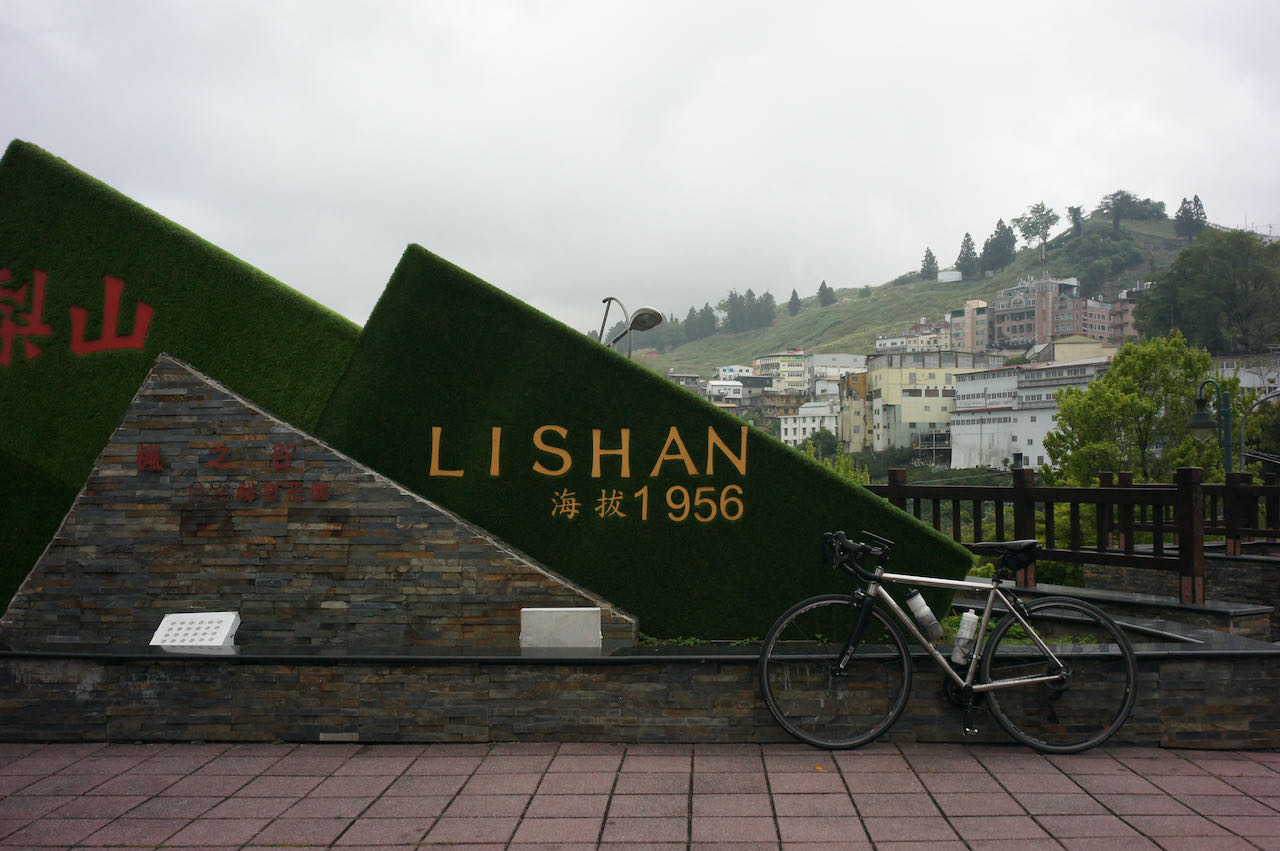
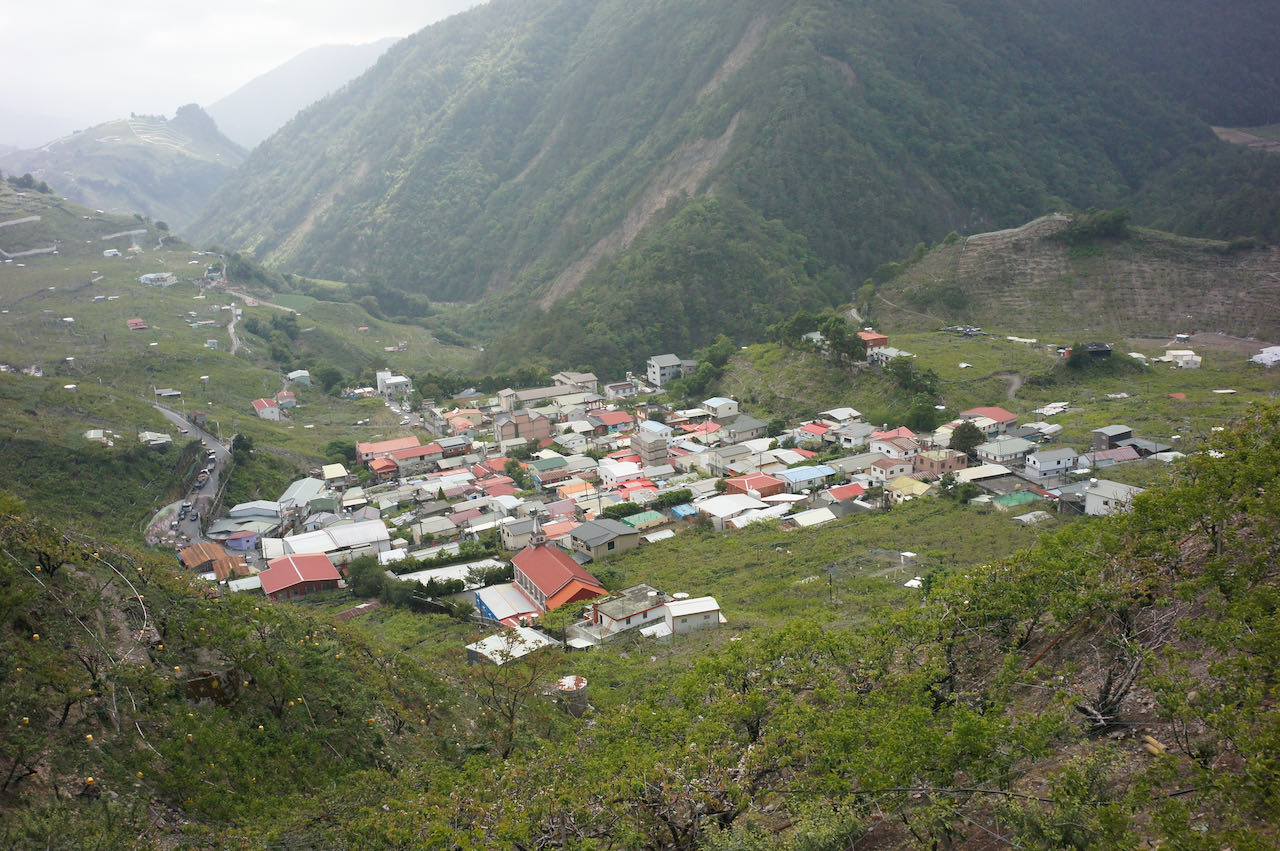
Then the mountain did its magic. We descended from Siyuan Pass for just a few minutes and found ourselves bathing in the sun with a blue sky. The temperature jumped by more than 10 degrees. We were all energised and continued our ride to Lishan 梨山. We made it there all by ourselves.
NOTE: To use the routes, please install the App on your smartphone. The App will launch and load the route automatically after you tap the above links on your smartphone’s browser. For Garmin Connect, you can then use the APP to send the route to your garmin device. If your Garmin device is not purchased in Taiwan, you will also need make sure you have the Taiwan map on your device. Here is our blog post on this topic.
Day 4 Lishan to Wuling Pass and then Ch’un-yang Hot Spring (Distance 78.8 km, Total Ascent 1,655 m)
Today, we reached Wuling Pass, the highest paved road of Taiwan at an altitude of 3,275 metres. The total ascent was “only” 1,655 metres, which is a typical long day climb for me. But the thin air and the steepness made it extremely challenging.
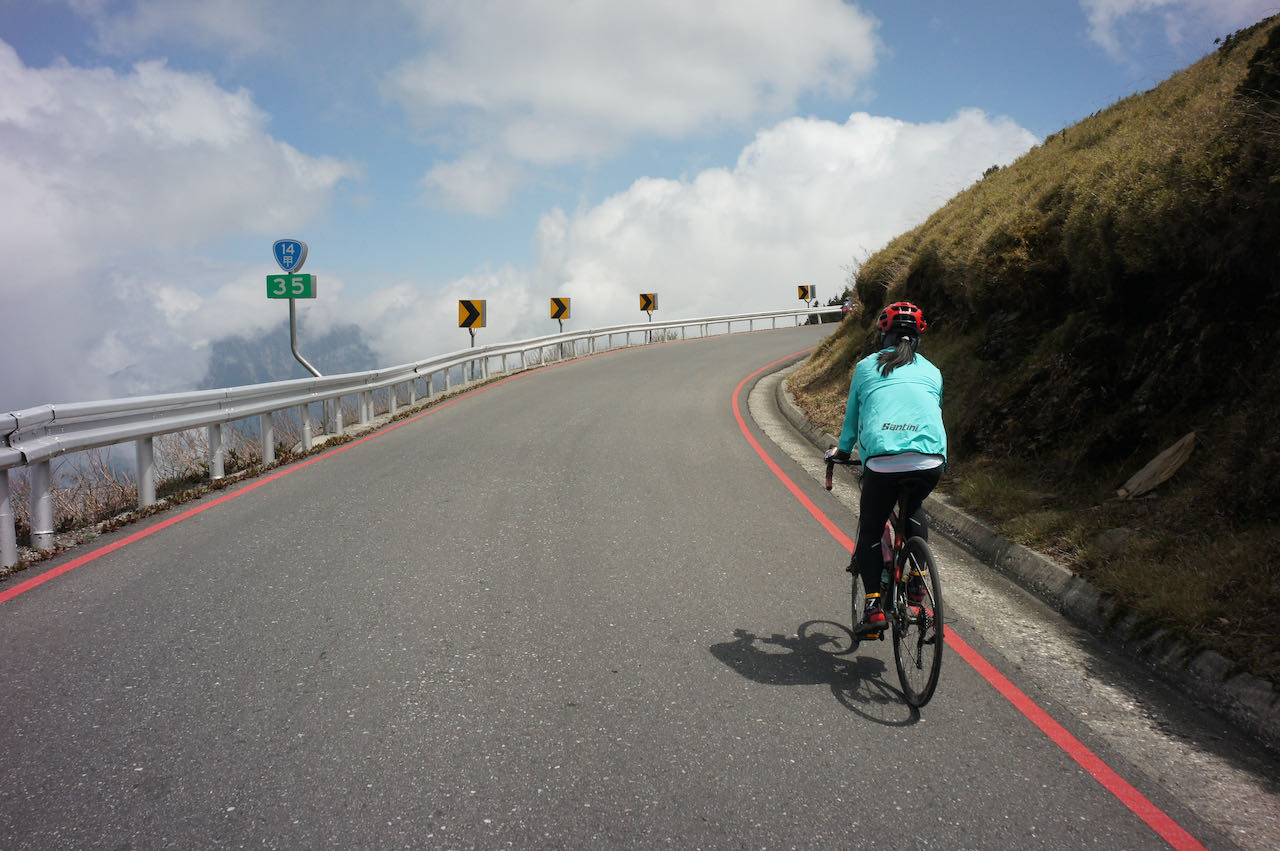
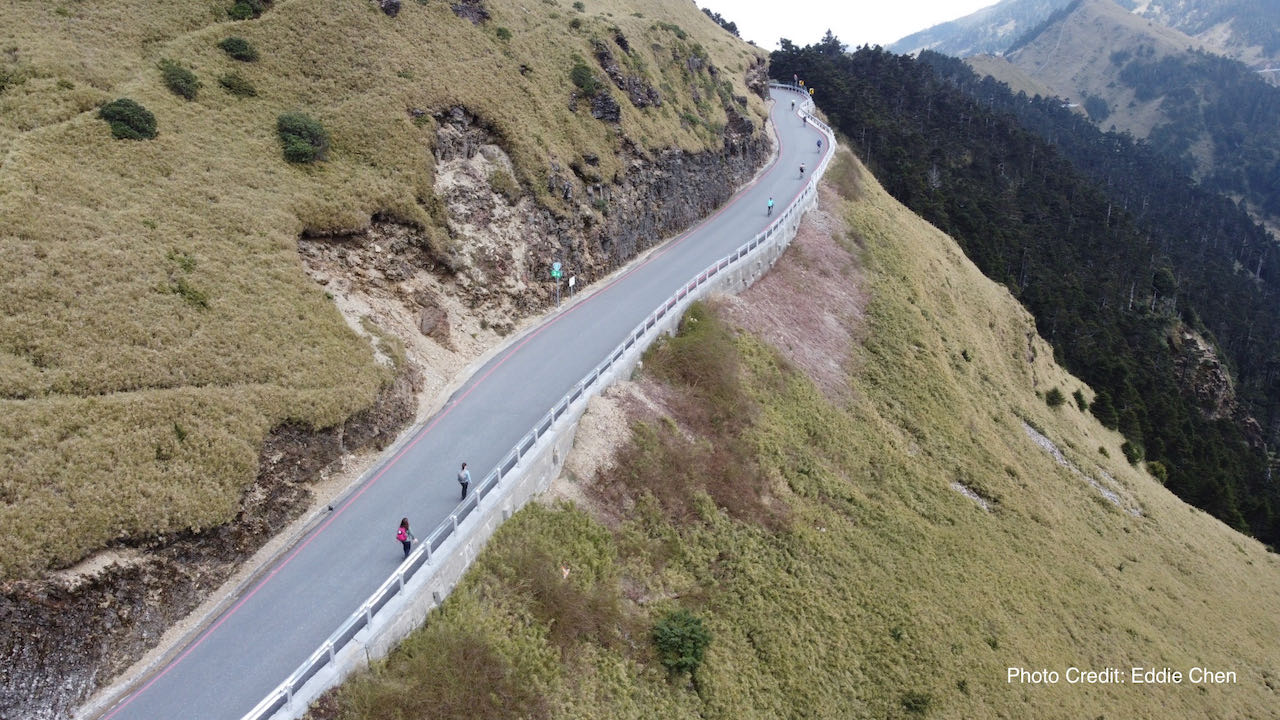
We started from Lishan and continued the climb. The average gradient was 3.1%. It was not too bad until I reached Dayuling 大禹嶺 at 2,565 metres. Then the average gradient jumped to 8.3%. It made me feel weak especially inside the sharp hairpin turns where the steepness was way beyond the figure. It is said that the 5km between Dayuling and the Hehuanshan Service Station 合歡山服務站 is the steepest no matter if we are climbing from Hualien or Yilan.
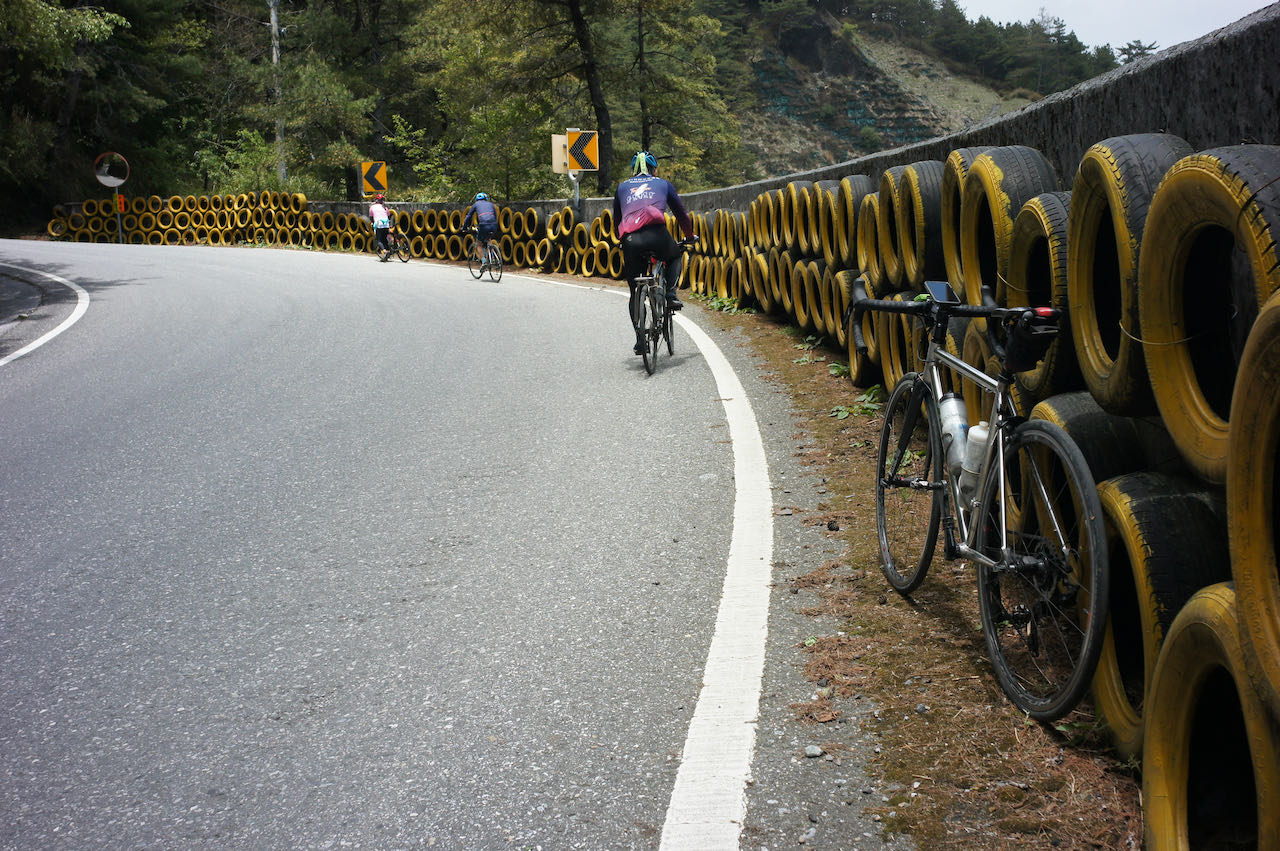
When we stopped before a turn to take some pictures, we noticed motorbikes and cars coming down from the top. They had to brake so intensely that smells of burnt braking pads filled the air. There was a wall padded with old tires as a buffer, just in case someone failed to slow down on that turn and hit the wall.
I was worrying that if I exert too vigorously, I might trigger altitude sickness. I knew how it felt when I was in Nepal hiking years ago. I failed to climb to Wuling Pass around 5 years ago when I was a novice on cycling. This was my second attempt. I did not want to ruin it. I regretted drinking a big can of beer the previous night, as it might have had an impact on my performance. I slowly made my way up, partly cycling and partly walking. I did not mind being slow. I stopped frequently to take pictures because the stunning views after each turn were hard to ignore.
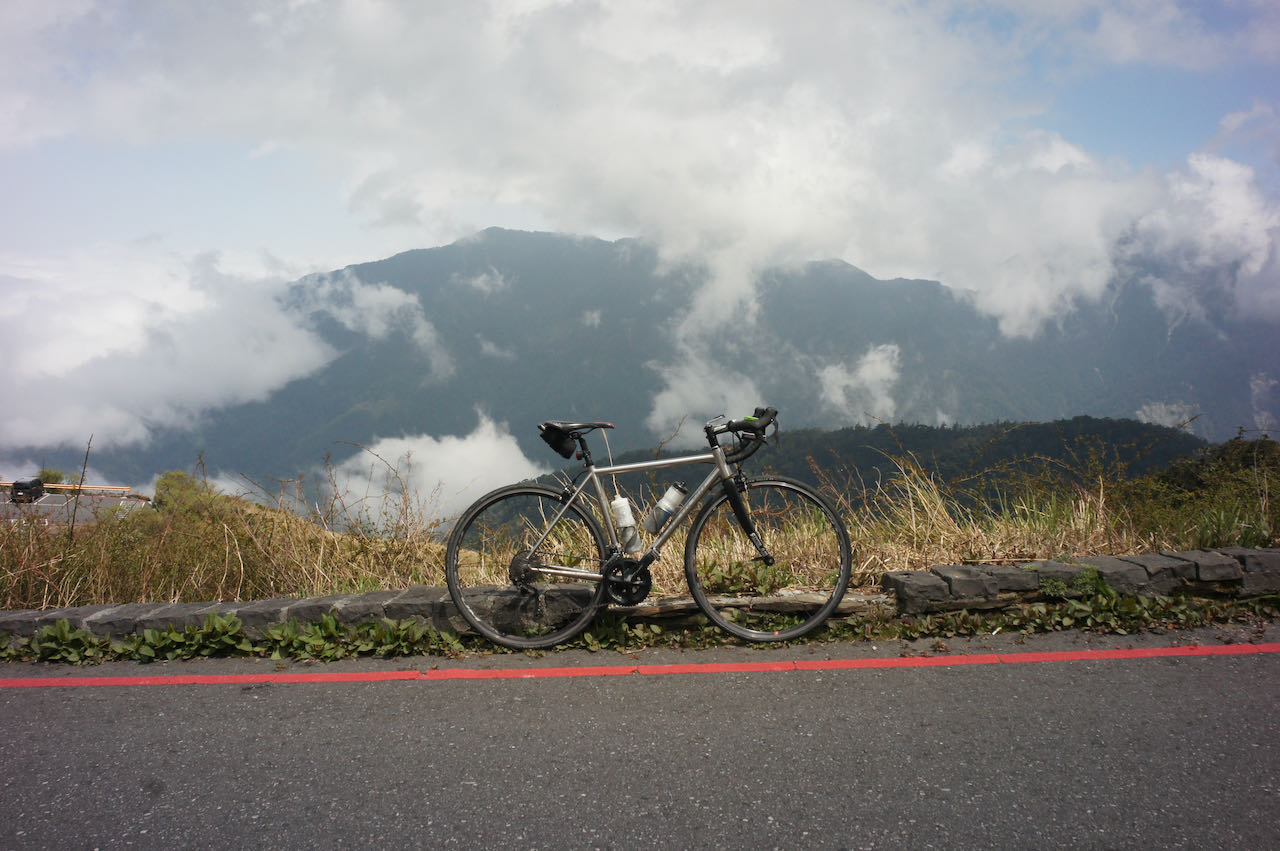
The mountain offered a short respite by allowing me to descend 76m for around 1.2km, followed by the final 162 metres climb at an 11%+ gradient. We were lucky that the weather was so fine. I patiently climbed up the hill and made it there finally. It was magnificent up there! I lingered for a little more time to savour my accomplishment, looking at the surrounding peaks, while the rest of the team was sitting in the car ready to be taken to the hotel. I am sure I will do this again.
NOTE: To use the routes, please install the App on your smartphone. The App will launch and load the route automatically after you tap the above links on your smartphone’s browser. For Garmin Connect, you can then use the APP to send the route to your garmin device. If your Garmin device is not purchased in Taiwan, you will also need make sure you have the Taiwan map on your device. Here is our blog post on this topic.
Day 5 Ch’un-yang Hot Spring to Puli ( Distance 55km, Total Ascent 855m)
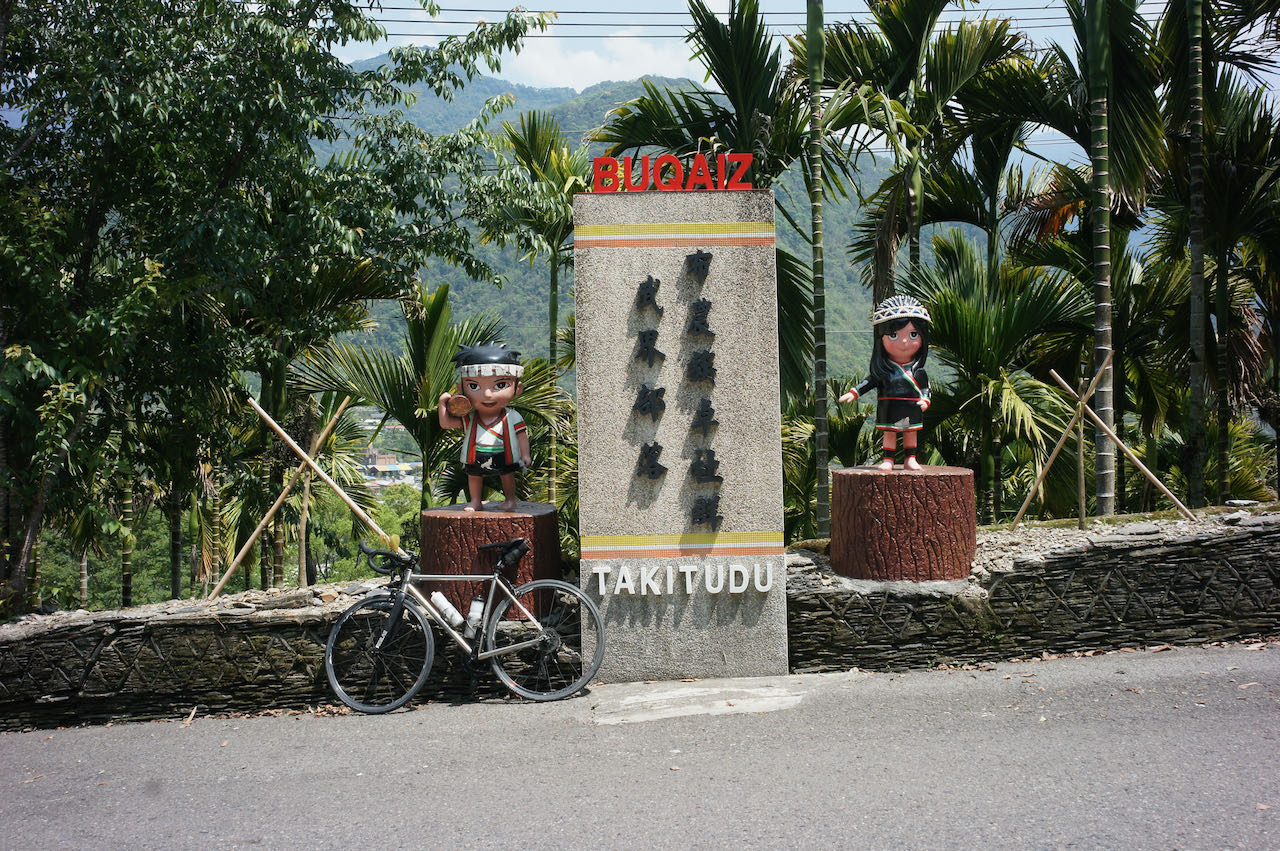
It was the last day of the trip. After climbing Wuling, most people would descend along the Provincial Highway 14甲 (or 14A ) to Puli 埔里 directly. However, Eddie led us to Wujie 武界, where the indigenous Bunun 布農族 people live. This route involved more climbing, but it was more enjoyable due to less traffic. We had a delicious lunch prepared by a chef from the Bunun Tribe. The final descent from Wujie to Puli was not to be taken lightly. It was a steep long descent with occasional metal drain grates laid across the road, which could become slippery when wet.
That’s it for my 5-day trip. Thanks to the good weather in the last 3 days, my braking pads survived. In fact, there were still some lives in them.
NOTE: To use the routes, please install the App on your smartphone. The App will launch and load the route automatically after you tap the above links on your smartphone’s browser. For Garmin Connect, you can then use the APP to send the route to your garmin device. If your Garmin device is not purchased in Taiwan, you will also need make sure you have the Taiwan map on your device. Here is our blog post on this topic.
Conclusion
I had a great time cycling with Eddie and the team members. Each one of them is an extraordinary and tenacious cyclist. Despite the limitations in the mountains, Eddie arranged clean and comfortable places for us to rest after our day-long workouts. We were well-fed with a variety of food. Our support car showed up at the best locations to provide us with supplies and access to our personal belongings. Although I did not cover the entire planned route on my bike, thanks to Eddie’s organised tour, I was able to get a glimpse of what it is like to cycle in the mountains, especially in high-altitude locations.
Eddie has been cycling in the mountains for years. And he is familiar with the indigenous people who live there. Every Christmas, he organises a ride in Baling to meet the Atayal people. However, on this trip, we had hardly any chance to interact with the indigenous people. Eddie explained that it was because we were accompanied by a support car. People knew that we would be well taken care of and didn’t require their help. When Eddit travelled with just his bicycle, the barrier between people were gone. He often encountered generous individuals who were ready to share the best food from their kitchen and hospitality with him.
As a free-spirited individual, I prefer embarking on cycling trips planned by myself. In an ideal world, I enjoy carrying my own luggages and roaming in the mountains at my own pace. However, as a father of two small kids and with a company to run, I am unable to do so at this stage. If you are an experienced cyclist who knows your abilities, you can do such trips independently. Just ensure to meticulously plan your route, including supply stops and accommodations.
Keep an eye on weather conditions and potential road blockages. Be aware that there are some areas without cell phone signals. Some of our customers had done their own research and plotted their route in the mountains like this. All they need is a brief comment from me regarding the latest condition and then a bike and some necessary accessories from our end.
If you wish to plan your own trip, there are several useful sources of information:
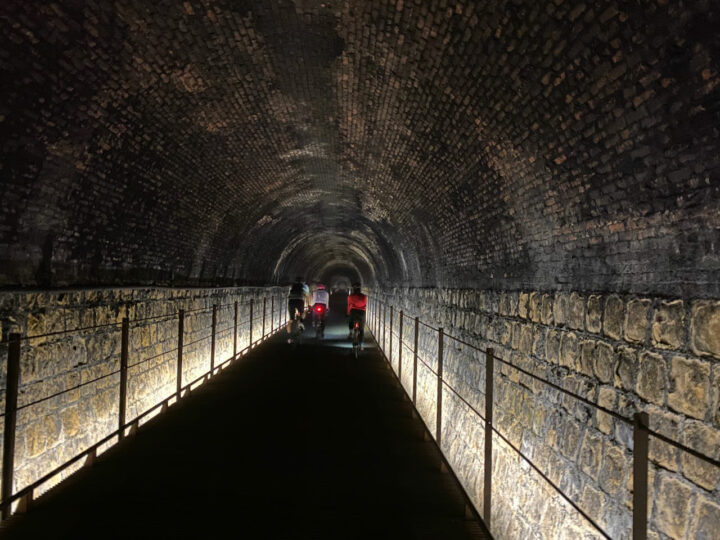
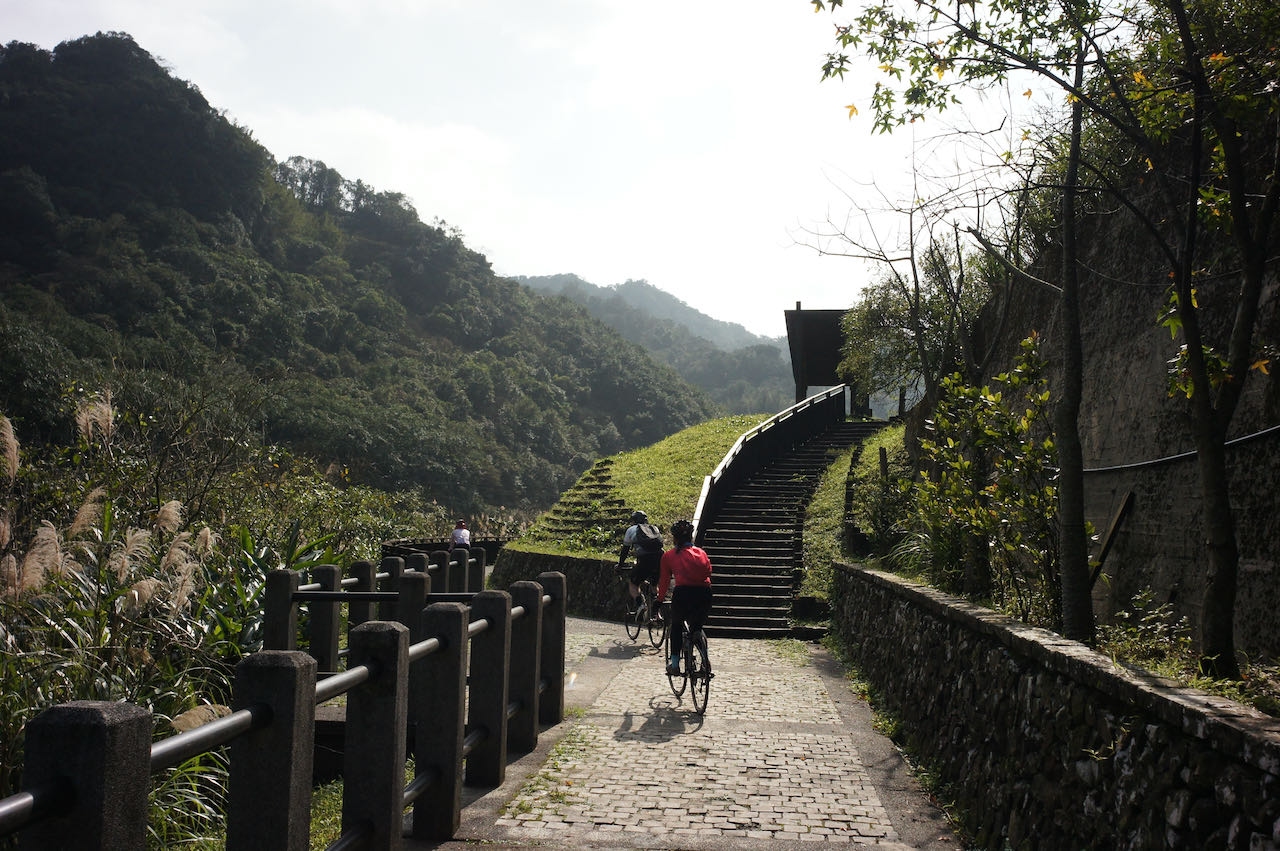
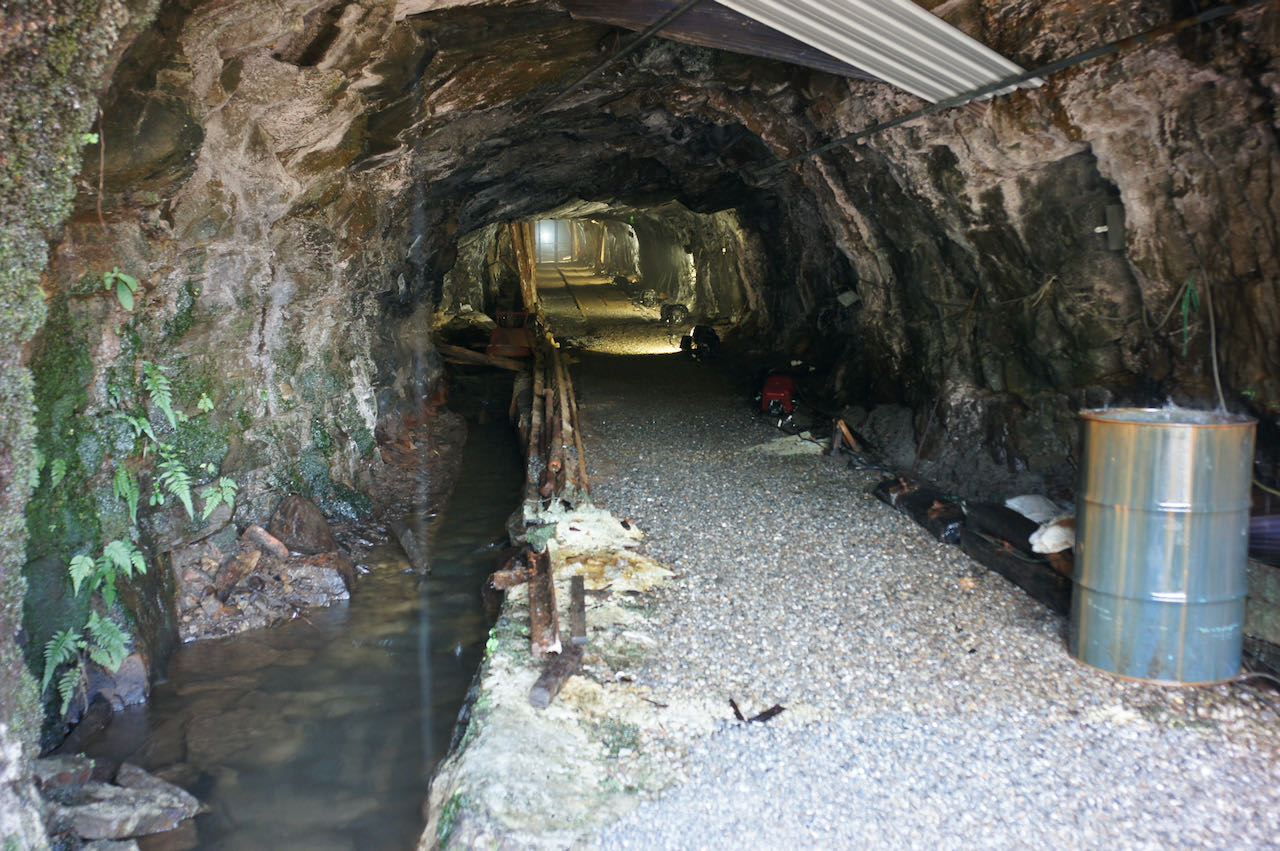
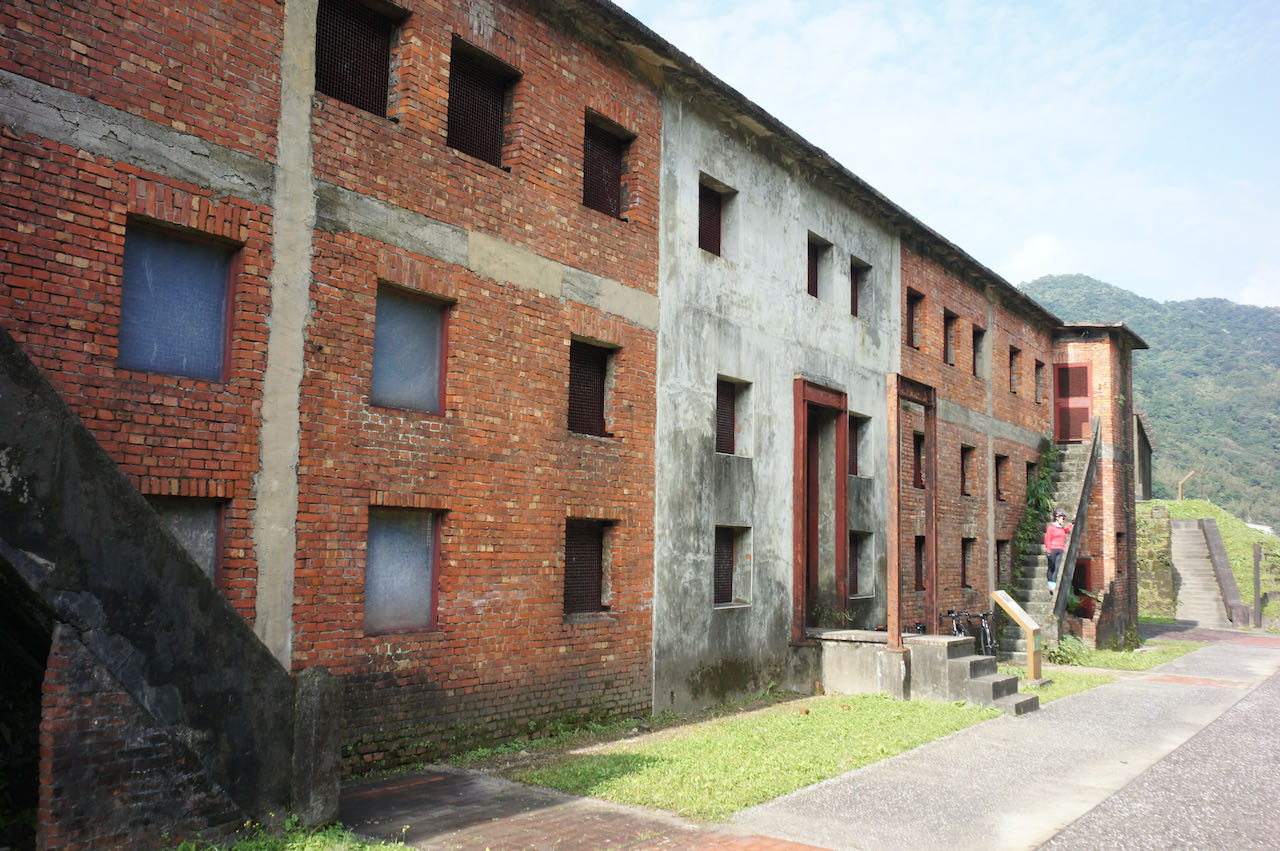
I went cycling with my friends on a Sunday in January to explore a route plotted by Sandy. We took a train from Taipei (you can board the train at Wanhua Station 萬華站, Songshan Station 松山站 or Nangang Station 南港站) to Ruifang Station 瑞芳站 and started our ride right away. We have visited the Houtong Cat Village 猴銅貓村, the Houtong Miner’s Culture & History Museum 猴銅礦工文史館 and the Sandiaoling Tunnel 三貂嶺隧道 – an old railroad tunnel that had been closed for 37 years and then was reopened in 2022 as a bike trail. On our way back to Taipei, we went to watch people flying their sky lanterns in Shifen Old Street 十分老街. This is a route with lots of interesting historical and cultural sites.
Opening hours: 8:30 ~ 16:30 everyday except Monday. If the Monday falls in a long consecutive holiday, it’ll still open. And in this case, the next working day is closed. Visitors need to to make a booking on the link above to secure a place.
Safety Precautions: The entrance of the tunnel is flooded. It’s a feature (not a bug) for people to take pictures of their reflection. But it could be slippery. The whole tunnel’s floor is laid with rows of steels with wide gaps. It can be a trap for those who wear SPD-SL or Look Keo cleats. Be careful not to stick the cleats into the gaps when you need to stop to walk. It’s dark inside and there are lots of pedestrians. Please limit your speed.
The most direct route to cycle back to Taipei is via Provincial Highway 2C (or 2丙) and County Highway 106. But it can be busy with traffic especially during weekends. Sandy had instead routed through some small roads to avoid the traffic. I have provided my GPS record below in Garmin, Velodash, and komoot. The GPX route on the entrance of Sandiaoling Tunnel is difficult to edit because the new bike path and the entrance are not yet recognised by the map. Please follow the sign on the road when you are in that area.
This is a perfect route for a 1 day cycling trip close to Taipei. If you find the route too long, you can hop on a train on Shuangxi Train Station 雙溪站 with your bike to get back to Taipei. You can also extend the route a little to make it part of your around the island trip.
NOTE: To use the routes, please install the App on your smartphone. The App will launch and load the route automatically after you tap the above links on your smartphone’s browser. For Garmin Connect, you can then use the APP to send the route to your garmin device. If your Garmin device is not purchased in Taiwan, you will also need make sure you have the Taiwan map on your device. Here is our blog post on this topic.
The cycling route known as “Buddha’s Palm” 如來神掌 is one of the most challenging route in Taipei and New Taipei. It consists of a total distance of 135km and an accumulated elevation gain of 3,130 metres. Those who have completed the route will find themselves climbing over the Yangmingshan twice and drawing a palm in their GPS tracking apps. In order to draw a finger, you need to climb from the north coast at 280m to the hillsides of Yangmingshan at 500m. In total, there are 6 climbs to complete. The downloadable GPX file of this cycling route is at the end of this post.
Recently we had a customer from Europe, a Taiwan KOM finisher, who hired a bike from us just to do this route. I did some research to provide him more information to help him achieve his goal. Might as well share it here with all of you.
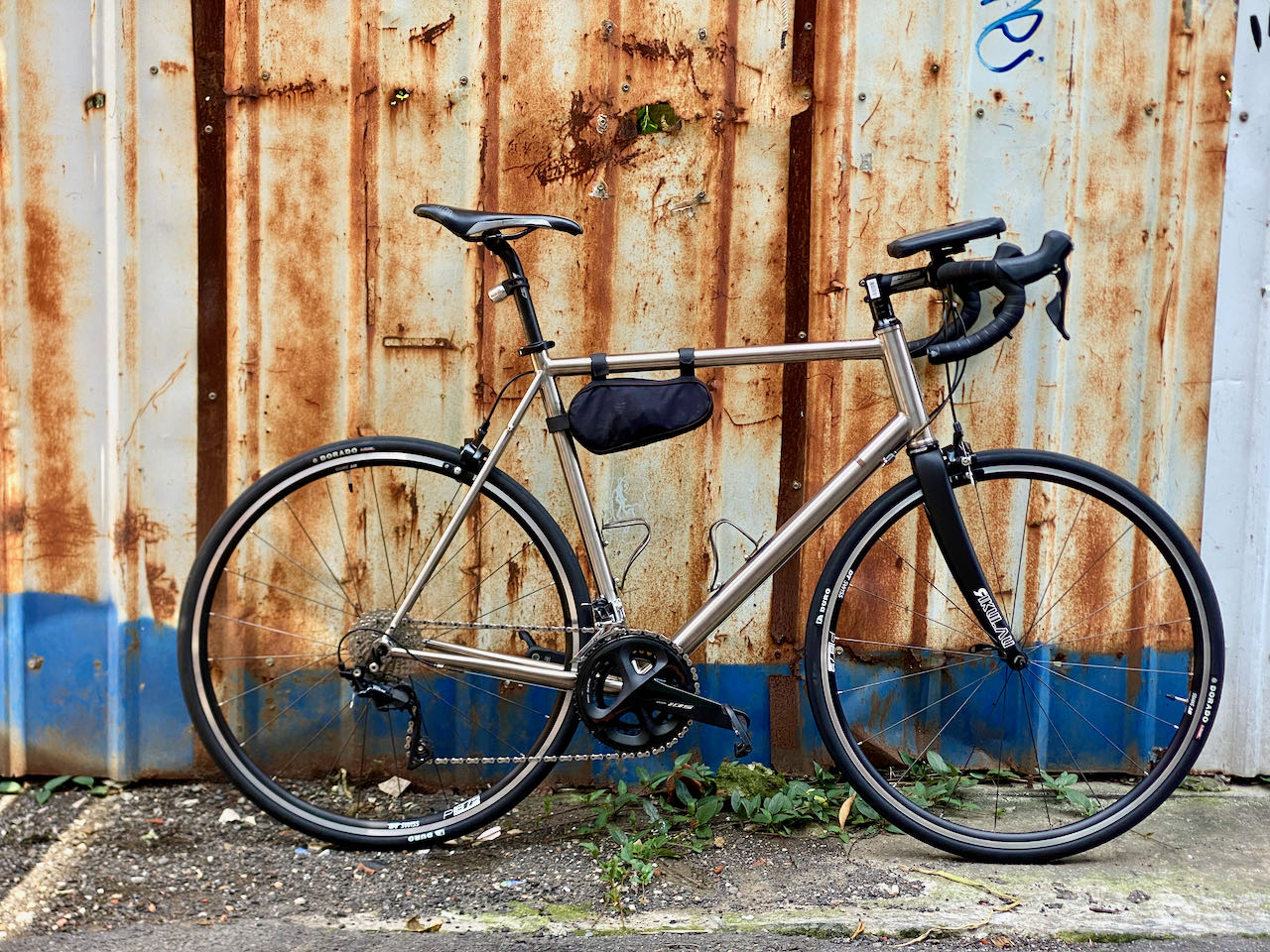
Rikulau Audax 325Ti ready to take on the challenge with our customer
“Start as early as possible, like 5:00 a.m.” is the first advice I got from a fellow cyclist who completed this route last November. It is a long route that involves a lot of climbing and descending. We should try to finish it when we still have daylight. Descending in the dark is dangerous especially when we are tired on the last leg. Some would even start at 3:00 a.m. or 4:00 a.m. for the long climb at the very beginning and do the first descent when the sun comes out. This is particularly applicable in winter as we have only around 10.5 hours of daylight with the sun setting around 17:15.
“Wind did not seem to be an issue. But there are some segments that could be very very steep, so be careful when descending”, my fellow cyclist gave me this advice when I was trying to figure out if we should do it clockwise or anticlockwise by taking the wind and the terrain into consideration. She recommended doing it anticlockwise. Though wind was not an important parameter, the prevailing wind in winter coming from the north-east did make it easier in the coastal open area when doing it anticlockwise. And in summer, the prevailing wind is not strong.
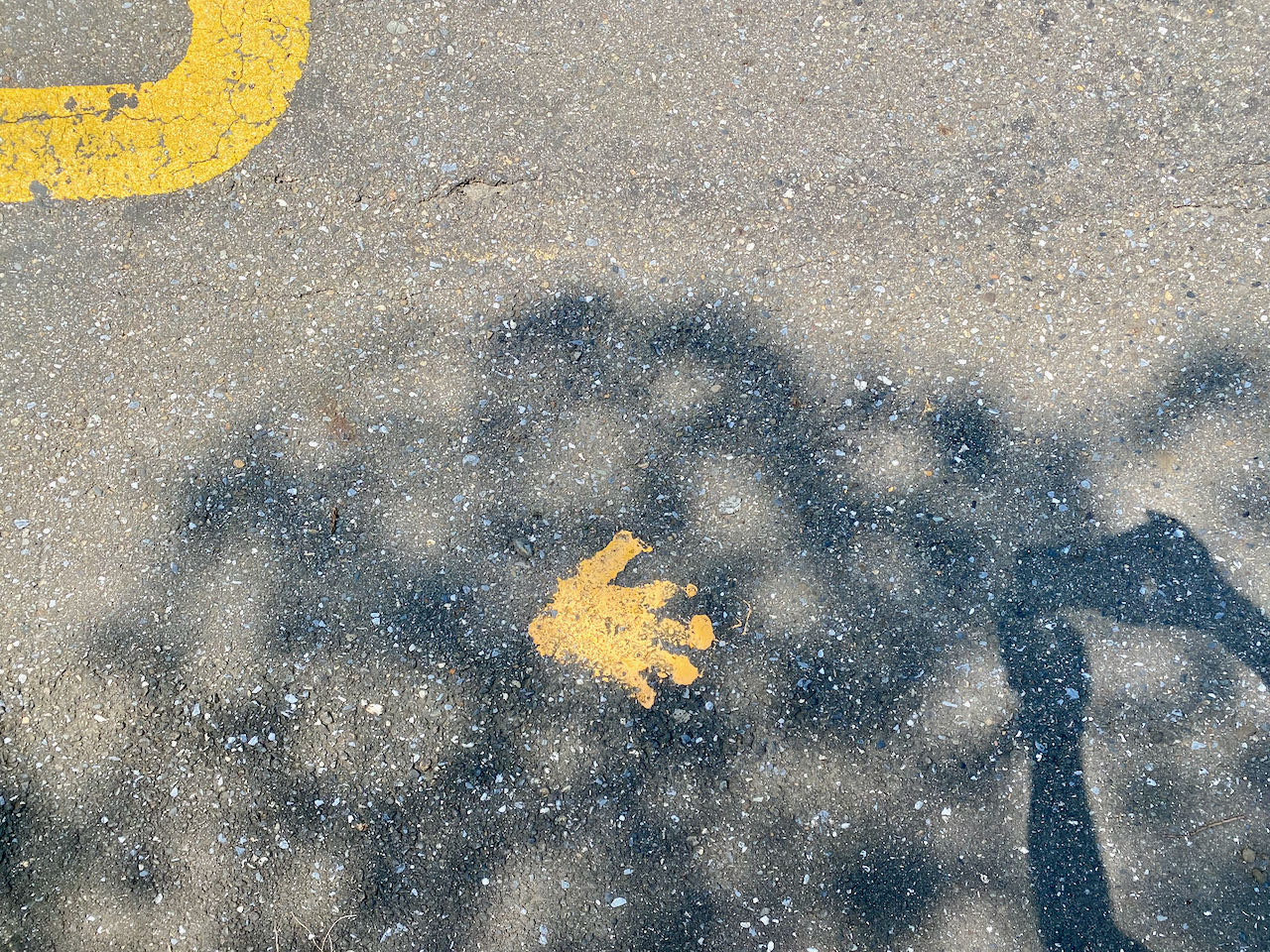
Many palm marks like this one are on the road surface for easy navigation.
For supplies, except for the middle finger, you can find at least one convenience store (7-eleven, Family Mart or Hilife) before each climb on the forearm and the fingertips. In those convenience stores, you can find various kinds of drinks, energy gels, chocolates, bananas and even some simple microwave hot meals. At the middle fingertip, there are some small grocery stores around for you to buy water.
Toilets can be found in most of the convenience stores but it was not open to the public due to the Coved-19 alert level 3 when my customer was to take on this challenge. Clean public toilets can be found easily in those tourist spots like LengShuiKeng 冷水坑, Fuguijiao (or Cape Fugui) 富貴角 and the beginning of the GPS route available in this post. Some petrol stations will open their toilets to the public too.
Those spots for supplies and toilets are marked on GoogleMaps for your easy reference.
For contingency, we can use Provincial Highway No. 2 to get to Tamsui. You may also board the MRT at Hongshulin Station if the time is right. Please refer to this post for more details. Some taxis or Ubers may also be willing to take you with your bike.
Good luck and all the best if you are planning to do the Buddah’s Palm.
NOTE: To use the routes, please install the App on your smartphone. The App will launch and load the route automatically after you tap the above links on your smartphone’s browser. For Garmin Connect, you can then use the APP to send the route to your garmin device. If your Garmin device is not purchased in Taiwan, you will also need make sure you have the Taiwan map on your device. Here is our blog post on this topic.
Guanyinshan 觀音山 is another popular cycling destination for a quick climbing exercise at the north-west side of New Taipei City, right next to the the left bank of Tamsui River. It makes it easily accessible via the Riverside Bikeways. I went there for a half day cycling exercise with my friend Tom on a Sunday in December 2020. We met in the Shilin District 士林區 and used the Guandu Bridge 關渡橋 to get to the left bank. So, the route I plotted starts and ends at the bridge. There is a convenience store nearby on Provincial Highway No. 15 for supplies. The downloadable GPX file of this cycling route is at the end of this post.
The Guandu Bridge has a separated bike lane connecting the bikeways on the right bank to the left one. We cycled on the Bali Bikeway after leaving the bridge. Then, Tom led me into a small lane that merges with Provincial Highway No. 15. And soon we took a branch, TP50, on our left hand side. There were vehicles rushing at high speed. Be aware.
Guandu Bridge
The climbing started immediately on TP50. I managed to keep up with Tom and even chatted some with him. From my research the night before, I’d learned that this route could include Zhongzhi Road 中直路, which is notorious for its steepness. The altitude gains 224 metres in 2.59km, meaning an average gradient of 8.65%. There is one 600-metre segment with a gradient of 19%, so steep that a gate was built to stop vehicles over 2.5 metres from using that road. Tom said he had descended on this road before. It’s no fun at all. It isn’t my cup of tea, either going up or down!
Fortunately Tom did not lead me onto this road. We switched to TP53 for the peak and it became steeper. Tom had long disappeared into the turns ahead. I had to take a short break. After that I struggled to clip in my clipless pedal when trying to start again. The logical procedure would be to point the bike downward when starting so that the bike would move without pedalling. That way I could balance the bike easily while I was trying to clip in my other foot. But I did not want to lose an inch of altitude in that process. So I tried to start by holding on something on the roadside to clip in both feet. It didn’t work. A fellow cyclist passing by had seen my failed attempt. He told me the way I had tried to avoid doing was possibly the best and only way. I tried and voila! I was back on the pedal with both feet. All I needed to do was ease the brakes slightly to let the bike move a little. It’s so much easier to clip back in when your legs are not responsible for powering the bike. Actually the U-turn I made was so natural that I didn’t even need to think. It was a tight, swift one and I might only just go down less than a foot.
Tom waited for me at the top at 365 metres where there is a tourist information centre and a nice cafe. It was quite busy with some hikers who drove up in their cars to climb the 1.5km of stairways for a viewing platform at 616 metres. Guanyinshan is a lonely small hill that offers a 360 degree view of the city. It’s definitely worth the effort to get to the viewing platform if you can lock your bike safely.
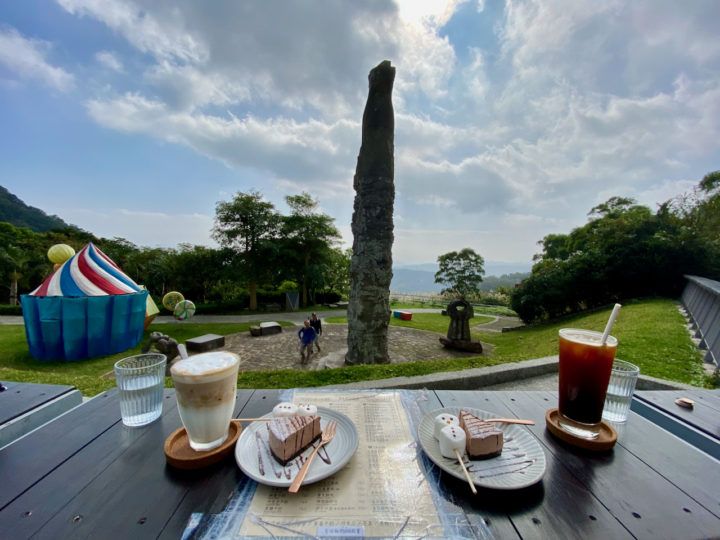
Tom and I treated ourselves to coffee and cakes before starting our descent back to the Riverside Bikeways on TP55 before noon. It is a nice route for a half day ride.
NOTE: To use the routes, please install the App on your smartphone. The App will launch and load the route automatically after you tap the above links on your smartphone’s browser. For Garmin Connect, you can then use the APP to send the route to your garmin device. If your Garmin device is not purchased in Taiwan, you will also need make sure you have the Taiwan map on your device. Here is our blog post on this topic.
Fengzhongjian 風中劍 is a 24km cycling route linking up a numbers of roads sprawling across Shilin District 士林區 and Neihu District 內湖區 of Taipei City. It comes with three peaks at 160m, 321m and 600m respectively, and therefore ideal for climb training. The downloadable GPX file of this cycling route is at the end of this post.
Its usual starting point as set in this post, Meiti Evacuation Gate, is less than 8km from most parts within the city and easily accessible via the Riverside Bikeways, which also helps make the route popular among Taipei cyclists. After each climb, you can decide whether to keep going or not, subject to your own preference, capability, or time constraint etc. The name of this route, Feng Zhong Jian, is coined by the local cycling communities by taking the first character out of the names of the major roads and locations (Fengguizui, Zhongshe Road, Jiannan Road) that make up this route. The coinage ends up with a hint of grandeur, carrying the meaning “Sword in the Wind” in English.
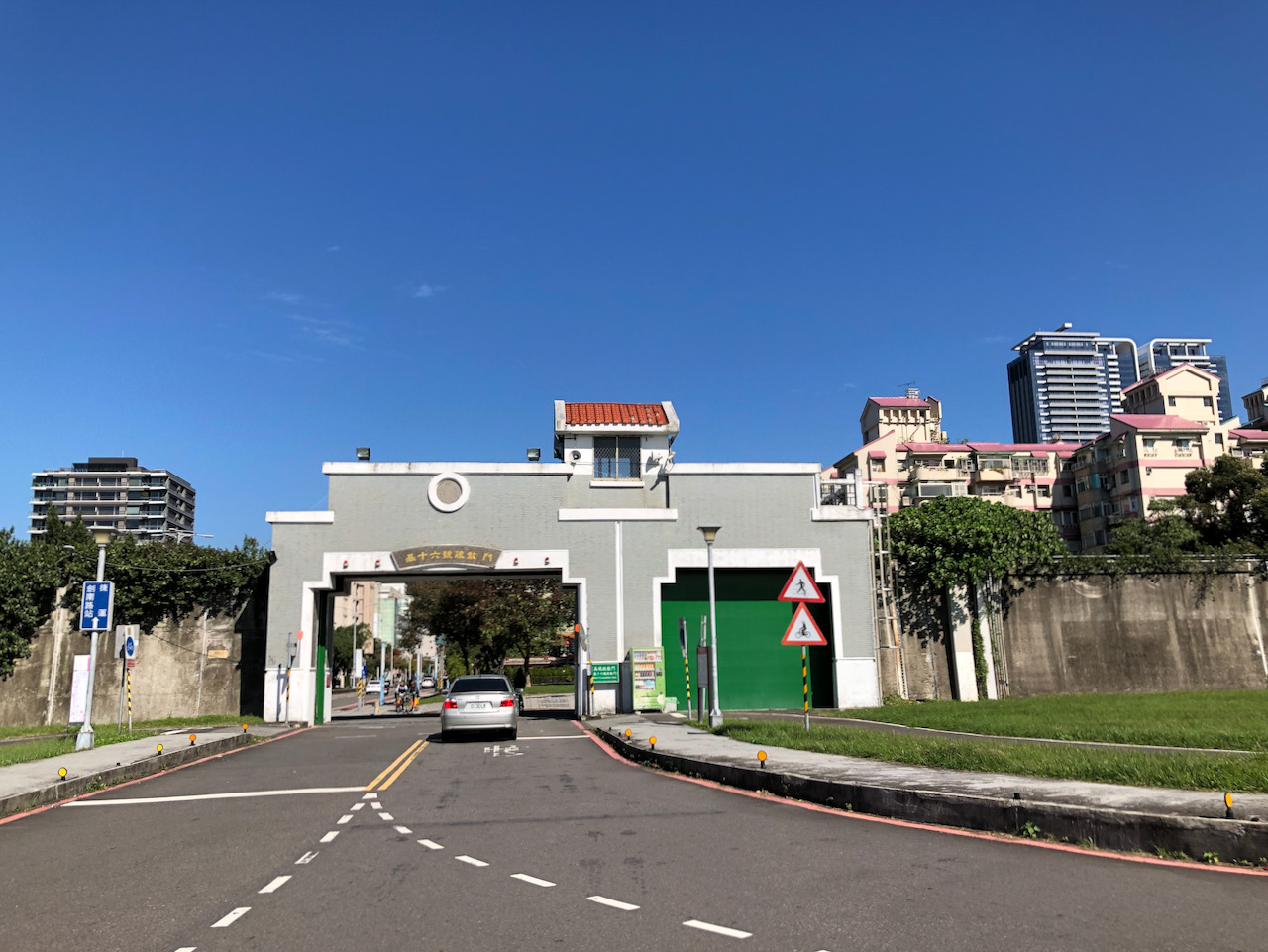
Meiti Evacuation Gate 美堤疏散門 / 基十六號水門
Meiti Evacuation Gate is one of the access points to the Riverside Bikeways in Taipei. I can’t emphasize enough how enjoyable these bikeways are with their motor vehicle free and traffic light free paths, tranquilising views offered by the surrounding rivers and grasslands, and their vast coverage. You may refer to this post to find the access point closest to your location and have a nice warm up before the climb. Then the GPS links available at the end of this post will guide you through the route from Meiti Evacuation Gate.
Jiannan Road 劍南路
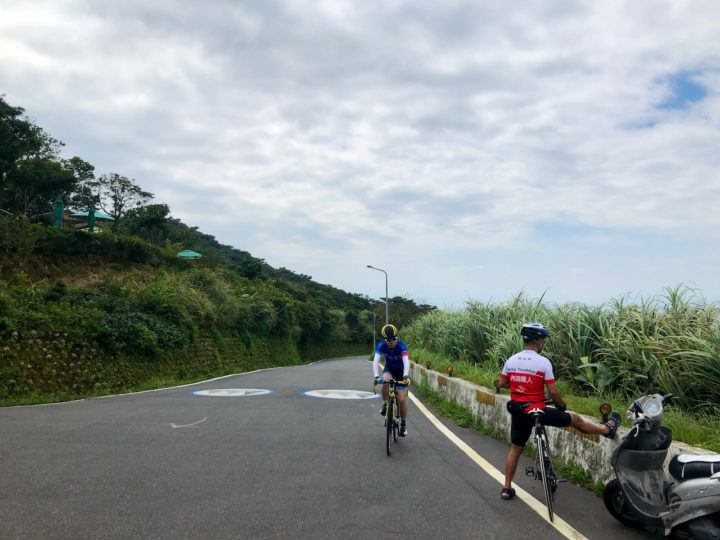
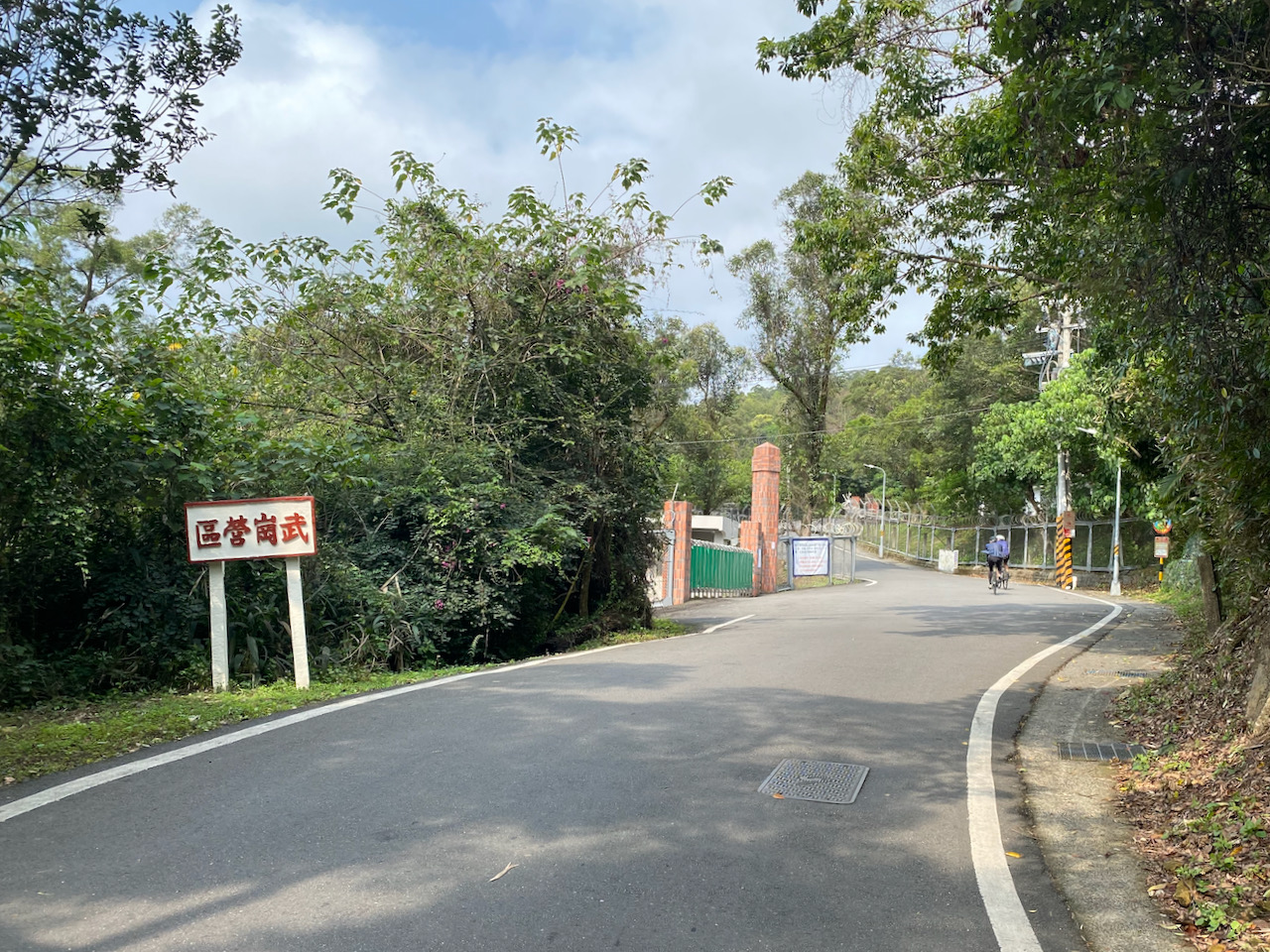
The first climb you would soon encounter after leaving Meiti Evacuation Gate is Jiannan Road. It is short with little elevation gain. The climb from the southern side is steeper than from the northern side. An elevation gain of 145m in 2.25km means you have an average gradient of 6.4%. Traffic is not busy on this road. Besides some fellow cyclists, you may also meet hikers occasionally. When you see the sign of Wugang Barrack 武山營區, you would have finished half the climb. When you reach the top, there will be a simple shelter for you to take a break.
Half the climb doneSimple Shelter at the Top
After that, head north and descend to Zhishan Road 至善路. On this side of the hill the road surface could sometimes be wet as water overflows from the drainage during wet season or after days of rain. There is also a sharp narrow turn. So, take it easy when you do it the first time.
When you reach Zhishan Road, you are at an elevation of 50m. Turn right for Zhongshe Road for the next climb.
Zhongshe Road 中社路
An elevation gain of 250m in 3.9km makes an average gradient of 6.2%. It is a cul-de-sac leading only to the residents up the hill. There are buses and cars occasionally. But it is totally fine when climbing because the road is wide with a shoulder that serves as a bike lane. At the top, there is a trail for hikers and a portable toilet.
Descending on Zhongshe Road is fun because there are several wide hairpin turns. But be careful with the cars and buses as we will use more road surface for turns and some cars may try to overtake bikes.
Back to Zhishan Road, it’s time to head for the last climb.
Fengguizui 風櫃嘴
Turn Right for Fengguizui
Shuangxi Industry Road 雙溪產業道路 and Wanxi Industry Road 萬溪產業道路 make up the climbing route to Fengguizui Lookout. An elevation gain of 412m in 6.4km makes an average gradient of 6.4% again. Although this climb is longer with more elevation gain, I found it the most enjoyable and it is one of the most popular cycling routes in Taipei.
When you reach the top, the GPX route provided here will bring you back to Zhishan Road and the Riverside Bikeways via the National Palace Museum, using the same route that you have just climbed. Zhishan Road will reward you with a mild long descent but please be aware of the thick rumble strips, which could shake your hands off from your handlebars. So hold them tight.
Fengzhongjian is one of my favourite because it offers a lot of flexibility, especially for those who do not have a whole day for cycling or who are not yet competent in climbing. You can always decide when you want to stop and turn around. The route is also so accessible that some people do it in the evening.
But if you have time to spare and don’t like returning on the same route, you may head south east after Fengguizui, which will lead you to Dahu Park 大湖公園 in Neihu District of Taipei City (TP28 → Dahu Street 大湖街) or Xizhi 汐止 in New Taipei City (TP28 → TP29) . The route to Dahu Park is quite steep while the route to Xizhi is more agreeable, wide and well maintained.
You may also head north along TP28 for the north coast and do a counter-clockwise route to return to Taipei via Tamsui District. There are many points of interests en route and will probably take up a full day.
NOTE: To use the routes, please install the App on your smartphone. The App will launch and load the route automatically after you tap the above links on your smartphone’s browser. For Garmin Connect, you can then use the APP to send the route to your garmin device. If your Garmin device is not purchased in Taiwan, you will also need make sure you have the Taiwan map on your device. Here is our blog post on this topic.
On a Friday in October 2020, I went cycling from Yingge District 鶯歌 to Yulao Lookout 宇老觀景台 (altitude 1500m) via the Northern Cross-Island Highway 北部橫貫公路 / 北橫, and then descended to Hsinchu High Speed Railway Station 新竹高鐵站. It was a 127km route with a maximum elevation of 1500m, plotted by my friend Sandy, who would be joining a cycling event the next day in Zhudong Township 竹東鎮 with her friend Teresa. The downloadable GPX file of this cycling route is at the end of this post.
She wanted to challenge herself by climbing to the lookout en route. She invited me to join them because the two ladies wanted a guy for company in the wilds. The route looked much like the one we did in Dongyanshan 東眼山, which I had enjoyed a lot. So I immediately said yes without putting much thought into it nor doing any further research.
We took a train from Taipei to Yingge and started our trip there at 7:00 am (more details about bikes on public transportations can be found here). We made good progress and merged with the Northern Cross-Island Highway at San-min before 9:00. Then we had some supplies in the convenience store Hilife at Jiaobanshan 角板山. Toilets are available in the gas station nearby. Beyond this little town, the only supplies available (bottled water and soft drinks) will be from those small stalls outside the settlements of the indigenous tribes along the road. From the two Fuxing Bridges 復興橋, I saw some big trucks on the river bed loading up sand. That explained why there had been heavy trucks passing by occasionally.
The Pink bridge on the left, which is the old bridge, has become a tourist attraction. The Red bridge on the right serves as the main bridge now.
After hanging around there for some photos, Sandy found that she got a flat tire on her tubeless wheel. The sealant inside could only slow down the leaking, so I fixed it by installing an inner tube and at the same time gave the ladies a short course on how to do it. 30 minutes later, we were good to go.
The Northern Cross-Island Highway (Provincial Highway No. 7) linking Taoyuan to Yilan is one of the three cross-island highways that connect the island’s east coast to its west coast by climbing over the Central Mountain Range 中央山脈. The other two are the Central Cross-Island Highway 中部橫貫公路 / 中橫 (Taichung to Hualien) and the Southern Cross-Island Highway 南部橫貫公路 / 南橫 (Tainan to Taitung supposedly). While the Central Cross-Island Highway becomes so famous because of the Taiwan KOM Challenge, the Southern Cross-Island Highway is still being reconstructed after damages caused by a typhoon in 2009. Some sections of the highway are reopening and attracting many cycling enthusiasts.
With a total length of 130km and maximum altitude of 1250m, the Northern Cross-Island Highway is so enjoyable and suitable for cycling that I sometimes wonder if it was built especially for bikes. Road surfaces are well maintained except for some sections with the hazard of falling rocks.
The Northern Cross-Island Highway
We had a great time cycling in the gorge and reached a junction called Sule 蘇樂 for lunch before 14:00. The small restaurant there was open and serving hot meals. Lucky! At that time, we had covered 53km and reached 660m altitude without spending too much effort on climbing. Yulao Lookout was around 25km away and there was around 900m to climb. And once we reached the top, we just needed to glide back to the ground level without pedalling.
Hot meal for lunch here
After lunch, we left the Northern Cross-Island Highway and turned to Yufend Road 玉峰道路 (TY113 or 桃113 and then 竹60-1 or HC60-1) for Yulao Lookout and then Zhudong Township, the east fringe of Hsinchu. The views were even better and we had the whole route to ourselves. Sandy was in the mood of taking short detours to find indigenous tribes settlements and take photos for her social media account. I told Teresa that we might have to descend from Yulao Lookout in the dark because the sun sets around 17:30 in October.
Yufend Road 玉峰道路 (TY113 or 桃113 and then 竹60-1 or HC60-1)
The mild slopes in front of us fooled us into believing that the route ahead would be easy. Then, we hit the real climb after Yufeng Bridge 玉峰橋. It is a 750m gain in 10km to reach Yulao Outlook, an average gradient of 7.5%. We had long passed the point of no return. We had no choice but to keep going. I was not worn out yet but I needed to get off and push the bike half the time. I needed to be conservative lest I got spasm on my legs. We finally made it to the top to catch the last glimpse of sunlight at around 17:45. All the stalls were closed. Even the police station was vacant.
Yufeng Bridge 玉峰橋Yulao Lookout for the last glimpse of sunlight
Then it went dark completely when we started to descend. The 20km of 8% downhill slope ahead was not lit. The countless hairpin turns made the descending even trickier. We had bike lights but they could not light up the road far enough. If we went too fast we would not have enough reaction time and could have thrown ourselves into the bush or rocks on any one of the sharp turns. On the other hand, my inability to descend with my hands on the drops had created another problem. I have only been using drop bar road bikes for less than 2 years. I can only do a decent with my hands on the hoods, where the braking leverage is substantially less than that on the drops. Therefore I had to squeeze the brakes very hard to limit my speed because of the slope and poor lighting. Soon I was losing my gripping power. We had to take breaks regularly for my hands to recover. The effortless downhill dive I had imagined turned out to be a survival challenge. There were cars passing by though I had no idea where they came from. One gentleman rolled down his window and yelled “Jiayou 加油” at us to give us some moral support. Thank you! That really helped. I meant it. At least he did not say that we were stupid.
Sandy was not bothered by the aggressive downhill slope even though she could only cycle with her hands on the hoods, too. It’s probably because she weighs around half my weight. Less braking force was needed to control the speed. But she started to worry about the lights. We did not expect to be stuck in the mountain like this and we did not know how long the lights would last because we could not recall when was the last time we charged them. Anyway, this was just a potential problem. We should focus on getting back to the ground level. After something like forever, we finally saw a betel nut stall, the first sign of civilization. I stopped to buy a bottle of water just to reconnect with other human beings. The road was still not lit but the slope got milder which was easier to handle. Then, we were back to those well lit county highways and were able to pick up some speed to get to Zhudong Township, where the two ladies would stay overnight for the event next day.
After a quick dinner, they went to collect their luggage from a convenience store before checking in to a hotel. They used the courier service of the convenience stores to send their stuff over so that they wouldn’t need to carry the luggages while cycling. For me, there were buses bound for Taipei that could take my bike, but I decided to take the High Speed Railway instead because it is much faster and I live close to one of the stations in Taipei. So, I hopped on my bike and cycled 12km more to the Hsinchu HSR station. When I reached the station, it was around 3.5 hours after we left Yulao Lookout. In an hour, I would be home.
It is an unforgettable cycling trip. I will definitely try to complete the Northern Cross-Island Highway in the future. But we have to be more careful when planning for a long cycling trip in an area where the population is so sparse. We were really lucky this time. There were many things that could have gone wrong. What if the restaurant was not open? We would have to climb with empty stomachs. What if it got cold and wet when we were heading down from the top? Our fingers would have been frozen and unable to control our speed. What if either one of our lights were out of battery…
Be well prepared. I don’t just mean your bike, but also your muscles. Fuel them with plenty of carbohydrates. Don’t follow your friends blindly. They don’t know your limits. Study the route beforehand and plan your time carefully. This is a lesson I learned from this trip.
NOTE: To use the routes, please install the App on your smartphone. The App will launch and load the route automatically after you tap the above links on your smartphone’s browser. For Garmin Connect, you can then use the APP to send the route to your garmin device. If your Garmin device is not purchased in Taiwan, you will also need make sure you have the Taiwan map on your device. Here is our blog post on this topic.
Afterwords
After writing this post, I learned the story about Daniel Greenhoe, an American PhD student studying in Hsinchu years ago, who once volunteered to teach English in a small primary school in Shihlei 石磊, after learning that the school was struggling to find an English teacher to teach the kids of the indiginous Taiya tribe. He started to travel the 60km with 1700m of climbing in the small hour of every Monday for 3 years. The vehicle he used was a mountain bike. The route he climbed was the one that had freaked me out when I was descending.
I went cycling from New Taipei’s Tucheng (土城) to Dongyanshan (東眼山; literally “Eastern Eye Mountain”) National Forest Recreation Area in Taoyuan County with a small group of friends on a Sunday in September 2020. It was a 71km loop with the maximum elevation of 913m, plotted by Sandy Wang, a cycling enthusiast. The starting point, and also the end point, is at the southern terminus of Taipei Metro’s Blue Line, Dingpu Station. The downloadable GPX file of this cycling route is at the end of this post.
I took the earliest metro with my bike from home and arrived at Dingpu before 7:00 am. There were already some other cycling groups gathering outside the convenience stores, of which you can be pretty sure to find one or two within the proximity of MRT stations, train stations, etc. We then had a quick breakfast and set off on Provincial Highway No. 3.
Traffic was not very busy but there was some overhead road construction work going on along the route. It got quieter and the air became fresher as we headed into the valley on Township Road TP110 and TP TP114 (shown on Google Maps as 北110 and 北114 respectively). I loved this route already.
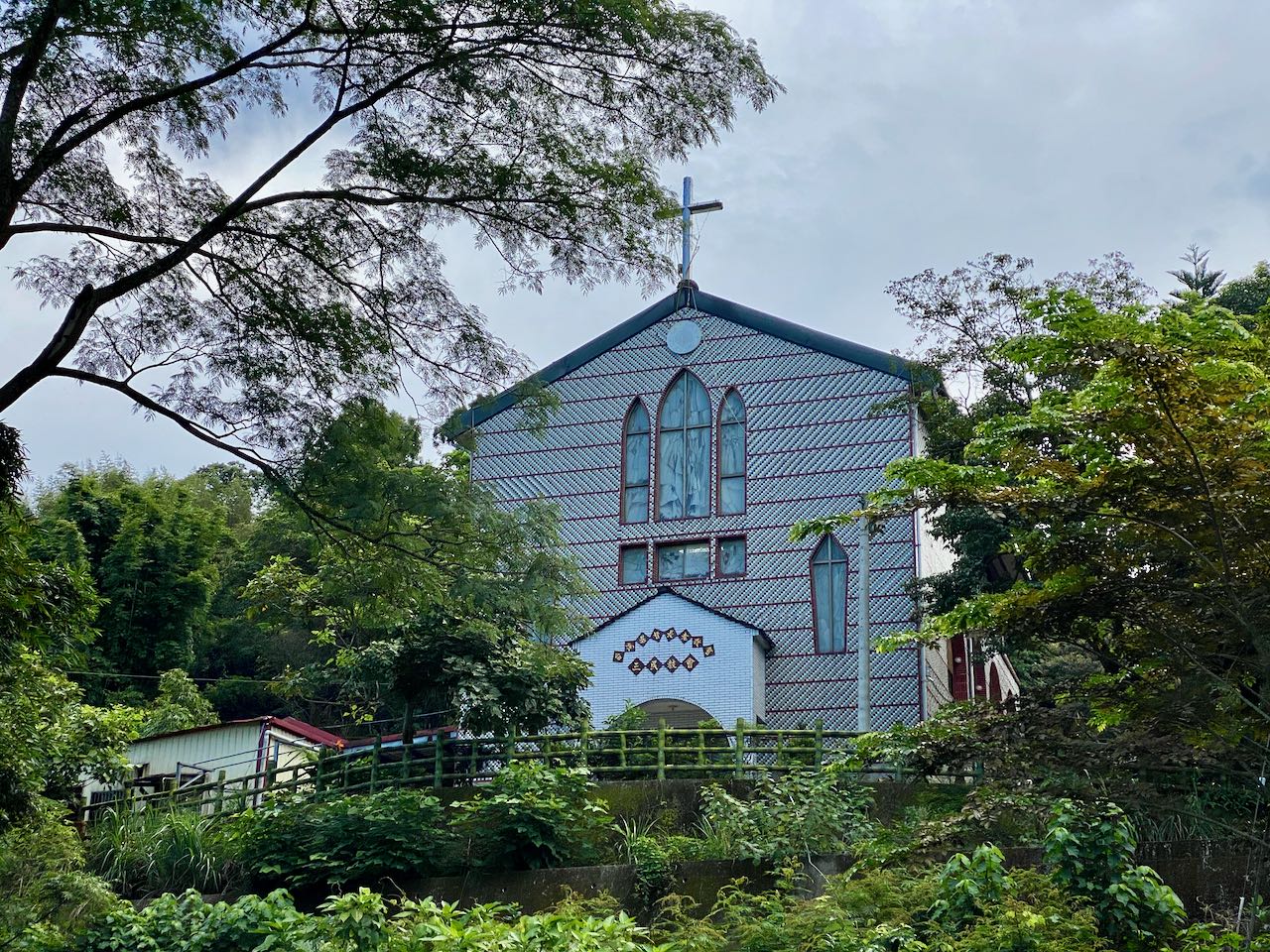
After crossing a small bridge, we switched to Provincial Highway 7B (Shown on Google Maps as 7乙). This is the Northern Cross-Island Highway (北部橫貫公路/北橫), which is one of the 3 Cross-Island Highways (橫貫公路) that could bring you to the other side of the island by climbing over the Central Mountain Range 中央山脈, and this is one of the favorite highways among cyclists and motorcyclists. We soon left the highway by turning into a small road to take a look at an old small church built by the local Atayal tribe, Jiguopai Church. Some pictures of the Jiguopai Church here.
We had to get off our bikes midway and push them uphill because it was too steep to cycle. We heard dogs barking somewhere nearby. We made sure to stay on the road and not to step into their territory. We then met a young guy heading towards the same destination, who stopped to ask us direction. He was doing the around-the-island on his motorbike. We knew this because he had a foam board on his back showing his progress. To cheer him on and to show support, a breakfast shop owner had given him more sandwiches than he could finish before they went bad. We had the honor and pleasure to share some.
Unfortunately, when we arrived at the church at last, we found it closed temporarily but without a solid plan as to when to open again. So, before you can be certain that it is reopened, if you are going to follow this route, it may be a good idea just to stay on Provincial Highway 7B and instead pay a visit to the Daxi Tea Factory (大溪老茶廠) enroute before heading for the next stop.
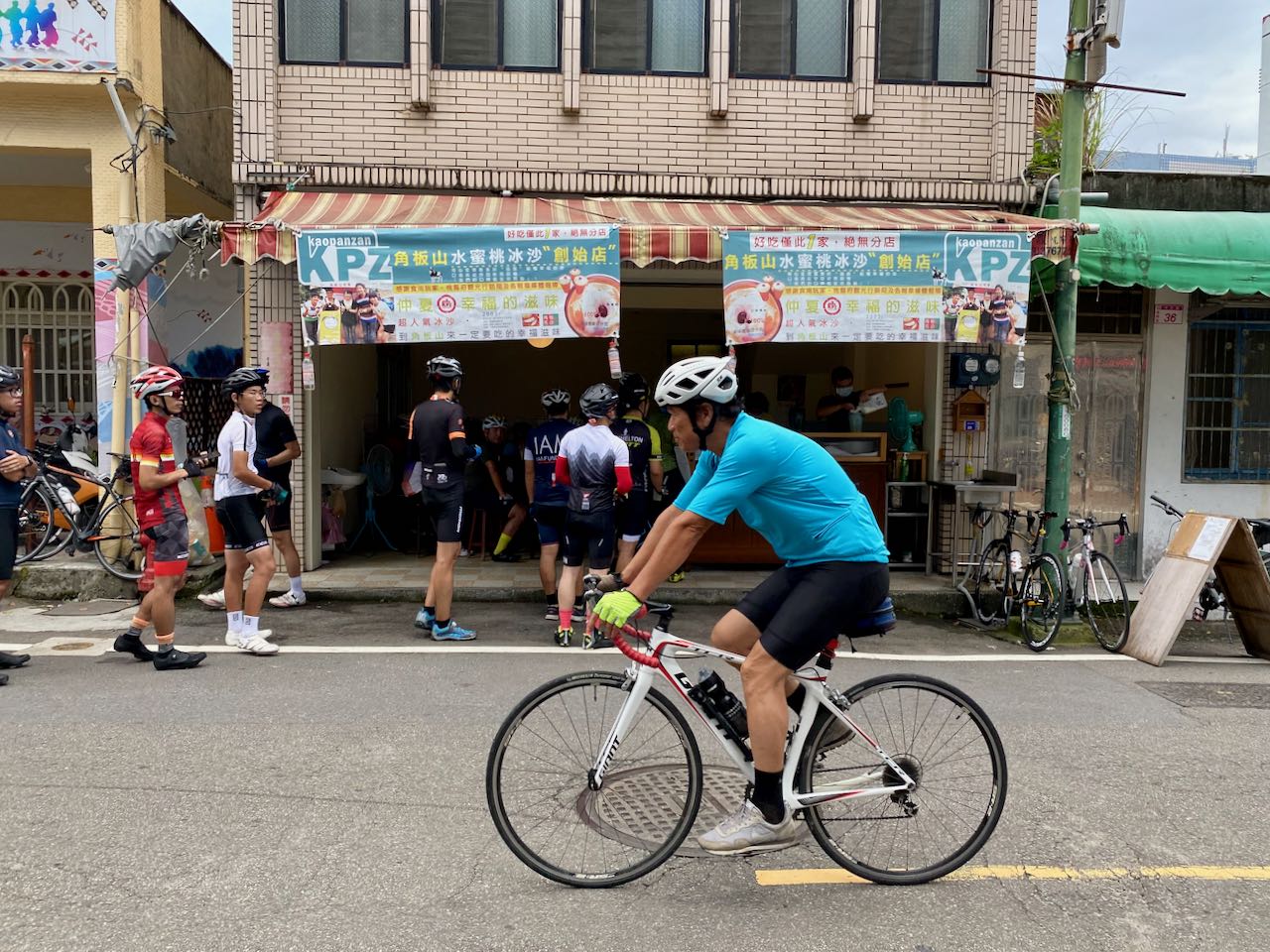
The next stop, a small town named Fuxing (復興), is where you can get a cup of nice peach smoothies and a roasted pork sausage seasoned with May Chang or Maqaw, a special kind of pepper. The peach smoothies store that sits right opposite the Jieshou Elementary School (介壽國小) offers unlimited refills for people with cycling outfits. Getting a refill there was on the bucket list of a member in our group. She had one item ticked off that day.
After the treat, we were back on Provincial Highway No. 7 and then switched to County Highway TY119 (shown on Google Maps as 桃119) for the last climb to Dongyanshan. TY119 is another nice route to climb: quiet with fresh air, lots of shades, and well maintained road surfaces.
As we were getting closer to the top, the slope became milder and the dense vegetation disappeared, replaced by a vast view of the mountain ridges. We reached a gate (altitude 913 m) leading to the recreational area. An entrance fee of NTD 100 per head will be charged. There is a viewing platform at the peak (altitude 1212m) around 4 km from the gate. But unfortunately, the hiking trails in the paid area are not cyclable. We were also told that we could not push bikes into the paid area, where there was parking space for cars, which seems really unreasonable for me. Although there was a rack for parking bikes outside the gate, we did not want to leave our bikes unattended for hours. So, we decided to call it a day and started our return leg.
We were back at a Y- junction, supposedly with County Highway TY119 on the left and County Highway TP113 on the right. But the road on the right looked so small and rugged that we wondered if that was really TP113. A cyclist climbing up from that road confirmed it was and the condition was not as bad as it looked outside. We descended 630 metres in 8.7km (average gradient 7.2%) via that road and had lunch in the first restaurant we saw. The descent was so quick that I had to equalize pressure on either side of the eardrum.
Then it was a straightforward way back to Dingpu for an MRT ride home.
I would suggest avoiding using this road for descent when it is wet because I saw some residue of mosses even on the centre of the road. That means the road will get really slippery if it gets wet. It may be a good idea to cycle this route clockwise. The climb would be much harder but the descent would be mild and safer. Dongyanshan is said to be a difficult climb because most cyclists will do it this way.
Follow Up:
We wrote to the Forestry Bureau for the possibility of parking the bikes inside the gate. The message was heard and they will consider doing it.
NOTE: To use the routes, please install the App on your smartphone. The App will launch and load the route automatically after you tap the above links on your smartphone’s browser. For Garmin Connect, you can then use the APP to send the route to your garmin device. If your Garmin device is not purchased in Taiwan, you will also need make sure you have the Taiwan map on your device. Here is our blog post on this topic.
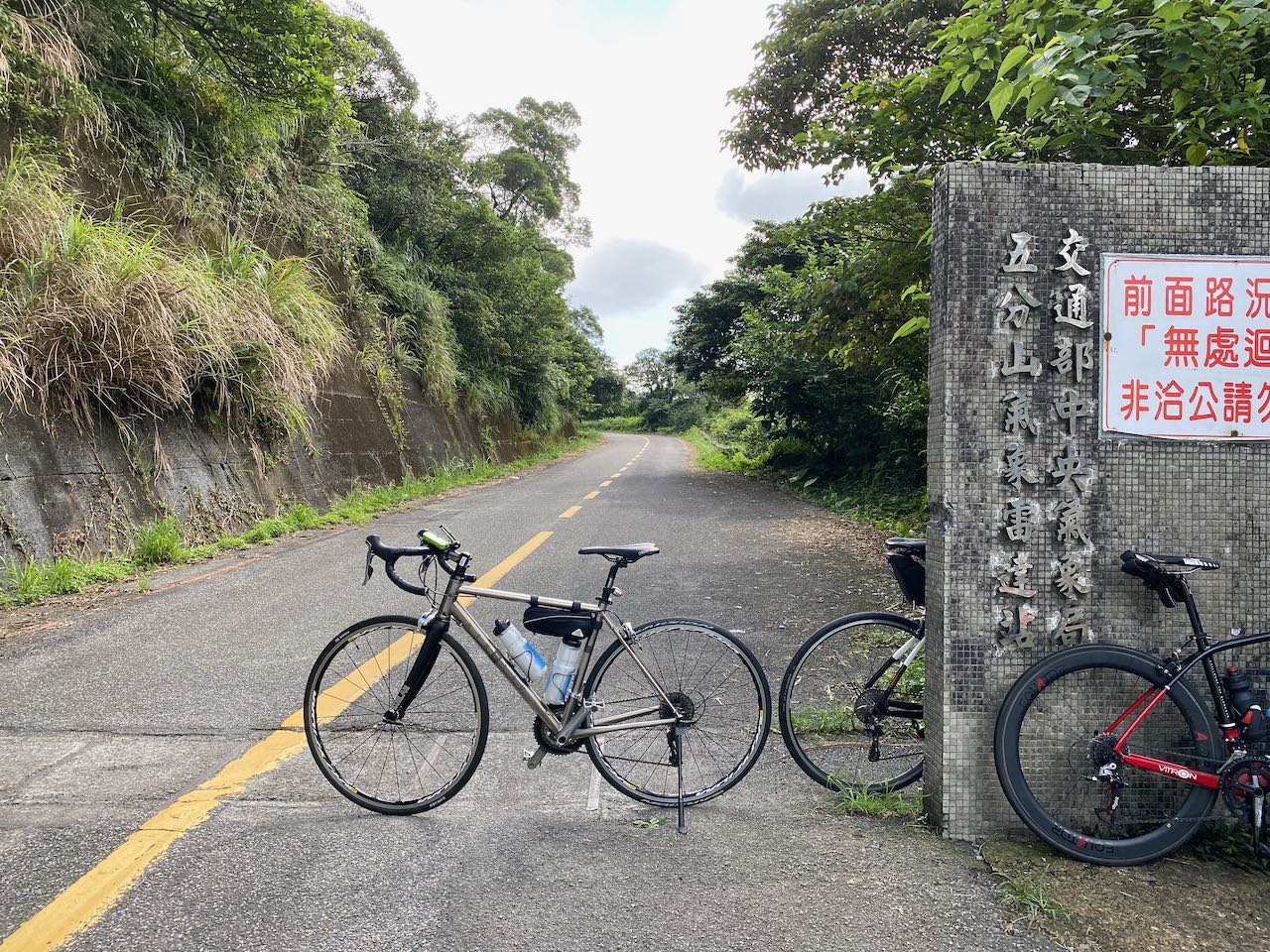
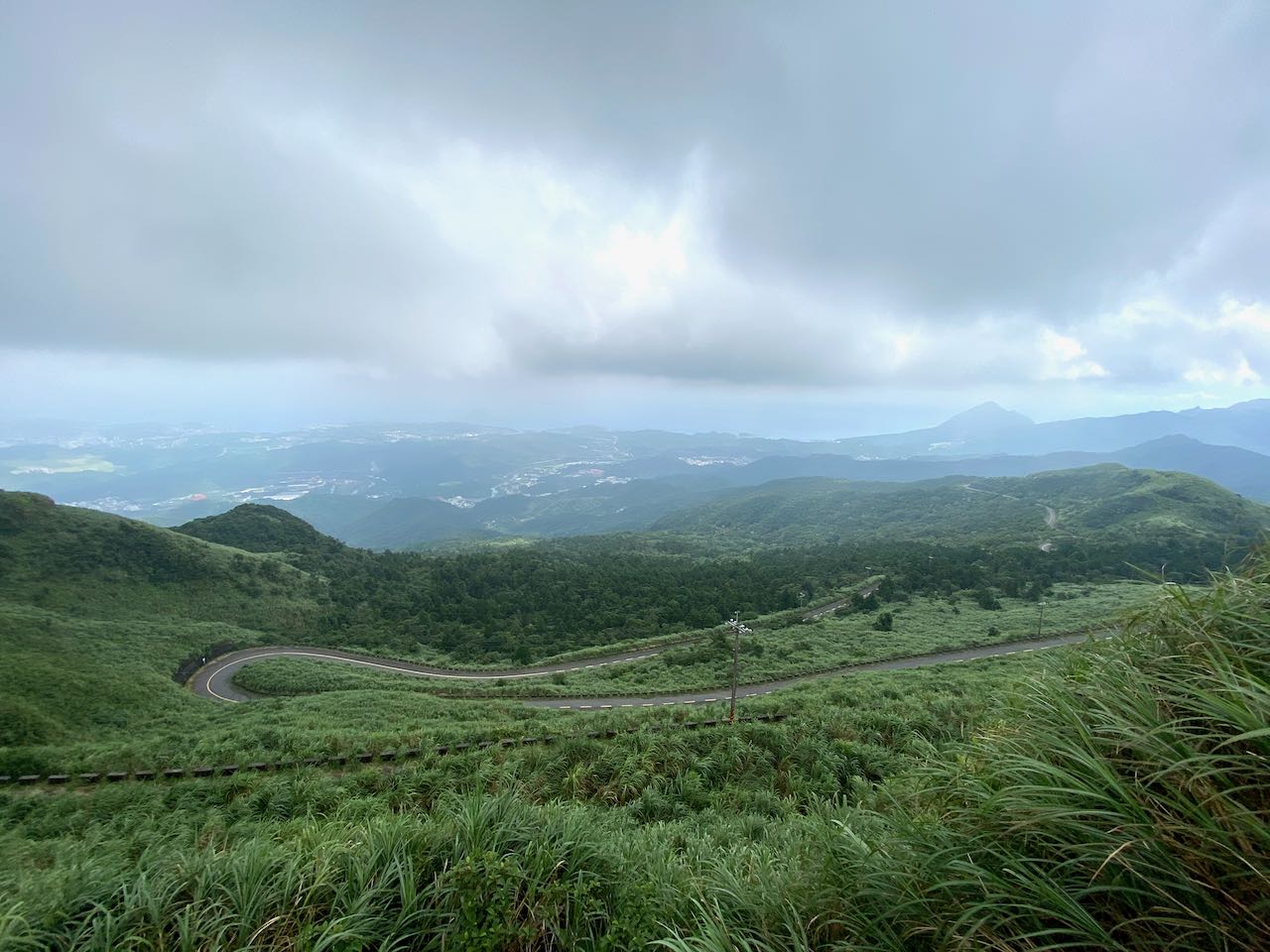
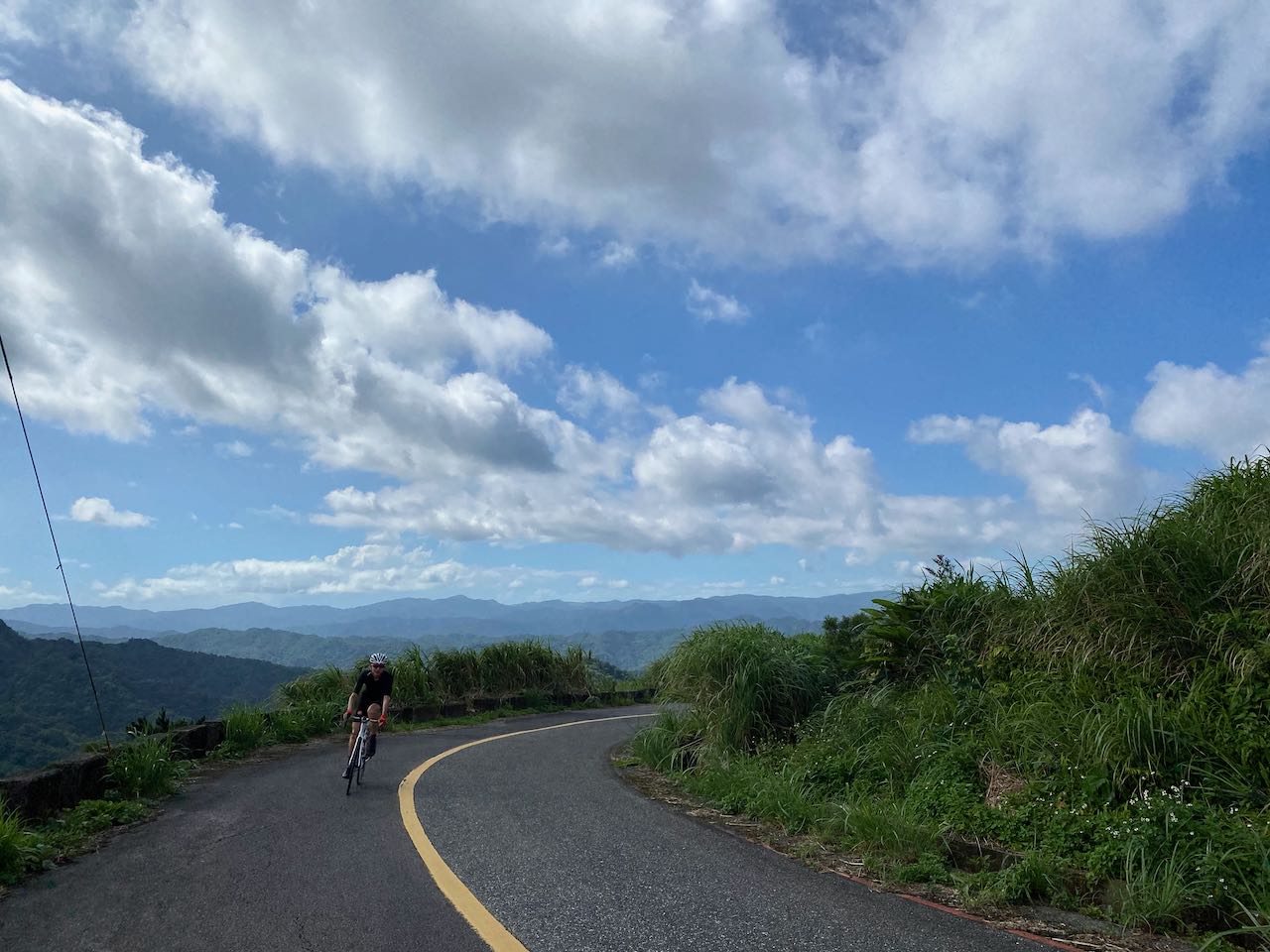
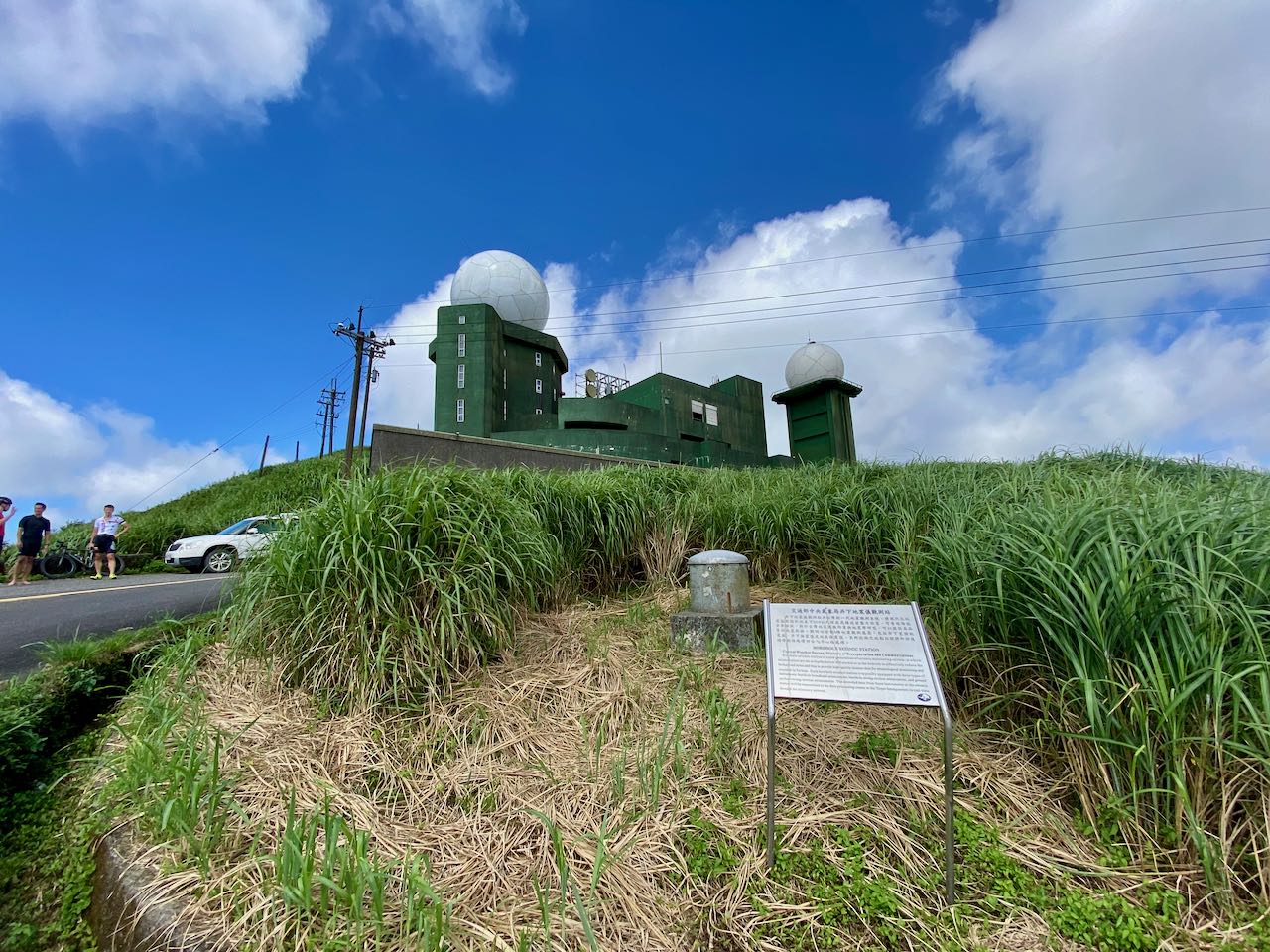
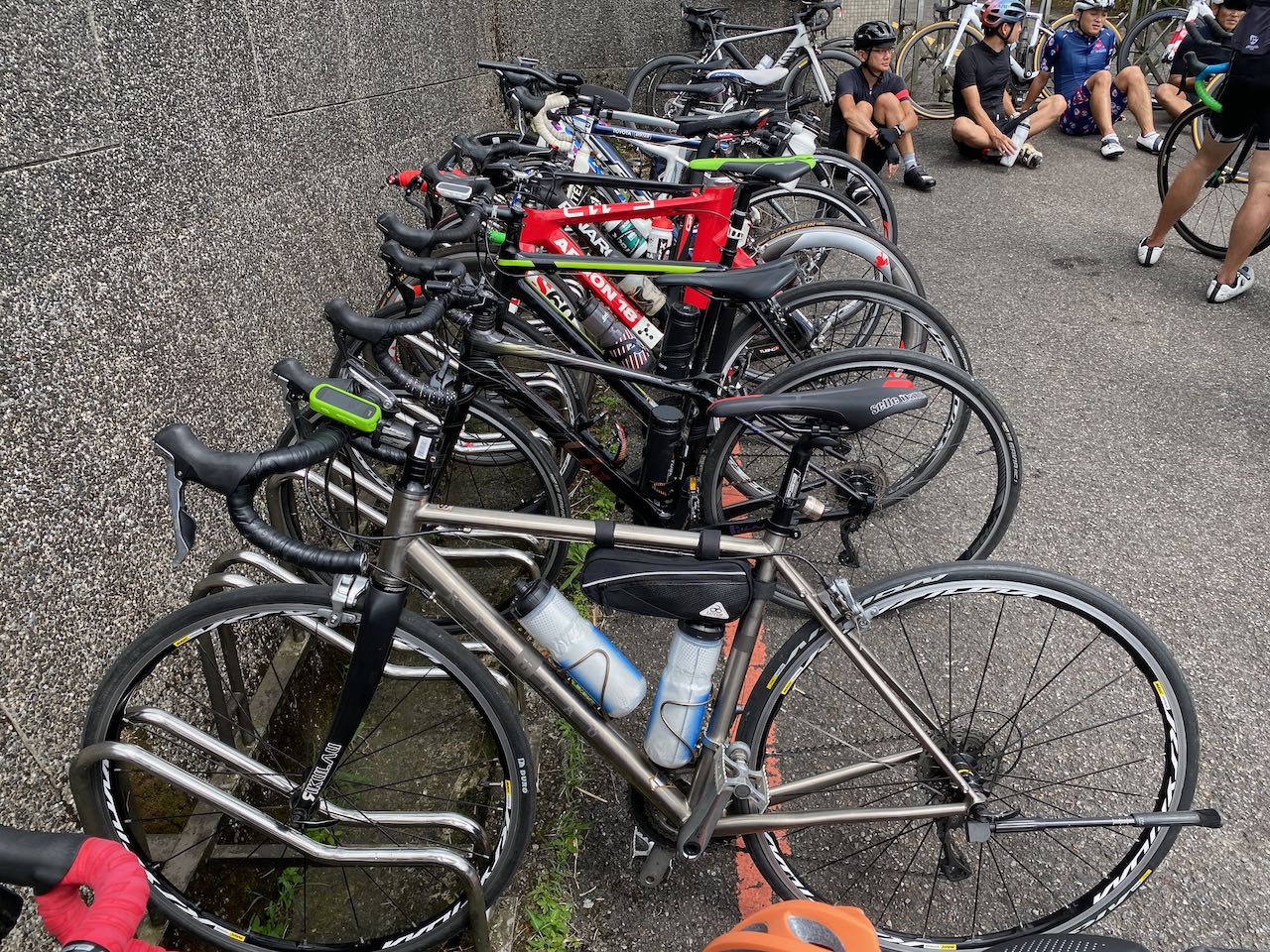
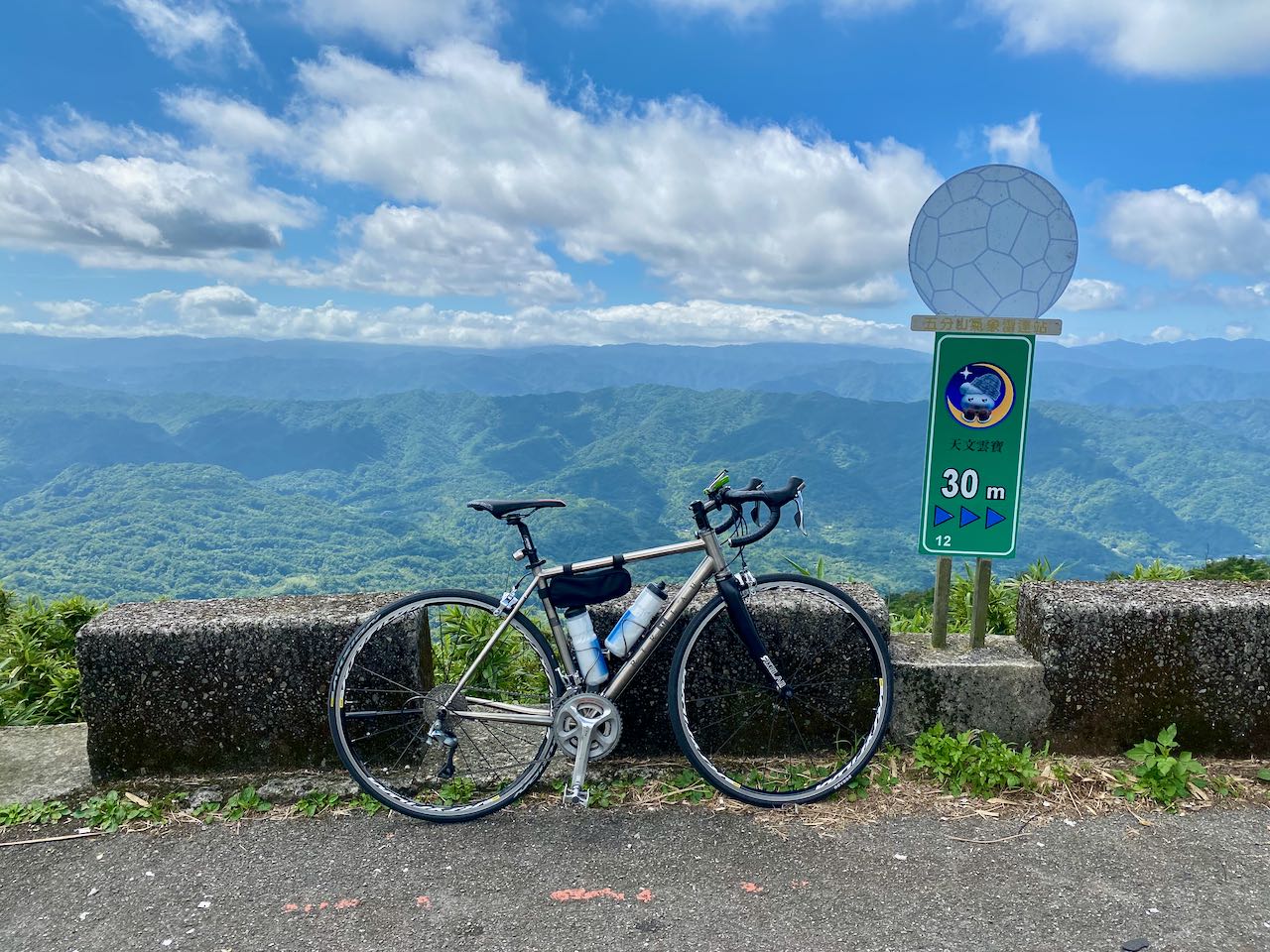
I went for a cycling trip with a group of cyclists in the outskirts of Taipei on a Saturday in mid June. It is a 67km loop with two climbs to Wufenshan Meteorological Radar Observatory 五分山氣象雷達站 (757m) and Buyan Pavilion 不厭亭 (530m). The route is designed by Sandy, my cycling enthusiast friend who wanted to offer a group of cyclists from the southern part of Taiwan an unique cycling experience here in the northern part of the island. The downloadable GPX file of this cycling route is at the end of this post.
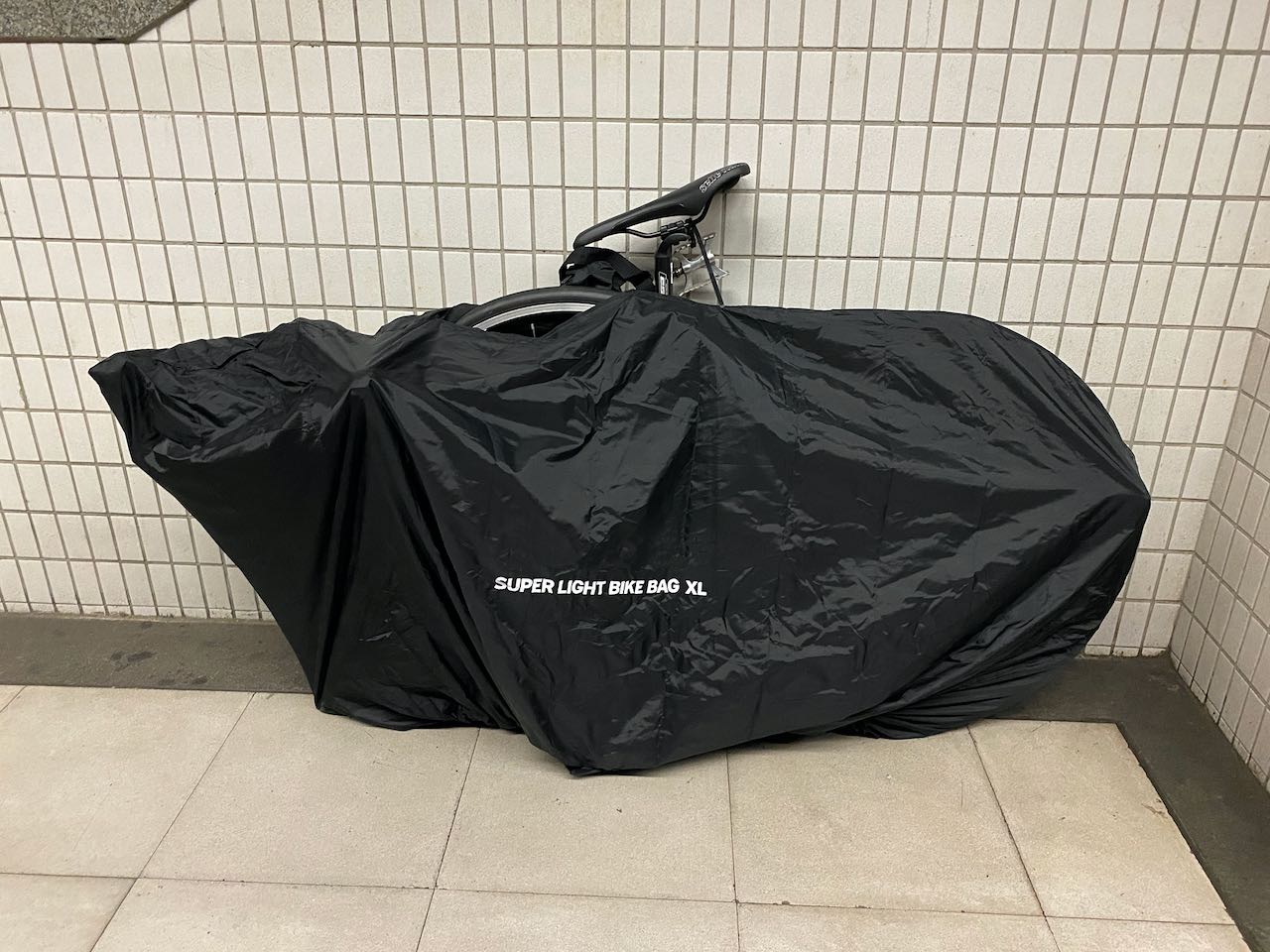
For people living in Taipei city, we can just hop on our bike, head towards a random direction, and there will be a cycling route waiting for us. We can reach those small quiet towns in the outskirts of the city in 1-2 hours. However, in order to get away from the city traffic as soon as possible and spend more time in the countryside, we sometimes take the train with our bikes to get away from Taipei first and begin our ride somewhere else. That day I was to meet my friends in Ruifang Station 瑞芳站 at 6:30 am. I bagged my bike, boarded the earliest north-bound train at Nangang Station 南港站, and arrived at Ruifang Station in 40 minutes. Please refer to this post for more information about traveling with your bikes on public Transportation in Taiwan
A bagged bike ready for boarding the train. Not a good demo though because the tyre is not supposed to be exposed.
I found a breakfast shop next to two convenience stores (7-Eleven and OK mart) outside Ruifang Station. It offers a wide range of traditional picks that turn plain flour into different kinds of products like deep fried bread sticks, clay oven rolls, and steamed buns of sweet or savory favors. The soybean milk had a slightly burnt taste, which I found really good to go with a clay oven roll. I usually prefer not to eat too much carbohydrate but I needed to load up some energy for the climbs that day.
After meeting up and exchanging some greetings, we headed off to County Highway 106 via Provincial Highway 2D (Shown on Google Maps as 2丁) for the first climb. I had cycled on County Highway 106 a couple times before, but all in the opposite direction, starting off from Nangang, and for a descent. I always found the road rather steep. However, when doing the climb, it wasn’t as bad as I had expected. The first part of the first climb, which is around 7.63km, with an elevation of 476m (average gradient around 6.2%) was completed in an hour. It was probably the 14 sharp turns on this route, rather than the gradient, that made me nervous when I was descending.
The entrance to a wonderful climb
After taking a short break chatting with the teammates underneath a small pavilion, where we enjoyed some breeze and the sea view, I reached a familiar junction with a U-turn that leads to a small path for more climbing. I had passed this junction in my previous rides and had always felt relieved for the fact that I didn’t have to take this route after cycling for around 40km from Nangang. But this time, we were going this way because it was the detour mapped out by Sandy that would bring us to the Wufenshan Meteorological Radar Observatory. It turned out to be one of the most enjoyable climbs I have ever done. I reached a state of euphoria in a split second as soon as I arrived at the first turn, which rewarded us with a panoramic view of the peaks sitting on multiple layers of ridges and the sea afar. It was another climb of 281m in 4.55km but I did not notice making any effort reaching the top. There were fellow cyclists doing climb sprinting along the route. If you stop to take pictures, please watch out for speedy bikes coming both ways.
A winding pathViews open upWufenshan Meteorogical RadarBike racks at the top30 meters to go
We took a dive from the top (757m) all the way to Shifen 十分 (elevation 175m), a small town in a valley, for a short break and some supplies. Shifen had been attracting hordes of tourists for its signature activity of sky lantern launching. Before sending your sky lantern up into the air, you can make wishes by writing them down on the lantern. It must be fun to do that. However, the industry is under the accusation of causing environmental issues and wildfire risks. I surely don’t want the lantern with my wishes on it dangling on a tree and becoming an eyesore of an otherwise beautiful valley, nor do I want it setting fire to someone’s home. To address these issues, the industry and the Tourism Bureau have formulated some countermeasures, including restricting the launch to certain areas, limiting the amount of fuel in the lanterns so as to prevent them from traveling afar. There are also schemes implemented to retrieve and recycle the used lanterns. A local cultural preservation group even developed a new kind of lantern that will self-incinerate in the air after launching, which I find a very good idea. Now I’m more willing to have a try.
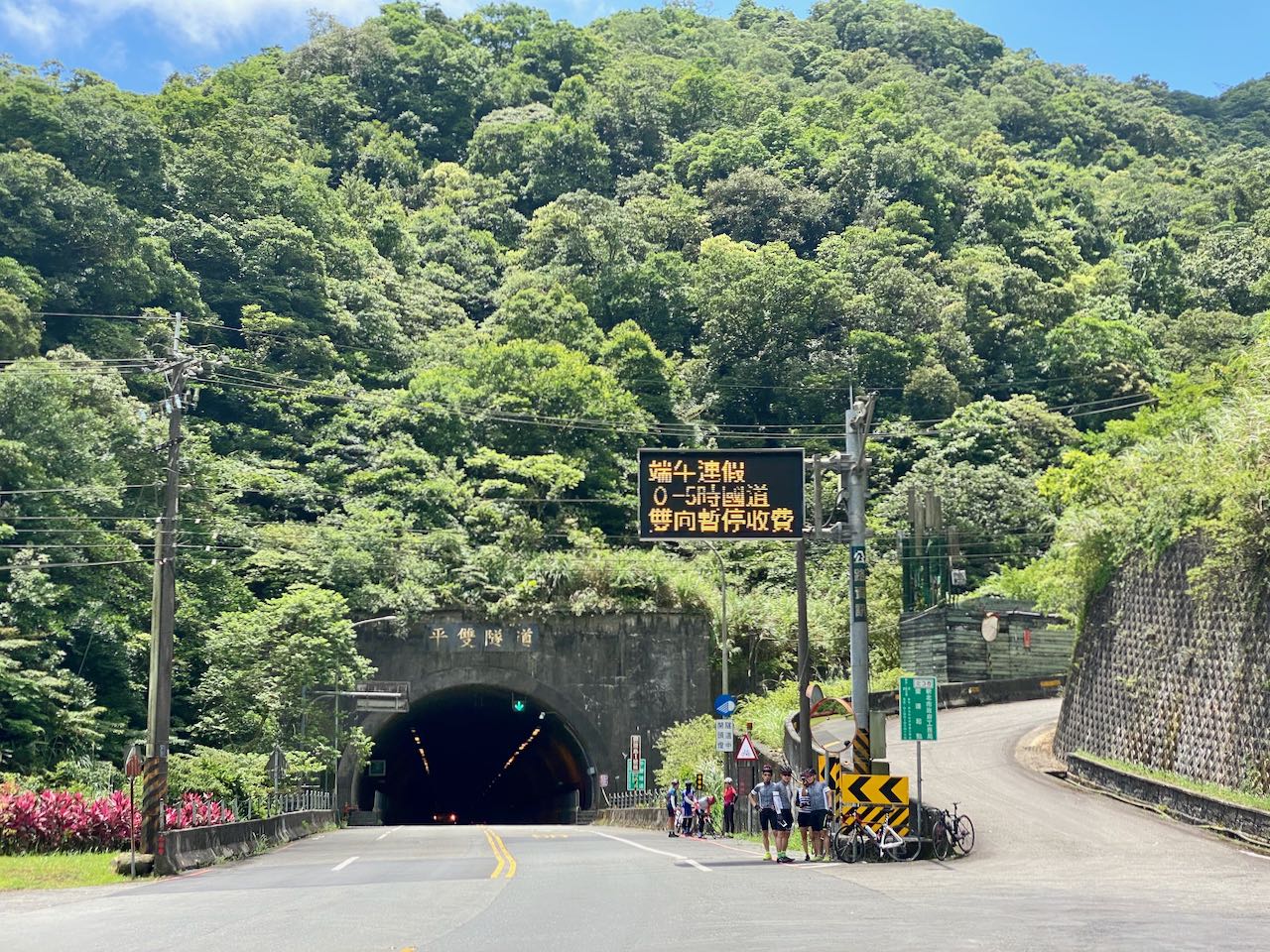
Fantastic gliding after entering this tunnel
We took the Provincial Highway 2C (shown on Google Maps as 2丙) to the next town, Shuangxi 雙溪, for lunch. It was another thrilling speedy glide on the wide and straight highway, after climbing a short slope to the tunnel. If you see a spike on the elevation profile on your GPS route, it’s probably because your GPS App fails to recognise the tunnel and tracks it as if you have climbed over the hill. Before we reached Shuangxi, we switched to a small road along a stream for less traffic and more shade. GPS route is available at the end of this post.
Shuangxi river front, a nice place to chill out
We set off to Buyan Pavilion refreshed. It’s harder for this climb because of the heat in the afternoon. On the other side of the hill sits an interesting town, Jiufen 九份, where Sandy had plotted an eventful route full of interesting spots for the group to visit. But I realized mid-way through the climb that I probably shouldn’t stick with the plan. As I had another cycling trip with a new friend early next morning and I had no idea what his average speed would be, I did not want to exhaust all my strength, risking not being able to keep up with him. So, not without regret, I returned to Shuangxi, packed my bike and took the next train home.
That was a wonderful trip. I will surely do it more in the future. As shown on the GPX route at the end of this post, after descending from Buyan Pavilion, there are two branches before reaching the coastal line. The first one to Jioufen Elementary School is for a dessert shop that serves shredded ice topped with taro balls. Located on the edge of the hillside, the shop offers a nice sea view to customers along with delicious desserts. It’s very popular amonglocal cyclists. The other branch leads to an old small canal bridge, which is very photogenic. And there are yet more to be visited.
The old canal bridge, picture taken on a previous trip
Thank you Sandy for designing such a wonderful route.
NOTE: To use the routes, please install the App on your smartphone. The App will launch and load the route automatically after you tap the above links on your smartphone’s browser. For Garmin Connect, you can then use the APP to send the route to your garmin device. If your Garmin device is not purchased in Taiwan, you will also need make sure you have the Taiwan map on your device. Here is our blog post on this topic.